Plan and listen to Praça 19 De Dezembro with Audiala.
Audio guide in your pocket, itinerary in your browser. Built for the way you actually visit.
Introduction
Praça 19 de Dezembro is a landmark square at the heart of Curitiba, Paraná, rich in history, urban symbolism, and artistic heritage. Commemorating the emancipation of Paraná from São Paulo on December 19, 1853, the square is an open-air museum of public art, architectural modernism, and civic memory. From the monumental sculptures of “O Homem Nu” and “A Mulher Nua” to Poty Lazzarotto’s extensive azulejo mural and the central obelisk, each element tells a story of Paraná’s progress, resilience, and evolving identity.
Whether you are a history buff, art enthusiast, or first-time visitor, this comprehensive guide details Praça 19 de Dezembro’s historical context, main attractions, accessibility, visitor information, and travel tips—ensuring a meaningful and well-informed visit.
Praça 19 de Dezembro is centrally located at the intersection of Avenida Cândido de Abreu and Rua Barão do Serro Azul in downtown Curitiba. The square’s strategic position places it near civic buildings, cultural centers, and major historic sites. Accessible by public transport, bicycle, or on foot, the square is part of Curitiba’s walkable and urban-friendly downtown (brazilcityguides.com).


Historical Context and Urban Significance
Praça 19 de Dezembro was inaugurated in 1953 as part of an ambitious project to celebrate the centenary of Paraná’s political emancipation from São Paulo. Governor Bento Munhoz da Rocha Neto spearheaded its construction, envisioning a modern civic center that would reflect the state’s new identity and aspirations (Curitiba Space). While the original vision was only partially realized, the square’s design and artworks remain an enduring testament to mid-20th-century Brazilian modernism.
The square’s name immortalizes December 19, 1853, the date Paraná became an independent province. Its monuments and artistic panels narrate key episodes in the state’s journey, blending history, symbolism, and urban innovation (ALVES, 2021).
Main Monuments and Artistic Features
O Homem Nu (The Naked Man)
The most famous symbol of the square is “O Homem Nu,” a granite statue by Erbo Stenzel and Humberto Cozzo, unveiled in 1953. This striking nude male figure faces northwest—towards Paraná’s future—and represents progress, resilience, and the universal potential of humanity. The statue’s nudity is intentional, evoking both vulnerability and strength. Its orientation, determined by compass, underscores the forward-looking spirit of the era (Wikipedia).
A Mulher Nua (The Naked Woman)
Added later and sculpted by Humberto Cozzo, “A Mulher Nua” stands as a complement to “O Homem Nu.” Originally intended for the State Tribunal of Justice, this upright, dignified female figure symbolizes Justice and balances the square’s artistic narrative. The pair, known locally as the “Casal Nu,” invite reflection on gender, justice, and social progress. Their presence has sparked debates on artistic freedom and public values, ultimately becoming emblems of Curitiba’s body-positive and inclusive spirit (Encyclopedia of Public Art).
The Obelisk
At the center of the square lies an 80-meter stone obelisk, erected in 1953 to mark the centennial of Paraná’s emancipation. The obelisk is inscribed with the historic date—December 19, 1853—and serves as a powerful anchor for the square’s symbolic landscape (Lei Nº 762/1953).
Poty Lazzarotto’s Azulejo Mural
A defining artistic highlight is Poty Lazzarotto’s azulejo mural: a 32-meter-long, blue-and-white ceramic tile masterpiece depicting seven vignettes from Paraná’s history. From the discovery of minerals in Paranaguá to the state’s emancipation, the mural uses dynamic composition and narrative continuity to convey a sense of a shared journey. The final panel features Curitiba’s cathedral and Zacarias de Góis e Vasconcelos, Paraná’s first president (Paraná Cem Anos).
Erbo Stenzel’s Granite Relief
On the opposite side of the azulejo mural stands Erbo Stenzel’s granite relief, a high-relief panel illustrating the colonization and settlement of Paraná. Sculpted directly into granite, it emphasizes the labor, migration, and diversity integral to the state’s history (Curitiba-Paraná.net).
Water Features and Urban Design
A curving water tank in the square echoes the region’s rivers and pays homage to the site’s 19th-century role as a public water source. The spatial arrangement of statues, obelisk, and murals is deliberate, guiding visitors through a sequence of symbolic encounters and promoting contemplation of Curitiba’s evolving identity (Curitiba Histórica).
Visiting Hours and Admission
- Open: 24 hours a day, year-round
- Admission: Free; no ticket required
- Best Visiting Hours: Daylight (approx. 7:00–20:00), for safety, photography, and optimal artwork viewing
Accessibility and Visitor Amenities
- Wheelchair Access: Paved walkways and ramps throughout the square
- Public Transport: Multiple bus lines and tourist routes stop nearby
- Bicycle Access: Bike lanes and rental stations in the area
- Seating: Benches and shaded areas available
- Restrooms: No public restrooms on-site; facilities in nearby cafes and shopping centers
- Connectivity: Free public Wi-Fi is limited, but mobile coverage is strong
Guided Tours and Events
- Guided Tours: Available via local agencies and the Curitiba Tourism Office, often as part of historical or cultural walking tours (Curitiba Tourism Office)
- Cultural Events: The square hosts public events—especially on December 19 (Paraná’s Emancipation Day) and March 29 (Curitiba’s anniversary)—featuring music, performances, and civic celebrations (Paraná Educativa)
- Special Commemorations: Focused on emancipation, social justice, and urban identity
Nearby Attractions
- Passeio Público: Curitiba’s oldest public park
- Palácio Iguaçu: Seat of Paraná’s government
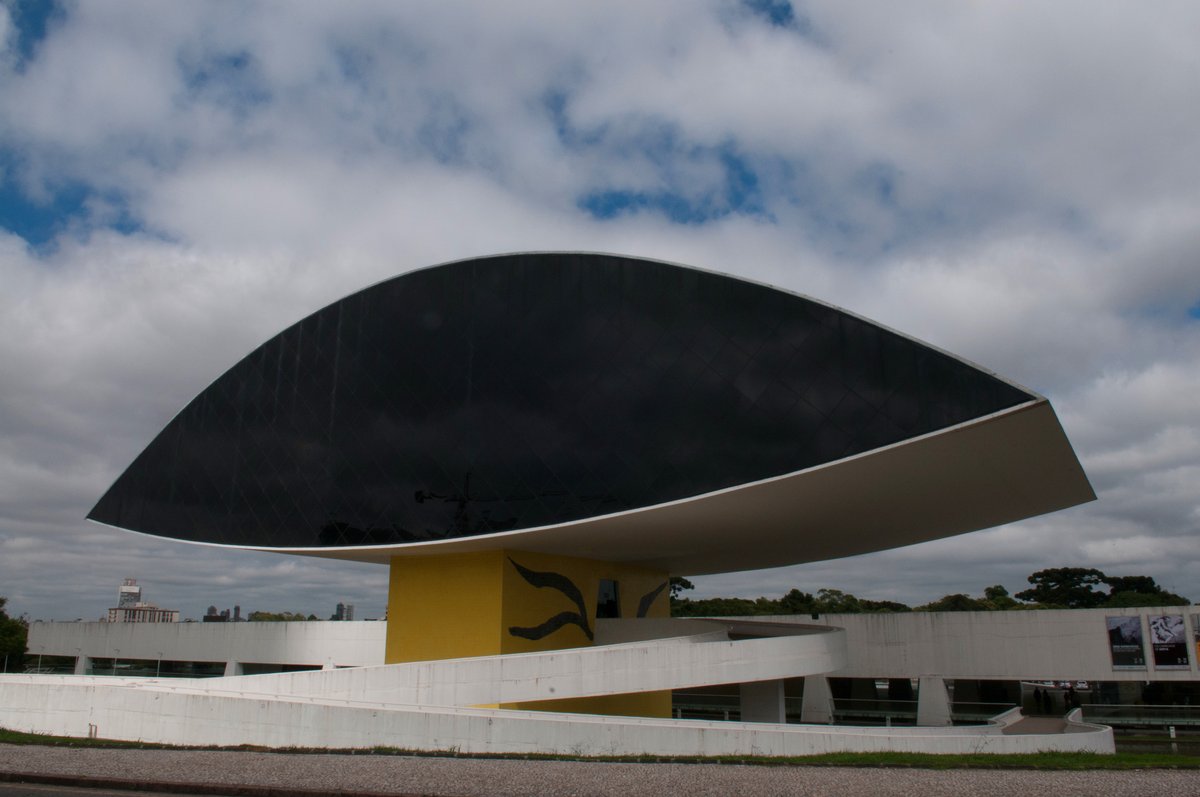
- Oscar Niemeyer Museum: Modern art and architecture
- Largo da Ordem: Historic district with colonial buildings and weekly fair
- Rua XV de Novembro: Iconic pedestrian shopping street
All are within walking or short transit distance, making the square an excellent starting point for a city itinerary (Turistoria; brazilcityguides.com).
Visitor Tips and Safety
- Footwear: Wear comfortable shoes for exploring the square and neighboring areas.
- Weather: Curitiba’s weather can change rapidly; bring a light jacket or umbrella.
- Safety: The area is generally safe, with regular police patrols and steady foot traffic. Stay alert during crowded events and avoid isolated spots at night.
- Photography: Allowed and encouraged—morning and late afternoon light are ideal.
- Language: Portuguese is the primary language; basic English is spoken in some tourist areas.
- Sustainability: Use recycling bins and respect Curitiba’s sustainability efforts.
Frequently Asked Questions (FAQ)
Q: What are Praça 19 de Dezembro’s opening hours?
A: The square is open 24/7, but daytime visits (7:00–20:00) are recommended.
Q: Is there an entry fee or ticket required?
A: No, admission is free.
Q: Is the square accessible for people with disabilities?
A: Yes, there are paved paths and ramps suitable for wheelchairs and strollers.
Q: Are guided tours available?
A: Yes, through local agencies and the Curitiba Tourism Office.
Q: What are the main attractions in the square?
A: The "O Homem Nu" and "A Mulher Nua" statues, the obelisk, Poty Lazzarotto’s azulejo mural, and Erbo Stenzel’s granite relief.
Q: Is it safe to visit at night?
A: While the square is open at night, it is best to visit during daylight for safety and better enjoyment of the art.
Q: Are restrooms or food vendors available?
A: There are no public restrooms or food vendors in the square, but many options are available nearby.
Summary and Planning Tools
Praça 19 de Dezembro stands as a vibrant emblem of Paraná’s emancipation, Curitiba’s modernist vision, and the dynamic interplay of art, politics, and community. Its open, accessible design invites visitors to pause, reflect, and engage with the city’s layered narratives. Whether attending a civic event, joining a guided tour, or simply enjoying the urban scenery, the square offers a meaningful gateway to Curitiba’s culture and history.
For up-to-date information, event listings, and guided audio tours, download the Audiala app and explore the resources below.
Listen to the full story in the app
The whole Praça 19 De Dezembro,
told well.
Audio guides for 1,100+ cities across 96 countries. History, stories, and local insight — offline ready.

Verified, and shown.
Researched and written by the Audiala editorial team from historical records, architectural archives, and local expertise.
Researched from Wikidata, Wikipedia & official sources · fact-checked · How we make our guides →