History and Cultural Role
MuMA’s inception in 1988 was part of Curitiba’s broader strategy to promote public access to art and support local creative talent. The museum’s permanent collection, now numbering over 3,800 works, was initially anchored by a significant donation from Paraná-born artist Poty Lazzarotto. Over the decades, MuMA has expanded its holdings to include masterpieces by renowned Brazilian artists such as Pancetti, Di Cavalcanti, and Portinari, as well as select works by international names like Picasso and Guignard.
MuMA’s mission centers on inclusivity, cultural dialogue, and the promotion of both established and emerging artists. Its programming is designed to encourage artistic experimentation and critical thinking, often featuring interdisciplinary projects and collaborations with other institutions and community groups. The policy of free admission further emphasizes its commitment to accessibility (Bem Paraná).
Architectural Context
Location and Urban Integration
MuMA is situated at Avenida República Argentina, 3.430, within the Portão Cultural complex in Curitiba’s Portão district. This central location is easily accessible by public transportation, bicycle, taxi, or car, with nearby parking available. The complex also houses other cultural facilities, such as the Cine Guarani, Auditório Antônio Carlos Kraide, Casa da Leitura Wilson Bueno, and a Center for Digital Art, making the area a multidisciplinary hub for culture and the arts.
Architectural Features
MuMA’s building is an example of modernist architecture, characterized by clean lines, spacious galleries, and abundant natural light. The museum’s design allows for flexible exhibition layouts and emphasizes sustainability with features like energy-efficient lighting and open, welcoming spaces. Accessibility is a key consideration, with ramps, elevators, and adapted restrooms available for visitors with mobility challenges.
Practical Visitor Information
Visiting Hours
- Tuesday to Sunday 10:00 AM – 6:00 PM (some sources note closing as late as 7:00 PM or 8:00 PM—confirm on official websites before your visit)
- Closed Mondays and public holidays
Tickets
- Admission Free for all visitors. No reservation required for general entry.
- Some special exhibitions or workshops may require advance registration.
Accessibility
- Fully wheelchair-accessible entrances and pathways
- Adapted restrooms
- Staff trained to assist visitors with special needs
- Information available in Portuguese, English, and Spanish
Visitor Services
- Guided Tours Available on request in Portuguese, and sometimes English or Spanish. Advance booking recommended.
- Educational Programs Workshops, lectures, and courses for students, families, and adults.
- Café On-site with snacks and beverages.
- Souvenir Shop Featuring art-inspired gifts and books.
- Free Wi-Fi Throughout the museum for digital engagement.
- Rest Areas Distributed within galleries.
Collections and Exhibitions
Permanent Collection
MuMA’s permanent collection chronicles the evolution of Brazilian and regional visual arts, with works spanning painting, sculpture, photography, installations, and new media. The collection features both established and emerging artists, with a particular emphasis on those from Paraná and southern Brazil.
Current and Recent Temporary Exhibitions (as of 2025)
- “Pergunte ao Tempo” by Lizete Zem Explores the relationship between humanity and nature using natural materials such as earth, seeds, clay, and charcoal sourced from local environments.
- “A Pele da Pintura” by Gustavo Magalhães Investigates the concept of the “skin” of painting, reflecting Brazil’s diverse identity and the tactile nature of art.
The museum frequently rotates its temporary exhibitions, often addressing contemporary social and environmental themes. Check the official website for up-to-date information on current and upcoming shows.
Educational Initiatives and Community Programs
MuMA prioritizes education and community engagement through:
- Workshops and Courses Tailored for children, students, adults, and seniors.
- School Partnerships Offering hands-on art experiences and guided learning.
- Lectures and Artist Talks Featuring local and international artists, curators, and academics.
- Art-education projects Emphasizing inclusivity, sustainability, and cultural diversity.
The museum also collaborates with local universities and cultural institutions to foster civic participation and lifelong learning.
Nearby Attractions and Travel Tips
Cultural Sites in the Vicinity
- Oscar Niemeyer Museum Renowned for its iconic architecture and large-scale exhibitions.
- Museu de Arte Contemporânea do Paraná Focused on contemporary art.
- Largo da Ordem Historic district known for its Sunday market and colonial architecture.
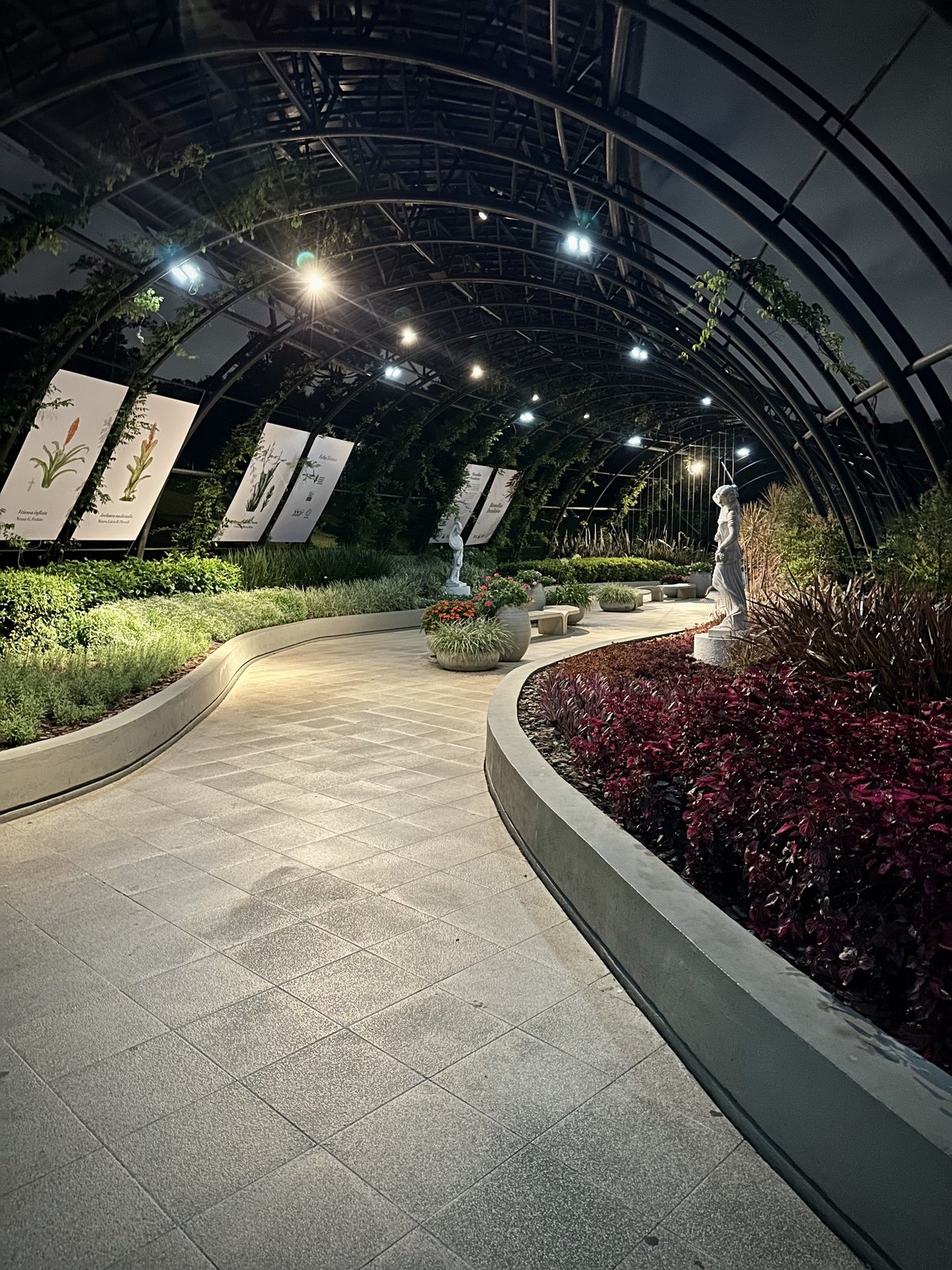
- Botanical Garden of Curitiba Famous for its glasshouse and landscaped gardens.
Travel Tips
- Public Transport The museum is near the Terminal do Portão, making it easily accessible by bus.
- Parking Available on-site, but may fill up during peak hours or special events.
- Plan Ahead Allocate 2+ hours for your visit to fully experience both permanent and temporary exhibitions.
- Combine Visits Pair your trip to MuMA with nearby cultural attractions for a full day of exploration.
Frequently Asked Questions (FAQ)
Q: What are MuMA’s visiting hours?
A: Tuesday to Sunday, 10:00 AM to 6:00 PM (check the official website for special hours or holiday closures).
Q: Is there an entrance fee?
A: General admission is free for all visitors.
Q: Are guided tours available?
A: Yes, guided tours are available upon request. Contact the museum in advance to schedule.
Q: Is MuMA accessible to visitors with disabilities?
A: Yes, the museum offers ramps, elevators, accessible restrooms, and trained staff.
Q: Is photography allowed inside the museum?
A: Photography policies vary by exhibition—look for signage or consult staff for guidance.
Q: Does MuMA offer virtual tours?
A: Yes, digital tours and online catalogs are available on the museum’s website.
Visuals and Media Recommendations
- Include images of MuMA’s exterior showing its modernist façade, and interior galleries with natural light.
- Feature photographs of current exhibitions, such as “Pergunte ao Tempo.”
- Add an interactive map highlighting MuMA’s location and connectivity with other cultural sites.
- Link to virtual tours or video content offered by the museum.