Plan and listen to Museu Coronel David Carneiro with Audiala.
Audio guide in your pocket, itinerary in your browser. Built for the way you actually visit.
Introduction
The Museu Coronel David Carneiro, located in Curitiba, Paraná, is a vital institution for preserving and interpreting the state’s military, social, artistic, and ethnographic history. Founded in 1928 by historian and collector David Antônio da Silva Carneiro, the museum is renowned for its extensive collection that chronicles the evolution of Paraná and Brazil. Though the original museum building is currently closed for restoration, the legacy and treasures of the collection remain accessible through partner institutions and digital platforms. Whether you are a history enthusiast, a curious traveler, or a student of Brazilian culture, this guide provides all the essential information you need to explore the museum’s offerings and the broader historical landscape of Curitiba.
(Patrimônio Cultural PR) (IPHAN) (Museu Paranaense) (Mapcarta)
Historical Background and Significance
The Founder and His Vision
David Antônio da Silva Carneiro, inspired by his family and his education at Colégio Militar do Rio de Janeiro, began collecting artifacts from a young age. His passion for history and military memorabilia led to the creation of an unparalleled private collection, which became the foundation of the museum. The institution was officially established on July 25, 1928, named after Carneiro’s father, Coronel David Carneiro, a figure of historical importance in Paraná. By 1929, the museum had been declared a public utility, underscoring its relevance to the community.
(Patrimônio Cultural PR) (Turistoria)
Collection and Growth
The museum was initially housed in a purpose-built facility, expanded over the years to accommodate a growing number of artifacts. By 1952, it spanned more than 3,000 square meters and stood as a landmark of cultural preservation in Curitiba. The collection features thousands of items:
- Military artifacts: Uniforms, weapons, and decorations from conflicts such as the Paraguayan War and the Revolução Federalista
- Ethnographic pieces: Indigenous artifacts, traditional clothing, and musical instruments
- Domestic and artistic objects: Colonial furniture, religious art, coins, and medals
- Archival materials: Manuscripts, maps, and personal correspondence
Recognition and Protection
The museum’s collection has been federally protected since 1941 and recognized as a cultural asset by the State of Paraná since 1972. Despite facing financial and logistical challenges—including the demolition of its original building (with the façade preserved)—the collection was safeguarded through integration with governmental institutions and distribution across various museums in Curitiba.
(Gov.br IPHAN)
Current Status and Access
Museum Closure and Collection Distribution
The original Museu Coronel David Carneiro building is undergoing restoration and remains closed to the public, with reopening expected in late 2026. In the interim, the collection has been carefully cataloged and transferred to secure storage, with selected highlights on display at partner venues:
Museu Paranaense
- Location: Rua Kellers, 289, São Francisco, Curitiba
- Hours: Tuesday–Sunday, 10:00 AM–5:00 PM
- Admission: Free
- Guided Tours: Available in Portuguese and English (advance booking recommended for groups)
(Museu Paranaense)
Casa Romário Martins
- Location: Rua Claudino dos Santos, 79, Largo da Ordem, Curitiba
- Hours: Tuesday–Friday, 9:00 AM–6:00 PM; Weekends, 9:00 AM–2:00 PM
- Admission: Free
(Casa Romário Martins)
Digital and Virtual Access
The museum’s digitization project allows virtual exploration of high-resolution images, interpretive texts, and select artifacts through the Secretaria de Cultura do Estado do Paraná’s portal. This is especially valuable for remote visitors and educators.
Visitor Information and Practical Tips
- Getting There: Both Museu Paranaense and Casa Romário Martins are accessible via Curitiba’s integrated bus system; parking and bike-sharing stations are nearby.
- Accessibility: Both venues are wheelchair accessible with multilingual signage and facilities for visitors with special needs.
- Visitor Services: Restrooms, cloakrooms, a café (at Museu Paranaense), a gift shop (at Casa Romário Martins), and multilingual staff.
- Photography: Non-flash photography is usually permitted except for some loaned artifacts.
- Health and Safety: Mask-wearing is optional but recommended; hand sanitizer is available; visitor capacity may be limited during peak times.
Collection Highlights
- Military and Historical Artifacts: Uniforms and weapons from the Siege of Lapa (1894) and the Paraguayan War
- Personal Items: Medals, correspondence, and memorabilia of Colonel Carneiro
- Cultural Artifacts: Indigenous crafts, immigrant community artifacts, and household items from Paraná’s past
- Art and Documents: Baroque religious sculpture, historical paintings, archival manuscripts, and rare maps
Temporary exhibitions rotate quarterly; check the Museu Paranaense events calendar for current highlights.
Nearby Attractions & Travel Tips
- Largo da Ordem: Historic district with colonial architecture, markets, and vibrant street life near Casa Romário Martins
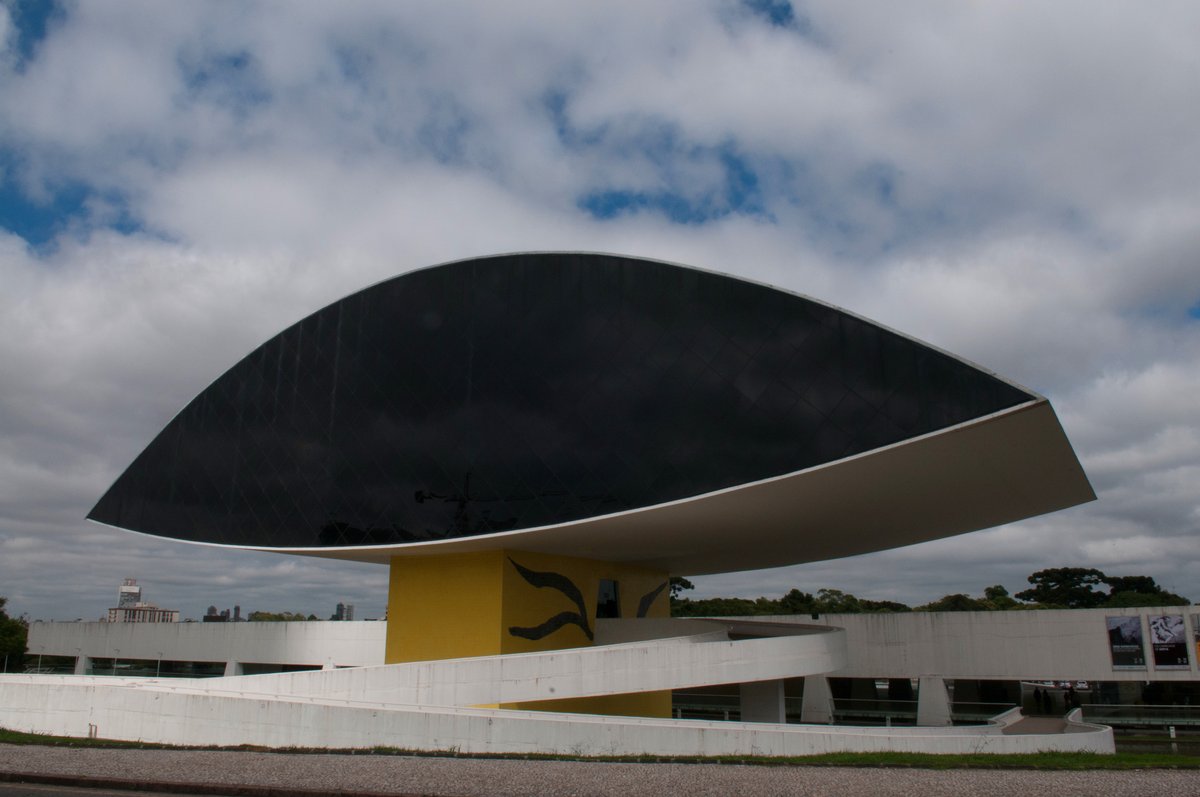
- Oscar Niemeyer Museum: Contemporary art and architecture
- Centro Histórico de Curitiba: City’s historical center with museums and cultural sites
- Use Guia Mapa for navigation and local insights.
Frequently Asked Questions (FAQ)
Q: Is the original Museu Coronel David Carneiro open?
A: No, it is closed for restoration until at least late 2026. The collection is accessible at Museu Paranaense and Casa Romário Martins.
Q: What are the visiting hours and ticket prices?
A: Museu Paranaense is open Tuesday–Sunday, 10:00 AM–5:00 PM; Casa Romário Martins, Tuesday–Friday, 9:00 AM–6:00 PM, weekends 9:00 AM–2:00 PM. Admission is free at both venues.
Q: Are guided tours available?
A: Yes, free guided tours can be arranged with advance booking for groups.
Q: Are the venues accessible for people with disabilities?
A: Yes, both are wheelchair accessible and provide multilingual support.
Q: How can I experience the collection online?
A: Virtual tours and digital collections are available via the Secretaria de Cultura do Estado do Paraná’s portal.
Planning Your Visit
- Best Times: Weekday mornings for a quieter experience.
- Group Visits: Book in advance for educational workshops or large groups.
- Souvenirs: Publications and memorabilia available at the Museu Paranaense gift shop.
Listen to the full story in the app
The whole Museu Coronel David Carneiro,
told well.
Audio guides for 1,100+ cities across 96 countries. History, stories, and local insight — offline ready.

Verified, and shown.
Researched and written by the Audiala editorial team from historical records, architectural archives, and local expertise.
Researched from Wikidata, Wikipedia & official sources · fact-checked · How we make our guides →