Plan and listen to Fountain Of Jerusalem with Audiala.
Audio guide in your pocket, itinerary in your browser. Built for the way you actually visit.
Introduction
The Fountain of Jerusalem in Curitiba, Brazil, is a celebrated landmark that stands as a testament to the city’s commitment to religious tolerance, cultural diversity, and innovative urban design. Established in 1996 to commemorate the 3,000th anniversary of Jerusalem, this monument is more than just a striking piece of public art—it symbolizes peace and dialogue among Judaism, Christianity, and Islam. Its central location, distinctive architectural features, and rich symbolism make it a must-see attraction for both tourists and locals. This guide provides in-depth information on the fountain’s history, visiting hours, ticketing, accessibility, nearby attractions, and practical tips to enhance your experience.
For further reading on Curitiba’s urban development and cultural landmarks, see Britannica and Innovation of the World.

Historical Background and Urban Context
Historical Origins
The Fountain of Jerusalem was inaugurated in 1996 through a collaborative effort between the Municipality of Curitiba and the local Jewish community. Its creation marked the 3,000th anniversary of Jerusalem, reflecting Curitiba’s recognition of its Jewish residents and their profound contributions to the city's social and cultural life (Britannica). The monument’s unveiling coincided with a period of urban renewal that celebrated the city’s multicultural makeup.
Location and Urban Integration
Situated at the intersection of Avenida Sete de Setembro and Avenida Água Verde, the fountain sits at a key urban crossroads in the Batel neighborhood, close to important districts and parks (AOT Curitiba Tourism). This location not only maximizes visibility but also symbolizes the meeting point of diverse cultures and communities in Curitiba. The site is landscaped with green spaces and pedestrian pathways, seamlessly integrating into the city’s walkable and accessible urban plan (Environment & Urbanization).
Significance in Curitiba’s Urban Planning
The fountain was part of a broader initiative in the 1990s, under visionary mayors like Jaime Lerner, that aimed to revitalize Curitiba through green spaces and culturally themed monuments (Curitiba City Planning). This era saw the creation of various parks and public art pieces commemorating the city’s immigrant communities, with the Fountain of Jerusalem standing out as a symbol of international solidarity and interfaith harmony.
Artistic and Architectural Features
Design and Symbolism
Designed by Fernando Canalli with sculptural contributions from Lys Áurea Buzzi, the fountain stands 14.5 meters tall and is constructed from concrete, masonry, and bronze. The monument features three angels, each representing one of the Abrahamic religions—Christianity, Judaism, and Islam—situated atop a central column. Inscriptions in Portuguese, Hebrew, and Arabic encircle the structure, emphasizing a message of peace and coexistence.
The flowing water, olive trees, and Mediterranean flora surrounding the monument further evoke the spirit of Jerusalem, while the rhythmic jets and illuminated features at night create a tranquil and contemplative atmosphere.
Sculptural Elements and Night Illumination
The bronze angels, each weighing approximately 600 kg, face different directions to symbolize the global reach of the faiths they represent. Their dynamic forms and outstretched wings enhance the expressive power of the monument. At night, the fountain is beautifully illuminated, with lights reflecting off the water and bronze to create a beacon-like effect that draws visitors and photographers alike.
Cultural and Social Impact
The Fountain of Jerusalem serves as a hub for cultural events, interfaith gatherings, and educational initiatives. It is frequently the site of Jerusalem Day celebrations, interfaith ceremonies, and school excursions, all of which reinforce Curitiba’s identity as a city of dialogue and inclusion (Innovation of the World).
Visiting Information
Hours and Tickets
- Visiting Hours: The fountain is open to the public 24 hours a day, seven days a week, as it is located in an open, public roundabout.
- Tickets: Entry is free; no tickets are required.
Accessibility
- Physical Accessibility: The surrounding plaza and sidewalks are mostly level and paved, suitable for wheelchairs and strollers. However, some nearby walkways may be uneven, so assistance is recommended for those with mobility challenges.
- Public Transport: The site is easily accessible via Curitiba’s BRT system, with nearby stops on Avenida Sete de Setembro. Buses equipped with accessibility features serve the area (AOT Curitiba Tourism).
Getting There
- By Public Transport: Use the BRT or city buses, which offer frequent service to the Batel area.
- By Taxi/Ride-Share: Taxis and apps like Uber are readily available and recommended for after-dark travel (Travel Safe Abroad).
- From the Airport: Afonso Pena International Airport is about 17 km away; taxis and ride-shares provide direct access to the city center.
Guided Tours and Visitor Experience
While there are no dedicated on-site tours, the fountain is a common stop on city walking and bus tours that explore Curitiba’s historical and cultural sites (GetYourGuide Curitiba). Informational plaques in Portuguese and English provide historical and symbolic context.
Nearby Attractions
Curitiba’s central area offers numerous attractions within walking distance or a short ride from the Fountain of Jerusalem:
- Japan Square (Praça do Japão): A tranquil park celebrating Japanese heritage.
- Historic Center (Largo da Ordem): Features colonial buildings, the Rosário Church, and a bustling Sunday market (Lonely Planet).
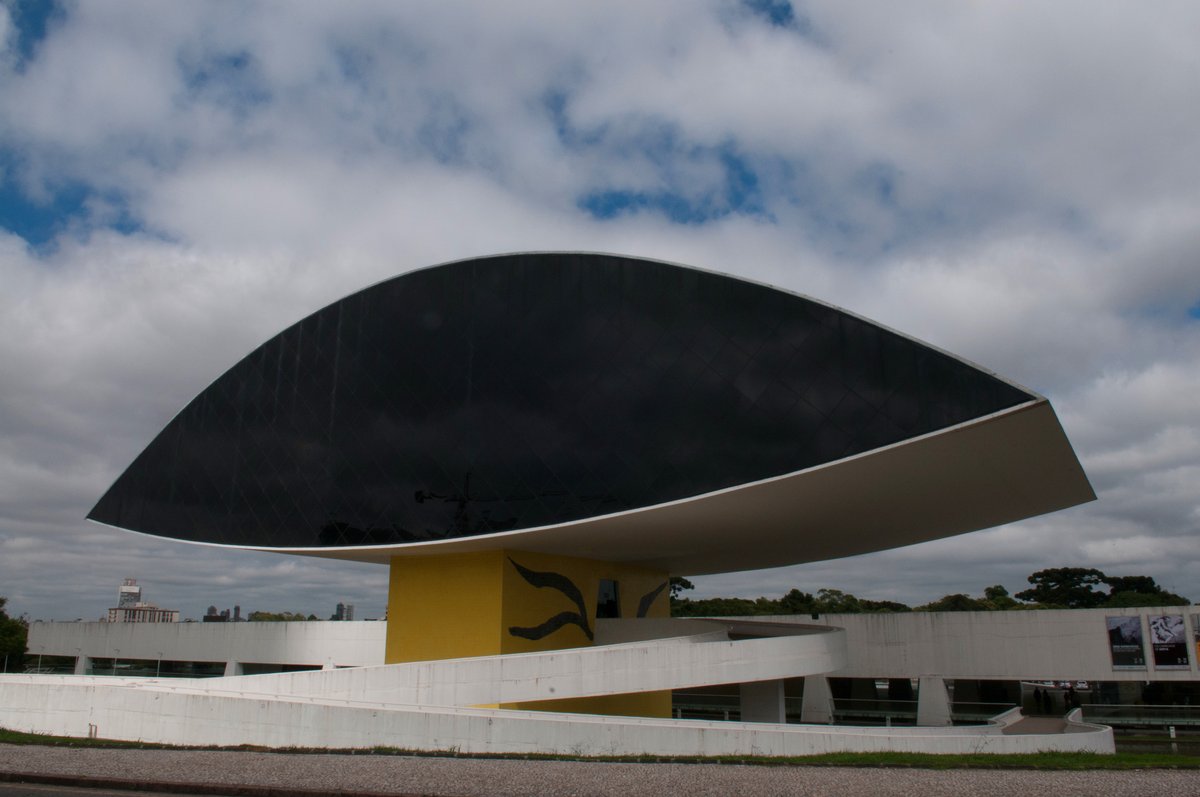
- Oscar Niemeyer Museum: A world-class art and architecture museum, known for its “Eye” design (Wild Trips).
- Botanical Garden of Curitiba: Famous for its greenhouse and extensive gardens (I Heart Brazil).
- Wire Opera House (Ópera de Arame): An innovative steel-and-glass theater in a lush park setting.
- Municipal Market: A lively spot for local food and crafts (Explore City Life).
- Tanguá and Barigui Parks: Green spaces with lakes, trails, and panoramic views.
Practical Visitor Tips
- Best Time to Visit: Late afternoon and evening for optimal lighting and tranquility.
- Weather: Curitiba has a temperate climate; rain is common, so bring an umbrella (I Heart Brazil).
- Safety: The Batel area is safe, but standard urban precautions apply—keep valuables secure, especially after dark (Travel Safe Abroad).
- Facilities: Benches and shaded areas are nearby; public restrooms are available in adjacent parks and commercial spaces.
- Dining: The area boasts numerous cafes and restaurants serving local and international dishes.
- Photography: The fountain’s sculptures and water features are photogenic, especially during the golden hour or when illuminated at night.
Frequently Asked Questions (FAQ)
Q: What are the Fountain of Jerusalem’s visiting hours?
A: The fountain is open 24/7, as it is located in a public space.
Q: Is there an entrance fee?
A: No, entry is free of charge.
Q: Is the site accessible for people with disabilities?
A: Yes, the area features accessible paths, but some sidewalks may be uneven.
Q: Are guided tours available?
A: The fountain is included in many city walking and bus tours. Check with local tour providers (GetYourGuide Curitiba).
Q: What is the best time to photograph the fountain?
A: Early morning, late afternoon, and at night when the fountain is illuminated.
Listen to the full story in the app
The whole Fountain Of Jerusalem,
told well.
Audio guides for 1,100+ cities across 96 countries. History, stories, and local insight — offline ready.
Verified, and shown.
Researched and written by the Audiala editorial team from historical records, architectural archives, and local expertise.
Researched from Wikidata, Wikipedia & official sources · fact-checked · How we make our guides →