Plan and listen to Estádio Couto Pereira with Audiala.
Audio guide in your pocket, itinerary in your browser. Built for the way you actually visit.
Introduction
Estádio Major Antônio Couto Pereira, widely known as Estádio Couto Pereira, is one of Curitiba’s most prominent and historically significant landmarks. As the home stadium of Coritiba Foot Ball Club, it stands as a testament to Brazilian football passion, community pride, and the city’s evolving cultural landscape. Beyond its storied football legacy, Couto Pereira is a versatile venue hosting major concerts, religious gatherings, and community events, making it a must-visit destination for both sports fans and cultural explorers.
Since its inauguration in 1932, the stadium has transformed from a modest ground into a modern facility with a capacity of over 40,000 spectators. Its architecture blends historic elements with contemporary upgrades, earning it the nickname "Gigante de Concreto" (Concrete Giant). Guided tours offer access to exclusive zones such as the locker rooms, trophy gallery, press areas, and panoramic pitch views, providing insight into both the club’s and the stadium’s evolution.
Conveniently located in the Alto da Glória neighborhood, Estádio Couto Pereira is easily reached by Curitiba’s robust public transport network. Visitors are encouraged to consult the official Coritiba FC portal for up-to-date visiting hours and ticket information. Whether you’re a lifelong football supporter, a history enthusiast, or a first-time visitor to Curitiba, the stadium offers a rich and immersive experience at the heart of the city’s sporting and cultural identity (Football Fandom, Stadium Guide, Vamos Trilhar).
- Welcome and Overview
- Origins and Early Development
- Expansion and Modernization
- Cultural and Sporting Significance
- Visitor Guide: Hours, Tickets, and Access
- Landmark Events and Record Attendances
- Architectural Features and Visitor Experience
- Frequently Asked Questions (FAQ)
- Conclusion and Practical Tips
- References and Further Reading
If you’re planning a trip to Curitiba, Estádio Couto Pereira is a key stop. It offers an authentic window into Brazil’s football tradition and the vibrant community life that surrounds the sport. This guide provides comprehensive information on the stadium’s history, visiting hours, ticketing, amenities, and cultural significance.

Origins and Early Development
Estádio Couto Pereira’s story is deeply tied to Coritiba Foot Ball Club, founded in 1909. As the club’s popularity grew, the need for a dedicated home became clear. Major Antônio Couto Pereira, club president from 1926 to 1933, secured funding to acquire land in Alto da Glória. Construction began in 1927, culminating in the stadium’s inauguration on November 20, 1932, with Coritiba defeating America-RJ 4-2 (Football Fandom, French Wikipedia).
Originally named Belfort Duarte, the stadium quickly became a central hub for Curitiba’s football fans.
Expansion and Modernization
Growing crowds and evolving expectations led to major renovations in the mid-20th century. In 1956, a substantial expansion was funded through public initiatives. The stadium was renamed in 1977 to honor Major Couto Pereira’s legacy (French Wikipedia). Modern upgrades have included:
- Numbered seating and color-coded zones for crowd management
- VIP boxes for officials, equipped with premium amenities
- Electronic turnstiles and magnetic ticketing systems
- Enhanced accessibility, including elevators and designated areas for visitors with disabilities
Recent modernization projects aim to further improve facilities, increase parking, and better integrate the stadium with the city (Grupo Avantti, Ge Globo).
Cultural and Sporting Significance
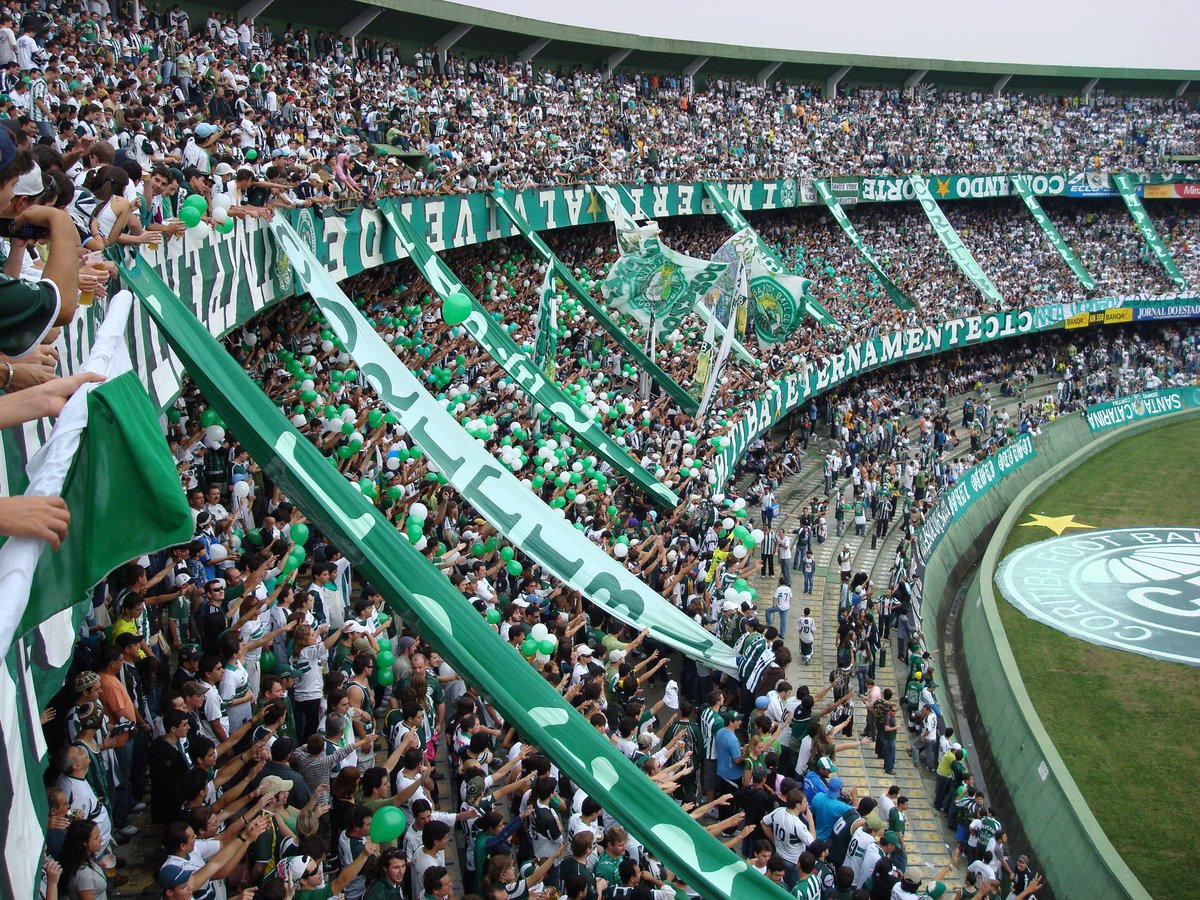
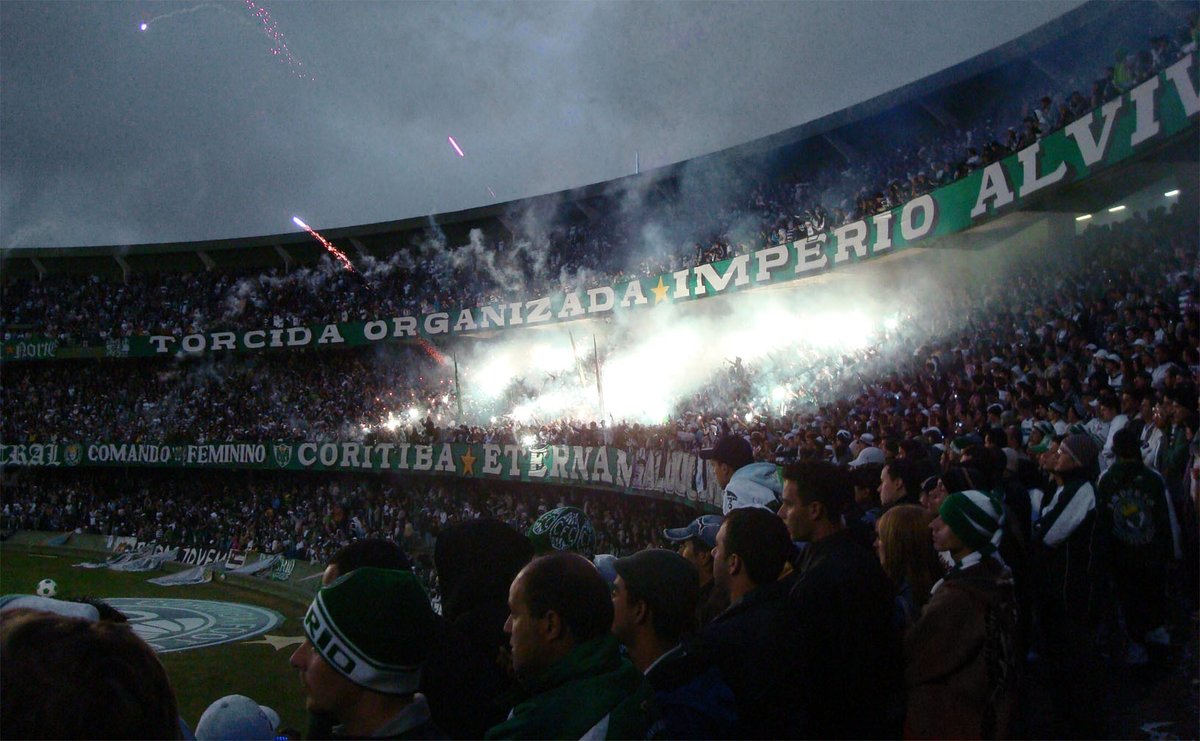
Estádio Couto Pereira is inseparable from Curitiba’s identity. As the home of Coritiba FC—multiple-time state and national champions—it has been the backdrop for pivotal matches and legendary rivalries, particularly the “Atletiba” derby against Atlético Paranaense (facts.net). The stadium’s design fosters an electric atmosphere, with steep stands amplifying the noise and passion of “Coxa-Branca” supporters.
The stadium is also a cultural nexus, hosting international concerts (including Paul McCartney, Red Hot Chili Peppers, and Olivia Rodrigo), religious gatherings, and major community events (Setlist.fm, Victims of a Down, concertarchives.org).
Coritiba FC also leverages the stadium for community engagement, youth programs, and social initiatives, reinforcing its status as a unifying force in the city.
Visitor Guide: Hours, Tickets, and Access
Visiting Hours
- Guided Tours: Typically available Tuesday through Saturday, 9:00 AM–5:00 PM; Sunday tours may be available on match or event days. Always confirm on the official Coritiba FC website or Vamos Trilhar.
- Match and Event Days: Access is restricted to ticketed event attendees.
Tickets and Guided Tours
- Tour Tickets: Around R$15, with discounts for eligible visitors. Purchase at Gate 6 (cash only) or online where available.
- Event Tickets: Prices for matches typically range from R$40–R$100; concerts vary. Purchase online via the club’s website or at authorized outlets. Early booking is recommended for high-demand events (Football Tripper).
Getting There
- Address: Rua Ubaldino do Amaral, 37, Alto da Glória, Curitiba, PR (Bandsintown, Stadium Guide).
- Public Transport: Served by over 50 bus lines, including the Expresso Biarticulado route 203 from the city center. The stadium is a short walk from Rodoferroviária station.
- Parking: Limited to about 400 on-site spaces; expansion planned. Arrive early or use public transport (Wikipedia).
Accessibility
- Elevators, ramps, and accessible seating throughout
- Contact visitor services ahead of your visit to arrange additional assistance
Nearby Attractions
- Botanical Garden of Curitiba
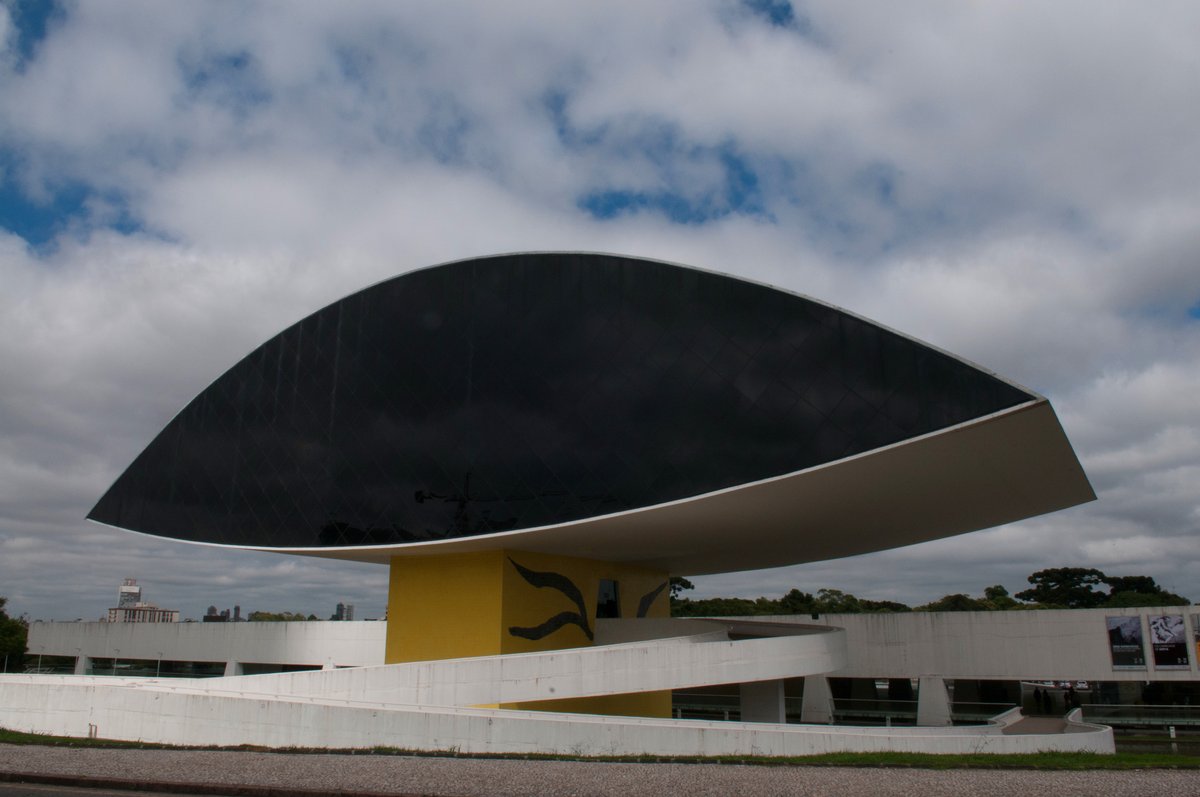
- Oscar Niemeyer Museum
- Rua XV de Novembro
- Tiradentes Square
- Museu Paranaense
Combine your stadium visit with these sites for a full Curitiba cultural experience (Trek Zone).
Landmark Events and Record Attendances
- Football: Record attendance of 65,943 for Atlético Paranaense vs. Flamengo (1983)
- Largest Crowd: 70,000+ for Pope John Paul II’s mass (1980)
- Concerts: Hosted international stars such as Paul McCartney, Red Hot Chili Peppers, Olivia Rodrigo, and System of a Down (Setlist.fm, Victims of a Down, busaocuritiba.com).
Architectural Features and Visitor Experience
Stadium Design
- Nickname: "Gigante de Concreto"
- Capacity: 40,502 (largest in Paraná)
- Field: 105 x 69 meters, Bermuda 419 grass (guiadosestadios.com)
- Facilities: 43 restrooms, 20 snack bars, 25 luxury boxes, VIP and press areas, five locker rooms, anti-doping room
- Security: 127 cameras and dedicated control center
- Accessibility: Wide concourses, elevators, accessible seating
Guided Tours
- Behind-the-scenes access: press room, trophy gallery, VIP boxes, locker rooms, player tunnel, pitch
- Tours not available on match days; book in advance, especially during peak seasons (Vamos Trilhar)
Match Day and Event Experience
- Intense atmosphere, especially during local derbies
- Color-coded entry gates for efficient access; early arrival recommended (Lance!)
- Food courts and souvenir shops on-site
Frequently Asked Questions (FAQ)
Q: What are the guided tour hours?
A: Tuesday–Saturday, 9:00 AM–5:00 PM; some Sunday tours. Confirm on the official website.
Q: How do I buy tickets?
A: Purchase at Gate 6 (for tours, cash only) or online for matches/events.
Q: Is the stadium accessible for people with disabilities?
A: Yes. Elevators, ramps, and designated seating available. Contact ahead for assistance.
Q: Is there parking?
A: About 400 spaces on-site; more planned. Public transport is best, especially for crowded events.
Q: Can I combine my visit with other attractions?
A: Yes. The stadium is near several top Curitiba historical sites and museums.
Q: What security measures are in place?
A: 127 security cameras and a dedicated control center ensure safety.
Listen to the full story in the app
The whole Estádio Couto Pereira,
told well.
Audio guides for 1,100+ cities across 96 countries. History, stories, and local insight — offline ready.
Verified, and shown.
Researched and written by the Audiala editorial team from historical records, architectural archives, and local expertise.
Researched from Wikidata, Wikipedia & official sources · fact-checked · How we make our guides →