Plan and listen to Botanical Garden Of Curitiba with Audiala.
Audio guide in your pocket, itinerary in your browser. Built for the way you actually visit.
Introduction
The Botanical Garden of Curitiba (Jardim Botânico Francisca Maria Garfunkel Rischbieter) is a celebrated urban oasis in Curitiba, the capital of Paraná, Brazil. Since its opening in 1991, it has become a symbol of the city's innovative approach to urban sustainability, blending classic French garden aesthetics with the preservation of native Brazilian flora, especially species from the endangered Atlantic Forest biome. The iconic Art Nouveau glasshouse, modeled after London's Crystal Palace, stands as a centerpiece amid meticulously landscaped grounds, offering visitors a blend of natural beauty, architectural grandeur, and cultural richness.
This guide provides detailed information on the Botanical Garden of Curitiba's visiting hours, ticket policies, accessibility, highlights, practical tips, and nearby attractions. It also explores the garden's historical, scientific, and cultural significance to help you plan a memorable visit.

Historical Background and Purpose
The Botanical Garden of Curitiba was inaugurated in 1991, during a period in which the city was gaining worldwide recognition for its environmental policies and sustainable urban planning (Jardim Botânico Curitiba). The garden was designed as both a public recreational space and a center for botanical research and conservation, underscoring Curitiba's leadership in integrating green areas within urban development.
The garden is named after Francisca Maria Garfunkel Rischbieter, a prominent urban planner and landscape architect who significantly contributed to Curitiba’s green infrastructure. Its mission is to protect the native flora of Paraná and the Atlantic Forest, and to foster environmental awareness through research and education (Fui Ser Viajante).
Design and Architectural Features
French-Inspired Gardens
The main entrance leads through formal French-style gardens, characterized by symmetrical flowerbeds, geometric hedges, and a central fountain. This layout is reminiscent of European grandeur and guides visitors toward the garden's architectural icon—its glasshouse (Jardim Botânico Curitiba).
The Glasshouse
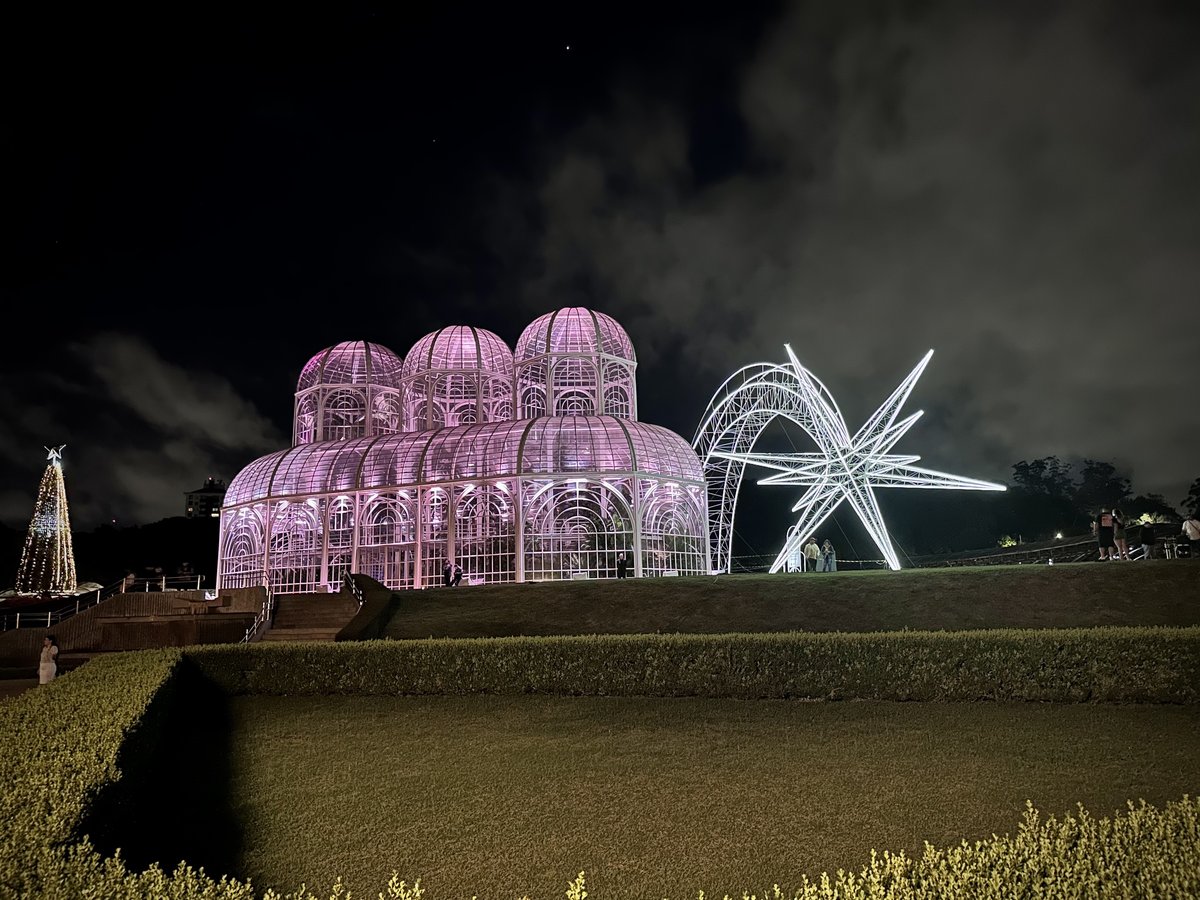
The glass and metal greenhouse, inspired by London’s Crystal Palace, is the most recognizable feature of the garden. Designed by Abraão Assad, the Art Nouveau structure covers 458 square meters and houses tropical and subtropical species native to the Atlantic Forest (Architectural Digest, Atlas Obscura). The greenhouse’s elegant domes and white-painted ironwork provide a striking backdrop for photography and botanical displays.
Additional Structures
- Botanical Museum: Home to one of Brazil’s largest herbaria, with over 400,000 plant samples, the museum serves as a research and educational hub (Wikipedia).
- Museum of Franz Krajcberg: Near the greenhouse, this museum honors the Polish-Brazilian artist and environmentalist, with exhibition spaces and an auditorium.
- Japanese Garden: This tranquil area features koi ponds, stone lanterns, and wooden bridges, offering a peaceful setting for reflection (EAA Architecture).
Botanical Collections and Scientific Role
The garden’s living collections feature native and exotic plants, with an emphasis on species from the Atlantic Forest and Araucaria trees, including the symbolic Paraná pine. The herbarium, seed bank, and DNA laboratory support research on plant conservation and genetics (Fui Ser Viajante). The Jardim das Nativas and Jardim das Araucárias do Mundo highlight local biodiversity and educate visitors about endangered species.
Sensory and Themed Gardens
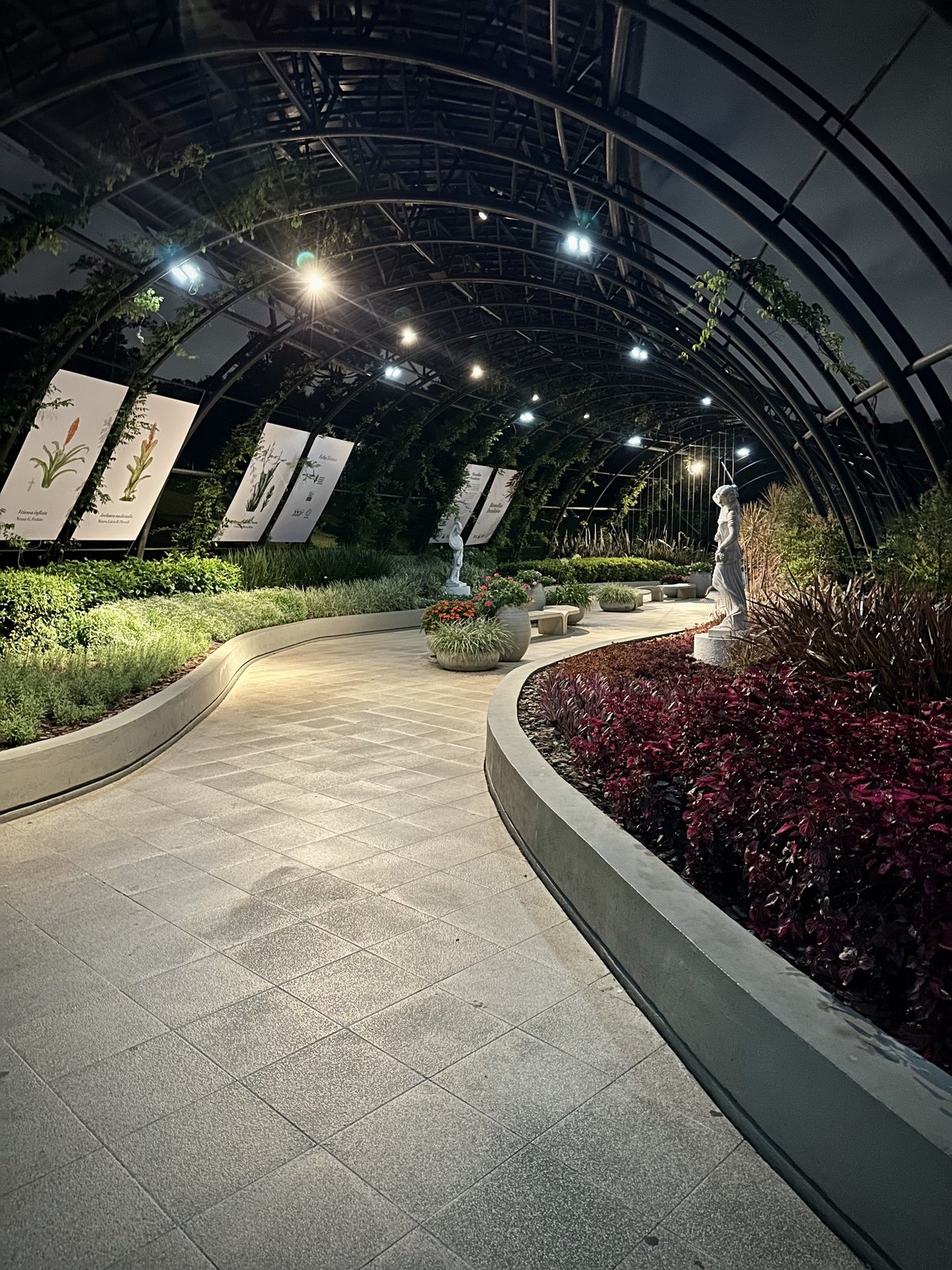
- Jardim das Sensações (Sensory Garden): A 200-meter trail that engages all senses, open Tuesday to Sunday (9 am–5 pm), and designed for inclusivity.
- Orchidarium: Home to a dazzling collection of orchids, including Cattleya, Dendrobium, and Phalaenopsis (Sol Rent a Car).
Cultural and Community Significance
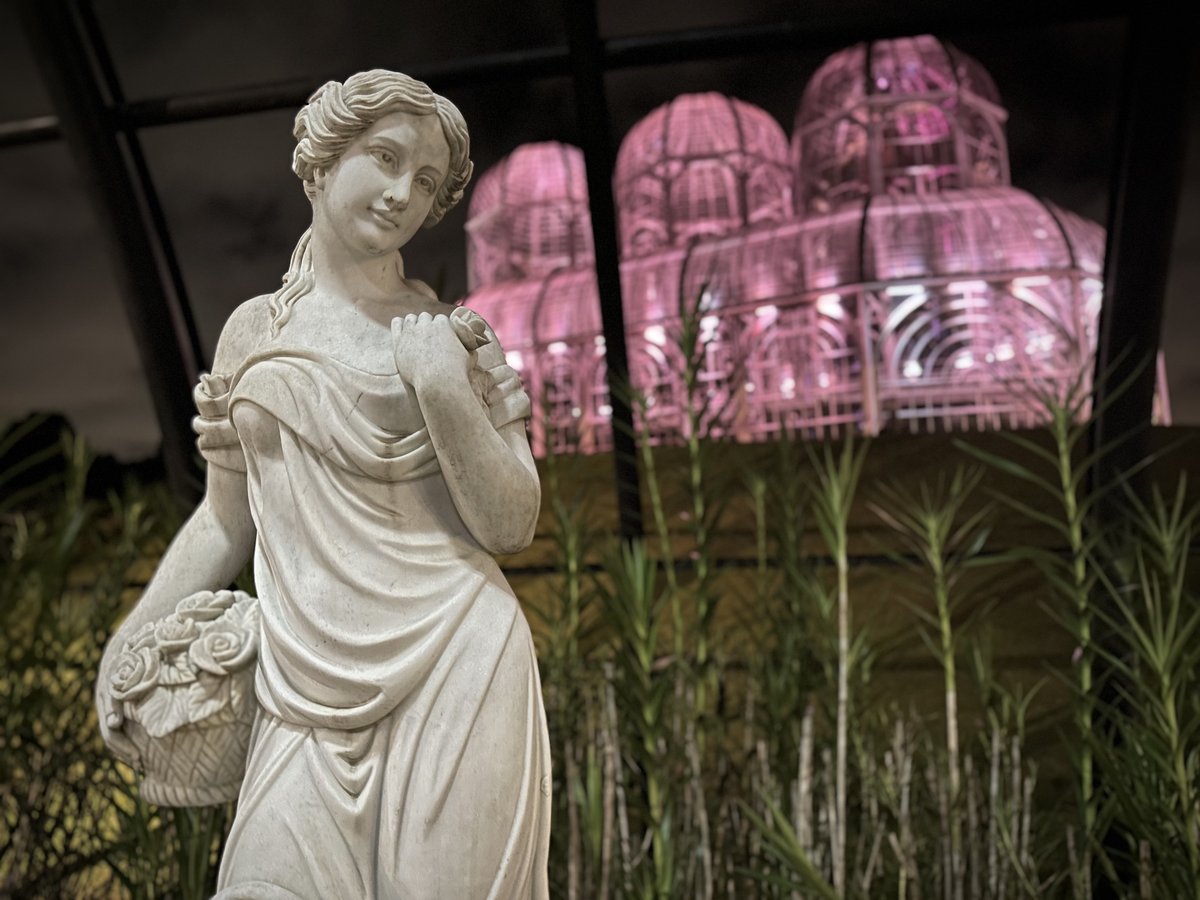
The Botanical Garden is a powerful symbol of Curitiba’s environmental values and multicultural heritage. Its central fountain includes a replica of the “Amor Materno” statue, honoring the city’s Polish immigrant community (Fui Ser Viajante). The garden frequently appears in city promotions and serves as a venue for exhibitions, workshops, and environmental awareness campaigns, enhancing community identity and civic pride.
Visiting Information
Hours & Admission
- General Hours: Open daily, typically from 6:00 AM to 8:00 PM. The Museu Botânico and Sensory Garden have specific hours—usually 9:00 AM to 5:00 PM.
- Admission: Free for all visitors. Some special exhibitions or workshops may require separate tickets (Jardim Botânico Curitiba).
Accessibility and Amenities
- Wheelchair Access: Main paths are paved and accessible. Ramps and clear signage are provided for mobility assistance.
- Restrooms: Available throughout the park, including accessible facilities.
- Cafés and Picnic Areas: On-site cafés and designated picnic spots encourage leisurely visits (Lonely Planet).
- Gift Shop: Botanical-themed souvenirs and local crafts are available at the entrance.
Getting There
- By Public Transport: Served by multiple bus lines, notably the Linha Turismo, which connects most major attractions in Curitiba.
- By Car or Taxi: Ample parking is available near the entrance (parking fees may apply).
- By Bike or On Foot: Dedicated cycling lanes and pedestrian routes connect the garden to other green spaces (NextStopBrazil).
Guided Tours & Events
- Guided Tours: Available in Portuguese, with some English-language options upon request. Advance booking is recommended.
- Events: The garden hosts regular exhibitions, workshops, and environmental events. Check the official website or visitor center for current schedules.
Best Visiting Times
- Floral Displays: Spring (September–November) and late summer (February–March) feature the most vibrant blooms (Best Time To).
- Crowds: Early mornings and weekdays are quieter; weekends and holidays see higher foot traffic.
Highlights and Activities
- Explore the Greenhouse and French Gardens: Admire the architecture and colorful flowerbeds.
- Visit the Botanical Museum: Learn about Brazil’s plant diversity and conservation efforts.
- Walk the Sensory Garden: Experience nature through touch and smell.
- Stroll the Japanese Garden and Wooded Trails: Enjoy tranquil scenery and birdwatching.
- Attend Workshops and Exhibitions: Engage with environmental education and art.
Practical Tips
- Dress Comfortably: Wear sturdy shoes and weather-appropriate clothing.
- Bring Essentials: Sunscreen, water, and a camera for photos.
- Stay on Paths: Protect delicate ecosystems by following marked trails (Sol Rent a Car).
- Safety: Keep valuables secure and be mindful of your surroundings (SacaVoyage).
- Pets: Not allowed to protect the ecosystem.
Nearby Attractions
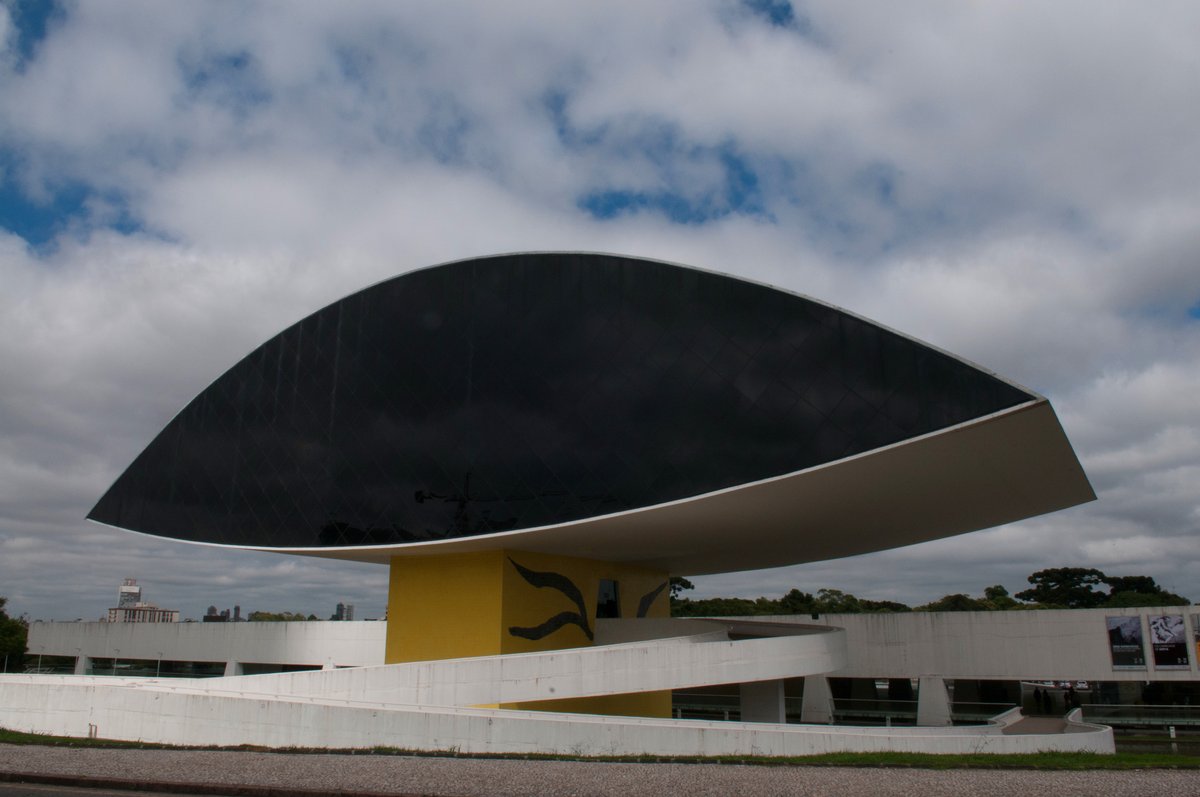
- Oscar Niemeyer Museum: Renowned for its unique architecture and contemporary art.
- Wire Opera House and Barigui Park: Both easily accessible via public transport or tourism bus (Airtel Blog).
- Historic Neighborhoods: Explore Largo da Ordem and other cultural districts.
Frequently Asked Questions (FAQ)
Q: What are the Botanical Garden of Curitiba’s visiting hours?
A: Generally open daily from 6:00 AM to 8:00 PM; some facilities have specific hours.
Q: Is admission free?
A: Yes, there is no charge for entry.
Q: Is the garden accessible?
A: Main paths and facilities are wheelchair and stroller friendly.
Q: Are guided tours available in English?
A: Most are in Portuguese, but some English tours can be arranged.
Q: Can I bring my pet?
A: Pets are not permitted inside the garden grounds.
Q: What is the best time for photos and fewer crowds?
A: Early morning or late afternoon, especially on weekdays.
Tickets & tours.
These are guided options from our partners — same price as booking direct.
Prices are indicative — final pricing and availability are confirmed at checkout. Audiala may earn a commission from bookings made through these links.
Listen to the full story in the app
The whole Botanical Garden Of Curitiba,
told well.
Audio guides for 1,100+ cities across 96 countries. History, stories, and local insight — offline ready.
Verified, and shown.
Researched and written by the Audiala editorial team from historical records, architectural archives, and local expertise.
Researched from Wikidata, Wikipedia & official sources · fact-checked · How we make our guides →