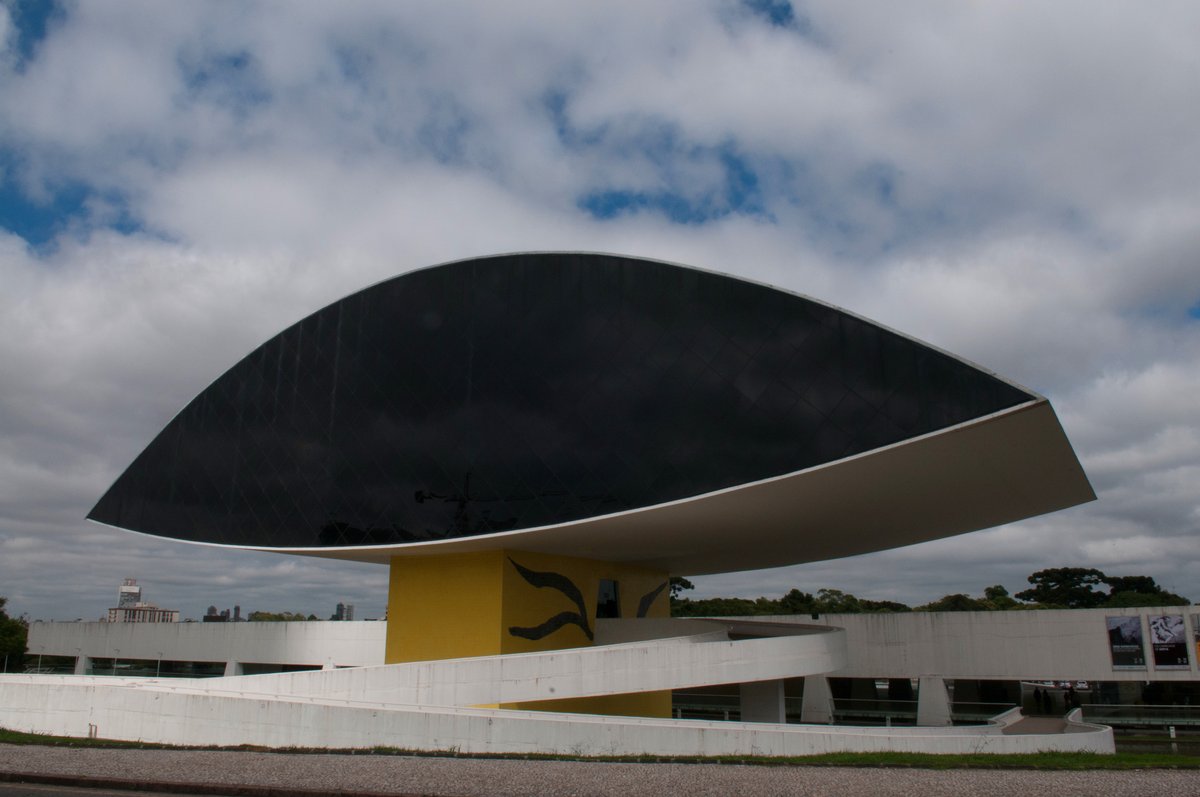
Plan and listen to Amorc Building In Curitiba with Audiala.
Audio guide in your pocket, itinerary in your browser. Built for the way you actually visit.
Introduction
Situated in the dynamic city of Curitiba, Brazil, the AMORC Building—officially known as the Grande Loja da Jurisdição de Língua Portuguesa—serves as the headquarters for the Ancient Mystical Order Rosae Crucis (AMORC) in the Portuguese-speaking world. Renowned for its symbolic architecture and its role as a spiritual and cultural center, the AMORC Building is a must-visit destination for those fascinated by mysticism, architecture, history, and Curitiba's multicultural identity. This guide provides detailed information on history, visiting hours, ticketing, accessibility, guided tours, visitor tips, and nearby attractions to help plan your visit.
(AMORC Curitiba Official Site)
(Curitiba Tourism Board)
(Curitiba Architecture Facts)


Historical Context
The AMORC Building embodies the Rosicrucian Order's enduring legacy and Curitiba’s reputation for cultural diversity. AMORC, rooted in centuries-old mystical traditions, began its formal presence in Brazil in the early 20th century. The Curitiba headquarters, inaugurated in the 1960s, was established to serve the Portuguese-speaking jurisdiction, reflecting the city’s openness to global philosophies and spiritual traditions. Its location in the Bacacheri district was chosen for its peaceful setting and accessibility, with the land generously donated by local supporters.
Architectural Features and Symbolism
The AMORC Building stands out in Curitiba's eclectic cityscape due to its blend of neoclassical, modernist, and Egyptian-inspired architectural motifs. Its façade is adorned with Rosicrucian symbols, including the rose cross, columns, arches, and decorative reliefs that echo both European and esoteric influences. Notable features include:
- Egyptian-Style Portal: A grand entrance with symbolic reliefs and hieroglyphic motifs.
- Neoclassical Columns and Porticos: Representing stability and tradition.
- Thematic Ornamentation: Emblems of the Rosicrucian Order, such as mystical inscriptions and sacred geometry.
- Landscaped Gardens: Incorporating native Brazilian and Egyptian flora, emphasizing harmony and contemplation.
(EAA Architecture Guide)
(Curitiba-Parana.net)
Cultural and Spiritual Significance
Beyond its architectural appeal, the AMORC Building is a vibrant center for public lectures, workshops, spiritual retreats, and cultural events. It serves as a venue for philosophical discussions, art exhibitions, and musical performances, fostering community engagement and personal development. Its presence is a testament to Curitiba’s tradition of multiculturalism, complementing the city’s reputation for educational and cultural innovation.
(Veronika’s Adventure)
(Next Stop Brazil)
Visiting Hours, Tickets, and Accessibility
-
Visiting Hours:
- Monday to Friday: 9:00 AM – 6:00 PM
- Saturday: 10:00 AM – 4:00 PM
- Sunday: Closed
Check the official AMORC website for updates during holidays and special events.
-
Admission: Free for general entry; some guided tours and events may have a nominal fee.
-
Guided Tours: Available in Portuguese, with English explanations upon request. Advance booking is recommended for tours and special programs.
-
Accessibility:
- The building and gardens are wheelchair accessible, with ramps, elevators, and accessible restrooms.
- Informational brochures and assistance for visitors with disabilities are available.
(AMORC Curitiba Official Site)
(STR Specialist)
Guided Tours and Visitor Experience
Guided tours provide deep insights into Rosicrucian symbolism, the building’s history, and the Order’s philosophical teachings. Tours typically include:
- Meditation rooms and ceremonial spaces
- Specialized library with rare esoteric texts
- Art and exhibition galleries
- The gardens and outdoor contemplative areas
Self-guided visits are welcome during opening hours, but guided experiences are highly recommended for a fuller understanding.
Special Events and Exhibitions
The AMORC Building regularly hosts:
- Cultural Events: Art exhibitions, book launches, and concerts inspired by mystical themes
- Workshops and Seminars: Focused on meditation, philosophy, and holistic well-being
- Lectures and Public Talks: On Rosicrucian history and esoteric traditions
Check the official event calendar for upcoming programs and registration details.
Gardens, Outdoor Spaces, and Photography
The complex features beautifully landscaped gardens, a tranquil lake, and outdoor sculptures. These spaces are ideal for meditation, reflection, and photography. Early mornings and late afternoons offer optimal natural lighting for capturing the architecture and gardens.
- Photography: Allowed in public areas; restrictions apply in ritual spaces. Flash and tripods are discouraged.
- Best Spots: Egyptian-style portal, rose cross motifs, stained-glass windows, and serene garden vistas.
Practical Tips and Local Amenities
-
Getting There:
- Easily accessible by public transportation; nearby bus stops serve the Bacacheri district.
- Ample parking is available for drivers.
-
What to Bring:
- Identification (for special exhibitions)
- Comfortable shoes
- Camera and notebook
- Umbrella or raincoat (Curitiba’s weather can be unpredictable)
-
Language: Portuguese is the primary language, but English-speaking guides can be arranged in advance.
-
Nearby Amenities:
- Cafés and restaurants, such as Panificadora e Confeitaria Aladim
- Accommodation options, including budget and midrange hotels
- Bookshop selling philosophy, mysticism, and local history books
Nearby Attractions and Travel Integration
Enhance your visit by exploring:
- Oscar Niemeyer Museum: Modern art and architecture
- Wire Opera House: Unique performance venue
- Botanical Garden of Curitiba: Iconic glasshouse and gardens
- Largo da Ordem: Historic city center with colonial architecture
Curitiba’s efficient public transport and compact city center make it easy to combine visits to these attractions. For a full cultural itinerary, consult the Curitiba Tourism Board.
Frequently Asked Questions (FAQ)
Q: What are the AMORC Building visiting hours?
A: Monday to Friday, 9:00 AM–6:00 PM; Saturday, 10:00 AM–4:00 PM; closed Sundays.
Q: Is there an entrance fee?
A: General admission is free; some tours and events may require a nominal fee.
Q: Are guided tours available in English?
A: Yes, with prior booking.
Q: Is the building wheelchair accessible?
A: Yes, including ramps and elevators.
Q: Can I take photos inside?
A: Yes, in most public areas; check for restrictions in ceremonial spaces.
Q: How do I get there by public transport?
A: Several bus lines stop near Rua Nicarágua in Bacacheri; the location is also easily reached by taxi or ride-share.
Contact and Further Information
For the latest updates on events, guided tours, and special programs, check the official website or follow AMORC Curitiba on social media.
Discover More
The AMORC Building in Curitiba is a landmark that fuses architectural beauty, spiritual inquiry, and multicultural heritage. Its accessible visiting hours, free general admission, and rich programming make it an inclusive and rewarding destination. Take advantage of guided tours, explore its symbolic gardens, and enrich your understanding of Rosicrucian philosophy. Incorporate your visit into a wider exploration of Curitiba’s historical and cultural sites for a memorable experience.
Plan your visit today:
- Check the latest updates and event schedules on the official AMORC Curitiba website
- Download the Audiala app for curated audio tours and cultural insights
- Follow AMORC Curitiba on social media for news and inspiration
Listen to the full story in the app
The whole Amorc Building In Curitiba,
told well.
Audio guides for 1,100+ cities across 96 countries. History, stories, and local insight — offline ready.
Verified, and shown.
Researched and written by the Audiala editorial team from historical records, architectural archives, and local expertise.
Researched from Wikidata, Wikipedia & official sources · fact-checked · How we make our guides →