Plan and listen to Museu Exploratório De Ciências Da Unicamp with Audiala.
Audio guide in your pocket, itinerary in your browser. Built for the way you actually visit.
Introduction
Located within the renowned State University of Campinas (Unicamp) campus, the Museu Exploratório de Ciências da Unicamp is one of Brazil’s premier centers for interactive science education and innovative museum architecture. Established in 2006, this institution bridges the gap between academic research and public engagement, cultivating scientific curiosity across all ages. The museum’s dynamic exhibitions, hands-on workshops, and community-focused programs make it a leading destination for visitors seeking both educational enrichment and cultural discovery in Campinas.
Historical Background
Foundation and Mission
Founded in 2006, the Museu Exploratório de Ciências da Unicamp was conceived to make scientific culture accessible to the broader public. Its mission is to demonstrate the impact of science and technology on daily life and foster lifelong learning for visitors of every background, from schoolchildren to adults (ArchDaily).
Evolution and Recognition
Since its inception, the museum has established itself as a national reference in science communication. A significant milestone was the 2008 international architectural competition, won by Daniel Corsi, Dani Hirano, and Reinaldo Nishimuro (CHN Arquitetos), which further elevated the museum’s profile and set a new standard for science museums in Brazil (ArchDaily).
Architectural Significance
Conceptual Foundations
The museum’s design is grounded in the interplay between science, humanity, and nature. Its architecture metaphorically evokes the infinite nature of scientific inquiry, balancing contrasts such as light and shadow, intervention and landscape, and cosmos and individual (ArchDaily).
Integration with the Landscape
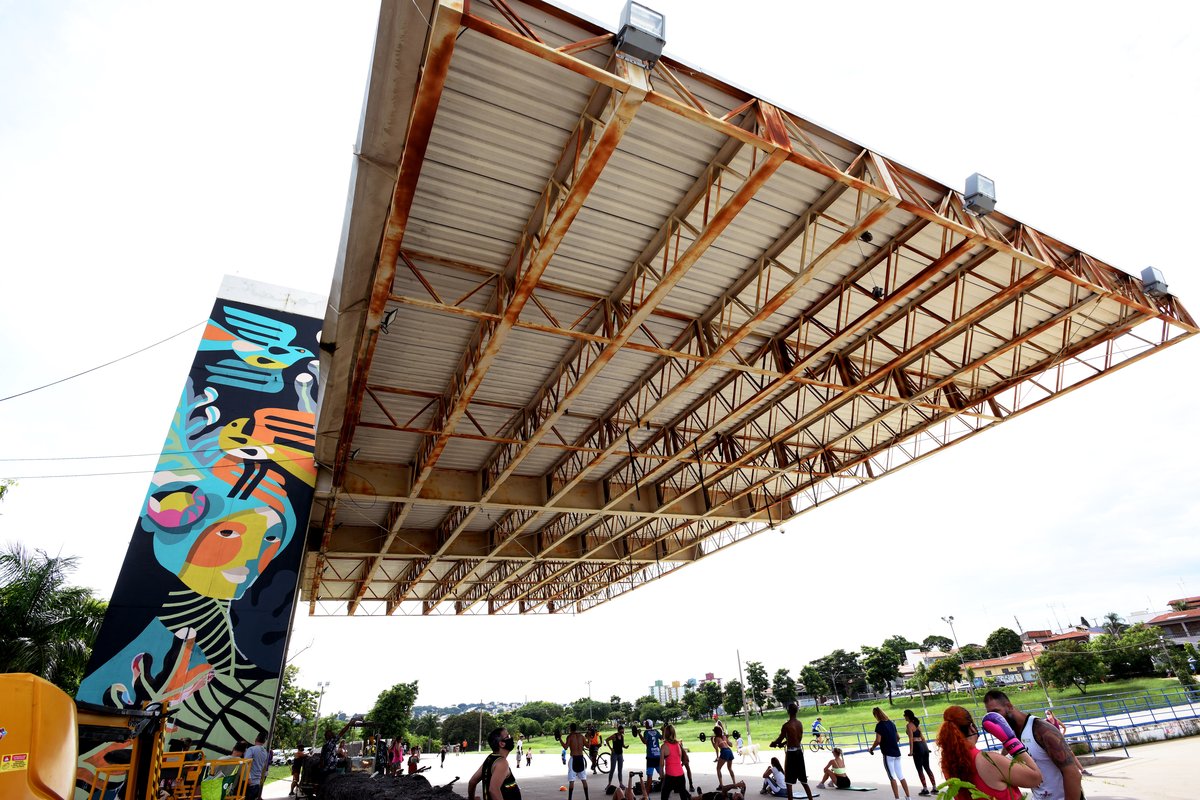
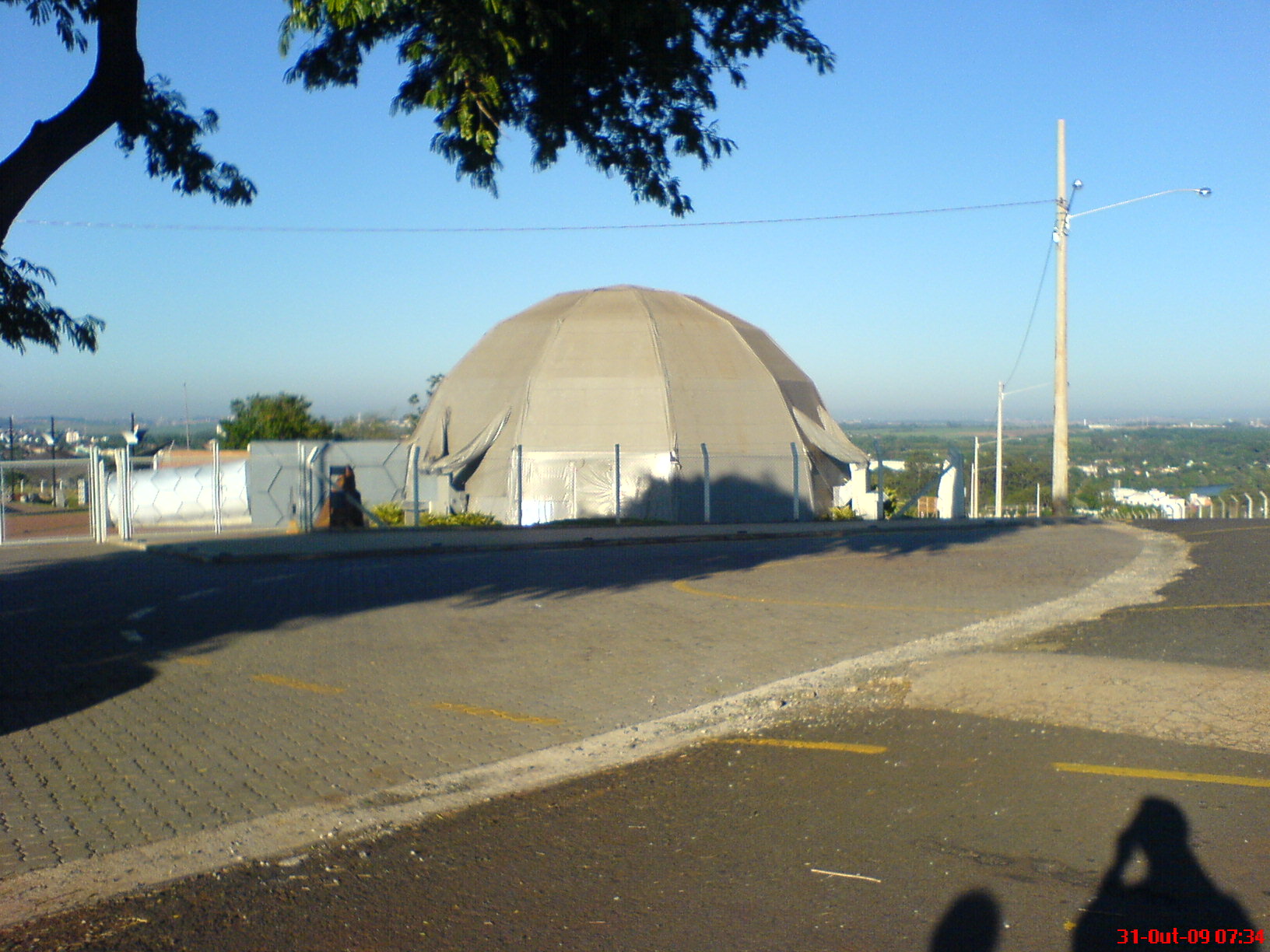
Expertly situated on a hillside within the Unicamp campus, the building harmonizes with the natural terrain. Its low profile and partially subterranean structure preserve the panoramic landscape while minimizing environmental impact. Sustainable features and energy-efficient systems are integral to its design (ArchDaily).
Flexibility and Future-Proofing
The museum’s internal spaces are highly adaptable, allowing for evolving exhibitions and educational programs to ensure ongoing relevance.
Symbolism and Identity
Light-filled interiors and fluid transitions between indoor and outdoor environments symbolize the process of scientific discovery. Public plazas such as Praça Tempo Espaço encourage community engagement and reflection (ArchDaily).
Architectural Recognition
The building has been recognized for its innovative, sustainable, and context-sensitive design, influencing museum architecture both in Brazil and internationally (ArchDaily; Academia.edu).
Main Attractions and Exhibitions
Interactive Science Installations
Permanent exhibitions cover a spectrum of scientific disciplines, including physics, biology, chemistry, and mathematics. Visitors can experiment with hands-on installations such as levers, pulleys, optical devices, and electromagnetism exhibits, making scientific concepts accessible and engaging for all ages (Museu Exploratório de Ciências da Unicamp).
Thematic Workshops and Science Challenges
Weekly workshops offer practical explorations of scientific phenomena. Recent examples include building homemade spectrometers and simulating mini-universes, tailored for various age groups and encouraging active experimentation (Campinas.com.br).
“Grande Desafio” Science Competition
This annual event brings together students from across the region to solve real-world scientific challenges. Projects are presented to expert judges, fostering teamwork, creativity, and scientific literacy (Unicamp Event).
Special Exhibitions and Collaborations
The museum routinely collaborates with Unicamp departments and external partners to host temporary exhibitions on topics ranging from paleontology and biodiversity to the history of computing. The annual “Museus da Unicamp de Portas Abertas” (MUPA) invites the public to explore labs, attend workshops, and engage with researchers (MUPA Program).
Outdoor Science Park
Adjacent outdoor spaces feature large-scale installations for group activities, including demonstrations of sound waves, pendulums, and solar energy, ideal for school visits and families.
Astronomy and Space Science Activities
The museum offers stargazing nights, planetarium sessions, and workshops on celestial phenomena, leveraging digital simulators and real telescopes.
Science Communication and Public Engagement
Frequent lectures, debates, and science cafés connect visitors to Unicamp researchers and guest experts. Outreach initiatives extend to local schools and underserved communities, making science accessible beyond the museum walls.
Accessibility and Inclusion Initiatives
Tactile exhibits, audio guides, and multilingual signage ensure a welcoming environment for visitors with disabilities. Special programs such as “Mês da Diversidade” celebrate diversity in science (Campinas.com.br).
Visitor Information
Visiting Hours
- Tuesday to Saturday: 9:00 AM – 5:00 PM
- Sunday: 10:00 AM – 4:00 PM
- Closed: Mondays and public holidays
Please verify current hours on the official website before your visit.
Tickets and Admission
- General Admission: Free for individuals and school groups
- Workshops & Special Exhibitions: May require advance registration and a nominal fee (official source)
- Group Visits: Recommended to schedule in advance, especially for schools
Accessibility
The museum is fully wheelchair accessible, with ramps, elevators, adapted restrooms, and tactile guides.
Guided Tours and Educational Programs
Guided tours are available for groups by prior arrangement. Weekly workshops and educational activities cater to a wide range of ages and interests.
Facilities and Amenities
- Restrooms (including accessible facilities)
- Drinking fountains
- Outdoor seating near Praça Tempo Espaço
- Parking available on campus (arrive early during peak hours)
- University cafeterias and snack bars nearby
- Small gift shop with educational souvenirs
Travel Tips and Nearby Attractions
- Best Time to Visit: Early weekday mornings offer a quieter experience; weekends feature special family activities.
- Getting There: Accessible by car, taxi, and public transportation. Several bus lines serve the Unicamp campus.
- Nearby Attractions: Explore Campinas’ historic downtown, botanical gardens, and other museums for a comprehensive cultural itinerary.
COVID-19 Safety Measures
The museum implements enhanced cleaning, hand sanitizing stations, and crowd control. Visitors are encouraged to wear masks in crowded areas and adhere to up-to-date safety guidelines (official page).
Frequently Asked Questions (FAQs)
Q: What are the museum’s visiting hours?
A: Tuesday to Saturday, 9:00 AM–5:00 PM; Sunday, 10:00 AM–4:00 PM; closed Mondays and public holidays.
Q: Is there an admission fee?
A: General admission is free. Certain workshops or exhibitions may require advance registration and a small fee.
Q: Are guided tours available?
A: Yes, by advance scheduling for groups and schools.
Q: Is the museum accessible for visitors with disabilities?
A: Yes, with ramps, adapted restrooms, tactile exhibits, and multilingual signage.
Q: Can I take photos?
A: Personal photography is allowed; flash and tripods may be restricted in some areas.
Discover More
The Museu Exploratório de Ciências da Unicamp is an outstanding example of how interactive science education, innovative architecture, and community outreach can come together to inspire curiosity and learning. Whether you are a student, family, or traveler, the museum provides an engaging, inclusive, and memorable experience. Check the official website for current visiting hours and event schedules, and consider downloading the Audiala app for curated travel guides and updates. Expand your Campinas itinerary by exploring other cultural and scientific attractions throughout the city.
Listen to the full story in the app
The whole Museu Exploratório De Ciências Da Unicamp,
told well.
Audio guides for 1,100+ cities across 96 countries. History, stories, and local insight — offline ready.

Verified, and shown.
Researched and written by the Audiala editorial team from historical records, architectural archives, and local expertise.
Last reviewed
Researched from Wikidata, Wikipedia & official sources · fact-checked · How we make our guides →