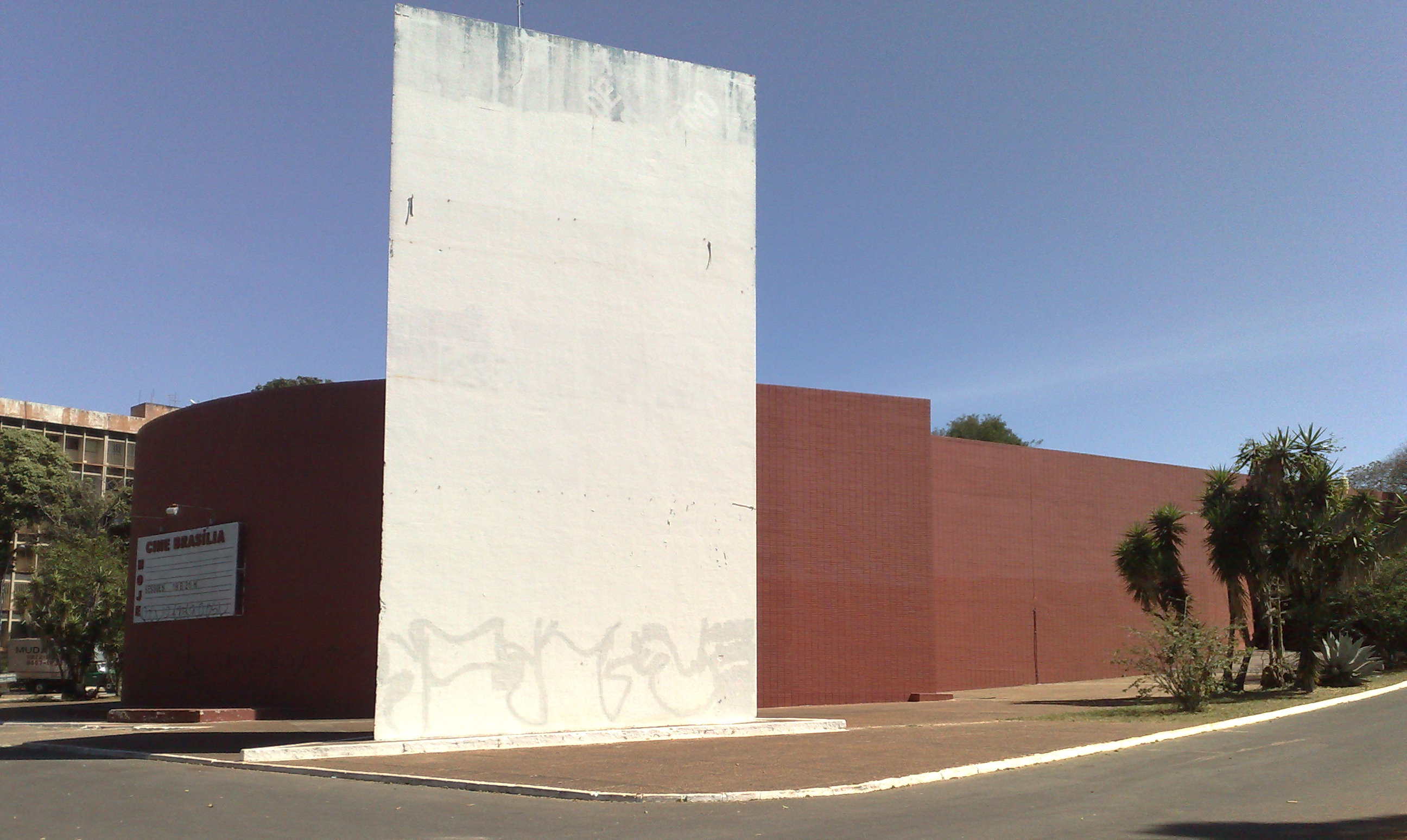
Introduction: History and Significance of Brasília’s UNESCO Monument
Brasília, nestled in Brazil’s Central-West region, stands as a remarkable symbol of modernist vision, urban planning, and national ambition. Conceived in the 1950s under President Juscelino Kubitschek, its construction marked Brazil’s determination to modernize, integrate its vast interior, and forge a new national identity. Designed by urban planner Lúcio Costa and architect Oscar Niemeyer, the city’s layout and architecture exemplify the ideals of the Modernist Movement and have earned global recognition as a UNESCO World Heritage Site (UNESCO; Next Stop Brazil).
Brasília’s iconic Plano Piloto master plan—featuring the Monumental Axis lined with government buildings and residential superblocks (Superquadras)—reflects principles drawn from the Athens Charter and Le Corbusier’s urbanism. The city’s harmonious zoning, functional spaces, and integration of green areas by landscape architect Roberto Burle Marx have created a unique, park-like urban atmosphere (Brazil the Guide; Connect Brazil; Soul Brasil).
Designated as a UNESCO World Heritage Site in 1987, Brasília is celebrated for its artistic achievement and as a pioneering example of 20th-century city planning. The city’s monumental buildings, cultural vibrancy, and dynamic social fabric make it a must-visit destination for architecture enthusiasts, history buffs, and travelers alike (GatesFly; Laid Back Trip; World Cities Culture Forum).
This guide offers practical information on visiting hours, ticketing, accessibility, and travel tips, while providing insight into the architectural highlights, cultural context, and social dynamics of Brazil’s visionary capital.
The Genesis of Brasília: Vision and Political Ambition
Brasília emerged from President Juscelino Kubitschek’s bold campaign in the 1950s to propel Brazil into a new era. The decision to relocate the capital from Rio de Janeiro to the country’s interior was intended to break from colonial traditions, encourage development, and symbolize national unity. Construction began in 1956, spearheaded by Lúcio Costa, Oscar Niemeyer, and Roberto Burle Marx, and remarkably, the city was inaugurated in just 41 months on April 21, 1960.
Urban Planning and Modernist Ideals
Costa’s Plano Piloto, selected through a national competition, shaped Brasília into a cross—often likened to an airplane—symbolizing integration and modernity. The city’s two main axes—the east-west Monumental Axis and the north-south Highway Axis—converge at the civic and administrative core. The plan’s zoning, symmetry, and separation of functions draw from Modernist and Le Corbusian principles, ensuring harmony and efficiency (UNESCO; Connect Brazil).
Monumental Axis: Symbolism, Architecture, and Visiting Information
The Monumental Axis (Eixo Monumental) is Brasília’s central avenue, extending nearly 16 kilometers and lined with the city’s most significant landmarks. Along this grand boulevard, visitors encounter:
- National Congress: Twin towers with domes for Senate and Chamber of Deputies—Niemeyer’s sculptural masterpiece.
- Palácio do Planalto: The presidential office with elegant, floating colonnades.
- Itamaraty Palace: Ministry of Foreign Affairs, renowned for its arches and reflecting pool.
- Metropolitan Cathedral: Sixteen parabolic columns forming a crown, bathed in stained glass light.
- Praça dos Três Poderes: Civic plaza uniting the executive, legislative, and judicial branches.
Visiting Hours
- Most government buildings: Monday–Friday, 9:00 AM–5:00 PM
- Praça dos Três Poderes: Open daily
- Cathedral: Daily, 8:00 AM–6:00 PM
- National Congress and museums: Tuesday–Sunday, 9:00 AM–6:00 PM (some variation; check official sites)
Tickets
- Entry to outdoor monuments and plazas: Free
- Guided tours of buildings (e.g., National Congress): Tickets may be required, usually low-cost or free
- Museums and memorials: Small entrance fee may apply
Accessibility
- The Monumental Axis is wheelchair accessible, with ramps, elevators, and flat thoroughfares.
UNESCO World Heritage Status and Preservation
Brasília’s urban and architectural ensemble was inscribed as a UNESCO World Heritage Site in 1987, covering 112.25 km² of the Plano Piloto, including monumental, residential, social, and bucolic scales. Preservation laws and management by the Federal District Government and IPHAN protect the city’s modernist integrity (UNESCO).
Key Urban Scales and Superquadras
Costa’s plan divides the city into four scales:
- Monumental Scale: Government and administrative axis
- Residential Scale: Superquadras (self-contained residential neighborhoods with green areas)
- Social Scale: Commercial, hotel, and service centers at the axes’ intersection
- Bucolic Scale: Expansive parks and green spaces
Each Superquadra features apartment blocks, schools, shops, and parks—innovative for promoting community and quality of life (Soul Brasil).
Essential Visitor Information
Hours and Tickets
- Government and cultural sites: 9:00 AM–5:00 PM (Tue–Sun)
- Cathedral: 8:00 AM–6:00 PM daily
- Outdoor spaces: Open access, free
Accessibility
- Most sites are equipped for wheelchair access.
- Wide avenues and pedestrian paths are stroller- and wheelchair-friendly.
Guided Tours
- Available for major sites (National Congress, Palácio do Planalto, etc.)
- Advance booking recommended during peak season
Travel Tips
- Getting There: Arrive via Brasília International Airport, 11 km from the center.
- Getting Around: Use taxis, ride-sharing apps, or bike-share for comfort; public buses and metro serve residential areas.
- Dress: Light clothing; modest attire for government and religious sites
- Best Time to Visit: Dry season (May–September) for mild weather
Nearby Attractions, Photographic Spots, and Day Trips
- JK Memorial: Museum dedicated to Brasília’s founder
- TV Tower: Observation deck with panoramic city views
- Parque da Cidade: Urban park for recreation and people-watching
- JK Bridge: Architectural marvel for photography
- Chapada dos Veadeiros National Park: Stunning waterfalls and hikes, about 3.5 hours away
- Pirenópolis: Colonial town with waterfalls, 2 hours by car
Cultural and Social Context
Brasília is a product of diverse migration, with the original “candangos” (construction workers) and subsequent waves of newcomers shaping a pluralistic city culture (World Cities Culture Forum; World History Journal). Local festivals, food markets, and musical traditions highlight this diversity.
The city’s design encourages community life within Superquadras, though vast spaces can challenge spontaneous social interaction. Residents have adapted with block parties, cultural workshops, and communal use of parks (All About World Heritage).
Community Life and Local Culture
Neighborhood networks thrive in Brasília’s superquadras, with shared green spaces and amenities fostering social bonds. The city hosts diverse religious sites—like the Metropolitan Cathedral and Santuário Dom Bosco—and vibrant arts venues such as the Cláudio Santoro National Theater. Annual events like the Brasília Film Festival and local cultural fairs enrich the city’s dynamic atmosphere (Kayak).
Frequently Asked Questions (FAQ)
Q: What are the main visiting hours?
A: Most landmarks are open 9:00 AM–5:00 PM, Tuesday to Sunday; outdoor areas are open daily.
Q: Are tickets required?
A: Outdoor monuments are free; some museums and guided tours require low-cost tickets.
Q: Is the city accessible for visitors with disabilities?
A: Yes, most sites have ramps, elevators, and accessible paths.
Q: How should I get around?
A: Taxis, ride-sharing, and public transport are most convenient; distances between sites can be substantial.
Q: What is the best time of year to visit?
A: May–September (dry season) for pleasant weather and outdoor exploration.
Summary and Final Tips
Brasília’s Monumental Axis offers a unique journey through modernist architecture, political history, and vibrant urban life. The city’s innovative design—realized by Costa, Niemeyer, and Burle Marx—remains a beacon of Brazil’s aspirations for unity and progress. Visitors should plan ahead to make the most of guided tours, accessible sites, and nearby natural attractions.
To enrich your experience, download the Audiala app for audio-guided tours, maps, and up-to-date travel tips. Engage with local culture by exploring festivals, markets, and community events. Brasília is not just a city to visit, but a living testament to the synergy of art, history, and urban innovation.
Listen to the full story in the app
Your Personal Curator, in Your Pocket.
Audio guides for 1,100+ cities across 96 countries. History, stories, and local insight — offline ready.
Audiala App
Available on iOS & Android
Join 50k+ Curators
Sources
-
verified
UNESCO World Heritage Centre
(1987). Brasília, the Modernist City
-
verified
Brazil the Guide
Brasília - Brazil's Modernist Capital
-
verified
Connect Brazil
The Story of Brasília
-
verified
Soul Brasil
Brasília Capital Brazil Architectural Tourism
-
verified
Next Stop Brazil
Brasília Destination Guide
-
verified
GatesFly
9 Top Attractions in Brasília, Brazil
-
verified
Laid Back Trip
Brasília Guide
-
verified
World Cities Culture Forum
Brasília City Profile
Last reviewed: