Plan and listen to Palácio Da Alvorada with Audiala.
Audio guide in your pocket, itinerary in your browser. Built for the way you actually visit.
Introduction
The Palácio da Alvorada, set on the tranquil shores of Lake Paranoá in Brasília, is the official residence of the President of Brazil and stands as a striking emblem of the nation’s modernist spirit and mid-20th-century aspirations. Commissioned by President Juscelino Kubitschek and designed by Oscar Niemeyer, the palace was completed in 1958, marking a new era in Brazilian political and architectural history. Today, it remains a vital part of Brasília’s UNESCO-listed urban landscape, celebrated for its innovative design, artistic integration, and cultural significance. This guide provides comprehensive information for visitors—including Palácio da Alvorada visiting hours, ticket policies, accessibility, security, and tips for exploring nearby historical sites.

Origins and Historical Context
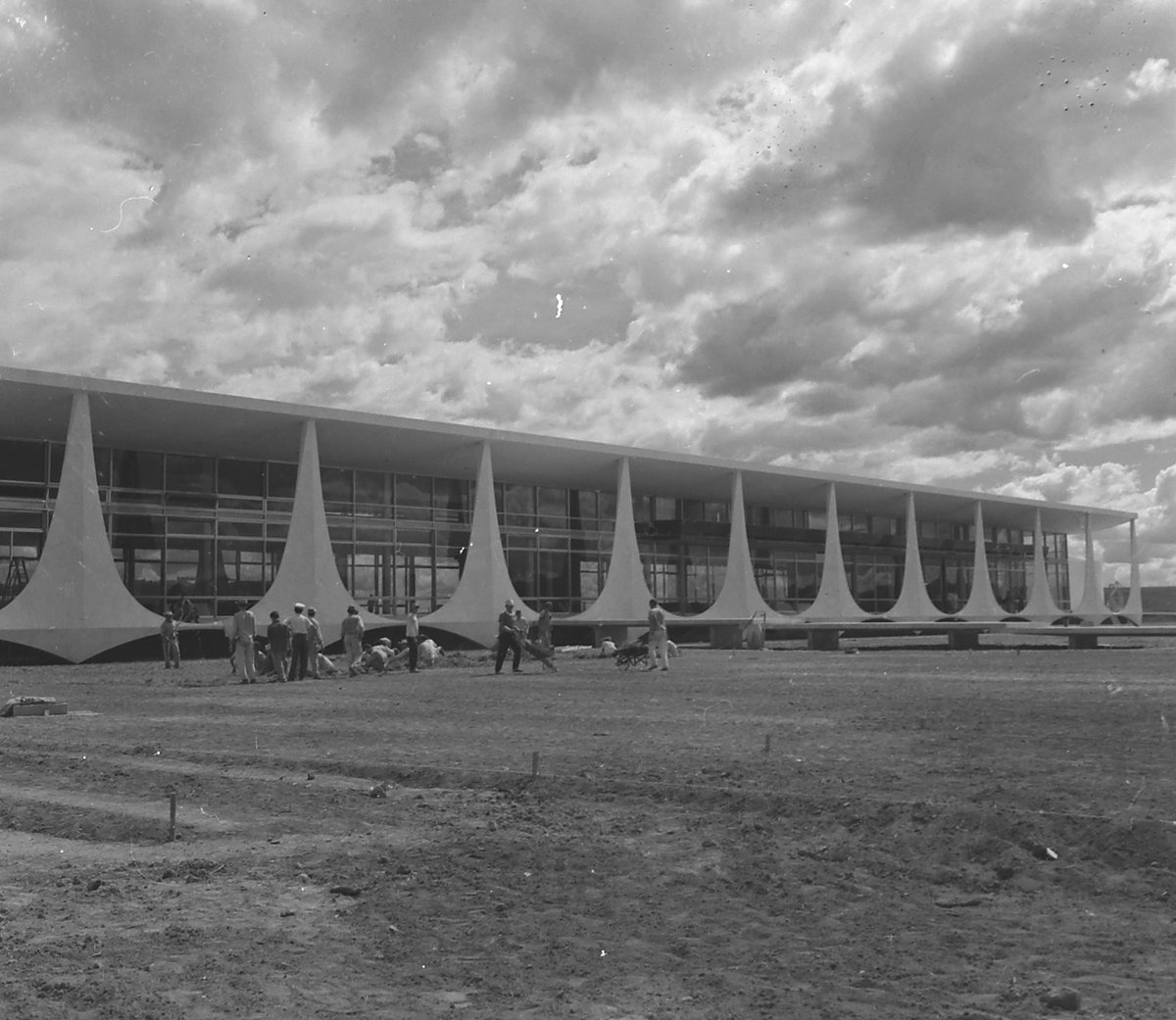
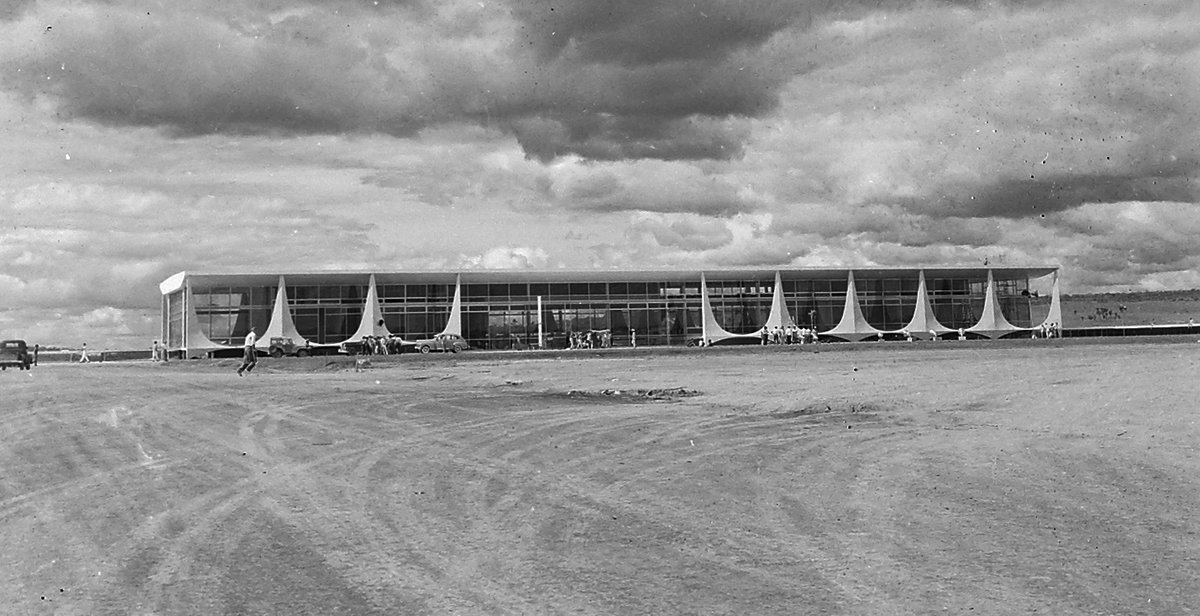
The concept of relocating Brazil's capital to the interior was embedded in the 1891 Constitution but only realized in the 1950s under President Kubitschek’s ambitious “Plano de Metas.” The Palácio da Alvorada was the first government building completed in Brasília, inaugurated in June 1958 before the city’s official opening in 1960 (Architectural Digest, Wikipedia). Its name, meaning “dawn,” reflects the optimism of the era, symbolizing a new beginning for the country (Brasil Escola).
Architectural Vision
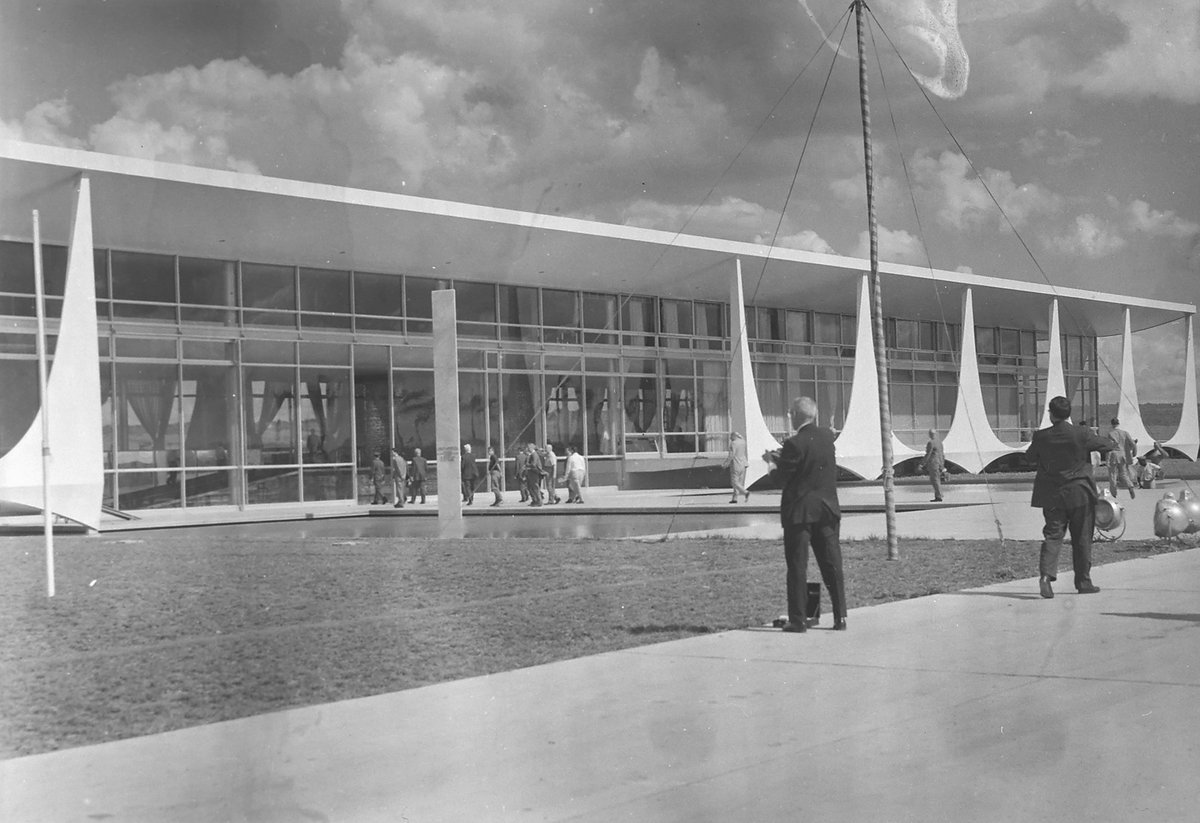
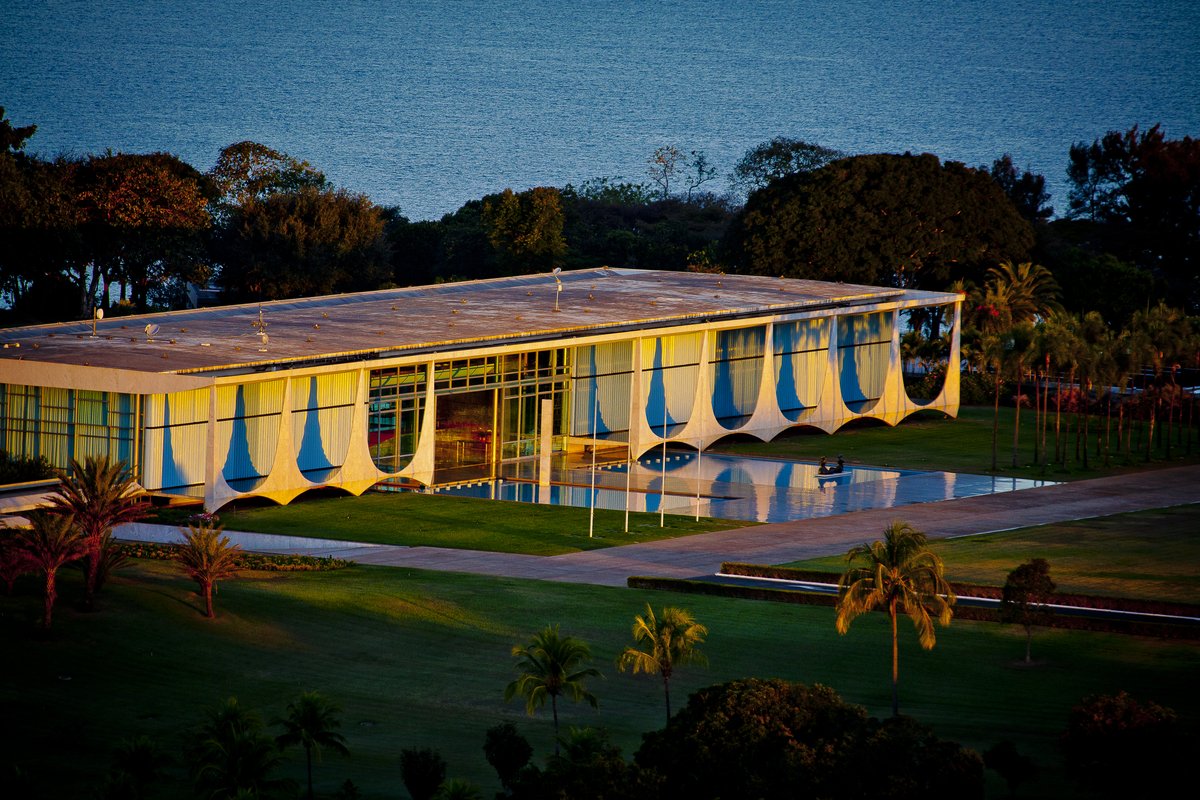
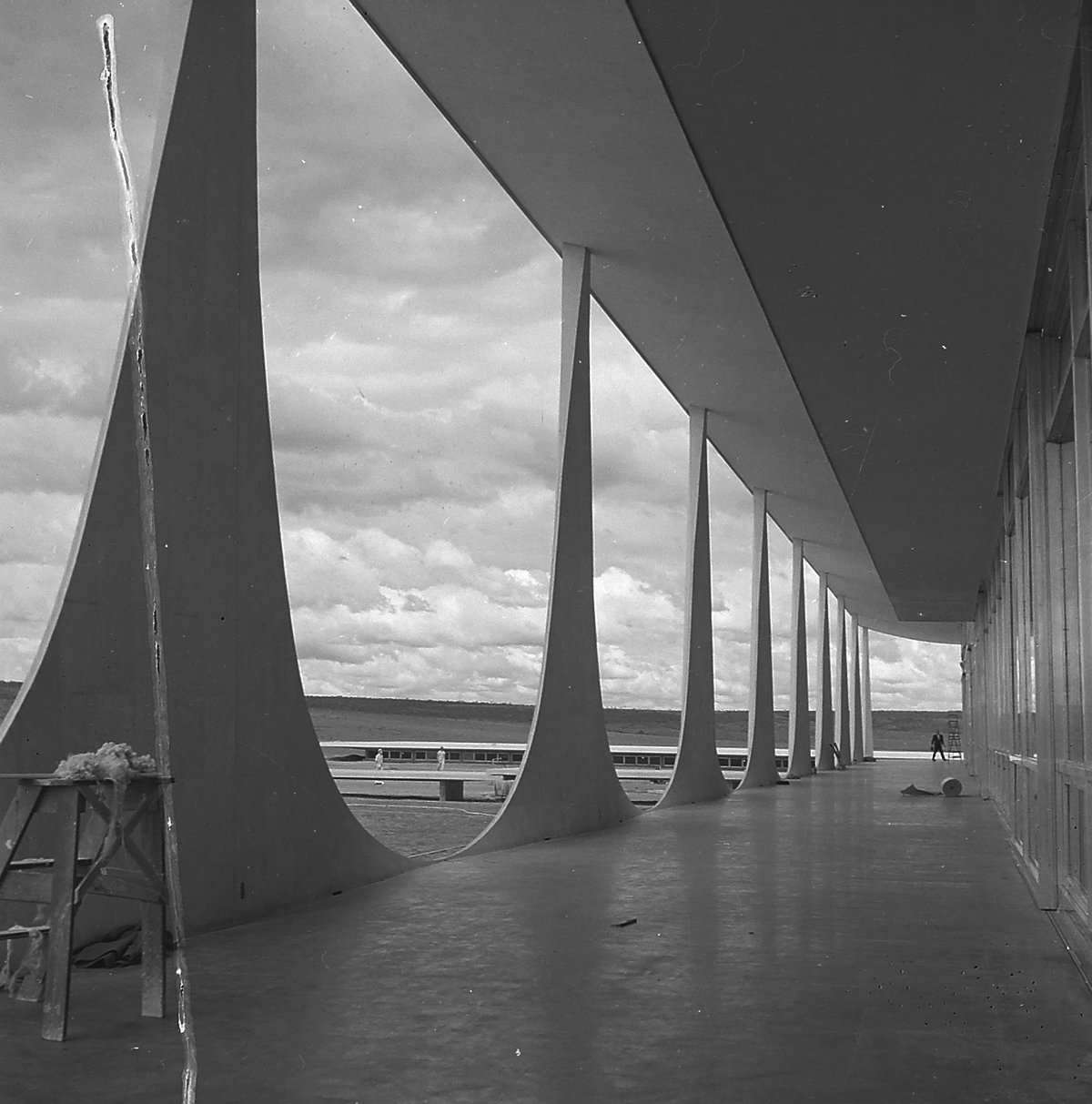
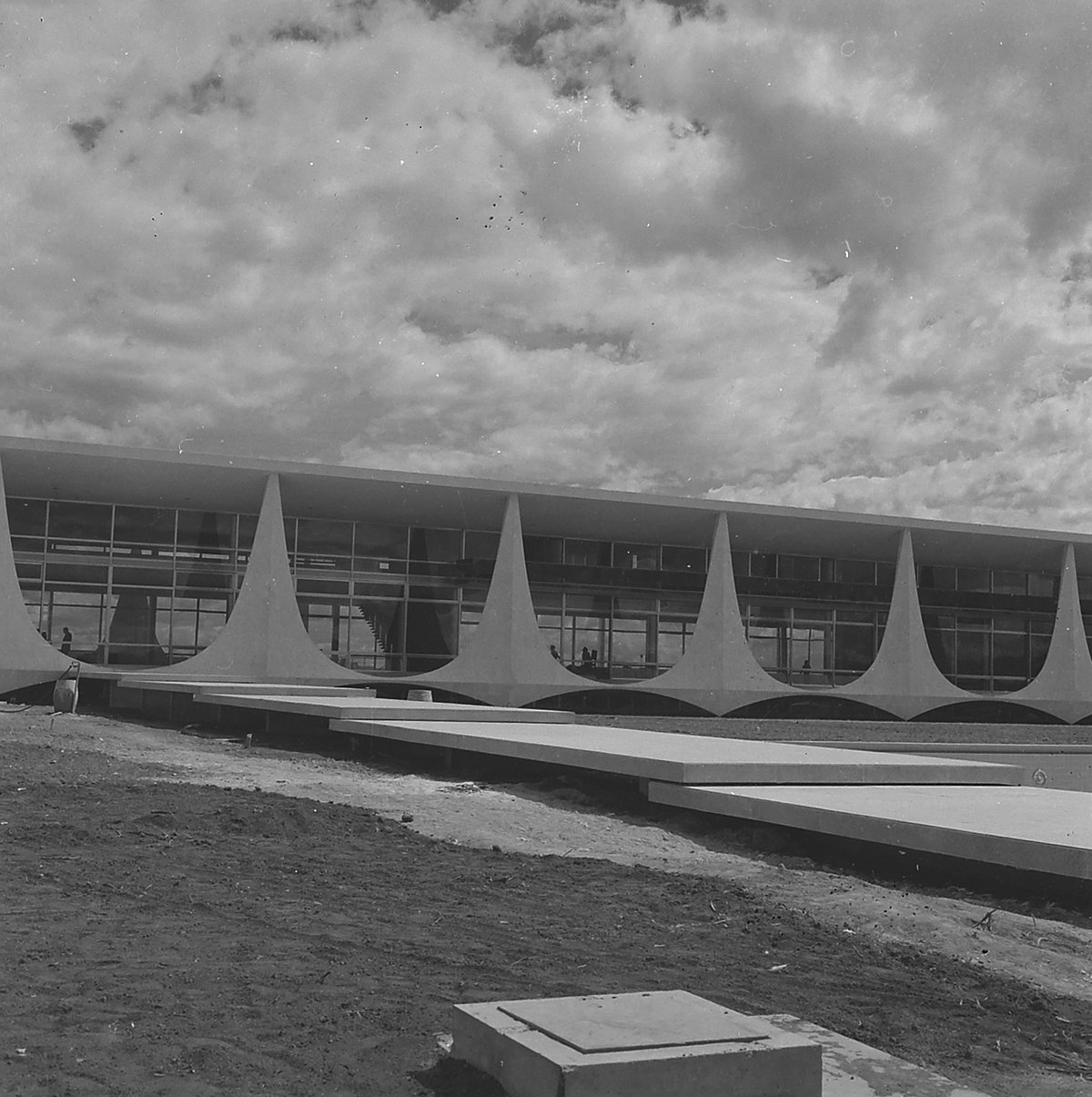
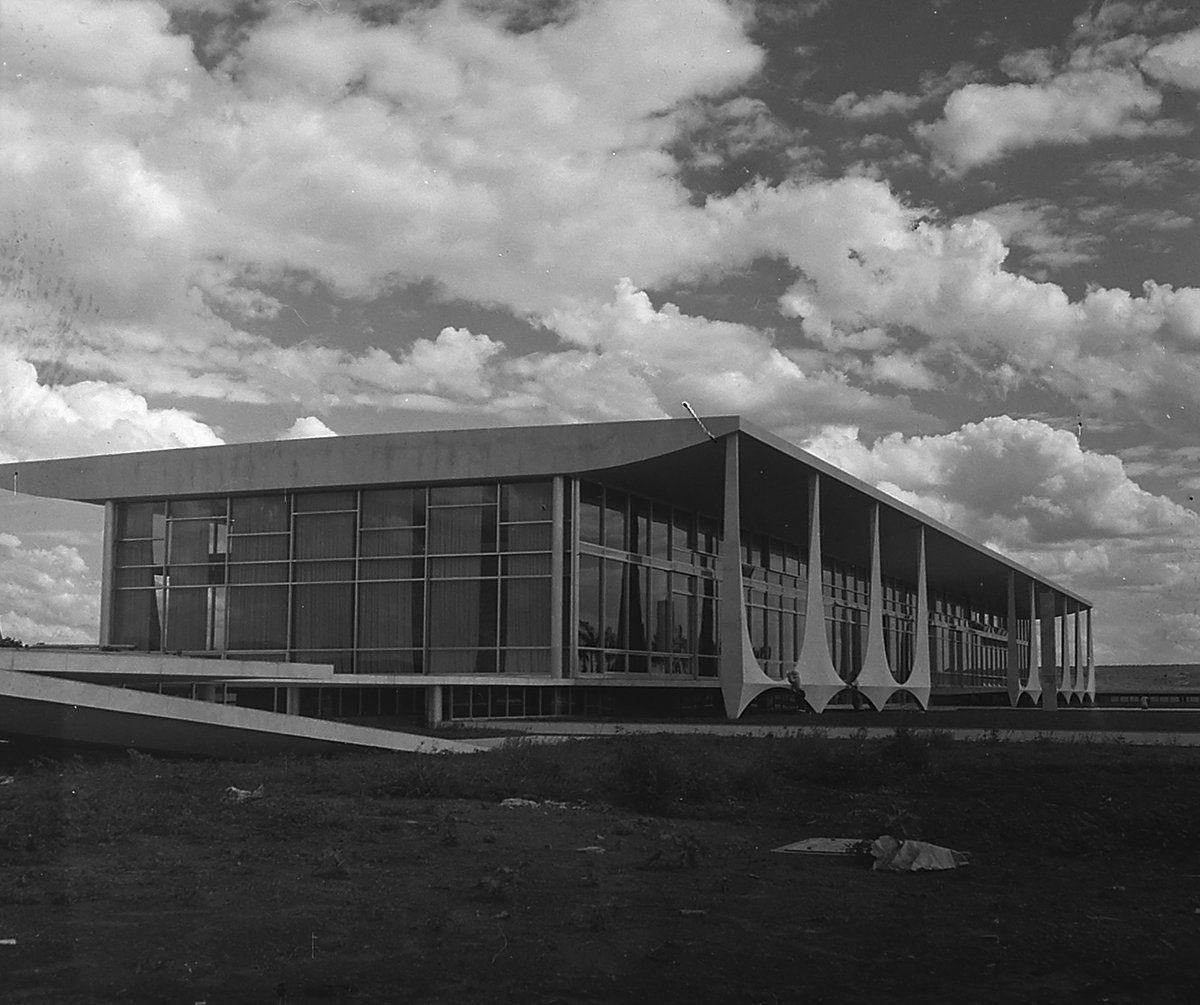
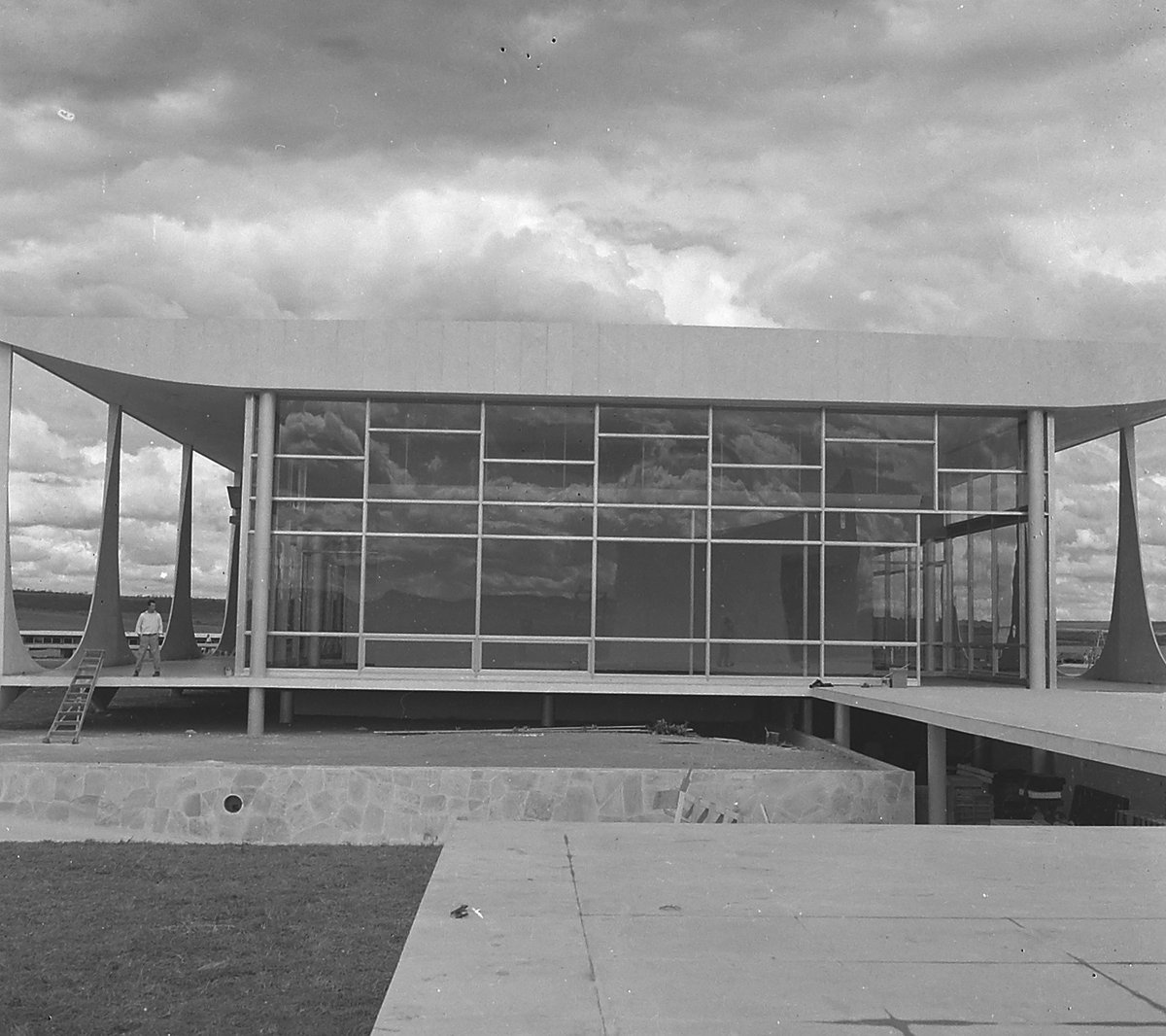
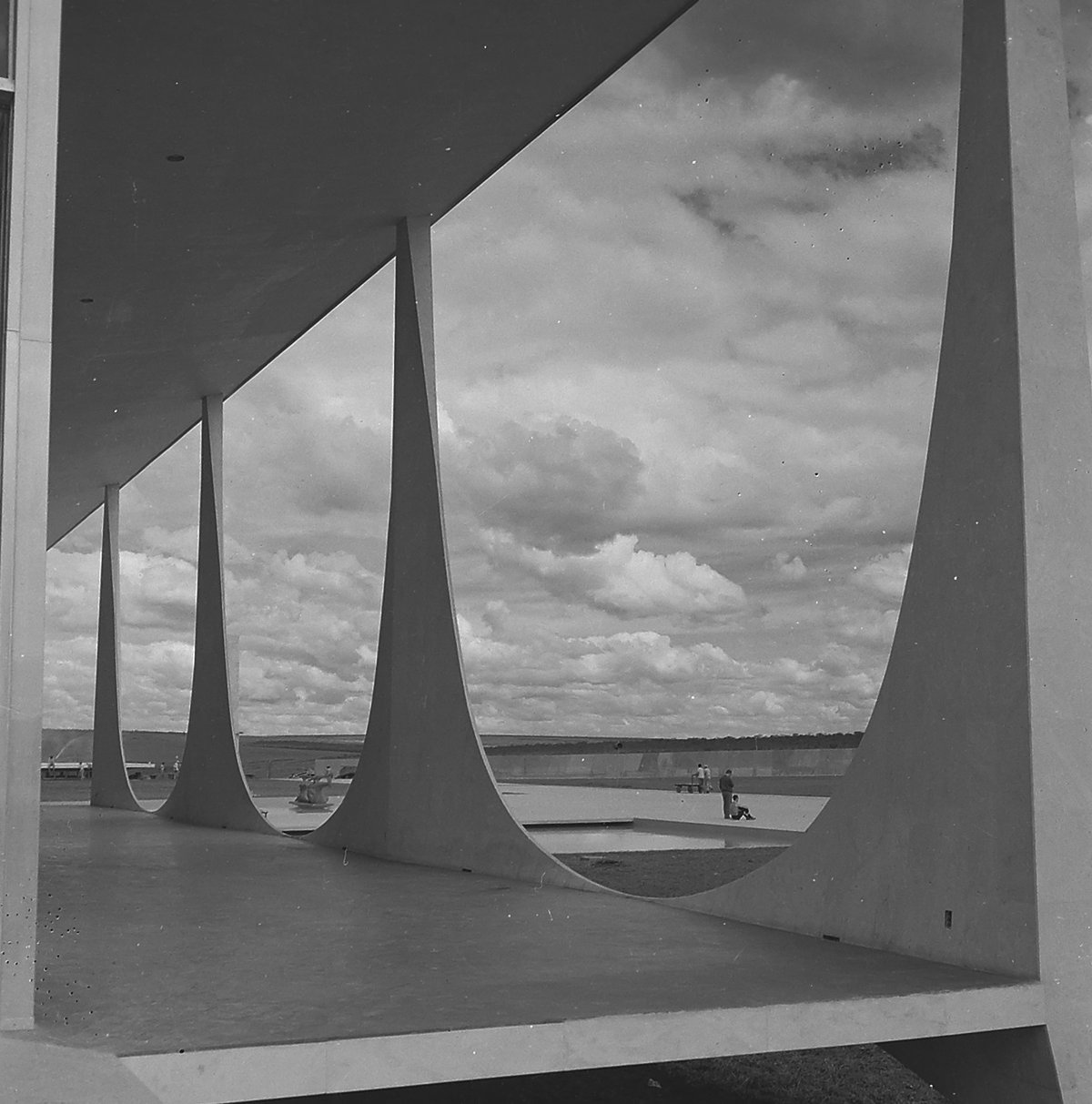
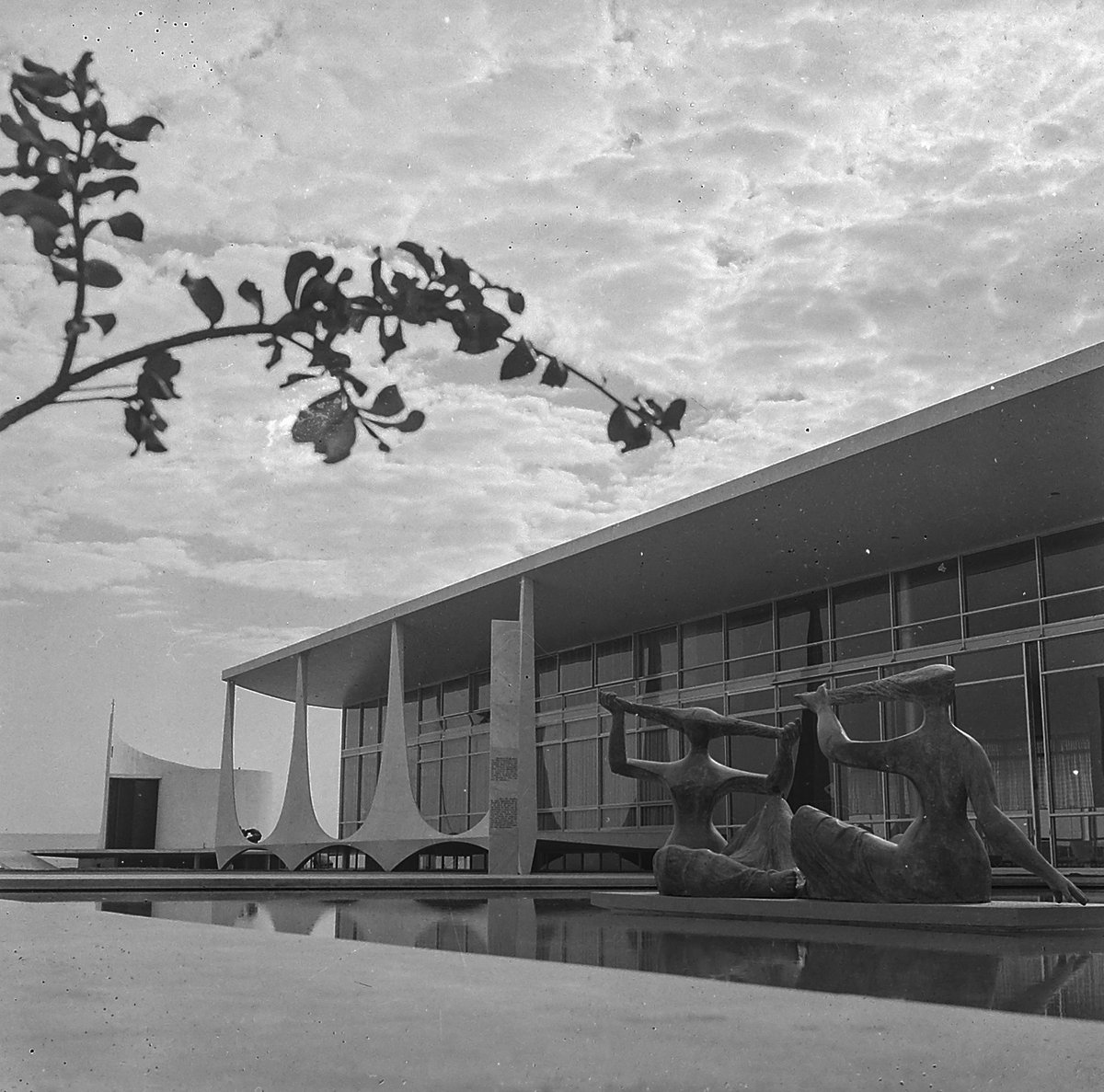
Oscar Niemeyer’s design for the Palácio da Alvorada is a masterclass in Brazilian modernism—characterized by simplicity, fluidity, and harmony with the landscape. The palace occupies around 7,000 square meters over three floors (basement, ground, and upper), and its iconic colonnade of 16 curved white columns (pilotis) captures the essence of modernist elegance and Brazilian identity (Engenharia 360, guia.melhoresdestinos.com.br). The use of glass and marble, open interiors, and seamless integration with the gardens and reflecting pool exemplify Niemeyer’s vision of transparency and lightness.
Symbolic and Cultural Significance
The Palácio da Alvorada is more than a presidential residence—it is a national symbol of innovation and unity. Its completion heralded Brasília as the new administrative heart of Brazil, in line with Lúcio Costa’s urban plan and Niemeyer’s architectural ideals (Architectural Digest). The palace’s interiors are adorned with works by major Brazilian artists and designers, including Alfredo Volpi, Di Cavalcanti, and Sérgio Rodrigues, making it a living museum of mid-century creativity (Wikipedia).
Presidential Residency and Legacy
Since 1958, the palace has housed most Brazilian presidents and their families, while occasionally serving as a venue for state banquets, diplomatic receptions, and public ceremonies. Some presidents have preferred alternative residences, but the Alvorada remains the primary symbol of executive power in Brazil (Arquitectura Viva).
Site Layout and Features
Location and Spatial Organization
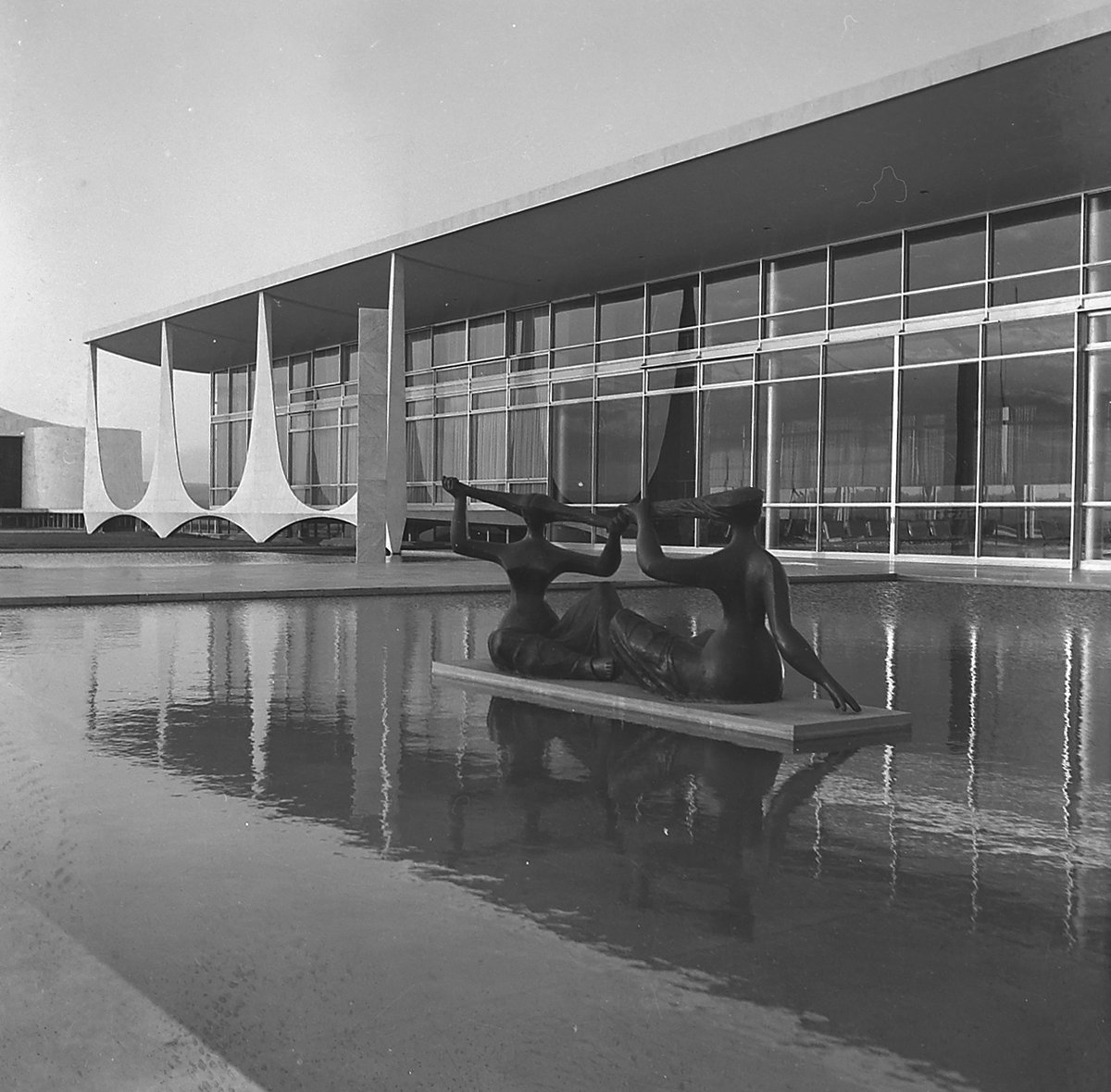
Located on a peninsula, the palace is approximately 6-7 kilometers from Brasília’s urban center, offering a sense of isolation and grandiosity. It is surrounded by vast lawns, meticulously designed gardens by Yoichi Kawakubo, and a reflective pool that enhances its visual impact (guia.melhoresdestinos.com.br).
Exterior and Landscape
- Columns and Façade: The wave-like columns define the palace's façade, creating a sense of movement and lightness (traquo.com).
- Reflective Pool and Gardens: Native Brazilian flora, including pau-brasil and araucárias, blend the architecture with the natural landscape.
- Artworks: The exterior features the bronze sculpture “As Iaras” by Alfredo Ceschiatti, among other works (mmebarquitetos.com).
Interior Spaces
- Basement: Houses leisure and service facilities such as a cinema, auditorium, and administrative offices.
- Ground Floor: Contains public and ceremonial spaces, including state halls, dining rooms, and art-filled salons.
- Upper Floor: Serves as the private residence for the president and family; not open to the public (mmebarquitetos.com).
Amenities
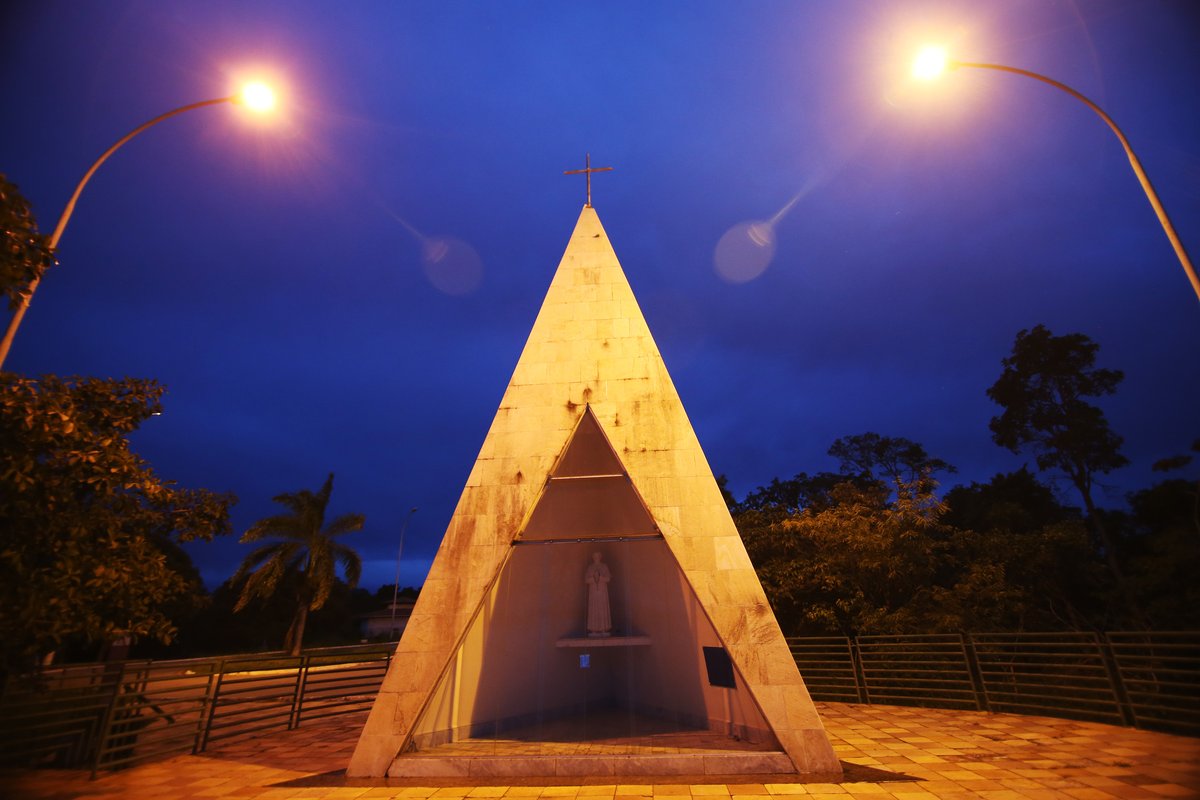
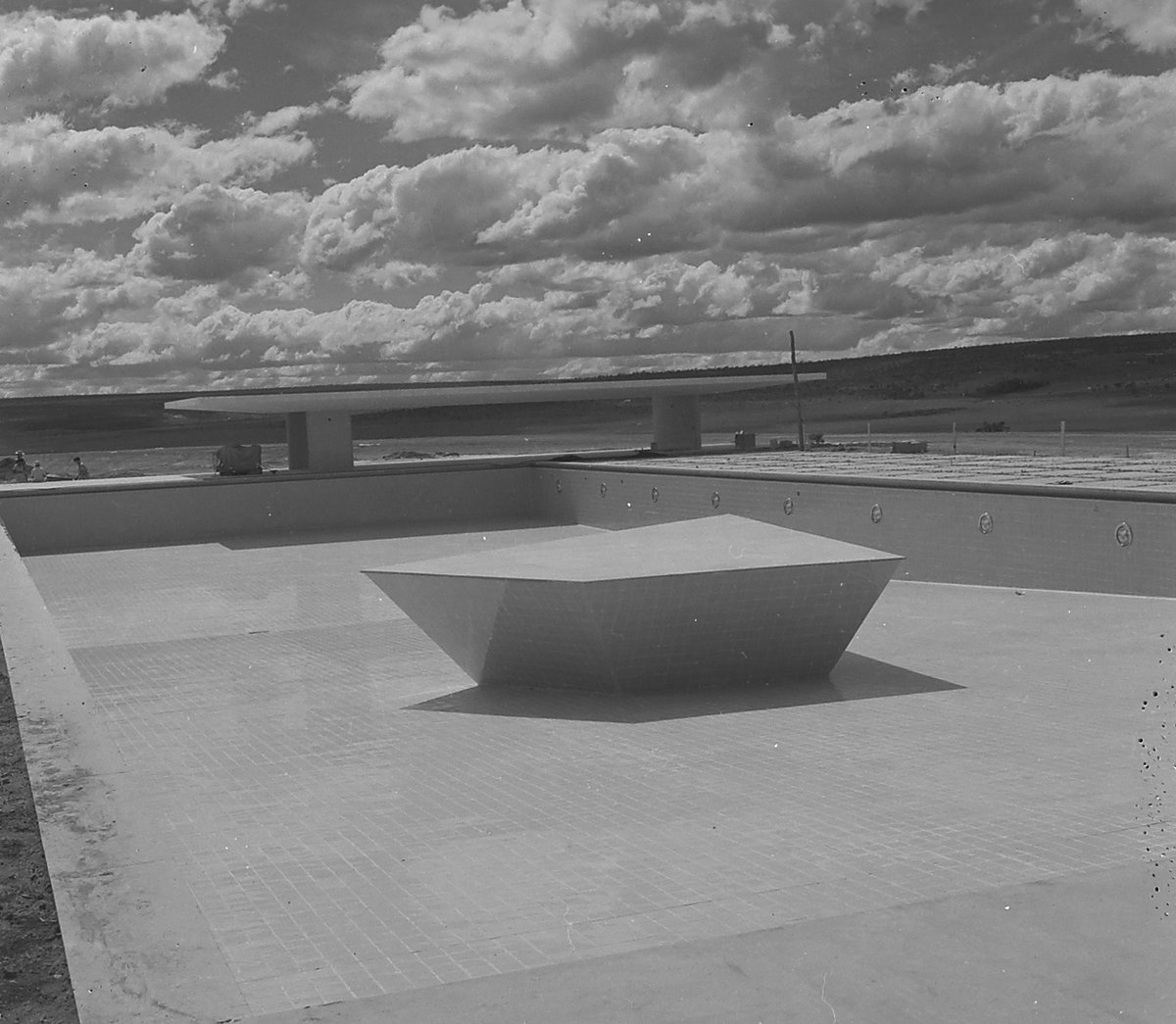
The complex includes a heated swimming pool, tennis court, gourmet area, helipad, and a small chapel, supporting both official and private functions (estilozzo.com).
Visiting the Palácio da Alvorada: Hours, Tickets, and Procedures
Hours and Admission
- Guided Tours: As of 2025, guided tours are generally offered on Wednesday mornings, beginning at 9:00 AM and lasting about one hour (Lonely Planet).
- Admission: There is no entrance fee; tours operate on a first-come, first-served basis. Advance booking is not typically available, so early arrival is recommended.
- Current Restrictions: Due to security or official events, tours may be suspended or modified. Always confirm current details on the official website before visiting.
Security and Entry
Strict security protocols are in place. Visitors must present valid photo identification (passport or national ID), undergo bag checks, and comply with rules enforced by the Presidential Guard (Lonely Planet).
Accessibility
The main entrance and ground floor are accessible to visitors with disabilities, with ramps and wide doorways. Some upper levels may have limited access. Visitors with special needs should contact the palace administration in advance (guia.melhoresdestinos.com.br).
Dress Code and Etiquette
Attire should be modest and respectful. Photography is permitted in outdoor areas and some interiors, subject to guide instructions. Silence and decorum are expected in ceremonial spaces.
Travel Tips and Nearby Attractions
- Getting There: Reachable via bus (route 0.104), taxi, or ride-share from central Brasília. Allow 20–30 minutes for travel, depending on traffic (Lonely Planet).
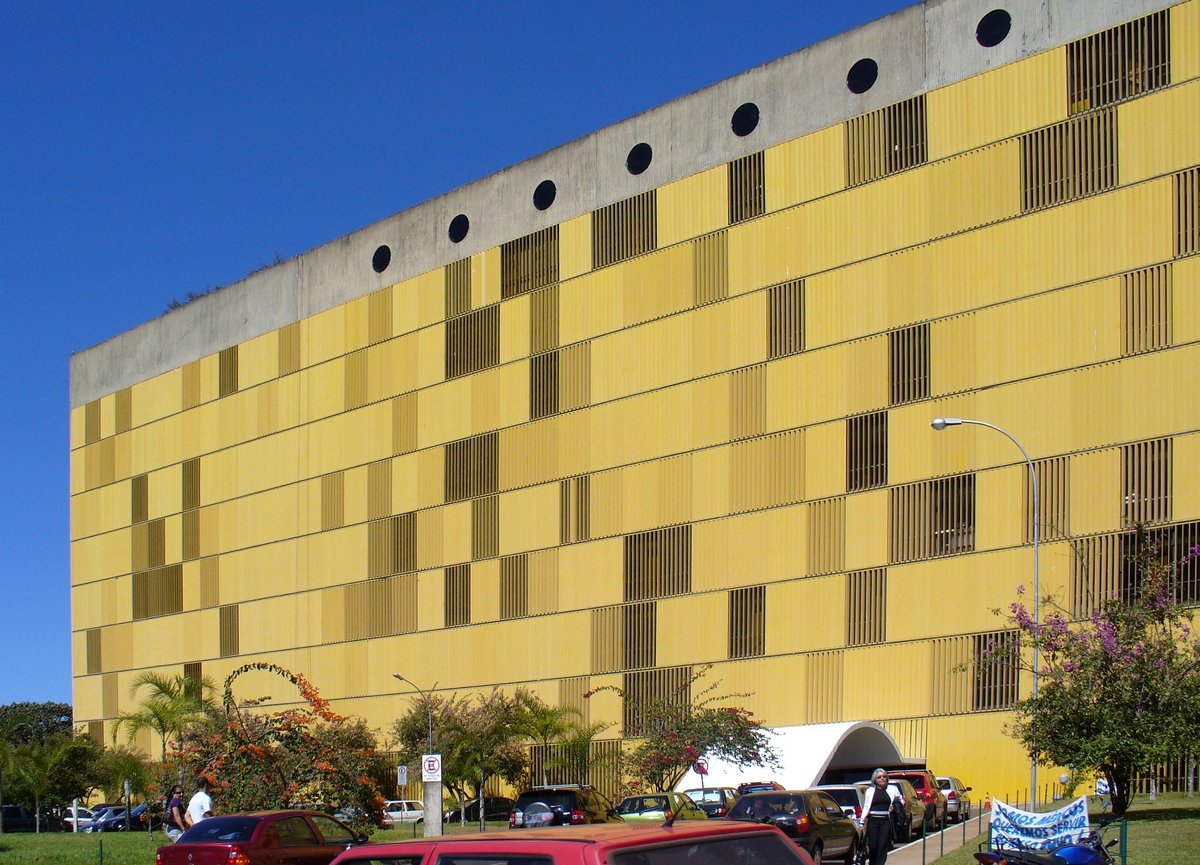
- Nearby Sites: Explore the Praça dos Três Poderes (Three Powers Plaza), Palácio do Planalto, National Congress, Cathedral of Brasília, Centro Cultural Banco do Brasil, and Santuário Dom Bosco for a comprehensive architectural and cultural experience.
- Best Time to Visit: Dry season (May–September) provides the best weather. Arrive early on tour days due to limited capacity.
- Essentials: Bring water and snacks, as there are no on-site cafés. Restrooms are available.
Visuals and Virtual Tours
High-quality images, virtual tours, and interactive maps are available on official tourism sites, offering a preview of the palace’s façade, gardens, and ceremonial guards.
Frequently Asked Questions (FAQ)
Q: What are Palácio da Alvorada’s visiting hours?
A: Guided tours are typically on Wednesday mornings at 9:00 AM; always check the official website for updates.
Q: Is there an admission fee or advance ticket required?
A: No, tours are free and tickets are not issued in advance; arrive early, as tours are first-come, first-served.
Q: Is the palace accessible for wheelchair users?
A: The main entrance and ground floor are accessible; contact staff in advance for specific needs.
Q: Can I take photos inside?
A: Photography is allowed in some areas—follow the guide’s instructions.
Q: What if tours are suspended?
A: If interior tours are suspended, visitors can still view the palace’s exterior and gardens from dawn to dusk.
Civic and Cultural Legacy
The Palácio da Alvorada remains central to Brazil’s political and cultural identity, hosting key events and symbolizing unity. Its restoration in 2004 preserved Niemeyer’s vision and the palace’s function as a living national monument (Wikipedia). Even when interior access is limited, the palace’s innovative design and serene setting continue to attract visitors and inspire architects worldwide (ArchDaily).
Summary and Recommendations
Palácio da Alvorada is a must-see for anyone interested in architecture, history, or Brazilian culture. Plan your visit carefully—consult the official website for the latest visiting hours, arrive early on tour days, and consider exploring the many nearby historical sites for a richer understanding of Brasília’s unique landscape. Respect security and etiquette guidelines to ensure a memorable and rewarding visit.
Listen to the full story in the app
The whole Palácio Da Alvorada,
told well.
Listen to sourced travel stories with local history and practical context — ready offline.
Verified, and shown.
Researched and written by the Audiala editorial team from historical records, architectural archives, and local expertise.
Built from cited sources · see the method · How we make our guides →