Plan and listen to National Congress Palace with Audiala.
Audio guide in your pocket, itinerary in your browser. Built for the way you actually visit.
Introduction
The National Congress Palace (Palácio do Congresso Nacional) in Brasília is a monumental symbol of Brazil’s democracy, modernist architecture, and national identity. Designed by Oscar Niemeyer and inaugurated in 1960, the Palace forms the centerpiece of Brasília’s bold urban plan, conceived by Lúcio Costa. As the seat of Brazil’s bicameral legislature, it combines architectural innovation with political symbolism, representing both the nation’s aspirations for progress and its commitment to democratic governance. Recognized as a UNESCO World Heritage Site, the National Congress Palace remains a must-visit destination for travelers interested in architecture, politics, and Brazilian culture (Senado Federal, UNESCO).
This guide provides comprehensive information for visitors, including the history and significance of the Palace, practical details such as visiting hours and ticketing, accessibility, travel tips, and nearby attractions. Whether you are an architecture enthusiast, history buff, or simply curious about Brazil’s political heart, this article will help you plan a rewarding visit.

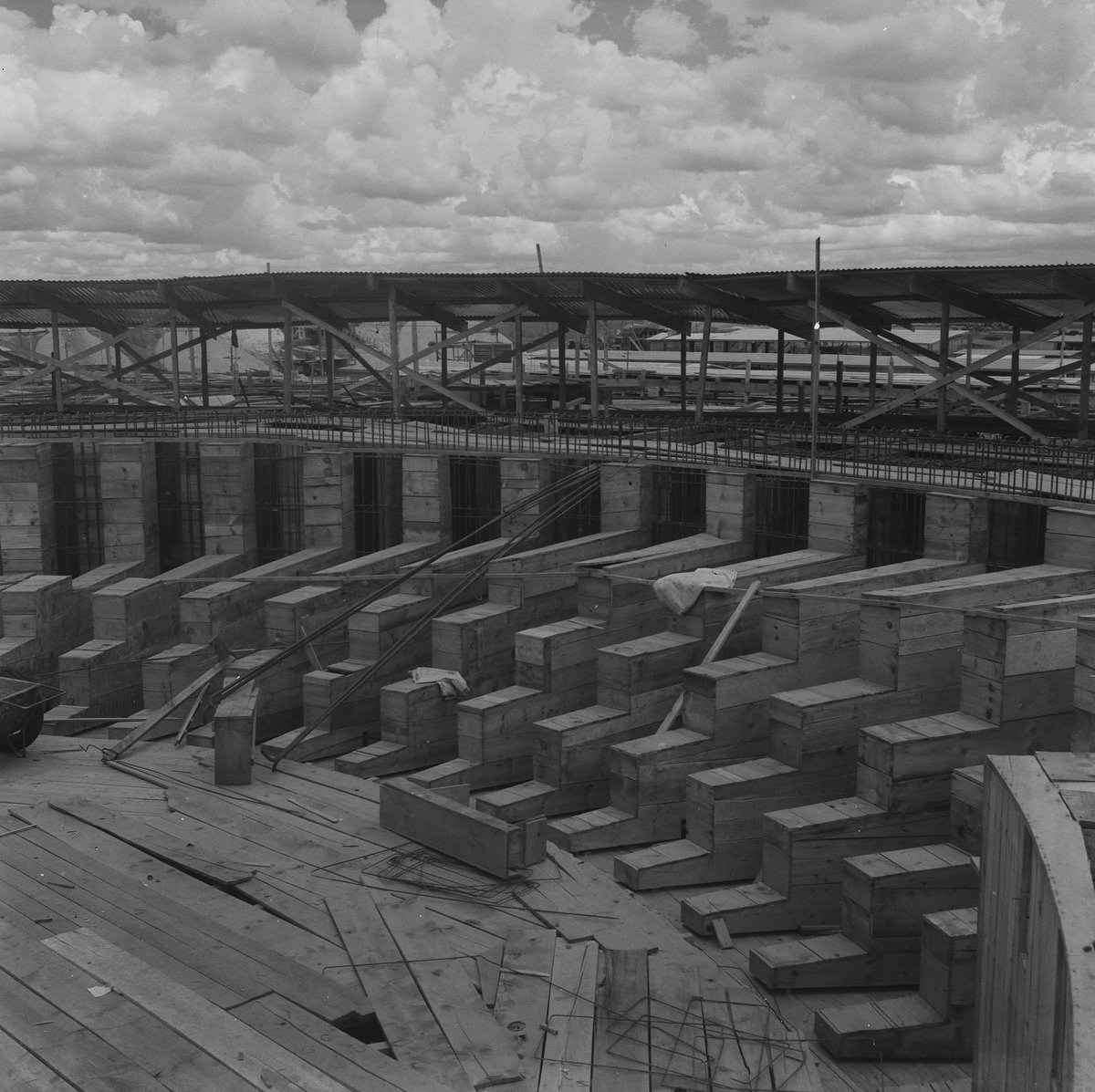
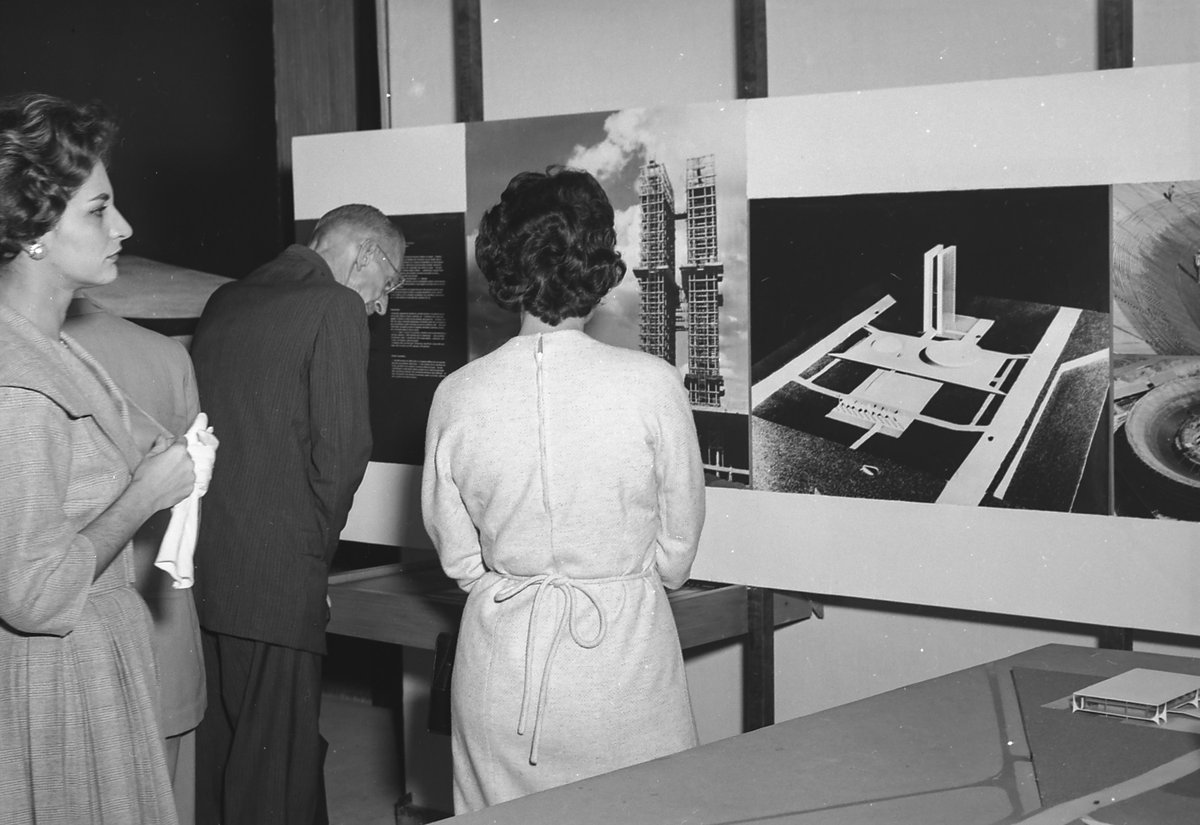
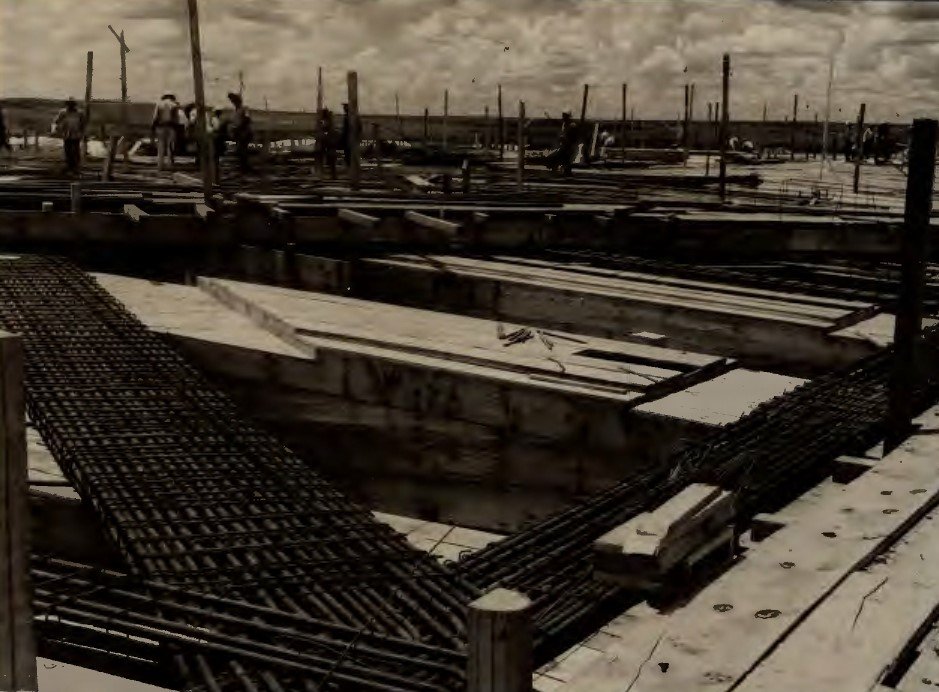
Discover the National Congress Palace
The National Congress Palace stands as one of Brasília’s most iconic and historically significant sites. Its striking design—twin domes flanked by two 100-meter office towers—embodies the balance and duality of Brazil’s legislative system. Its central location on the Monumental Axis places it at the core of the city’s administrative and cultural life, surrounded by other architectural landmarks such as the Planalto Palace and the Cathedral of Brasília.
Origins and Vision: The Birth of Brasília
The idea of relocating Brazil’s capital to the country’s center was realized in the late 1950s under President Juscelino Kubitschek, whose Plano de Metas aimed to spur national development and integration. Brasília was constructed as a symbol of modernity and unity, with the National Congress Palace envisioned as its political heart (UNESCO). The city’s layout, designed by Lúcio Costa, features the Palace at the focal point of the Monumental Axis, reflecting the separation of powers and the ideals of transparency and open governance.
Architectural Significance: Oscar Niemeyer’s Modernist Masterpiece
Oscar Niemeyer’s design for the National Congress Palace is a defining work of Brazilian modernism. The Palace features two distinctive domes: the convex dome houses the Senate, symbolizing reflection and deliberation, while the concave bowl contains the Chamber of Deputies, indicating openness to the people’s will (ArchDaily). Flanking these are two slender, 100-meter-tall towers, representing the unity and equality of the legislative chambers.
Key architectural elements include:
- Monumental Forms: Use of curves, reinforced concrete, and glass facades to evoke both grandeur and accessibility.
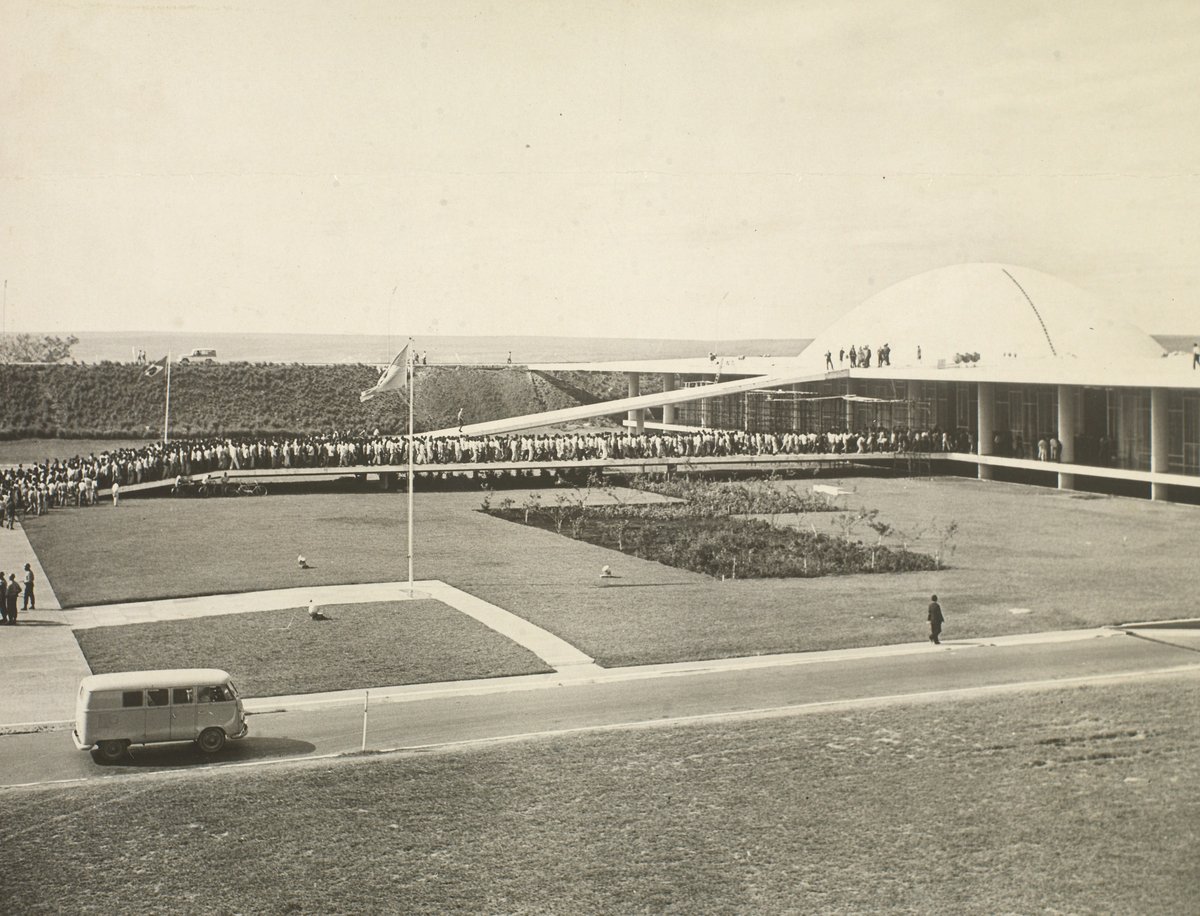
- Urban Integration: Positioned on expansive lawns with reflecting pools, the Palace is designed to be seen from afar and approached as a civic monument.
- Symbolism: The spatial relationship with the Praça dos Três Poderes (Three Powers Square) and neighboring government buildings visualizes Brazil’s separation and balance of powers (Architectural Digest).
Political and Social Legacy
Since its inauguration on April 21, 1960, the National Congress Palace has been the stage for crucial moments in Brazil’s history, including the transition from dictatorship to democracy and the drafting of the 1988 Constitution (Senado Federal). The building’s open lawns have served as gathering points for civic demonstrations, making it a living symbol of the Brazilian people’s right to participate in governance.
Visiting Information: Hours, Tickets, and Tours
Visiting Hours
- Tuesday to Sunday: 9:00 AM to 5:00 PM
- Closed: Mondays and public holidays
- Note: Always check the official website for updates, as hours may vary for special events or maintenance.
Tickets and Guided Tours
- Admission: Free of charge
- Guided Tours: Offered in Portuguese, English, Spanish, French, and Brazilian Sign Language (LIBRAS)
- Booking: Advance booking recommended through the official booking page; non-Portuguese tours must be reserved by 5 p.m. the previous day
- Duration: Approximately 50–60 minutes
- Group Size: Up to 50 on business days, 70 on weekends and public holidays
Entry Procedures
- ID Required: Visitors aged 12+ must present original identification (no copies or digital versions)
- Minors: Children under 12 must be accompanied by legal guardians
- Security: Mandatory screening; prohibited items include weapons and alcohol
Accessibility
The Palace is fully accessible, with ramps, elevators, and staff assistance available for visitors with mobility challenges.
Special Events and Exhibitions
The National Congress Palace regularly hosts cultural events, art exhibitions, and temporary installations highlighting Brazil’s political and artistic heritage. Check the Senado Federal events calendar for current offerings.
Travel Tips and Nearby Attractions
- Getting There: Centrally located and well-served by public transport, taxis, and ride-sharing services
- Dress Code: No shorts, sleeveless shirts, slippers, or miniskirts on weekdays (exceptions for children under 12)
- Photography: Allowed (without flash) except during plenary sessions
- Best Times: Dry season (May–July) offers comfortable weather and fewer crowds
- Nearby Attractions: Planalto Palace, Supreme Federal Court, Metropolitan Cathedral, National Museum, and the JK Memorial are all within walking distance (laidbacktrip.com, civitatis.com)
UNESCO World Heritage Status and Preservation
Designated as a UNESCO World Heritage Site in 1987, Brasília—and the National Congress Palace—are globally recognized for their innovative urban planning and architectural excellence (UNESCO). Preservation efforts ensure that Niemeyer’s vision remains intact while adapting the building for contemporary use, including restoration of facades and modernization of facilities.
Frequently Asked Questions (FAQs)
Q: What are the National Congress Palace visiting hours?
A: Tuesday to Sunday, 9:00 AM to 5:00 PM; closed on Mondays and public holidays.
Q: Is there an entrance fee?
A: No, admission and guided tours are free.
Q: How do I book a tour?
A: Reserve online via the official booking page; advance booking required for non-Portuguese tours.
Q: Is the building accessible?
A: Yes, with ramps, elevators, and staff assistance.
Q: Can I take photos inside?
A: Yes, except during plenary sessions and without flash.
Q: What should I wear?
A: Smart casual attire; shorts, sleeveless shirts, slippers, and miniskirts are not permitted on weekdays.
Key Dates and Figures
- 1956: Construction of Brasília initiated
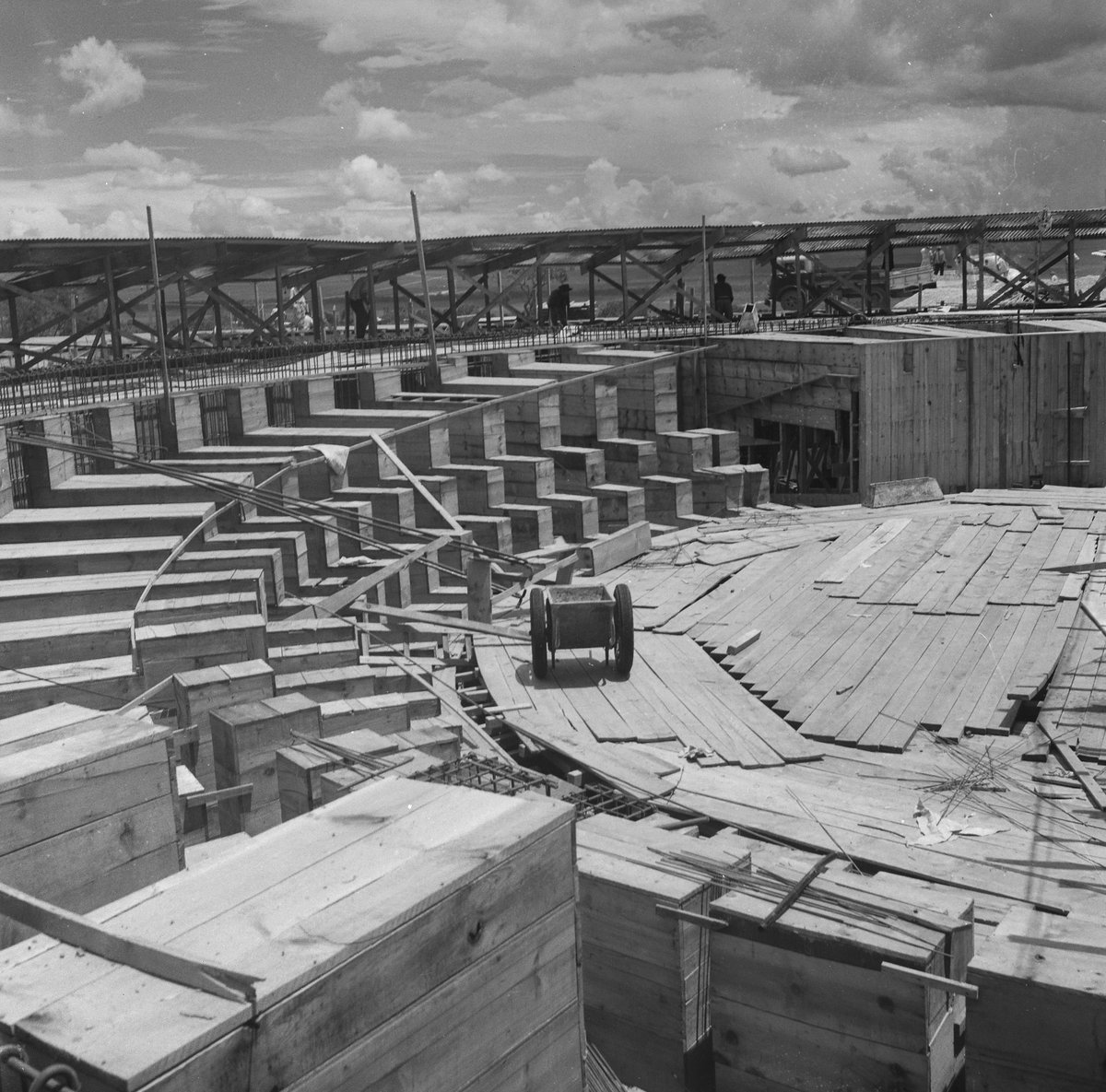
- 1958–1960: National Congress Palace built
- April 21, 1960: Inauguration
- 1987: UNESCO World Heritage Site designation
- 100 meters: Height of each office tower
- Capacity: 513 seats (Chamber of Deputies), 81 seats (Senate)
Listen to the full story in the app
The whole National Congress Palace,
told well.
Audio guides for 1,100+ cities across 96 countries. History, stories, and local insight — offline ready.
Verified, and shown.
Researched and written by the Audiala editorial team from historical records, architectural archives, and local expertise.
Researched from Wikidata, Wikipedia & official sources · fact-checked · How we make our guides →