Belém

Brazil

Belém

Belém is Brazil’s only city where breakfast is purple açaí eaten beside 17th-century fort walls, and buffalo still outnumber cars on nearby Marajó Island.

location_on 8 attractions
calendar_month August–November (dry, parrots migrate)
schedule 3–4 days

Introduction

The first thing that hits you in Belém, Brazil, is the smell: a swirl of roasted Brazil nuts, fermenting açaí, and river rot so thick it tastes like iron. Morning fog lifts off the Guamá River and reveals a 17th-century fort staring down Art-Deco cinemas while street vendors ladle neon-yellow tacacá that numbs your tongue faster than a dentist’s shot.

This is the city where the Amazon begins to feel like a place rather than a slogan. Rubber-baron opera houses still schedule Verdi between thunderstorms, and floating houses rise six meters when the January moon drags the tide into the streets. You can breakfast on cupuaçu mousse at 5 a.m. with dockworkers, then be inside primary forest by lunch, the air suddenly quiet except for howler monkeys arguing over cecropia leaves.

Belenenses treat their city like an open-air laboratory: biologists catalog fish at dawn, chefs age tucupí in clay pots for a week, and reggae sound systems start at midnight sharp. The grid of mango-shaded squares was laid by Portuguese soldiers in 1616, but the pulse is indigenous—Marajoara geometric patterns show up on bus station tiles, and cashiers greet you with ‘Tudo bem?’ that rises like a question you’re supposed to answer with a song.

Places to Visit

The Most Interesting Places in Belém

Our Lady of Grace Cathedral

Our Lady of Grace Cathedral

Nestled in the historic heart of Belém, Brazil, the Our Lady of Grace Cathedral (Catedral Metropolitana de Belém) stands as a monumental testament to the rich…

Memorial Da Cabanagem

Memorial Da Cabanagem

Located in the vibrant city of Belém, Pará, the Memorial da Cabanagem stands as a profound tribute to one of Brazil’s most significant and tragic popular…

Church and Former College of Saint Alexander

Church and Former College of Saint Alexander

Nestled in the historic heart of Belém, Brazil, the Church and Former College of Saint Alexander (Igreja e Colégio de Santo Alexandre) stands as a shining…

Antônio Lemos Palace

Antônio Lemos Palace

Nestled in the heart of Belém’s historic district, the Antônio Lemos Palace stands as a majestic emblem of the city's rich cultural and political history.

landscape

Museu Paraense Emílio Goeldi

Nestled in the vibrant city of Belém, the Museu Paraense Emílio Goeldi stands as a premier institution dedicated to preserving and showcasing the unparalleled…

landscape

Estádio Estadual Jornalista Edgar Augusto Proença

Nestled in the vibrant city of Belém, Pará, Brazil, the Estádio Estadual Jornalista Edgar Augusto Proença—more commonly known as Mangueirão—is a monumental…

Federal Rural University of Amazonia

Federal Rural University of Amazonia

Nestled in the vibrant city of Belém, Pará, the Federal Rural University of Amazonia (Universidade Federal Rural da Amazônia, UFRA) stands as a distinguished…

landscape

Baenão

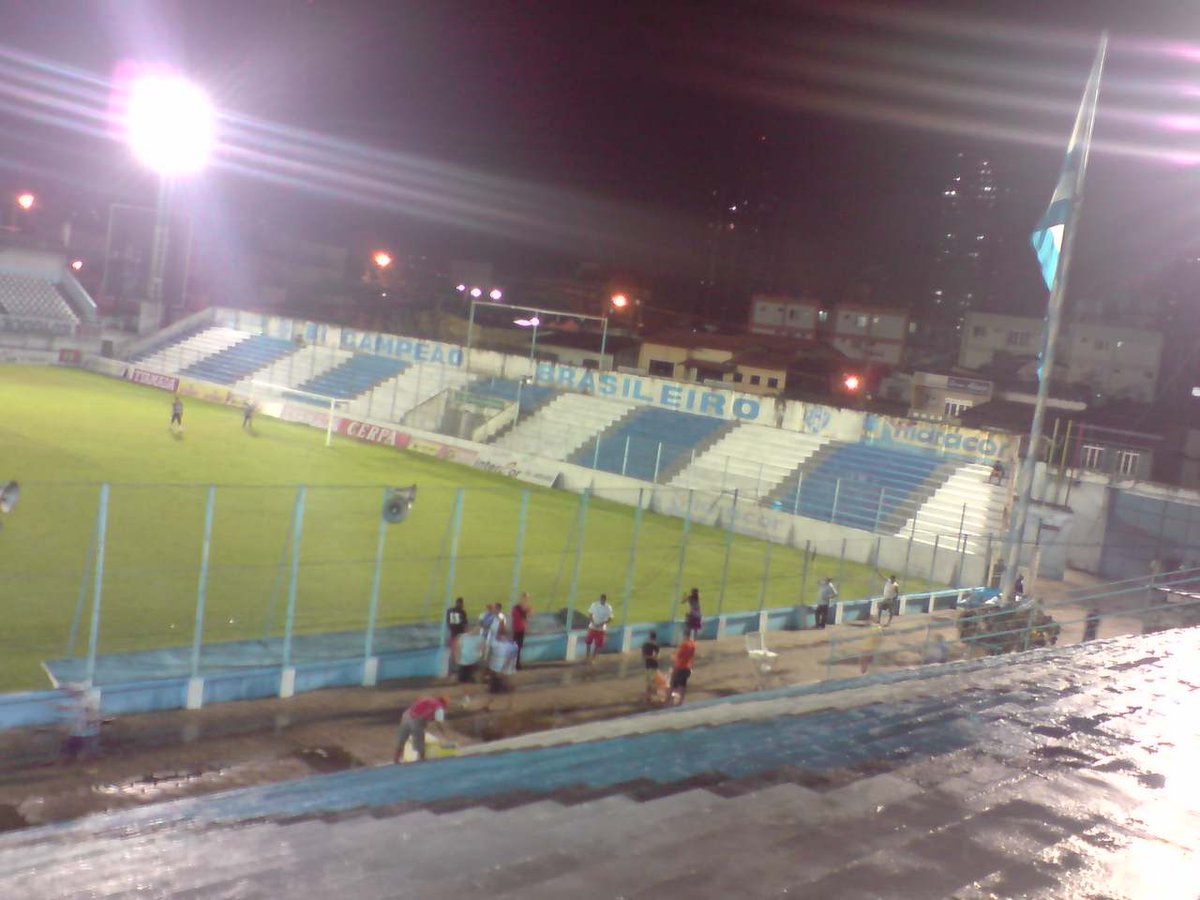
Nestled in the vibrant city of Belém, Pará, Brazil, Baenão Stadium—officially known as Estádio Evandro Almeida—stands as a historic and cultural landmark that…

Estádio Da Curuzú

Estádio Da Curuzú

Estádio da Curuzú, officially named Estádio Leônidas Sodré de Castro, stands as a historic and cultural beacon in Belém, Pará, Brazil.

Palácio Lauro Sodré

Palácio Lauro Sodré

Nestled in the historic Cidade Velha district of Belém, Pará, the Palácio Lauro Sodré stands as an enduring emblem of the Amazon region’s colonial heritage,…

Bosque Rodrigues Alves

Bosque Rodrigues Alves

Nestled in the heart of Belém, Pará, Bosque Rodrigues Alves – Jardim Zoobotânico da Amazônia stands as a remarkable urban sanctuary that fuses rich historical…

landscape

Capela Da Ordem Terceira Do Carmo

The Capela da Ordem Terceira do Carmo in Belém, Brazil, stands as a remarkable testament to the city’s rich colonial heritage, religious traditions, and…

What Makes This City Special

Rubber-Boom Opera House

Theatro da Paz opened in 1874 with Italian marble floors and 200 crystal chandeliers—paid for by a single season of wild rubber profits. Ceiling panels by Domenico De Angelis still echo faintly when the house lights drop.

Ver-o-Peso at Dawn

By 5 a.m., the iron Meat Market (built 1901) smells of smoked pirarucu and fresh tucupi. Açaí is ladled from 40-liter cauldrons thicker than Greek yoghurt; the scale tips at 300 kg per stall before most cities wake up.

Mangal das Garças Lighthouse

Climb 47 m above the Guamá River for a canopy-level view of scarlet ibis returning to roost. The adjacent butterfly greenhouse releases 2,000 morphos daily—blue confetti against the city skyline.

Ilha do Combu Canoe Circuit

Paddle past riverside galleries where graffiti artists paint tree trunks instead of walls. Stop at Dona Nena’s backyard: 70 % cacao bars hand-wrapped in banana fiber, sold nowhere else.

Historical Timeline

A River City Forged by Spices, Rubber and Revolution

From Tupinambá trading post to climate-conference capital

public
c. 1000 BCE

Tupinambá Trade Hub

Long before Portuguese sails appeared, the Tupinambá and Pacajás controlled the mouth of the Guamá River. They traded river-turtle oil, annatto seeds and dried fish with inland tribes, leaving mounds of pottery shards that still surface after heavy rains. Cacique Guaimiaba’s village became the region’s commercial heartbeat.

castle
12 Jan 1616

Portuguese Raise a Fort on Christmas Soil

Captain Francisco Caldeira Castelo Branco’s expedition landed on the muddy left bank, built a wooden fort and named the place Feliz Lusitânia—Happy Lusitania. The name never stuck; the soldiers simply called it Belém, after Bethlehem, since they had sailed on Christmas Day. A palisade and five rusting cannon marked Europe’s first permanent wedge into the Amazon.

swords
1619

Indigenous Uprising at Forte do Presépio

Tupinambá warriors stormed the fort at dawn, killing soldiers with the same macaw-feathered arrows they once used on tapirs. Cacique Guaimiaba was captured and hanged from a mango tree that still fruits behind the present-day museum. The Portuguese tightened their grip, importing African slaves to dig the fort’s stone foundations deeper.

gavel
1621

Capital of the State of Maranhão

The Crown carved a new captaincy out of northern Brazil and placed its seat in Belém. Suddenly this swampy outpost administered an area larger than Western Europe. Royal bureaucrats arrived with velvet-lined trunks and promptly sank ankle-deep in mud.

person
1713

Antônio José Landi Arrives

The Neapolitan architect stepped off a supply ship carrying nothing but rolled-up Palladian blueprints and a crate of Italian marble dust. Over the next four decades he gave Belém its baroque face—arched windows, glazed tiles, and a lightness that mocked the equatorial weight of the air. His churches still smell faintly of wet plaster after Sunday rain.

church
1719

The Sé Becomes a Cathedral

What had been a modest parish church was elevated to cathedral status, forcing the town to build bigger. Masons laid foundations in 1748 using stone shipped as ballast from Lisbon. The resulting structure could hold 2,000 souls—more than the entire population at the time.

school
1755

Jesuit College of Santo Alexandre Completed

Two stories of green stone fronted by a cedar door wide enough for a bishop’s litter. Inside, indigenous boys learned Latin verbs while outside their cousins paddled dugouts past the same mango groves. The college’s library held 6,000 volumes; the humidity has swollen every spine.

gavel
15 Aug 1823

Pará Adheres to Independence—Late

News of Brazil’s independence reached Belém nearly a year after the rest of the country. Local elites hesitated, afraid of losing the lucrative Portuguese trade in cinnamon and cloves. When the banner of Dom Pedro finally replaced the Lisbon coat of arms in the fort, fireworks misfired and set the customs house roof ablaze.

swords
1835

Cabanagem Rebellion Ignites

Mestizo dockworkers and Tapirapé Indians stormed the governor’s palace, shouting ‘Morte aos brancos!’ For five bloody years Belém’s streets ran red; census takers later estimated the city lost 40 % of its people. The rebels paraded with the ears of plantation owners on pikes; imperial troops replied by flooding cells and leaving prisoners to drown at high tide.

person
1843

Antônio Lemo Born

The coffee-coloured son of a Madeiran merchant, Lemo would grow up to be the city’s great nineteenth-century modernizer. As mayor he drained swamps, planted mango avenues, and imported gas lamps that flickered like fireflies along the waterfront. His statue now faces the river he taught the city to tame.

music_note
1874

Theatro da Paz Opens

Rubber barons in white linen wanted European culture without leaving the Amazon. The answer: Italian marble staircases, French mirrors, and a ceiling painted with Greek muses. On opening night the orchestra played Verdi; the humidity warped the violins so badly that the concertmaster snapped two bows.

factory
1901

Ver-o-Peso Gets Its Iron Cathedrals

British engineers bolted together prefabricated iron sheds to house the meat and fish markets—structures light enough to sway gently on the tidal mud. Sunrise here smells of acrid smoke, river silt, and the metallic tang of just-hooked tambaqui. The market’s scales still weigh out life in half-kilos of açaí.

factory
1912

Rubber Crash Ends the Belle Époque

Asian plantations undercut Amazon latex overnight. Belém’s opera patrons pawned their diamond shirt studs; the port’s last first-class steamer left half empty. Mansions peeled in the heat while their owners boarded steamers back to Lisbon, leaving unpaid bar tabs and illegitimate children behind.

flight
1950

Skyscrapers Replace Balconies

Concrete towers punched through the colonial roofline like adolescent growth spurts. Art-nouveau mansions fell to bulldozers making room for the Ministry of Agriculture’s 15-storey slab. By decade’s end the city looked outward, its gaze fixed on Brasília and the promise of a new capital.

palette
2002

Casa das Onze Janelas Reborn as Art Gallery

A military hospital built in 1763 became a minimalist white cube for contemporary art. Surgeons’ drainage troughs now serve as planters for heliconias. Opening night smelled equally of disinfectant and caipirinha.

public
Nov 2025

COP 30 Plants Flags on the Equator

Delegates from 198 countries landed at Val-de-Cans airport, their badges fluttering like bright macaws against the humidity. Belém’s cracked sidewalks were repaved overnight; food trucks served tucupí foam to climate negotiators. For two weeks the world argued about carbon while cicadas screamed louder than protest chants.

schedule
Present Day

Notable Figures

Francisco Caldeira Castelo Branco

1566–1619 · Colonial Captain
Founded Belém in 1616

He landed on January 12, raised a wooden fort and named the place Bethlehem because it was Christmas in his heart long after December. Today his statue watches the river he cursed for mosquitoes, now jammed with weekend jet-skis.

Antônio José Landi

1713–1791 · Italian Architect
Lived here 1740–1770

Landi dragged Neoclassical columns into the rainforest, carving marble for churches that dripped humidity even as they were built. Step into the Sé cathedral at dusk and you’ll still smell wet stone that remembers his chisel.

Antônio Lemos

1843–1913 · Mayor during Rubber Boom
Lived here 1870s–1913

Lemos paved the waterfront with Portuguese stone, planted mango avenues and taxed rubber barons to pay for opera seats upholstered in Italian silk. Theatro da Paz’s chandelier still carries a plaque with his name—he’d approve of the air-conditioning added a century later.

Practical Information

flight

Getting There

Val-de-Cans International Airport (BEL) sits 10 km north-west; Uber to downtown averages R$ 30–35 in 2026. Long-distance boats dock at Terminal Hidroviário for the 4-day Manaus run on the Amazon. BR-316 feeds in from Fortaleza, BR-010 from Brasília.

directions_transit

Getting Around

No metro—zero lines. City buses cost R$ 4.50 cash; routes 043 and 011 link the airport to Nazaré. Uber and 99 cover the city 24/7; a 3 km ride runs R$ 8–10. Bike lanes total 22 km, mostly around Utinga Park.

thermostat

Climate & Best Time

Tropical sauna: 24 °C at 6 a.m., 33 °C by 2 p.m. year-round. Rain peaks January–April (340 mm monthly). Visit August–November when monthly rainfall drops below 90 mm and river levels still allow Combu island landings.

translate

Language & Currency

Portuguese only—English is scarce outside COP30 hotels. Bring a translation app. Cash is king at Ver-o-Peso stalls; everywhere else accepts contactless cards. Tipping: 10 % serviço is already on restaurant bills—paying it is expected.

shield

Safety

Tourist Police Battalion (BPTur) patrols Ver-o-Peso and dock areas daily 7 a.m.–10 p.m. Avoid Guamá, Terra Firme and Jurunas after dark. Keep phones in front pocket: snatch-and-ride moped thefts spike during Círio week in October.

Where to Eat

local_dining

Don't Leave Without Trying

Pirarucu — giant Amazonian fish, grilled or in stew Moqueca — seafood stew with coconut milk and dendê oil Tacacá — shrimp soup with jambu leaves and tucupi broth Pato no tucupi — duck in cassava broth, a Belém classic Açaí — the original Amazonian superfruit, served as bowls or juice Tapioca — cassava flour crepe, savory or sweet Jambu — numbing Amazonian herb used in soups and appetizers Tucupi — fermented cassava broth, fundamental to regional cooking Camarão — fresh shrimp, grilled or in regional preparations Pão de queijo — cheese bread, a Brazilian staple

Bar do Mercado

local favorite
Bar & Seafood €€ star 5.0 (5)

Order: Fresh grilled fish and regional seafood dishes — this is where locals grab lunch at the Ver-o-Peso market's newer annex. The pirarucu and moqueca are standouts.

Tucked into Mercado Novo, this is authentic Belém dining at its most unpretentious. You're eating where fishmongers and market vendors eat, surrounded by the energy of the city's pulse.

Kfé Viver

cafe
Cafe €€ star 4.9 (131)

Order: Strong Amazonian coffee and regional pastries. The açaí bowls and tapioca-based snacks are excellent — this is how locals start their day.

A genuinely beloved neighborhood cafe with consistent quality and a loyal local following. Open early and stays open late, making it the perfect refueling stop between exploring São Brás.

schedule

Opening Hours

Kfé Viver

Monday–Wednesday 7:00 AM – 7:00 PM
map Maps

Donna Maria Sabores Regionais

local favorite
Regional Amazonian Cafe €€ star 5.0 (5)

Order: Regional specialties and traditional Amazonian flavors. The name promises 'Donna Maria's regional flavors' — expect authentic preparations of local ingredients.

A small, focused spot dedicated to Amazonian regional cuisine. This is the kind of place that honors local food traditions rather than chasing tourist trends.

schedule

Opening Hours

Donna Maria Sabores Regionais

Closed Monday–Wednesday
map Maps

Barraca da SELMA&GENI

quick bite
Cafe & Street Food €€ star 5.0 (2)

Order: Early-morning regional snacks and cafe fare. Hit this barraca (food stall) for authentic street breakfast — tapioca, fresh juice, and local pastries.

A proper neighborhood barraca run by Selma and Geni, the kind of place that serves the community before dawn. Perfect for experiencing how Belém locals actually eat.

schedule

Opening Hours

Barraca da SELMA&GENI

Monday–Wednesday 5:00 – 11:00 AM
map Maps

Davera-cake

cafe
Bakery & Pastry €€ star 5.0 (1)

Order: Fresh-baked cakes and regional pastries. The name says it all — come for beautifully executed desserts and coffee.

A dedicated bakery in the Nazaré neighborhood with consistent quality and a straightforward mission: excellent cakes and pastries made fresh daily.

schedule

Opening Hours

Davera-cake

Monday–Wednesday 9:00 AM – 6:00 PM
map Maps

Panif. & Confeitaria Ebenezer

quick bite
Bakery & Confectionery €€ star 5.0 (1)

Order: Traditional Brazilian bread and pastries. The pão de queijo (cheese bread) and regional sweets reflect Belém's baking traditions.

A neighborhood bakery and confectionery that's been part of São Brás's daily rhythm. Locals know it for honest, well-made bread and sweets.

Regina Café e Lanches

quick bite
Cafe & Snacks €€ star 5.0 (1)

Order: Light cafe fare and regional snacks. Expect simple, quality preparations of local favorites — tapioca, fresh juice, and simple meals.

A no-frills neighborhood spot where São Brás residents stop for quick, honest food. The kind of place that's been there forever and isn't going anywhere.

Sushiraki Delivery

quick bite
Japanese & Sushi €€ star 5.0 (1)

Order: Fresh sushi and Japanese dishes. In a city known for seafood, this spot brings Japanese precision to local fish — worth trying for a different take on regional ingredients.

A neighborhood sushi spot in Nazaré that takes its craft seriously. It's not Belém's traditional food, but it represents the city's evolving food scene.

schedule

Opening Hours

Sushiraki Delivery

Monday Closed
Tuesday–Wednesday 6:00 PM – 12:00 AM
map Maps language Web
info

Dining Tips

  • check Belém's food culture centers on the Amazon — expect fresh fish, regional herbs like jambu, and cassava-based dishes everywhere
  • check Markets like Ver-o-Peso are best visited early morning when the selection is freshest and energy highest
  • check Cash is widely accepted; have small bills ready for market vendors and smaller restaurants
  • check Lunch is the main meal in Belém — many restaurants serve their best food between 11:30 AM and 2:00 PM
Food districts: São Brás — the heart of local dining, with neighborhood cafes, bakeries, and street food Nazaré — residential area with steady cafes, bakeries, and neighborhood restaurants Ver-o-Peso Market Area — the legendary waterfront market where seafood and regional ingredients are sold fresh daily

Restaurant data powered by Google

Tips for Visitors

local_dining
Eat at 4 pm

Belenenses queue for tacacá at street carts around 16:00—arrive then or the jambu runs out. The soup numbs your lips; that’s the point.

water_drop
Dry-season window

River islands turn to mudbanks after December. Book boat trips August–November, when igarapés are still navigable and rain is brief.

directions_bus
Skip city buses

Public buses lack signage in English and stop anywhere. Use Uber/99 even for three-block hops—rides cost under R$ 8 in the centre.

attach_money
Cash at Ver-o-Peso

Card machines fail in the iron fish hall. Withdraw small bills the night before; most stalls open at 5 am and close by noon.

shield
Tourist police card

Photograph the Batalhão de Polícia Turística hotline (091-3212-1313) at the airport. WhatsApp them if a vendor at Ver-o-Peso overcharges.

restaurant
10% is already there

Bills include service; paying extra marks you as a gringo. Round up only if live-music cover (usually R$ 5–10) appears on the tab.

Explore the city with a personal guide in your pocket

Your Personal Curator, in Your Pocket.

Audio guides for 1,100+ cities across 96 countries. History, stories, and local insight — offline ready.

smartphone

Audiala App

Available on iOS & Android

download Download Now

Join 50k+ Curators

Frequently Asked

Is Belém worth visiting? add

Yes—if you want Amazonian culture without wilderness logistics. In one morning you can breakfast on açaí with river fish, watch colonial iron warehouses unload açaí, and sail to an island where cocoa grows in bird-song forest.

How many days do I need in Belém? add

Three full days cover the core: Day 1 Ver-o-Peso + Theatro da Paz, Day 2 Ilha do Combu cocoa farm, Day 3 Marajó overnight or mangrove boat. Add two more if you crave jungle lodges upriver.

Is Belém safe for tourists? add

Stick to Nazaré, Umarizal and Batista Campos by night, use ride-hailing, leave jewellery at the hotel. The dedicated tourist police patrol markets and festivals—approach them in blue vests marked ‘BPTran’.

What does a meal cost in Belém? add

Street tacacá: R$ 10. Market lunch with grilled pirarucu: R$ 25–35. Upscale tasting menu at Casa do Saulo: R$ 180–220 with regional wine pairings. A 10% service charge is pre-printed.

Can I drink the tap water? add

No—stick to sealed bottles or boiled water. Even locals avoid straight tap; ice in bars is factory-made and safe.

How do I get to Ilha do Marajó? add

Daily ferry from Terminal Hidroviário leaves 6:30 am, returns 4 pm, R$ 50 each way. Buy tickets day before in high season; the crossing takes 3 hours and docks at Soure for buffalo rides.

Do I need malaria pills for Belém? add

Urban Belém is low-risk, but take prophylaxis if you’ll sleep in jungle lodges outside the city. Consult a travel clinic—some prefer repellent plus long sleeves for short river trips.

Sources

Last reviewed:

All Places to Visit

17 places to discover

Our Lady of Grace Cathedral

Our Lady of Grace Cathedral

Memorial Da Cabanagem

Memorial Da Cabanagem

Church and Former College of Saint Alexander

Church and Former College of Saint Alexander

Antônio Lemos Palace

Antônio Lemos Palace

photo_camera

Museu Paraense Emílio Goeldi

photo_camera

Estádio Estadual Jornalista Edgar Augusto Proença

Federal Rural University of Amazonia

Federal Rural University of Amazonia

photo_camera

Baenão

Estádio Da Curuzú

Estádio Da Curuzú

Palácio Lauro Sodré

Palácio Lauro Sodré

Bosque Rodrigues Alves

Bosque Rodrigues Alves

photo_camera

Capela Da Ordem Terceira Do Carmo

photo_camera

Ecomuseu Da Amazônia

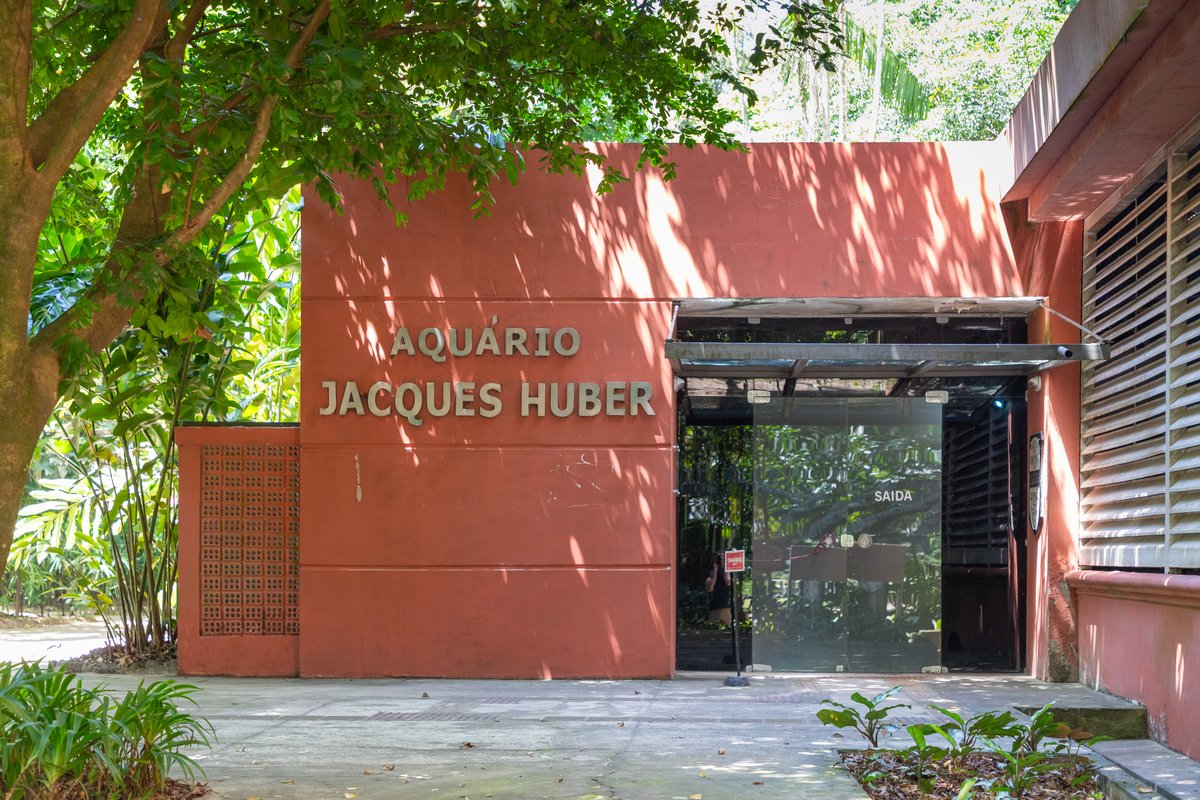
Jacques Huber Aquarium

Jacques Huber Aquarium

photo_camera

Memorial Magalhães Barata

photo_camera

Monumento À República

photo_camera

Permanent Exhibitions Memorial of Porto and Archaeology and Restoration