Introduction
A Botswana travel guide starts with a surprise: one of Africa's great safari countries is mostly desert, shaped by water that never reaches the sea.
Botswana answers one searcher's question fast: come for big wildlife, stay for the strange geography. The country is a landlocked basin where the Kalahari covers most of the map, yet the north opens into the Okavango Delta, a wetland that spreads inland instead of flowing to the sea; that contrast is what gives trips here their charge, from mokoro channels near Maun to elephant-heavy riverbanks around Kasane, with dry salt pans and thorn scrub filling the distance between them.
Routes usually begin in Gaborone, but Botswana makes more sense once you leave the capital and watch the country stretch out. Francistown anchors the northeast, Serowe carries political and literary weight, and Tsodilo turns a remote drive into something older and stranger, with rock art and sacred hills rising from flat country; the distances are real, the roads can be long, and that is part of the point.
This is not a country built for checklist tourism. Botswana rewards patience: winter dry season mornings with dust in the light, village etiquette that starts with a greeting before any request, and meals of seswaa, bogobe, greens, and sour milk that tell you more about cattle, climate, and restraint than any museum label could; if you want polish, lodges around Maun and Kasane can provide it, but the deeper memory often comes from quieter places such as Serowe or the road west toward Tsodilo.
A History Told Through Its Eras
Before the State, the Stone Remembered
Deep Time and Sacred Hills, c. 17000 BCE-1500 CE
Morning light reaches Tsodilo before it reaches the rest of Botswana. The four quartzite hills rise from the Kalahari like a vision someone forgot to explain, and on their rock faces are paintings left by people who knew this country long before any border, dynasty, or capital. Ce que l'on ignore souvent, c'est que Tsodilo was never a mere stop on the way to somewhere else; it was a place of memory, ritual, and return.
Records and archaeological work point to a very long human presence here, with Khoisan communities living in and around the hills over millennia. Later came ironworking, early villages, cattle enclosures, and the quiet technologies that change everything without announcing themselves. A furnace at Tswapong, early settlement traces near Molepolole, communities near the Okavango edge: Botswana begins not with a trumpet blast, but with repeated acts of adaptation.
By the time outsiders would have called this an empty interior, it was already full of routes, obligations, and sacred knowledge. Waterholes mattered more than walls. Pasture mattered more than palaces. And the drama, even then, was human: who controlled cattle, who moved first when the rains failed, who could persuade others to stay.
That early discipline shaped the country that would come later. Botswana's history starts with survival, yes, but also with restraint, with societies that learned to govern distance, scarcity, and silence. Out of that long apprenticeship came the political intelligence of later Tswana states.
The emblem of this era is not a named king but the anonymous painter at Tsodilo, leaving ochre on stone so that a vanished hand could still direct the living.
At Tsodilo, local belief still treats parts of the hills as inhabited by spirits and ancestors; the site is sacred first, archaeological second.
Corrals, Courts, and the Inheritance of Dust
Cattle Kingdoms and Moving Frontiers, c. 700-1885
In the lands around present-day Serowe, power once stood in cattle pens before it stood in government buildings. The Toutswe world, flourishing roughly between the 7th and 13th centuries, measured rank in herds, access to pasture, and the ability to hold people together when ecology turned hard. That may sound austere. It was also intensely political.
Then the regional map shifted. Mapungubwe rose, Great Zimbabwe followed, Butua took its turn, and Botswana's territory was drawn into inland trade systems that moved salt, prestige goods, and influence across southern Africa. Ce que l'on ignore souvent, c'est que this was never a remote backwater; it was a hinge between the dry interior and richer commercial worlds to the north and east.
From these older formations came the Tswana polities remembered more clearly in the 18th and 19th centuries: the Bangwato, Bakwena, Bangwaketse, and others, each with its own court, rivalries, and succession anxieties. Chiefs such as Bathoen I, Sebele I, and Khama III did not inherit calm little kingdoms. They ruled through negotiation, fear, kinship, and the perpetual danger that a dispute over cattle could become a dispute over legitimacy.
The human detail matters here. Khama III, for example, embraced Christianity and sobriety with a zeal that was moral, political, and faintly exasperating to those around him. He banned alcohol, reworked court life, and helped turn chiefly authority into something both older and more modern than colonial officials expected. That tension would define the next era.
Khama III was a reforming chief with the instincts of a preacher and the steel of a strategist, pious in public and relentless in politics.
Botswana's precolonial courts were often organized around cattle space itself; the kraal was not just economic infrastructure but a theatre of rank and command.
A Protectorate Built on Petition, Exile, and an Unwanted Marriage
Protectorate and Palace Intrigue, 1885-1966
The scene could be staged like a drama at court: three Tswana rulers in Victorian London in 1895, dressed for imperial diplomacy, pleading that their country not be handed to Cecil Rhodes and his British South Africa Company. Khama III, Bathoen I, and Sebele I understood the danger perfectly. A concession once granted to empire is rarely returned with good grace.
Their lobbying helped preserve the Bechuanaland Protectorate as something awkward but survivable: ruled by Britain, neglected by Britain, and spared the worst forms of settler takeover partly because it was treated as strategically useful and financially inconvenient. The administrative capital sat outside the protectorate at Mafeking, in today's South Africa, which tells you everything about imperial priorities. Botswana was governed, in part, from beyond itself.
Then came the most intimate scandal in modern southern African politics. In 1948, Seretse Khama, heir to the Bangwato chieftaincy, married Ruth Williams, a white London clerk. It was a love match. It was also a diplomatic earthquake. South Africa had just formalized apartheid, Britain was nervous about regional alliances, and suddenly a marriage in a registry office became a constitutional crisis.
Ce que l'on ignore souvent, c'est how cruel the imperial response was. Seretse was investigated, shuffled, and finally exiled despite strong support at home; Ruth endured public insult with remarkable composure, while Tshekedi Khama, the formidable uncle-regent, fought his own bruising battle over authority and principle. Out of that family drama grew something larger: the realization that Bechuanaland could not remain a polite imperial afterthought.
When the capital moved to Gaborone in the mid-1960s and independence approached, the change looked administrative. It was not. It meant a country once managed from elsewhere would now speak in its own name.
Seretse Khama was the prince who discovered that choosing a wife could alter the fate of a nation.
For years, the protectorate's capital was Mafeking, outside Botswana altogether, a colonial absurdity so complete it would be comic if it had not shaped real lives.
The Republic That Kept Its Nerve
Republic, Diamonds, and Democratic Discipline, 1966-present
Independence arrived on 30 September 1966 without the thunderclap many countries know. Botswana was poor, lightly paved, and easy to underestimate. Gaborone was a new capital assembled with urgency. Francistown had deeper commercial memories, Lobatse had older administrative weight, and Serowe still carried dynastic gravity. Yet the republic began there, in a city that looked less like destiny than a construction site.
Seretse Khama, now president rather than exiled heir, governed with caution and ambition in unusual proportion. Then diamonds were found at Orapa in 1967 and later at Jwaneng, and the country's future changed. A mineral bonanza can ruin a state faster than war. Botswana, imperfectly but impressively, built institutions strong enough to keep the treasure from becoming a family jewel for a few men in expensive suits.
That did not mean history became tidy. Quett Masire had to steer a growing economy without letting it split the social contract. Festus Mogae confronted the AIDS epidemic with a seriousness that treated public health as a matter of national survival. Ian Khama brought military bearing and dynastic symbolism back into politics, which delighted some and unsettled others, while Mokgweetsi Masisi has governed in a country where democracy is real, expectations are rising, and patience is no longer infinite.
Travel north to Maun and you meet the safari gateway. Continue to Kasane and the Chobe frontier, and Botswana can seem defined by wilderness. But the country's deeper story is political: a republic that learned, against the odds, how to convert distance, diamonds, and custom into a working state. That is why the next chapter is still unwritten. And why it matters.
Seretse Khama's greatest feat was not winning office but persuading a fragile new republic that moderation could be a form of courage.
Botswana's currency, the pula, was introduced in 1976; the name means 'rain', which tells you what has always been valued more deeply here than gold.
The Cultural Soul
A Greeting Takes the Whole Room
In Botswana, speech does not pounce. It arrives dressed, washes its hands, greets the eldest person first, and only then sits down. English runs the paperwork in Gaborone; Setswana runs the bloodstream. You hear Dumela, then Dumelang, then the patient questions about health and home, and the remarkable fact is that none of this counts as delay. It is the business.
Titles matter with an almost liturgical precision. Rra for a man, Mma for a woman, placed before a name as if respect were a door you open before entering the house of another person. Outsiders often mistake this for formality. They are wrong. Formality is a costume. This is social engineering of a high order, a way of preventing the ego from barging into the room with muddy shoes.
Travel from Gaborone to Mochudi or Serowe and you hear the difference between official language and lived language with your own skin. English explains. Setswana calibrates distance, age, tenderness, rank, irony. A country is a table set for strangers. Botswana begins by teaching you where to place your hands.
The Discipline of Courtesy
Botswana politeness is procedural, which makes it more serious than charm. A handshake may come with the left hand touching the right forearm, a small gesture that says: I know this meeting has weight. Elders are greeted first. Voices stay measured. Even disagreement prefers a chair to a duel.
The kgotla gives this instinct its architecture. In villages, and in the national imagination far beyond the village, people gather, speak in turn, and let a matter ripen instead of stabbing it to death with speed. This can bewilder visitors from countries where interruption is marketed as intelligence. In Botswana, volume proves only that your childhood training failed.
You feel the elegance of this restraint in places that tourists like to call empty. Stand in a courtyard in Serowe, or in a public space in Lobatse, and notice what does not happen. No theatrical gesturing. No rush to fill silence. Silence, here, is not a gap in performance. It is part of the sentence.
Salt, Fire, Patience
Botswana cooking has the courage to refuse seduction by ornament. Seswaa, the national emblem on a plate, begins with beef or goat boiled for hours with salt and almost nothing else, then pounded until the fibers surrender. This is not austerity. This is confidence. Meat does not need a speech when it has had enough time.
The starch beside it matters just as much. Bogobe of sorghum, pap of maize, motogo in the morning with its faint sourness, madila spooned over porridge with the calm authority of old cattle cultures. Sorghum tastes of fields and weather and work. It tastes, if I may risk a doctrine, of grammar: the plain structure that lets everything else make sense.
Then come the dishes that reveal Botswana's deeper honesty. Dikgobe, dense with beans and maize. Morogo, greens that remember the earth. Phane, mopane worms stewed with tomato and onion, which separate the curious from the sentimental in one bite. In Gaborone you can dress these foods up; in Maun or Francistown they often remain what they should be: meals for hunger, company, ceremony, and the long human argument with appetite.
Books Written With Dust on Their Shoes
Botswana literature is too intelligent to flatter itself. Bessie Head made Serowe one of the moral capitals of African writing without ever turning it into a shrine. Read When Rain Clouds Gather or Maru and you find village life stripped of postcard innocence: gossip, loneliness, tenderness, power, rain, cattle, madness. She understood the exact point where a community saves you and where it begins to bruise.
Unity Dow writes from another pressure point: law, gender, the machinery of the state, the stubbornness of custom. Her work has the rare quality of being institutionally literate without becoming dead on the page. That is a miracle. Bureaucracy usually kills prose on contact.
What makes Botswana's literary voice memorable is its refusal of grandstanding. Even when the subject is exile, race, or damage, the writing often returns to compounds, classrooms, kitchens, district towns, the abrasive intimacy of knowing exactly who your neighbors are. Big history enters through a yard gate. That is how it enters most lives.
Botho, or the Art of Not Being Alone
Botho is often translated as humanness. The translation is accurate and useless. Humanness sounds like a line in a policy document; botho lives in conduct. It asks whether you greet properly, whether you share, whether you know that your dignity depends partly on how carefully you handle the dignity of others. Ethics, here, is not an essay. It is choreography.
This philosophy becomes visible in ordinary gestures and in the country's public temperament. Botswana can seem understated to outsiders arriving from louder nations, especially in places such as Gaborone where modern offices, malls, and ministries suggest a quickening pace. Yet beneath the asphalt survives a slower social mathematics: consult first, speak with care, avoid public humiliation, remember the household as well as the individual.
Even the landscape seems to conspire with this ethic. The dry immensity of the Kalahari does not reward swagger, and the watery abundance near Maun or Kasane does not belong to any one person for long. At Tsodilo, where rock, ritual, and time make fools of modern self-importance, you feel the lesson plainly. Nobody is self-made. The desert laughs at the claim.
What Makes Botswana Unmissable
Okavango Delta
One of the world's few inland deltas turns northern Botswana into reed channels, floodplains, and islands. Base in Maun if you want mokoro trips, light-aircraft views, and wildlife that moves with the water.
Chobe Elephants
Around Kasane, the Chobe River pulls in huge elephant numbers, especially in the dry season. Boat safaris matter here because the best sightings often happen at water level, not from a jeep.
Makgadikgadi Pans
These salt pans feel almost lunar in the dry months, then change character after rain. The scale is the thrill: white horizon, heat shimmer, and distances that flatten your sense of proportion.
Tsodilo Rock Art
Tsodilo is not just a scenic outcrop but a sacred landscape with thousands of years of human presence. The hills hold rock art, oral memory, and the rare feeling that archaeology and belief still share the same ground.
Diamonds And Power
Modern Botswana cannot be understood without diamonds, especially the wealth generated by mines such as Jwaneng and Orapa. The story is not only extraction but how mineral revenue helped build one of Africa's more stable states.
Cities
Cities in Botswana
Gaborone
"A capital that skipped the colonial grand-boulevard template entirely and built itself from scratch after 1966, leaving a low-rise, fast-changing city where the National Museum sits minutes from the Kgale Hill hiking tra"
Maun
"The dusty, sun-bleached town where bush pilots fuel up and mokoro polers wait for the next charter — the last tarmac before the Okavango swallows the road."
Kasane
"Elephants cross the main road here without ceremony because Chobe National Park's fence ends where the town begins, and the Zambezi and Chobe rivers converge just upstream."
Francistown
"Botswana's second city grew out of a gold rush in the 1860s and still carries that blunt, transactional energy — a working town, not a showpiece."
Serowe
"The largest village in southern Africa by some measures, birthplace of Seretse Khama, and home to the Khama III Memorial Museum inside a former royal cattle post."
Palapye
"A railway junction town that punches above its size as the base for exploring the dramatic sandstone gorges and Tswapong Hills immediately to the east."
Lobatse
"The southern town where Botswana's first abattoir industrialized the cattle economy that funded independence, and where the Court of Appeal still sits in a building older than the republic."
Mochudi
"The Bakgatla tribal capital perched on a rocky ridge north of Gaborone, where the Phuthadikobo Museum occupies a 1921 Dutch Reformed mission school and the kgotla is still active."
Mahalapye
"A long, strung-out town along the A1 highway that most travelers blast through, missing the fact that it sits at the edge of the Central Kalahari's eastern approach."
Tsodilo
"Four quartzite hills rising out of the Kalahari sand with more than 4,500 rock paintings and evidence of human occupation stretching back roughly 17,000 years — a UNESCO site that most visitors never reach."
Jwaneng
"The world's richest diamond mine by value sits beneath this planned company town in the southern Kalahari, a place that explains more about modern Botswana's economy than any statistic can."
Shakawe
"A remote fishing village on the Okavango River's Namibian border, the entry point for the Panhandle's papyrus channels and the place where the delta begins its long, slow fan into the interior."
THIS Is the African Safari to Go On | Botswana’s Okavango Delta
Fernweh ChroniclesRegions
Gaborone
South-East Capital Belt
This is Botswana at its most administrative, fastest-moving and least romantic on first glance. Give it a day and the details start working on you: government avenues, craft markets, solid restaurants and the plainspoken confidence of a capital that does not need to perform. Gaborone also makes practical sense for first arrivals, with the country's main air links and the easiest access to Lobatse and Mochudi.
Francistown
Eastern Corridor
The A1 spine through eastern Botswana is the country's working backbone, not a decorative detour. Francistown, Palapye and Mahalapye are places of bus stations, truck stops, markets and ordinary movement, which is exactly why they reveal how Botswana fits together. Distances are manageable, roads are better than many first-time visitors expect, and the history sits close to the surface if you know where to look.
Serowe
Khama Country
Serowe carries more political memory than its quiet streets first suggest. This is where Botswana's modern national story feels personal rather than ceremonial, tied to the Khama family, to debates about authority, and to the long afterlife of cattle wealth in central districts. It suits travelers who want museums, biographies and village texture instead of lodge schedules.
Maun
Delta and Pan Gateway
Maun is dusty, useful and far more interesting than the phrase gateway city implies. You come for logistics to the Okavango Delta, but the place has its own rhythm of small airstrips, outfitters, riverside bars and mechanics keeping remote Botswana in motion. It also gives access to the wider north-west, where wetlands, cattle posts and dry-country horizons begin to overlap.
Kasane
Chobe and the Northern Border
Kasane sits where borders, rivers and safari traffic collide, which gives it an energy rare in Botswana. The Chobe River is the draw, but the real appeal is the layered geography: Zambia and Zimbabwe close by, elephant herds moving through town, and roads that pull you back toward the interior through Nata and Francistown. It works well for travelers entering overland from the Victoria Falls side.
Shakawe
Okavango Edge and Sacred West
Shakawe feels like Botswana's margin until you realize margins are where the country keeps some of its oldest stories. This is the approach to Tsodilo, with river systems thinning into drier country and settlements that still feel far from the national center. Travelers who come this way get fewer polished conveniences and a much stronger sense of scale.
Suggested Itineraries
3 days
3 Days: Gaborone, Mochudi and Lobatse
This is the short southern loop for travelers who want history, daily life and manageable distances without committing to a safari budget. Start in Gaborone for the capital's museums and markets, continue to Mochudi for village-scale Botswana and finish in Lobatse, where colonial administration and cattle-country history still sit close to the surface.
Best for: first-timers, weekend travelers, culture-focused trips
7 days
7 Days: Francistown to the Central Heartland
Eastern Botswana works well by road and gives you a broader picture than the usual fly-in safari circuit. Francistown brings trade-route history, Serowe carries political memory, and Palapye and Mahalapye show the main north-south corridor as people actually use it.
Best for: road trippers, history readers, independent travelers on a mid-range budget
10 days
10 Days: Maun, Shakawe and Tsodilo
Northern Botswana changes from safari gateway to river-edge settlements and then to one of southern Africa's great sacred landscapes. Maun handles the logistics, Shakawe slows the pace, and Tsodilo delivers the deep-time payoff with rock art, desert light and a sense that human history here is older than most countries.
Best for: return visitors, landscape lovers, travelers mixing culture with nature
14 days
14 Days: Kasane to Jwaneng
This long cross-country route starts in elephant country and ends in Botswana's diamond belt, with a sharp change in scenery and mood along the way. Kasane gives you the Chobe River front, then the route swings south through Francistown before finishing in Jwaneng, where modern Botswana's mineral wealth becomes concrete rather than abstract.
Best for: travelers seeing multiple sides of Botswana, overlanders, people with time to cover distance
Notable Figures
Khama III
c. 1837-1923 · Kgosi of the BangwatoKhama III is one of those rulers who seems almost too dramatic to be true: a Christian reformer, a prohibitionist, and a chief who understood London as well as the cattle court. His 1895 trip to Britain helped protect Bechuanaland from absorption by chartered empire, which is a dry constitutional phrase for a very personal victory.
Bathoen I
c. 1845-1910 · Kgosi of the BangwaketseBathoen I belongs to that decisive Botswana moment when diplomacy mattered more than battlefield theatre. He traveled with Khama III and Sebele I to argue that their lands should not be handed to Rhodes, and in doing so helped secure the political breathing room from which the modern country would later emerge.
Sebele I
c. 1846-1914 · Kgosi of the BakwenaSebele I had the difficult talent of understanding both Tswana politics and imperial vanity. In London he presented himself not as a supplicant but as a ruler defending his people's inheritance, and that poise mattered.
Seretse Khama
1921-1980 · Founding presidentSeretse Khama's public life reads like a state paper written over a love letter. His marriage to Ruth Williams triggered exile and imperial panic; his return helped turn Bechuanaland into Botswana, and then into one of Africa's most durable democracies.
Ruth Williams Khama
1923-2002 · Political partner and public symbolRuth Williams did not set out to become a geopolitical scandal, yet that is what happened when she married Seretse in 1948. She endured racism, exile, and diplomatic humiliation with a steadiness that made her more than a spouse in the story; she became one of its moral centers.
Tshekedi Khama
1905-1959 · Regent of the BangwatoTshekedi Khama was brilliant, proud, often difficult, and impossible to ignore. As regent he tried to hold together dynasty, custom, and colonial pressure, only to find himself pulled into the family and constitutional crisis that made the Khama name famous far beyond Serowe.
Quett Masire
1925-2017 · Second president of BotswanaQuett Masire had none of the romantic aura of an exiled prince, which is precisely why he mattered. He turned the first years of independence into durable governance, proving that Botswana's success would depend not on founding myth alone but on patient administration.
Festus Mogae
1939-2025 · President and economic stewardFestus Mogae inherited a country admired for prudence and then faced one of the cruelest tests a modern state can meet. His response to HIV/AIDS treated the epidemic neither as shame nor slogan, but as a national emergency requiring money, policy, and candor.
Ian Khama
born 1953 · President and former military commanderIan Khama carried one of Botswana's heaviest surnames into office with a soldier's bearing and a chief's lineage. His presidency reminded the country that dynastic memory still has political force, especially in a republic that likes to think it has outgrown hereditary drama.
Bessie Head
1937-1986 · WriterBessie Head came to Botswana as an exile and turned Serowe into literature of extraordinary intimacy and unease. Through village life, wounded minds, and women's endurance, she revealed a Botswana that official speeches could never fully capture.
Photo Gallery
Explore Botswana in Pictures

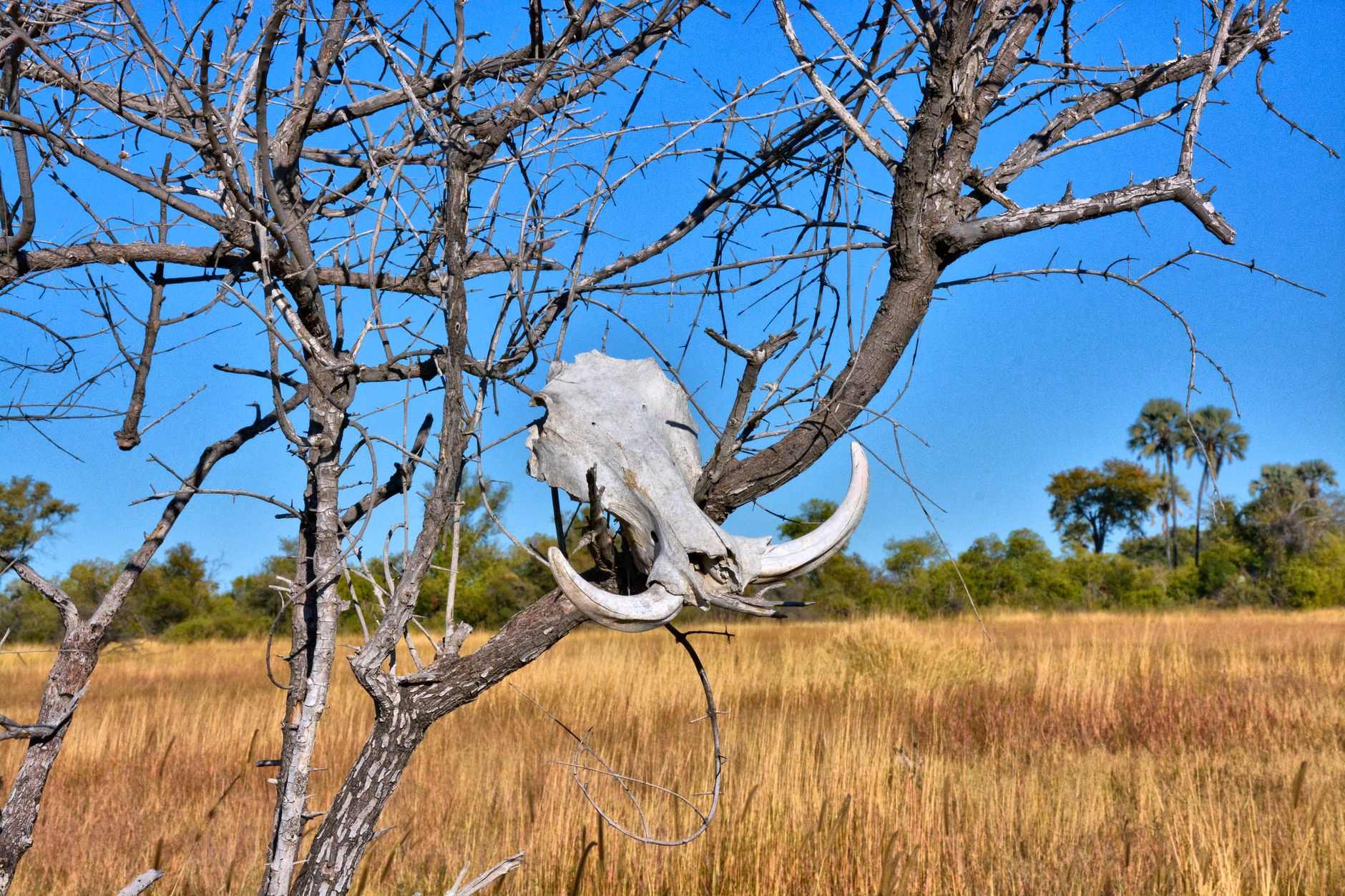
A warthog skull hanging on a tree in the Botswana savanna under a clear blue sky.
Photo by Mark de Jong on Pexels · Pexels License

A majestic African elephant drinks at a waterhole, showcasing nature and wildlife conservation.
Photo by Roger Brown on Pexels · Pexels License
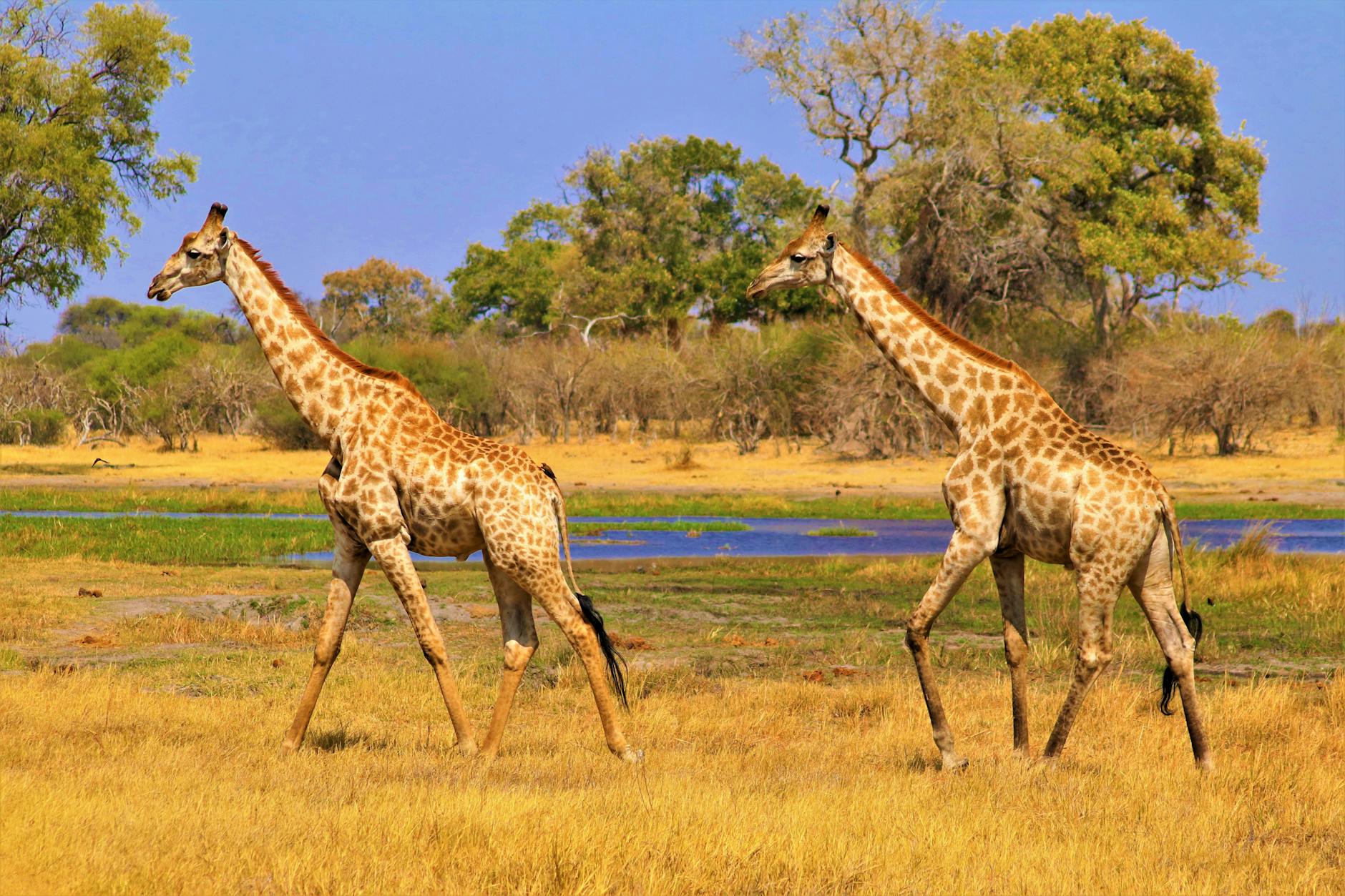
Two giraffes walking in the vibrant African savannah landscape.
Photo by Roger Brown on Pexels · Pexels License

Dynamic night skyline of Dar es Salaam, showcasing illuminated city architecture.
Photo by Keegan Checks on Pexels · Pexels License

A tranquil silhouette of skyscrapers against a dramatic dusk sky, perfect for urban-themed projects.
Photo by Lucas Pezeta on Pexels · Pexels License
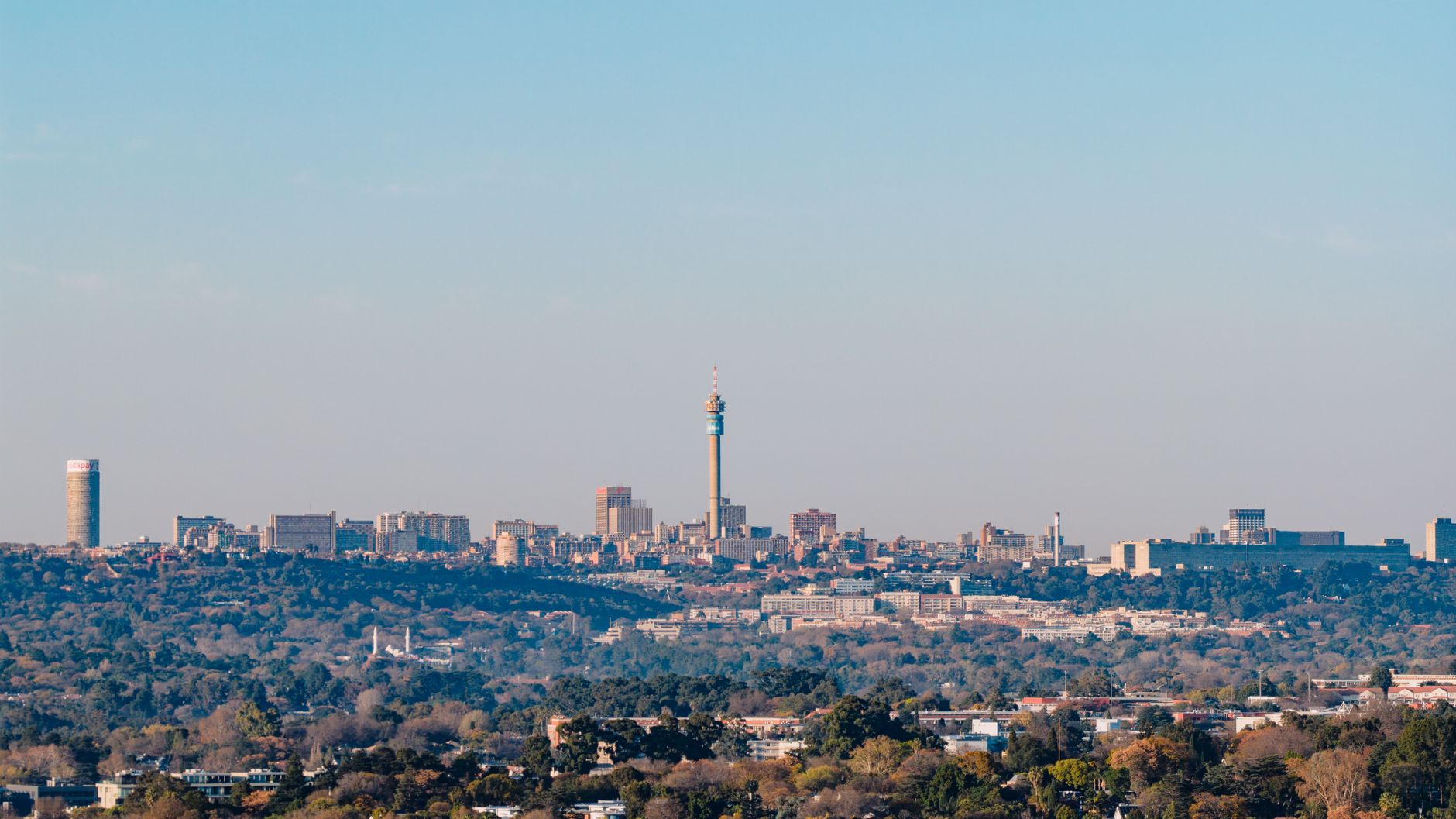
Shot of Johannesburg skyline featuring the iconic Hillbrow Tower on a clear day.
Photo by Kelly on Pexels · Pexels License
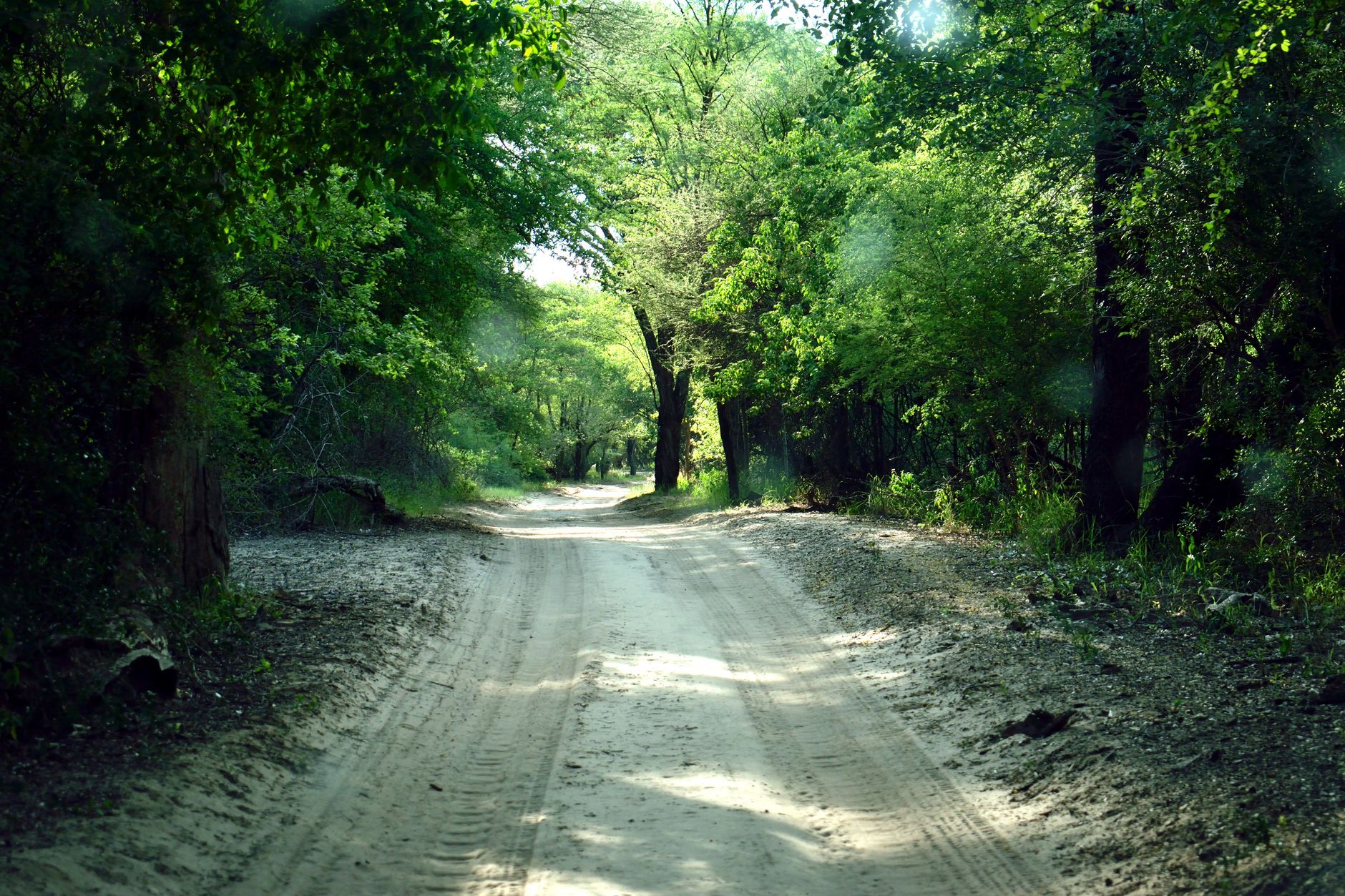
A serene unpaved road winding through a lush forest in Botswana, bathed in sunlight.
Photo by Cornelius Kaizer on Pexels · Pexels License

A man prepares food in cauldrons over a fire in Gaborone, Botswana.
Photo by Fredrick Bk Gasentsima on Pexels · Pexels License

A man in rural Botswana tends to a small outdoor fire, surrounded by natural elements.
Photo by Fredrick Bk Gasentsima on Pexels · Pexels License

A vibrant plate of Nigerian cuisine being served at a buffet, showcasing local delicacies.
Photo by Dennis Ojenomoh on Pexels · Pexels License
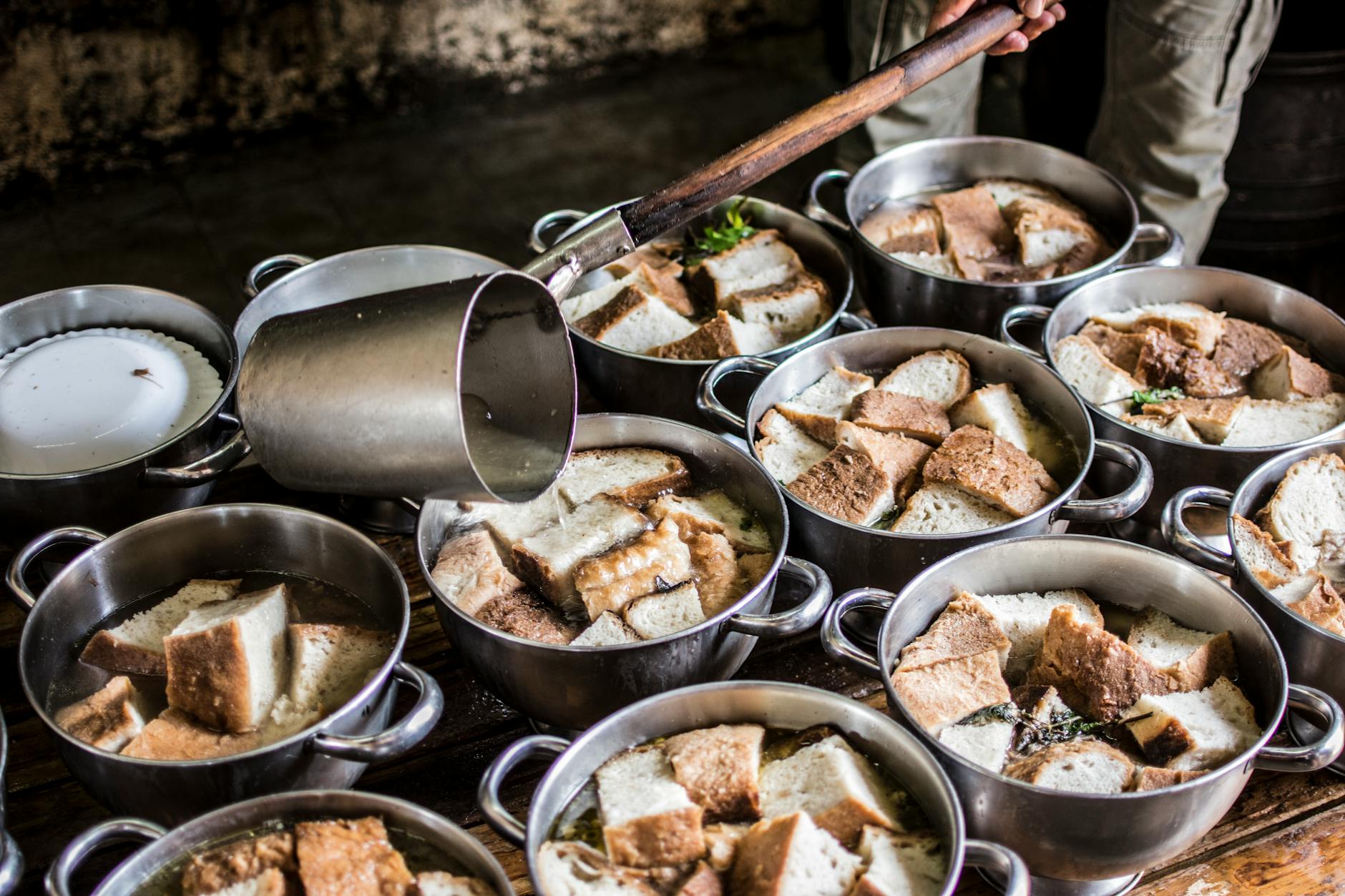
A rustic kitchen scene with pots of traditional bread soup being prepared in the Azores.
Photo by Kyla Rose Rockola on Pexels · Pexels License
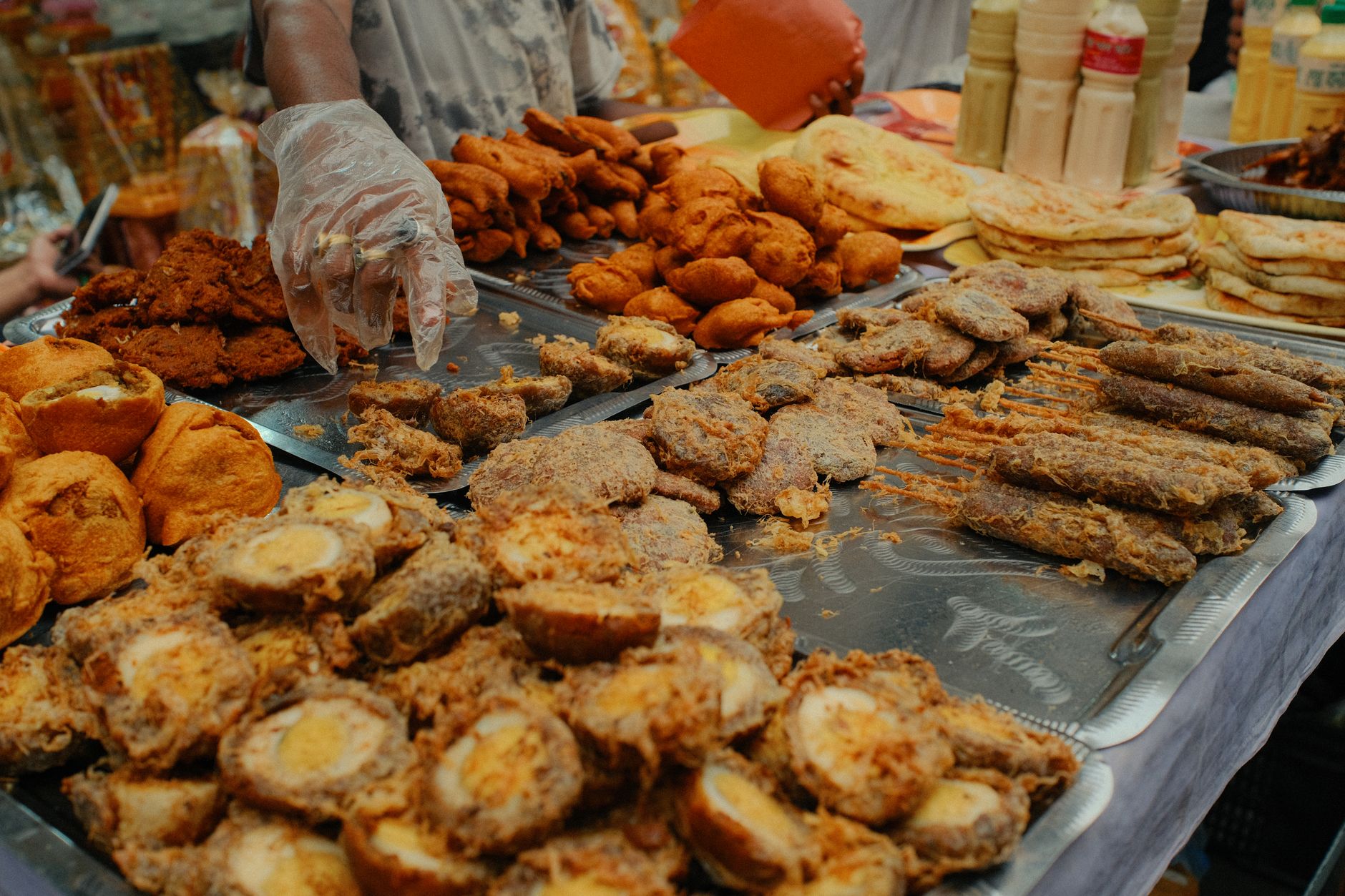
A variety of traditional foods displayed at a bustling Dhaka Iftar market during Ramadan.
Photo by Kabiur Rahman Riyad on Pexels · Pexels License

Capture of the DDA building showcasing brutalist architecture against a scenic sky in New Delhi.
Photo by Shantum Singh on Pexels · Pexels License

Close-up of a beautiful Lilac-breasted Roller perched on a tree branch against a clear sky.
Photo by Derek Keats on Pexels · Pexels License

Stunning architectural facade with sleek lines and blue sky backdrop.
Photo by Jan van der Wolf on Pexels · Pexels License
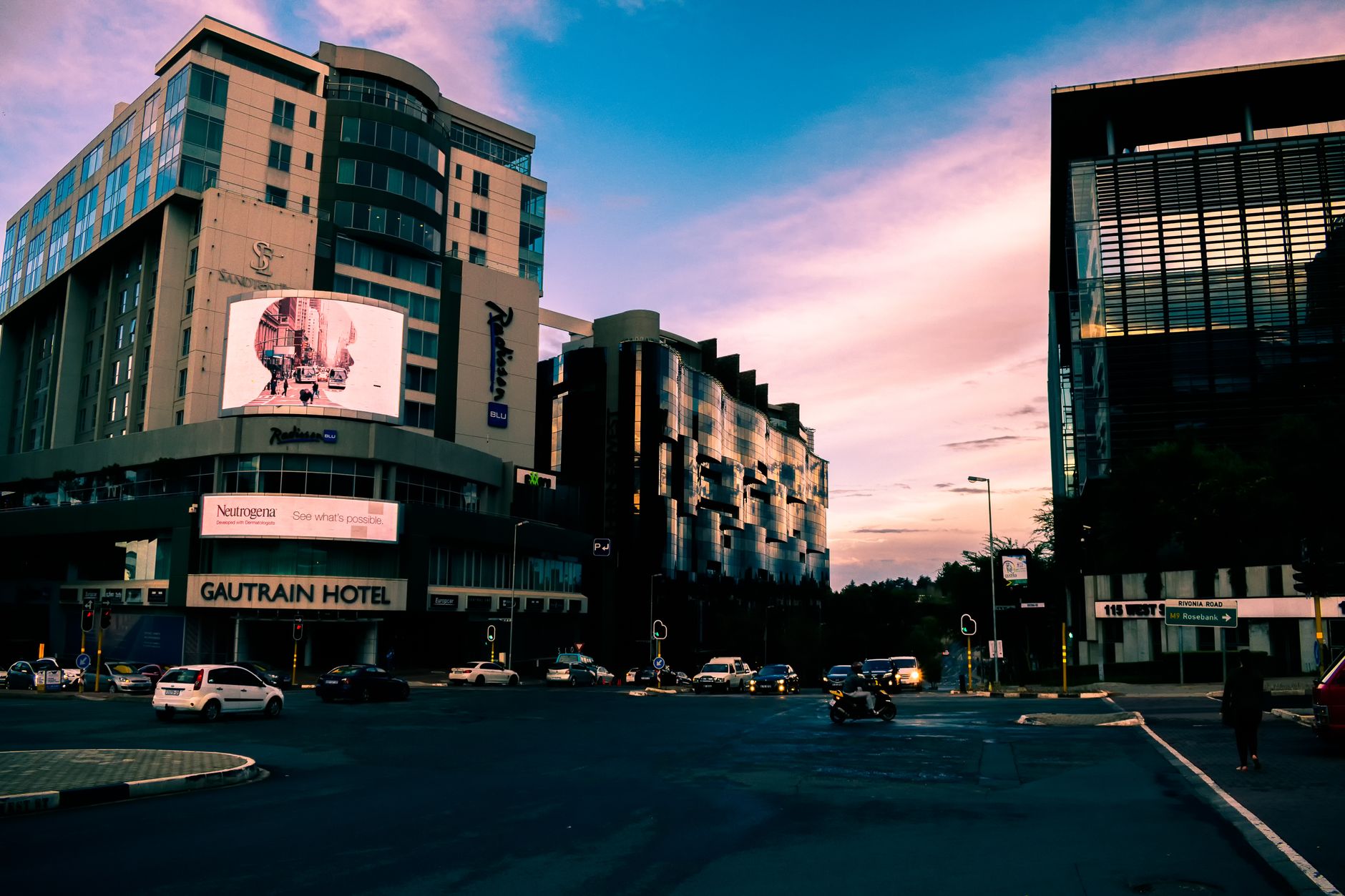
A bustling city street with modern skyscrapers and vehicles at sunset, Gautrain Hotel visible.
Photo by Blaque X on Pexels · Pexels License

Two joyful African women with braids hugging and smiling outdoors in Botswana.
Photo by Gofiwa Kgang on Pexels · Pexels License
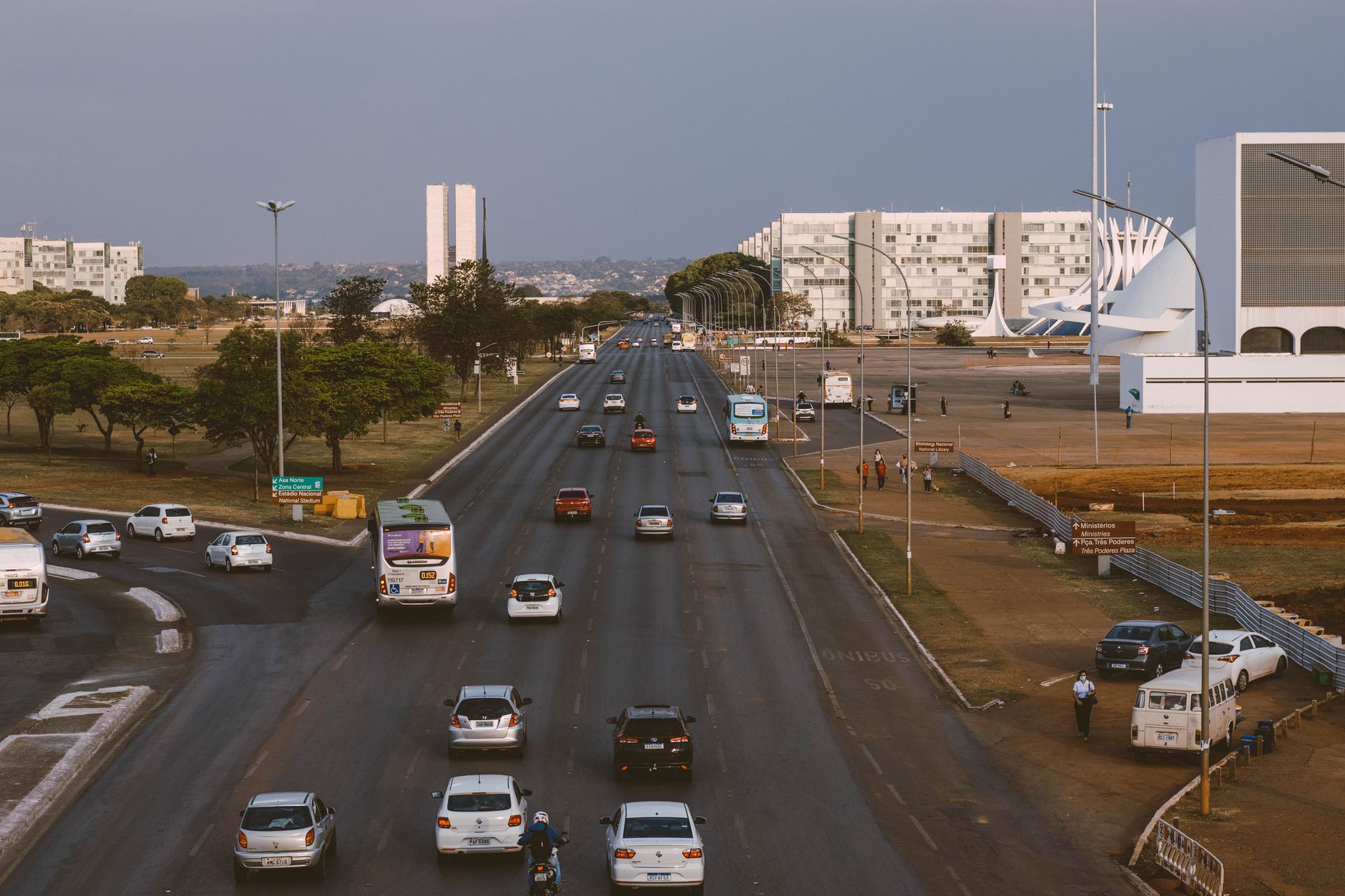
Aerial view of Brasília's urban traffic with prominent government buildings and a bustling road.
Photo by Henrique Morais on Pexels · Pexels License
Practical Information
Visa
Botswana is visa-free for many short-stay visitors, including US, UK, Canadian and Australian passport holders, usually for up to 90 days. Check the stamp you receive on arrival, because immigration writes the permitted stay by hand. If you are traveling with a child under 18, carry the full birth certificate and any required parental consent documents.
Currency
The currency is the Botswana pula, abbreviated BWP, and 1 pula is divided into 100 thebe. Cards work in Gaborone, Maun, Kasane and most established lodges, but cash still matters in smaller towns, on buses and during network outages. Posted prices often include VAT, though tours and transfers are worth checking before you pay.
Getting There
Most long-haul travelers reach Botswana through Johannesburg, then connect onward to Gaborone, Maun or Kasane. Sir Seretse Khama International Airport serves the capital, while Maun International Airport is the usual gateway for the Okavango Delta and Kasane International Airport for Chobe. Overland arrivals from South Africa, Zimbabwe, Namibia and Zambia are common and often cheaper.
Getting Around
Botswana has no passenger rail service, so travel is by domestic flight, long-distance bus, taxi or self-drive. Paved trunk roads between Gaborone, Francistown, Palapye and Kasane are manageable, but remote park approaches often need a proper 4WD. Avoid night driving: livestock and wildlife on the road are a real hazard, especially outside towns.
Climate
April to September is the cooler, drier season and the easiest window for road travel and concentrated wildlife viewing. October to March is hotter, with most rain falling between December and March, which means greener landscapes, heavier storms and muddier tracks. The north stays wetter than the Kalahari interior, so conditions can differ sharply within the same week.
Connectivity
Mobile coverage is decent in major corridors and towns such as Gaborone, Francistown, Maun and Kasane, then drops quickly in remote areas. WhatsApp is the tool people actually use for lodges, drivers and last-minute changes, often more reliably than email. Download offline maps before heading toward Tsodilo, Shakawe or deep safari areas, and expect light aircraft baggage limits around 15 kg checked plus 5 kg hand luggage on many camp transfers.
Safety
Botswana is one of the easier countries in the region for independent travel, but the risks are practical rather than dramatic. Keep valuables out of sight in cities, confirm taxi fares before departure, and never walk near rivers or unfenced bush areas assuming wildlife is only inside parks. Yellow fever vaccination is required only if you arrive from, or transit for more than 12 hours through, a yellow-fever-risk country.
Taste the Country
restaurantSeswaa with pap
Hands pinch pap. Fingers lift meat. Weddings, funerals, family yards.
restaurantBogobe jwa lerotse
Spoons cut sorghum and melon. Madila follows. Afternoon gatherings, patient talk.
restaurantMotogo at dawn
Cups steam. Sour porridge settles stomachs. Breakfast tables, school mornings, bus departures.
restaurantDikgobe
Beans and maize fill bowls. Spoons work slowly. Lunch, bus stops, home kitchens.
restaurantPhane stew
Tomato, onion, mopane worms. Pap follows. Markets, roadside cafés, brave friends.
restaurantMadila ritual
Sour milk cools porridge. Calabashes pass. Heat, households, cattle country.
restaurantDitloo
Hands pull cheeks and gelatinous cuts. Knives wait nearby. Weekend cooking, male company, long stories.
Tips for Visitors
Budget First
The cheapest Botswana trip is a road trip through towns such as Gaborone, Francistown, Palapye and Serowe. Costs jump the moment you add private game drives, charter flights or all-inclusive camps around Maun and Kasane.
No Trains
Do not build an itinerary around rail. Botswana currently has no passenger train service, so buses, flights and self-drive are the real options.
Book Dry Season
For July to October, reserve safari lodges, air transfers and car hire months ahead, especially around Maun and Kasane. Beds in the right place matter more than finding a late bargain.
Skip Night Drives
Driving after dark can be the most avoidable mistake in Botswana. Cattle, donkeys and wildlife use the same road space you do, and reflective road discipline is uneven once you leave main towns.
Use WhatsApp
Keep hotel desks, drivers and guides on WhatsApp before you land. In Botswana it is often the quickest way to confirm pickups, room changes and delayed arrivals.
Carry Small Cash
Bring enough pula for bus tickets, market buys, tips and the occasional card machine failure. Small notes save time, especially outside Gaborone, Maun and Kasane.
Greet Properly
Say hello before asking for help, especially in smaller towns and village settings. A rushed, transactional approach reads badly in Botswana, where greeting is part of basic respect.
Pack Soft Bags
If your route includes light aircraft from Maun or Kasane, pack in a soft duffel rather than a hard suitcase. Many camp flights use strict baggage limits, and rigid luggage can simply be refused.
Videos
Watch & Explore Botswana
My Trip to Botswana | Safari in Okavango Delta, Chobe National Park
The Most Perfect Country in Africa | Botswana
How An Unemployed Graduate Started A Traditional Cuisine Restaurant In Botswana🇧🇼
Explore Botswana with a personal guide in your pocket
Your Personal Curator, in Your Pocket.
Audio guides for 1,100+ cities across 96 countries. History, stories, and local insight — offline ready.
Audiala App
Available on iOS & Android
Join 50k+ Curators
Frequently Asked
Do I need a visa for Botswana with a US passport? add
Usually no, for short tourist stays up to 90 days within a 12-month period. The exact number of days is written into your passport on arrival, so check the stamp before you leave the airport rather than assuming you received the maximum.
Is Botswana expensive for tourists? add
Yes, it can be, especially once you add safari lodges, charter flights and guided wildlife activities. Independent town-to-town travel through places such as Gaborone, Francistown and Serowe is far cheaper than fly-in Delta or Chobe itineraries.
What is the best month to visit Botswana for safari? add
July to October is the classic window for wildlife, because conditions are dry and animals gather more predictably around water. April to June is also strong if you want cooler weather, easier driving and slightly less pressure on room inventory.
Can you travel around Botswana without a car? add
Yes, but only on the main corridors and with patience. Buses and shared transport work between larger towns, while remote areas near Maun, Kasane, Shakawe and Tsodilo often need lodge transfers, guided transport or a rental vehicle.
Is Botswana safe for self-drive travel? add
Yes, on the main routes, if you treat distance and wildlife seriously. Start early, avoid night driving, carry water, and do not assume a paved road means quick roadside help if something goes wrong.
Should I carry cash in Botswana or use cards? add
Use both. Cards are common in cities, larger hotels and many safari properties, but cash is still the safer backup for tips, fuel stops, buses, market stalls and network outages.
Is Maun or Kasane better for a first safari in Botswana? add
Maun is better for the Okavango Delta and a wider range of camp connections, while Kasane is better for Chobe and for combining Botswana with Victoria Falls. The right choice depends on whether you want wetland logistics or riverfront game viewing.
Can I visit Tsodilo from Maun? add
Yes, but it is not a casual day trip unless you are comfortable with long distances and rougher logistics. Most travelers break the route through Shakawe or join an organized trip, which makes far more sense than trying to improvise it at the last minute.
Sources
- verified Government of Botswana — Official country profile used for language, currency and core national facts.
- verified Botswana Tourism Organisation — Official tourism authority source for access, transport realities and seasonal travel planning.
- verified Bank of Botswana — Authoritative reference for the pula and thebe.
- verified UK Foreign Travel Advice: Botswana — Practical entry, passport-validity and health requirements for travelers.
- verified UNESCO World Heritage Centre — Primary source for Tsodilo Hills heritage status and significance.
Last reviewed: