झाँसी
भारत Verified Apr 2026
The first thing you notice in झाँसी is the cannon. Not in a museum—wedged between a cigarette stall and a sugarcane crusher on Station Road, its 18-century muzzle still aimed south toward the ravines where the queen once fought. This is how memory works in the middle of India: history doesn’t wait behind velvet ropes; it leaks into traffic islands and breakfast plates. Come for the fort that launched a thousand schoolbook drawings of Rani Lakshmi Bai galloping off the parapet; stay for the 6 a.m. clatter of kadhai spoons when every stall simultaneously drops poha onto smoking mustard seeds and loops of jalebi hiss into the same oil.
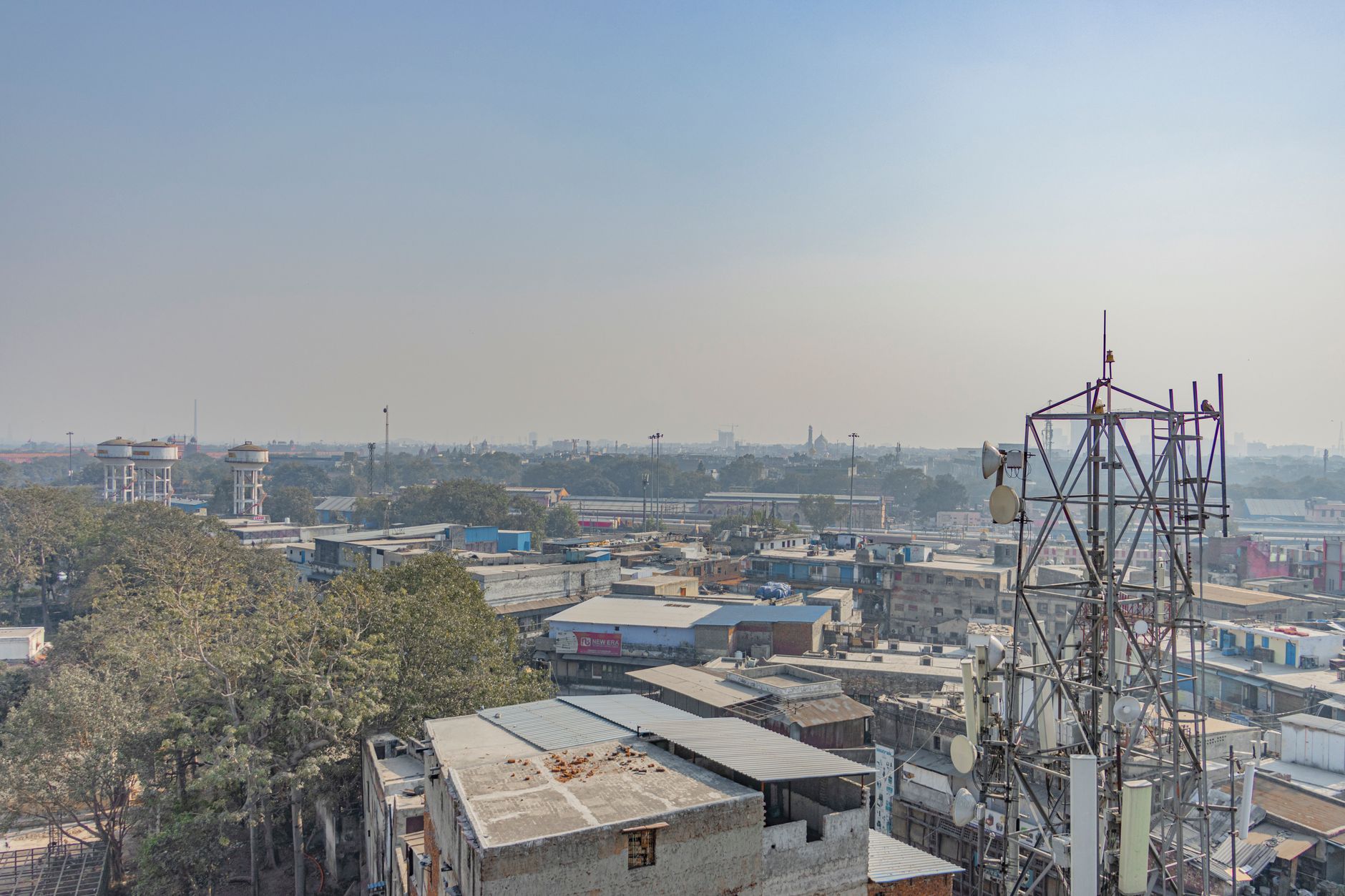 Photo: Shantum Singh / Pexels
- Attractions
- 8
- Audio
- 36 min
- Trip length
- 1–2 days
- Best season
- October–March
Why झाँसी
Built from cited sources · see the method · How we make our guides →
Bundelkhand’s cultural capital sits on a granite blister 285 m above sea level, which explains why the light feels scraped clean and the summer air smells of hot stone and ghee. In the bazaars you’ll hear Alha ballads—12th-century war epics—competing with auto-rickshaw horns, while women in neon-green saris rehearse Rai dance steps beside carts selling Mawa Bati that arrive still bubbling from the kadhai. The city keeps its best secrets for people willing to walk two streets past the monument: a 700-year-old Jain temple where the priest keeps a hedgehog as a pet, or a lakeside dhaba that serves dal bafla cooked over a wood fire that’s been alive since 1983.
There is no bar scene, no boutique hotel with rooftop mixologists. Instead you get the honesty of a place that still shuts shop at 1 p.m. for lunch and believes a proper breakfast is a civil right. November brings the Jhansi Mahotsav—folk troupes spill out of tempo trucks, the fort turns into an open-air theater, and for one week the city feels like it’s arguing with the rest of Uttar Pradesh about who owns Bundeli pride. Leave before dawn at least once; the 16-km run to Orchha passes through fields where peacowns stand on termite mounds like blue flames, and the Betwa River steams as the sun scrapes across it.
The Fort That Won’t Surrender
Jhansi’s 17th-century granite citadel rises 285 ft above the plains, its walls thicker than a city bus is long. Walk the ramparts where Rani Lakshmi Bai’s 1857 gunners held off the British for two weeks—then stay for the Hindi light-and-sound show that turns the stones into a stage at 7:30 sharp.Orchha in Day-Trip Range
Sixteen kilometres south-east, across the state line into Madhya Pradesh, the abandoned Bundela capital floats above the Betwa—palaces, temples and cenotahs in honey-coloured stone that glows copper at sunset. A ₹30 shared bus from Jhansi’s Talpura stand drops you there in 45 minutes.Bundelkhand’s Bird-Filled Lake
Garhmau Lake, 2 km out on the Kanpur highway, is 14 sq km of shallow water that turns into a fluttering carpet of migratory ducks every winter. Come late afternoon when the light flattens and you’ll hear wings before you see them.
Neighborhoods
Where to wander, by quarter — each with its own rhythm.
Civil Lines / Cantonment
The British grid of bungalows and banyans has morphed into the city’s only walkable evening strip. Kulhad chai wallahs set up at 5:30 sharp outside St. Jude’s Shrine; couples circle the parade ground while students from Bundelkhand University argue over samosa versus kachori. You’ll find the only craft-beer-ish café (Molecule Air Bar) inside a converted army godown, and the cleanest public loos in the entire district—legacy of cantonment discipline.Sadar Bazaar
After 8 p.m. the main drag becomes a open-air fryer: smoke from jalebi vats hangs under neon tubes that buzz like angry bees. Agarwal Chaat Corner serves karela chaat—bitter-melon discs tossed in tamarind that somehow taste like childhood punishment and reward at once. Follow the sugarcane juice line; the vendor crushes stalks from his cousin’s field 14 km away and still hands back used glasses to be washed in a bucket—zero-waste before it was branded.Manik Chowk / Purana Sheher
The old city’s arteries narrow until two scooters can’t pass without exchanging paint. Temple bells start at 4 a.m.; by 5, barefoot priests splash Ganga water on doorways to keep the dust down. Look up: 18th-century havelis lean across the lane like gossiping aunties, their carved balconies inches apart. The paanwallah at the chowk has been folding betel leaves since 1952; he’ll refuse payment if he doesn’t like your face, and still keep a running tab for rickshaw pullers.Sipri Bazaar
Morning belongs to workers. Bedai stalls fire up at 6; the lentil-stuffed bread puffs like an angry cat and is served on sal leaf plates that sag under aloo sabzi. Women queue for kerosene while arguing over whose daughter aced the police constable exam. No tourist menus, no English signage—point, eat, pay ₹30, leave. The smell is diesel, gram flour, and optimism.Jhokan Bagh
A 1970s planned colony where professors and railway officers built low bungalows around pocket parks. Neem trees drop yellow fruit that stain the pavements; kids use them as cricket balls. Evening walkers do measured laps with measured gossip. The Herbal Garden (“Tiger’s Prowl”) hides 200 medicinal plants labeled in Hindi and Latin; security guards double as amateur botanists and will lecture you on giloy’s immune benefits whether you asked or not.Near Garhmau Lake (city edge)
Technically outside municipal limits, but every Jhansi resident ends up here on Sundays. The lake spreads 14 sq km—big enough that the far shore disappears in haze thick as malai. You can hire a country boat for ₹100 and drift past migratory bar-headed geese that winter from Tibet. Dhabas serve freshwater fish grilled on broken plough blades; eat quickly, the plate is a sal leaf that curls as soon as the curry hits it.
Plan your trip
Before you go
- Getting There
- Fly into Gwalior Airport (GWL) 103 km away—IndiGo runs daily hops from Delhi, Mumbai and Bengaluru; pre-paid taxis to Jhansi cost about ₹2,200. Virangana Lakshmibai Railway Station (JHS) is a major Delhi–Mumbai / Delhi–Chennai corridor stop: the 12001 Shatabdi covers Delhi–Jhansi in 4 h 05 m. NH-27 and NH-44 feed the city by road.
- Getting Around
- No metro here—autos rule. Pre-paid booth outside the railway station keeps drivers honest (₹60–100 to the fort). Jhansi Smart City runs 25 electric buses on fixed loops; shared e-rickshaws charge ₹10–20 per hop. No tourist travelcard—carry small notes. For Orchha, board a shared Tempo from Talpura stand (₹30, 45 min).
- Climate & Best Time
- October to March is the sweet window: days 22–33 °C, nights 8–19 °C, almost no rain. April hits 39 °C; May peaks at 43 °C and the fort stones burn. Monsoon (July–Aug) drops 290 mm, humidity soars, sights stay open but paths turn slippery. Peak visitor months: November–February.
- Language & Currency
- Standard Hindi works everywhere; the older bazaars still speak Bundeli, a lilting dialect heavier on vowels. ATMs accept foreign Visa/Master cards—Civil Lines and Station Road have 24-hour machines. UPI QR codes are universal; visitors can load the UPI ONE WORLD wallet at the airport without an Indian bank account.
- Safety
- Crime is low, but auto drivers routinely overcharge tourists—stick to the railway-station pre-paid booth. After dark, use autos instead of walking the old-city lanes; lighting is patchy. Women travellers report only staring—dressing in salwar-kameez reduces hassle.
Where Granite Walls Learned to Speak Rebellion
A plateau city that rewrote India's script of empire
- c. 200 BCE
Ashokan Edicts Carved Nearby
Pillar fragments found at nearby Khanderi hint that Mauryan couriers paused here, shaving fresh laws onto stone before riding south. The granite they left behind still carries the ghost of imperial Sanskrit.
- c. 900
Chandela Sculptors Arrive
Stone-carvers fleeing Khajuraho’s quarries settle on Jhansi’s ridge, teaching local masons to coax gods out of gneiss. Their 9th-century Vishnu torso, now in Rani Mahal, still smells faintly of wet rock-dust when humidity spikes.
- 1613
Orchha Raja Builds the First Fort
Bir Singh Deo plants a citadel on the elephant-shaped granite swell, hauling rose-red stone up 285 feet of scarp with block-and-tackle teams that worked by moonlight to dodge summer heat. The walls follow the cliff’s own fracture lines—an early lesson in Bundelkhand pragmatism.
- 1729
Maratha Cannons Thunder overhead
Maharaja Chattrasal gifts the fort to Peshwa Baji Rao after a joint victory over Mughal forces; the Bundela-Mughal war ends with Maratha gunners firing victory salutes that cracked the oldest bastion. Repairs still show mismatched stone—lighter granite wedged into 200-year-old scars.
- 1835
British Cantonment Pitched Below Walls
Company engineers lay out white-washed barracks south of the fort, importing blue-flowered nilgai grass from Meerut to keep elephants from trampling parade grounds. The grass still grows—tourists mistake it for weeds.
- 1842
Manikarnika Becomes Lakshmibai of Jhansi
A 14-year-old Brahmin girl from Varanasi marries Raja Gangadhar Rao; the fort priests rename her after the goddess of wealth and war. She enters through the west gate on a moonless night—omens matter here.
Show the full timeline (19 moments)
- 1854
Doctrine of Lapse Seizes Jhansi
Governor-General Dalhousie refuses to recognize the adopted heir; red-coated bailiffs hoist Union Jack atop the fort while courtiers watch from Rani Mahal’s latticed windows. The queen’s scrawled reply—still preserved—reads simply: “Main apni Jhansi nahin dungi.”
- June 1857
Mutiny Sparks Inside the Cantonment
Sepoy troops slaughter British officers in the parade ground, then sprint uphill to beg Lakshmibai to lead them. She arms 300 women with Tower muskets kept in the palace cellar; gunpowder smell lingers for weeks.
- April 1858
Siege: 66 Days of Shellfire
Hugh Rose’s 1,800-man force drag 9-pounders up the eastern scarp, firing 1,400 rounds that chip the granite like wood-shavings. Jhalkaribai, in the queen’s armor, rides out on a black mare to buy time; British memoirs call her “that damned double.”
- 18 June 1858
Lakshmibai Leaps the Fort Wall
With her adopted son strapped to her back, she spurs her stallion Badal over a 12-foot parapet onto the rocky saddle below—still called Rani-ka-Pail. The horse breaks a foreleg; she rides another 40 km to Gwalior where she dies, sword in hand.
- 1886
Maithili Sharan Gupt Born in Chirgaon
The boy who will become Gandhi’s “Rashtrakavi” grows up hearing ballads of the fallen queen; her leap enters his 1912 epic Bharat-Bharati as a stanza schoolchildren still recite.
- 1893
Mahavir Prasad Dwivedi Edits Saraswati Here
While working railways accounts at Jhansi junction, Dwivedi turns the Hindi monthly into a forge for modern prose, ridiculing both ornate Braj and stale Persianisms. Local printers learn to set type fast enough to keep up with his midnight revisions.
- 1927
Chandra Shekhar Azad Goes Underground
The revolutionary rents a tin-roofed house near Sipri Bazaar, teaching Sanskrit to neighborhood boys by day and drilling them on stolen Lee-Enfields in Orchha forest by night. Police posters miss him twice—once because he’s praying at Karguvanji Jain temple, once at the cinema.
- 15 August 1947
Flag Replaces Union Jack on Bastion
At dawn, schoolmaster Ramadhin Tiwari hoists the tricolor from the exact pole where Rose’s men raised theirs in 1858. The rope snaps; a girl from his class ties it with her hair ribbon—an echo the old fort seems to recognize.
- 1965
Dhyan Chand Stadium Opens
Built on the old polo ground where Lakshmibai once drilled her women’s guard, the astro-turf honors the hockey wizard who grew up crossing these same parade grounds barefoot. Local kids still call it “the fort’s second field.”
- 1974
State Museum Shifts into Rani Mahal
Archaeologists move 4th-century BC coins and Chandela erotica into the queen’s painted chambers, turning grief into scholarship. Visitors walk across the same terrazzo where her durbar once met; graffiti carved in 1858 is now under glass.
- 1999
Amit Singhal Codes Google Search in Mountain View, Jhansi Accent Intact
He keeps a sepia postcard of the fort above his monitor; colleagues think it’s generic India. The ranking algorithm that re-ordered the world’s knowledge still carries, in its ruthless efficiency, something of the queen who refused to yield.
- 2008
Shatabdi Express Cuts Delhi Run to 4 Hours
The new track alignment clips 70 km off the old Grand Trunk route, sliding past the fort so fast commuters glimpse only a brown blur. Jhansi’s platform chai stalls upgrade to stainless steel; the samosas stay the same.
- 2021
Shaili Singh Jumps 6.48 m in Nairobi
The 17-year-old from Jhansi’s cantonment lane lands silver at World U20, coach watching on a cracked phone screen outside St Jude’s shrine. Newspapers compare her take-off to Lakshmibai’s leap—same wind against the plateau, different century.
Who lived here
-
Warrior Queen · c. 1828–1858
Rani Lakshmibai
Ruled and defended Jhansi in 1857
She drilled her women’s army on these very parade grounds and still escapes the British in local songs today. Stand on the fort rampart at dusk and you’ll swear you hear hoofbeats heading for Gwalior.
-
Hockey Legend · 1905–1979
Dhyan Chand
Grew up in Jhansi
The boy who learned stick-work on Jhansi’s dusty maidans became hockey’s greatest scorer. The city stadium bears his name; old-timers claim you can trace his early dribbles in the worn patch near the railway colony.
-
National Poet · 1886–1964
Maithili Sharan Gupt
Born in Chirgaon, Jhansi district
He penned fiery verses under the banyans of Chirgaon that Gandhi later quoted to rally the nation. Visit during November’s Mahotsav and you’ll still hear schoolkids reciting his lines about Bharat-Bharati.
-
Revolutionary · 1906–1931
Chandra Shekhar Azad
Used Jhansi as secret HQ 1928–31
Posing as a Sanskrit tutor, he cached guns in Orchha forest and rode the early morning train to plan the Kakori raid. The same 5 a.m. express still departs platform 1—board it and you share his route.
-
Google Fellow · born c. 1968
Amit Singhal
Born and schooled in Jhansi
The boy who cracked math on slate boards above his father’s sweet shop rewrote how the world searches. He returns quietly for Diwali; locals point out the lane where he first debugged code on borrowed computers.
Where to Eat
Where locals actually book dinner — not the tourist menus.
Insider tips
Small things that change how the city treats you.
Poha Before 10
The city’s signature poha–jalebi breakfast disappears by 10 a.m.; arrive at Sadar Bazaar by 8 to eat it hot off the kadhai.Prepaid Auto Booth
Autos never run meters; use the prepaid booth outside Jhansi Junction—₹60–100 to the fort, fixed price, no haggle.Light Show Timing
The fort’s Hindi sound-and-light starts at 7:30 p.m. (winter 6:30); English follows an hour later—claim a front bench by 7.Same-Day Orchha
Shared UPSRTC buses leave Talpura stand every 30 min until 6 p.m.; 45 min, ₹30, last return at 7—perfect for sunset cenotaphs.Carry Small Notes
Temples, chaat stalls and even the fort ticket window often can’t break ₹500; stock ₹10, ₹20, ₹50 before you set out.Skip May
Temperatures touch 45 °C; monuments close at 1 p.m. and reopen at 4—come October–March instead for cool, dry days.
Gallery
The city, as it actually looks.


Watch
-
Virtual Banjara™ Jhansi की सबसे बड़ी 32 Item वाली VEG थाली | पूरी थाली खाओ और 50,000 जीतो | Jhansi food Tour

-
OM PRAKASH SONI VLOGS 3.0 Jhansi Ke Kile Mein 274 Saal Purani Ek Aisi Chiz Mili Jisse Ye Kila Kabhi Nahi Hara 😱

-
Delhi Food Walks Jhansi Non Veg Food Tour I Meat Ka Badshah (Meat King) + Mutton Ishtu + Not that Good ChickenBiryani

-
Avin Yaduvanshi Jhansi Fort History (in Hindi) | यहाँ से कूद गई थी रानी पुत्र के साथ
Frequently asked
Is झाँसी worth visiting?
Yes—if you care about the 1857 Rebellion or want Bundelkhand without Khajuraho crowds. The fort is dramatic, Orchha is 45 min away, and November’s Mahotsav delivers folk music you won’t hear elsewhere.
How many days in झाँसी?
One full day covers fort, museum and Rani Mahal; add a second for Orchha and Barua Sagar. Stay three if you want to catch the November folk festival or day-trip to Datia Palace.
How to reach झाँसी by air?
Fly to Gwalior (103 km, 2 hrs by taxi or 1 hr train) or Delhi (415 km, 4–5 hrs by Shatabdi). Khajuraho airport runs seasonal flights but is less reliable.
Is झाँसí safe for solo women?
Generally yes—daytime monuments and Civil Lines are fine. Dress modestly, avoid isolated alleys after dark, and use prepaid autos instead of walking at night.
What does it cost per day?
Budget ₹800–1,200: museum + fort tickets ₹75, meals ₹200–300, shared transport ₹100–150. Mid-range hotels start at ₹1,800; a full-day taxi is ₹1,500–2,000.
Where do I eat authentic Bundeli food?
Sadar Bazaar for morning bedai–aloo and evening chaat; Haveli Restaurant serves a vegetarian Bundeli thali; Orchha riverside dhabas add baigan bharta with a Betwa sunset.
Pick up where you left off
Saved and recently read places — kept on this device only.
Photo credits (11)
- Shantum Singh — Pexels License (https://www.pexels.com/license/) — Source: https://www.pexels.com/photo/15210314/
- Bird eye view of Jhansi town from Jhansi fort 01 — Pinakpani — CC BY-SA 4.0 (https://creativecommons.org/licenses/by-sa/4.0/) — Source: https://commons.wikimedia.org/wiki/File:Bird_eye_view_of_Jhansi_town_from_Jhansi_fort_01.jpg
- Bird eye view of Jhansi town from Jhansi fort 09 — Pinakpani — CC BY-SA 4.0 (https://creativecommons.org/licenses/by-sa/4.0/) — Source: https://commons.wikimedia.org/wiki/File:Bird_eye_view_of_Jhansi_town_from_Jhansi_fort_09.jpg
- Bird eye view of Jhansi town from Jhansi fort 02 — Pinakpani — CC BY-SA 4.0 (https://creativecommons.org/licenses/by-sa/4.0/) — Source: https://commons.wikimedia.org/wiki/File:Bird_eye_view_of_Jhansi_town_from_Jhansi_fort_02.jpg
- Bird eye view of Jhansi town from Jhansi fort 10 — Pinakpani — CC BY-SA 4.0 (https://creativecommons.org/licenses/by-sa/4.0/) — Source: https://commons.wikimedia.org/wiki/File:Bird_eye_view_of_Jhansi_town_from_Jhansi_fort_10.jpg
- Bird eye view of Jhansi town from Jhansi fort 03 — Pinakpani — CC BY-SA 4.0 (https://creativecommons.org/licenses/by-sa/4.0/) — Source: https://commons.wikimedia.org/wiki/File:Bird_eye_view_of_Jhansi_town_from_Jhansi_fort_03.jpg
- Bird eye view of Jhansi town from Jhansi fort 06 — Pinakpani — CC BY-SA 4.0 (https://creativecommons.org/licenses/by-sa/4.0/) — Source: https://commons.wikimedia.org/wiki/File:Bird_eye_view_of_Jhansi_town_from_Jhansi_fort_06.jpg
- Bird eye view of Jhansi town from Jhansi fort 04 — Pinakpani — CC BY-SA 4.0 (https://creativecommons.org/licenses/by-sa/4.0/) — Source: https://commons.wikimedia.org/wiki/File:Bird_eye_view_of_Jhansi_town_from_Jhansi_fort_04.jpg
- Bird eye view of Jhansi town from Jhansi fort 05 — Pinakpani — CC BY-SA 4.0 (https://creativecommons.org/licenses/by-sa/4.0/) — Source: https://commons.wikimedia.org/wiki/File:Bird_eye_view_of_Jhansi_town_from_Jhansi_fort_05.jpg
- Bird eye view of Jhansi town from Jhansi fort 08 — Pinakpani — CC BY-SA 4.0 (https://creativecommons.org/licenses/by-sa/4.0/) — Source: https://commons.wikimedia.org/wiki/File:Bird_eye_view_of_Jhansi_town_from_Jhansi_fort_08.jpg
- Bird eye view of Jhansi town from Jhansi fort 07 — Pinakpani — CC BY-SA 4.0 (https://creativecommons.org/licenses/by-sa/4.0/) — Source: https://commons.wikimedia.org/wiki/File:Bird_eye_view_of_Jhansi_town_from_Jhansi_fort_07.jpg
Photos may have been resized or cropped.