Plan and listen to Musée Des Transports En Commun De Liège with Audiala.
Audio guide in your pocket, itinerary in your browser. Built for the way you actually visit.
Introduction
The Musée des Transports en Commun de Liège, also known as the Musée des Transports en Commun de Wallonie, is a premier cultural institution located in the heart of Liège, Belgium. Set within a beautifully restored 1904 tram depot originally built for the 1905 World Fair, the museum offers an immersive journey through more than two centuries of public transport history in Wallonia. With a collection of about 40 to 50 meticulously restored vehicles—including horse-drawn carriages, electric trams, trolleybuses, and modern prototypes—the museum preserves and celebrates the region’s rich transport heritage.
This guide provides comprehensive information on the museum’s origins, collections, educational missions, accessibility, visiting hours, ticketing options, and nearby Liège historical sites, ensuring you have all you need to plan a rewarding visit.
The roots of the Musée des Transports en Commun de Liège trace back to the 1960s, when local transport enthusiasts sought to preserve early electric locomotives and historic vehicles otherwise destined for scrap. Their efforts led to the museum’s foundation in 1985, coinciding with Belgium’s "Year of Public Transport" and inaugurated by Transport Minister Herman De Croo. Since then, the museum has established itself as a guardian of Wallonia’s transport legacy and a dynamic educational and cultural center (Musée des Transports en Commun de Liège).
From Tram Depot to Living Museum
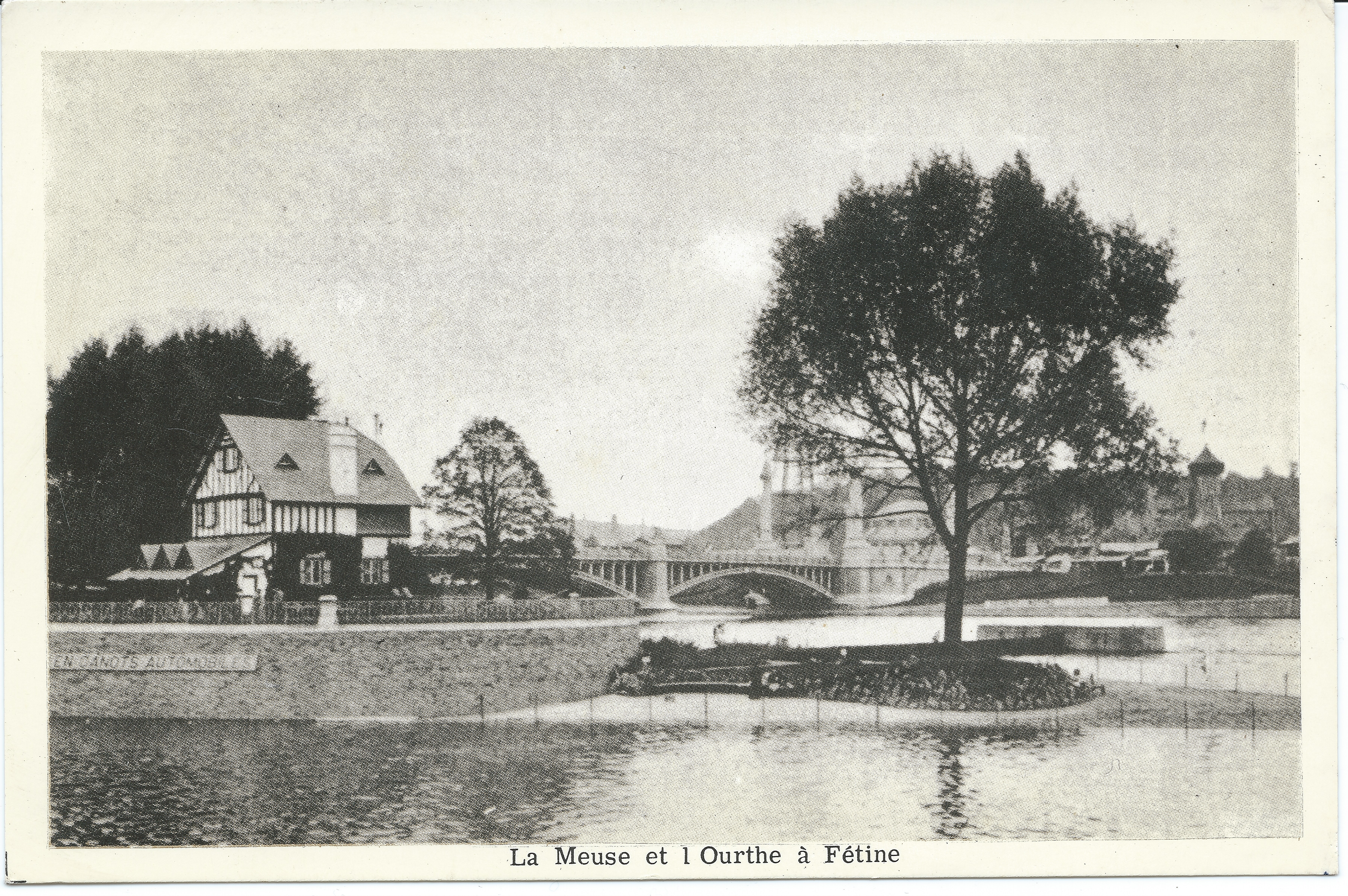
Set in the historic Vennes-Fétinne district, the museum occupies a restored tram depot built in 1904 for the 1905 World Fair. This iconic industrial structure provides an authentic backdrop for the museum’s vast vehicle collection and interactive displays, making each visit a step back in time.
Collections and Exhibition Highlights
Horse-Drawn Carriages and Early Trams
The museum’s earliest exhibits feature an 18th-century malle-poste (mail coach) and unique horse-drawn trams (chevalines), the only preserved examples in Wallonia. The luxurious carrosse du dernier prince-évêque de Liège offers a glimpse into pre-public transport privilege (RTBF).
Electric Tramways and Urban Transit
A centerpiece is the 1905 electric tram, with ornate interiors visitors can board. The museum also houses the oldest preserved electric tram motor in Belgium and the oldest SNCV electric motor in Wallonia, marking key milestones in Belgian transport innovation.
Trolleybuses and Buses
Liège’s hilly terrain inspired the use of trolleybuses, including a rare reversible trolleybus with driver’s cabs at both ends—a unique design worldwide. The collection also traces the evolution of autobus (motor buses), from early combustion engines to modern models.
Bicycles and Urban Mobility
Recent acquisitions highlight the role of bicycles in sustainable urban transport. Interactive experiences, such as a connected bicycle simulator, let visitors compare cycling conditions in different cities (RTBF).
Future Mobility and Innovation
Exhibitions feature the AmsTRAMgram scale model of Liège’s upcoming tram, exploring sustainable mobility and the city’s transport future.
Immersive and Interactive Experiences
The museum integrates soundscapes, audiovisual installations, and hands-on devices, recreating the atmosphere of past eras. A free audioguide in French, Dutch, and English enriches the visitor experience (365.be).
Noteworthy Artifacts
- Carrosse du dernier prince-évêque de Liège: Pre-transport luxury.
- Horse-drawn trams: Unique Walloon heritage.
- 1905 Electric Tram: Early 20th-century urban luxury.
- Reversible Trolleybus: Globally unique design.
- Oldest Belgian electric tram motor.
- SNCV electric motor: Oldest in Wallonia.
- Malle-poste: 18th-century mail coach.
- Modern tram model: Future of Liège’s mobility.
Mission and Educational Initiatives
The museum’s mission is to foster understanding of historical and current mobility challenges, highlighting the link between transport, technology, and society. Through interactive exhibits, workshops, tours, and special events, the museum welcomes families, schools, and researchers, making transport history accessible and engaging for all ages.
Heritage Conservation and Modernization
Ongoing renovations (including roof and cafeteria upgrades) ensure the museum's preservation and visitor comfort (Musée des Transports en Commun de Liège). Technological enhancements such as audiovisual displays and interactive installations keep the exhibitions lively and relevant, while the museum’s reserve collection safeguards artifacts for future generations.
Social and Community Engagement
The museum strengthens community ties by celebrating Liège’s transport heritage and hosting public events that promote civic pride. Partnerships with local authorities and organizations support sustainable urban transport solutions and foster dialogue on the future of mobility.
Practical Visitor Information
Hours and Tickets
- Opening Hours: Tuesday to Sunday, 10:00 AM–6:00 PM; closed Mondays and select public holidays. From March 1 to November 30, open weekends and public holidays, 2:00 PM–6:00 PM (whichmuseum.co.uk).
- Ticket Prices: Adults €7; Seniors & Students €5; Children under 12 free; Family packages available. The Liège Visit Pass 48h (€18) grants access to 16 museums and a guided city tour.
- Purchase Options: Tickets sold on-site and at the Liège Tourist Office. Online purchasing is limited—check the official museum website for the latest updates.
Accessibility
- Wheelchair Access: Most areas are accessible; some historic sections may be limited.
- Facilities: Adapted restrooms, ramps, and staff assistance available.
- Languages: Exhibits in French, with some English and Dutch translations; tours can be arranged in several languages.
Directions and Nearby Attractions
- Address: Rue Richard Heintz 9, 4020 Liège (whichmuseum.co.uk).
- Public Transport: Served by Liège’s bus network; Liège-Guillemins train station is a short ride away.
- Parking: Available nearby; limited during weekends and holidays.
- Nearby Sites: Grand Curtius Museum, Liège Cathedral, Musée de la Vie Wallonne, La Boverie Park, Montagne de Bueren staircase.
Museum Layout and Facilities
- Building: Spacious, industrial architecture retaining the depot’s original character (welcomebelgium.icu).
- Bookshop: Sells books, souvenirs, and educational materials.
- Restrooms: Available for visitors.
- Cafeteria: Under renovation; check for status updates.
Guided Tours and Educational Programs
- Guided Tours: Bookable for groups, schools, and individuals in multiple languages.
- Workshops: Interactive sessions for children and adults.
- Special Events: Themed exhibitions, cultural evenings, and vintage bus rides, especially on weekends and holidays (welcomebelgium.icu).
Visitor Tips
- Best Time to Visit: Arrive early on weekends and holidays for a relaxed experience.
- Advance Booking: Recommended for tours, workshops, and special events.
- Family-Friendly: Interactive zones and children’s workshops make the museum suitable for all ages.
- Photography: Personal photography allowed; restrictions may apply in special exhibitions.
- Health & Safety: Check current COVID-19 protocols on the official website.
Listen to the full story in the app
The whole Musée Des Transports En Commun De Liège,
told well.
Audio guides for 1,100+ cities across 96 countries. History, stories, and local insight — offline ready.

Verified, and shown.
Researched and written by the Audiala editorial team from historical records, architectural archives, and local expertise.
Last reviewed