Plan and listen to Straimont with Audiala.
Audio guide in your pocket, itinerary in your browser. Built for the way you actually visit.
Introduction to Straimont and Its Historical Significance
Straimont, a picturesque village in the Belgian Ardennes within the municipality of Herbeumont (Luxembourg province), is celebrated for its rich history, cultural heritage, and stunning natural surroundings. Nestled along an ancient Roman road and close to the medieval ruins of Herbeumont Castle, Straimont offers travelers the opportunity to journey through centuries of European history while enjoying the tranquil landscapes of the Ardennes woodlands and the Semois and Vierre river valleys.
Whether you are a history lover eager to discover remnants of Roman routes and medieval fortifications, or a nature enthusiast drawn to hiking, birdwatching, and river activities, Straimont delivers an authentic Ardennes experience. Visitors can enjoy open-access village areas all year, join guided tours of heritage sites, and participate in seasonal festivals highlighting local culture and cuisine. This guide provides practical details about accessibility, ticketing, travel tips, and nearby attractions to ensure a rewarding visit.
For up-to-date visitor information, consult official resources such as the Herbeumont Tourism Website, Natagora Nature Reserve, and regional guides.

Early Origins and Etymology
Straimont’s name likely stems from the Latin "Strata," meaning "paved road," referencing its position near an ancient Roman route connecting Reims, Arlon, and Trier. This strategic road, documented in the Antonine Itinerary around 280 CE, passed by the present-day village at "Poteau de Straimont." While no direct archaeological evidence of a Roman settlement exists, Straimont’s location as a waypoint is widely recognized.
Medieval Development and Regional Context
The Herbeumont region, encompassing Straimont, traces its roots to at least the 7th century. By 1192, written records mention the area, and the construction of Herbeumont Castle in 1268 established a local center of power influencing Straimont’s development. The village evolved as a satellite community shaped by the castle’s economic and social reach.
Economic and Social Evolution
During the 19th and 20th centuries, Herbeumont and Straimont prospered through mining, slate production, and tobacco cultivation. Agriculture, forestry, and fishing along the Vierre river have long maintained the village’s rural character.
Modern Heritage Preservation
In recent decades, Straimont has focused on preserving its natural and cultural heritage. The Natagora nature reserve, established in 2004, safeguards the Vierre valley’s unique biodiversity. Rural development initiatives, such as the Plan Communal de Développement Rural (PCDR), have improved infrastructure and public spaces, including a major renovation of the village center and community house.
Visitor Information
Visiting Hours and Ticketing
- Village Access: Straimont is an open-access village with no entrance fees. Visitors are welcome to explore the village and its natural surroundings year-round.
- Herbeumont Castle: The nearby castle ruins are generally open from 9:00 AM to 6:00 PM (April–October). Entry is free; guided tours and special events may require a modest fee (around €3 for adults, with discounts for seniors and children). Always check the official Herbeumont tourism website for current schedules.
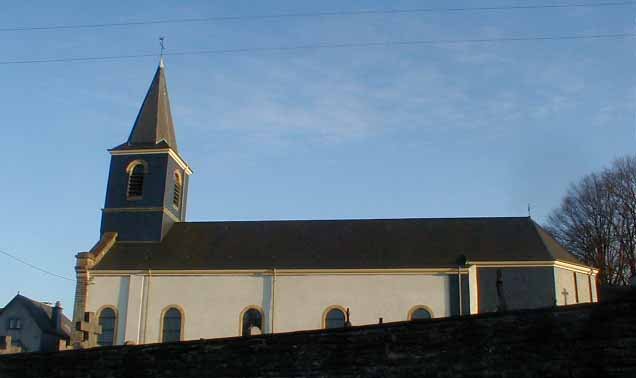
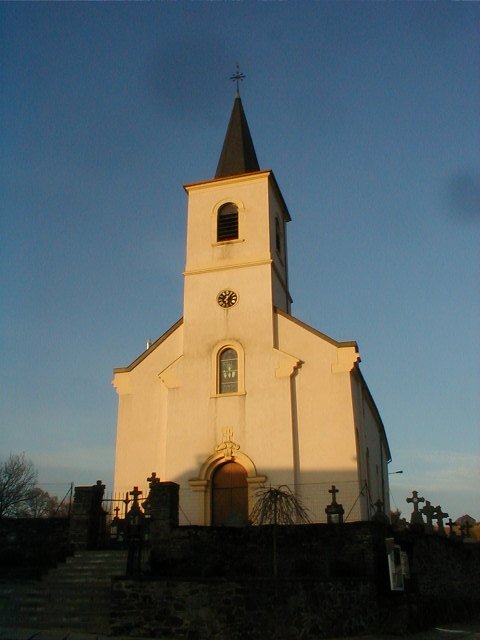
- Straimont Chapel: Open daily from 9:00 AM to 6:00 PM. Entry is free; voluntary donations help with preservation. Guided tours are available on weekends and public holidays at 11:00 AM and 3:00 PM (advance booking recommended).
Accessibility
Straimont is accessible by car from Herbeumont via regional roads, with parking near the village and chapel. Public transport is limited; the nearest train stations are Bertrix and Florenville, with taxi or local bus connections. Some walking trails and the chapel grounds are wheelchair accessible, but uneven terrain may be challenging in certain areas.
Guided Tours and Events
- Guided Historical and Nature Tours: Available through local tourism offices, focusing on Straimont’s Roman heritage, medieval sites, and nature reserves.
- Annual Events: Include the Herbeumont Medieval Festival (summer), Saint Hubert Festival (November), summer evening concerts, and organized nature walks by Natagora.
Practical Travel Tips
- Footwear: Wear sturdy walking shoes for exploring trails and castle ruins.
- Weather: The Ardennes climate is often cool and rainy; check forecasts and dress accordingly.
- Equipment: Binoculars are recommended for birdwatching in the Natagora reserve.
- Cuisine: Sample regional dishes such as Ardennes ham, river trout, wild boar stew, and local cheeses at village inns and markets.
- Language: French is the primary language; basic French phrases are appreciated.
Nearby Attractions
- Herbeumont Castle Ruins: Medieval fortress with panoramic views and free entry.
- Parc naturel de l’Ardenne méridionale: Offers hiking, cycling, and wildlife observation (Ardenne méridionale).
- Vierre and Semois River Valleys: Ideal for fishing, kayaking, and picnics.
- Traditional Villages: Explore Saint-Médard and other Ardennes hamlets with historic stone houses and vibrant local life.
Visuals and Virtual Tours
Enhance your visit with virtual tours and photo galleries on the Herbeumont Tourism Website and Natagora’s platform. Images include Straimont’s Roman road markers, the chapel’s stained-glass windows, castle ruins, and sweeping views of the Ardennes forests and Semois valley. Maps and trail guides are also available for download.
Frequently Asked Questions (FAQ)
Q: What are the best months to visit Straimont?
A: May to September offers pleasant weather and numerous local events.
Q: Are there entrance fees for village sites?
A: Straimont is free to explore. Some nearby sites, like Herbeumont Castle, may charge for guided tours or special events.
Q: Are guided tours available?
A: Yes, especially during festivals and by advance arrangement with the tourism office.
Q: Is the village accessible for people with disabilities?
A: Some sites and trails are wheelchair accessible; check in advance for specific accommodations.
Q: Where can I find trail maps and visitor information?
A: The Herbeumont tourism office provides detailed maps and brochures. Topographic hiking maps are available for €8.
Summary and Visit Tips for Straimont
Straimont and the Herbeumont municipality offer a harmonious blend of history, culture, and natural beauty in the Belgian Ardennes. From ancient Roman routes and the evocative Herbeumont Castle ruins to the tranquil Straimont Chapel and the protected river valleys, the region provides diverse experiences for all types of travelers. Open access, modest ticketing for select sites, and the availability of guided tours enhance every visit, while ongoing preservation efforts ensure this heritage will be enjoyed for generations.
To maximize your stay, consider using digital tools like the Audiala app for interactive maps and audio tours, and stay updated via the Herbeumont Tourism site.
Listen to the full story in the app
The whole Straimont,
told well.
Audio guides for 1,100+ cities across 96 countries. History, stories, and local insight — offline ready.
Verified, and shown.
Researched and written by the Audiala editorial team from historical records, architectural archives, and local expertise.
Researched from Wikidata, Wikipedia & official sources · fact-checked · How we make our guides →