Introduction
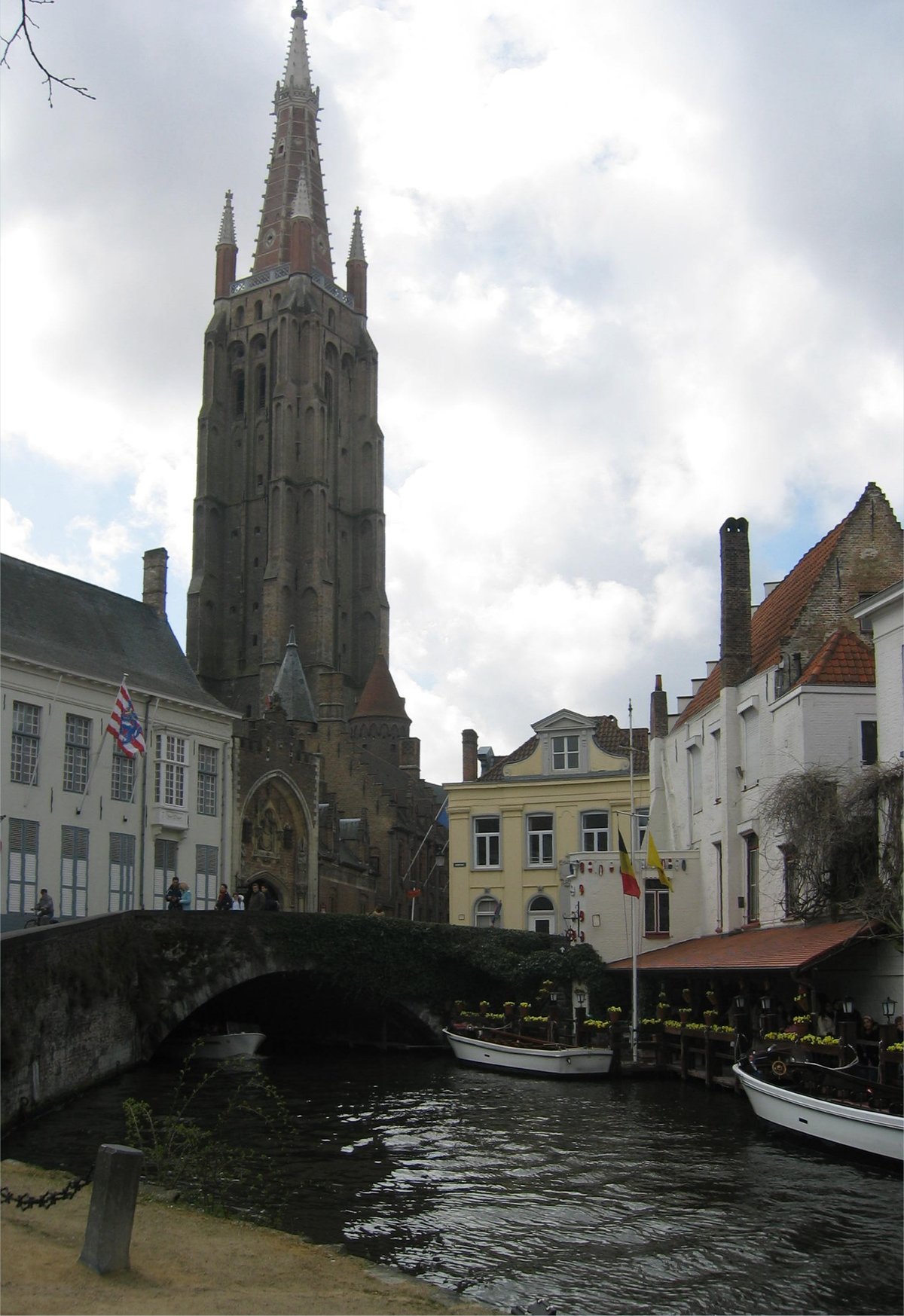
De Dijk in Bruges is more than a scenic canal-side promenade—it's a living chronicle of the city’s medieval ingenuity, maritime success, and ongoing commitment to heritage preservation. Running along the outer edge of Bruges’ historic center, these embankments and ramparts not only protected the city from flooding and invaders but also became a vibrant green corridor, dotted with iconic windmills and fortified gates. As a UNESCO World Heritage Site, De Dijk provides an immersive experience for history enthusiasts, nature lovers, and anyone seeking to understand the unique character of Bruges.
This guide covers everything you need to plan your visit: historical context, practical information on visiting hours and tickets, accessibility, travel tips, nearby attractions, and conservation efforts—ensuring a well-rounded, memorable experience in one of Belgium’s most enchanting cities (Wikipedia: Bruges; Visit Bruges).
Historical Background of De Dijk
Medieval Beginnings and Urban Development
De Dijk, meaning "the dyke" in Dutch, emerged as a response to the geographical challenges of low-lying Flanders. By the 9th century, Bruges had reinforced ancient Roman fortifications to defend against Viking incursions, gradually evolving into a fortified settlement. The creation of the Zwin Inlet in 1134 reconnected Bruges to the North Sea, sparking intense urban and commercial growth (The Traveling Cook Abroad).
By the 12th century, the city’s embankments and dykes were vital for defense, water control, and urban planning. These structures, including the present De Dijk, helped shape Bruges’ characteristic street patterns and canal network (Wikipedia: Bruges).
The Golden Age of Commerce
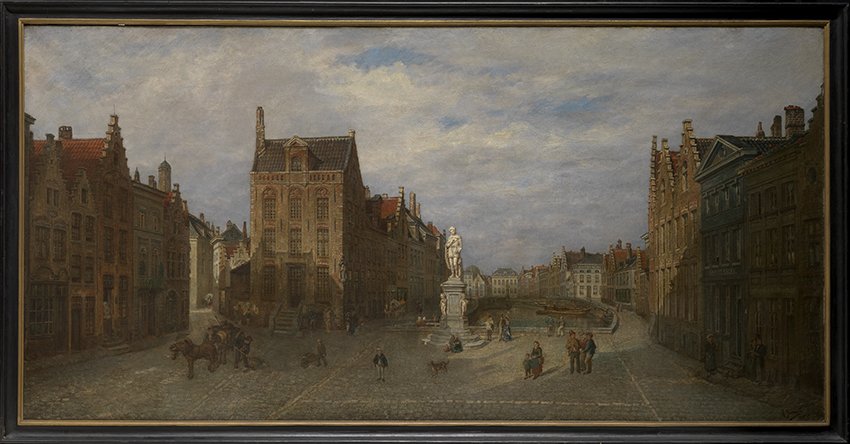
From the 13th to 15th centuries, Bruges became a linchpin of the Hanseatic League, its dykes facilitating the flow of goods and people. Textile merchants, bankers, and artisans relied on these waterways for trade, while the ramparts offered protection and status. The surrounding Gothic and Renaissance architecture testifies to the city’s wealth and prestige during this era (Mundo Wanderlust).
Social and Cultural Heritage
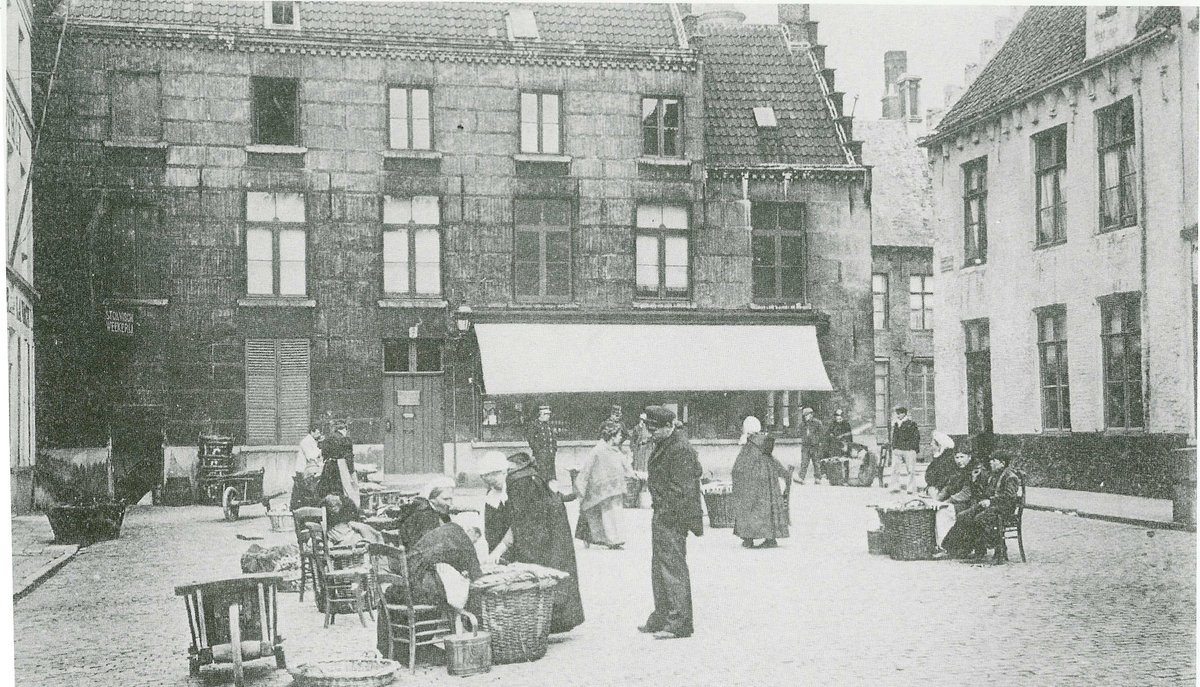
De Dijk was not just a boundary—it was central to Bruges’ civic life. Markets, festivals, and daily social gatherings animated the embankments, reinforcing Bruges’ reputation as the "Venice of the North" (Mundo Wanderlust). Today, these same spaces host community events, open-air concerts, and provide recreational green space for residents and visitors alike.
Preservation and Modern Role
While Bruges’ prominence as a port declined in the 16th century due to the silting of the Zwin, De Dijk and its ramparts remained largely intact. The city’s slow industrialization helped preserve its medieval character, and restoration efforts since the 19th century have kept De Dijk central to Bruges’ identity as a UNESCO World Heritage city (UNESCO; polisnetwork.eu).
Visiting De Dijk: Hours, Tickets, Accessibility
Visiting Hours
- De Dijk Walkways: Open 24/7, year-round, as public spaces.
- Windmills & City Gates: Windmills such as Sint-Janshuismolen are typically open from 9:30 to 17:00, March through November. Some city gates may have limited interior access—check Visit Bruges for updates.
- Boat Tours: Departures generally from 10:00 to 18:00, with extended hours in summer.
Tickets
- De Dijk & Parks: Free access.
- Windmill Interiors & Select Gates: Small entry fee (€3–€5), paid on-site.
- Canal Boat Tours: €10–€15 per person; tickets available online or at departure points.
Accessibility
- Paths: Mostly flat and paved, suitable for wheelchairs and strollers. Some cobblestone sections may be uneven.
- Facilities: Benches, shaded areas, and public toilets are available near major gates and parks.
- Maps & Support: Accessibility maps and information available at the Bruges Tourist Office.
Key Attractions Along De Dijk
Canal Promenades
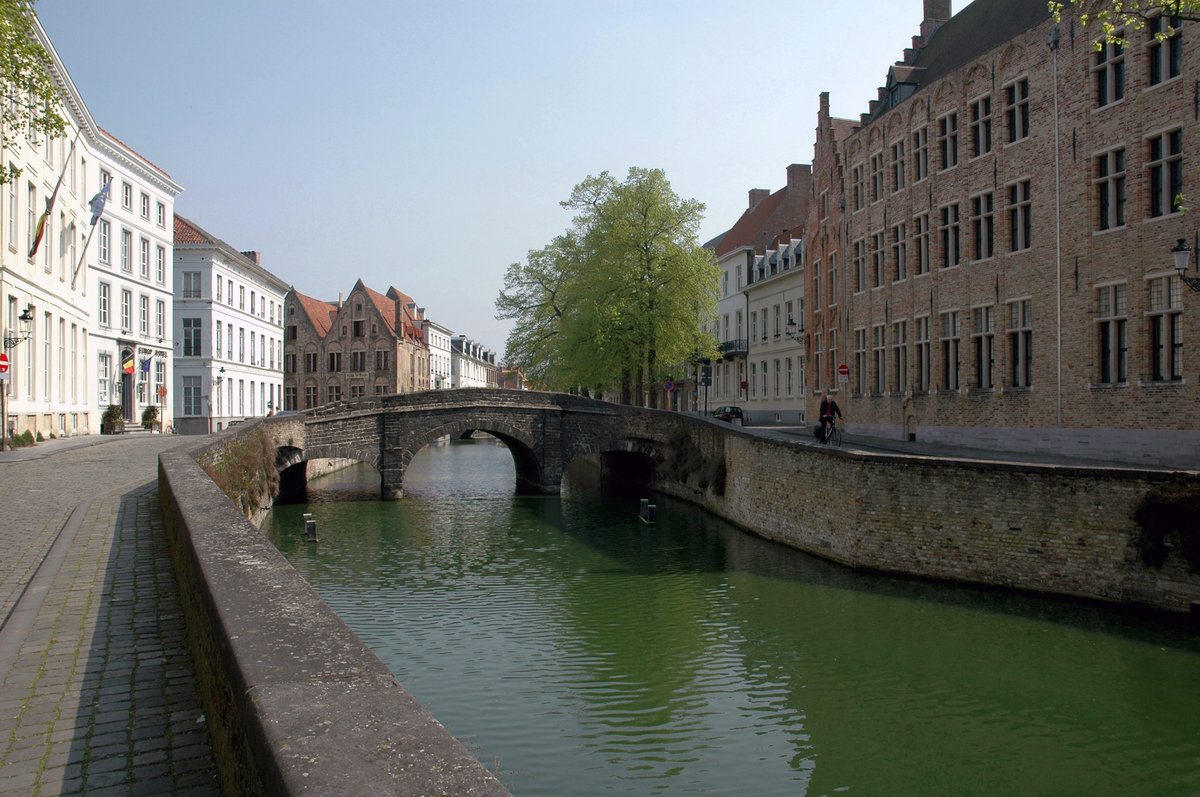
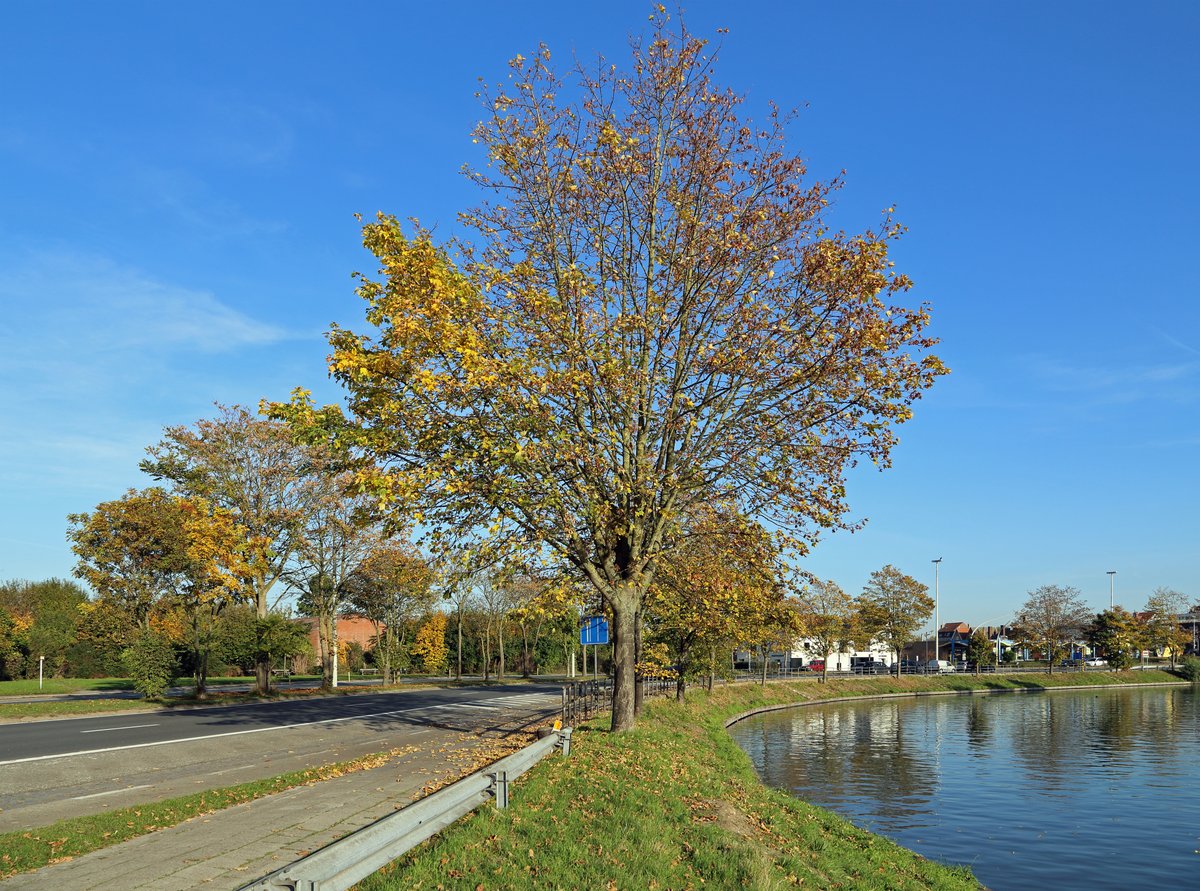
Enjoy leafy embankments like Kruisvest and Gentpoortvest, lined with centuries-old trees and picturesque bridges. These routes offer some of Bruges’ most beautiful vistas and are ideal for walking, jogging, or cycling (The Travel Bunny).
Historic Windmills
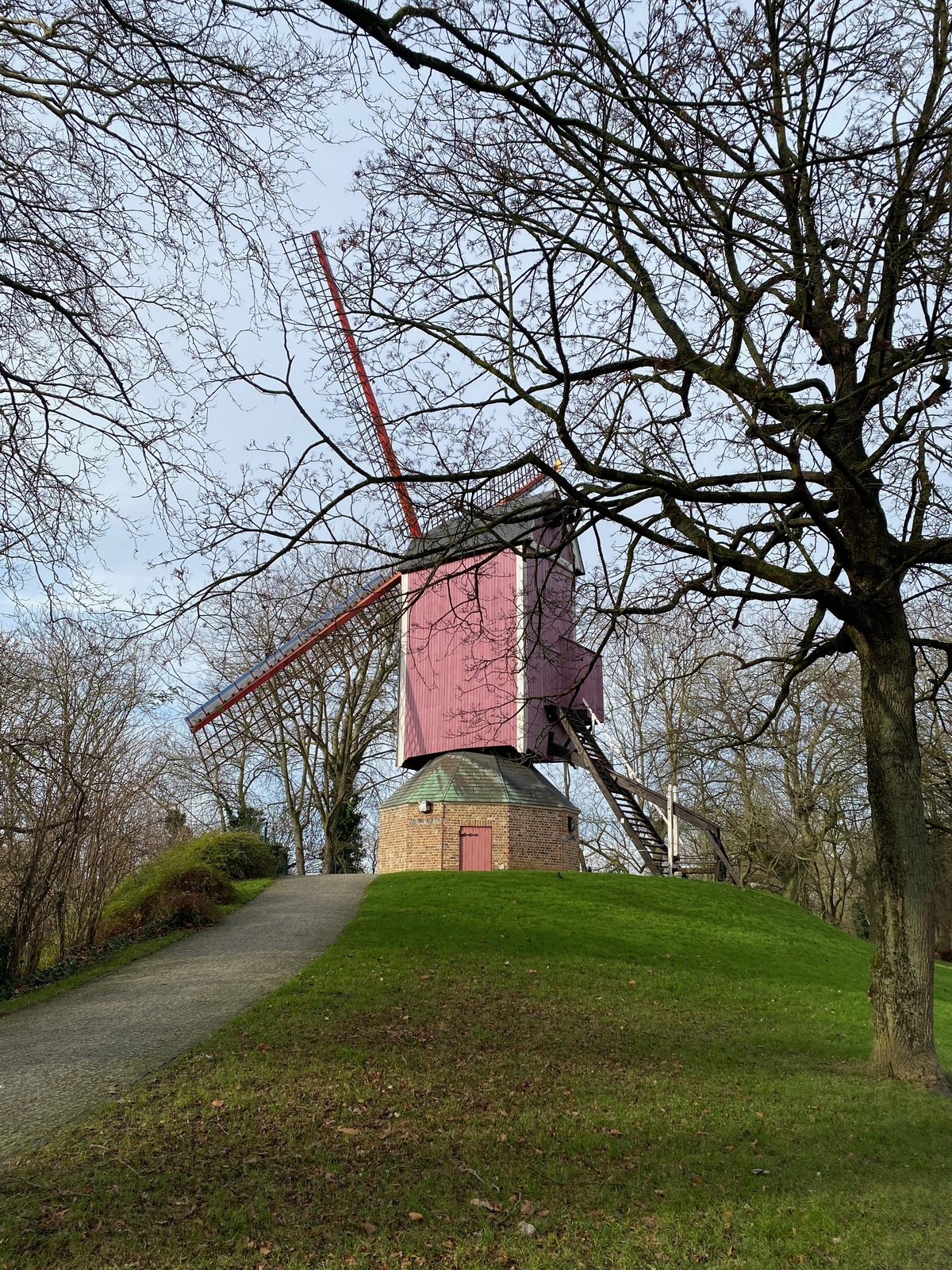
- Kruisvest Windmills: Four historic windmills—Sint-Janshuismolen, Koeleweimolen, Nieuwe Papegaai, and Bonne Chiere—are major landmarks. Sint-Janshuismolen is open to visitors and offers panoramic views and milling demonstrations (That Backpacker).
Medieval City Gates
- Gentpoort & Kruispoort: Imposing gates dating to the 15th century, once customs and defensive checkpoints, now stand as iconic photo spots and entry points to the city (Visit Bruges).
Parks
- Minnewaterpark: Home to the romantic "Lake of Love," ideal for relaxation and photography.
- Astridpark: A nearby green retreat with fountains and flowerbeds.
Cycling and Walking Routes
- Suggested Route: Start at Kruispoort, follow the Kruisvest past the windmills, continue along Gentpoortvest, and loop back via Minnewaterpark (~7 km, 1.5–2 hours on foot).
Canal Boat Tours
Guided boat trips offer a unique perspective on the city’s canals, dykes, and architecture (Solo Sophie).
Practical Tips and Travel Information
Getting There
- By Train: Bruges railway station is 2 km from the city center; walk, rent a bike, or take a bus to De Dijk.
- By Bike: Rentals are widely available; cycling is the best way to see the ramparts and green belt (Full Suitcase).
- On Foot: De Dijk is within a 10–20 minute walk from the Markt (main square).
Facilities
- Restrooms: Located at major parks, city gates, and the railway station.
- Food & Drinks: Cafés and snack bars near city gates and along main cycling routes.
- Luggage Storage: Available at the railway station and select central locations.
Best Times to Visit
- Spring & Autumn: Pleasant weather, fewer crowds, blossoming trees or autumn foliage.
- Summer: Peak season; early mornings and evenings are quieter.
- Winter: Atmospheric with misty canals; some facilities may have reduced hours.
Safety & Etiquette
- Bruges is safe and De Dijk is well-patrolled.
- Share paths respectfully; use bells when cycling.
- Respect private property, historic sites, and avoid littering.
Sustainability
- Rent bikes or join walking tours for eco-friendly exploration.
- Stay on marked paths and dispose of waste responsibly (The Travel Bunny).
Conservation Efforts and Future Prospects
Bruges, in collaboration with UNESCO and heritage organizations, prioritizes the preservation of De Dijk through restoration of original materials, sustainable water management, and careful urban planning (UNESCO; polisnetwork.eu). The ramparts act as a green urban corridor, supporting biodiversity and climate resilience, while balancing tourism and local life.
Frequently Asked Questions (FAQ)
Q: Is there an entrance fee for De Dijk?
A: No, De Dijk is free to visit. Fees apply only for windmill interiors, select gates, or boat tours.
Q: Are guided tours available?
A: Yes, walking, cycling, and boat tours are widely available and offer rich historical context.
Q: Is De Dijk wheelchair accessible?
A: Most main paths are accessible, though some cobbled or narrow sections can be challenging.
Q: When is the best time to visit?
A: Spring and early autumn for mild weather and fewer crowds; weekdays are generally quieter.
Q: How do I get to De Dijk?
A: Easily reached by foot or bike from the city center or train station.
Related Internal Links
- Top Historical Sites to Visit in Bruges
- Exploring Bruges’ Canals: A Travel Guide
- Best Walking Routes in Bruges’ Medieval City Center
Listen to the full story in the app
Your Personal Curator, in Your Pocket.
Audio guides for 1,100+ cities across 96 countries. History, stories, and local insight — offline ready.
Audiala App
Available on iOS & Android
Join 50k+ Curators
Sources
-
verified
Wikipedia: Bruges (2024)
https://en.wikipedia.org/wiki/Bruges
-
verified
The Traveling Cook Abroad (2016)
Bruges History. https://thetravelingcookabroad.com/2016/06/16/bruges-history/
-
verified
Mundo Wanderlust (2024)
Bruges Canals Tell Stories of Trade and Culture. https://mundowanderlust.com/en/post/bruges-canals-tell-stories-trade-culture-heart-europe/
-
verified
Visit Bruges (2024)
Official Tourism Website. https://www.visitbruges.be/en
-
verified
UNESCO World Heritage Centre (2024)
Historic Centre of Brugge. https://whc.unesco.org/en/list/996
-
verified
Polis Network (2020)
Management Plan Summary for Bruges. https://www.polisnetwork.eu/wp-content/uploads/2020/10/management-plan-summary_engels.pdf
-
verified
The Travel Bunny (2024)
Visit Bruges Travel Guide. https://www.the-travel-bunny.com/visit-bruges-travel-guide/
-
verified
That Backpacker (2024)
Things to Do in Bruges, Belgium. https://thatbackpacker.com/things-to-do-in-bruges-belgium/
-
verified
Solo Sophie (2024)
Things to Do in Bruges. https://www.solosophie.com/things-to-do-in-bruges/
-
verified
Full Suitcase (2024)
Things to Do in Bruges. https://fullsuitcase.com/bruges-things-to-do/
-
verified
Thoroughly Travel (2024)
Things to Do in Bruges. https://www.thoroughlytravel.com/things-to-do-bruges/
-
verified
Destination Abroad (2024)
Is Bruges Worth Visiting? https://destinationabroad.co.uk/is-bruges-worth-visiting/
-
verified
Belgium Travel Info (2024)
Bruges Travel Guide. https://www.belgiumtravel.info/flanders/west-flanders/bruges/
-
verified
Go Travel Daily (2025)
Top Attractions in Bruges, Belgium. https://www.gotraveldaily.com/top-attractions-in-bruges-belgium-2025-gotraveldaily/
Last reviewed: