account_balance
History With Teeth
Barbados shaped the English Atlantic through sugar, slavery, trade, and self-government. Bridgetown, Holetown, and Morgan Lewis turn that history into places you can actually read on the ground.
Barbados is not just a beach island. It is a compact country where colonial history, Bajan wit, serious food, and two very different coasts sit within an hour of each other.
 Barbados
EntryVisa-free for many short-stay travelers; Barbados is outside Schengen.
BA good Barbados travel guide starts with a surprise: this island feels less like a beach escape than a tightly edited world of reef, rum shops, cricket, and exact good manners.
Barbados rewards travelers who want more than sand and a hotel wristband. In Bridgetown, the old mercantile core and the Garrison district show how a small island became one of the richest colonies in the English Atlantic, then remade itself into a republic with a strong sense of ceremony and self-command. Holetown marks the first English landing in 1627, but the island never reads as a museum piece. One minute you are tracing synagogue history, sugar wealth, and imperial ambition; the next you are buying fish cakes, hearing Bajan speech slip into gear, and watching school uniforms flash past on a weekday afternoon.
The island is compact enough to move through quickly, which changes how you travel. You can spend the morning on the calm west coast near Speightstown, cut across the interior for the long Atlantic views at Cherry Tree Hill, then reach Bathsheba in time to watch heavy surf break against the rock formations at Soup Bowl. Crane gives you one version of Barbados: pale sand, cliff edges, hotel grandeur. Oistins gives you another: smoke, grilled fish, plastic tables, and Friday-night sociability that feels earned rather than staged. Distances stay short. The contrasts do not.
Before the Plantations, c. 350-1627
A canoe noses through Atlantic chop, loaded with pottery, cassava cuttings, and people who know how to read currents better than most Europeans would a thousand years later. The first communities reached Barbados from the Orinoco world around the fourth century, making landfall on the eastern edge of the Caribbean arc. That matters. This was not a forgotten rock at sea, but a threshold.
Ce que l'on ignore souvent, c'est que Barbados was once a departure point as much as a destination. The Saladoid-Arawak settlers brought ceramics, cultivation, and a maritime intelligence that still feels astonishing when you look at a map and see how exposed this island is to the Atlantic. Long before Bridgetown or Holetown, the sea was already the great road.
Then comes one of history's bleak silences. By the early sixteenth century, Iberian slave raiding had stripped the island of its remaining Indigenous population, leaving behind an emptiness that later colonists mistook for innocence rather than violence. When the Portuguese navigator Pedro a Campos stopped here in 1536, he named the place Os Barbados, "the bearded ones," after the hanging roots of the fig trees, not after any bearded men at all.
So the island entered European records through a botanical misunderstanding and an absence. Forest first, conquest after. That silence, in a grim way, prepared the stage for everything that followed: an island apparently empty, strategically placed, and ready to be claimed by whoever arrived with a cross, a charter, and armed men.
Pedro a Campos gave Barbados its name, but the more haunting figures are the unnamed canoe navigators who found the island first and vanished from its official story.
Barbados may be one of the few countries whose name comes from tree roots hanging like old prophets' beards.
English Foothold and Colonial Bargains, 1627-1652
On 17 February 1627, English settlers came ashore at what became Holetown, carrying ambition, confusion, and the usual imperial certainty. They planted a cross, carved a claim for King James into a tree, and began the business of possession as if the island had been waiting politely for them. It had not. It had been emptied.
The first years were less triumphant than later myth preferred. Tobacco, cotton, and indigo disappointed; the terrain resisted easy fortune; the colony lurched rather than flourished. Yet the social order hardened quickly, and enslaved Africans were present from the beginning, woven into the island's English foundation not as a later aberration but as part of the original design.
Then civil war in England turned Barbados into something more dramatic: a royalist outpost in tropical light. While Parliament and Crown tore at each other across the Atlantic, the planters here backed the king and styled themselves defenders of old loyalties. One can almost picture the scene in a plantation great house: shutters open to the heat, tempers rising, men in linen arguing constitutional principle with sugar still not paying the bills.
Cromwell answered with ships. After blockade, pressure, and prolonged negotiation, the island's elites signed the Articles of Agreement in January 1652, often called the Charter of Barbados. Ce que l'on ignore souvent, c'est how early this text insisted that taxes required the consent of the local assembly. A small island under naval threat had stumbled into a constitutional argument that would echo far beyond Holetown and Bridgetown.
Richard Ligon, ruined royalist and reluctant observer, recorded Barbados so vividly that his prison-written book still gives the colony a human face.
One of the island's foundational texts was shaped in the shadow of warships, not in London but in a plantation society bargaining for its own privileges.
The Sugar Kingdom, 1650s-1834
Imagine Bridgetown in the late seventeenth century: barrels, mud, heat, ledgers, the sting of molasses in the air, and fortunes being made fast enough to make men believe Providence approved of them. Barbados found its engine in sugar, and sugar remade everything. Estates spread, mills turned, and the island became one of the richest colonies in the English Atlantic. Richest for whom is the only question that matters.
Ce que l'on ignore souvent, c'est that refugee knowledge helped build this wealth. Sephardic Jews driven from Dutch Brazil brought hard technical expertise in sugar cultivation and refining, and their community established Nidhe Israel in Bridgetown, still one of the oldest synagogues in the hemisphere. Behind the plantation fantasy stood chemists, traders, enslaved laborers, financiers, and people who knew how to boil cane juice to the right point before it burned.
And then the bargain with the devil showed its full face. Barbados became densely plantation-run and brutally slave-based, its prosperity measured in export figures and human misery. Richard Ligon wrote of meals and manners; he also recorded, almost by accident, the moral obscenity at the center of the system, including the plea of an enslaved man who hoped baptism might lead to freedom and learned it would not.
The island entered European imagination through stories that were half scandal, half sermon. One of them, the tale of Inkle and Yarico, was fixed in print in 1711 but rooted in Barbados's slave market culture: a man saved by a woman, then selling her for profit in Bridgetown. Whether every detail was polished by moralists matters less than why the story endured. People recognized the truth of it.
By the time Bussa's Rebellion erupted in 1816, the old order was already afraid. Flame, panic, reprisals, and the terrifying clarity that enslaved Barbadians would no longer carry the system in silence pushed the island toward a new age. Emancipation in 1834 did not end exploitation. It ended the legal fiction that bondage could last forever.
Bussa stands in bronze today, but behind the monument was a man caught inside plantation discipline who became the name of a collective refusal.
At one point Barbados was so saturated with sugar wealth that small planters vanished, estates consolidated, and the island began to look less like a colony than a machine.
From Emancipation to Nationhood, 1834-1966
Freedom arrived in law before it arrived in daily life. After 1834, apprenticeship schemes, low wages, and planter power kept much of the old hierarchy intact, merely dressed in cleaner language. Yet Barbados also produced one of those stubborn nineteenth-century heroines history ought to place at the front of the room: Sarah Ann Gill, a Black Methodist who kept rebuilding her chapel after colonial authorities and local hostility tried to crush it.
Her story tells you something essential about Barbados. This was not only an island of governors and merchants, but of schoolrooms, chapels, newspapers, and ordinary people insisting on dignity in public. Ce que l'on ignore souvent, c'est how much religious and civic life trained Barbadians for politics: public speaking, mutual aid, disciplined organization, memory.
By the 1930s, economic hardship and labor unrest broke the old calm. Workers marched, organized, and forced the island's leadership to reckon with a society that could no longer be run as if deference were a natural resource. Out of that pressure rose figures such as Grantley Adams and, soon after, Errol Barrow, each carrying a different chapter of statecraft.
Barrow, sharper edged and less patient with colonial choreography, pushed Barbados toward full independence in 1966. The island that had once argued with Cromwell over taxation now claimed its own place among nations. The constitutional instinct remained. Only the master changed.
Sarah Ann Gill was no minister and no governor, just a woman of faith and iron nerve who kept forcing colonial Barbados to show its face.
Gill's chapel was demolished more than once, and she simply raised it again, an act of persistence more political than many speeches.
Independence and the Republic, 1966-present
On independence day in 1966, the flag changed, but the deeper transformation lay in tone. Barbados did not perform revolution with drums and barricades; it preferred competence, institutions, and an almost defiant seriousness about public life. Schools, roads, diplomacy, and law mattered here. One sees it in Bridgetown, where empire's old facades now belong to a country that learned to inherit without kneeling.
Ce que l'on ignore souvent, c'est that modern Barbados has remained intensely visible in the imagination of the wider world while fiercely protecting its own scale. Tourism grew, certainly, and so did the glamour of the west coast around Holetown and the social rituals of Oistins, but the island also kept producing statesmen, writers, athletes, and artists who carried Bajan cadence abroad without sanding it down.
No modern figure made that contrast more vivid than Rihanna, born in Saint Michael and raised in Bridgetown before becoming a global celebrity. Her story is not the whole island, obviously. It is, however, a useful reminder that Barbados can look impeccably composed and still produce immense force.
In 2021, the country became a republic, removing the British monarch as head of state. For a writer with a weakness for crowns, one must admit the scene had elegance: no melodrama, no smashed symbols, just a sovereign country quietly closing a very long chapter. And that chapter leads back to the beginning, because Barbados has always been skilled at doing momentous things in a measured voice.
Errol Barrow gave independence its political architecture; the republic completed a constitutional journey he would have understood immediately.
Barbados left the monarchy in 2021 with the same restrained precision that has long been one of its signatures: historic, yes, but almost matter-of-fact.
In Barbados, speech begins with respect. You say good morning before you ask for the bus, the bank, the fish cutter, the way back to Bridgetown. The order matters. Grammar is never innocent.
Standard English runs the counters, classrooms, radio bulletins, and official life. Then the guard drops and Bajan enters with speed, wit, and a sideways elegance that says twice as much in half the space. "Wa gine on?" is not small talk. It is a weather report for the soul.
Listen long enough in Oistins or Speightstown and you hear a whole social code made of compression. "Wunna" gathers a crowd into one word. "Cheese on bread" turns surprise into theatre. A small island teaches economy: too many words are a form of vanity.
Barbados thinks through food. Cou-cou and flying fish prove it better than any anthem could: cornmeal and okra worked into silk, fish seasoned with thyme, onion, tomato, garlic, pepper, then broken with a fork into balanced bites of sea and starch. A country is a table set for strangers.
The island's real eloquence may be salt bread. Put two fish cakes inside and you have bread and two, the breakfast of people who refuse sentimental mornings. Build a cutter with flying fish and pepper sauce and the lesson continues: bend forward, accept the drip, preserve your shirt if fortune allows.
Saturday belongs to pudding and souse with the force of liturgy. Friday night belongs to smoke in Oistins, where grilled fish perfumes your hair and clothes long after the meal has ended, as if the island had signed you in salt. Even macaroni pie, that colonial inheritance, arrives not as side dish but as doctrine.
The manners in Barbados are exact. Not stiff. Exact. People greet, wait their turn, stand properly, dress with intention, and notice at once when you move through the day as if other humans were furniture.
That surface correctness hides a quick intelligence. Bajans can be warm without dissolving into syrup, amused without smiling, severe without raising the voice. The result unsettles travelers trained to trust only noisy friendliness. They mistake composure for distance. They are wrong.
Spend an hour in a rum shop near Holetown or on a pavement in Bridgetown and you learn the local miracle: formality and mischief live in the same sentence. Courtesy opens the door. Side-eye does the decorating.
Music in Barbados does not ask permission to organize the body. The island's cultural frame includes calypso heritage, but the more revealing fact is social: rhythm here belongs to public life, not to the special occasion. It leaks out of cars, bars, fish fries, cricket talk, election season, and any patch of shade where people have decided to remain a little longer.
At Oistins on Friday, the grills smoke, the bass carries, and conversation learns to move in sync without surrendering a syllable. Nobody performs enjoyment for your benefit. That is the charm. Pleasure here has discipline.
The songs carry satire well. So do the people. An island that prizes wit was never going to make decorative music; it prefers rhythm with a point, rhythm that nudges, mocks, remembers, and keeps dancing anyway.
Barbados is a small island with a large archive of power. In Bridgetown, the old mercantile core still remembers shipping, sale, worship, and law; Broad Street once held the slave market, which is enough to make every handsome facade morally complicated. Beauty with a ledger behind it always looks different.
Then another layer appears. The Nidhe Israel Synagogue in Bridgetown, one of the oldest in the Western Hemisphere, keeps the memory of Sephardic Jews who brought sugar knowledge after the Dutch loss of Recife in 1654. Technique travels. Wealth follows. History rarely bothers to hide the mechanism.
Elsewhere, the island's structures keep practical company with the wind and cane. At Morgan Lewis, the windmill still stands like an argument in stone and timber. Up at Cherry Tree Hill and Gun Hill, the land reveals how compact the whole drama is: sea, plantation logic, church spire, road, village, all pressed into 439 square kilometers of consequence.
Barbados has the odd gift of being arranged and unruly at once. Roads, school uniforms, cricket etiquette, polished shoes, proper greetings: all this suggests a society that distrusts slackness. Then the Atlantic hits the east coast at Bathsheba and Cattlewash with such violence that the island seems to remember it is made of weather.
That contradiction feels less like conflict than method. Order is not the enemy of pleasure here; it is what makes pleasure legible. Rum tastes better after discipline. A lime means more when nobody pretends idleness is productive. Leisure, on this island, has standards.
Perhaps that is the Bajan trick. Form without dryness. Wit without cruelty. Self-respect without pomp. It sounds simple. Nothing important ever is.
Barbados shaped the English Atlantic through sugar, slavery, trade, and self-government. Bridgetown, Holetown, and Morgan Lewis turn that history into places you can actually read on the ground.
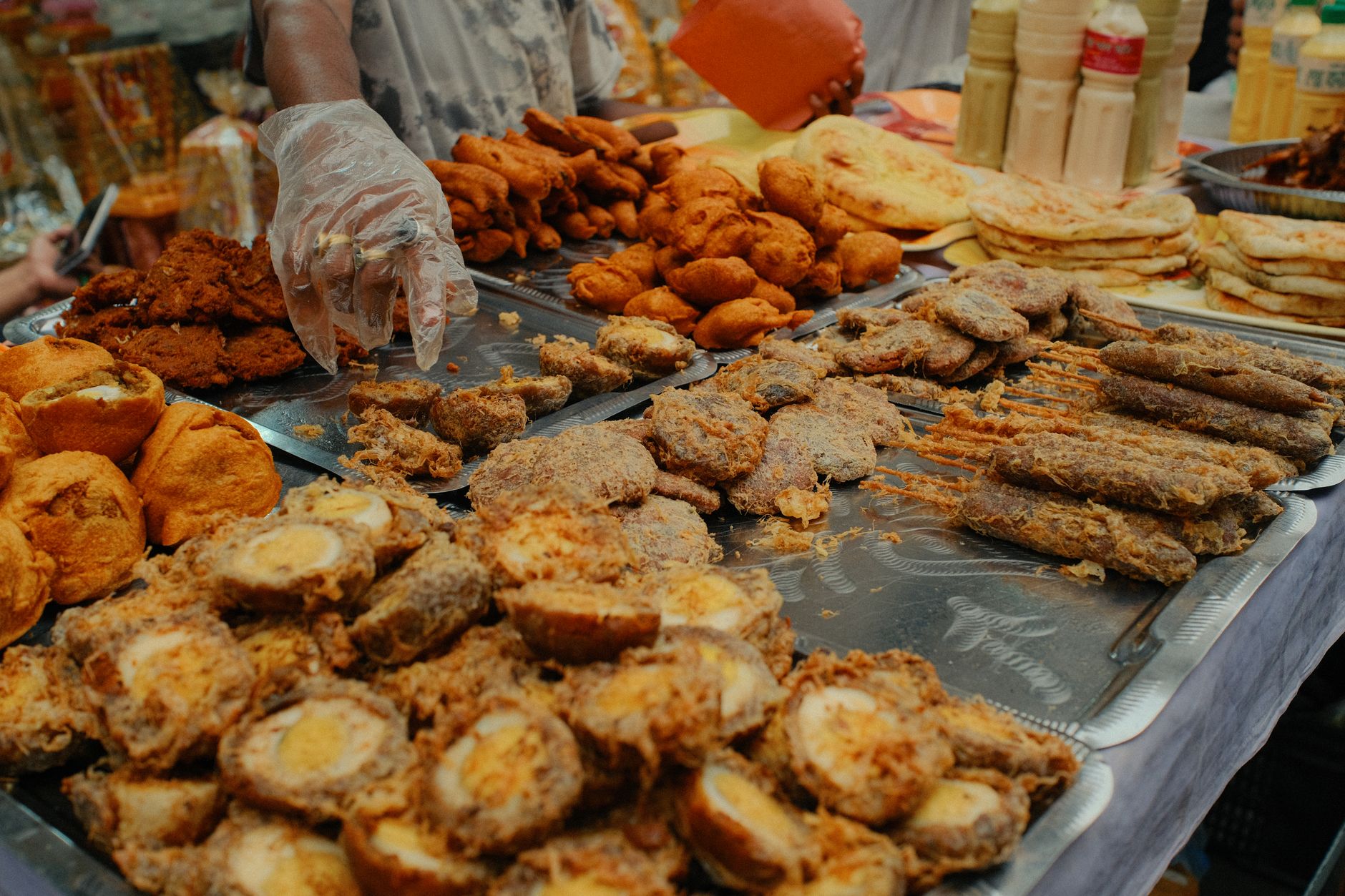
This is an island of fish cutters, pudding and souse, cou-cou, rum, and Friday-night grills in Oistins. The food is direct, salty, peppery, and tied to real local habits rather than resort menus.
The west coast near Speightstown and Holetown runs calmer and more sheltered, while Bathsheba and Cattlewash face the Atlantic with harder surf and rougher drama. Barbados gives you both without long travel days.
Cherry Tree Hill, Gun Hill, Farley Hill, and the cliffs at Crane pack strong visual payoff into short drives. The island is easy to cover, but it never feels visually repetitive.
Saint Lawrence Gap and Oistins carry the social life after sunset, but in very different registers. One leans to bars and music; the other smells like charcoal, fish, and a weekly local ritual.
Rum is not garnish here; it sits inside the island's history and daily conversation. A rum shop can function as bar, debate chamber, neighborhood news desk, and unofficial parliament all at once.
12 cities — start with the ones we'd send you to first.
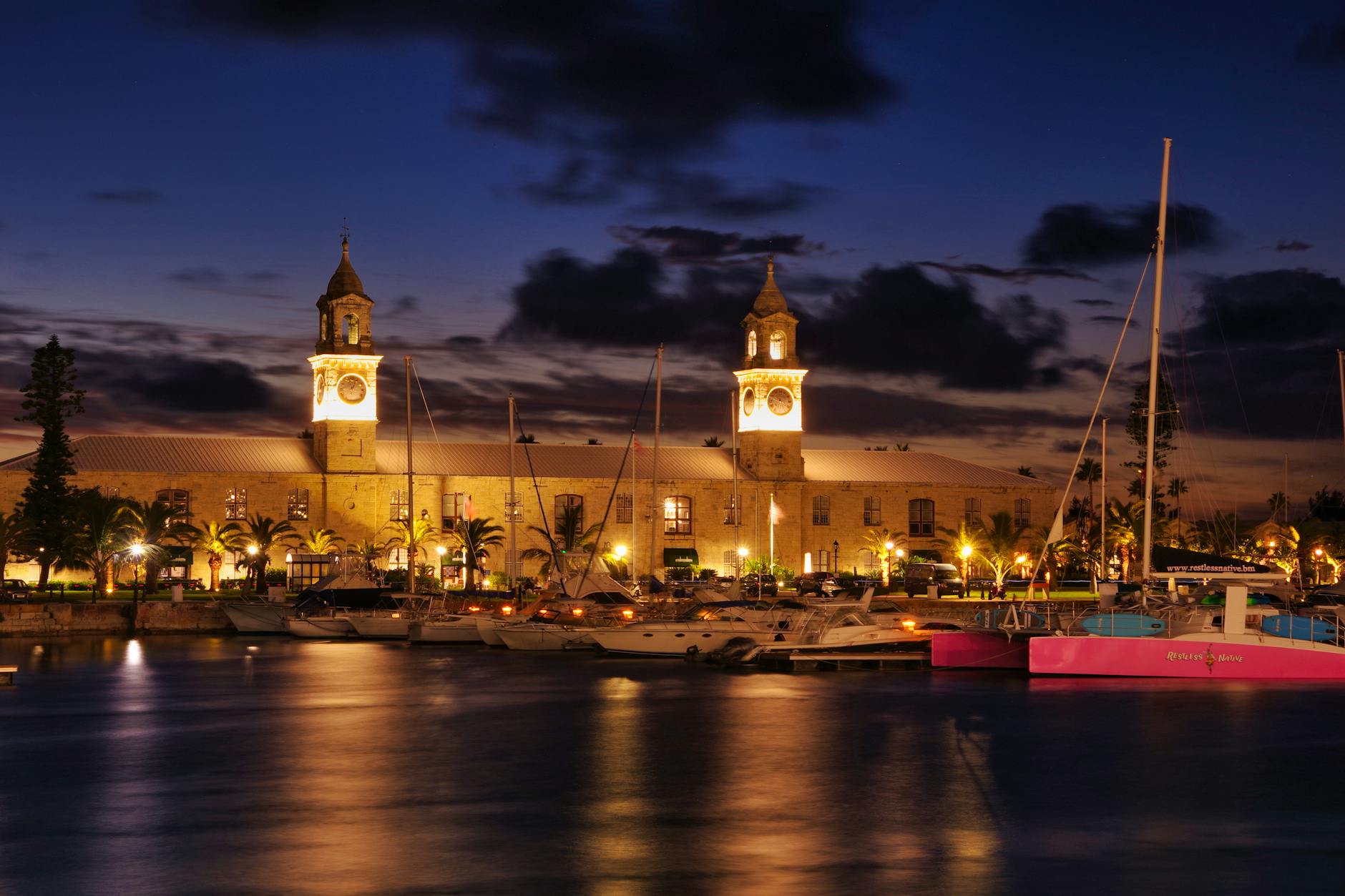
The only capital in the Caribbean with a UNESCO-listed garrison and a chattel house district where the architecture of slavery quietly became the architecture of freedom.
Where Captain John Powell scratched 'James K. of E. and of this island' into a tree in 1627, and where the west coast's coral-stone boutiques and calm turquoise water now make that violent founding almost easy to forget.
On Friday nights the grill smoke from this fishing town gets into your clothes and stays there — flying fish, cold Banks beer, and a sound system that treats the car park as a concert hall.
Barbados's second town still has its Dutch-influenced double-arcaded shop fronts intact, a fish market that opens before dawn, and none of the polish that makes Holetown feel curated.
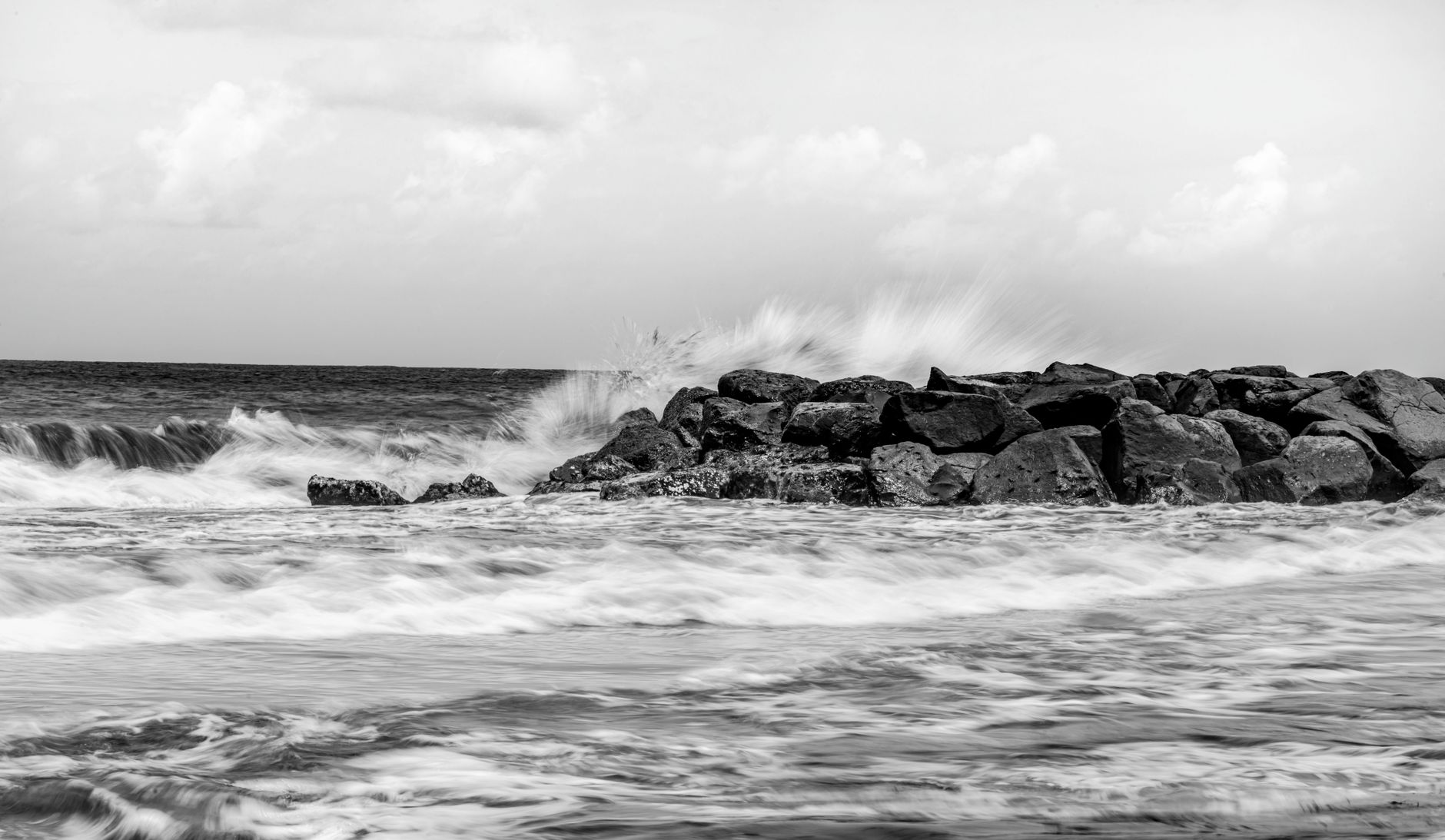
The Atlantic side delivers something the Caribbean coast never could: a wild surf break called the Soup Bowl, rusted-orange rock formations, and a light so different from the west coast it feels like another island.
A single curved road packed with rum bars, jerk stands, and beach bars where the gap between tourist strip and genuine night out narrows after midnight.
The Crane Beach sits in a natural amphitheatre of pink-tinged coral cliffs on the southeast coast — one of the few places on the island where the Atlantic and the geography conspire to produce something genuinely dramati
A scattering of chattel houses behind a beach too rough for swimming but perfect for walking, where Bajans come on Sundays to cook, argue, and ignore the view with the confidence of people who have always lived beside it
The inland signal station at 300 metres still has its 1868 military lion carved from a single coral block, and from the terrace you can see both coasts simultaneously — the geometry of the island suddenly makes sense.
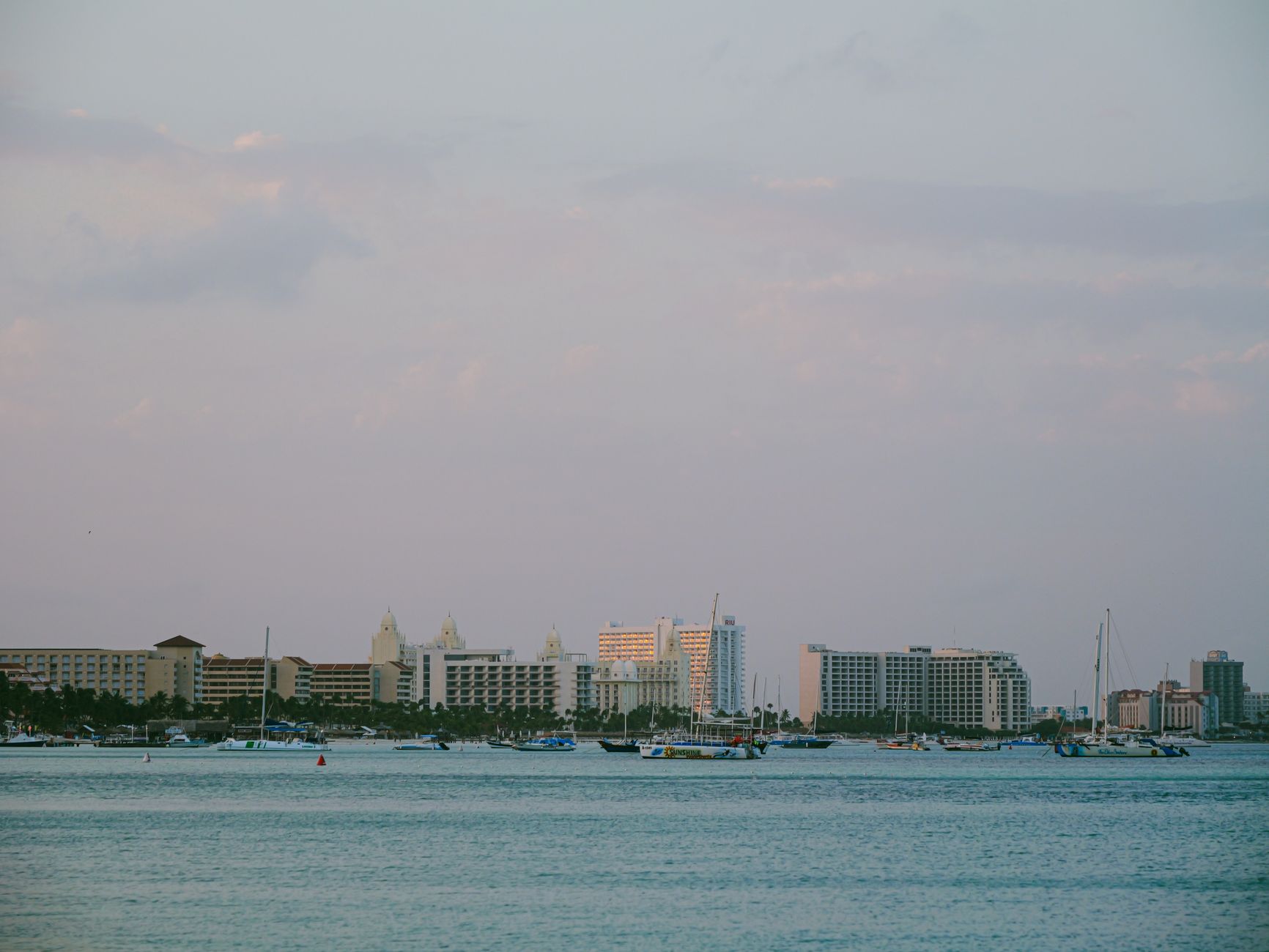
Bridgetown is where Barbados stops being an island fantasy and starts behaving like a real capital, with traffic, commerce, cricket talk, and layered colonial history. The west coast running north toward Holetown mixes calmer water with the early English story of settlement, Jewish mercantile history, and a shoreline built for long swims rather than dramatic scenery.
The south coast is practical Barbados: easy buses, busy guesthouses, takeout counters, bars, and beaches stitched close together. Oistins and Saint Lawrence Gap show two sides of that world, one rooted in fish markets and local ritual, the other in nightlife, walkable dining, and late finishes.
Bathsheba and Cattlewash face the Atlantic with no interest in pretending otherwise. The water is rougher, the light harder, and the whole coast feels carved by weather, which is exactly why many travelers remember it more vividly than the polished west side.
The inland ridge changes the island's scale. Gun Hill, Cherry Tree Hill, and Farley Hill trade beach rhythm for long views, military history, old estate country, and roads that reveal how compact Barbados really is once you leave the coast.
Speightstown is quieter than Bridgetown and more revealing for it, with older commercial bones and a slower daily pace. Push farther into Morgan Lewis and the north and you get windmill country, dramatic coastline, and a version of Barbados that feels older, leaner, and less curated.
Barbados turns Atlantic exposure into political nerve, from the first settlers to the quiet end of monarchy.
Seafaring communities from the Orinoco world arrive by canoe, bringing ceramics, cultivation, and a maritime culture attuned to the Atlantic edge. Barbados enters human history not as an afterthought, but as a daring crossing point.
A Portuguese navigator records the island as Os Barbados, "the bearded ones," after the hanging roots of fig trees. The name lasts; the vanished Indigenous communities do not appear in the European naming story.
Captain John Powell's expedition lands at what becomes Holetown and claims the island for the English Crown. The colony begins with settlers, enslaved Africans, and the fiction of empty land.
Royalist exile Richard Ligon comes to Barbados and observes plantation life with unusual detail. His later book captures the colony's food, manners, wealth, and the brutal contradictions of slavery.
As the English Civil War spills into the Caribbean, Parliament sends Admiral George Ayscue to force submission. Barbados, loyal to the royalist cause, discovers how political principle changes under naval pressure.
The Charter of Barbados is agreed after siege and negotiation, limiting taxation without local consent. This small colonial settlement stakes an early claim to constitutional self-government.
After upheaval in Dutch Brazil, Sephardic Jewish settlers and other refugees bring technical knowledge crucial to sugar refining. Barbados begins its transformation into a sugar powerhouse.
Jewish life in Bridgetown becomes one of the most enduring in the Atlantic world, later centered on Nidhe Israel. The story of sugar in Barbados is also a story of exile, finance, and skilled migration.
After the failed rebellion against James II, many defeated rebels are sentenced to servitude in Barbados. The island absorbs another layer of coerced labor into an already violent social order.
Richard Steele publishes the tale of Inkle and Yarico, fixing Barbados in the European moral imagination as a place where profit could consume love. The story endures because it exposes a truth the plantation world preferred not to name.
A major slave uprising shakes Barbados, setting plantations alight and terrifying the ruling class. Suppressed with force, it still marks one of the decisive blows against the legitimacy of slavery on the island.
Slavery is abolished in the British Empire, though apprenticeship and planter power blunt the promise of freedom. In Barbados, liberty arrives in law before it arrives in equal daily life.
Sarah Ann Gill becomes a symbol of religious conviction and Black civic determination after repeated attacks on Methodist worship. Her story shows that nineteenth-century Barbados was fought over in chapels as well as fields.
Economic anger erupts into protests and labor agitation, exposing the fragility of the old order. Modern mass politics in Barbados begins when workers insist that stability without justice is no stability at all.
Barbados expands the franchise and alters the political ground permanently. The island's public life becomes harder to control from above once ordinary citizens can decisively shape it.
Under Errol Barrow's leadership, Barbados becomes an independent state on 30 November 1966. The break from Britain is achieved with remarkable constitutional calm, but the significance is immense.
Barrow embodies the new state's confidence: practical, articulate, and impatient with colonial tutelage. He gives independence administrative muscle, not just ceremonial form.
Born in Saint Michael and raised in Bridgetown, Rihanna will later become Barbados's most globally visible cultural figure. Her fame adds a modern layer to the island's identity without replacing its deeper histories.
Bridgetown and the old military Garrison are inscribed on the World Heritage List, recognizing the island's colonial urban fabric and strategic Atlantic role. The honor fixes local streets and stonework inside a global story.
Barbados removes the British monarch as head of state and enters republican status on 30 November 2021. The gesture is historically weighty, yet carried out in the island's characteristic measured style.
Before the Plantations
Pedro a Campos gave Barbados its name, but the more haunting figures are the unnamed canoe navigators who found the island first and vanished from its official story.
A canoe noses through Atlantic chop, loaded with pottery, cassava cuttings, and people who know how to read currents better than most Europeans would a thousand years later. The first communities reached Barbados from the Orinoco world around the fourth century, making landfall on the eastern edge of the Caribbean arc. That matters. This was not a forgotten rock at sea, but a threshold.
Ce que l'on ignore souvent, c'est que Barbados was once a departure point as much as a destination. The Saladoid-Arawak settlers brought ceramics, cultivation, and a maritime intelligence that still feels astonishing when you look at a map and see how exposed this island is to the Atlantic. Long before Bridgetown or Holetown, the sea was already the great road.
Then comes one of history's bleak silences. By the early sixteenth century, Iberian slave raiding had stripped the island of its remaining Indigenous population, leaving behind an emptiness that later colonists mistook for innocence rather than violence. When the Portuguese navigator Pedro a Campos stopped here in 1536, he named the place Os Barbados, "the bearded ones," after the hanging roots of the fig trees, not after any bearded men at all.
So the island entered European records through a botanical misunderstanding and an absence. Forest first, conquest after. That silence, in a grim way, prepared the stage for everything that followed: an island apparently empty, strategically placed, and ready to be claimed by whoever arrived with a cross, a charter, and armed men.
Barbados may be one of the few countries whose name comes from tree roots hanging like old prophets' beards.
English Foothold and Colonial Bargains
Richard Ligon, ruined royalist and reluctant observer, recorded Barbados so vividly that his prison-written book still gives the colony a human face.
On 17 February 1627, English settlers came ashore at what became Holetown, carrying ambition, confusion, and the usual imperial certainty. They planted a cross, carved a claim for King James into a tree, and began the business of possession as if the island had been waiting politely for them. It had not. It had been emptied.
The first years were less triumphant than later myth preferred. Tobacco, cotton, and indigo disappointed; the terrain resisted easy fortune; the colony lurched rather than flourished. Yet the social order hardened quickly, and enslaved Africans were present from the beginning, woven into the island's English foundation not as a later aberration but as part of the original design.
Then civil war in England turned Barbados into something more dramatic: a royalist outpost in tropical light. While Parliament and Crown tore at each other across the Atlantic, the planters here backed the king and styled themselves defenders of old loyalties. One can almost picture the scene in a plantation great house: shutters open to the heat, tempers rising, men in linen arguing constitutional principle with sugar still not paying the bills.
Cromwell answered with ships. After blockade, pressure, and prolonged negotiation, the island's elites signed the Articles of Agreement in January 1652, often called the Charter of Barbados. Ce que l'on ignore souvent, c'est how early this text insisted that taxes required the consent of the local assembly. A small island under naval threat had stumbled into a constitutional argument that would echo far beyond Holetown and Bridgetown.
One of the island's foundational texts was shaped in the shadow of warships, not in London but in a plantation society bargaining for its own privileges.
The Sugar Kingdom
Bussa stands in bronze today, but behind the monument was a man caught inside plantation discipline who became the name of a collective refusal.
Imagine Bridgetown in the late seventeenth century: barrels, mud, heat, ledgers, the sting of molasses in the air, and fortunes being made fast enough to make men believe Providence approved of them. Barbados found its engine in sugar, and sugar remade everything. Estates spread, mills turned, and the island became one of the richest colonies in the English Atlantic. Richest for whom is the only question that matters.
Ce que l'on ignore souvent, c'est that refugee knowledge helped build this wealth. Sephardic Jews driven from Dutch Brazil brought hard technical expertise in sugar cultivation and refining, and their community established Nidhe Israel in Bridgetown, still one of the oldest synagogues in the hemisphere. Behind the plantation fantasy stood chemists, traders, enslaved laborers, financiers, and people who knew how to boil cane juice to the right point before it burned.
And then the bargain with the devil showed its full face. Barbados became densely plantation-run and brutally slave-based, its prosperity measured in export figures and human misery. Richard Ligon wrote of meals and manners; he also recorded, almost by accident, the moral obscenity at the center of the system, including the plea of an enslaved man who hoped baptism might lead to freedom and learned it would not.
The island entered European imagination through stories that were half scandal, half sermon. One of them, the tale of Inkle and Yarico, was fixed in print in 1711 but rooted in Barbados's slave market culture: a man saved by a woman, then selling her for profit in Bridgetown. Whether every detail was polished by moralists matters less than why the story endured. People recognized the truth of it.
By the time Bussa's Rebellion erupted in 1816, the old order was already afraid. Flame, panic, reprisals, and the terrifying clarity that enslaved Barbadians would no longer carry the system in silence pushed the island toward a new age. Emancipation in 1834 did not end exploitation. It ended the legal fiction that bondage could last forever.
At one point Barbados was so saturated with sugar wealth that small planters vanished, estates consolidated, and the island began to look less like a colony than a machine.
From Emancipation to Nationhood
Sarah Ann Gill was no minister and no governor, just a woman of faith and iron nerve who kept forcing colonial Barbados to show its face.
Freedom arrived in law before it arrived in daily life. After 1834, apprenticeship schemes, low wages, and planter power kept much of the old hierarchy intact, merely dressed in cleaner language. Yet Barbados also produced one of those stubborn nineteenth-century heroines history ought to place at the front of the room: Sarah Ann Gill, a Black Methodist who kept rebuilding her chapel after colonial authorities and local hostility tried to crush it.
Her story tells you something essential about Barbados. This was not only an island of governors and merchants, but of schoolrooms, chapels, newspapers, and ordinary people insisting on dignity in public. Ce que l'on ignore souvent, c'est how much religious and civic life trained Barbadians for politics: public speaking, mutual aid, disciplined organization, memory.
By the 1930s, economic hardship and labor unrest broke the old calm. Workers marched, organized, and forced the island's leadership to reckon with a society that could no longer be run as if deference were a natural resource. Out of that pressure rose figures such as Grantley Adams and, soon after, Errol Barrow, each carrying a different chapter of statecraft.
Barrow, sharper edged and less patient with colonial choreography, pushed Barbados toward full independence in 1966. The island that had once argued with Cromwell over taxation now claimed its own place among nations. The constitutional instinct remained. Only the master changed.
Gill's chapel was demolished more than once, and she simply raised it again, an act of persistence more political than many speeches.
Independence and the Republic
Errol Barrow gave independence its political architecture; the republic completed a constitutional journey he would have understood immediately.
On independence day in 1966, the flag changed, but the deeper transformation lay in tone. Barbados did not perform revolution with drums and barricades; it preferred competence, institutions, and an almost defiant seriousness about public life. Schools, roads, diplomacy, and law mattered here. One sees it in Bridgetown, where empire's old facades now belong to a country that learned to inherit without kneeling.
Ce que l'on ignore souvent, c'est that modern Barbados has remained intensely visible in the imagination of the wider world while fiercely protecting its own scale. Tourism grew, certainly, and so did the glamour of the west coast around Holetown and the social rituals of Oistins, but the island also kept producing statesmen, writers, athletes, and artists who carried Bajan cadence abroad without sanding it down.
No modern figure made that contrast more vivid than Rihanna, born in Saint Michael and raised in Bridgetown before becoming a global celebrity. Her story is not the whole island, obviously. It is, however, a useful reminder that Barbados can look impeccably composed and still produce immense force.
In 2021, the country became a republic, removing the British monarch as head of state. For a writer with a weakness for crowns, one must admit the scene had elegance: no melodrama, no smashed symbols, just a sovereign country quietly closing a very long chapter. And that chapter leads back to the beginning, because Barbados has always been skilled at doing momentous things in a measured voice.
Barbados left the monarchy in 2021 with the same restrained precision that has long been one of its signatures: historic, yes, but almost matter-of-fact.
In Barbados, speech begins with respect. You say good morning before you ask for the bus, the bank, the fish cutter, the way back to Bridgetown. The order matters. Grammar is never innocent.
Standard English runs the counters, classrooms, radio bulletins, and official life. Then the guard drops and Bajan enters with speed, wit, and a sideways elegance that says twice as much in half the space. "Wa gine on?" is not small talk. It is a weather report for the soul.
Listen long enough in Oistins or Speightstown and you hear a whole social code made of compression. "Wunna" gathers a crowd into one word. "Cheese on bread" turns surprise into theatre. A small island teaches economy: too many words are a form of vanity.
Barbados thinks through food. Cou-cou and flying fish prove it better than any anthem could: cornmeal and okra worked into silk, fish seasoned with thyme, onion, tomato, garlic, pepper, then broken with a fork into balanced bites of sea and starch. A country is a table set for strangers.
The island's real eloquence may be salt bread. Put two fish cakes inside and you have bread and two, the breakfast of people who refuse sentimental mornings. Build a cutter with flying fish and pepper sauce and the lesson continues: bend forward, accept the drip, preserve your shirt if fortune allows.
Saturday belongs to pudding and souse with the force of liturgy. Friday night belongs to smoke in Oistins, where grilled fish perfumes your hair and clothes long after the meal has ended, as if the island had signed you in salt. Even macaroni pie, that colonial inheritance, arrives not as side dish but as doctrine.
The manners in Barbados are exact. Not stiff. Exact. People greet, wait their turn, stand properly, dress with intention, and notice at once when you move through the day as if other humans were furniture.
That surface correctness hides a quick intelligence. Bajans can be warm without dissolving into syrup, amused without smiling, severe without raising the voice. The result unsettles travelers trained to trust only noisy friendliness. They mistake composure for distance. They are wrong.
Spend an hour in a rum shop near Holetown or on a pavement in Bridgetown and you learn the local miracle: formality and mischief live in the same sentence. Courtesy opens the door. Side-eye does the decorating.
Music in Barbados does not ask permission to organize the body. The island's cultural frame includes calypso heritage, but the more revealing fact is social: rhythm here belongs to public life, not to the special occasion. It leaks out of cars, bars, fish fries, cricket talk, election season, and any patch of shade where people have decided to remain a little longer.
At Oistins on Friday, the grills smoke, the bass carries, and conversation learns to move in sync without surrendering a syllable. Nobody performs enjoyment for your benefit. That is the charm. Pleasure here has discipline.
The songs carry satire well. So do the people. An island that prizes wit was never going to make decorative music; it prefers rhythm with a point, rhythm that nudges, mocks, remembers, and keeps dancing anyway.
Barbados is a small island with a large archive of power. In Bridgetown, the old mercantile core still remembers shipping, sale, worship, and law; Broad Street once held the slave market, which is enough to make every handsome facade morally complicated. Beauty with a ledger behind it always looks different.
Then another layer appears. The Nidhe Israel Synagogue in Bridgetown, one of the oldest in the Western Hemisphere, keeps the memory of Sephardic Jews who brought sugar knowledge after the Dutch loss of Recife in 1654. Technique travels. Wealth follows. History rarely bothers to hide the mechanism.
Elsewhere, the island's structures keep practical company with the wind and cane. At Morgan Lewis, the windmill still stands like an argument in stone and timber. Up at Cherry Tree Hill and Gun Hill, the land reveals how compact the whole drama is: sea, plantation logic, church spire, road, village, all pressed into 439 square kilometers of consequence.
Barbados has the odd gift of being arranged and unruly at once. Roads, school uniforms, cricket etiquette, polished shoes, proper greetings: all this suggests a society that distrusts slackness. Then the Atlantic hits the east coast at Bathsheba and Cattlewash with such violence that the island seems to remember it is made of weather.
That contradiction feels less like conflict than method. Order is not the enemy of pleasure here; it is what makes pleasure legible. Rum tastes better after discipline. A lime means more when nobody pretends idleness is productive. Leisure, on this island, has standards.
Perhaps that is the Bajan trick. Form without dryness. Wit without cruelty. Self-respect without pomp. It sounds simple. Nothing important ever is.
Bussa is remembered as the name attached to the great Barbadian revolt against slavery in 1816, but the real drama lies in the collective courage around him. His afterlife is larger than the archive: a man partly obscured by records, yet central to how Barbados remembers refusal.
Sarah Ann Gill kept rebuilding her Methodist chapel after authorities and hostile elites tried to silence her, turning faith into a public act of resistance. Barbados honors her not because she held office, but because she showed how moral stubbornness can outlast respectable power.
Grantley Adams emerged when labor unrest forced Barbados to confront the social costs of plantation society's long shadow. He spoke the language of institutions, negotiation, and law, helping move the island from oligarchic habit toward modern politics.
Errol Barrow gave Barbados its independent political form and did it with brisk intelligence rather than theatrical nationalism. He belongs to that rare class of postcolonial leaders who understood that schools, transport, and constitutional self-respect are more durable than slogans.
Before the world learned her first name as a brand, she was a girl from Bridgetown with a voice, an accent, and a self-possession Barbados never had to teach twice. Her global fame turned attention back toward the island, though Bajans tend to admire just as much the fact that she still sounds like where she comes from.
Sobers made cricket look both aristocratic and mischievous, which is a very Barbadian combination. On an island where the game long carried class, empire, and neighborhood pride all at once, he became the player who seemed to master every version of it.
Brathwaite refused the polished colonial English that once passed for seriousness and pulled Barbados's rhythms, wounds, and memory into literature. His work gave the island not brochure language, but a voice capacious enough for slavery, sea, and survival.
Ligon was no hero, but he was useful in the way compromised witnesses often are. Ruined, observant, and morally inconsistent, he left a portrait of early Barbados full of food, hierarchy, vanity, and passing glimpses of the enslaved people whose labor sustained the colony.
Pedro a Campos occupies a strange place in Barbadian memory because his lasting contribution was a name born from vegetation. He saw fig roots hanging like beards and gave the island the word that endured, though not the people who had reached it long before him.
This is the compact Barbados trip for people who want the island to make sense fast. Start in Bridgetown for the urban backbone, move west to Holetown for calmer beach time, then finish in Oistins where grilled fish and Friday-night smoke say more about modern Barbados than any brochure ever will.
This route trades polished resort rhythm for wind, surf, old sugar-country views, and quieter streets. Bathsheba and Cattlewash give you the island's rougher Atlantic face, Morgan Lewis adds one of the sharpest historical anchors, and Speightstown closes the week with a slower, older west-coast townscape.
This route works well if you want beaches, viewpoints, and enough inland detours to avoid spending ten days on the same stretch of sand. Saint Lawrence Gap gives you the busy south-coast base, Crane opens the southeast, and Gun Hill and Cherry Tree Hill pull you inland before Farley Hill delivers one of the island's grandest ruined settings.
Two weeks is enough time to see how different Barbados feels from coast to coast. Begin in Holetown, cut inland through Gun Hill, swing east to Bathsheba, head north to Speightstown, then slow down in Oistins; each stop shifts the mood, and only one of them matches the postcard version people arrive with.
Fork, fish, cou-cou, pepper sauce. Lunch with family, Sunday with ceremony, any day with appetite.
Salt bread, two fish cakes, sauce. Breakfast on your feet, roadside, car hood, bus stop.
Salt bread, fried flying fish, lettuce, pepper sauce. Midday food in Bridgetown or Speightstown, one hand on lunch, one hand guarding the drip.
Saturday ritual. Cold pork, pickled lime and cucumber, sweet-potato pudding, plastic container, long line, serious loyalties.
Grilled marlin, mahi-mahi, flying fish, paper tray, beer, smoke. Night meal with friends, cousins, strangers at the next table.
Baked beside fish or chicken, never apologizing for starch. Sunday table, shop lunch, plate filler with authority.
Cornmeal, pumpkin, coconut, spice, banana leaf. November food, unwrapped slowly, eaten warm with fingers or spoon.







Barbados is outside the Schengen Area, so time here does not count toward a Schengen 90/180-day limit. EU, US, Canadian, UK, and Australian passports are currently visa-free for tourism, but the final length of stay is set by immigration on arrival. Travelers also need the online Immigration and Customs Form at travelform.gov.bb, available within 72 hours of departure.
The local currency is the Barbadian dollar, with the street-rate shorthand of BBD 2 to USD 1. U.S. dollars are widely accepted in Bridgetown, Holetown, Oistins, and resort areas, but change often comes back in BBD. Check bills carefully: VAT varies by sector, and many hotels and restaurants already add a 10% to 15% service charge.
Most visitors arrive through Grantley Adams International Airport (BGI) in Christ Church, about 13 km from Bridgetown. Barbados has no rail links and no practical domestic flights, so every long-haul trip starts with a plane or a cruise arrival. Nonstop routes usually come from London, Miami, New York, Charlotte, Toronto, and Caribbean hubs.
The cheap way around is the bus network: blue Transport Board buses, yellow minibuses, and white route taxis. These work well on busy corridors such as Bridgetown, Holetown, Speightstown, Oistins, and Saint Lawrence Gap. For Bathsheba, Crane, Cattlewash, or interior stops like Gun Hill and Farley Hill, a rental car or driver saves a lot of time.
Barbados has a tropical climate, and the wetter stretch generally runs from July to November. That does not mean constant rain, but it does mean heavier showers and more weather risk for tightly timed island-hopping plans. If your trip is built around beach time and road days, keep room in the schedule rather than planning every hour.
Mobile coverage is good across the main coastal belt and in built-up areas, and hotel or apartment Wi-Fi is standard in most traveler zones. Telecoms are taxed at 22% VAT, which makes local SIMs and data plans pricier than many visitors expect. If you rely on constant data for maps and taxi apps, compare roaming against a local plan before you fly.
Barbados is usually an easy island to handle, but common sense matters: keep valuables out of sight, use licensed taxis at night, and check service charges before adding tips. Roads are narrow, driving is on the left, and local driving can feel brisk if you are new to it. Beach conditions also change fast on the Atlantic side near Bathsheba and Cattlewash, where the sea looks inviting and can still be rough.
Think in twos: BBD 2 equals about USD 1. That makes menus and taxi quotes easier to judge on the spot, especially when change comes back in Barbadian dollars.
Barbados has no passenger rail system and no airport train. If you are planning transfers from BGI to Bridgetown, Holetown, or Oistins, think bus, taxi, or rental car from the start.
Many restaurants and hotels already add a 10% to 15% service charge. If it is on the bill, a small round-up is enough unless service was exceptional.
Public buses are the cheapest way to move between Bridgetown, Holetown, Speightstown, Oistins, and Saint Lawrence Gap. Once your plan includes Crane, Bathsheba, Cattlewash, or interior viewpoints, cheap turns into slow very quickly.
Rental cars make sense on trips longer than five days, especially if you want sunrise on the east coast and dinner elsewhere. Roads are narrow, driving is on the left, and most visitors need a visitor's driving permit arranged through the rental company.
Friday evening in Oistins is not the moment for improvisation if you want a specific table or a driver home. The same rule applies in peak season for popular south- and west-coast dinners.
In Barbados, a quick good morning or good afternoon still matters. Walking straight up to a counter and launching into your request reads as rude faster than many visitors expect.
Explore Barbados with a personal guide in your pocket
Audio guides for 1,100+ cities across 96 countries. History, stories, and local insight — offline ready.

Usually no, for tourist stays under six months. You still need a valid passport, proof of onward or return travel, an address for your stay, and the online Barbados Immigration and Customs Form before arrival.
No. Barbados is not in the Schengen Area, so days spent in Bridgetown or elsewhere on the island do not use up a Schengen 90/180-day allowance.
Use Barbadian dollars when you can, even though U.S. dollars are widely accepted. The common shorthand is BBD 2 to USD 1, and paying in local currency makes prices, bus fares, and small purchases easier to track.
Yes, if you stay on the main coastal corridors. Buses work well between Bridgetown, Holetown, Speightstown, Oistins, and Saint Lawrence Gap, but east-coast and interior day trips take much longer without a car or driver.
Yes, it can be. A careful traveler can manage around USD 90 to 160 per day with guesthouses, buses, and casual food, but hotel-heavy trips with taxis and excursions climb fast.
Bring both. Cards are widely accepted in hotels, many restaurants, and larger businesses, but local buses, small shops, and quick food stops are easier with cash in BBD.
The south and west coasts are the easiest. Bridgetown, Saint Lawrence Gap, Holetown, and Oistins give you the best mix of buses, food options, and simple access to beaches and day trips.
Generally yes in the main traveler areas, with normal precautions. Use licensed taxis after dark, keep valuables discreet, and pay extra attention around nightlife zones and empty beaches late at night.
Last reviewed