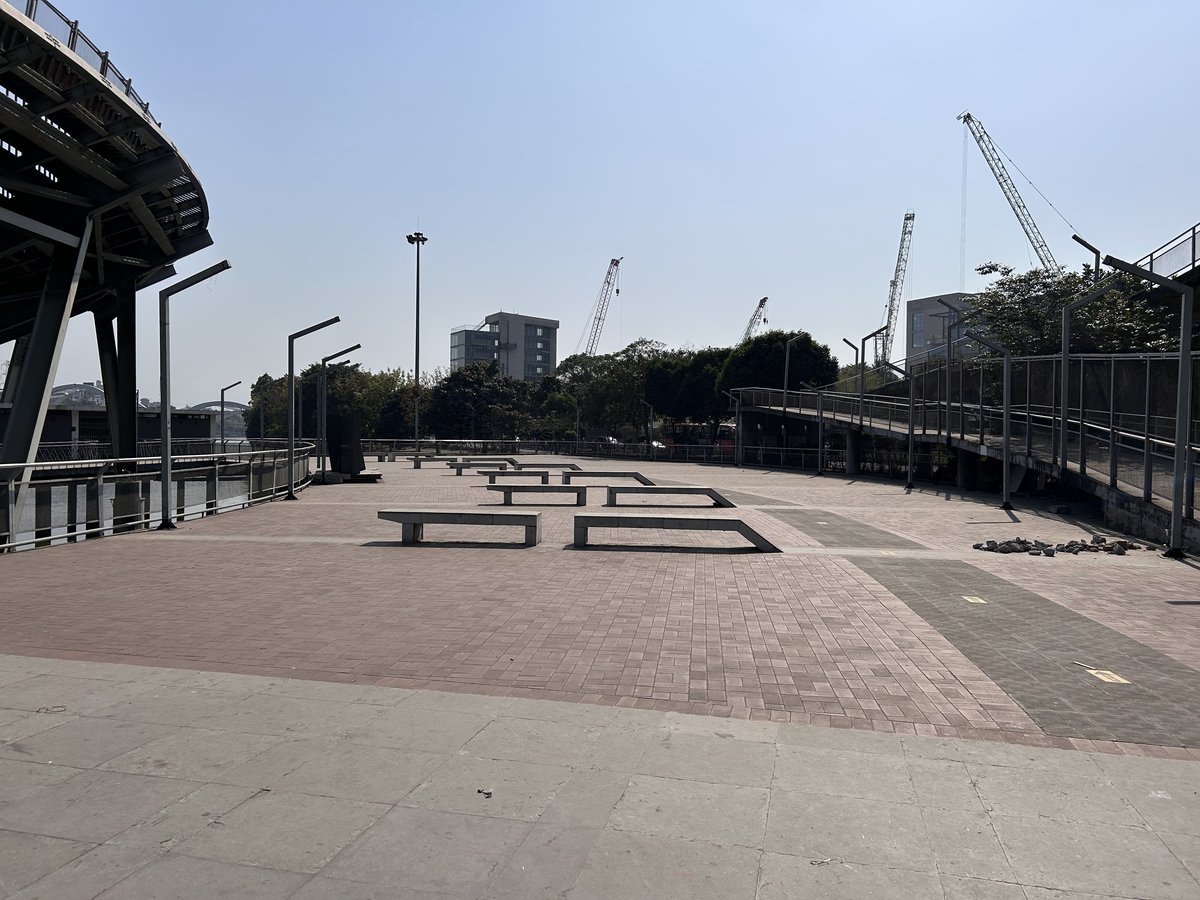
Introduction
The University of Dhaka (DU), often hailed as the "Oxford of the East," is the oldest and most prestigious university in Bangladesh. Established in 1921, DU is not only a center for academic excellence but also a living monument to Bangladesh’s rich political, cultural, and intellectual heritage. Situated in the historic Ramna area, the university's 600-acre campus features a harmonious blend of Indo-Saracenic architecture, serene green spaces, and memorials that trace the nation's journey toward independence and progress (Banglapedia; Wikipedia).
DU’s campus is a focal point for major historical events, notably the 1952 Language Movement and the 1971 Liberation War. Monuments such as the Central Shaheed Minar and the Aparajeyo Bangla sculpture serve as powerful reminders of the university’s pivotal role in shaping the nation’s identity. This guide provides comprehensive information for visitors, including campus highlights, visiting hours, ticketing, accessibility, and practical travel tips, as well as an overview of key landmarks and nearby attractions (Lonely Planet; modhutours.com).
Photo Gallery
Explore University of Dhaka in Pictures
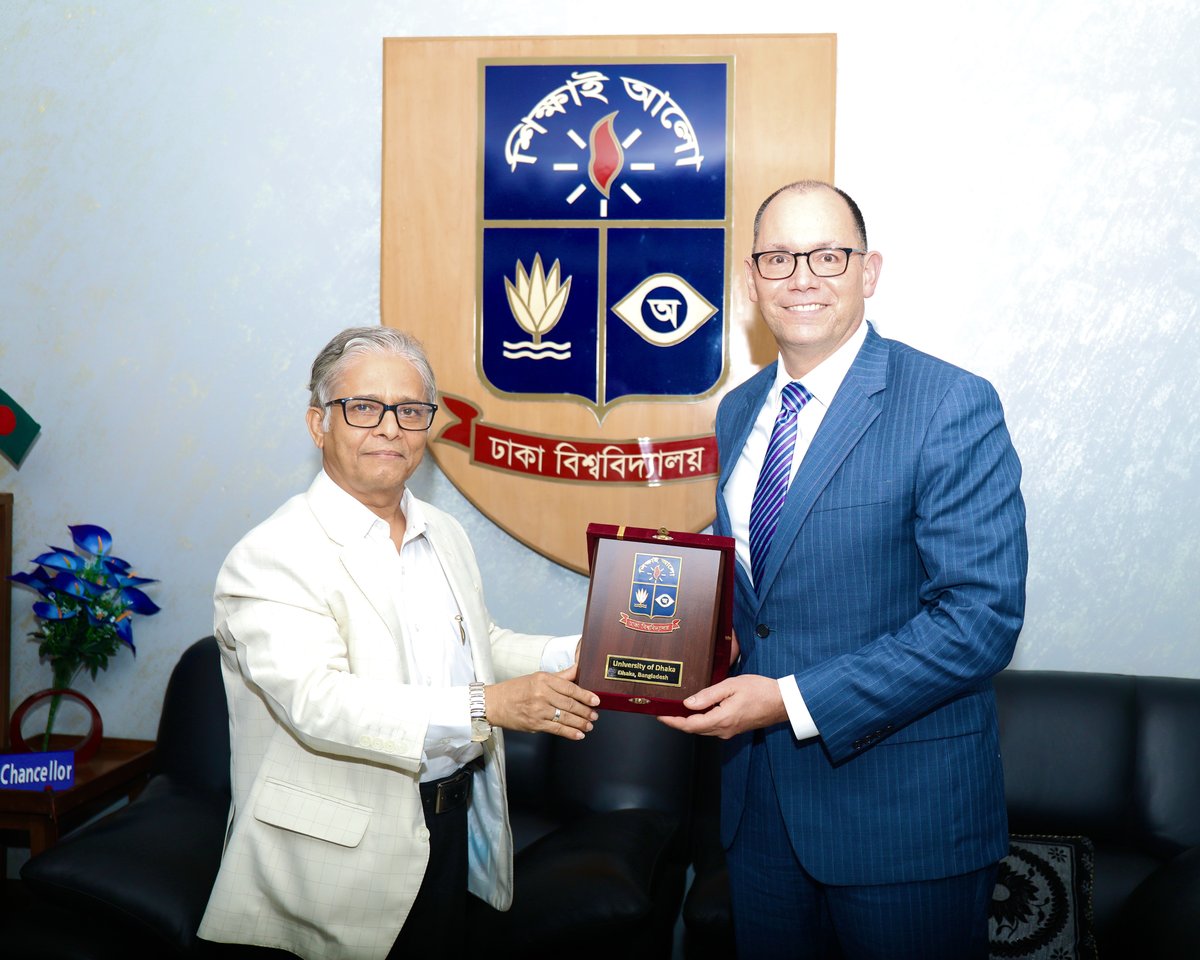
Ambassador Peter Haas speaking at the Projonmo Wave outreach event held at University of Dhaka on June 2, 2022, addressing students on societal issues in Bangladesh and worldwide
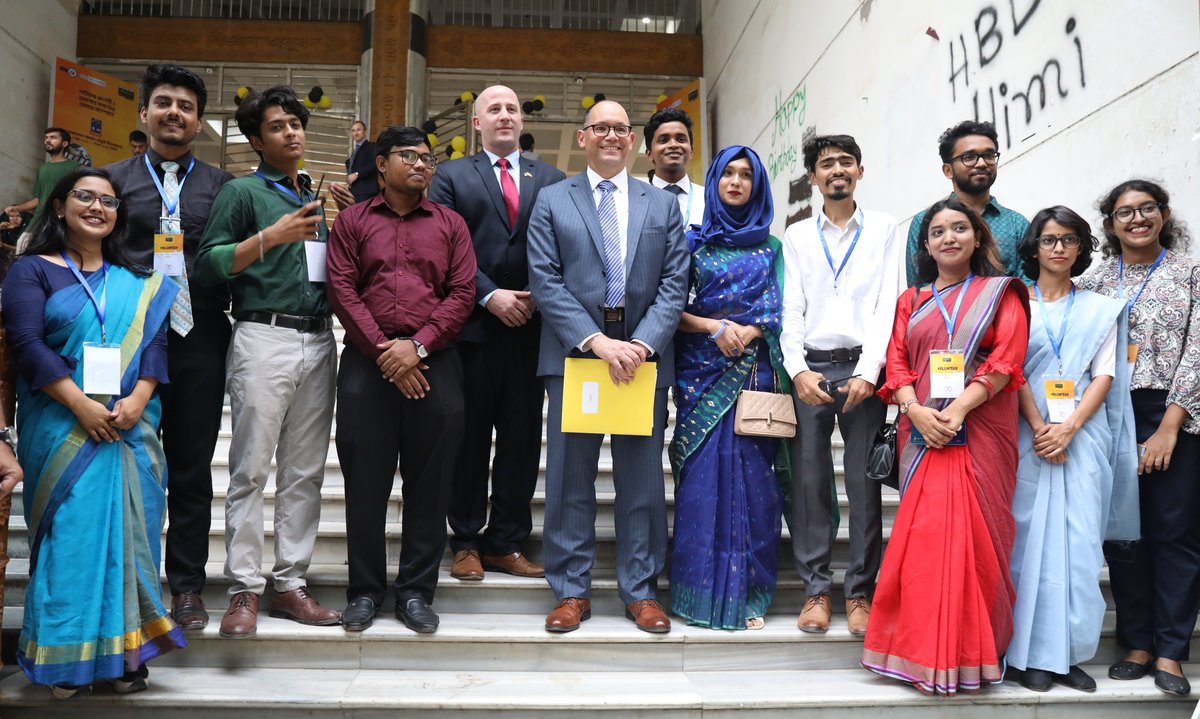
Ambassador Peter Haas attending and delivering opening remarks at the Projonmo Wave outreach event held at University of Dhaka on June 2, 2022, addressing students about societal issues in Bangladesh and globally.
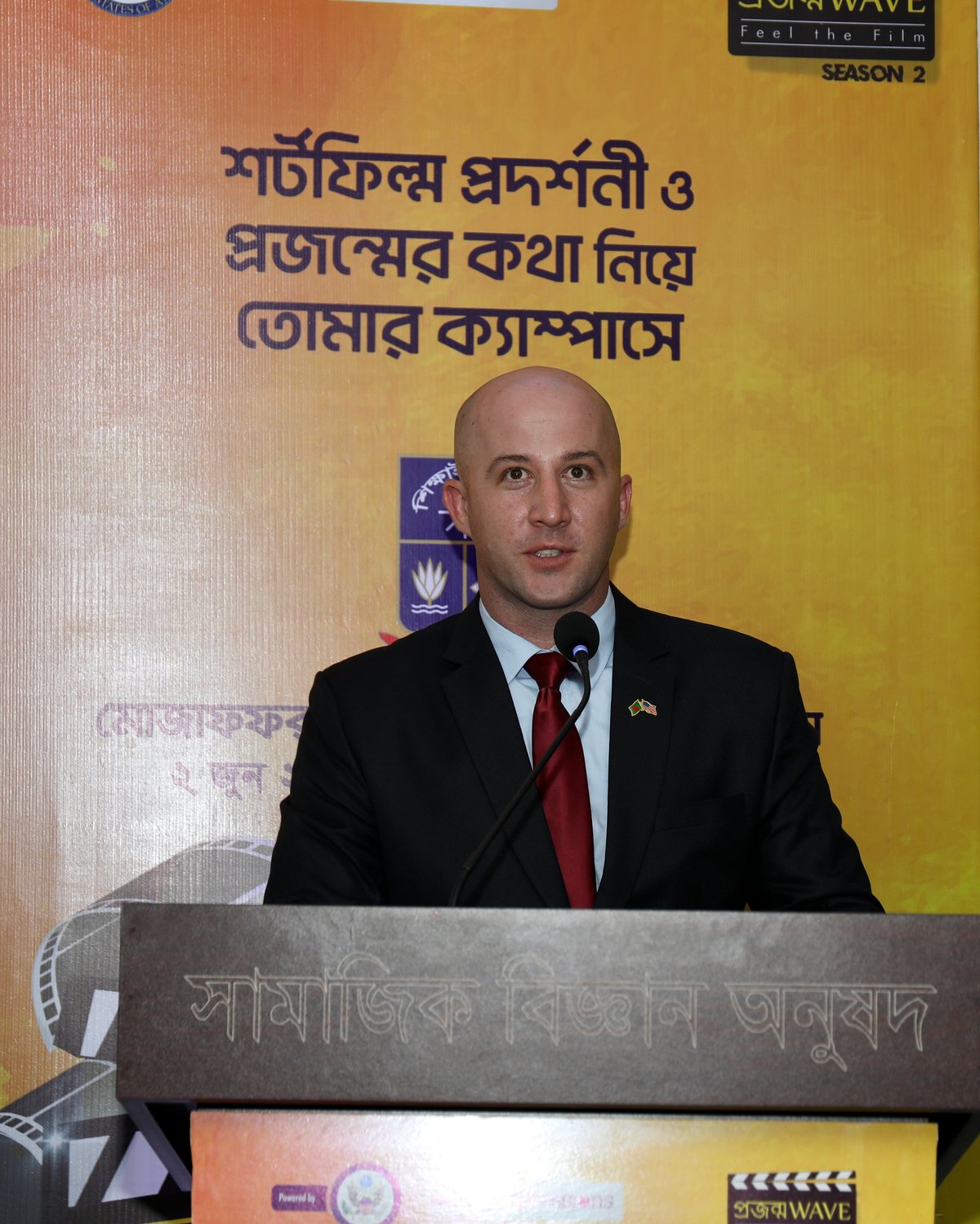
Ambassador Peter Haas speaking to students during the Projonmo Wave outreach event at University of Dhaka on June 2, 2022, discussing societal issues in Bangladesh and globally.
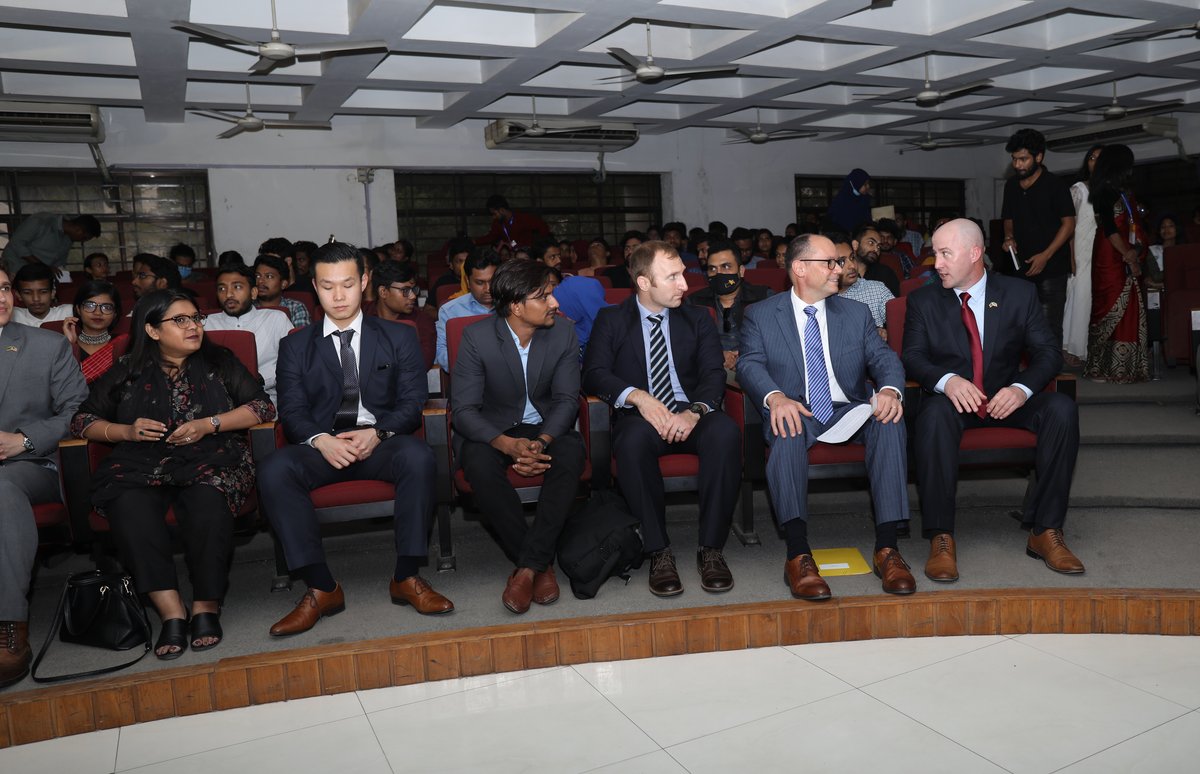
Ambassador Peter Haas attending and delivering the opening remarks at the Projonmo Wave outreach event held at the University of Dhaka on June 2, 2022, addressing students on societal topics relevant to Bangladesh and globally.
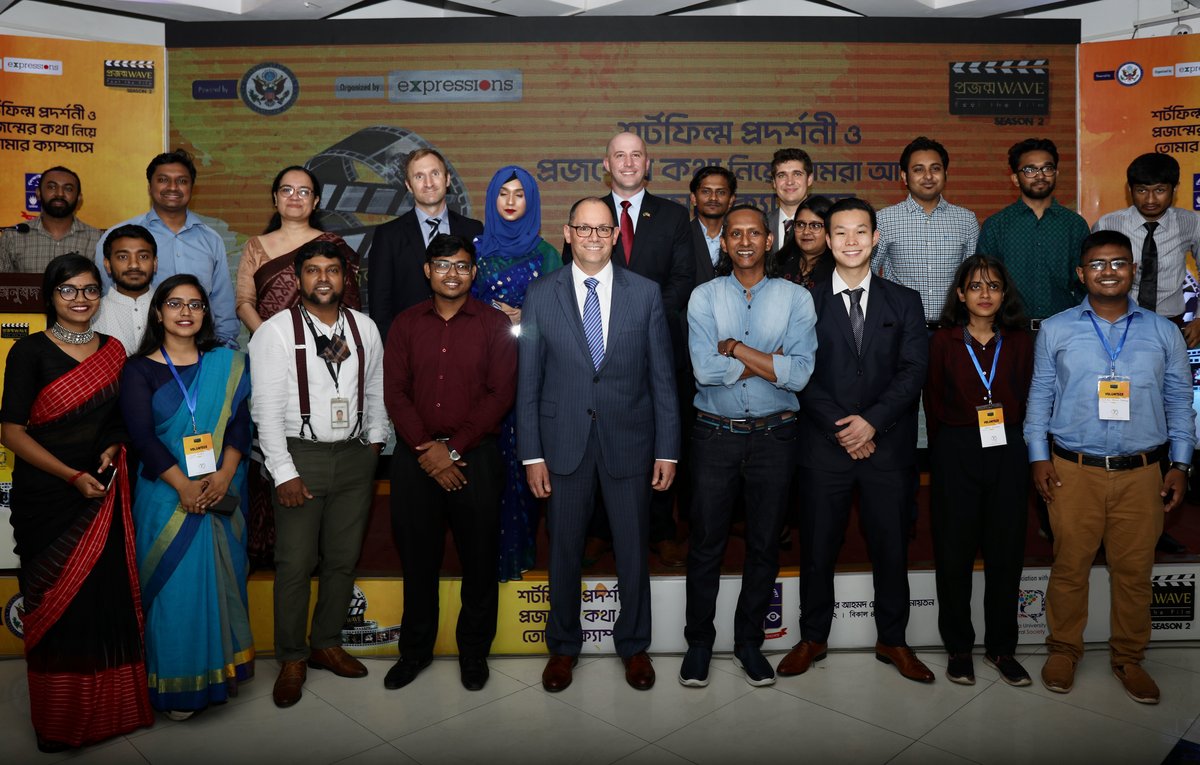
Ambassador Peter Haas speaking at the Projonmo Wave outreach event at University of Dhaka on June 2, 2022, addressing students about societal issues in Bangladesh and worldwide.
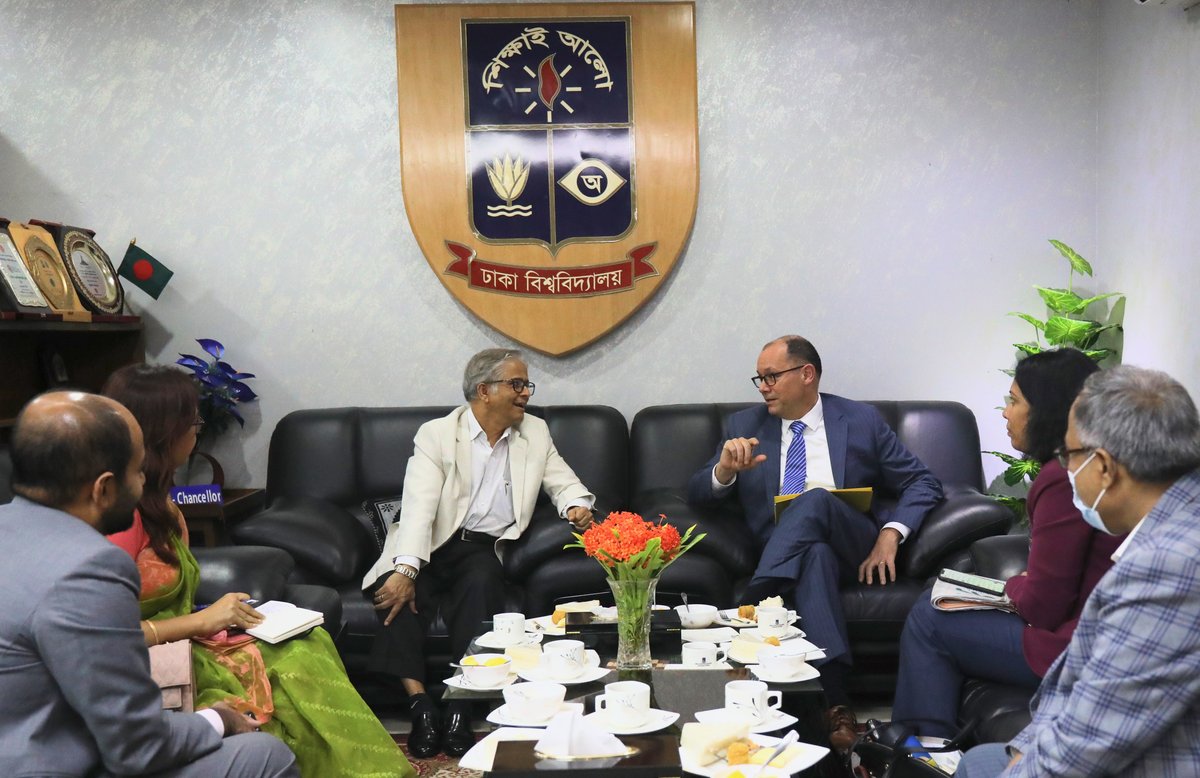
June 2, 2022, Ambassador Peter Haas delivering opening remarks at the Projonmo Wave outreach event at University of Dhaka, addressing students about contemporary societal issues in Bangladesh and globally.
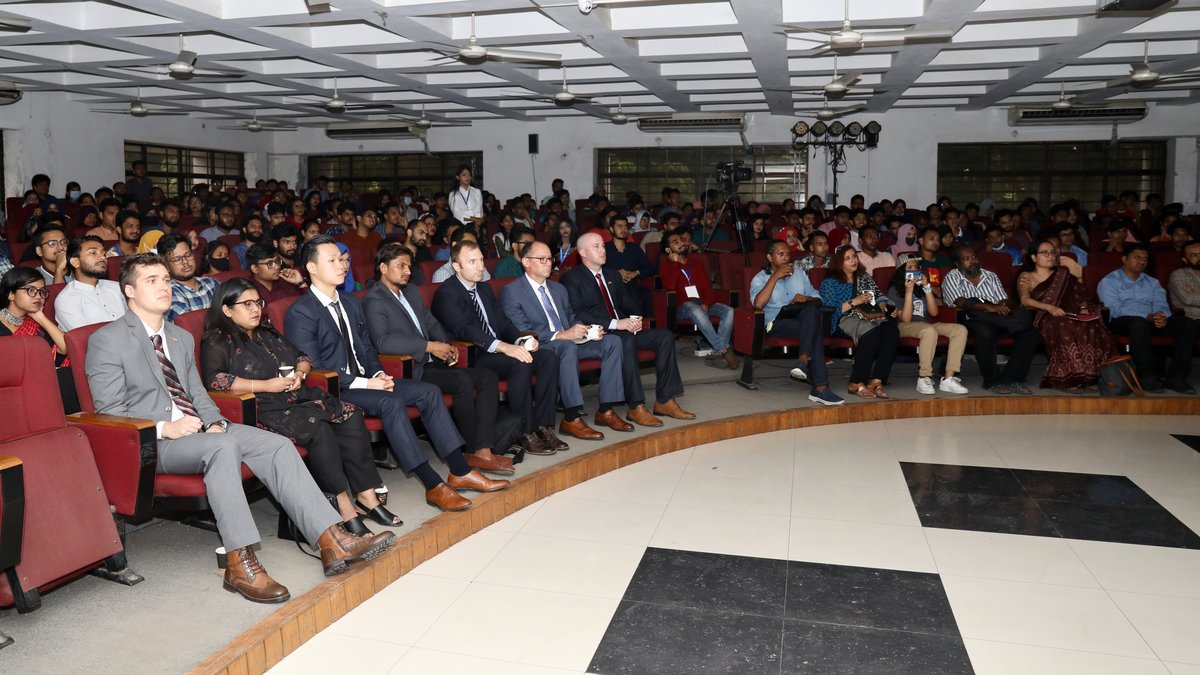
Ambassador Peter Haas addressing students during the Projonmo Wave outreach event at University of Dhaka on June 2, 2022, discussing societal issues relevant to Bangladesh and the world.

Ambassador Peter Haas speaking at the Projonmo Wave outreach event held on June 2, 2022, at University of Dhaka, addressing students about societal issues in Bangladesh and globally.
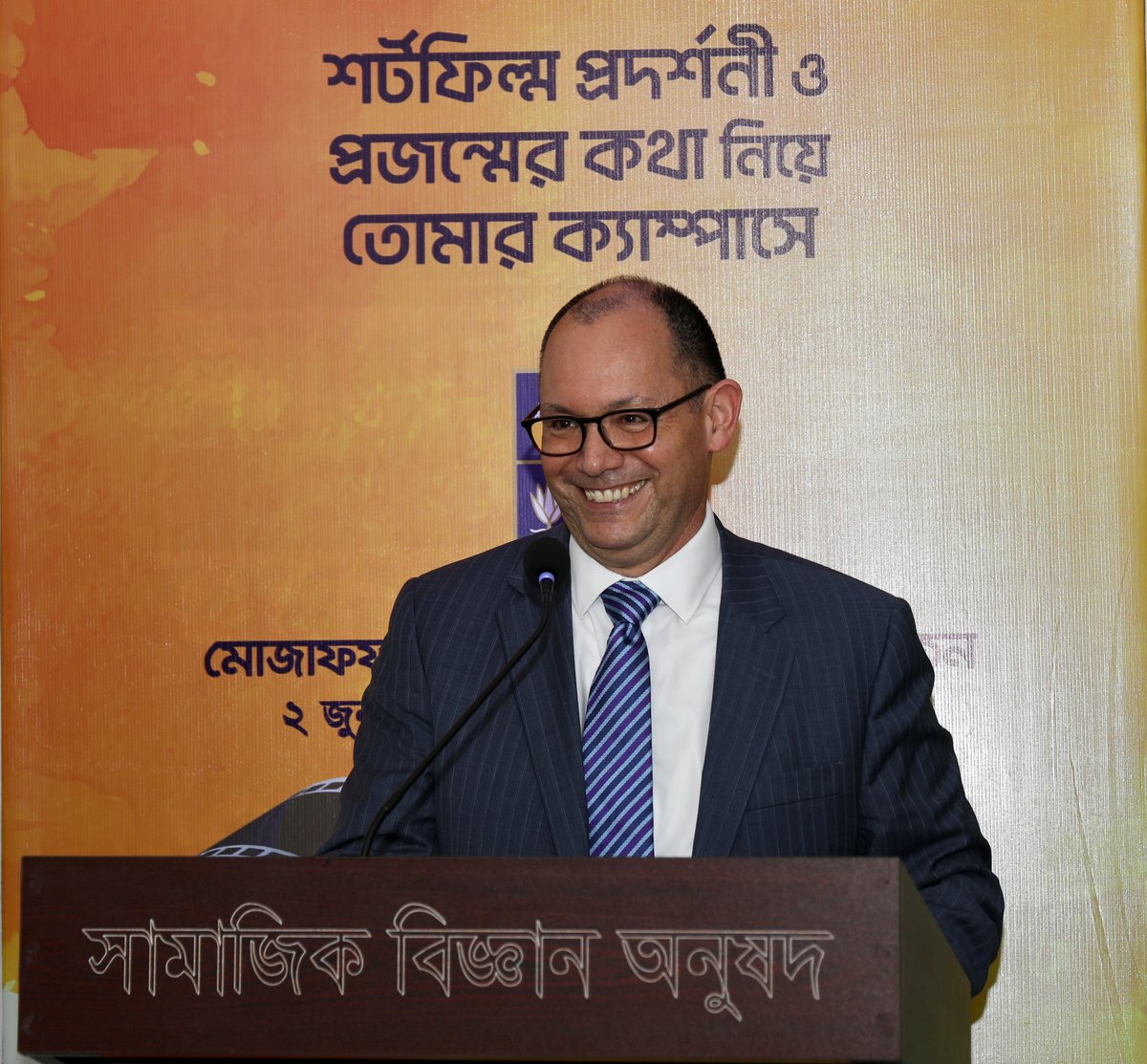
On June 2, 2022, Ambassador Peter Haas spoke at the Projonmo Wave outreach event at University of Dhaka addressing students about contemporary societal issues in Bangladesh and worldwide.
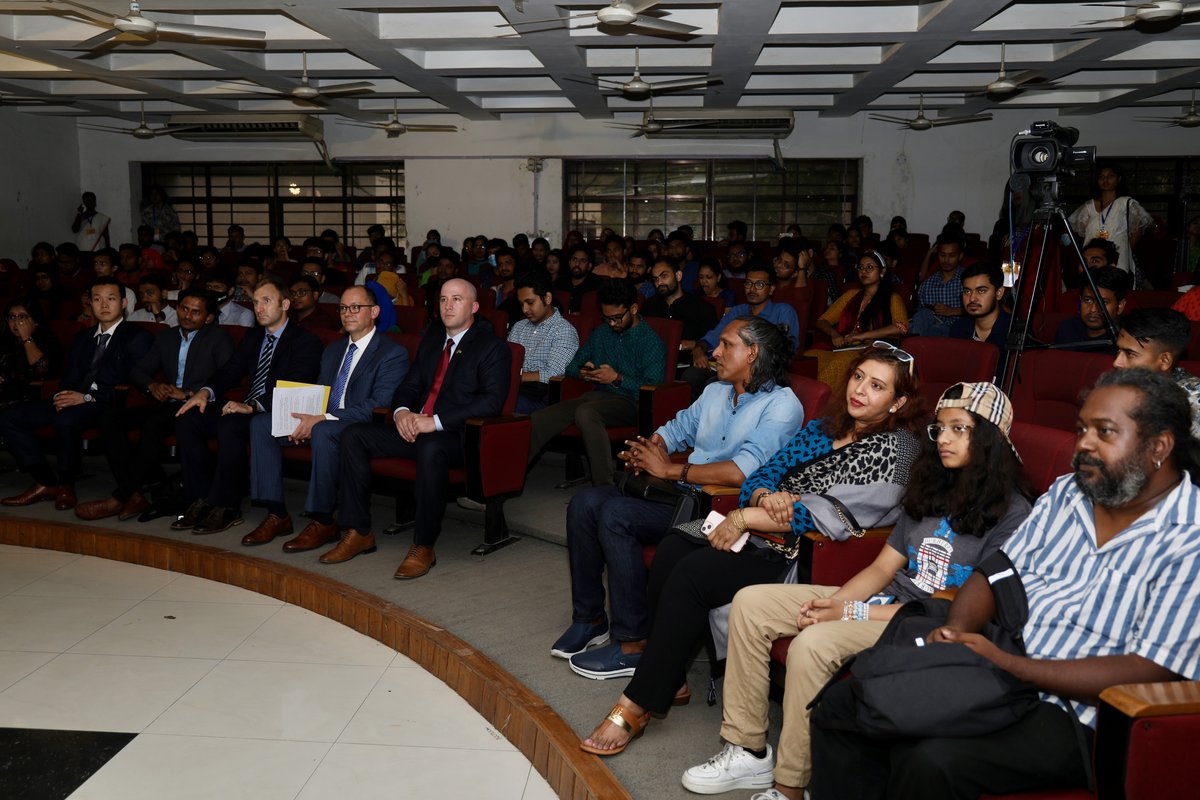
Ambassador Peter Haas speaking at Projonmo Wave outreach event at University of Dhaka on June 2, 2022, addressing students about societal topics in Bangladesh and worldwide.
Foundation and Early Development
Founded in 1921, the University of Dhaka was established to address the educational needs of East Bengal following the annulment of the 1905 Partition of Bengal. The university began with faculties of Arts, Science, and Law, and initially comprised 12 departments, 60 teachers, and 847 students (Banglapedia). The campus was set up in the Ramna area, utilizing facilities from Dhaka College, with Curzon Hall becoming the academic centerpiece (Wikipedia).
Growth and Academic Influence (1921–1947)
DU quickly emerged as a residential university renowned for its academic rigor and vibrant intellectual life. By 1947, the university had grown into a teaching-cum-affiliating institution, influencing all post-secondary education in East Bengal. It fostered a generation of scholars and leaders who would shape Bangladesh’s destiny (Banglapedia).
Role in Political and Social Movements
DU has been the cradle of Bangladesh’s major nationalist and social movements:
- Language Movement of 1952: The university was the epicenter of protests demanding the recognition of Bangla as a state language. The Central Shaheed Minar commemorates the martyrs of this movement (Wanderlog).
- Autonomy Movements of the 1960s: DU students and faculty led the fight for East Pakistan’s autonomy, paving the way for independence.
- Liberation War of 1971: The university was a site of resistance and tragedy, with many students and intellectuals targeted during the war (Banglapedia).
Post-Independence Transformation
Following independence, DU was granted autonomy under the Dacca University Order of 1973, resulting in significant expansion of academic departments and facilities. Today, the university continues to nurture leaders and innovators across all fields (DU Historical Outline).
Architectural and Cultural Heritage
Curzon Hall
Erected in 1905, Curzon Hall is the campus’s architectural crown jewel. Its Indo-Saracenic style features red brick facades, grand arches, and intricate latticework. Originally intended as a town hall, it is now home to the Faculty of Science and remains a symbol of both educational excellence and historical significance (Lonely Planet; hollymelody.com).
Arts Faculty Premises (Kola Bhaban)
Kola Bhaban is a social and cultural hub, famed for the “Aparajeyo Bangla” sculpture—an emblem of the Liberation War (ArchDaily). The Bot-tola banyan tree has provided shade for student gatherings and activism for generations.
Old High Court
A stately colonial structure north of the main campus, the Old High Court is a testament to Dhaka’s layered architectural history (Lonely Planet).
Monuments and Memorials
- Aparajeyo Bangla: This powerful sculpture depicts a farmer, a student, and a worker—symbolizing the unity and resilience of the Bangladeshi people (The Daily Star).
- Central Shaheed Minar: Commemorates the martyrs of the 1952 Language Movement.
- Martyrs’ Plaque: Honors students and faculty who were martyred during the Liberation War.
Visiting the University of Dhaka: Hours, Tickets, and Travel Tips
Visiting Hours
- General Hours: 9:00 AM to 5:00 PM, Saturday through Thursday. Some sources indicate campus gates are open from 8:00 AM to 6:00 PM, so verify with the official website before your visit.
Tickets and Entry Fees
- Entry: Free for most campus areas, including monuments such as Curzon Hall and Shaheed Minar.
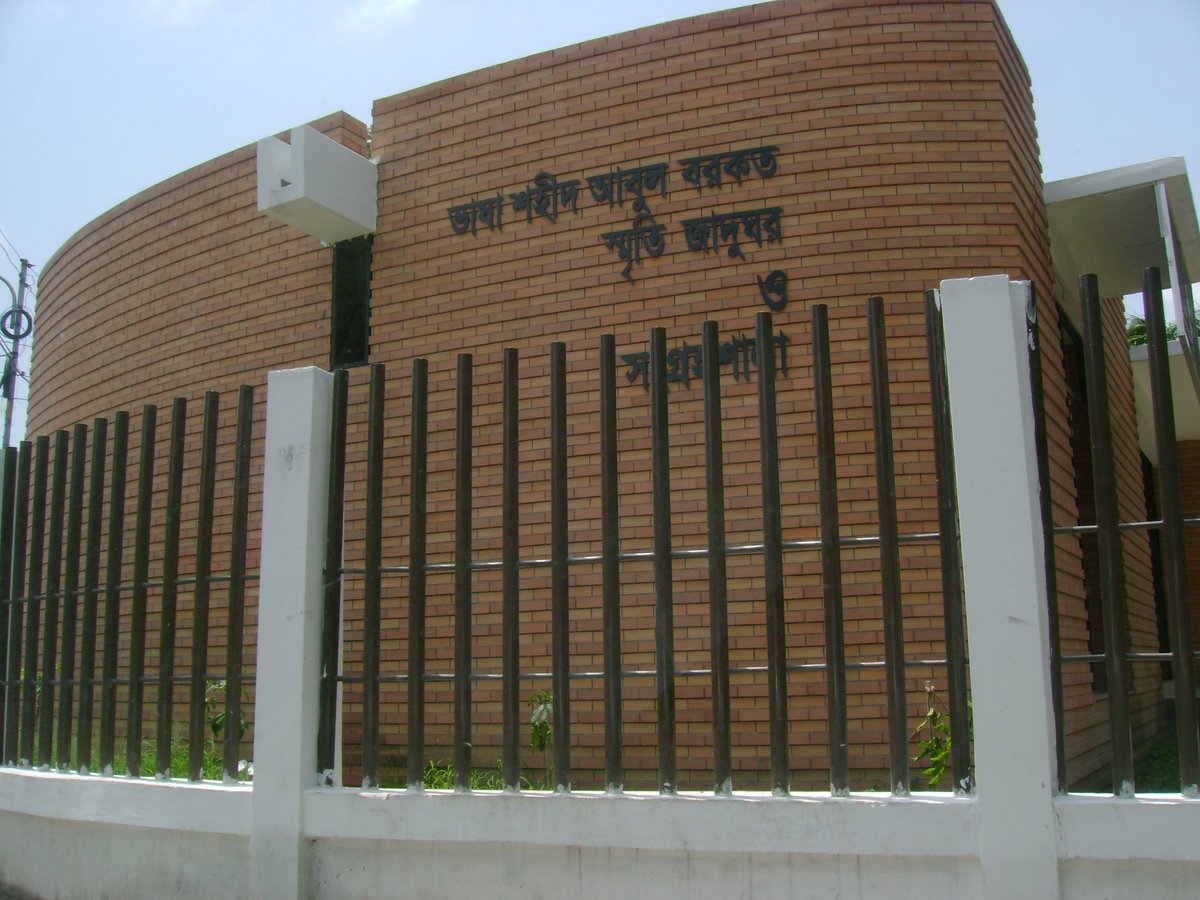
- Museums: Some, like the Shaheed Barkat Museum, may charge a nominal fee.
Accessibility
- Most academic buildings and monuments are wheelchair accessible, though some colonial-era structures may have limitations. Contact the visitor center for specific needs.
Guided Tours
- Self-guided visits are common, but guided tours can be arranged through university channels or local travel operators, especially during festivals or special events (modhutours.com).
Travel Tips
- Dress Modestly: Respect local customs, particularly during religious or national events.
- Transportation: Use public transport, rickshaws, or ride-sharing apps (Uber, Pathao) for easy access.
- Best Time to Visit: November to February for pleasant weather; national holidays like International Mother Language Day (February 21) offer unique experiences.
- Photography: Permitted in most outdoor areas. Ask permission before photographing people or entering buildings.
- Facilities: Restrooms, cafes, and bookstores are available near the TSC and main buildings.
Campus Highlights and Attractions
Teachers-Students Centre (TSC)
The heart of DU’s social and cultural life, the TSC hosts debates, exhibitions, and festivals, and offers affordable local food.
Departmental Buildings
With over 80 departments, each faculty building has its own character. The Department of Statistics, housed in Qazi Motahar Husain Bhaban, is notable for its resources and academic events (Department of Statistics).
Green Spaces and Gathering Spots
- Suhrawardi Udyan: Adjacent to the university, this park is a historic and tranquil green expanse (Lonely Planet).
- Bot-tola: The famous banyan tree, a hub for dialogue, activism, and cultural gatherings (ArchDaily).
Nearby Historical Sites and Attractions
- Lalbagh Fort: A 17th-century Mughal fortress about 1 km from campus.
- Ahsan Manzil: The Pink Palace, now a museum, once the Nawab of Dhaka’s residence.
- Liberation War Museum: Chronicles the history and sacrifices of the 1971 War of Independence.
- Bangladesh National Museum: Showcases the country’s rich heritage.
Academic Evolution and the Modern Era
DU has evolved from 847 students at inception to a vibrant community of nearly 40,000 students and over 2,000 faculty across 13 faculties and 83 departments (du.ac.bd). It is ranked #554 in the QS World University Rankings 2025 and remains at the forefront of research and regional leadership.
Visitor Experience and Practical Information
- Campus Atmosphere: The campus is walkable, lush, and safe, with plenty of shaded areas and opportunities to engage with students.
- Dining: The TSC canteen and nearby street vendors offer authentic local snacks.
- Safety: Remain aware of your surroundings and secure your belongings. Carry bottled water and emergency contact information.
- Wi-Fi: Limited free Wi-Fi is available; plan accordingly.
Frequently Asked Questions (FAQ)
Q: What are the University of Dhaka’s visiting hours?
A: Generally 9:00 AM to 5:00 PM, Saturday to Thursday. Some gates open from 8:00 AM to 6:00 PM.
Q: Is there an entry fee?
A: No, entry is free for most outdoor areas and monuments.
Q: Are guided tours available?
A: Yes, through university or local operators during special events.
Q: Is the campus accessible for wheelchair users?
A: Many buildings are accessible, but some older structures may have limitations.
Q: What are the best times to visit?
A: November to February offers cooler weather and vibrant events.
Listen to the full story in the app
Your Personal Curator, in Your Pocket.
Audio guides for 1,100+ cities across 96 countries. History, stories, and local insight — offline ready.
Audiala App
Available on iOS & Android
Join 50k+ Curators
Sources
- verified
- verified
- verified
- verified
- verified
- verified
- verified
Last reviewed: