Introduction to Katabon Mosque and Its Historical & Cultural Importance
Katabon Mosque, officially known as the Bangladesh Masjid Mission Complex Central Mosque, is a significant religious, social, and educational institution located in the heart of Dhaka, Bangladesh. Unlike the city’s famed Mughal-era mosques, Katabon Mosque represents the modern evolution of Islamic life in Dhaka, reflecting both the city’s rapid urban growth and the contemporary needs of its Muslim community. Strategically situated in the Shahbagh neighborhood—once the stable grounds of the Dhaka Nawab Family—the mosque serves as a center for worship, Islamic missionary work, education, socio-economic welfare, and intellectual discourse. It houses the Bangladesh Masjid Mission and the Islamic Economics Research Bureau, making it a unique hub for both spiritual practice and modern Islamic scholarship.
Visitors can expect a blend of functional, modern architecture designed for large congregations and community events. The mosque is open daily from early morning until late evening with free entry, and its central location near landmarks like Dhaka University, the National Museum, and Lalbagh Fort makes it highly accessible. Furthermore, Katabon Mosque is recognized for its interfaith dialogue, social outreach, and charitable initiatives, establishing itself as a compassionate and progressive institution within Dhaka’s urban landscape.
This comprehensive guide will help you discover Katabon Mosque’s historical background, architecture, cultural and religious significance, practical visitor information, and nearby attractions. Whether you’re a local, a pilgrim, or a tourist seeking to explore Dhaka’s historical sites and Islamic heritage, this guide provides everything you need for a meaningful visit. (World of History, HalalTrip, Wikiwand)
Historical Background and Development
Dhaka’s Islamic Heritage and Urban Evolution
Dhaka has a centuries-old Islamic heritage, evolving from a trading post in the 12th century to a thriving capital under the Mughal Empire. The Mughal period marked the city’s transformation into a “City of Mosques,” with iconic structures like Lalbagh Fort Mosque and Chawk Mosque reflecting the architectural and spiritual vibrance of the era (World of History, Medium). Over time, Dhaka’s religious landscape adapted to changing political and social contexts, particularly as the city modernized.
From Nawab Stables to Religious Center
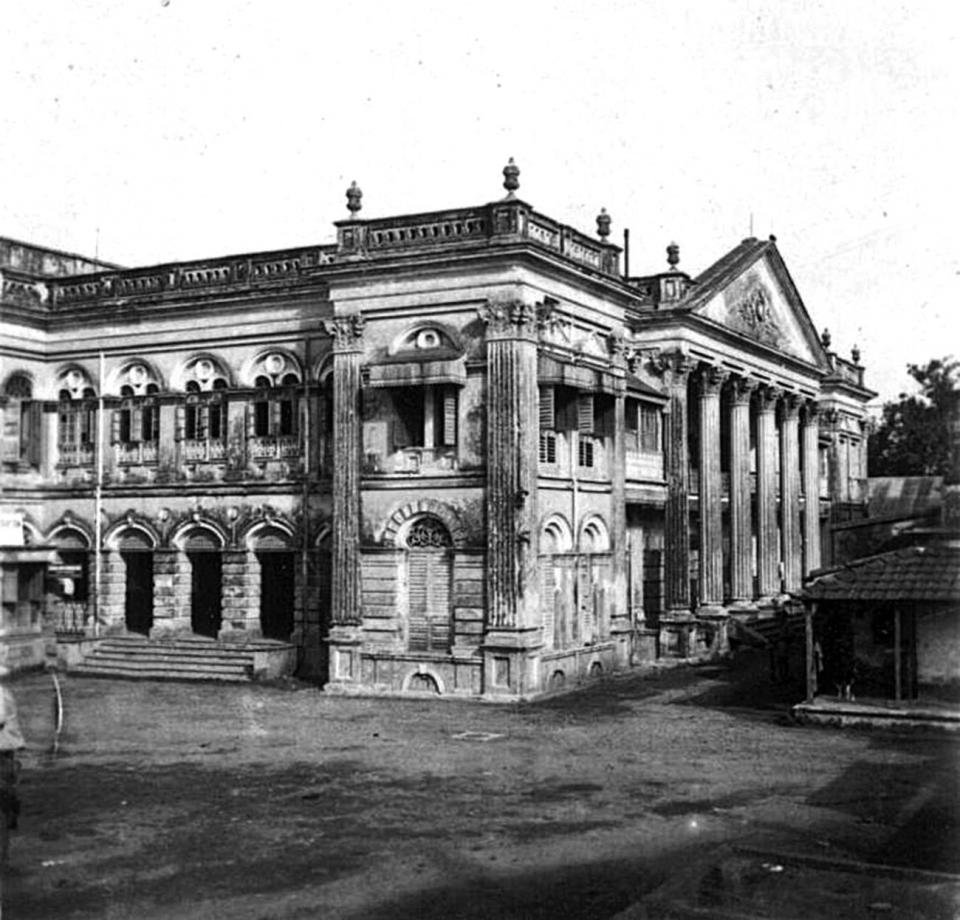
The Shahbagh area, where Katabon Mosque now stands, was once home to the stables of the influential Dhaka Nawab Family during British rule (Wikiwand). As the city urbanized, this site was repurposed—transforming from equestrian grounds to a vibrant center of Islamic worship, education, and social service.
Foundation and Development of Katabon Mosque
Missionary and Community Role
Founded in the 20th century, Katabon Mosque was established as the headquarters of the Bangladesh Masjid Mission, which remains dedicated to Islamic missionary work and community engagement (Wikiwand). Its programs promote orthodox teachings and religious education, strengthening faith practices in urban Dhaka and beyond.
Architectural Features and Modern Adaptations
Unlike Dhaka’s older, ornate mosques, Katabon Mosque’s modern design emphasizes functionality and capacity. The complex includes multiple floors: the ground floor houses a bustling market of Islamic bookshops and clothing stores, while upper levels contain spacious, air-conditioned prayer halls, educational spaces, and administrative offices. This vertical layout efficiently maximizes limited urban space (WorldOrgs), and its contemporary aesthetic reflects Dhaka’s ongoing modernization (Slideshare).
Significance in Islamic Economics and Education
Katabon Mosque is home to the Islamic Economics Research Bureau, which connects professionals, academics, and students in advancing Islamic finance in Bangladesh (Wikiwand). In addition, the mosque’s madrasa and public library offer classes, lectures, and self-study resources for all ages, supporting the development of future community leaders.
Katabon Mosque in Dhaka’s Urban and Religious Landscape
The Mosque’s Role in the “City of Mosques”
With thousands of mosques throughout Dhaka, Katabon Mosque stands out as a contemporary institution that bridges tradition and modernity (Medium). Its central location makes it easily accessible for residents, students, and visitors, and it serves as a hub for religious services, education, and community outreach.
Preservation Amid Urbanization
Rapid urban development poses challenges for preserving Dhaka’s architectural heritage, including its historic mosques (Slideshare). Katabon Mosque exemplifies the balance between modernization and the preservation of religious and cultural identity.
Visitor Information
Visiting Hours and Accessibility
- Hours: Open daily, typically from 5:00 AM to 10:00 PM. Prayer times may restrict visitor access to certain areas, especially on Fridays and during Ramadan.
- Entry: Free for all visitors; donations are appreciated but not required.
- Accessibility: The mosque offers wheelchair ramps, spacious interiors, and separate entrances for men and women, ensuring comfort for all visitors.
Location and Transportation
Located at the intersection of Shahbagh and Elephant Road in central Dhaka, Katabon Mosque is within walking distance of Dhaka University, the National Museum, and other landmarks (Mapcarta). It is easily reached by rickshaw, CNG auto-rickshaw, ride-sharing apps, or public buses. Parking is limited, so public transport is recommended (Wanderlog).
Nearby Attractions
- Dhaka University Central Library: A hub of academic activity.
- National Museum of Bangladesh: Showcasing the nation’s history and culture.
- Ramna Park: One of the city’s largest green spaces.
- Gurdwara Nanak Shahi: Bangladesh’s principal Sikh temple.
- Bashundhara City Mall & Katabon Market: Shopping and pet supplies.
Special Events and Guided Tours
Katabon Mosque is especially lively during Ramadan and Eid festivals, when it is decorated and hosts large congregations. Formal guided tours are rare, but group visits and educational sessions can be arranged with the mosque administration.
Architectural Features and Design Elements
Layout and Composition
The mosque is a four-storey structure (WorldOrgs), with the ground floor dedicated to a market and upper floors for prayer halls and community services. This vertical design addresses the constraints of Dhaka’s dense urban environment.
Key Elements and Interior Ambience
- Qibla and Mihrab: The prayer direction is marked by a mihrab with calligraphy and geometric designs (Prayers Connect).
- Minbar: Used by the imam for sermons, typically featuring traditional design details (Facts and Details).
- Domes & Minarets: The mosque’s modern style features minimal external ornamentation, focusing on interior space (Springer Link).
- Ablution Facilities: Clean, well-maintained wudu areas and free purified water at entrances (WorldOrgs).
- Women’s Area: Dedicated prayer spaces for women ensure privacy and comfort.
- Decorative Features: Islamic calligraphy, geometric patterns, and floral motifs enhance the prayer halls (Odyssey Traveller). Large windows allow natural light and ventilation, and air conditioning ensures comfort.
Visitor Experience
Facilities and Etiquette
- Prayer Halls: Spacious, with separate areas for men and women.
- Restrooms and Shoe Storage: Available, though limited during peak hours.
- Shops: Islamic books, clothing, and prayer accessories are sold on-site.
- Dress Code: Modest clothing is required; women should cover their heads. Shoes must be removed before entering prayer halls.
- Photography: Permitted in public areas, but always seek permission and avoid disrupting worshippers.
Best Times and Safety
- Best Times: For a peaceful experience, visit on weekdays outside major prayer times. For cultural vibrancy, visit during Ramadan or Eid.
- Safety: The area is generally safe and well-patrolled. As in any busy urban area, keep personal belongings secure.
Food, Language, & Practical Tips
- Nearby Food: Numerous eateries offer Bangladeshi snacks, meals, and refreshments (Wanderlog).
- Language: Bengali is predominant; basic English is understood, especially near Dhaka University.
- Tips: Bring a bag for shoes, bottled water, and respect mosque staff guidance.
Weather Considerations
Dhaka’s best weather is from November to February (cool and pleasant). Summers are hot and humid, and the monsoon season (June-September) brings heavy rain and possible flooding (TravelVibe).
Frequently Asked Questions (FAQ)
Q: What are Katabon Mosque’s visiting hours?
A: Daily from 5:00 AM to 10:00 PM; some areas may be closed during prayers.
Q: Is there an entry fee?
A: No, entry is free.
Q: Are guided tours available?
A: Not routinely, but group visits and educational sessions can be arranged in advance.
Q: Is the mosque accessible for people with disabilities?
A: Yes, wheelchair ramps and accessible facilities are provided.
Q: Can non-Muslims visit?
A: Yes, but avoid prayer times and observe proper etiquette.
Q: Can I take photos?
A: Yes, in public areas and with permission.
Listen to the full story in the app
Your Personal Curator, in Your Pocket.
Audio guides for 1,100+ cities across 96 countries. History, stories, and local insight — offline ready.
Audiala App
Available on iOS & Android
Join 50k+ Curators
Sources
- verified
- verified
- verified
- verified
- verified
- verified
- verified
- verified
- verified
- verified
- verified
- verified
- verified
- verified
Last reviewed: