

Historical Background and Significance
The Making of a Museum
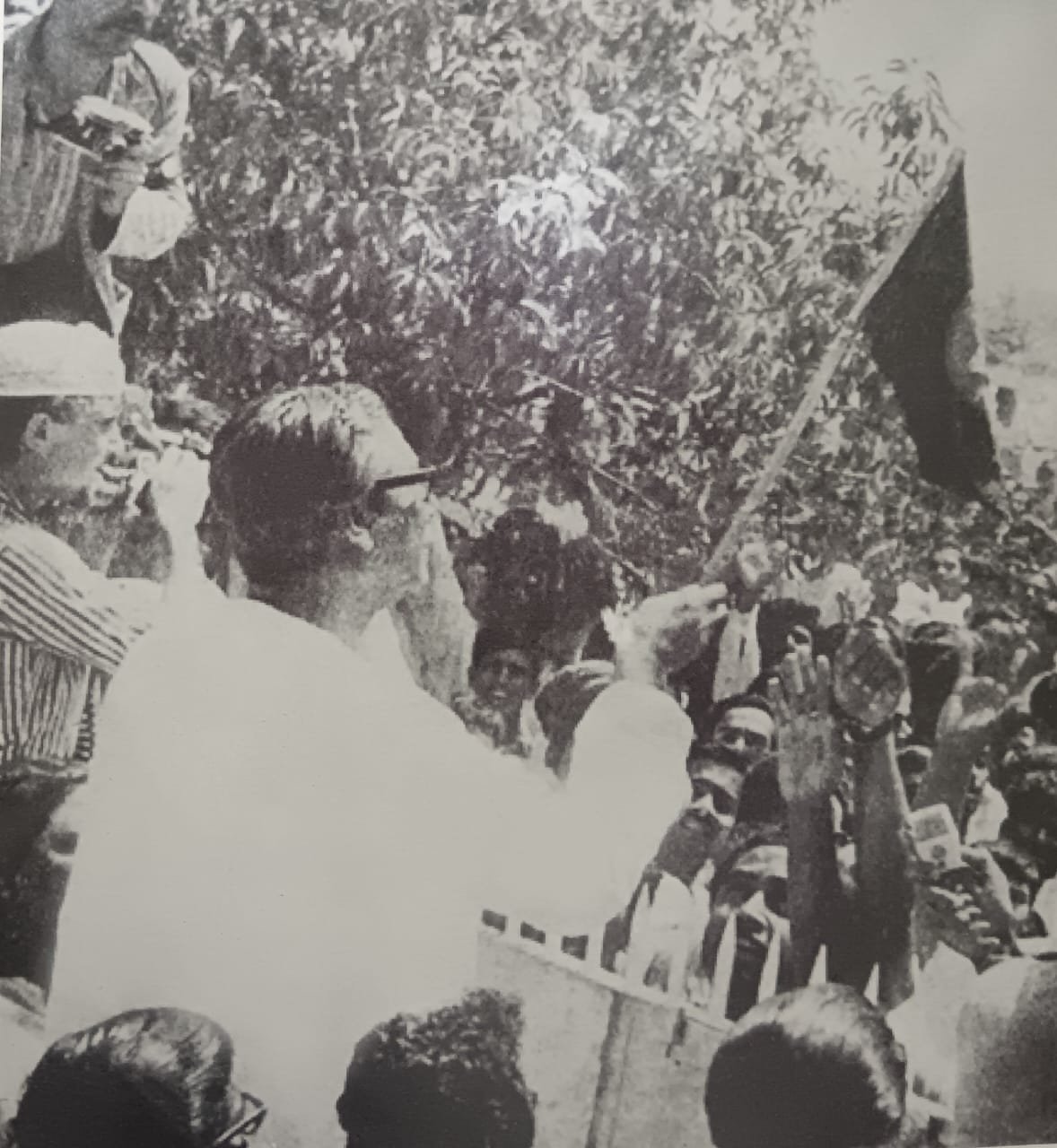
The Bangabandhu Memorial Museum, located in Dhanmondi, Dhaka, stands as a poignant testament to the life, work, and tragic assassination of Sheikh Mujibur Rahman, affectionately known as Bangabandhu (Friend of Bengal). The house, originally numbered 32 in Dhanmondi Residential Area, was purchased by Sheikh Mujibur Rahman in 1961. It quickly became the epicenter of Bangladesh's struggle for independence. Within its walls, crucial political meetings took place, strategies were formed, and the dream of a free Bangladesh was nurtured. After the independence of Bangladesh in 1971, Bangabandhu, along with his family, resided in this house. However, the course of history took a tragic turn on August 15, 1975, when a group of disgruntled army officers stormed the residence, brutally assassinating Bangabandhu and most of his family members. Only his daughters, Sheikh Hasina and Sheikh Rehana, who were abroad at the time, survived the massacre.
A Journey Through Time
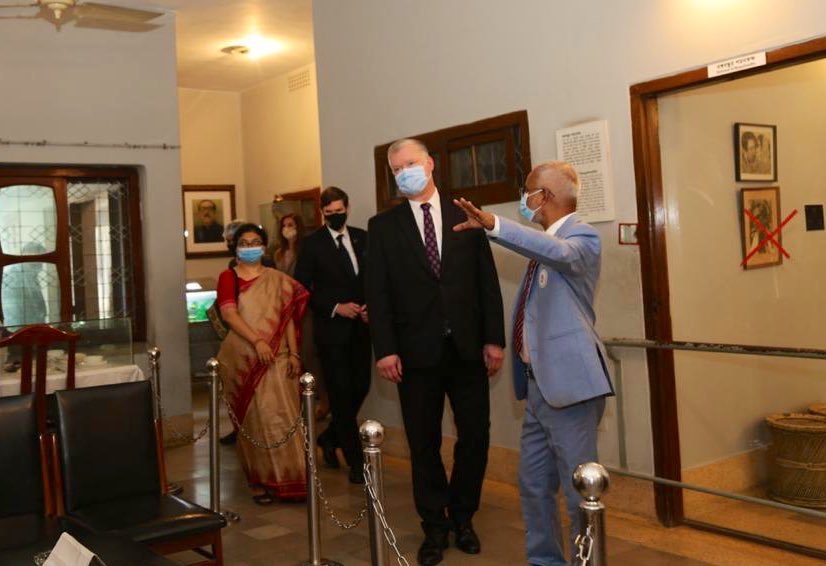
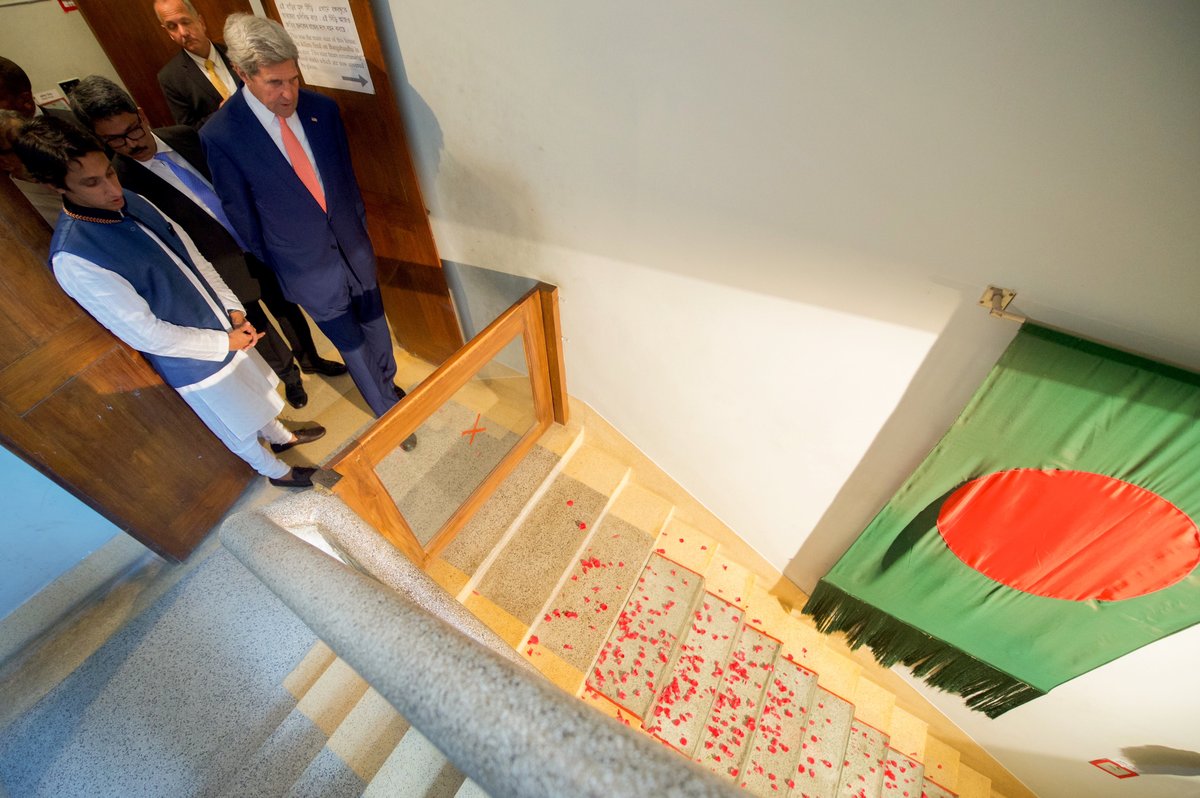
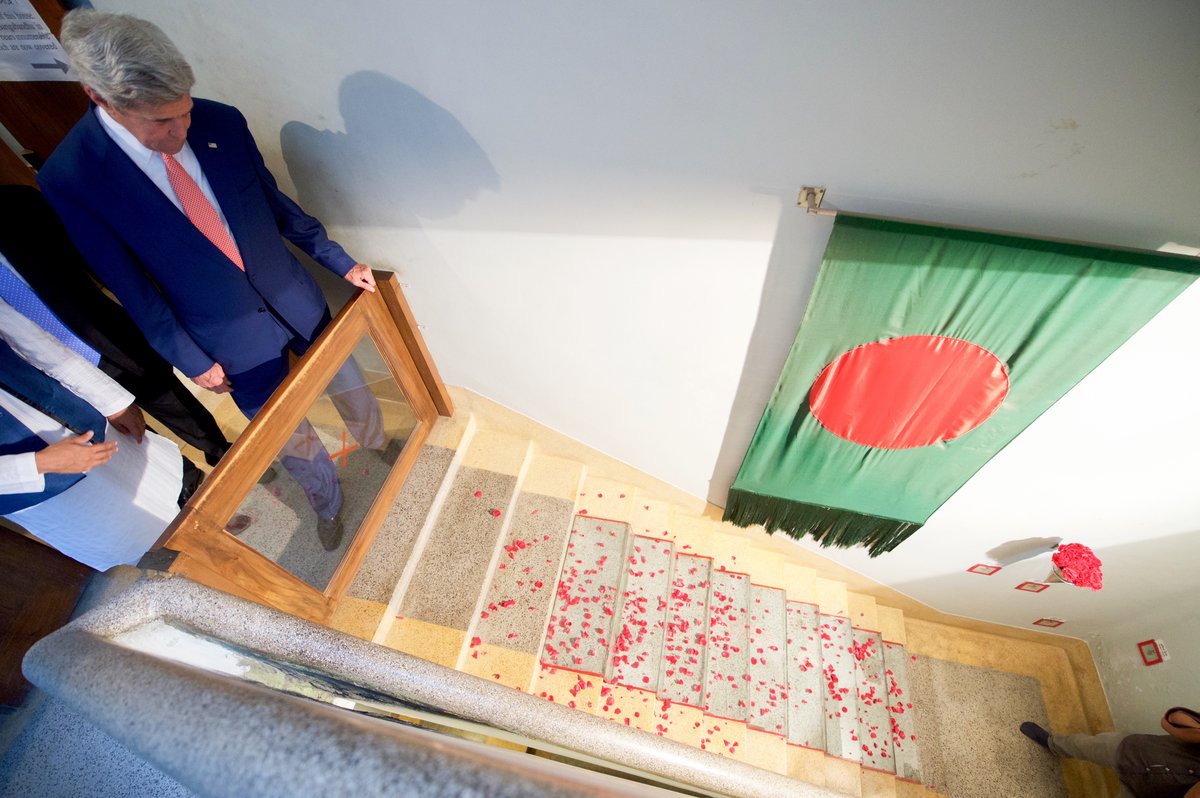
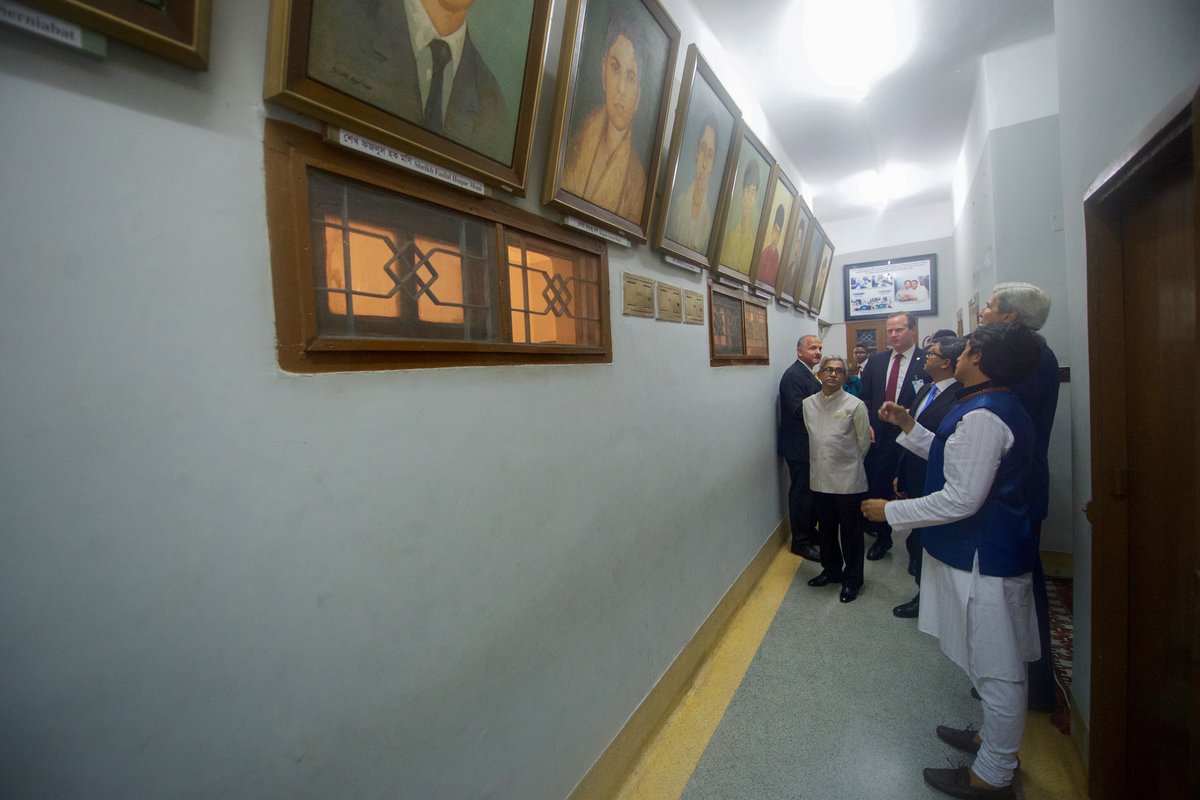
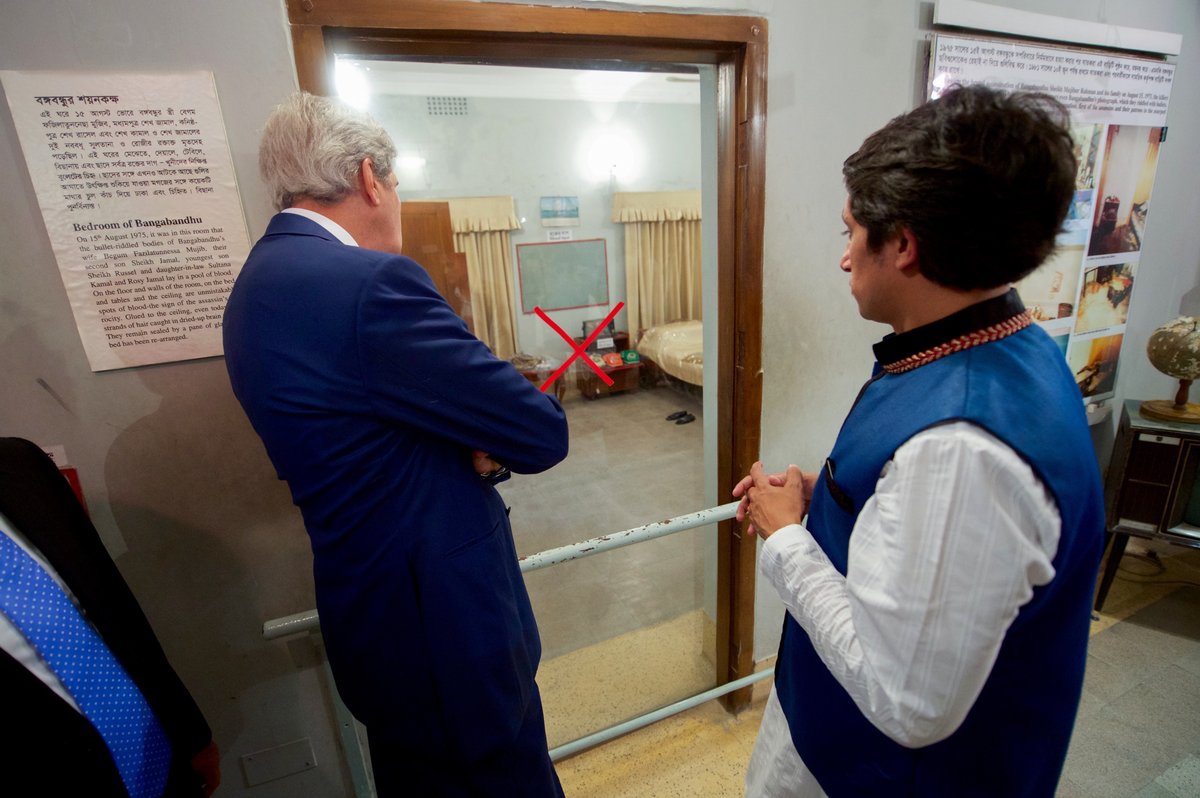
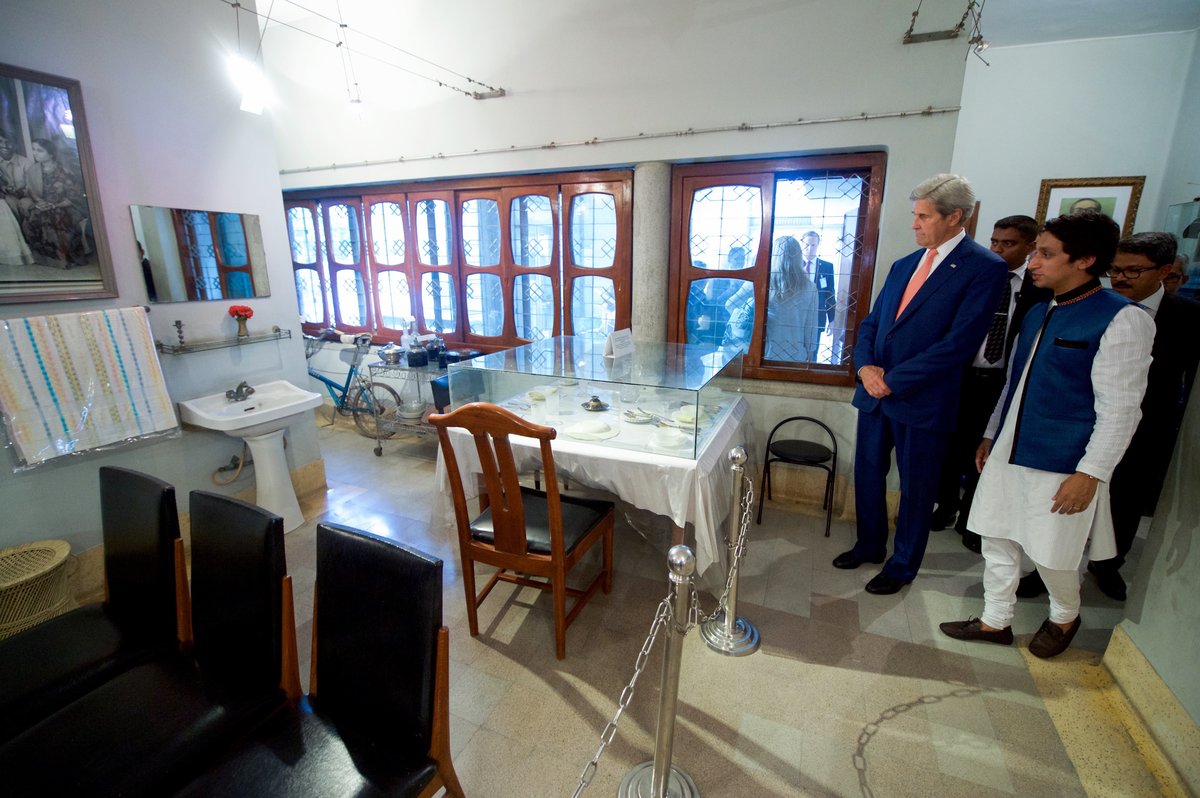
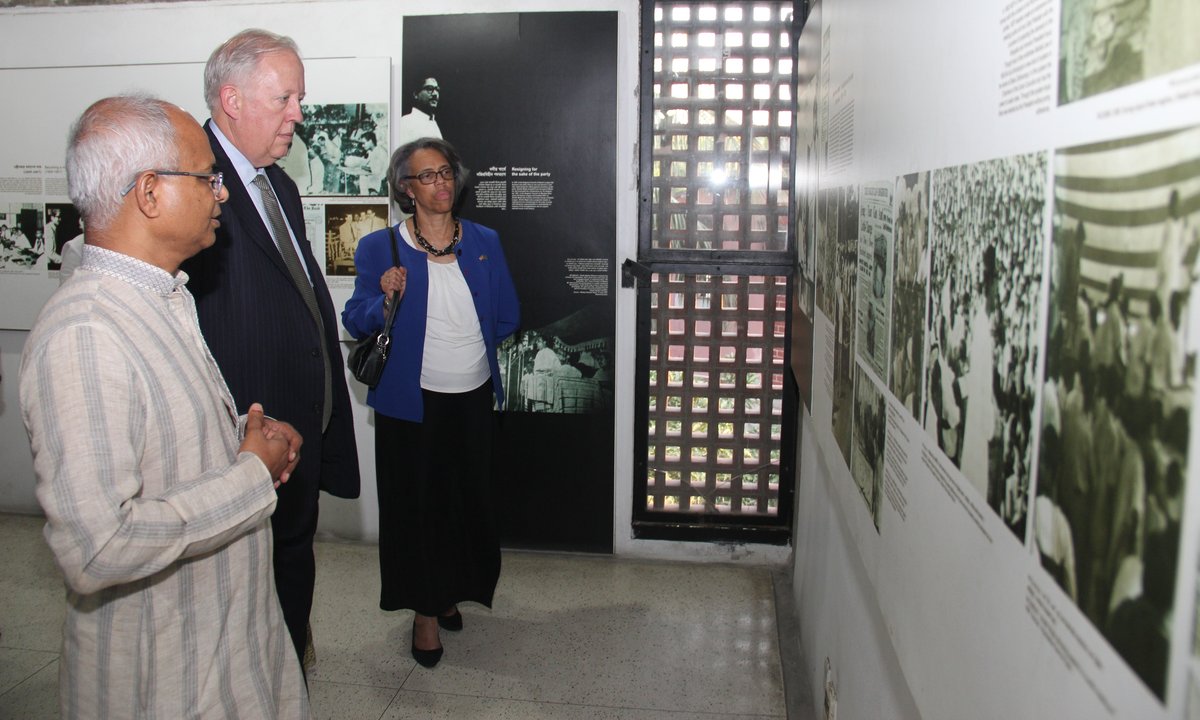
In 1981, the house was formally declared the Bangabandhu Memorial Museum by the government of Bangladesh. It serves as a poignant reminder of the sacrifice made by Bangabandhu and his family for the birth of a nation. The house has been preserved as it was on that fateful day, with each room narrating a silent story of its own. Visitors can see the room where Bangabandhu held important meetings, the dining room where he shared meals with his family, and the study where he penned his thoughts and dreams for a free Bangladesh. Bullet marks on the walls and stairs serve as chilling reminders of the tragic event that unfolded within the house.
Significance of the Museum
The museum offers a deeply personal and moving experience, allowing visitors to step back in time and into the life of Bangabandhu. It stands as a symbol of resilience, courage, and the indomitable spirit of the Bangladeshi people. It plays a crucial role in educating current and future generations about the history of Bangladesh and the legacy of its founding father. The museum serves as a place of reflection, remembrance, and inspiration, reminding visitors of the sacrifices made for their freedom and the importance of upholding the values that Bangabandhu stood for.
Visiting Information
Visiting Hours
The Bangabandhu Memorial Museum is open from 10:00 AM to 5:00 PM every day except Wednesdays. On Fridays, it opens from 3:00 PM to 5:00 PM.
Ticket Prices
General admission tickets are priced at BDT 50 for adults and BDT 20 for students. Children under 12 can enter for free.
Travel Tips
- Arrive Early To avoid crowds and have ample time to explore.
- Photography Allowed, but be respectful of the space and other visitors.
- Footwear Wear comfortable shoes as you may need to walk and stand for extended periods.
Nearby Attractions
While in Dhanmondi, you may also want to explore nearby attractions such as:
- Dhanmondi Lake A serene spot for relaxation.
- Rabindra Sarobar An open stage theatre.
- Dhaka Art Center A hub for contemporary art.
Special Events and Tours
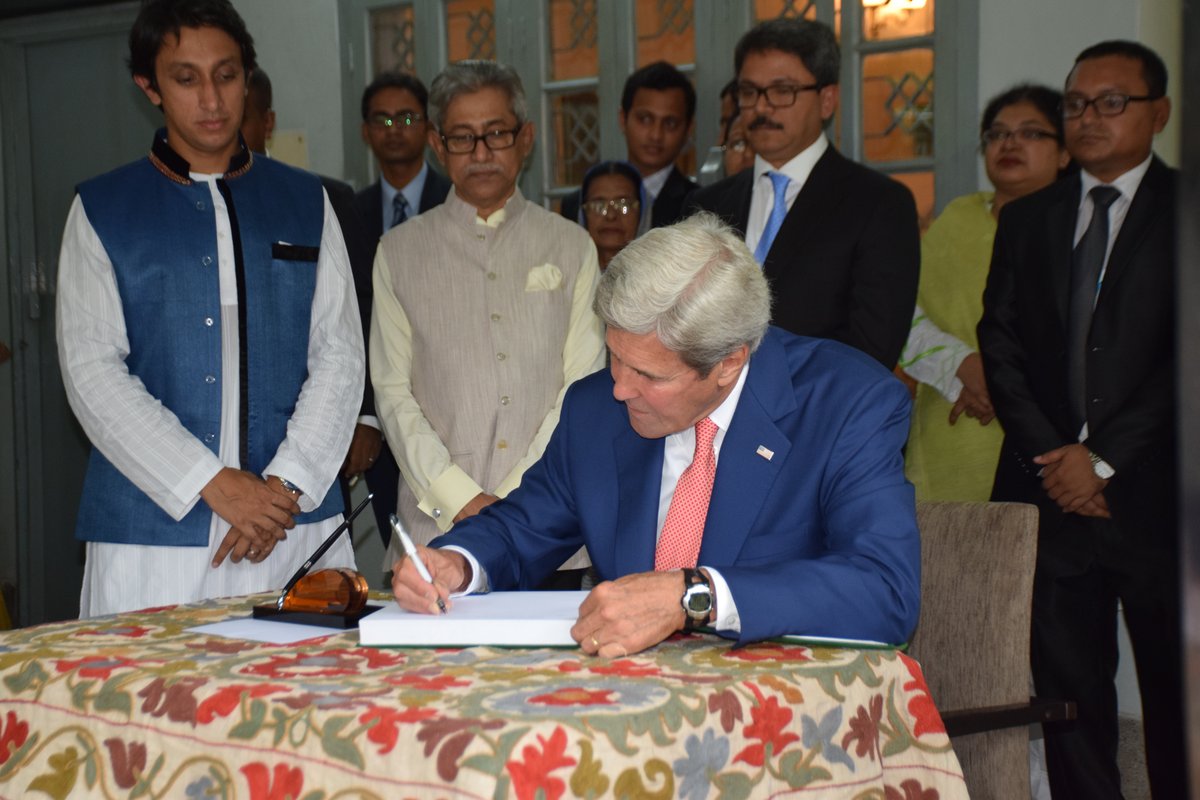
The museum occasionally hosts special events, exhibitions, and guided tours. Check the official Bangabandhu Memorial Museum website for the latest updates and schedules. Guided tours can provide deeper insights and a more engaging experience.
A Place of Pilgrimage
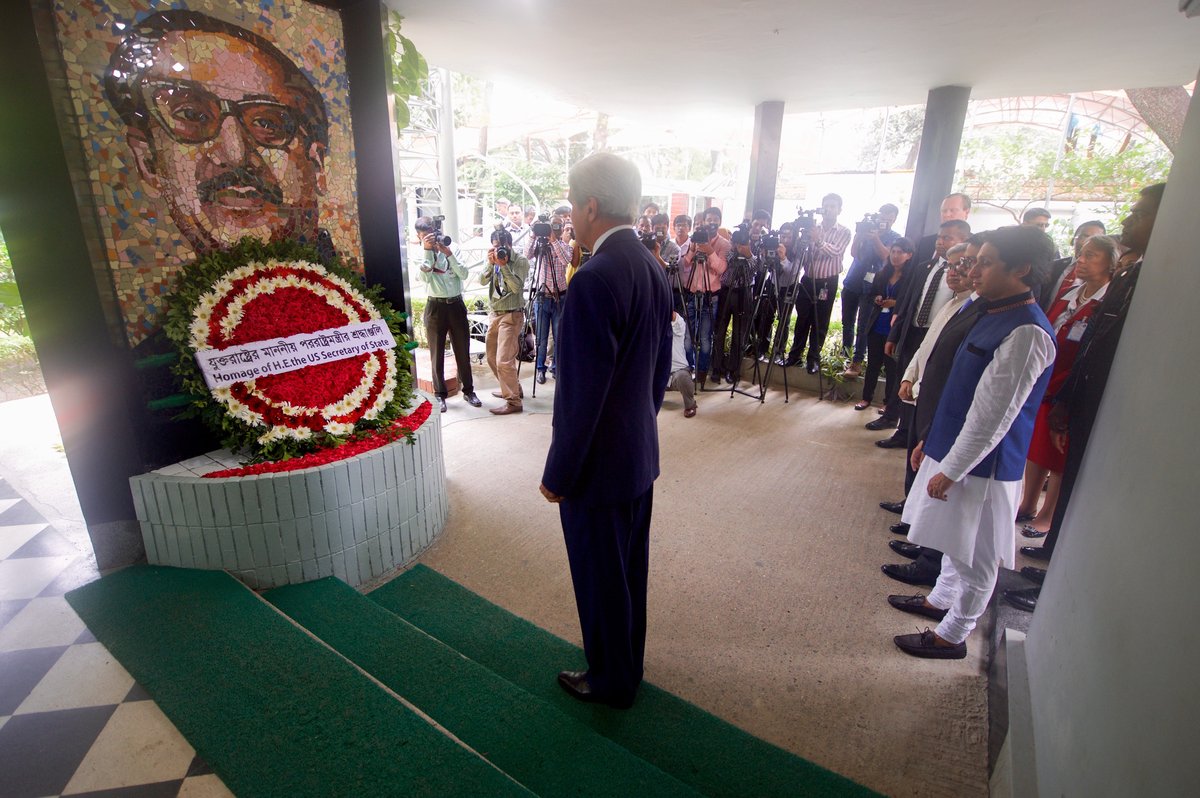
For the people of Bangladesh, the Bangabandhu Memorial Museum is a sacred place, a site of pilgrimage where they come to pay their respects to the Father of the Nation. Every year, on August 15th, the nation observes National Mourning Day, with millions visiting the museum to commemorate the death anniversary of Bangabandhu and his family. The museum stands as a symbol of hope and inspiration, reminding the world of the power of one man's vision to change the destiny of a nation. It is a must-visit for anyone interested in understanding the history of Bangladesh and the legacy of its founding father.
FAQ
Q: What are the Bangabandhu Memorial Museum visiting hours? A: The museum is open from 10:00 AM to 5:00 PM every day except Wednesdays. On Fridays, it opens from 3:00 PM to 5:00 PM.
Q: How much are the tickets for the Bangabandhu Memorial Museum? A: General admission tickets are priced at BDT 50 for adults and BDT 20 for students. Children under 12 can enter for free.
Q: Are there any guided tours available at the Bangabandhu Memorial Museum? A: Yes, the museum occasionally offers guided tours. Check the official website for the latest updates and schedules.