Introduction
The first surprise in Dhaka is the soundscape: ferry horns on the Buriganga, rickshaw bells threading through traffic, and the evening azan settling over everything at once. In Bangladesh’s capital, a pink Nawab palace, a Louis Kahn parliament, and a bakarkhani bakery can belong to the same afternoon. Dhaka does not arrive as a polished postcard; it arrives as pressure, memory, and appetite.
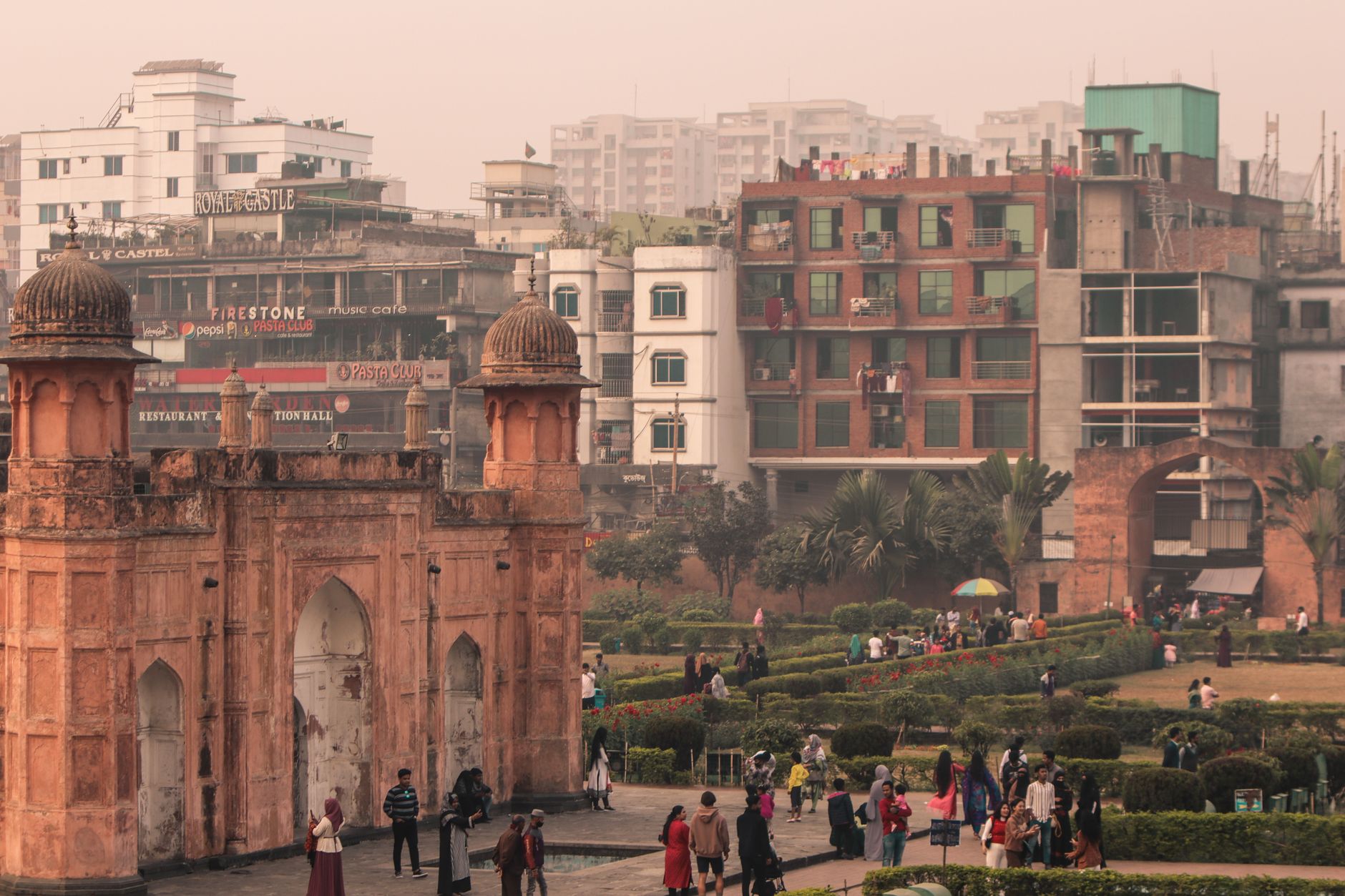
Start in Old Dhaka, where Ahsan Manzil, Lalbagh Fort, Star Mosque, and the Armenian quarter compress centuries into a few crowded lanes. Then move to Shahbagh and the university axis, where Central Shaheed Minar keeps 1952 alive and Suhrawardy Udyan carries the emotional charge of 1971. Here, national history is not background information; it is part of daily life.
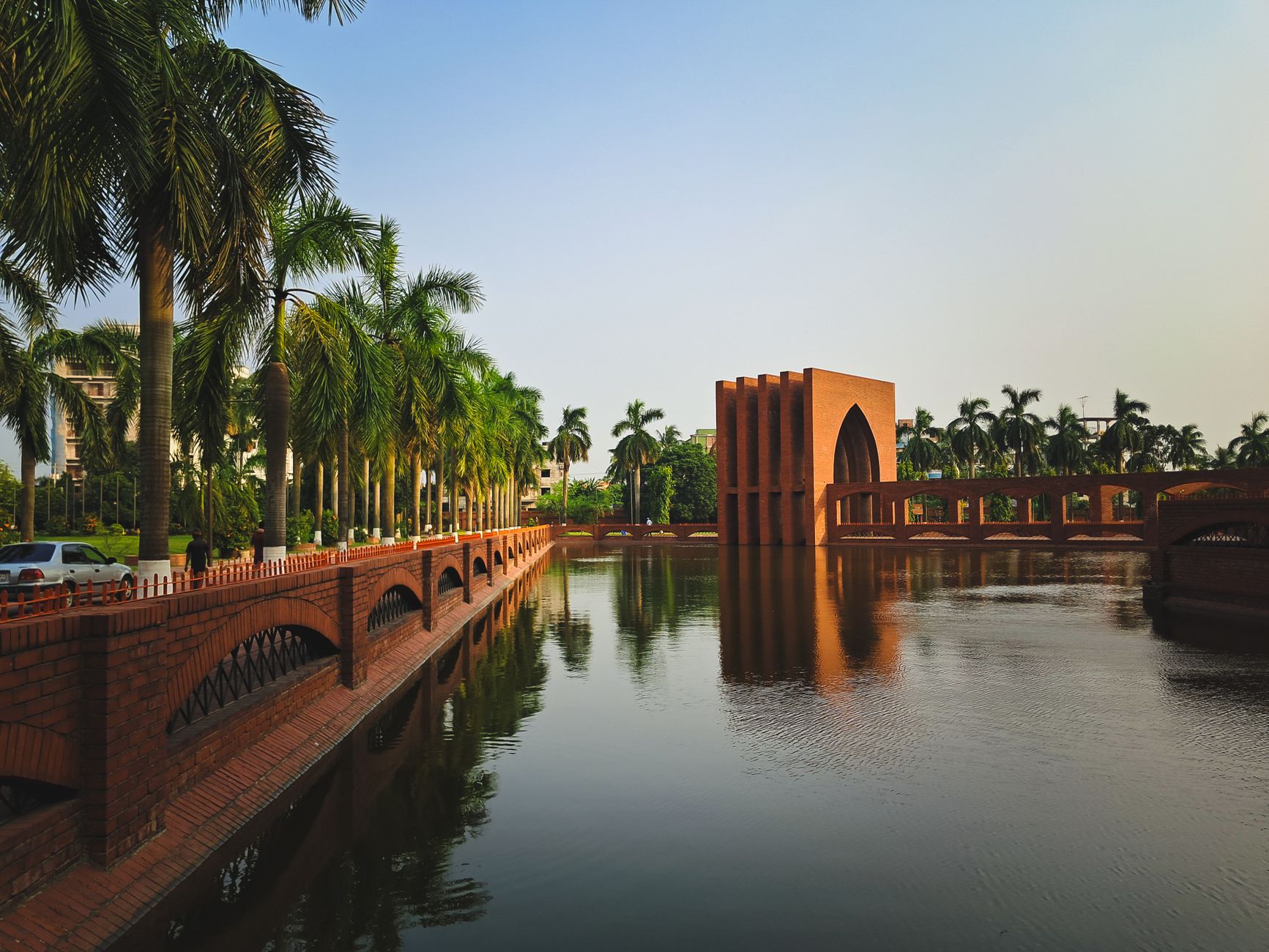
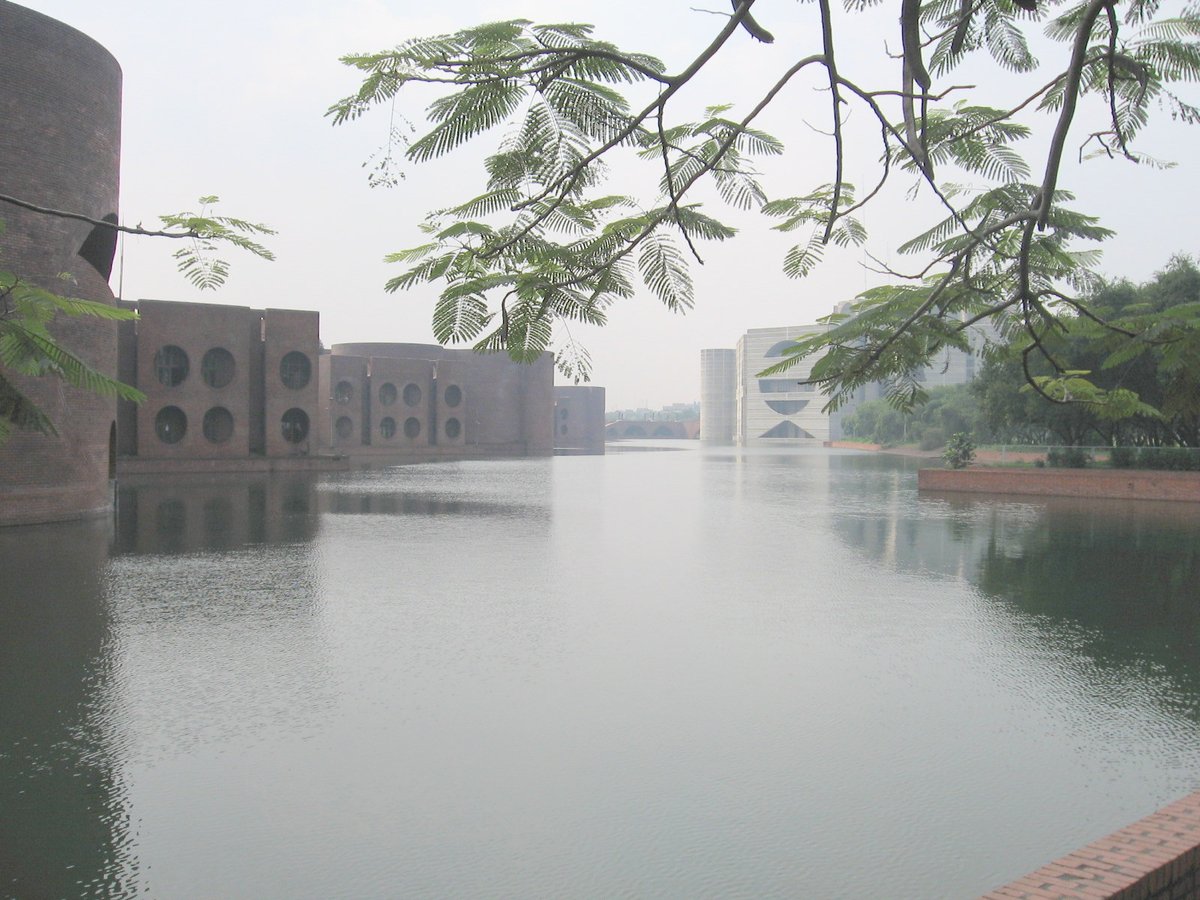
Architecture gives Dhaka one of South Asia’s most layered urban stories. Jatiya Sangsad Bhaban turns concrete and water into civic drama, while Baitul Mukarram’s Kaaba-inspired geometry and Bait Ur Rouf’s quiet brick modernism show how differently sacred space can be imagined. Add Curzon Hall and the Dhaka University modernist circuit, and the city reads like a conversation between Mughal, colonial, and post-independence design.
Dhaka makes the most sense when you follow neighborhood rhythms instead of chasing a checklist. Dawn belongs to Ramna Park walkers, evenings to Dhanmondi Lake and Banani cafés, and late nights to tea, kebabs, and roadside conversation in Gulshan and Old Dhaka. During Ramadan, Chawkbazar’s iftar markets rewrite the city’s tempo; on April 14, Pahela Baishakh at Ramna Batamul reminds you that culture here is performed in public, not tucked behind glass.
Places to Visit
The Most Interesting Places in Dhaka
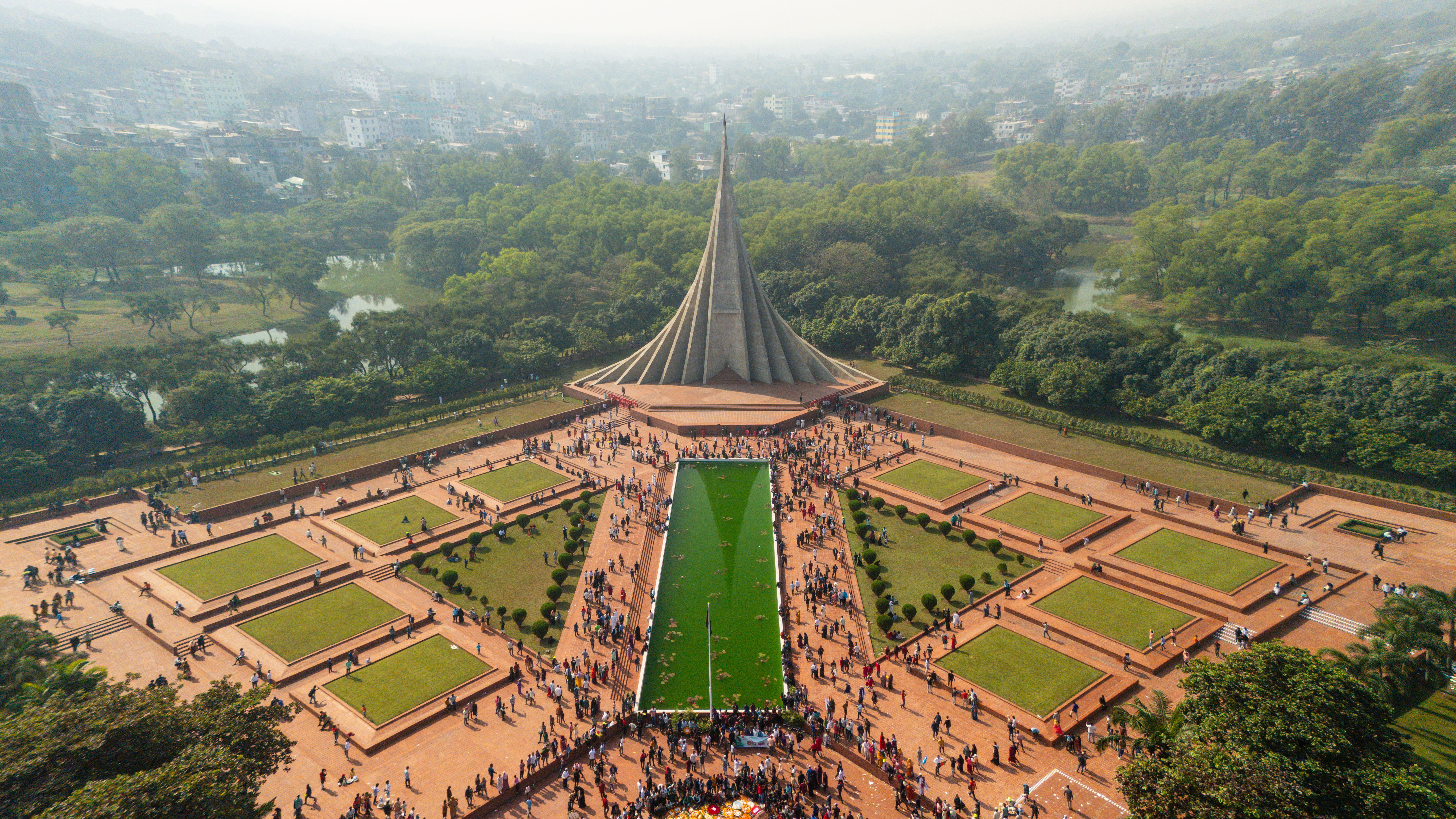
Jatiyo Smriti Soudho
Seven concrete spires turn Bangladesh's war memory into a skyline. In Savar, this memorial feels spacious on quiet days and fiercely ceremonial on national ones.
Armenian Church
Nestled within the bustling and historic Armanitola neighborhood of Old Dhaka, the Armenian Church of the Holy Resurrection stands as a remarkable testament…
Ahsan Manzil
Dhaka’s famous Pink Palace was once the Nawabs’ riverside seat, and it still stands where grandeur, river trade, and Old Dhaka’s street chaos collide.
Baitul Mukarram National Mosque
Baitul Mukarram National Mosque, situated in the heart of Dhaka, Bangladesh, stands as a monumental symbol of Islamic heritage, national identity, and…
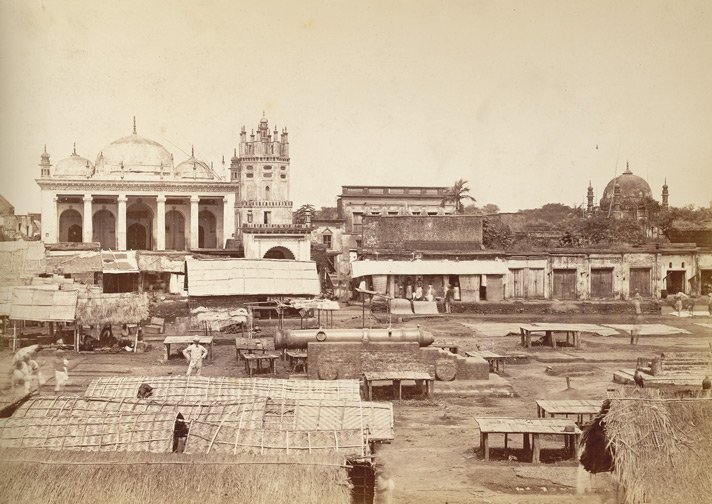
Chawkbazar Shahi Mosque
Nestled in the vibrant heart of Old Dhaka, the Chawkbazar Shahi Mosque, also known as Chawk Mosque (Bengali: চকবাজার শাহী মসজিদ), stands as a monumental…
Bangladesh National Museum
Nestled in the cultural heart of Dhaka, the Bangladesh National Museum stands as the country’s foremost institution dedicated to preserving and showcasing the…
Bangabandhu Memorial Museum
The Bangabandhu Memorial Museum, nestled in the heart of Dhanmondi, Dhaka, stands as a beacon of history and reverence for the people of Bangladesh.
Dhakeshwari Temple
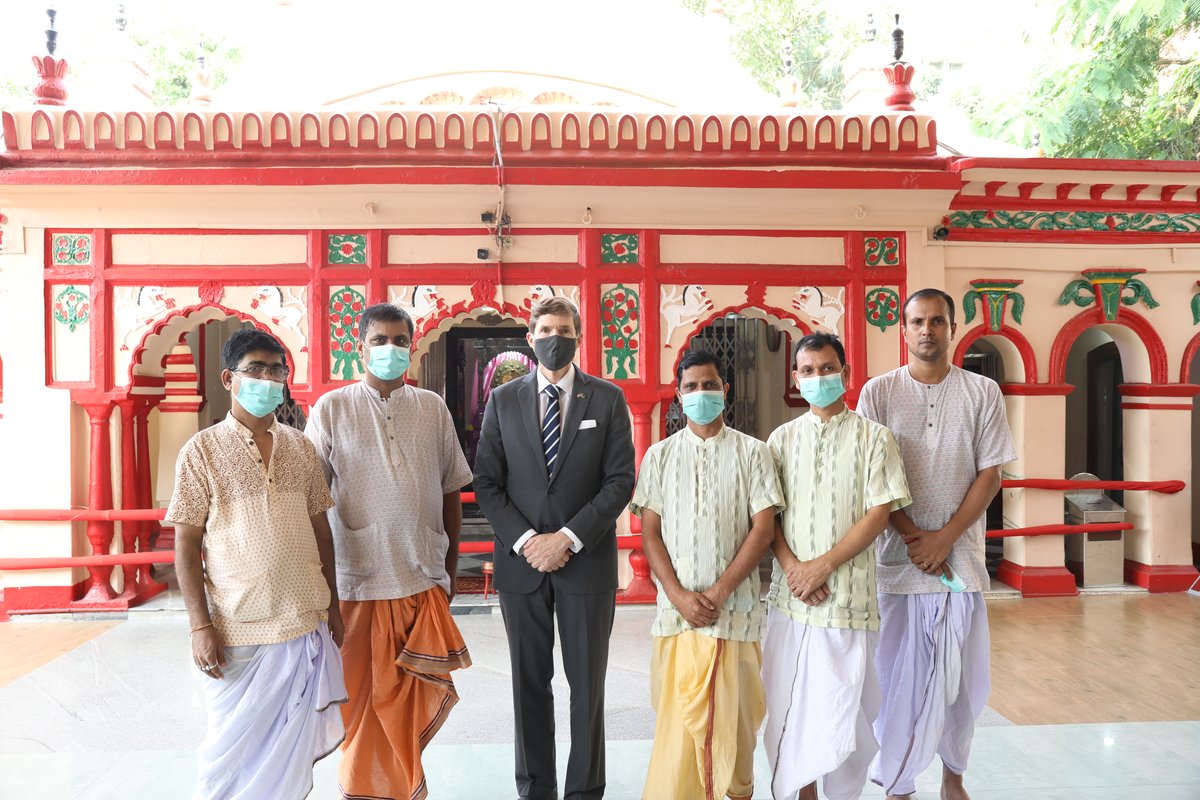
Nestled in the vibrant heart of Old Dhaka, Dhakeshwari Temple stands as a monumental symbol of Bangladesh’s rich religious heritage and cultural diversity.
Martyred Intellectuals Memorial
The Martyred Intellectuals Memorial in Dhaka, Bangladesh, stands as a solemn and powerful tribute to the nation’s brightest minds who were brutally targeted…
National Library of Bangladesh
The National Library of Bangladesh, situated in Dhaka, stands as the nation's premier cultural and intellectual landmark, preserving a vast treasure trove of…
Star Mosque
Nestled in the vibrant heart of Old Dhaka, the Star Mosque, locally known as Tara Masjid, stands as one of Bangladesh’s most cherished historical and…
Liberation War Museum
The Liberation War Museum in Dhaka stands as a vital monument dedicated to preserving and educating visitors about the Bangladesh Liberation War of 1971, a…
What Makes This City Special
Memory Corridor, Not One Monument
Dhaka's emotional core runs from Shahbag to Suhrawardy Udyan: the National Museum, Central Shaheed Minar, and liberation-war landscapes sit within one dense walkable zone. You feel how 1952 and 1971 still shape daily language, politics, and public space.
Architecture in Collision
Few cities stack this many eras so tightly: Mughal Lalbagh Fort, Nawab-era Ahsan Manzil, Curzon Hall, Louis Kahn's Parliament, and Marina Tabassum's Bait Ur Rouf Mosque. Dhaka's skyline reads like an argument between empire, faith, modernism, and nationhood.
River-City Pulse at Sadarghat
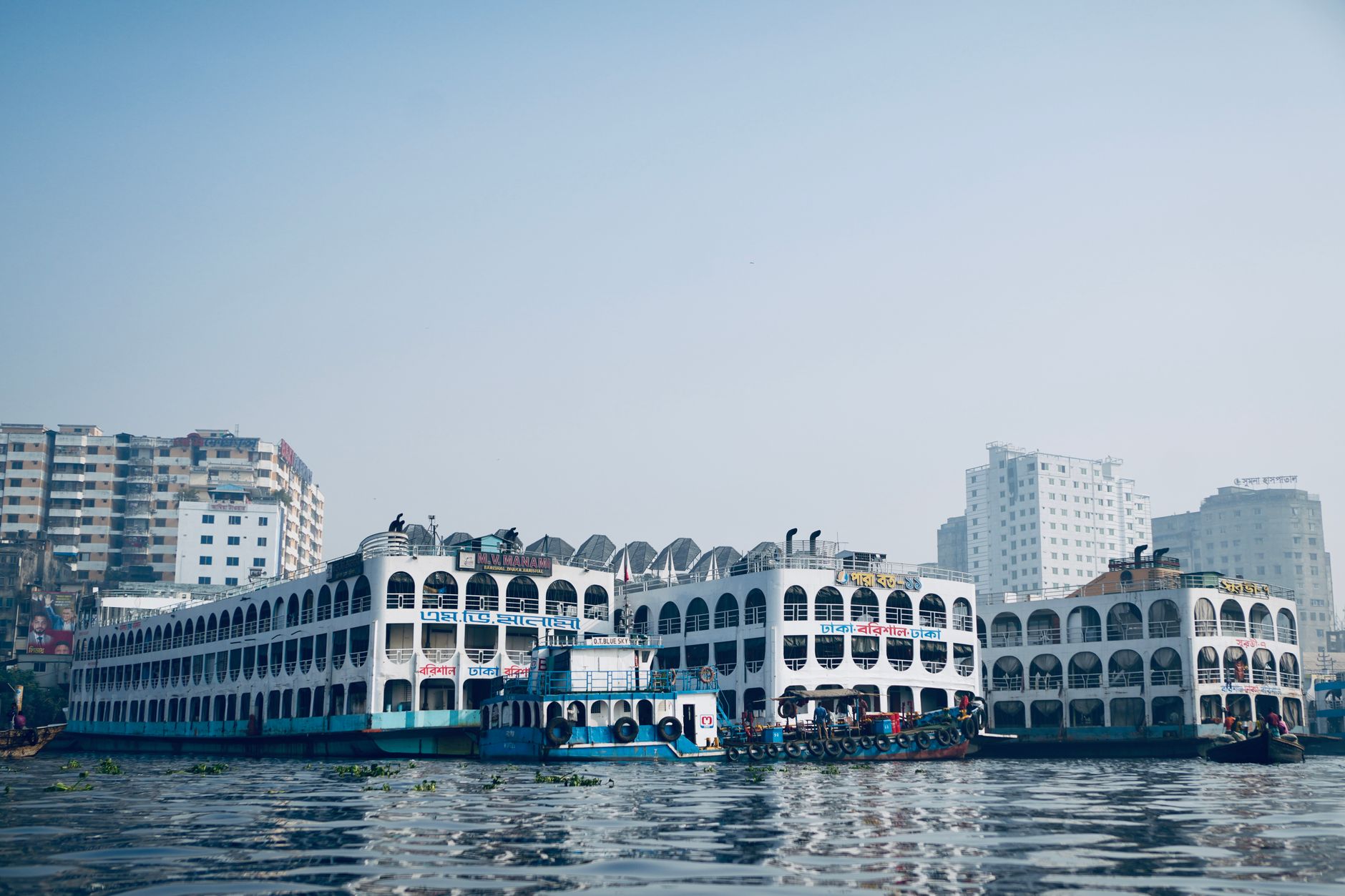
At Sadarghat, launches, ferries, porters, tea sellers, and loudspeakers turn the Buriganga waterfront into live theater. It explains in one hour why Dhaka is still a river-port city, not just a capital of flyovers and traffic.
Evenings of Street Energy
Dhaka's best nightlife is often civic and culinary: Hatirjheel's lit waters, Rabindra Sarobar's social buzz, and Old Dhaka's seasonal iftar bazaars. The city comes alive in layers of sound, smoke, and neon rather than in a single bar district.
Historical Timeline
Dhaka: A River City Rewritten by Power, Protest, and Imagination
From a pre-Mughal riverside settlement to the political pulse of modern Bangladesh
First Stone Name of Dhaka
Dhaka has no single clean founding date, but this is the first firm footprint: the inscription of Bakht Binat's Mosque in Narinda. It tells us the city was already a lived-in Muslim settlement, not an empty riverbank waiting for empire.
Dhaka Appears on European Maps
Portuguese cartographer Joao de Barros marks Dhaka, pulling it into the visual geography of the Indian Ocean world. A city that could be mapped could be traded with, taxed, and fought over.
Islam Khan Makes a Capital
Mughal governor Islam Khan Chishti shifts Bengal's capital from Rajmahal to Dhaka and names it Jahangirnagar. The move is strategic: rivers here are highways for armies, grain, and authority.
Bara Katra Rises on Buriganga
Bara Katra is built as a monumental caravanserai and mercantile complex facing the river traffic. Its courtyards and arcades announce Dhaka as a city where commerce and architecture share the same stage.
Shaista Khan and the Peak
Under Shaista Khan, Dhaka expands in population, fortifications, markets, and riverfront infrastructure. He is the administrator most tied to the city's Mughal high noon, when textile wealth and military planning met in the same streets.
Lalbagh Fort Begins
Prince Muhammad Azam Shah starts the fort later known as Lalbagh, with walls, mosque, and palace geometry cut into the urban edge. Even unfinished, it becomes the most eloquent Mughal ruin in Dhaka.
Lalbagh Falls Silent
Construction effectively stops after the death of Pari Bibi, and the complex is never completed. The pause leaves Dhaka with a rare historical artifact: a capital city monument frozen mid-intention.
Capital Rank Moves to Murshidabad
When the provincial capital shifts permanently to Murshidabad, Dhaka loses first-tier political status. The city remains important, but the tone changes from imperial command center to regional heavyweight.
Company Revenue Rule Begins
The East India Company gains the Diwani of Bengal, and Dhaka enters a harsher economic century. Revenue extraction and imported British textiles hit local muslin production, draining the prosperity that once defined the city.
Armenian Church Bells Over Armanitola
The Armenian Church of the Holy Resurrection is completed, marking Dhaka's cosmopolitan merchant past in brick and quiet stone. It is a reminder that this river city was never culturally singular, even in decline.
Ahsan Manzil Paints the Riverfront
Construction begins on the Nawab palace that will become Dhaka's most recognizable riverfront landmark. Its pink facade and ceremonial rooms signal a late-colonial reinvention of urban prestige.
Birth of Nawab Salimullah
Khwaja Salimullah is born at Ahsan Manzil and grows into one of the most consequential political brokers in Dhaka. Through his networks and gatherings, the city becomes a laboratory for Muslim political modernity in British India.
The Tornado of 1888
A violent tornado tears through Dhaka, damaging Ahsan Manzil and large swathes of the city. In a landscape of fragile roofs and dense neighborhoods, weather becomes history in a single afternoon.
Partition Makes Dhaka Provincial Capital
The Partition of Bengal creates Eastern Bengal and Assam, and Dhaka regains capital status. New administrative roads, compounds, and planning in Ramna-Shahbagh begin to shift the city's center of gravity northward.
Muslim League Born in Dhaka
The All-India Muslim League is founded in Dhaka during a major political gathering. The decision gives the city a permanent place in the constitutional and ideological history of South Asia.
University of Dhaka Opens
The University of Dhaka opens and quickly becomes the city's sharpest intellectual engine. Lecture halls, hostels, and debate circles begin producing the language, science, and politics that will shape a future nation.
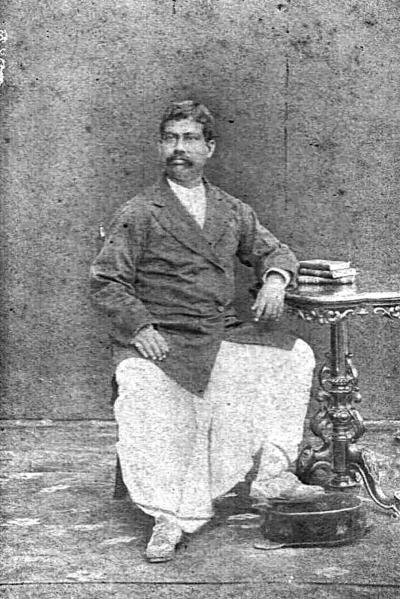
Bose Writes Physics in Dhaka
At Dhaka University, Satyendra Nath Bose produces the quantum work that leads to Bose-Einstein statistics. The city's humid classrooms and chalk-dust blackboards become part of global physics history.
Partition Makes East Bengal Capital
With the end of British rule and Partition, Dhaka becomes the capital of East Bengal, later East Pakistan. Migration surges, offices multiply, and the city grows faster than its streets can breathe.
Sufia Kamal Finds Her City
Poet and activist Sufia Kamal settles in Dhaka and turns it into her platform for language rights, feminism, and civic conscience. Her public voice helps define the moral vocabulary of modern urban Bangladesh.
Language Movement Blood on Campus
Police fire on students near Dhaka University and Dhaka Medical College during protests for Bangla language recognition. The shock hardens into collective memory, and the city learns that words can become a national frontier.
Kahn's Parliament Project Starts
Construction begins at Sher-e-Bangla Nagar on the future Jatiya Sangsad Bhaban, designed by Louis I. Kahn. Massive concrete forms and precise light courts start rising from floodplain earth, changing Dhaka's architectural horizon.
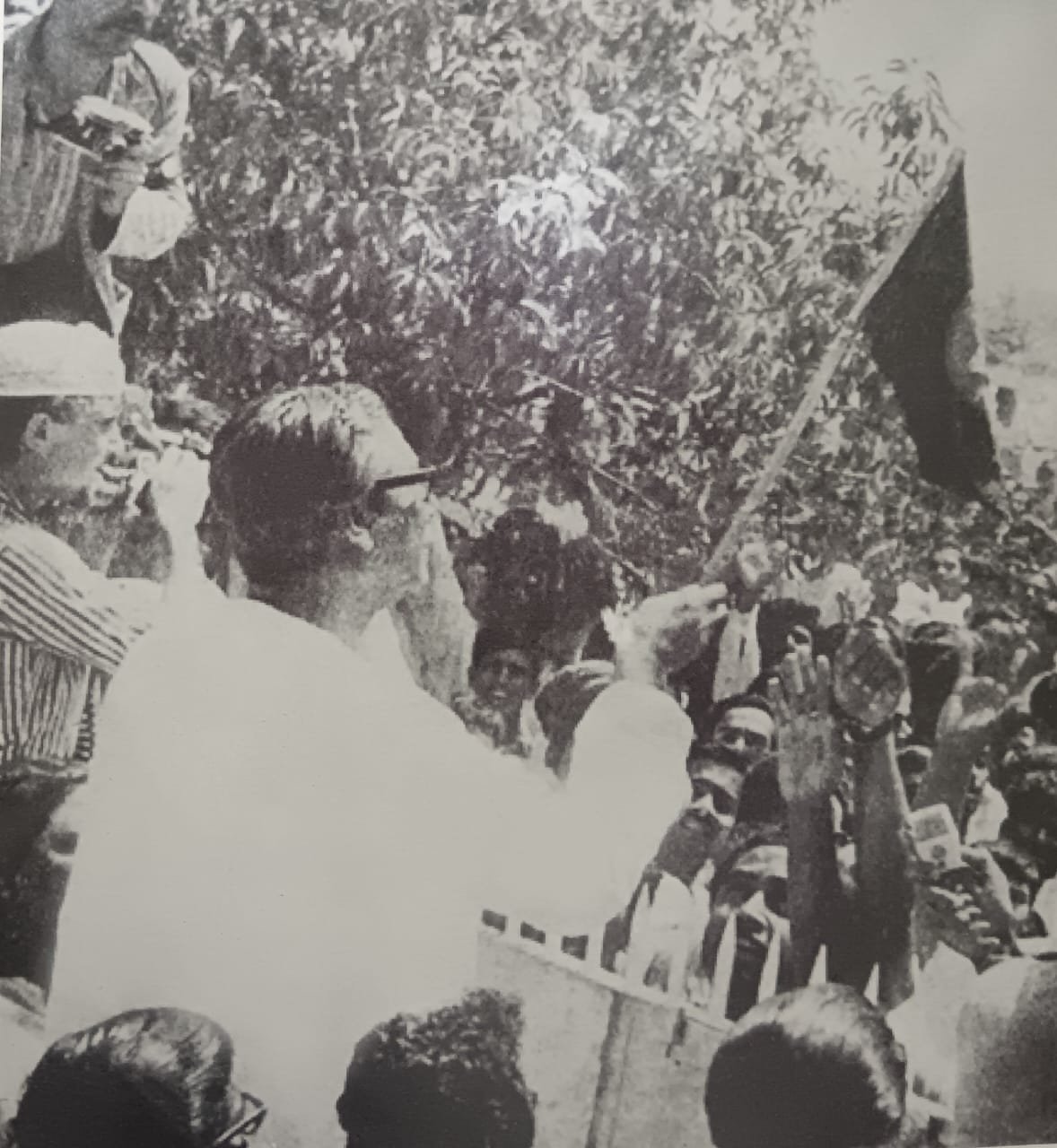
The Speech at Racecourse
Before a sea of people at the Racecourse, Sheikh Mujibur Rahman delivers the speech that frames the coming struggle. In Dhaka's open air, political rhetoric turns into a roadmap for resistance.
Operation Searchlight in the Night
The Pakistan Army launches a brutal assault across Dhaka, targeting student halls, police lines, and neighborhoods. Gunfire and fires through the night mark the violent opening of the Liberation War.
Surrender at Ramna Race Course
Pakistani forces surrender in Dhaka, and the city becomes the capital of independent Bangladesh. The same urban spaces that held fear in March now hold the choreography of state birth.
Parliament Opens for Sittings
Jatiya Sangsad Bhaban becomes operational for parliamentary sessions, decades after construction began. Kahn's monumental geometry is no longer a promise on paper; it becomes the working theater of national politics.
Language Day Goes Global
UNESCO proclaims 21 February as International Mother Language Day, globalizing a struggle born on Dhaka's streets and campuses. A local wound from 1952 becomes an annual worldwide ritual of linguistic dignity.
Metro Rail Changes the Clock
MRT Line-6 opens and begins altering how time is felt in a city long defined by traffic gridlock. Stations, viaducts, and synchronized arrivals introduce a new urban rhythm above the old road chaos.
Rickshaw Art Wins UNESCO Honor
UNESCO recognizes Dhaka's rickshaws and rickshaw painting as Intangible Cultural Heritage. The hand-painted backs rolling through fumes and horns are affirmed as living urban art, not just transport decoration.
Uprising Topples the Government
Mass student-led protests centered in Dhaka force Prime Minister Sheikh Hasina to resign and leave the country. Once again, national political transition is decided not in abstract institutions but in the pressure of city streets.
First Post-Uprising National Vote
Bangladesh holds its first general election after the 2024 upheaval, with Dhaka as the command center of campaigns, counting, and negotiation. The city's long pattern repeats: crisis arrives in public squares, then gets rewritten into constitutional form.
Notable Figures
Shaista Khan
1600-1694 · Mughal GovernorUnder Shaista Khan, Dhaka grew into a major Mughal capital, with urban expansion that still shapes Old Dhaka's historical memory. Walking Lalbagh and the old quarters today, you are moving through the administrative ambition he helped stamp onto the city.
Khwaja Salimullah
1871-1915 · Nawab and Political LeaderSalimullah turned Dhaka's elite spaces, especially Ahsan Manzil and Shahbagh gatherings, into stages for late-colonial Muslim politics. He would recognize the city's instinct for turning drawing rooms and public squares into political arenas.
Satyendra Nath Bose
1894-1974 · PhysicistBose drafted the paper that led to Bose-Einstein statistics while teaching in Dhaka, proving world-class science could emerge from this city. The campus energy around Dhaka University still carries that mix of intellectual rigor and improvisation.
Kazi Nazrul Islam
1899-1976 · Poet and ComposerNazrul's final chapter unfolded in Dhaka, where his grave near the university keeps him inside the city's daily student life. His rebellious voice fits Dhaka's temperament: lyrical, defiant, and never fully quiet.
Sheikh Mujibur Rahman
1920-1975 · Founding Leader of BangladeshDhaka was the political theater of Mujib's rise, from student organizing to nation-shaping speeches, and Dhanmondi 32 became a decisive address in national history. In today's crowded capital, his legacy still frames how citizens argue about democracy, memory, and statehood.
Muzharul Islam
1923-2012 · ArchitectMuzharul Islam gave Dhaka a modern architectural vocabulary that could be local without being provincial. He would likely read today's city as unfinished work: messy growth, but still full of architectural possibility.
Fazlur Rahman Khan
1929-1982 · Structural EngineerBorn in Dhaka, Khan later transformed skyscraper engineering worldwide with tubular structural systems. His story reminds visitors that this dense, chaotic city has produced minds that changed the global skyline.
Zainul Abedin
1914-1976 · PainterAbedin helped build modern art education in Dhaka by establishing the Institute of Arts and Crafts, now central to the city's cultural life. During Pahela Baishakh and student art processions, his influence still feels immediate rather than historical.
Photo Gallery
Explore Dhaka in Pictures
A fleet of large passenger ferries lines the banks of the Buriganga River in Dhaka, Bangladesh, under a clear, bright sky.
Tanha Tamanna Syed on Pexels · Pexels License
A bustling scene at the riverfront in Dhaka, Bangladesh, where a large ferry packed with passengers is docked against a backdrop of dense urban architecture.
Shubhra Dhar on Pexels · Pexels License
A sprawling aerial perspective of the Buriganga River in Dhaka, Bangladesh, showcasing the dense urban landscape and the bustling fleet of passenger ferries.
Ikhlas Al Fahim on Pexels · Pexels License
The striking red brick architecture of the National Martyrs' Memorial reflects beautifully in the tranquil waters of the surrounding pool in Dhaka, Bangladesh.
Ishtiak Ahamed on Pexels · Pexels License
Local vendors sell fresh produce from woven baskets in a bustling street market in Dhaka, Bangladesh, set against the backdrop of an urban construction site.
Tanha Tamanna Syed on Pexels · Pexels License
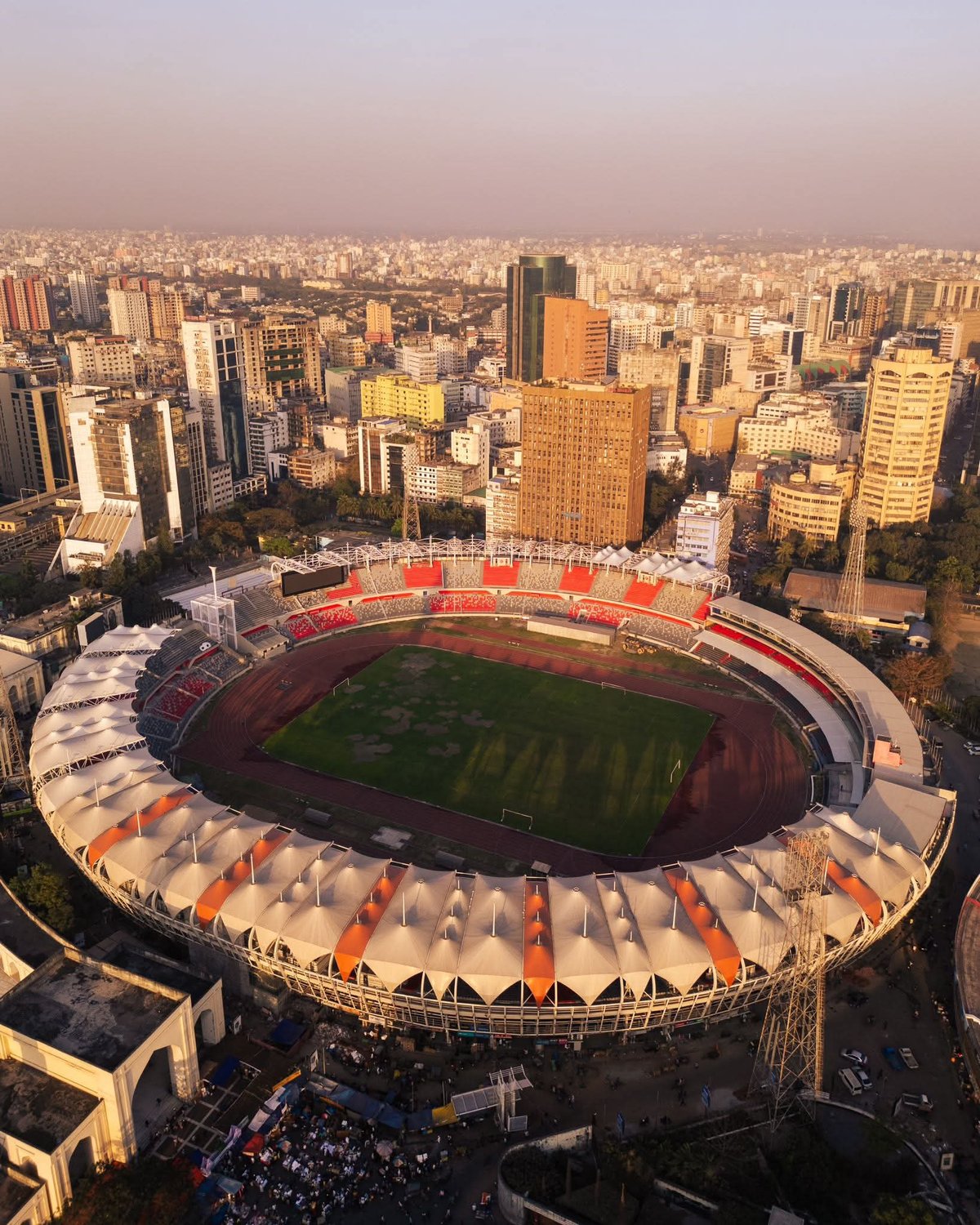
An aerial perspective captures the sprawling urban density and unique architectural layout of Dhaka, Bangladesh.
Musaddek Sayek on Pexels · Pexels License
Large passenger ferries line the banks of the Buriganga River in Dhaka, Bangladesh, showcasing the city's vital water transport network.
Somogro Bangladesh on Pexels · Pexels License
Practical Information
Getting There
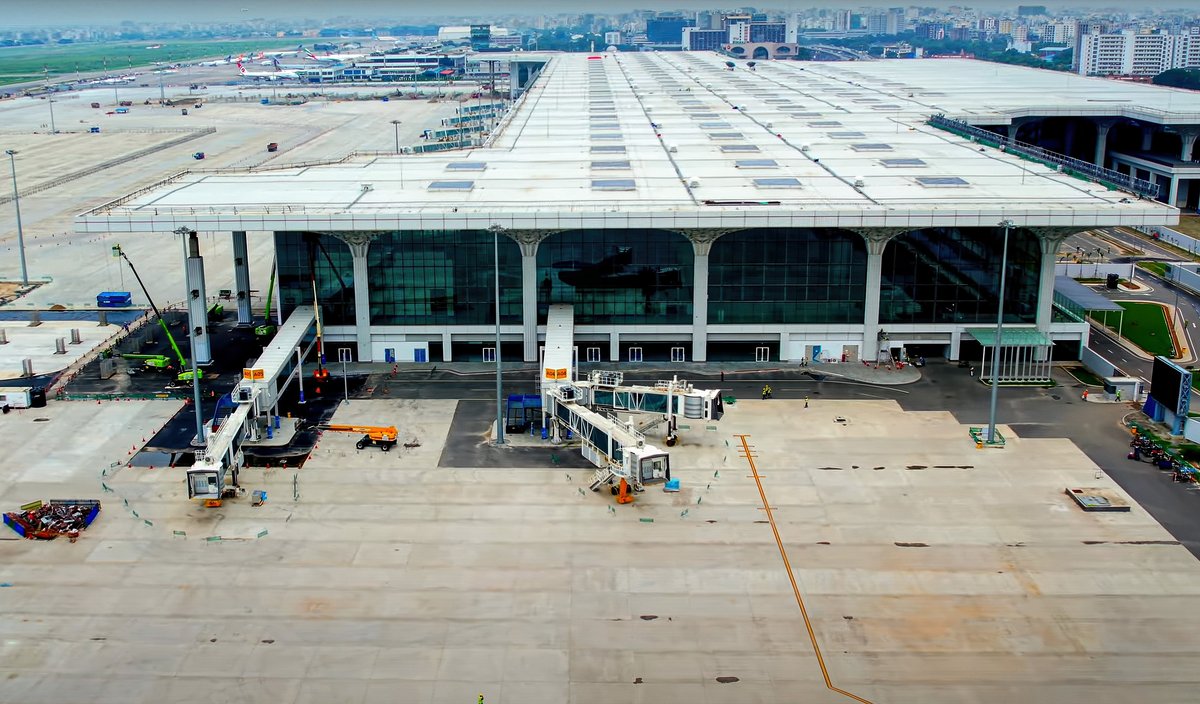
Hazrat Shahjalal International Airport (DAC) is Dhaka's main gateway, around 17 km north of central districts. As of 2026, HSIA runs an official shuttle to the airport rail/bus interchange (Tk 20; Tk 50 with extra luggage); main rail nodes are Kamalapur Railway Station and Dhaka Airport Railway Station. Major road approaches are National Highways N1 (toward Chattogram), N2 (toward Sylhet), and N3 (toward Mymensingh/Gazipur).
Getting Around
As of 2026, Dhaka has one operational metro line, MRT Line 6, with 16 stations from Uttara North to Motijheel; weekday service starts about 06:30 northbound and runs into late evening, with shorter Friday hours. There is no active tram network, and buses are extensive but fragmented, so many visitors mix metro rides with app cars, hotel cars, and short rickshaw hops. Rapid Pass gives a 10% metro discount, but official eligibility is tied to Bangladeshi NID, so foreign visitors should plan on single-journey metro tickets.
Climate & Best Time
Winter (Dec-Feb) is the easiest season, with roughly 24-29C daytime highs and much lower humidity; January is coolest, near 24C/15C high-low. Pre-monsoon spring (Mar-May) turns hot fast, then monsoon summer (Jun-Sep) brings heavy rain, with monthly normals often around 300-373 mm in peak months. The best window is November-February, while May-September is the off-peak stretch for heat, rain, and slower street movement.
Language & Currency
Bangla is the working language of the street, while English is common in hotels, business districts, and many institutions. Currency is the Bangladeshi taka (BDT), and cash is still essential for rickshaws, small eateries, and market purchases. Country code is +880, and airport and city SIM setup is straightforward in 2026, with prepaid options commonly listed around Tk 350.
Safety
As of January 20, 2026, the U.S. advisory for Bangladesh is Level 3 (Reconsider Travel), with emphasis on unrest, crime, and terrorism risks. In Dhaka, the biggest practical risks are protests, traffic chaos, late-night transport vulnerability, and phone theft in crowded areas. Keep emergency numbers saved: national emergency 999 and Dhaka Tourist Police mobile 01769-690717.
Where to Eat
Don't Leave Without Trying
Pinewood Cafe n' Restaurant
cafeOrder: Start with coffee and bakery bites, then order a grilled chicken-and-rice plate for a full cafe meal.
This is one of Dhanmondi’s dependable all-day hangouts when your group wants both snacks and proper mains. Big review volume and steady ratings make it a safe first stop.
Hotel Superstar
local favoriteOrder: Go straight for mutton kacchi or beef tehari, and pair it with borhani.
A classic Dhaka comfort-food stop with long service hours and serious local traffic. When you want hearty, familiar Bangla plates without fuss, this works.
Cooper's Tejgaon
quick biteOrder: Pick up chicken patties, fresh cream rolls, and a slice of cake for the road.
Cooper’s is a Dhaka institution for quick bakery cravings and takeaway boxes. It’s ideal when you need a fast, reliable bite between meetings or sightseeing.
Chilis
local favoriteOrder: Order a mixed grill platter with fries and a cold lime drink to share.
This is a crowd-friendly Dhanmondi option when your table wants variety and zero drama. Good for families and mixed tastes.
Shad Tehari Ghar
local favoriteOrder: Get the mutton tehari first; add beef rezala if you are sharing.
If you want Dhaka’s rice-and-meat comfort zone, this is the right lane. It delivers the city’s everyday feast style without premium pricing.
DPL Restaurant & Bar
local favoriteOrder: Try a kebab platter with naan and finish with a fresh lime soda.
A strong Green Road pick for late-evening group meals and hangouts. Consistent ratings and a broad menu make it an easy recommendation.
UniCafe Restaurant & Fun ~ PanthaPath
local favoriteOrder: Order a mixed platter for the table, then add biryani or fried rice for the heavy hitters.
This is a practical Panthapath choice when you need a clean, comfortable place near major hospitals and offices. Great for mixed-age groups.
Zaytun Restaurant
local favoriteOrder: Go for kacchi or morog polao, especially if you want a proper Dhaka-style rice plate.
The museum location makes this a convenient meal stop during a full Agargaon day. It’s a straightforward way to sample classic local flavors.
Mohakhali
local favoriteOrder: Try a paratha-and-kebab combo at lunch, then add a curry dish for the table.
A dependable neighborhood-style restaurant in a busy corridor where consistency matters more than hype. Good for regular, satisfying meals.
Impetus Lounge
fine diningOrder: Take a rooftop seat, order grilled fish or chicken steak, and pair it with a citrus mocktail.
For atmosphere-first evenings, this is one of the better rooftop calls in the area. It feels more occasion-ready than most casual neighborhood spots.
Red Button
quick biteOrder: Order small kebab plates and a house mocktail, then build your meal as you chat.
A useful Airport Road meet-up point when you want a relaxed evening stop instead of a full formal dinner. Best used for social, shareable eating.
California Fried Chicken and Pastry Shop (CFC) Dhanmondi 27
quick biteOrder: Get a fried chicken combo and finish with a pastry or cream roll.
This is a classic quick-fix stop in Dhanmondi for comfort fast food and sweets under one roof. Good value when time is tight.
Dining Tips
- check Tip by rounding up or leaving about 5-10% in full-service restaurants; it is appreciated but not always mandatory.
- check Carry cash for smaller local spots; cards are common in larger cafes and chain-style restaurants.
- check Dhaka traffic is serious, so add 30-60 minutes of buffer before reservation times.
- check Lunch rush is usually 1:00-3:00 PM; dinner gets busy from about 8:00 PM onward.
- check Friday and Saturday nights are peak family dining times, so call ahead for larger groups.
- check For biryani and tehari places, earlier service windows usually mean fresher batch cooking.
- check Ask about spice level before ordering if you prefer mild food.
- check During Ramadan, opening hours and peak dining times shift later than usual.
Restaurant data powered by Google
Tips for Visitors
Plan by Zone
Dhaka traffic can consume hours, so group your day by neighborhood: Old Dhaka, then Shahbagh/Ramna, then Gulshan-Banani on another day. Locals avoid cross-city zigzags, especially after 4 pm.
Use Metro Smartly
MRT Line 6 is the most reliable public transport spine (Uttara North to Motijheel), but it does not enter the airport terminal. On Fridays, service starts later, so check the official DMTCL timetable before heading out.
Airport Arrival Hack
At Hazrat Shahjalal International Airport, use the official shuttle bus or airport car-rental counters instead of improvising transport outside. Keep the fare memo if you take airport-arranged car service.
Crowd Safety First
Avoid demonstrations and political gatherings entirely; conditions can shift quickly. Save key numbers in your phone: national emergency 999 and Tourist Police Dhaka mobile 01769-690717.
Carry Small Cash
Use cash for rickshaws, small eateries, snacks, and tips, even if your hotel takes cards. In restaurants, 5-10% is fine when service charge is not already included.
Eat Where Busy
For street food, choose high-turnover stalls with steady local queues and hot, freshly cooked items. In Old Dhaka, go early for breakfast legends and before peak crush for evening specialties.
Pick Cooler Months
November to February is the easiest weather window, with less rain and lower humidity. May to September is harder for sightseeing because of heat, monsoon rain, and waterlogging risk.
Explore the city with a personal guide in your pocket
Your Personal Curator, in Your Pocket.
Audio guides for 1,100+ cities across 96 countries. History, stories, and local insight — offline ready.
Audiala App
Available on iOS & Android
Join 50k+ Curators
Frequently Asked
Is Dhaka worth visiting? add
Yes, if you want intense urban culture rather than polished sightseeing. Dhaka combines Mughal-era Old Dhaka, landmark modern architecture like Jatiya Sangsad Bhaban, and one of South Asia's most distinctive food-and-festival rhythms. It rewards curiosity, patience, and neighborhood-based planning.
How many days in Dhaka? add
Plan 3-5 days for a first trip. That gives you time for Old Dhaka heritage and food, major museums, one architecture-focused day, and at least one evening in Banani or Gulshan. With only 1-2 days, focus on one cluster per day and skip long cross-city jumps.
How do I get from Dhaka airport to the city? add
The simplest options are the official airport shuttle, airport-arranged car rental, or hotel transfer. As of March 31, 2026, the airport shuttle fare is listed at Tk 20 per person (Tk 50 with extra luggage). If you use airport car rental, ask for the cash memo with destination and fare.
Is there a metro from Dhaka airport terminal? add
No direct terminal metro stop is operating yet. The active line is MRT Line 6, which runs from Uttara North to Motijheel. You can connect by road from the airport area to a metro station.
Is Dhaka safe for tourists right now? add
Dhaka is visitable, but you need situational caution. As of January 20, 2026, the U.S. advisory for Bangladesh is Level 3 (Reconsider Travel), with specific concern about unrest and crime. Avoid protests, reduce late-night solo road travel, and use trusted transport after dark.
Is Dhaka expensive for travelers? add
Dhaka can be budget-friendly if you eat and move like locals. Street food, local restaurants, and metro rides are inexpensive, while international hotels and upscale dining in Gulshan-Banani raise costs quickly. A mixed strategy usually works best: comfortable base, local food days.
Can foreign tourists use Rapid Pass in Dhaka? add
Do not rely on it for a short trip. Rapid Pass FAQ language says applications are for Bangladeshi citizens with a National ID, so visitors should plan on single-journey metro tickets/tokens. Keep small cash ready for feeder transport.
What area should I stay in Dhaka as a first-time visitor? add
Gulshan, Banani, or Baridhara are the easiest bases for most international visitors. You get better hotel infrastructure, more predictable transport options, and easy food choices, then do targeted trips into Old Dhaka. Dhanmondi is a good middle-ground if you want a more local daily atmosphere.
Sources
- verified Hazrat Shahjalal International Airport (HSIA) - About HSIA — Airport location, facilities, and core passenger information.
- verified HSIA - Shuttle Bus Service — Official airport shuttle details and fares.
- verified DMTCL - MRT Line 6 Timetable — Metro operating hours, including Friday schedule.
- verified Rapid Pass FAQ — Eligibility and usage details for transport smartcard.
- verified U.S. Department of State - Bangladesh Travel Advisory — Current advisory level and safety risk categories.
- verified Bangladesh Meteorological Department - Dhaka Climate Normals — Monthly rainfall normals used for best-season guidance.
- verified Liberation War Museum — Primary source for one of Dhaka's key historical institutions.
- verified Goethe-Institut Bangladesh - Old Dhaka Food Map — Local food geography and legacy eateries in Old Dhaka.
Last reviewed: