Plan and listen to Port Of Chittagong with Audiala.
Audio guide in your pocket, itinerary in your browser. Built for the way you actually visit.
Introduction
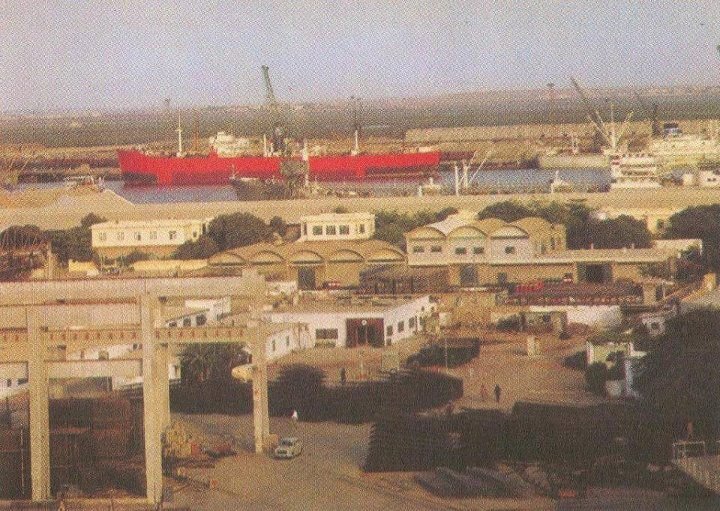
Situated along the Karnaphuli River and opening to the Bay of Bengal, the Port of Chittagong is Bangladesh’s largest and busiest maritime gateway, embodying centuries of history, cultural diversity, and economic vitality. Dating back to at least the 4th century BCE, the port has long played a pivotal role in regional and global trade, connecting South Asia to the wider world (tasnimmarine.com; en.banglapedia.org). Today, it handles over 90% of Bangladesh’s international trade and is a key access point for neighboring countries, driving the nation’s economic growth and serving as a strategic geopolitical hub (businessinspection.com.bd; orfonline.org).
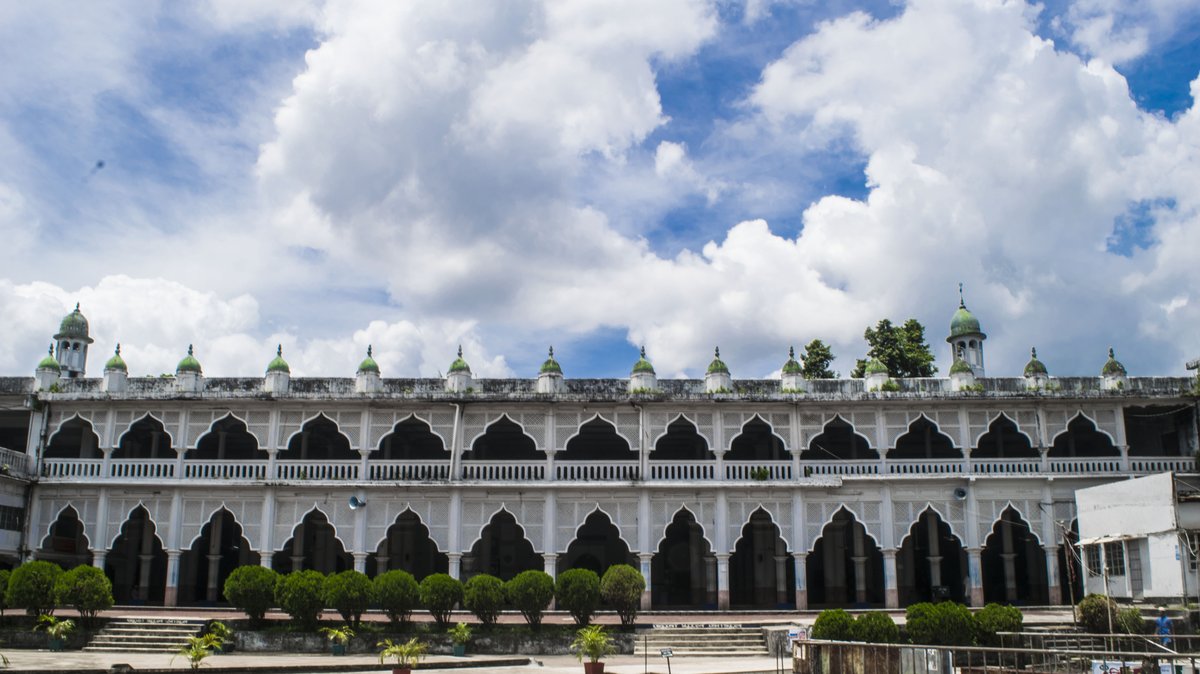
While the port itself is a restricted commercial facility, visitors can experience its dynamic maritime atmosphere from nearby public vantage points, such as Patenga Beach and Karnaphuli River cruises. This guide offers an in-depth look at the port’s historical evolution, economic impact, infrastructure, visiting information, and practical travel tips to help you plan a meaningful visit to Chittagong’s port area.

Historical Evolution
Ancient and Medieval Periods
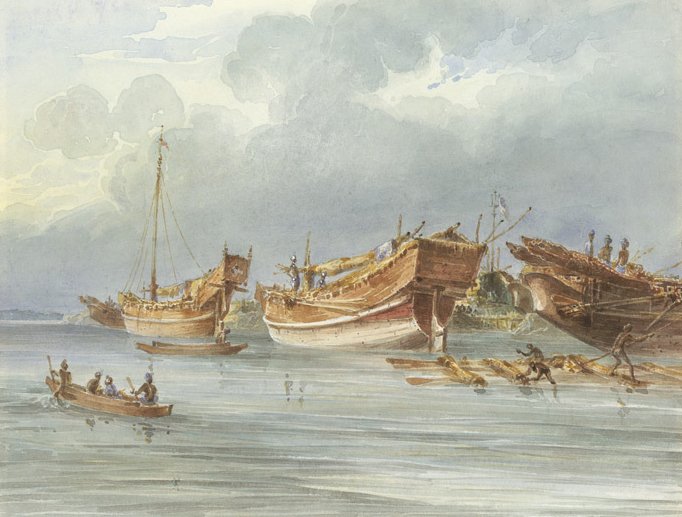
The origins of the Port of Chittagong trace back to at least the 4th century BCE. Ancient texts such as the Periplus of the Erythraean Sea reference Chittagong as a bustling trade center frequented by merchants from Arabia, Greece, China, and beyond (tasnimmarine.com). Its natural deep-water anchorage and strategic location at the Ganges Delta made it a vital link along the maritime Silk Road, connecting East and West (en.banglapedia.org).
Colonial Era
The 16th century saw the arrival of the Portuguese, who recognized Chittagong’s significance and established settlements. British colonial rule, beginning in 1760, ushered in formal administrative structures and major infrastructural developments, including the Port Commissioner’s Act of 1887 and railway expansions. By the early 20th century, the port’s capacity and importance had grown considerably (cpagovbd.wixsite.com).
Modern Era
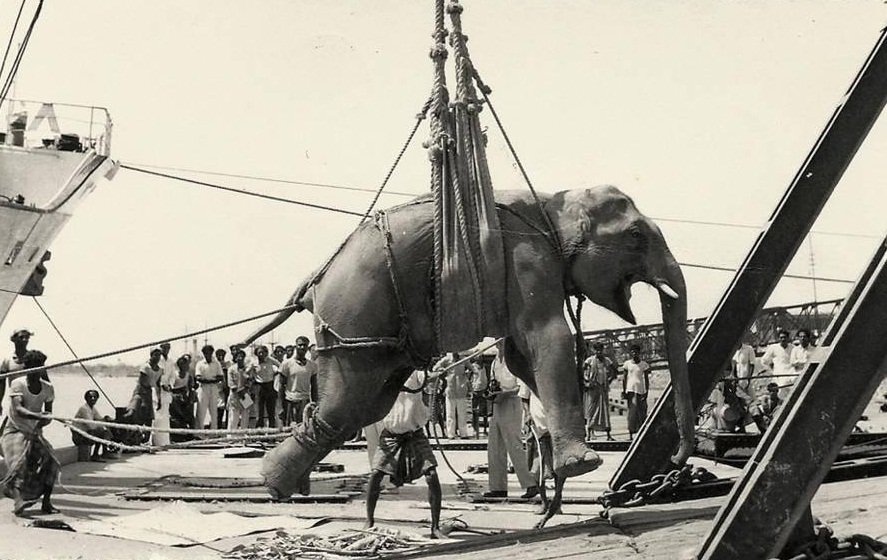
After Partition in 1947, Chittagong became the main port of East Pakistan, spurring rapid expansion. Following Bangladesh’s independence in 1971, it further solidified its status as the country’s primary maritime gateway, now managed by the Chittagong Port Authority (en.banglapedia.org).
Economic Significance
Chittagong Port is the backbone of Bangladesh’s economy, handling over 92% of the nation’s exports and imports (orfonline.org). The port supports key industries such as ready-made garments, jute, tea, and seafood, facilitating Bangladesh’s integration into global supply chains (businessinspection.com.bd). It also plays a pivotal role in employment, generating thousands of jobs and supporting numerous sectors related to shipping, logistics, and warehousing.
Key Commodities
Exports: Garments, jute, tea, frozen fish, fertilizer
Imports: Food grains, cement, petroleum, sugar, iron, machinery (en.banglapedia.org)
Geopolitical Importance
The port’s access to international shipping routes has attracted interest from regional powers and serves as a diplomatic asset for Bangladesh (orfonline.org).
Port Infrastructure and Modernization
The Port of Chittagong features a combination of public and private terminals, with specialized berths for general cargo, containers, and industrial goods. The New Mooring Container Terminal, completed in 2008, has significantly enhanced handling capacity (en.banglapedia.org).
Security and Operations
The port is secured by the Bangladesh Coast Guard and Navy, with BNS Issa Khan naval base nearby. Strict protocols ensure operational safety and security.
Challenges
Congestion and capacity limitations are ongoing challenges, addressed through technological upgrades, off-dock container handling, and private sector involvement.
Major Expansion Projects
Bay Terminal Project
This major initiative will triple or quadruple the port’s capacity upon completion. It includes new berths, a seven-kilometer navigational channel, and modern logistics facilities, positioning Chittagong as a regional transshipment hub (orfonline.org).
Patenga Container Terminal
Developed via public-private partnership, this modern terminal will initially handle 500,000 TEUs and is scalable to 600,000 TEUs, emphasizing safety and environmental sustainability.
Smart Bangladesh Vision 2041
The government’s forward-looking plan includes digitized port management, expanded customs automation, and green initiatives to meet future trade demands.
Regional Integration and Connectivity
Chittagong Port is crucial not only for Bangladesh but also for regional logistics, serving as a transit point for India’s northeast, Nepal, and Bhutan. Its integration into international supply chains and connectivity to road and rail networks support sub-regional economic growth (thinkexpand.com).
Visitor Information and Travel Tips
Visiting Hours and Access
- Operational Port Zones: Strictly restricted for security reasons. No general public entry or ticketed access.
- Observation Points: Public areas like Patenga Beach and the Karnaphuli riverbanks are open daily (typically from dawn to dusk).
- Guided Tours: Occasional group tours may be available through local agencies or with special permission from the Chittagong Port Authority. Booking in advance is essential (prothomblog.com).
Transportation
- By Air: Shah Amanat International Airport is about 20 km from the port.
- By Road: Taxis, buses, and ride-sharing services are widely available.
- By Rail: Chittagong Railway Station connects to Dhaka and other cities; a short drive leads to the port area (panoceanbd.com).
Tickets and Entry
There are no standard entry tickets for the port. Guided tours, when available, may charge booking fees (typically BDT 500–1500, depending on itinerary).
Nearby Attractions and Activities
- Patenga Beach: The prime vantage point for viewing port operations, popular for sunset strolls and street food (travelsetu.com).
- Karnaphuli River Cruises: Offer a unique perspective of the port, city skyline, and maritime activity (wildtrips.net).
- Chittagong Fish Market: A lively destination to witness the city’s seafood trade.
- Ethnological Museum: Explores the region’s cultural diversity (audiala.com).
- Foy’s Lake: Scenic relaxation spot with boating and amusement options.
- Chandanpura Mosque, Shrine of Bayazid Bostami, and Khatunganj Market: Reflect the city’s architectural and commercial heritage (mytravelation.com).
Practical Tips for Visitors
- Dress Modestly: Respect local customs, especially in public and religious areas.
- Photography: Permitted from public spaces, but restricted within the port itself. Always seek permission when unsure.
- Best Visiting Season: November to March, during the dry and cooler period, offers the best sightseeing and photography conditions.
- Health & Safety: Bottled water is recommended; street food should be enjoyed from reputable vendors. The port area is highly secure—comply with all posted regulations.
- Transport: Expect heavy traffic during peak hours and plan accordingly.
Cultural Insights and Local Experiences
Chittagong’s port has shaped the city’s culture, cuisine, and identity. The influence of centuries of trade is visible in local dishes, markets, and festivals. Seafood, especially fried fish and spicy local specialties, is a staple. The area reflects a blend of Bengali, Arab, Persian, and European influences in its traditions and daily life (prothomblog.com; tripjive.com).
Frequently Asked Questions (FAQ)
Q: Can I visit the Port of Chittagong?
A: Public access to operational port areas is restricted. Observation points like Patenga Beach and river cruises are open to visitors.
Q: Are there tickets for visiting the port?
A: There are no standard tickets for the port itself. Guided tours, when available, may require booking and payment.
Q: What are the best times to visit?
A: November to March is ideal for pleasant weather and clear views.
Q: Are guided tours available?
A: Some local agencies offer tours focusing on maritime heritage, subject to advance booking and permission.
Q: How do I get to the port area?
A: By taxi, ride-share, or public transport from Chittagong city center; Shah Amanat International Airport is nearby.
Listen to the full story in the app
The whole Port Of Chittagong,
told well.
Listen to sourced travel stories with local history and practical context — ready offline.
Verified, and shown.
Researched and written by the Audiala editorial team from historical records, architectural archives, and local expertise.
Built from cited sources · see the method · How we make our guides →