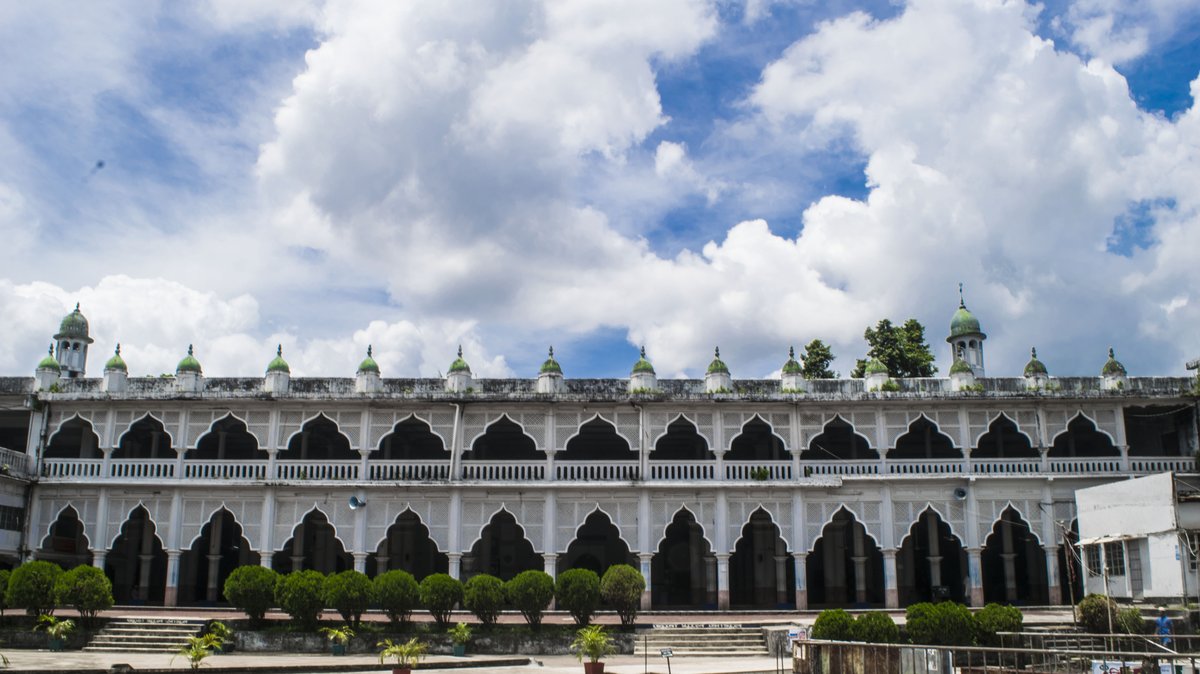
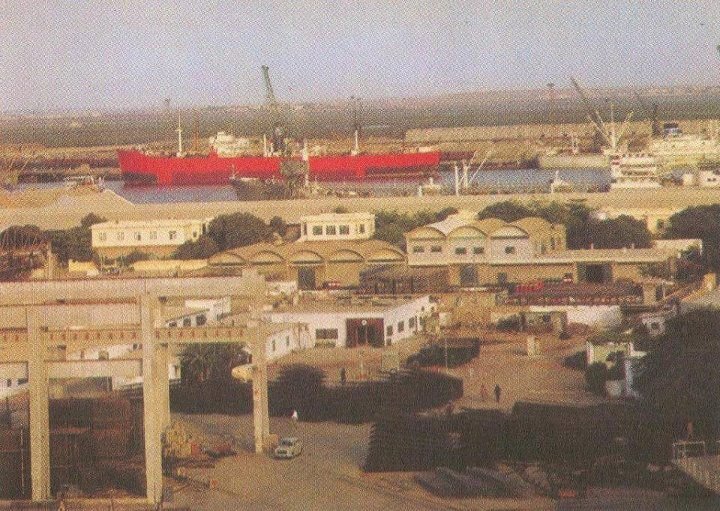
A beach beside a container terminal, a naval academy, and an airport runway sounds like a planning error, yet Patenga in Chittagong, Bangladesh is exactly where the city makes sense. You come here for the collision: the Karnaphuli River emptying into the Bay of Bengal, freighters sliding past like apartment blocks on the move, and a public promenade built as much from cyclone memory as from leisure. Patenga rewards visitors who prefer working edges to postcard shores, because this is the place where Chattogram shows its muscles, its scars, and its sea breeze in one glance.
Patenga is about 14 kilometers south of central Chittagong, close enough to feel urban, far enough to smell salt and diesel instead of traffic fumes. The beach itself is narrow and the water is not the point. The point is the view: river pilots, breakwater stones, fishing boats, port cranes, and evening light spreading across a coast that never had the luxury of being only scenic.
Records show this shore sits at the mouth of the Karnaphuli, the gateway to Bangladesh's main maritime port. That changes how you read the place. What looks like a casual seafront outing is also a frontline of trade, weather, engineering, and state power.
Come near sunset, when families gather and the horizon fills with anchored ships, each one lit like a second city. Then look down at the concrete armor under your feet. Patenga's real subject is not escape. It's exposure.
Researched by the Audiala editorial team from historical records, architectural archives, and local expertise.
What to see
The Promenade and Sunset Steps
Patenga surprises people who arrive expecting a wide bathing beach and find, instead, a hard-edged public waterfront where concrete steps, salt wind, and the Bay of Bengal do the real work. The seafront you see today was reshaped after the 29 April 1991 cyclone and then remade again through the Outer Ring Road works that began in July 2016, so the pleasure here is less bare sand than sitting on the tiered seating at dusk while cargo ships darken into silhouettes and the air smells of fried fish, sea spray, and hot pavement cooling at last.
Stay for the light change. Orange sun hits the anchored vessels in the Karnaphuli channel, children run the promenade, and the whole place starts to feel like Chattogram explaining itself: port city, airport city, river city, and beach city all at once.
The Jetties at the Karnaphuli Mouth
The best part of Patenga isn't the beach at all. Walk toward the jetties and you stand at the mouth of the Karnaphuli River, about 14 kilometers south of central Chattogram, where estuary water and sea water meet under a horizon crowded with fishing boats, self-propelled barges, and low aircraft descending toward Shah Amanat International Airport.
This is where Patenga gets strange in the right way. Wind shoves at your shirt, waves slap the armor stone below, and the port infrastructure offshore makes the ships look less like boats than apartment blocks drifting on water.
From Jhauban Shade to the Evening Tide
Start behind the main seafront in the tamarisk, or jhauban, strip, where snack stalls, plastic chairs, and tree shade soften a shoreline built from rock and concrete. Then drift toward the promenade as evening tide comes in; local tourism authorities warn that the sea can cover the lower walls and stone blocks, which means the place shifts, almost hour by hour, from casual stroll to public spectacle.
Take that timing seriously. Late afternoon gives you the full Patenga sequence: filtered shade, the smell of frying prawns and green mango, slick black rocks below the wall, then sunset on the steps with ships offshore and planes overhead, a combination no polished resort could invent if it tried.
Plan your visit
Getting There
Patenga sits about 14 km south of central Chattogram, roughly the length of a long airport run, and most people reach it via Airport Road toward Sea Beach Road. From New Market, Railway Station Road, GEC Circle, or Bahaddarhat, destination-signed local buses toward Patenga or "Airport / বিমানবন্দর" usually take about 35-60 minutes and cost around BDT 20-30; a CNG auto-rickshaw or taxi is faster at about 25-45 minutes for roughly BDT 250-400, traffic willing. From Shah Amanat International Airport, the beach is a short transfer of about 10-20 minutes by road, but walking with luggage on roadside urban stretches is a bad trade.
Opening Hours
As of 2026, Patenga works like a public shoreline rather than a gated attraction, and I found no official daily opening timetable. People come early for sunrise and late afternoon for sunset, with the busiest stretch running into early evening; November to February brings the easiest weather, while June to September means rain, sticky air, and a grayer sea. Full seasonal closures have not been documented, though crowd-control drives and one-off holiday security restrictions can affect access.
Time Needed
Give Patenga 60-90 minutes if you only want the sea wall, ship views, and sunset photos. Two to three hours fits the place better: enough time for a slow walk, a plate of fried snacks, and that odd local pleasure of watching planes descend over the water like metal birds looking for a perch. Stretch to 3-4 hours only if you plan to eat properly, try a paid ride, or pair it with nearby stops around the airport and estuary.
Accessibility
Patenga is easier at promenade level than at the waterline. The rebuilt seafront has concrete walkways, seating areas, and embankments that many visitors with limited mobility can manage, but the actual beach edge is another story: narrow sand, concrete walls, and large erosion-control boulders make close water access unreliable for wheelchairs. As of 2026, I found no confirmed official details for beach wheelchairs, tactile paving, or accessible toilets, so treat full accessibility as unverified.
Cost & Tickets
As of 2026, beach access appears free, with no official entry fee, no timed ticketing, and no online booking system. Paid extras such as speedboats, sea bikes, horse rides, and snacks are available on site, but I found no current official rate sheet, so agree on the price before anything starts. That matters here.
Photo Gallery
Visitors enjoy a sunny day at Patenga Sea Beach in Chittagong, Bangladesh, where a man walks along the shore as others ride an ATV. · Shahidul Hasan RomanThe rocky shoreline of Patenga Sea Beach in Chittagong, Bangladesh, lined with concrete tetrapods and a view of distant cargo ships. · RiazA vibrant, traditional wooden Ferris wheel stands as a playful landmark on the grassy grounds near Patenga Beach in Chittagong, Bangladesh. · Moheen ReeyadThe tranquil waters of Patenga Sea Beach in Chittagong, Bangladesh, at sunset with cargo ships anchored on the horizon. · RiazA local food vendor's stall in Patenga, Bangladesh, showcasing traditional fried snacks under bright daylight. · Faisal Akram from Dhaka, BangladeshThe golden glow of sunset illuminates a row of trees along the coast of Patenga, Chittagong, with cargo ships visible in the distance. · Samina KhondkarA peaceful afternoon at Patenga Sea Beach in Chittagong, Bangladesh, featuring traditional wooden shelters and a view of the hazy coastline. · Faisal Akram from Dhaka, Bangladesh
History
Where the Harbor Had to Be Won
Patenga does not have the neat origin story of a fort or mosque. The documented history belongs to the mouth of the Karnaphuli River, and records show that whoever controlled this estuary controlled access to Chittagong. Long before families came for sea air, war fleets, port officials, air crews, and salvage teams treated this shoreline as a threshold.
That is why Patenga feels odd in the best way. The modern promenade is recent, much of it shaped after the 29 April 1991 cyclone and then remade again by the outer ring road works that began in July 2016. Beneath the snacks, neon rides, and sunset photos sits a harder story about harbor power, coastal damage, and a city still rebuilding its edge.
The turning point
Buzurg Umed Khan and the Day the Estuary Changed Sides
Records show that in late December 1665, Mughal governor Shaista Khan sent his son Buzurg Umed Khan to retake Chittagong from the Arakanese-Portuguese order that had dominated this coast. For Buzurg Umed Khan, the stakes were personal as well as imperial: failure would leave him as the commander who could not secure Bengal's seaward gate, while success would make him the first Mughal faujdar of the conquered port.
The turning point came on 26 January 1666, when the fighting moved through the sea approaches and into the Karnaphuli itself. Imagine the noise. Cannon smoke over brown water, ships crowding the estuary mouth, crews breaking under fire, and the balance of power on this coast shifting in a single day.
Patenga's modern beach existed nowhere in that form, yet this is still the right place to feel the force of the event. The shore you stand on marks the entrance that had to be won before Chittagong could become Mughal Islamabad, then British port city, then Bangladesh's economic lifeline.
Warfield to Runway
Sources from the Civil Aviation Authority attribute the Patenga airfield to 1940, built by the British for World War II. Documented wartime records show Chittagong then served the Burma Campaign in 1944 and 1945, turning this coastal strip into a supply and combat corridor. That history lingers in the odd thrill of Patenga today: you can watch waves, then hear aircraft descending over a harbor that has spent much of the last century thinking about logistics before leisure.
Cyclone Memory in Concrete
The district record confirms that the 29 April 1991 cyclone devastated Patenga's shore protection, and the coast never really returned to any innocent version of itself. The embankments, giant stone blocks, and engineered promenade are not decoration. They are a disaster archive in plain sight, later expanded by the outer ring road works launched in July 2016 and complicated again when part of the waterfront edge collapsed on 13 July 2019 after high tide washed out soil.
Tips for visitors
Go at Sunset
Late afternoon is Patenga's real hour: the light turns copper, families arrive in waves, and the port-city mood finally makes sense. If you want quieter air and fewer elbows, come early morning instead.
Skip the Drone
Patenga sits beside Shah Amanat International Airport and near naval facilities, so drone flying without clearance is a bad idea and may be illegal in this red-zone airspace. Handheld photos are generally fine, but don't point cameras too eagerly at security posts, military areas, or airport operations.
Stay Before Late
Daylight and early evening are the safest bet. Recent local reporting points to lighting problems, harassment concerns, crowd disorder, and rougher behavior after dark, so go with company and avoid isolated ghat-side corners once the promenade starts thinning out.
Eat Selectively
For quick local flavor, the budget stalls along Sea Beach Road do the usual fried fish, fuchka, halim, and tea, with the smell of salt and frying oil mixed together in the air. If you want a proper sit-down meal, try The River View Restaurant at Ghat 11 for splurge-level river views or Barcode Food Junction Patenga near Airport Road for a mid-range, more polished stop; beach-stall hygiene is uneven, so choose the busy vendors with fast turnover.
Travel Light
Lockers have not been documented at the beach, and current airport information also says Shah Amanat International Airport does not offer left-luggage service. Bring only what you can keep on you, because Patenga is a promenade for strolling, not a place built for bag storage.
Read the Place
Patenga makes more sense when you stop asking it to be a resort beach. Come for Chattogram's working edge instead: container ships on the horizon, aircraft overhead, concrete embankments underfoot, and a city meeting the Bay of Bengal without pretending to be somewhere softer.
Order: Grilled hilsha fish thali — the place is a local favorite for its authentic seafood.
Right on Sea Beach Road, this spot feels like a hidden gem for those who want real Chittagong flavors without the touristy prices. The grilled fish is fresh and perfectly spiced.
Order: Prawn malai curry or chingri bhorta — their specialties showcase the freshest catches from the coast.
This beachside spot is all about fresh seafood, with no frills but plenty of flavor. The malai curry is rich and creamy, while the bhorta is a must for spice lovers.
Order: Halim and chotpoti — their versions of these classics are packed with flavor and texture.
This isn't a sit-down restaurant—it's a quick, authentic taste of Chittagong street food. Perfect for a snack between beach walks or exploring the area.
checkWalking-distance coverage around Patenga is uneven. The strongest options cluster on or near Sea Beach Road, Patenga Road, and East Patenga.
checkFor the best local seafood, stick to Mabruk or Samudra Bilash—both are right by the beach and serve super-fresh catches.
checkIf you're in the mood for a quick, cheap meal, the Chotpoti o Halim stall is a great spot for authentic street food.
checkFor a more budget-friendly option, Grand Patenga near KEPZ offers classic Chittagong dishes without the beachside price tag.
Food districts:Sea Beach Road for seafoodPatenga Road for local favoritesEast Patenga for scenic views and riverfront diningKEPZ area for budget-friendly local dishes
Restaurant data powered by Google
Frequently asked
Is Patenga worth visiting?
Yes, if you treat it as Chittagong's working waterfront rather than a resort beach. Patenga works best for sunset, ship-watching, airplane-spotting, fried snacks, and the odd thrill of standing where the Karnaphuli River meets the Bay of Bengal. Go expecting concrete embankments, wind, crowds, and a port-city mood, not soft sand and a long swim.
How long do you need at Patenga?
Most visitors need 2 to 3 hours at Patenga. Give it 60 to 90 minutes for a quick promenade walk and sunset photos, or 3 to 4 hours if you want snacks, a boat or horse ride, and time to linger in the shaded jhauban strip. Late afternoon into dusk is the sweet spot.
How do I get to Patenga from Chittagong?
The easiest way is by CNG auto-rickshaw, taxi, or ride-share from central Chittagong. Local buses also run toward Patenga or the airport from areas like New Market, Railway Station Road, GEC Circle, and Bahaddarhat, with reported fares around BDT 20 to 30; a CNG or taxi usually costs about BDT 250 to 400 depending on traffic. From Shah Amanat International Airport, Patenga is only a short road transfer away.
What is the best time to visit Patenga?
November to February is the best time to visit Patenga. Those cooler, drier months make the promenade far more pleasant, while the monsoon from roughly June to September brings rain, rougher water, and a harsher seafront. Within a day, late afternoon is best because the light turns coppery and the ships offshore start to look almost theatrical.
Can you visit Patenga for free?
Yes, Patenga is a free public beach. I found no official entry fee, no timed entry system, and no booking requirement for general access, though rides like speedboats, sea bikes, and horse rides cost extra. That said, confirm prices before accepting photos, snacks, or add-on activities from vendors.
What should I not miss at Patenga?
Don't miss the tiered seating and promenade at sunset, where the whole place turns into a public grandstand facing ships, tide, and low aircraft. Also pay attention to the armored shoreline of concrete walls and giant stone blocks; those hard edges tell the real story of cyclone damage, erosion, and a coast rebuilt for survival as much as leisure. If you have extra time, the tamarisk-shaded jhauban strip behind the water gives you the softer, more local side of Patenga.
Sources & attribution100
Researched and written by the Audiala editorial team from historical records, architectural archives, and local expertise. Last updated April 2026.
Chattogram District Administration — Official district tourism page for Patenga; used for location, beach character, safety, amenities, and visitor timing.
Watch tower at Patenga (02) — Moheen Reeyad — CC BY-SA 4.0 (https://creativecommons.org/licenses/by-sa/4.0/) — Source: https://commons.wikimedia.org/wiki/File:Watch_tower_at_Patenga_(02).jpg
Potenga Marine Drive, Chittagong and Our Rikshaw Puller (14131018337) — Faisal Akram from Dhaka, Bangladesh — CC BY-SA 2.0 (https://creativecommons.org/licenses/by-sa/2.0/) — Source: https://commons.wikimedia.org/wiki/File:Potenga_Marine_Drive,_Chittagong_and_Our_Rikshaw_Puller_(14131018337).jpg
Fishing trawlers and Harbor ships are waiting far from the Patenga sea beach for port of Chittagong — Shahidul Hasan Roman — CC BY-SA 4.0 (https://creativecommons.org/licenses/by-sa/4.0/) — Source: https://commons.wikimedia.org/wiki/File:Fishing_trawlers_and_Harbor_ships_are_waiting_far_from_the_Patenga_sea_beach_for_port_of_Chittagong.jpg
Patenga Sea Beach in the late afternoon (2019) by MS Sakib — MS Sakib — CC BY-SA 4.0 (https://creativecommons.org/licenses/by-sa/4.0/) — Source: https://commons.wikimedia.org/wiki/File:Patenga_Sea_Beach_in_the_late_afternoon_(2019)_by_MS_Sakib.jpg
Night view of Potenga sea beach — Ashikor rahman — CC BY-SA 4.0 (https://creativecommons.org/licenses/by-sa/4.0/) — Source: https://commons.wikimedia.org/wiki/File:Night_view_of_Potenga_sea_beach.jpg
A couple is riding on beach motorbike at Patenga Sea Beach — Shahidul Hasan Roman — CC BY-SA 4.0 (https://creativecommons.org/licenses/by-sa/4.0/) — Source: https://commons.wikimedia.org/wiki/File:A_couple_is_riding_on_beach_motorbike_at_Patenga_Sea_Beach.jpg
Bay of Bengal at Potenga point 05 — Riaz — CC BY-SA 4.0 (https://creativecommons.org/licenses/by-sa/4.0/) — Source: https://commons.wikimedia.org/wiki/File:Bay_of_Bengal_at_Potenga_point_05.jpg
Bay of Bengal at Potenga point 01 — Riaz — CC BY-SA 4.0 (https://creativecommons.org/licenses/by-sa/4.0/) — Source: https://commons.wikimedia.org/wiki/File:Bay_of_Bengal_at_Potenga_point_01.jpg
A Shop at Patenga (14335084172) — Faisal Akram from Dhaka, Bangladesh — CC BY-SA 2.0 (https://creativecommons.org/licenses/by-sa/2.0/) — Source: https://commons.wikimedia.org/wiki/File:A_Shop_at_Patenga_(14335084172).jpg
A woman in red at the Patenga beach (14561449734) — Faisal Akram from Dhaka, Bangladesh — CC BY-SA 2.0 (https://creativecommons.org/licenses/by-sa/2.0/) — Source: https://commons.wikimedia.org/wiki/File:A_woman_in_red_at_the_Patenga_beach_(14561449734).jpg
Bay of Bengal at Potenga point 06 — Riaz — CC BY-SA 4.0 (https://creativecommons.org/licenses/by-sa/4.0/) — Source: https://commons.wikimedia.org/wiki/File:Bay_of_Bengal_at_Potenga_point_06.jpg
A horse rider boy at Patenga Sea Beach (1) — Shahidul Hasan Roman — CC BY-SA 4.0 (https://creativecommons.org/licenses/by-sa/4.0/) — Source: https://commons.wikimedia.org/wiki/File:A_horse_rider_boy_at_Patenga_Sea_Beach_(1).jpg
Large blocks of stones in Patenga Sea Beach — Shahidul Hasan Roman — CC BY-SA 4.0 (https://creativecommons.org/licenses/by-sa/4.0/) — Source: https://commons.wikimedia.org/wiki/File:Large_blocks_of_stones_in_Patenga_Sea_Beach.jpg
Fishing trawlers are waiting far from the Patenga sea beach for port of Chittagong — Shahidul Hasan Roman — CC BY-SA 4.0 (https://creativecommons.org/licenses/by-sa/4.0/) — Source: https://commons.wikimedia.org/wiki/File:Fishing_trawlers_are_waiting_far_from_the_Patenga_sea_beach_for_port_of_Chittagong.jpg
Strictly necessary cookies keep the site working. Analytics (PostHog, Google Analytics) measures how each visitor uses our pages. Marketing loads YouTube videos and walking-route maps without a tap and lets Google Analytics set advertising cookies. We never sell your data. You can change this any time from the footer.
Analytics and marketing cookies are optional and only load if you agree. Details under Customize.
Privacy
Cookie preferences
Pick what you're okay with. You can change this any time from the footer.
Strictly necessary
Always on
Sign-in, language, navigation. Always on.
Product analytics
PostHog (EU) and Google Analytics record which pages you view and how you use them, under a random identifier stored in your browser. Helps us see which pages work and which need fixing. Google's ad personalisation stays off. No selling.
Marketing
Loads YouTube videos and the walking-route maps (OpenFreeMap) without a tap; without it, they load only when you tap them. If analytics is also on, Google Analytics may set advertising cookies. Ad personalisation stays off.