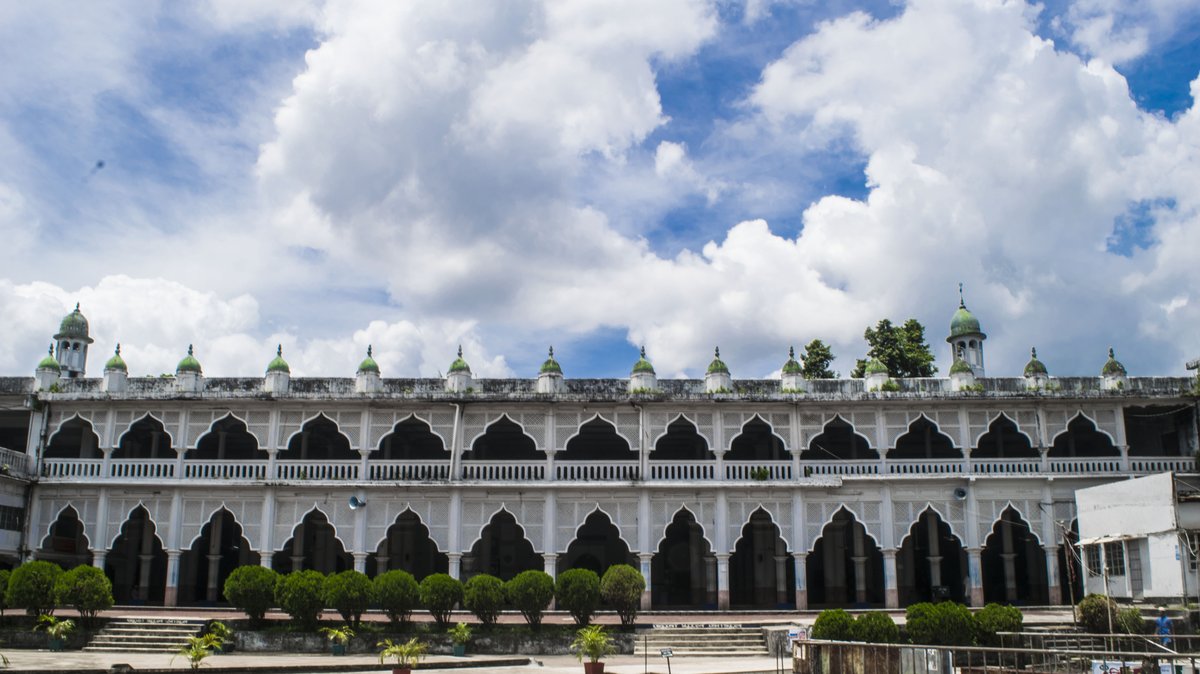
Historical Background
Colonial Origins and Urban Development
New Market Circle’s roots reach back to the British colonial era, a period when Chittagong’s growth as a port city triggered significant urban changes. The city’s location along the Karnaphuli River made it an important commercial center, with trade gradually shifting inland following the construction of the Chattogram Railway Station in the late 19th century. British authorities planned and constructed organized marketplaces, setting the stage for the area’s commercial evolution (ebrary.net; chittagong.gov.bd).
The Birth of Biponi Bitan
Biponi Bitan, the main complex at New Market Circle, was officially inaugurated in 1964 under the Chittagong Development Authority. It debuted with about 458 shops, providing a modern alternative to older markets like Reazuddin Bazar and Teribazar. Its central location and accessibility established New Market Circle as Chittagong’s commercial and social nucleus (Wikipedia; allofbd.com).
Socio-Economic Impact and Urban Identity
New Market Circle rapidly grew into the city’s largest shopping destination, attracting people from all walks of life. It offers a vast selection of products—clothing, electronics, spices, and handicrafts—at prices that accommodate diverse budgets. The market is more than a commercial center; it is a space where social, cultural, and even political life converge, having hosted rallies, festivals, and public celebrations (evendo.com).
Architectural Evolution
Originally designed as a multi-story complex, Biponi Bitan has expanded both vertically and horizontally to meet growing demand. The area now features additional shopping complexes, hotels, and restaurants. Recent modernization projects focus on improving infrastructure, managing traffic, and maintaining cleanliness, all while preserving the market’s historic character (evendo.com).
Cultural and Community Life
New Market Circle is a melting pot of Chittagong’s diverse cultures and traditions. Its atmosphere peaks during major festivals like Pohela Boishakh and Eid, when the market becomes a focal point for communal celebrations. The lively bargaining culture and variety of culinary offerings—from Bengali classics to international snacks—make it a quintessential urban experience (tripjive.com; Property Guide).
Visitor Information
Visiting Hours
- Standard Hours 10:00 AM to 9:00 PM daily
- Closures All day Friday; half-day Thursday (hours may extend during festivals)
- Best Time to Visit Weekday mornings for a quieter atmosphere; evenings/weekends for vibrant activity; December–February for pleasant weather (sharetrip.net)
Entry and Tickets
- Entry Fee Free; no tickets required
- Special Events Occasionally, events/exhibitions may require a ticket
Accessibility
- Transport Easily accessible by rickshaw, CNG auto-rickshaw, taxi, bus, or ride-sharing services
- Parking Limited; public transport is recommended during peak times
- Mobility Some areas are wheelchair accessible, but crowding and uneven surfaces can be challenging
Shopping Experience
New Market Circle is famous for its retail diversity. The main Biponi Bitan complex is surrounded by shops and stalls offering:
- Textiles & Clothing Sarees, salwar kameez, lungis, festive attire, and hand-embroidered fabrics
- Jewelry & Accessories Gold, silver, and imitation jewelry reflecting local and tribal styles
- Footwear & Leather Goods Locally crafted sandals and imported shoes
- Household Items Crockery, kitchenware, and home décor
- Electronics & Gadgets Mobile phones, accessories, and small electronics (Property Guide)
Bargaining is expected—start at 60–70% of the asking price for better deals. During Ramadan and Eid, special sales and festive goods are widely available.
Street Food and Culinary Highlights
The area is renowned for its vibrant street food scene. Must-try items include:
- Fuchka (Pani Puri) Crisp shells with spicy fillings and tamarind water
- Chatpoti Savory peas, potatoes, onions, eggs, and spices
- Biryani Fragrant rice with meat or seafood
- Seafood Fry Fresh, locally caught fish and prawns
- Puri & Samosa Popular quick snacks
- Sweets Mishti (rasgulla, chomchom) and coconut-based desserts (TripJive; 3 Days Travel)
Food Safety Tips:
Select stalls with visible cleanliness and consistent customer flow. Opt for freshly cooked items, drink bottled water, and be cautious with raw produce.
Practical Visitor Tips
- Language Bengali is primary; basic English is spoken in tourist shops
- Money Carry small denominations in Bangladeshi Taka; some shops accept mobile payments
- Dress Modest attire recommended, especially for women
- Safety Beware of pickpockets in crowded areas; stay hydrated; use anti-theft bags
- Etiquette Polite bargaining is customary; ask before photographing people
Connectivity: Major mobile networks are available; Wi-Fi in some cafes and hotels
Health: Limited public restrooms—use facilities in malls or restaurants
Nearby Attractions
- Chandanpura Mosque Unique multi-domed architecture (1.5 km from New Market Circle) (mytravelation.com)
- Commonwealth War Cemetery Memorial for WWII soldiers (2 km) (travelsetu.com)
- Batali Hill Panoramic city and bay views, Liberation War monument (2.5 km) (travelsetu.com)
- Karnaphuli Riverfront Boat rides and local food (short drive)
- Ethnological Museum Displays of indigenous cultures (3 km) (wildtrips.net)
- Foy’s Lake Amusement park and boat rides (5 km) (mytravelation.com)
Events and Festivals
New Market Circle is at its liveliest during Eid-ul-Fitr, Eid-ul-Adha, Pohela Boishakh, and Ramadan, when the market operates extended hours and hosts festive stalls and decorations (allevents.in).
FAQs
Q: What are the visiting hours of New Market Circle?
A: 10:00 AM–9:00 PM daily; closed Fridays and half-day Thursdays, with extended hours during festivals.
Q: Is there an entry fee?
A: No, entry is free.
Q: Is the market accessible for people with disabilities?
A: Some areas are accessible, but crowding and uneven surfaces can pose challenges.
Q: Are guided tours available?
A: No official tours, but city tours often include the market.
Q: What is the best time to visit?
A: December–February for comfortable weather; mornings for fewer crowds.
Q: Are there ATMs and currency exchange facilities nearby?
A: Yes, several ATMs and money changers are located in the vicinity.