
Place
Bangladesh Updated Apr 2026
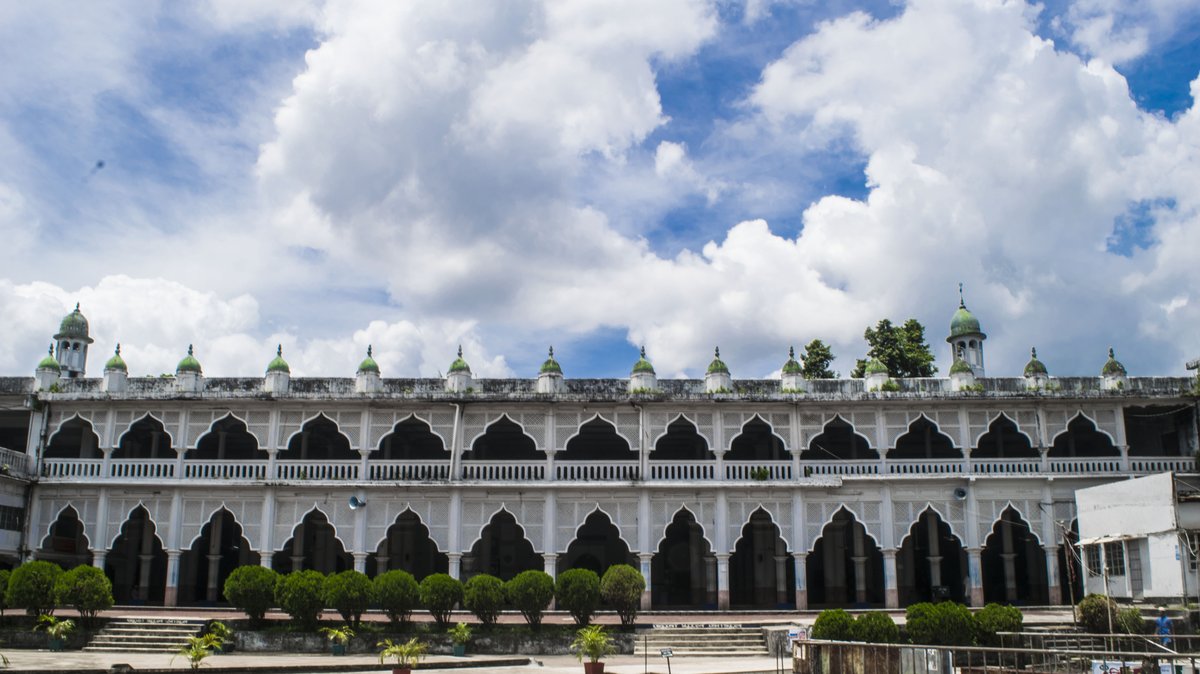
The first thing that hits you in Chittagong is the smell of diesel mixing with salt—trucks idling beside the Karnaphuli River while fishermen haul silver hilsa onto a sidewalk that’s already simmering with nutmeg-colored mezban beef. Bangladesh’s second city isn’t a postcard; it’s a working port where 1,200-year-old trade routes still creak through the docks, and where a six-domed Mughal mosque can hide behind a row of LED-lit sneaker shops. If Dhaka is the country’s pulse, Chittagong is its calloused, clove-scented palm.
 Photo: Shubhra Dhar / Pexels
Built from cited sources · see the method · How we make our guides →
Hills press straight against the bay here, so streets tilt like ship decks and every fourth building seems to be either a 19th-century British customs house or a concrete bunker selling dried Bombay duck. Ride the new Bangabandhu Tunnel at night and you’ll surface in Anwara to find phosphorescent plankton washing onto Guliakhali Beach, while back in town the last show at Theatre Institute Chattagram lets out onto Cheragi Pahar, where book vendors and date-sellers argue over loudspeakers until 1 a.m.
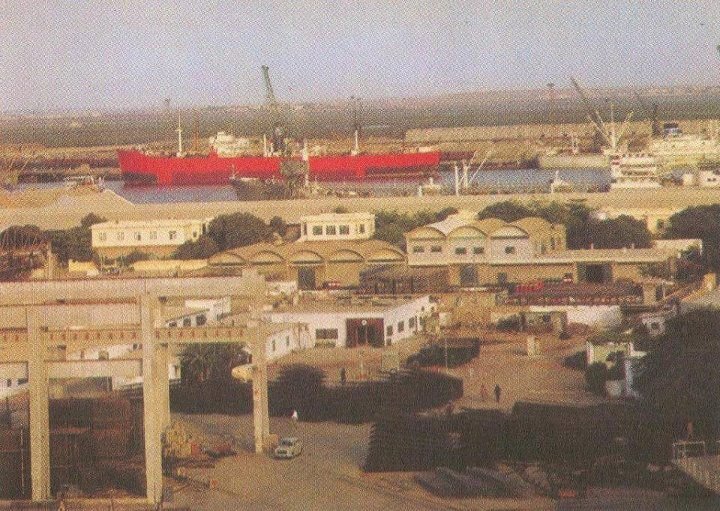
This is a city that eats beef with the lights on: mezban feasts spill onto pavements, kala bhuna blackens in woks wide as satellite dishes, and shutki—sun-dried fish so pungent it has its own market district—wafts through alleyways like a dare. Between meals, climb Batali Hill for a 270-degree view of container cranes and jungle-green ridge lines, or walk the old quarter of Anderkilla where Portuguese tilework still clings to legal chambers built in 1898. Chittagong doesn’t ask for love; it offers credit-ledgers, sea breeze, and the certain knowledge that every ship you see is carrying something someone, somewhere, can’t live without.
Not every monument, just the ones we'd walk you past ourselves.

Where to wander, by quarter — each with its own rhythm.
Before you go
From Harikela coins to steel-ribbed jetties, a port that always refused to stay quiet
The first Baghdad merchants felt the tug of the Karnaphuli’s brown water and stayed. They left behind salt-glazed pottery, fragments of turquoise, and a new vocabulary—‘sultan’, ‘bazaar’, ‘adab’—that still clings to the docks like barnacles.
In Palermo’s royal scriptorium, the geographer inked ‘Samtogram’ on vellum, placing it between the Andaman Sea and the ‘Land of Elephants’. Mediterranean captains now had a name for the harbour where Bengali rice, Arakanese rubies and Chinese silk changed hands.
The Sultan of Sonargaon rode in through the Anderkilla ridge, planted his turquoise standard on the hill, and ordered a stone highway cut south to Chandpur. For the first time, Chittagong’s customs tolls flowed to a Bengali court, not an Arakanese one.
Captain João de Melo’s caravels exchanged broadsides for docking rights, turning Dianga fishing village into a red-roofed casbah. By night, the smell of bacalhau and palm-wine drifted over mudflats where Bengali, Portuguese and Arakanese mixed coins, creeds and blood.
Born in Sultanpur village, Qazi sat beneath banyan roots listening to Arakanese sailors sing of lost pearls. He rendered their tales into Bengali couplets, birthing the first literary spark in a city more used to cannon smoke than candle-lit manuscripts.
Shaista Khan’s artillery breached the riverfront fort at dawn; by sunset, green Mughal banners replaced the white Arakanese ones. The city was renamed Islamabad, and the Friday khutba echoed in Persian for the next ninety-one years.
Clive’s agents accepted the diwani keys from a Mughal envoy too tired to fight. Redcoats marched into the old stone fort, converted the Andar Qila mosque into an armoury, and painted the minaret white so ships could sight the Company’s new customs house.
At 5 a.m. the ground convulsed for four minutes; every brick wall in the fort cracked like dry mud. Over 200 people vanished into liquefied riverbanks, and the East India factory had to pitch tents on the racecourse for a year.
The Sufi who had once sold lemons in the riverside bazaar was buried on a low hillock. By dusk, thousands threw rose petals and coins, beginning a cult that still reroutes Friday traffic around his green-domed shrine.
Fifteen European merchants and two Bengali clerks signed the charter on a teak table still stained with indigo. They voted to tax every bale of jute and chest of opium to fund gas lamps that would, within a decade, turn the waterfront into a necklace of yellow flames.
At 9 a.m. the dredger ‘Platypus’ bit into the Karnaphuli bar, carving a 5.5-metre channel. Tea, jute and shellac now steamed out in steel holds, replacing the fragile wooden patas that had hugged the coast for a millennium.
Born in Raozan, the boy who would be called ‘Masterda’ first heard cannon stories from his grandfather—tales of 1857 sepoys still echoing in the hills. Those lullabies became blueprints for armoury raids that would wake an empire.
Ten teenagers in dhotis cut telegraph wires, stormed the European Club and hoisted a tricolour on the port’s tallest crane. For three days, Chittagong became a rebel republic before British Gurkhas hunted the revolutionaries through the hills of Jalalabad.
Silver Mitsubishi bombers droned in low, scattering the bazaar and leaving the airfield a lattice of craters. Overnight, the city’s skyline changed—tarpaulin hangars, searchlight batteries and Gurkha patrols replaced the lazy river cranes.
Calcutta’s loss was Chittagong’s gain: overnight the port handled 100 % of Pakistan’s eastern trade. Sirens that once saluted Armenian tea clippers now greeted rusty Liberty ships flying the new green-and-white crescent.
Chairman A.K. Khan hammered a golden bolt into berth No. 8, signalling the start of concrete silos and electric loaders. Export figures doubled in five years, and the smell of raw jute began sharing the breeze with diesel and welding sparks.
Major Ziaur Rahman’s voice crackled over captured transmitters: ‘This is Swadhin Bangla Betar…’ The port workers had already refused to unload the MV Swat’s crates of Pakistani rifles. Chittagong became the first city to declare war—and the last to see the green flag raised on 17 December.
South Korean tailors and Hong Kong zipper-makers moved into white-washed sheds where buffalo once grazed. Within a decade, ‘Made in Chittagong’ labels were showing up in Frankfurt department stores, stitched by women who rode company buses at dawn.
A 6-metre surge rode the spring tide, snapping container cranes like twigs. When the water receded, 140,000 names were missing and Patenga beach was a tangle of fishing nets and refrigerator doors. The city rebuilt on stilts—every new house a metre higher than the last.
The boy who once hawked snacks outside Chittagong Collegiate School accepted the gold medal in Oslo for turning rural women into bankers. His microphone carried the faint honk of Karnaphuli ferries—proof that a port city could export more than jute: it could ship an idea.
LED strips lit the 3.4 km tube beneath the Karnaphuli like a neon vein. For the first time in 1,400 years, you could cross the river without smelling it—an engineering whisper that the city’s next chapter might be underwater, but it will not wait for ferries.
Nobel Peace Prize economist · born 1940
Born in Hathazari, studied at Chittagong Collegiate School
He first imagined micro-credit while wandering the city’s bustling bazaars between classes; today he’d still recognise the marrow-rich mezban stalls that fueled his walks to college debates.
Revolutionary leader · 1894–1934
Taught here, led 1930 Chittagong Armoury Raid
His maths lessons doubled as secret map-reading sessions on Batali Hill; the raid that shook the British started in a classroom that now hosts morning tuition for port workers’ children.
Rock guitarist & singer · 1962–2018
Born in Patiya upazila, formed first band in city
He practised power chords on a borrowed amp in a Patenga sea-shack; locals swear the evening wind still carries the opening riff of ‘Cholo Bodle Jai’ across the beach food carts.
Anti-colonial revolutionary · 1911–1932
Educated in Chittagong, attacked Pahartali Club here
She slipped into the European-only club through the Karnaphuli breeze’s cover; today the same hillside is a public park where teenagers film TikTok dances without a curfew.
Sufi saint · d. 1773
Settled and buried here, airport bears his name
Ship captains once anchored mid-river to pray at his hillside lodge; jets now roar over the tomb, yet the evening zikr circle still pauses exactly at maghrib.
Where locals actually book dinner — not the tourist menus.
Small things that change how the city treats you.
The city, as it actually looks.
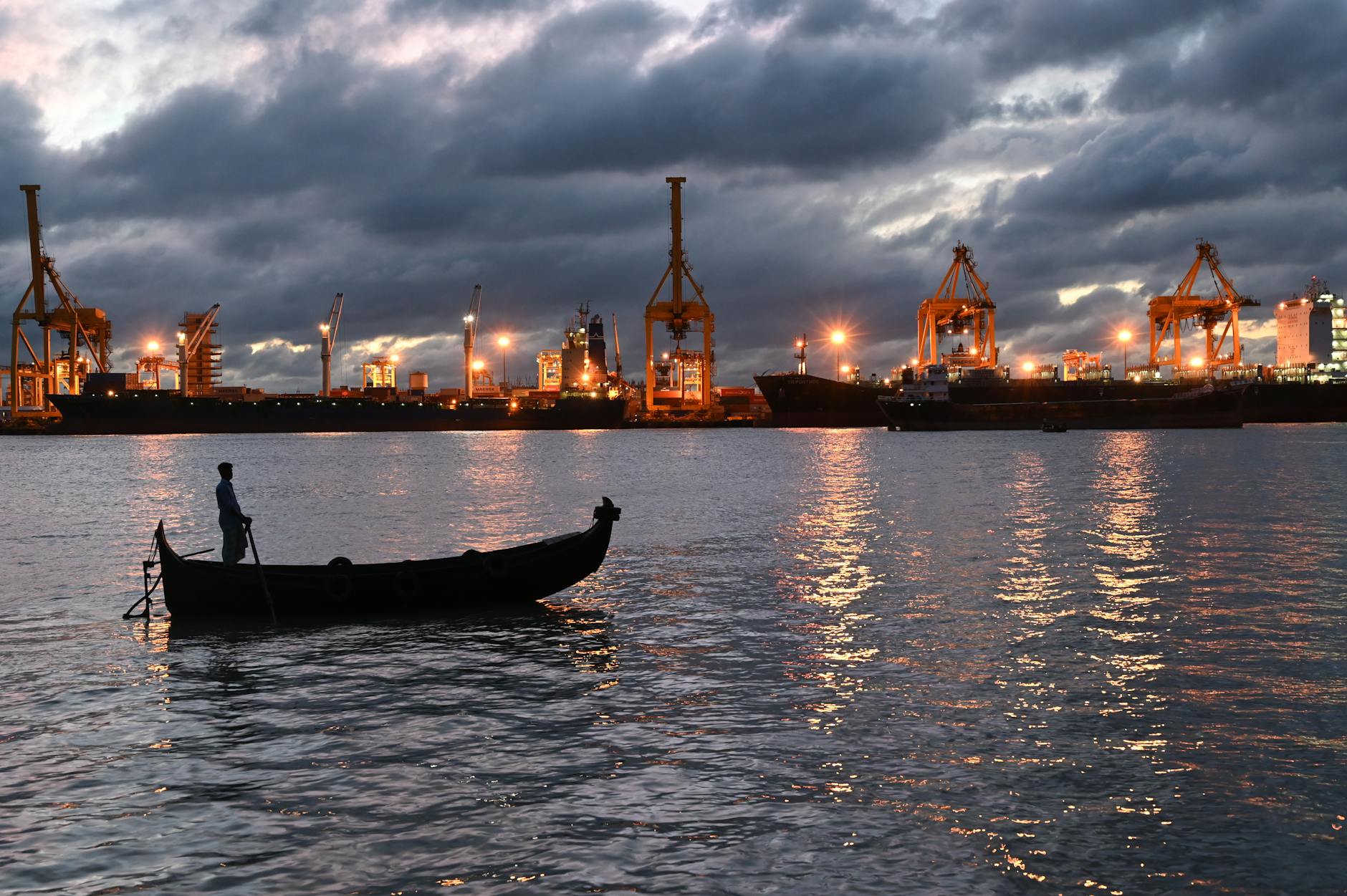
Yes—its hill-backed port, 17th-century Mughal mosques, and fiery beef feasts give a completely different texture from delta-flat Dhaka or tourist-heavy Cox’s. Two days here lets you eat mezban, walk colonial railway ridges, and watch container ships slide under sunset.
Plan 2 full days for the core (old quarter mosques, CRB, Patenga sunset, mezban lunch, Ethnological Museum) and a third if you want day-trips to Sitakunda eco-park or Guliakhali beach.
Local bus 2A costs ৳25 to GEC Circle—look for the yellow sticker on the windshield. A prepaid CNG booth inside the terminal quotes ৳400 to Agrabad; bargain down to ৳250 off-peak.
Stick to stalls that cook to order and crowd between 5–8 p.m. (Jhautola, GEC). Avoid pre-peeled fruit and lukewarm bhorta; health inspectors regularly flag midday vendors near New Market.
Late October–February: humidity drops below 60 %, nights hit 18 °C, and port fog rarely delays plans. April’s pre-monsoon heat reaches 34 °C with sticky 80 % humidity—fine for food, bad for hill walks.
Only hotel-licensed bars serve foreigners legally. Radisson’s Port Bar or Hotel Tower Inn’s Night Shadow Club let non-guests in with passport; expect ৳500 cover plus 35 % tax. There is no standalone pub street.
19 places to discover

Saved and recently read places — kept on this device only.
Photos may have been resized or cropped.