History and Significance of Ujjayanta Palace
The Reign of the Manikya Dynasty
The history of Ujjayanta Palace is intricately woven with the legacy of the Manikya dynasty, who ruled the Kingdom of Tripura for centuries. Maharaja Radha Kishore Manikya Bahadur, a ruler known for his progressive vision and keen interest in art and architecture, commissioned the construction of the palace in 1899.
A Palace is Born (1899-1901)
The palace's construction, overseen by the skilled architect Martin & Burn Co., took place between 1899 and 1901. It was designed in a blend of Mughal and European styles, reflecting the architectural trends prevalent during that era. The palace's name, "Ujjayanta," meaning "victorious" or "glorious," was bestowed upon it by the renowned Bengali polymath, Rabindranath Tagore, who shared a close bond with the Tripura royal family.
A Hub of Governance and Culture (1901-1947)
From 1901 until India's independence in 1947, Ujjayanta Palace served as the administrative headquarters of the Kingdom of Tripura. Its grand halls witnessed significant political decisions, royal ceremonies, and cultural events, shaping the course of the kingdom's history.
Transition and Transformation (1947-2011)
Following India's independence and the subsequent merger of Tripura into the Indian Union, Ujjayanta Palace continued to hold a prominent position. It housed the Tripura Legislative Assembly until 2011, signifying its transition from a royal residence to a symbol of democratic governance.
A New Chapter - The Museum (2011-Present)
In 2011, Ujjayanta Palace underwent a significant transformation, reopening its doors to the public as a state museum. This marked a new chapter in the palace's history, allowing it to share its rich heritage and cultural treasures with the world.
Architectural Significance of Ujjayanta Palace
Mughal and European Influences
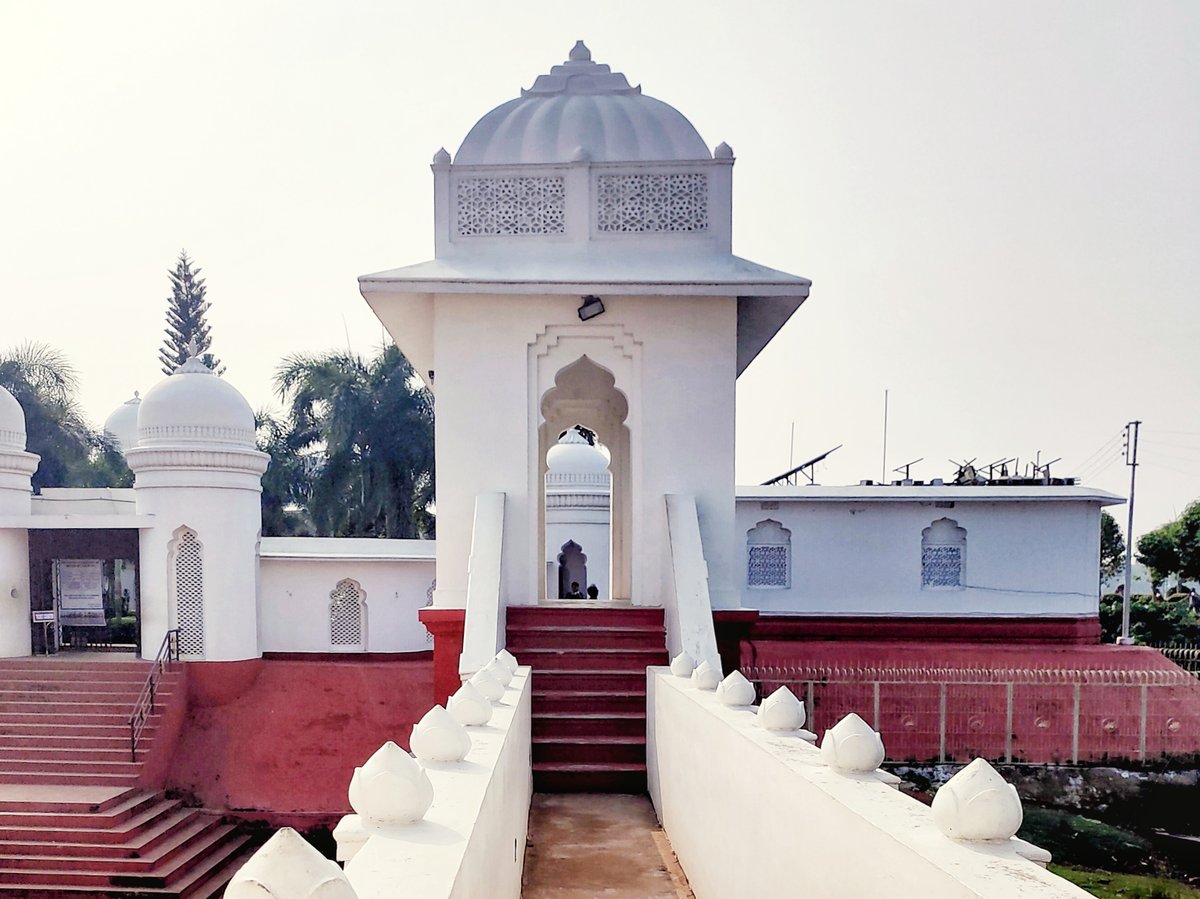
The palace's architecture showcases a harmonious fusion of Mughal and European elements. The Mughal influence is evident in its domes, arches, and intricate detailing, while the European touch is reflected in its grand porticos, high ceilings, and spacious halls.
Key Architectural Features
- The Central Dome The palace is crowned by a majestic central dome, a prominent feature inspired by Mughal architecture. The dome's height and grandeur add to the palace's imposing presence.
- The Two Smaller Domes Flanking the central dome are two smaller domes, further enhancing the palace's visual appeal and creating a sense of balance and symmetry.
- The Grand Porticos The palace features grand porticos supported by towering pillars, a characteristic element of European architecture. These porticos provide shade and add to the palace's grandeur.
- The Mughal Gardens Surrounding the palace are beautifully landscaped Mughal gardens, inspired by the Mughal tradition of creating serene and symmetrical gardens. These gardens provide a tranquil escape and enhance the palace's aesthetic appeal.
Visitor Information
Visiting Hours
- The palace is open from Tuesday to Sunday, 10:00 AM to 5:00 PM, and closed on Mondays and public holidays.
Tickets
- Entry tickets are priced at INR 10 for Indian nationals and INR 50 for foreign nationals. Children below the age of 10 can enter for free.
Travel Tips
- Best Time to Visit The ideal time to visit Ujjayanta Palace is between October and March when the weather is pleasant.
- How to Get There Agartala is well-connected by air, rail, and road. The palace is located in the city center, making it easily accessible by local transport.
Nearby Attractions
- Neermahal A beautiful water palace located in the middle of Rudrasagar Lake.
- Tripura Sundari Temple One of the 51 Shakti Peethas, dedicated to Goddess Kali.
- Sepahijala Wildlife Sanctuary A sanctuary famous for its clouded leopards and bird species.
FAQ
Q: What are the visiting hours of Ujjayanta Palace?
A: The palace is open from Tuesday to Sunday, 10:00 AM to 5:00 PM, and closed on Mondays and public holidays.
Q: How much are the tickets for Ujjayanta Palace?
A: Entry tickets are priced at INR 10 for Indian nationals and INR 50 for foreign nationals. Children below the age of 10 can enter for free.
Q: What is the best time to visit Ujjayanta Palace?
A: The ideal time to visit Ujjayanta Palace is between October and March when the weather is pleasant.