sailing
700-island geography
This is an archipelago, not a single-stop holiday island. Nassau, George Town, Marsh Harbour, and Governor's Harbour each sit inside a different rhythm of sea routes, reef systems, and daily life.
The Bahamas works best when you stop thinking of it as a single resort destination and start reading it as a 700-island archipelago where reefs, routes, and local habits change the experience from one stop to the next.
 Bahamas
EntryPassport valid 6 months; many nationalities visa-free
BA Bahamas travel guide starts with one fact: this country stretches across 700 islands, but only about 30 are inhabited, so every stop feels distinct.
The Bahamas is not one beach destination with a different filter on each brochure photo. It is a long, reef-laced chain spread across roughly 760 miles, with 661 cays and 2,387 exposed reefs shaping how people move, eat, fish, and build. Nassau gives you the country at full volume: government buildings, church hats, traffic, Arawak Cay fish fry stalls, and the quick shift from formal city streets to salt air once you cross toward Paradise Island. Freeport feels broader and more road-based, while Harbour Island and Dunmore Town compress the whole fantasy of pastel houses and golf carts into something smaller, older, and more exact.
The real appeal is range. You can base yourself in George Town for Exuma water the color of pale glass, head to Marsh Harbour for Abaco's boating culture, or slow the pace in Governor's Harbour where pink-sand beaches and old clapboard houses sit a few minutes apart. The islands reward travelers who think in routes, not checklists. Domestic flights and ferries matter here. So does geography. A place with only a fraction of its islands inhabited will always feel fragmented in the best way: less like one trip, more like a chain of self-contained worlds tied together by docks, weather, and local knowledge.
Lucayan World, c. 600-1520
Dawn broke over Guanahani long before any European court had learned the name of these islands. A dugout canoe slid across water clear as blown glass, loaded with cassava bread, cotton thread, and people who knew the currents the way a Parisian knows a boulevard. The Lucayans, a branch of the wider Taino world, had reached the archipelago by about 600 to 800 CE, and they did not arrive by accident. They came because they were sailors.
Their world was ordered, cultivated, and full of ritual. Records from archaeology show villages, cassava processing, seafaring exchange, and carved zemi figures that held ancestral and sacred force. Ce que l'on ignore souvent, c'est que these islands were not a remote fringe to their inhabitants. They were a network, a chain of memory and exchange stretched across open water.
Then came 12 October 1492. Columbus stepped ashore on Guanahani, often identified with San Salvador, and wrote admiringly of the generosity of the people who swam out to greet him with parrots, cotton, and darts. The tenderness lasted one sentence. In the same breath, he judged that they would make good servants, and six Lucayans were seized almost at once.
What followed was not a dramatic battlefield defeat but something colder. Between 1492 and about 1520, the Lucayan population was deported in large numbers to Hispaniola and other Spanish possessions, worked in mines and fisheries, and shattered by violence and disease. Within a generation, the Bahamas had been emptied of the people who had named, fished, planted, and prayed across these islands. That silence would shape everything that came next.
The unnamed Lucayan bohique survives only as a shadow in Spanish accounts, a spiritual leader trying to hold a people together while ships carried them away.
Lucayan canoes could reach lengths of about 60 feet, large enough for serious inter-island travel across open sea.
Eleutheran Settlement, 1648-1700
In 1648, William Sayle and the Eleutheran Adventurers came looking for liberty and found a reef. Their vessel struck the Devil's Backbone off Eleuthera, one of those Bahamian names that sounds theatrical until you see the coral teeth beneath the water. The settlers crawled ashore with salvaged goods, damp powder, and a faith that was about to be tested in the least poetic way possible: hunger.
They took shelter in what is now called Preacher's Cave. Picture the scene properly: salt on clothes, damp air, exhausted families, a Bible read by poor light while the sea kept pounding outside. This was not a graceful colonial beginning. It was improvisation, quarrels, shortages, and long dependence on help from elsewhere.
Local tradition and Bahamian historical writing hold that aid sent from New England helped the colony survive its first misery. Another story, repeated for generations, says that brazilwood later sent in thanks was sold to support the young Harvard College. Whether one treats that episode as documented fact or cherished colonial memory, it tells you something about the Bahamas from the start: these islands were tied into the Atlantic world by necessity before they were tied by comfort.
The colony remained fragile, divided, and exposed. Yet the very weakness of formal control opened the door to the next act, less pious and much noisier. Out of these scattered settlements would emerge a place that imperial officials feared and smugglers adored: Nassau.
William Sayle was not a grand imperial founder but an aging Puritan governor chasing religious freedom and nearly losing everything on a reef.
Preacher's Cave still carries the memory of those first settlers, who are said to have survived on salvaged supplies and whatever the island would give them.
Pirate Republic, 1700-1718
Stand at the harbor in Nassau and imagine it stripped of resorts, bridges, and cruise schedules. Shallow water protected the entrance, wrecks fed the trade, and imperial authority looked thin from the deck of a fast sloop. By the first years of the 18th century, New Providence had become the rough capital of the Pirate Republic, a port where stolen sugar, silk, medicine chests, and gossip changed hands before noon.
Blackbeard passed through these waters with a genius for theatre that any courtier would have admired. He twisted slow-burning fuses into his beard before battle so smoke framed his face like a devil in a church painting. Charles Vane was fiercer and less controllable. Anne Bonny and Mary Read, the two women whose names outlived half the men around them, turned piracy into something even more scandalous for the age: a direct insult to the rules of sex, rank, and obedience.
Ce que l'on ignore souvent, c'est que Nassau's pirate order was not pure chaos. It had markets, alliances, quarrels, and a practical politics of loot. Men voted on matters aboard ship, captains could be challenged, and runaway sailors found room here that royal navies and merchant discipline denied them. Liberty, yes, but of a hard-edged kind, paid for with violence.
London eventually decided this carnival had gone on long enough. In 1718, Woodes Rogers arrived as royal governor with pardons in one hand and the machinery of suppression in the other. The Pirate Republic did not vanish in a theatrical final duel. It was squeezed, bribed, betrayed, and folded back into empire. Nassau exchanged the swagger of outlaws for the stricter costume of a colony.
Anne Bonny, probably born in Ireland and hardened in the Atlantic world, still unsettles the imagination because she refused the narrow female script of her century.
When Blackbeard blockaded Charleston in 1718, he demanded a medicine chest rather than gold, which tells you how much disease haunted life at sea.
Loyalist Colony and Majority Black Bahamas, 1718-1966
Once piracy was suppressed, the Bahamas did not become tidy overnight. After the American Revolution, Loyalists arrived from the former British colonies with enslaved Africans, plantation plans, and a certainty that the islands would make them rich. Some settled on New Providence; others spread into the Out Islands. The dream was cotton. The soil and storms had other ideas.
The plantations largely failed, but the people forced onto these islands remained and remade the country from below. African inheritance survived in language, religion, food, music, and ways of belonging that no colonial office could fully regulate. You can still feel that history in Nassau at Arawak Cay, in church life, in Junkanoo, and in the sharp social intelligence of Bahamian speech. The grand houses mattered, yes. So did the kitchens, the docks, the market stalls, and the yards.
Emancipation came in 1834 across the British Empire, but freedom on paper is never the same thing as equality in the street. A white merchant elite held political power for generations through the Bay Street Boys, whose influence shaped commerce and government well into the 20th century. And yet the demography of the islands told another truth: this would be a majority-Black nation, whether the old oligarchy liked it or not.
During the American Civil War, Nassau prospered again as a center for blockade running, its harbor crowded with fast steamers carrying cotton out and goods in under British colonial neutrality. Then came another curious chapter during US Prohibition, when liquor moving through the Bahamas made fortunes for traders willing to exploit geography and ambiguity. By the mid-20th century, tourism and offshore finance were replacing older Atlantic trades, and political pressure for majority rule could no longer be kept politely waiting outside the door.
Mary Ingraham, the 18th-century Loyalist daughter later celebrated in Bahamian memory, reminds us that colonial families did not just build houses; they helped define who could belong and who could command.
Nassau became so busy during the American Civil War that blockade-running transformed a small colonial port into one of the Atlantic's most profitable wartime crossroads.
Majority Rule and Independence, 1967-present
On 10 January 1967, the balance shifted in a room, not on a battlefield. Lynden Pindling and the Progressive Liberal Party won the election that Bahamians still remember as Majority Rule, ending the long dominance of the white merchant class in parliament. The image is almost domestic: papers, desks, voices, counting. But politically it was revolutionary.
Pindling understood theatre in the democratic sense. He knew that a new Bahamas needed not only laws but symbols, confidence, and a public story in which Black Bahamians were no longer extras in their own country. In 1965, before Majority Rule, he had already dramatized opposition by throwing the Speaker's mace out of the House window, a gesture so vivid it still clings to the national imagination. One can almost hear Stephane Bern murmur: what a sense of scene.
Independence followed on 10 July 1973. The Bahamas became a sovereign state within the Commonwealth, with Nassau as capital and the old colonial frame finally altered from within. Yet independence did not erase contradiction. Tourism boomed, offshore finance expanded, migration reshaped neighborhoods, and hurricanes reminded every government that nature keeps its own counsel in an archipelago of low land and exposed sea.
Modern Bahamian history has been carried as much by culture as by cabinets. Sidney Poitier gave the country a face of elegance and moral authority on the world stage. Myles Munroe built an international religious following from Nassau. Athletes, musicians, and activists carried the islands far beyond their size. And the old chapters never fully closed: the Lucayan absence, the pirate legend, the plantation afterlife, the struggle over class and color. They still speak beneath the surface.
Lynden Pindling could charm a room, provoke a crisis, and convert constitutional change into national drama with the instincts of both a lawyer and a born performer.
The parliamentary mace that Pindling hurled out of a window in 1965 became one of the great political props in modern Caribbean history.
In the Bahamas, speech begins with ceremony so small that visitors from fast countries often miss its majesty. You say good morning before you ask for the bus, the beer, the battery charger. In Nassau, a taxi driver may decide what sort of creature you are from those first two words alone.
Bahamian English lives beside dialect, and dialect does not behave like a souvenir version of English. It clips, bends, sings, tests. A word like "yinna" gathers people into one basket; "bey" can tease, soften, or place you in your social rank with a smile that never raises its voice. Language here has sea salt in it. It preserves and stings.
Listen long enough and you hear code-switching used like cutlery: one register for the bank, another for the dock, another for the cousin who has known your scandals since primary school. Standard English is always available. That is precisely why dialect matters so much. A country reveals itself in the words it refuses to flatten.
Bahamian politeness is warm, but it is not lax. It has a pressed collar. Walk into a shop in Freeport or Marsh Harbour and begin straight with your request, and you may still be served, but the air will cool by half a degree. That is enough.
The ritual is simple: greet, pause, proceed. Older people receive room around them, almost like furniture receives room in a careful house. Security guards, church women, fish vendors, civil servants: each expects acknowledgment before transaction. This is not empty form. It is social architecture, and it holds more weight than many concrete walls.
What interests me is the appraisal inside the kindness. A joke may arrive first, then a measurement, then another joke. The Bahamas does not always tell you what it thinks of you, yet it observes with unnerving accuracy. Good manners here are not lace. They are a marine instrument, polished by use.
Food in the Bahamas tells the truth faster than any museum panel. Conch arrives chopped with lime in a plastic cup, or pounded, breaded, and dropped into oil hot enough to settle arguments. At Arawak Cay in Nassau, the smell is not one smell but a parliament: frying batter, hot pepper, sea brine, sweet plantain, diesel from the road, rum from somebody's cup.
The islands cook with the discipline of places that know import costs and weather moods. Fish is boiled for breakfast with potato and lime. Souse revives the dead or at least the hungover. Johnny cake, dense and flour-rich, is used to chase broth across a plate with an efficiency no etiquette manual would dare describe. Paradise Island may plate things with polish; the Family Islands often prefer proof.
I admire the lack of illusion. This cuisine likes acid, heat, crust, bone, repetition, and the exact right moment to squeeze fresh lime. It also likes company. Food here is rarely treated as private emotion. It is public evidence that you belong somewhere, even if only for one lunch.
Christianity in the Bahamas is not a background tint. It is audible. On Sunday morning, Nassau changes posture: white clothes, polished shoes, slower roads, church hats with enough authority to govern a republic. Hymns travel through open windows and across yards where the sea keeps its own bass line.
Yet religion here is never only church doctrine. African continuities remain in the corners of belief, in stories of jumbays, in the sense that the world may contain more presences than the daylight admits. Respectability and mystery share the same bench. One prays in public and tells ghost stories with equal composure.
I like this contradiction because it is not a contradiction at all. Ritual makes room for the visible and the unseen. In Governor's Harbour or Cockburn Town, a church notice pinned to a board can feel as socially binding as law. Faith, on these islands, is theology. It is also scheduling, clothing, kinship, gossip, and song.
Bahamian music dislikes emptiness. Junkanoo proves this with drums, whistles, cowbells, brass, and costumes that seem designed by a monarch who had spent the night with a box of crepe paper and a magnificent grudge. The parade does not ask whether you are ready. It informs your pulse that it has been replaced.
Its roots run through West African memory, enslavement, emancipation, street rivalry, church cadence, and the blunt human need to make noise against power. Goatskin drums hit the body before the ear understands. Brass arrives next. Then the dancers, shimmering and severe, as if joy required military discipline.
Visitors often imagine island music as soft background. The Bahamas finds this notion comic. Even in Dunmore Town or Alice Town, where life can look deceptively measured by daylight, rhythm waits close to the surface. Music here is not decoration for leisure. It is a public claim: we are present, we are many, and we will be heard.
Bahamian architecture begins with weather, then negotiates with status. Verandas, shutters, raised foundations, pitched roofs: each element knows the sun, the rain, the wind, and the insolence of salt. In Nassau, Georgian colonial facades still make their case in pastel tones, but the argument changes when you leave the government quarter and meet concrete blocks, zinc roofs, hurricane straps, and yards arranged by use rather than display.
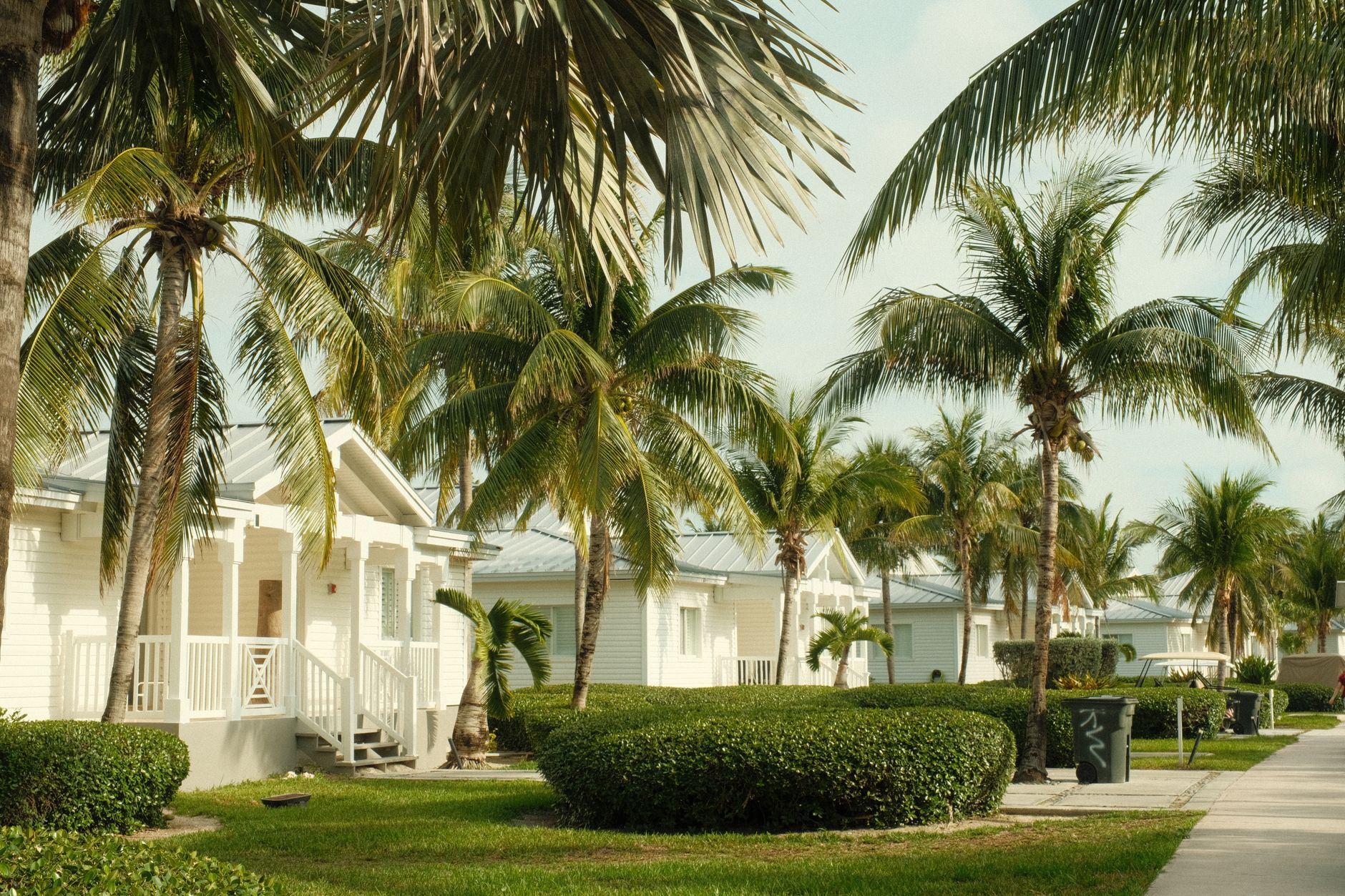
In Dunmore Town and Governor's Harbour, clapboard houses painted in pink, turquoise, butter yellow, and white can look whimsical from a distance. Move closer. The colors are not whimsy. They are defiance against glare, memory against storm, maintenance turned into style. A porch is never only a porch. It is shade, theater, surveillance post, gossip chamber.
I distrust architecture that wants only to impress. The Bahamas prefers buildings that survive. Even luxury on Paradise Island eventually has to bow to climate and corrosion. Salt is the final critic, and it gives harsh reviews.
This is an archipelago, not a single-stop holiday island. Nassau, George Town, Marsh Harbour, and Governor's Harbour each sit inside a different rhythm of sea routes, reef systems, and daily life.
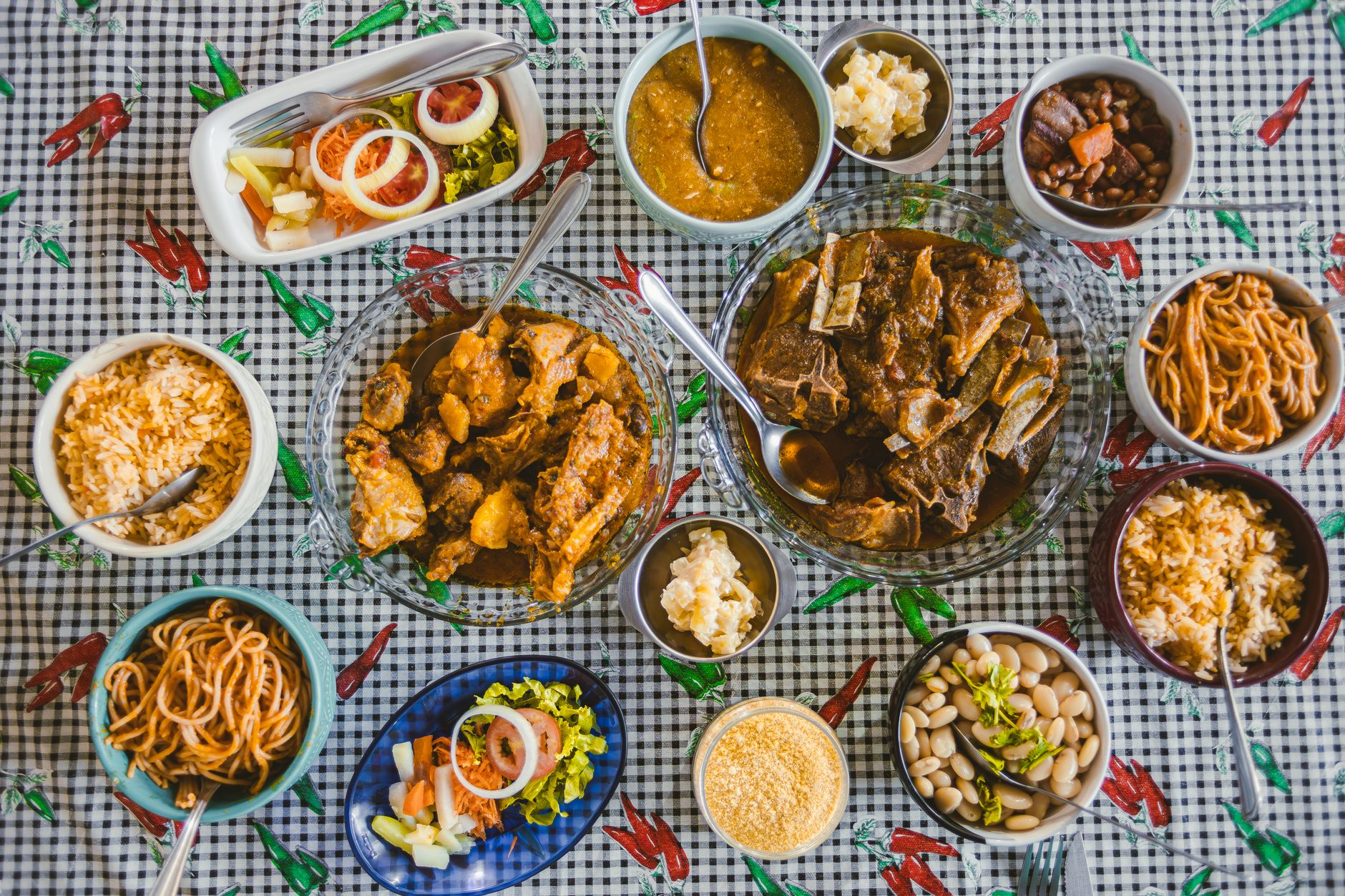
Conch salad gets the headlines, but boiled fish, stew fish, peas and rice, guava duff, and Sunday fish fry culture tell you more about the country. The Bahamas eats from the sea, the fryer, the pot, and memory.
With 2,387 exposed reefs in the archipelago, the marine world is not background scenery. It shapes snorkeling, boating, fishing, island-hopping, and the constant local awareness of weather and water depth.
The Bahamas holds Lucayan history, the violence of first contact, the Pirate Republic centered on Nassau, and centuries of Atlantic trade. The past here is not decorative; it explains the map you travel through.
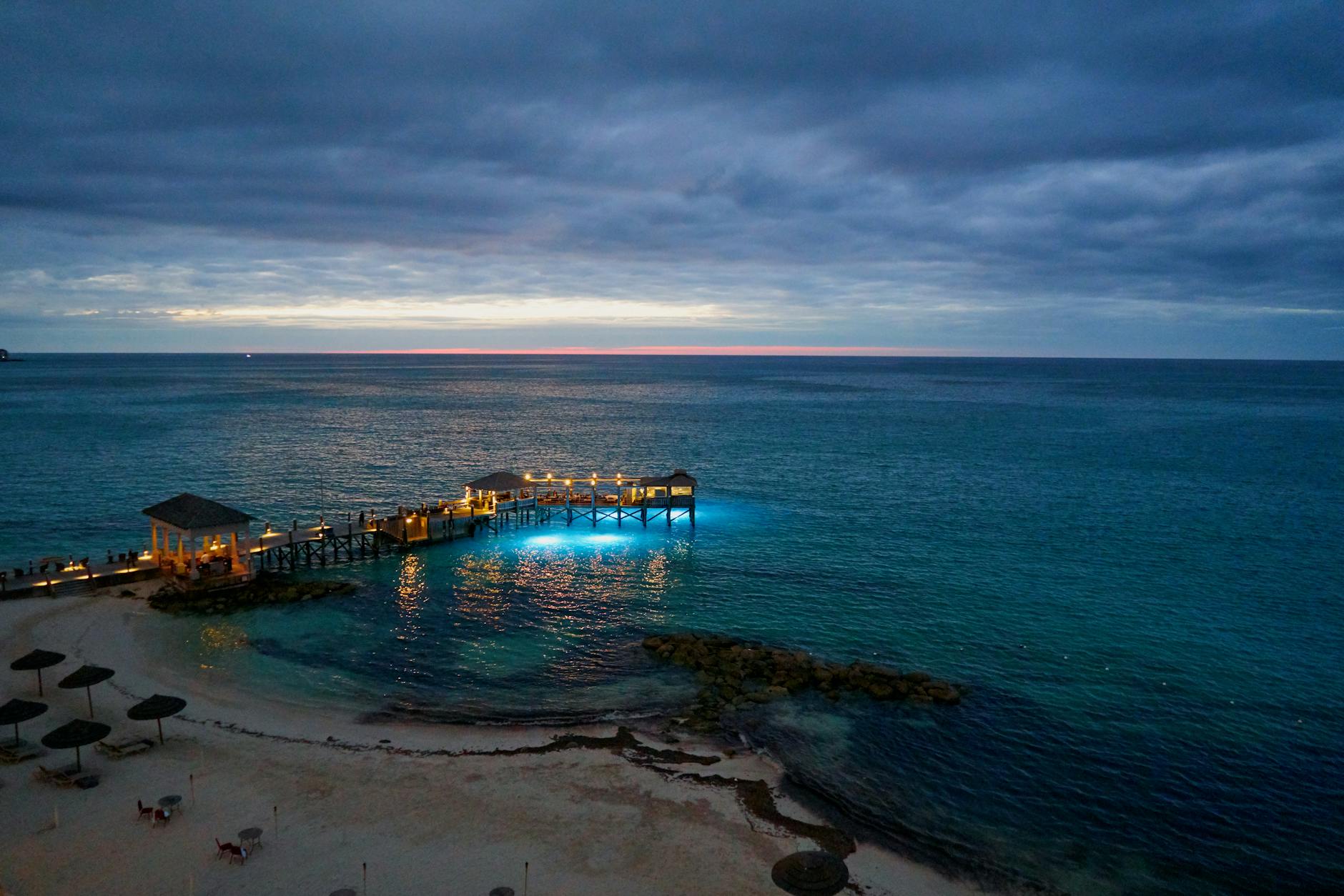
Few places photograph like this one: pale sand bars near George Town, harbor blues around Marsh Harbour, and the tight pastel streets of Dunmore Town. The colors are real, but the best images come from contrast, not clichés.
Paradise Island delivers polished resort infrastructure, while places like Harbour Island and Governor's Harbour pull you toward slower days and smaller properties. You can do the Bahamas with room service or with a rental car and a dock map.
12 cities — start with the ones we'd send you to first.
A colonial grid of pastel facades and conch-scented alleys where the fish fry at Arawak Cay runs until midnight and the straw market ladies have been appraising tourists since 1901.
The Bahamas' second city was built from scratch in 1955 on a developer's blueprint, and its unfinished-ambition energy — casino next to pine forest, duty-free strip beside mangrove — is unlike anywhere else in the archip
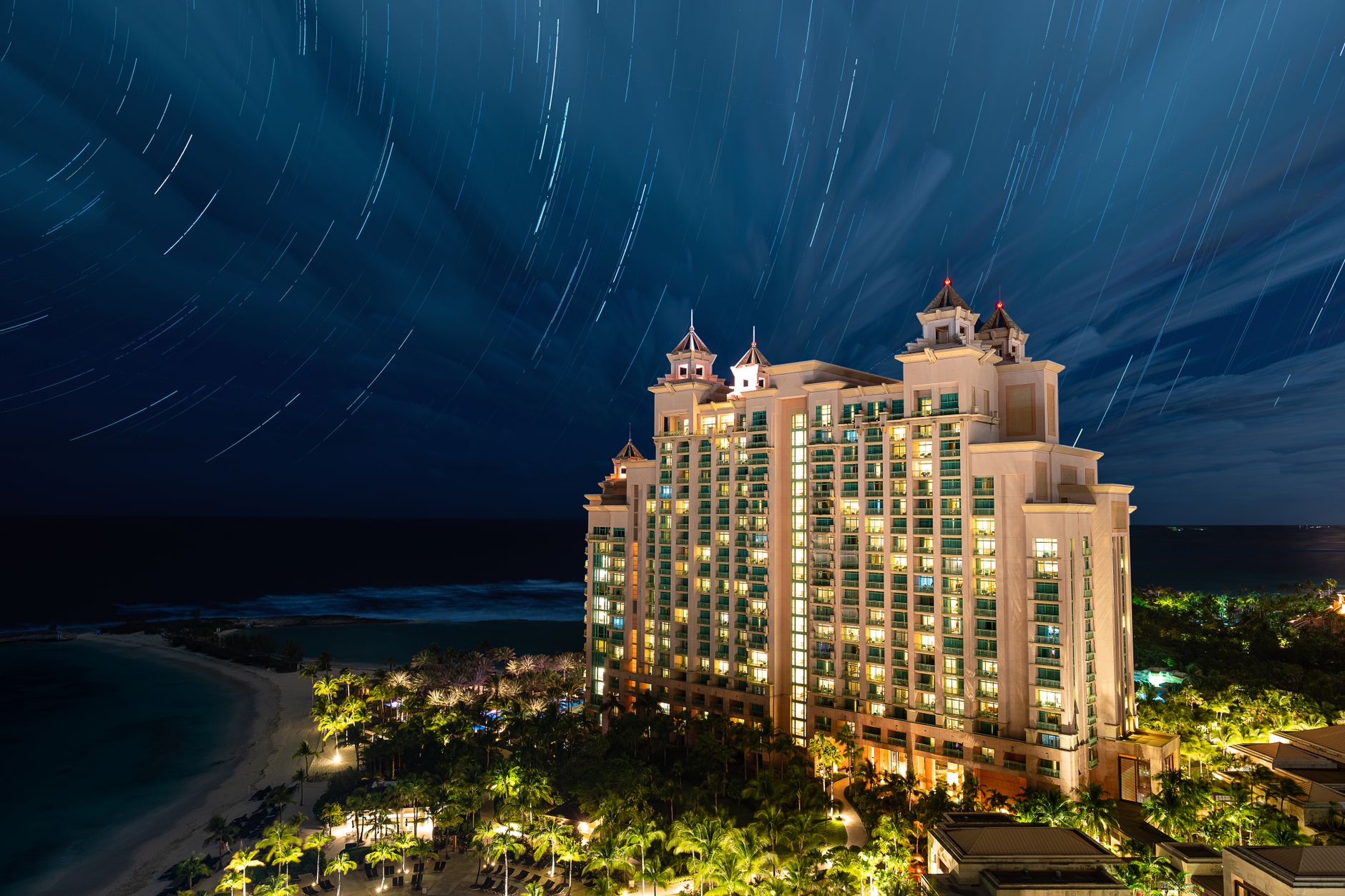
Connected to Nassau by a $1.25 bridge toll, this narrow strip pivots entirely on Atlantis's coral-pink towers and the quieter truth that some of the best harbor sunsets in the Bahamas are free.
Dunmore Town's clapboard cottages have been painted the same candy colors since the 18th century, and the three-mile pink-sand beach on the Atlantic side turns rose-gold at the precise moment the light drops.
The capital of Great Exuma is little more than a government dock, a handful of churches, and a Thursday regatta crowd, but it is the logistical key to the Exuma Cays and the swimming pigs of Big Major Cay.
Abaco's main town is a working boatyard town first and a tourist hub second, which is why the rigging noise and the smell of fibreglass resin follow you all the way to the waterfront restaurants.
Eleuthera's administrative center sits on a narrow land bridge between two bays, its 18th-century loyalist cottages slowly being reclaimed by bougainvillea, and the surf on the Atlantic side is serious enough to empty th
The southernmost settlement in the Bahamas, on Great Inagua, exists primarily to service a Morton Salt operation that turns the island's interior flamingo-pink — a surreal industrial landscape at the edge of the Caribbea
Crooked Island's only real town has a post office, a commissioner's residence, and a reef system so intact that divers sometimes see the same nurse shark in the same coral head on consecutive days.
Nassau is where the Bahamas feels busiest, most public and most argued over: government buildings, cruise traffic, church clothes on Sunday, then conch salad and cold beer at Arawak Cay by late afternoon. Paradise Island sits just across the bridge, all engineered ease and large-resort confidence, which makes the contrast useful rather than accidental.
Freeport has the broad roads, resort infrastructure and practical ease that suit travelers who want the Bahamas without the constant logistics math. Alice Town, by contrast, is leaner and more sea-facing, the kind of place where the harbor does the talking and a boat schedule can matter more than a dinner reservation.
This is the long, thin Bahamas: one island stretched between Atlantic surf and calmer bank waters, with settlements that feel older, more church-shaped and less hurried than Nassau. Governor's Harbour gives you the central base, while Harbour Island and Dunmore Town bring tighter streets, pastel facades and some of the country's most photographed sand.
Marsh Harbour is one of the country's working maritime towns, a place where logistics, rebuilding and boating life sit closer to the surface than resort fantasy. The wider Abaco region suits travelers who like ferries, marinas and days that turn on wind, tide and whether the sea is behaving.
George Town is the practical doorway to the Exumas, where clear shallows and yacht traffic sit alongside a town that still runs on everyday errands, groceries and weather checks. Farther south, Cockburn Town, Colonel Hill and Matthew Town feel more remote and less mediated, places where the scale of the archipelago becomes real and the distances stop being brochure trivia.
A Bahamian history of emptying, reinvention, piracy, empire, and self-government
The first Lucayan communities, part of the wider Taino world, begin settling the archipelago from Cuba and Hispaniola. They arrive as navigators and cultivators, not castaways, building a maritime society across islands and cays.
Archaeology points to established village life, cassava processing, and exchange between islands by the end of the first millennium. The Bahamas is already a connected sea-world long before European maps pay attention.
On 12 October 1492, Columbus reaches an island he names San Salvador after first contact with the Lucayans. His diary admires their generosity and, in the next breath, imagines their usefulness as servants.
Lucayans are seized almost immediately after contact to serve as interpreters. The violence begins not with a formal conquest but with abduction disguised as imperial practicality.
Within a few decades, the indigenous population has been deported, enslaved, or killed through disease and colonial exploitation. The archipelago becomes a haunting void in the Spanish Atlantic.
William Sayle and English religious dissenters attempt to found a colony on Eleuthera. Their shipwreck at the Devil's Backbone turns a planned settlement into a fight for survival.
The first English colonists take refuge in Preacher's Cave after the wreck. This cave, not a governor's house or fort, becomes one of the true birthplaces of colonial Bahamas.
The English crown folds the islands into the proprietary framework connected to Carolina. On paper, imperial order advances; on the water, control remains thin and opportunistic.
Charles Town, later Nassau, develops as the main settlement on New Providence. Its harbor will soon make it famous for the wrong reasons and profitable for exactly the same ones.
During the War of the Spanish Succession, Nassau is attacked and badly damaged. The weakness of imperial defense helps create the vacuum pirates will exploit.
By the end of the War of the Spanish Succession, unemployed privateers pour into Nassau. The town becomes the best-known pirate haven in the Atlantic world.
Rogers lands as royal governor with pardons and troops, determined to end pirate rule. The Pirate Republic begins to collapse under pressure, deals, and targeted force.
Edward Teach, better known as Blackbeard, is killed at Ocracoke later that year. His legend remains fused to Nassau's brief age of maritime rebellion and calculated terror.
After the American Revolution, Loyalists arrive with enslaved Africans and plantation ambitions. Their failure to build a durable plantation economy does not erase the population transformation they set in motion.
Slavery is abolished across the British Empire. Freedom comes formally in law, but wealth and political power remain heavily concentrated in a white mercantile elite.
The American Civil War turns Nassau into a crucial transshipment point for Confederate trade. Fast steamers, quick fortunes, and imperial ambiguity crowd the harbor.
US Prohibition sends liquor traffic through the Bahamas, and Nassau profits from its geography once more. Smuggling, respectability, and commerce sit unusually close together.
The PLP creates the main vehicle for mass Black political mobilization in modern Bahamian history. The old Bay Street establishment suddenly has a disciplined challenger.
In a moment of deliberate political theatre, Lynden Pindling hurls the parliamentary mace out of the House window. The act captures the fury of those excluded from real power.
The PLP victory on 10 January 1967 ends the long rule of the white merchant oligarchy. Modern Bahamian politics begins here, in an election that altered who could govern and on whose behalf.
On 10 July 1973, the Bahamas becomes an independent state within the Commonwealth. Nassau remains the capital, but the meaning of the state has changed from colony to nation.
Hubert Ingraham and the Free National Movement defeat the PLP, marking a major democratic transition after long Pindling rule. In Caribbean political terms, this peaceful handover matters enormously.
Her dramatic victory in Rio gives the Bahamas one of its defining modern sporting moments. A small island nation appears on the largest stage through speed, nerve, and a finish no one forgot.
Lucayan World
The unnamed Lucayan bohique survives only as a shadow in Spanish accounts, a spiritual leader trying to hold a people together while ships carried them away.
Dawn broke over Guanahani long before any European court had learned the name of these islands. A dugout canoe slid across water clear as blown glass, loaded with cassava bread, cotton thread, and people who knew the currents the way a Parisian knows a boulevard. The Lucayans, a branch of the wider Taino world, had reached the archipelago by about 600 to 800 CE, and they did not arrive by accident. They came because they were sailors.
Their world was ordered, cultivated, and full of ritual. Records from archaeology show villages, cassava processing, seafaring exchange, and carved zemi figures that held ancestral and sacred force. Ce que l'on ignore souvent, c'est que these islands were not a remote fringe to their inhabitants. They were a network, a chain of memory and exchange stretched across open water.
Then came 12 October 1492. Columbus stepped ashore on Guanahani, often identified with San Salvador, and wrote admiringly of the generosity of the people who swam out to greet him with parrots, cotton, and darts. The tenderness lasted one sentence. In the same breath, he judged that they would make good servants, and six Lucayans were seized almost at once.
What followed was not a dramatic battlefield defeat but something colder. Between 1492 and about 1520, the Lucayan population was deported in large numbers to Hispaniola and other Spanish possessions, worked in mines and fisheries, and shattered by violence and disease. Within a generation, the Bahamas had been emptied of the people who had named, fished, planted, and prayed across these islands. That silence would shape everything that came next.
Lucayan canoes could reach lengths of about 60 feet, large enough for serious inter-island travel across open sea.
Eleutheran Settlement
William Sayle was not a grand imperial founder but an aging Puritan governor chasing religious freedom and nearly losing everything on a reef.
In 1648, William Sayle and the Eleutheran Adventurers came looking for liberty and found a reef. Their vessel struck the Devil's Backbone off Eleuthera, one of those Bahamian names that sounds theatrical until you see the coral teeth beneath the water. The settlers crawled ashore with salvaged goods, damp powder, and a faith that was about to be tested in the least poetic way possible: hunger.
They took shelter in what is now called Preacher's Cave. Picture the scene properly: salt on clothes, damp air, exhausted families, a Bible read by poor light while the sea kept pounding outside. This was not a graceful colonial beginning. It was improvisation, quarrels, shortages, and long dependence on help from elsewhere.
Local tradition and Bahamian historical writing hold that aid sent from New England helped the colony survive its first misery. Another story, repeated for generations, says that brazilwood later sent in thanks was sold to support the young Harvard College. Whether one treats that episode as documented fact or cherished colonial memory, it tells you something about the Bahamas from the start: these islands were tied into the Atlantic world by necessity before they were tied by comfort.
The colony remained fragile, divided, and exposed. Yet the very weakness of formal control opened the door to the next act, less pious and much noisier. Out of these scattered settlements would emerge a place that imperial officials feared and smugglers adored: Nassau.
Preacher's Cave still carries the memory of those first settlers, who are said to have survived on salvaged supplies and whatever the island would give them.
Pirate Republic
Anne Bonny, probably born in Ireland and hardened in the Atlantic world, still unsettles the imagination because she refused the narrow female script of her century.
Stand at the harbor in Nassau and imagine it stripped of resorts, bridges, and cruise schedules. Shallow water protected the entrance, wrecks fed the trade, and imperial authority looked thin from the deck of a fast sloop. By the first years of the 18th century, New Providence had become the rough capital of the Pirate Republic, a port where stolen sugar, silk, medicine chests, and gossip changed hands before noon.
Blackbeard passed through these waters with a genius for theatre that any courtier would have admired. He twisted slow-burning fuses into his beard before battle so smoke framed his face like a devil in a church painting. Charles Vane was fiercer and less controllable. Anne Bonny and Mary Read, the two women whose names outlived half the men around them, turned piracy into something even more scandalous for the age: a direct insult to the rules of sex, rank, and obedience.
Ce que l'on ignore souvent, c'est que Nassau's pirate order was not pure chaos. It had markets, alliances, quarrels, and a practical politics of loot. Men voted on matters aboard ship, captains could be challenged, and runaway sailors found room here that royal navies and merchant discipline denied them. Liberty, yes, but of a hard-edged kind, paid for with violence.
London eventually decided this carnival had gone on long enough. In 1718, Woodes Rogers arrived as royal governor with pardons in one hand and the machinery of suppression in the other. The Pirate Republic did not vanish in a theatrical final duel. It was squeezed, bribed, betrayed, and folded back into empire. Nassau exchanged the swagger of outlaws for the stricter costume of a colony.
When Blackbeard blockaded Charleston in 1718, he demanded a medicine chest rather than gold, which tells you how much disease haunted life at sea.
Loyalist Colony and Majority Black Bahamas
Mary Ingraham, the 18th-century Loyalist daughter later celebrated in Bahamian memory, reminds us that colonial families did not just build houses; they helped define who could belong and who could command.
Once piracy was suppressed, the Bahamas did not become tidy overnight. After the American Revolution, Loyalists arrived from the former British colonies with enslaved Africans, plantation plans, and a certainty that the islands would make them rich. Some settled on New Providence; others spread into the Out Islands. The dream was cotton. The soil and storms had other ideas.
The plantations largely failed, but the people forced onto these islands remained and remade the country from below. African inheritance survived in language, religion, food, music, and ways of belonging that no colonial office could fully regulate. You can still feel that history in Nassau at Arawak Cay, in church life, in Junkanoo, and in the sharp social intelligence of Bahamian speech. The grand houses mattered, yes. So did the kitchens, the docks, the market stalls, and the yards.
Emancipation came in 1834 across the British Empire, but freedom on paper is never the same thing as equality in the street. A white merchant elite held political power for generations through the Bay Street Boys, whose influence shaped commerce and government well into the 20th century. And yet the demography of the islands told another truth: this would be a majority-Black nation, whether the old oligarchy liked it or not.
During the American Civil War, Nassau prospered again as a center for blockade running, its harbor crowded with fast steamers carrying cotton out and goods in under British colonial neutrality. Then came another curious chapter during US Prohibition, when liquor moving through the Bahamas made fortunes for traders willing to exploit geography and ambiguity. By the mid-20th century, tourism and offshore finance were replacing older Atlantic trades, and political pressure for majority rule could no longer be kept politely waiting outside the door.
Nassau became so busy during the American Civil War that blockade-running transformed a small colonial port into one of the Atlantic's most profitable wartime crossroads.
Majority Rule and Independence
Lynden Pindling could charm a room, provoke a crisis, and convert constitutional change into national drama with the instincts of both a lawyer and a born performer.
On 10 January 1967, the balance shifted in a room, not on a battlefield. Lynden Pindling and the Progressive Liberal Party won the election that Bahamians still remember as Majority Rule, ending the long dominance of the white merchant class in parliament. The image is almost domestic: papers, desks, voices, counting. But politically it was revolutionary.
Pindling understood theatre in the democratic sense. He knew that a new Bahamas needed not only laws but symbols, confidence, and a public story in which Black Bahamians were no longer extras in their own country. In 1965, before Majority Rule, he had already dramatized opposition by throwing the Speaker's mace out of the House window, a gesture so vivid it still clings to the national imagination. One can almost hear Stephane Bern murmur: what a sense of scene.
Independence followed on 10 July 1973. The Bahamas became a sovereign state within the Commonwealth, with Nassau as capital and the old colonial frame finally altered from within. Yet independence did not erase contradiction. Tourism boomed, offshore finance expanded, migration reshaped neighborhoods, and hurricanes reminded every government that nature keeps its own counsel in an archipelago of low land and exposed sea.
Modern Bahamian history has been carried as much by culture as by cabinets. Sidney Poitier gave the country a face of elegance and moral authority on the world stage. Myles Munroe built an international religious following from Nassau. Athletes, musicians, and activists carried the islands far beyond their size. And the old chapters never fully closed: the Lucayan absence, the pirate legend, the plantation afterlife, the struggle over class and color. They still speak beneath the surface.
The parliamentary mace that Pindling hurled out of a window in 1965 became one of the great political props in modern Caribbean history.
In the Bahamas, speech begins with ceremony so small that visitors from fast countries often miss its majesty. You say good morning before you ask for the bus, the beer, the battery charger. In Nassau, a taxi driver may decide what sort of creature you are from those first two words alone.
Bahamian English lives beside dialect, and dialect does not behave like a souvenir version of English. It clips, bends, sings, tests. A word like "yinna" gathers people into one basket; "bey" can tease, soften, or place you in your social rank with a smile that never raises its voice. Language here has sea salt in it. It preserves and stings.
Listen long enough and you hear code-switching used like cutlery: one register for the bank, another for the dock, another for the cousin who has known your scandals since primary school. Standard English is always available. That is precisely why dialect matters so much. A country reveals itself in the words it refuses to flatten.
Bahamian politeness is warm, but it is not lax. It has a pressed collar. Walk into a shop in Freeport or Marsh Harbour and begin straight with your request, and you may still be served, but the air will cool by half a degree. That is enough.
The ritual is simple: greet, pause, proceed. Older people receive room around them, almost like furniture receives room in a careful house. Security guards, church women, fish vendors, civil servants: each expects acknowledgment before transaction. This is not empty form. It is social architecture, and it holds more weight than many concrete walls.
What interests me is the appraisal inside the kindness. A joke may arrive first, then a measurement, then another joke. The Bahamas does not always tell you what it thinks of you, yet it observes with unnerving accuracy. Good manners here are not lace. They are a marine instrument, polished by use.
Food in the Bahamas tells the truth faster than any museum panel. Conch arrives chopped with lime in a plastic cup, or pounded, breaded, and dropped into oil hot enough to settle arguments. At Arawak Cay in Nassau, the smell is not one smell but a parliament: frying batter, hot pepper, sea brine, sweet plantain, diesel from the road, rum from somebody's cup.
The islands cook with the discipline of places that know import costs and weather moods. Fish is boiled for breakfast with potato and lime. Souse revives the dead or at least the hungover. Johnny cake, dense and flour-rich, is used to chase broth across a plate with an efficiency no etiquette manual would dare describe. Paradise Island may plate things with polish; the Family Islands often prefer proof.
I admire the lack of illusion. This cuisine likes acid, heat, crust, bone, repetition, and the exact right moment to squeeze fresh lime. It also likes company. Food here is rarely treated as private emotion. It is public evidence that you belong somewhere, even if only for one lunch.
Christianity in the Bahamas is not a background tint. It is audible. On Sunday morning, Nassau changes posture: white clothes, polished shoes, slower roads, church hats with enough authority to govern a republic. Hymns travel through open windows and across yards where the sea keeps its own bass line.
Yet religion here is never only church doctrine. African continuities remain in the corners of belief, in stories of jumbays, in the sense that the world may contain more presences than the daylight admits. Respectability and mystery share the same bench. One prays in public and tells ghost stories with equal composure.
I like this contradiction because it is not a contradiction at all. Ritual makes room for the visible and the unseen. In Governor's Harbour or Cockburn Town, a church notice pinned to a board can feel as socially binding as law. Faith, on these islands, is theology. It is also scheduling, clothing, kinship, gossip, and song.
Bahamian music dislikes emptiness. Junkanoo proves this with drums, whistles, cowbells, brass, and costumes that seem designed by a monarch who had spent the night with a box of crepe paper and a magnificent grudge. The parade does not ask whether you are ready. It informs your pulse that it has been replaced.
Its roots run through West African memory, enslavement, emancipation, street rivalry, church cadence, and the blunt human need to make noise against power. Goatskin drums hit the body before the ear understands. Brass arrives next. Then the dancers, shimmering and severe, as if joy required military discipline.
Visitors often imagine island music as soft background. The Bahamas finds this notion comic. Even in Dunmore Town or Alice Town, where life can look deceptively measured by daylight, rhythm waits close to the surface. Music here is not decoration for leisure. It is a public claim: we are present, we are many, and we will be heard.
Bahamian architecture begins with weather, then negotiates with status. Verandas, shutters, raised foundations, pitched roofs: each element knows the sun, the rain, the wind, and the insolence of salt. In Nassau, Georgian colonial facades still make their case in pastel tones, but the argument changes when you leave the government quarter and meet concrete blocks, zinc roofs, hurricane straps, and yards arranged by use rather than display.
In Dunmore Town and Governor's Harbour, clapboard houses painted in pink, turquoise, butter yellow, and white can look whimsical from a distance. Move closer. The colors are not whimsy. They are defiance against glare, memory against storm, maintenance turned into style. A porch is never only a porch. It is shade, theater, surveillance post, gossip chamber.
I distrust architecture that wants only to impress. The Bahamas prefers buildings that survive. Even luxury on Paradise Island eventually has to bow to climate and corrosion. Salt is the final critic, and it gives harsh reviews.
Pindling is the central political actor of modern Bahamian history, not because he was flawless but because he understood power as performance as well as policy. When he threw the parliamentary mace out of the window in Nassau, he turned constitutional grievance into an image no one could ignore.
Butler embodied the ceremonial transition from colony to self-governing nation. In another country he might have been a footnote in lace cuffs and protocol; in the Bahamas he stood for the moment when the state finally looked and sounded more like its own people.
Poitier carried the Bahamas into the global imagination with a dignity that never felt manufactured. His connection was not decorative patriotism after fame; the islands had shaped his early life, and he later represented the Bahamas abroad with the same poise that made Hollywood bend.
Rogers came to Nassau with pardons, debt, ambition, and the weary authority of a man who knew the sea from the inside. He did not merely chase pirates; he rebuilt imperial control in a port that had grown accustomed to mocking it.
Anne Bonny's Bahamian chapter is why she still fascinates. Nassau gave her the stage on which scandal, violence, and female audacity collided, and the colony's records never quite knew whether to treat her as criminal curiosity or social nightmare.
Blackbeard's link to the Bahamas is less postcard legend than maritime strategy. Nassau's shallow harbor and lawless commerce helped turn his frightening theatrics into real power across Atlantic shipping lanes.
Sayle entered Bahamian history not in triumph but in wreckage, which makes him oddly sympathetic. He wanted a colony of conscience and found reefs, shortages, factional disputes, and the stubborn beginning of English settlement in the islands.
Munroe turned Nassau into a religious broadcasting point for audiences far beyond the Caribbean. Admired by many and debated by others, he showed how Bahamian public life could radiate outward through church networks as much as through tourism or finance.
Miller-Uibo belongs to the modern Bahamas of stadium lights, television cameras, and national pride condensed into seconds. Her running gave the country one of those pure contemporary images states treasure: disciplined grace carrying a flag faster than almost anyone else on earth.
This is the shortest Bahamas trip that still feels like a proper change of scene. Base yourself in Nassau for history, fish fry dinners and practical transport, then cross to Paradise Island for a day of beaches, big-resort infrastructure and the easy contrast between old harbor city and engineered escape.
Start in Freeport for broad beaches, road access and the easiest low-friction week outside the capital, then finish in Alice Town for a smaller, saltier island rhythm. The route works best for travelers who want clear water and boat days without committing to a more complex multi-flight Out Island trip.
This route trades resort scale for pink-sand coasts, fishing docks and settlements that still feel tied to church hours and weather windows. Begin in Governor's Harbour for the long Atlantic-and-Bank side drives of Eleuthera, then continue to Harbour Island and Dunmore Town for tighter streets, brighter architecture and a more social evening scene.
This is the ambitious Bahamas trip: island aviation, changing sea colors and a real sense of distance between communities. Start in Marsh Harbour, continue south to George Town, then push on to Cockburn Town, Colonel Hill and Matthew Town for a version of the country that feels quieter, more weather-beaten and far less staged for short-stay tourism.
Plastic cup, dock counter, noon heat. Lime, sour orange, onion, goat pepper. Friends stand, talk, eat, wipe hands.
Hammer, breading, fryer, paper tray. Beer, cousins, late lunch. Lime last.
Morning table, weekend, family. Broth spoons, fish flakes, bread tears, grits follow.
Sunday, hangover, church clothes, kitchen steam. Lime broth, pepper, celery. People sip, laugh, recover.
Plate lands beside almost everything. Lunch crowds, takeaway boxes, work break. Fork first, hot sauce after.
Birthday, Sunday dinner, aunties, sweet sauce. Dough rolls, guava swirls, slices disappear.
Night air, music, paper trays, rum. Groups order conch fritters, snapper, lobster. Conversation grows louder than the speakers.







The Bahamas is outside Schengen, so entry rules are Bahamas-specific. U.S., Canadian and U.K. passport holders can currently enter visa-free for up to 8 months, while many EU nationalities are also visa-free but not all get the same length of stay, so check the Bahamas government visa list for your exact passport. Non-residents should carry a passport valid for at least 6 months at entry, plus an onward ticket and accommodation details if asked.
The local currency is the Bahamian dollar (BSD), pegged 1:1 with the U.S. dollar, and U.S. cash is widely accepted. Cards work easily in Nassau, Paradise Island and Freeport, but cash still matters for taxis, jitneys, beach shacks, tips and many smaller businesses on the Out Islands. Check restaurant bills before tipping, because a 15% service charge is often already added.
Most visitors arrive by air, and Nassau's Lynden Pindling International Airport is the main hub by a wide margin. Other useful gateways include Freeport, George Town, Marsh Harbour and North Eleuthera for Harbour Island and Dunmore Town. The country has no rail network, so every airport transfer is by road, taxi, shuttle or ferry.
Moving around the Bahamas is an island-hopping exercise, not a classic overland trip. Domestic flights are the backbone for longer jumps between Nassau, George Town, Marsh Harbour, Matthew Town and other island airports, while ferries and water taxis handle shorter sea crossings such as the link to Paradise Island or Harbour Island. In Nassau, jitneys are the cheapest way to get around, but on islands like Eleuthera and Great Exuma a rental car saves time.
The Bahamas has a tropical maritime climate with its busiest, driest stretch usually running from November to April. May to October is hotter, wetter and cheaper, but it also overlaps with the Atlantic hurricane season. If you want lower prices without the Christmas and spring-break crush, late April to early June is often the sweet spot.
Wi-Fi is easy to find in hotels, vacation rentals and most cafes in Nassau, Paradise Island, Freeport, Marsh Harbour and George Town. Mobile coverage is strongest on the main populated islands and less dependable on remote cays or long boat days, so download maps, boarding details and hotel contacts before you move between islands. If you work remotely, base yourself near the bigger hubs rather than assuming every beach settlement has stable bandwidth.
The practical risk in the Bahamas is usually transport, weather and water conditions more than paperwork. Keep an eye on marine forecasts during hurricane season, agree taxi fares before setting off if there is no meter, and do not leave valuables loose on the beach or in a parked golf cart. If you are arriving from a yellow-fever-risk country, or transiting more than 12 hours in one, check whether you need a vaccination certificate.
The biggest cost surprise is usually domestic air, not lunch. If you plan to combine Nassau, Marsh Harbour and George Town, book those legs early and build the trip around flight days rather than treating them as afterthoughts.
Bring low-denomination BSD or USD for taxis, tips, beach bars and jitneys. You may pay in U.S. dollars and get change back in Bahamian dollars, so do not expect your wallet to stay in one currency.
The Bahamas has no rail network and no airport rail transfers. Every move is by plane, ferry, taxi, jitney, rental car or golf cart, so time your connections with that in mind.
In Nassau, jitneys are the cheapest way to move along major routes such as Bay Street and West Bay Street toward Cable Beach. They are less useful on the Family Islands, where a rental car usually buys you back whole afternoons.
A quick good morning or good afternoon matters more here than many visitors expect. Ask for what you need after the greeting, not before, especially with taxi drivers, shopkeepers and older residents.
Many restaurant and resort bills already include a 15% gratuity or service charge. Read the bill before adding another tip, unless you are deliberately rewarding exceptional service.
Book popular hotels, holiday rentals and better-value domestic flights early for December to April and around major holiday weekends. The Bahamas has fewer rooms and fewer backup transport options than the map makes it look like.
Explore Bahamas with a personal guide in your pocket
Audio guides for 1,100+ cities across 96 countries. History, stories, and local insight — offline ready.
No, U.S. passport holders can currently visit the Bahamas visa-free for up to 8 months. Your passport should be valid for at least 6 months at entry, and you should carry proof of onward travel and accommodation in case immigration asks.
Yes, U.S. dollars are widely accepted across the Bahamas. The local currency is the Bahamian dollar, pegged 1:1 to USD, and you will often receive change in BSD.
Yes, the Bahamas is expensive by Caribbean standards, especially once you add domestic flights, boat trips and resort meals. A realistic range is about $110 to $170 a day for a careful budget trip, $260 to $420 for a comfortable mid-range trip, and much more if you stay in resorts or move between islands often.
April is one of the safest all-round picks because the weather is still in the drier season but the winter crowds start to thin. December to March brings the most reliable beach weather and the highest prices, while May to October is cheaper but hotter, wetter and within hurricane season.
You usually get between islands by domestic flight, then use ferries or water taxis for short crossings. Nassau is the main hub, and places like George Town, Marsh Harbour, Freeport and Matthew Town are linked more by air schedules than by any simple nationwide ferry grid.
Yes, even if you use cards for hotels and larger restaurants. Cash is still useful for jitneys, taxis, tips, beach vendors and smaller food spots, and it becomes more important once you leave Nassau, Paradise Island and Freeport.
It is possible, but it is not effortless. You can manage Nassau and Paradise Island without a car, yet islands like Eleuthera and Great Exuma are much easier with your own wheels because beaches, settlements and grocery stops are spread out.
Yes, but check the bill first. Around 15% is standard when service is not already included, taxis usually get rounded up or tipped 10% to 15% on longer rides, and bell staff generally get about $1 to $2 per bag.
Last reviewed