Plan and listen to Shah Abbas Mosque (Keshla) with Audiala.
Audio guide in your pocket, itinerary in your browser. Built for the way you actually visit.
Introduction
The Shah Abbas Mosque in Keshla, Baku, is one of Azerbaijan’s most significant architectural and cultural landmarks. Built in the early 17th century under the patronage of Shah Abbas I of the Safavid dynasty, the mosque stands as a testament to the region’s Islamic heritage and the vibrant cross-cultural influences that shaped Baku’s historical landscape. Today, the mosque is both an active place of worship and a must-visit site for travelers interested in Azerbaijan’s history, architecture, and religious traditions (shunculture.com; Eurasia Review).

Historical Background
The Safavid Era and Baku’s Transformation
The mosque was commissioned by Shah Abbas I, whose reign (1588–1629) marked the zenith of the Safavid Empire’s power and the widespread promotion of Twelver Shi’a Islam. Baku, as a key Caspian Sea port and Silk Road hub, became a focal point for Safavid religious and architectural patronage. The construction of the Shah Abbas Mosque asserted imperial authority and reinforced the dynasty’s religious policies in the Caucasus (shunculture.com).
Architectural Patronage
The mosque reflects the Safavid commitment to blending local traditions with Persianate influence. Artisans and architects, influenced by the grand mosques of Isfahan, brought the classic features of Safavid religious architecture to Baku, while adapting to local materials and tastes (irandoostan.com; letsgo.az).
Architecture and Artistic Features
Layout and Structure
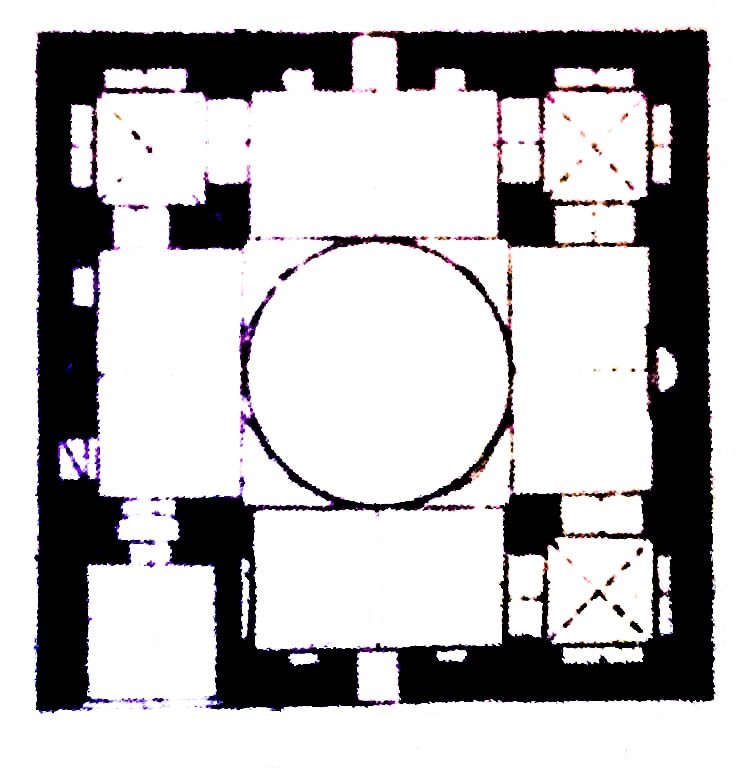
The Shah Abbas Mosque showcases the Shirvan-Absheron style, with a square prayer hall supported by four robust columns and topped with a central dome. The compact 139 m² prayer area is enveloped by small ancillary rooms with arched ceilings, all constructed from durable local limestone (Wikipedia; travelinbaku.com).
Key Features:
- Dome and Minaret: The central dome, supported by pendentives, allows light into the hall, while a newly restored minaret complements the mosque’s façade.
- Decorative Arts: Stone carvings, Qur’anic calligraphy, and motifs from both Oriental and European traditions cover the entrances, mihrab, and interior. The names of the revered Ahl al-Bayt are inscribed, reflecting the site’s Shi’a identity (e-a-a.com).
- Materials: The use of finely cut limestone and traditional construction techniques highlights the skill of Safavid-era craftsmen.
Religious and Cultural Role
The mosque serves as both a spiritual center and a community hub for Keshla’s residents. It hosts daily prayers, Friday congregational services, and major Islamic holidays. Beyond worship, the mosque supports religious education, cultural gatherings, and charitable activities, reinforcing its role as a pillar of local life (irandoostan.com; Trend.az).
Visitor Information
Opening Hours & Tickets
- Hours: Open daily, 9:00 AM – 6:00 PM. Hours may be extended during holidays and Fridays.
- Admission: Free; donations for preservation are appreciated (TravelSetu).
Accessibility
- The mosque is fully wheelchair accessible, with ramps and smooth pathways.
- Parking and public transport links are available nearby.
Guided Tours & Photography
- Guided Tours: Available through local agencies or upon request at the mosque; tours offer deep dives into the mosque’s history and architecture.
- Photography: Permitted in exterior and courtyard areas; interior photography is allowed but should be discreet, especially during prayers.
Dress Code & Visitor Etiquette
- Modest dress required: long trousers/skirts, covered shoulders; headscarves for women.
- Shoes must be removed before entering the prayer hall.
- Silence and respectful conduct are expected, especially during prayer times.
- Non-Muslim visitors may observe prayers from designated areas.
Getting There
- Located in Keshla, Baku’s Nizami district, the mosque is accessible by bus, taxi, and car.
- The site is about 15–20 minutes from the city center.
Community and Cultural Activities
The mosque is a venue for religious festivals, educational programs, and cultural events, particularly during Ramadan and Ashura. The adjacent landscaped gardens and public spaces encourage community interaction and offer a tranquil atmosphere for visitors (Trend.az).
Preservation and Restoration
Following periods of neglect, especially during the Soviet era, the mosque was restored in the early 21st century with support from the Azerbaijani government and local residents. Restoration projects focused on structural repairs, artistic conservation, and the addition of modern amenities such as heating and accessible facilities. The mosque is a protected monument of local importance (Inventory No. 2860) (travelinbaku.com; Trend.az).
Travel Tips & Nearby Attractions
- Optimal Visiting Seasons: Spring (April–June) and autumn (September–November) offer pleasant weather and vibrant gardens (TravelSetu).
- Nearby Sites: Combine your visit with Baku’s Old City (Icherisheher), the Maiden Tower, and the Bibi-Heybat Mosque for a comprehensive heritage experience.
- Local Life: Engage with community members and enjoy nearby cafes and shops for authentic Azerbaijani hospitality.
Frequently Asked Questions (FAQ)
Q: What are the visiting hours?
A: Daily, 9:00 AM – 6:00 PM. Hours may be extended on holidays and Fridays.
Q: Is there an entrance fee?
A: No, admission is free; donations are welcome.
Q: Are guided tours available?
A: Yes—arrange via local agencies or at the mosque.
Q: Is the mosque accessible to visitors with disabilities?
A: Yes, with ramps and accessible restrooms.
Q: Can I take photographs?
A: Yes, but seek permission for interior shots and avoid flash during prayers.
Q: What is the dress code?
A: Modest attire; women should bring a headscarf.
Discover More
The Shah Abbas Mosque in Keshla is more than a historical monument—it is a living expression of Azerbaijan’s religious, artistic, and communal heritage. Its elegant architecture, ongoing religious functions, and community role make it a destination for both spiritual reflection and cultural exploration. For the latest updates on visiting hours, special events, and guided tours, download the Audiala app, follow our social media channels, and check official tourism resources. Make your visit to the Shah Abbas Mosque a meaningful chapter in your Baku experience.
Listen to the full story in the app
The whole Shah Abbas Mosque (Keshla),
told well.
Audio guides for 1,100+ cities across 96 countries. History, stories, and local insight — offline ready.
Verified, and shown.
Researched and written by the Audiala editorial team from historical records, architectural archives, and local expertise.
Researched from Wikidata, Wikipedia & official sources · fact-checked · How we make our guides →