Plan and listen to Sabayil Castle with Audiala.
Audio guide in your pocket, itinerary in your browser. Built for the way you actually visit.
Introduction: The Submerged Marvel of Baku
Sabayil Castle, often referred to as the “Atlantis of the Caspian Sea,” stands as one of Azerbaijan’s most captivating and mysterious medieval sites. Situated off the southern coast of Baku near the Bayil district, this partially submerged fortress was constructed between 1232 and 1236 CE under Shirvanshah Fariburz III. Designed to defend the Absheron Peninsula and serve as a royal residence, Sabayil Castle’s unique maritime setting and architectural sophistication offer a remarkable window into Azerbaijan’s layered history—a blend of Persian, Arabic, and Islamic influences (Azerbaijan National Academy of Sciences, Azernews, 7 Day Adventurer).
The castle’s polygonal structure, robust walls with 15 towers, and ornately inscribed stone slabs exemplify the advanced engineering and artistry of the Shirvanshah era. After a devastating earthquake in 1306 submerged the fortress, Sabayil Castle became a natural time capsule—preserving artifacts and carvings now displayed in Baku’s museums and exhibitions. Today, visitors can explore its legacy through guided boat tours, museum exhibits, and panoramic coastal views.
This guide provides a detailed overview of Sabayil Castle’s history, architecture, visitor experience, ticketing, accessibility, and travel tips, helping you plan an unforgettable journey into Azerbaijan’s rich medieval heritage.
- Discovering Sabayil Castle
- History and Architecture
- Archaeological Discoveries and Tunnels
- Visiting Sabayil Castle: Hours, Tickets, and Accessibility
- Travel Tips and Best Visiting Times
- Nearby Attractions and Itineraries
- Special Events, Tours, and Photography
- Environmental Guidelines and Accessibility
- Frequently Asked Questions (FAQ)
- Visitor Tips, Visuals, and Resources
- Conclusion and Further Information
- Sources and Official Links
Discovering Sabayil Castle
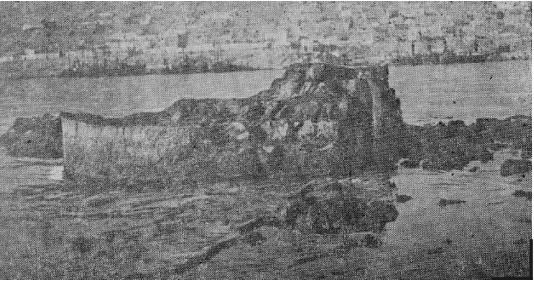
Sabayil Castle lies approximately 350 meters off Baku’s southern coastline in the Caspian Sea, its remains emerging or submerging with changing water levels. The fortress’s dramatic history and enigmatic setting have earned it the nickname “Caspian Atlantis,” attracting both scholars and adventure seekers interested in Azerbaijan’s medieval legacy.
History and Architecture
Origins and Construction
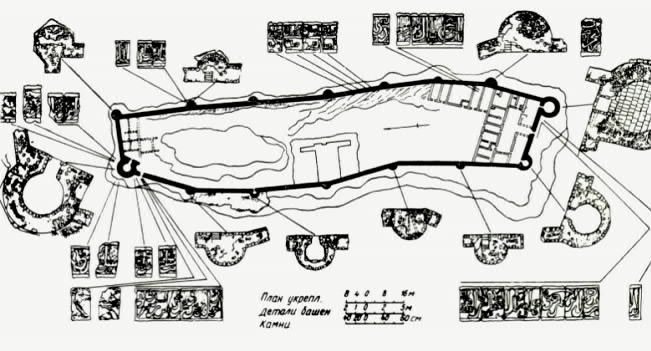
Sabayil Castle was built between 1232 and 1236 CE by order of Shirvanshah Fariburz III and designed by Zejnaddin ibn Abu Rashid Shirvani (Azerbaijan National Academy of Sciences). Its island location and advanced defensive features—thick limestone walls, 15 towers, and a narrow, controlled entrance—underscored its strategic role in protecting Baku from maritime threats while serving administrative and customs purposes.
Architectural Features
The elongated, trapezoidal layout measured about 180 by 40 meters, with walls up to 2 meters thick. Three round and twelve semicircular towers strengthened the fortress, while a now-lost platform on the western side is believed to have supported a central observation tower. Inside, archaeological research has revealed foundations of at least nine structures—likely barracks, storage, administrative offices, and possibly a fire-worshipper temple hinting at Zoroastrian influences.
Decorative Elements and Inscriptions
A defining feature of Sabayil Castle is its frieze of over 700 inscribed stone panels. Spanning more than 400 meters, these slabs bear Arabic and Persian inscriptions, geometric motifs, and reliefs of human and mythical figures. They include the names of 15 Shirvanshahs, providing invaluable historical context (Azernews).
Submersion and Preservation
In 1306, an earthquake caused the islet and castle to sink, preserving the lower structures and inscriptions while upper levels collapsed. Over subsequent centuries, fluctuating Caspian Sea levels periodically revealed parts of the fortress. The 18th and 20th centuries saw major archaeological efforts to recover and study inscribed stones, many of which are now housed in Baku museums.
Archaeological Discoveries and Tunnels
Modern excavations have uncovered a network of underground tunnels connecting Sabayil Castle to Baku’s Old City, including the Shirvanshahs’ Palace and Synykh Gala mosque. While some passages date to the 19th century, they reveal the sophistication of medieval Baku’s defensive and administrative infrastructure (7 Day Adventurer).
Visiting Sabayil Castle: Hours, Tickets, and Accessibility
Location and Getting There
Sabayil Castle is accessible only by water, with boat tours launching from Baku Boulevard near the Bayil district. The closest metro station is "Icherisheher"; from there, taxis or local buses reach the waterfront (HikersBay).
- How to Get There:
- Metro to "Icherisheher"
- Taxi/bus to Bayil/Baku Boulevard
- Book a boat tour for site access
Visiting Hours
The site does not have fixed hours. Boat tours typically operate between 10:00 AM and 6:00 PM, May to September, depending on weather and sea conditions. Low water seasons (late summer and early autumn) offer the best chance to view the ruins.
Tickets and Tour Options
Entry to the islet is free, but boat access requires booking a tour (20–50 AZN per person). Private tours are available at higher rates. Combined city tours frequently include Sabayil Castle alongside the Maiden Tower and Shirvanshahs’ Palace.
- Purchase tickets through reputable local operators or tourism websites.
- Museum exhibitions: Artifacts from Sabayil Castle can be viewed at the Azerbaijan National Museum of History and the Shirvanshahs’ Palace complex (entry from 10:00 AM to 6:00 PM).
Accessibility
- On-site: Due to its maritime setting and uneven, slippery surfaces, Sabayil Castle is not accessible to wheelchair users or those with limited mobility.
- Alternatives: Enjoy views from Baku Boulevard or visit museum exhibits with accessible facilities.
Travel Tips and Best Visiting Times
- Best months: May to September (peak: June-August, with average highs of 29–32°C)
- Book in advance: Boat tours may sell out in peak season.
- What to bring: Bottled water, sun protection, snacks, sturdy non-slip footwear, and a camera.
- Safety: Always wear a life jacket; tours may be canceled in rough weather.
Nearby Attractions and Itineraries
Enhance your visit by exploring Baku’s historical highlights:
- Maiden Tower
- Icherisheher (Old City)
- Shirvanshah’s Palace
- Baku Boulevard and Carpet Museum
Many tours conveniently bundle these sites, offering a full day of cultural discovery.
Special Events, Tours, and Photography
- Special guided tours focusing on Sabayil Castle’s history and archaeology are available during accessible periods.
- Photography: Capture iconic shots of the ruins against the Caspian Sea—sunrise and sunset are especially beautiful.
Environmental Guidelines and Accessibility
- Conservation: Littering, artifact removal, and climbing on ruins are strictly prohibited.
- Participation: Some tours include conservation briefings.
- Accessibility: The islet is not adapted for visitors with limited mobility, but exhibits in city museums offer accessible alternatives.
Frequently Asked Questions (FAQ)
Q: Is Sabayil Castle open year-round?
A: Boat access is available primarily from late spring to early autumn; tours depend on weather and sea conditions.
Q: How do I obtain tickets?
A: Entry to the site is free; boat tours and museum exhibitions require ticket purchase.
Q: Are guided tours available?
A: Yes, multiple operators offer historical boat tours and guided city tours.
Q: What should I bring?
A: Water, sun protection, snacks, camera, and sturdy shoes.
Q: Is the site accessible for people with disabilities?
A: The islet is not accessible; museum exhibits are a suitable alternative.
Listen to the full story in the app
The whole Sabayil Castle,
told well.
Audio guides for 1,100+ cities across 96 countries. History, stories, and local insight — offline ready.

Verified, and shown.
Researched and written by the Audiala editorial team from historical records, architectural archives, and local expertise.
Researched from Wikidata, Wikipedia & official sources · fact-checked · How we make our guides →