Plan and listen to Multani Caravanserai with Audiala.
Audio guide in your pocket, itinerary in your browser. Built for the way you actually visit.
Introduction
Nestled within Baku's UNESCO-listed Old City (Icherisheher), the Multani Caravanserai stands as a testament to Azerbaijan’s pivotal role in Silk Road commerce and cultural exchange. Dating back to the 14th century, this caravanserai was built to serve merchants journeying between South Asia, Central Asia, and the Caucasus, and its architecture reflects a unique blend of medieval Islamic styles and intercultural influences. Named after the city of Multan (now in Pakistan), the site was more than a resting place—it fostered trade, spiritual exchange, and artistic dialogue, especially through Sufi traditions. Today, the Multani Caravanserai welcomes visitors with its preserved courtyards, arched galleries, and adaptive reuse as an authentic Azerbaijani restaurant, offering a window into Baku’s Silk Road legacy (Icherisheher Reserve, Guided Azerbaijan).

Discover the Multani Caravanserai: A Silk Road Treasure
Located in the heart of Icherisheher, the Multani Caravanserai is a captivating site that immerses visitors in Baku’s Silk Road history. With its 14th-century origins, it remains one of the city’s most evocative historical monuments, inviting exploration by history enthusiasts, architecture admirers, and cultural travelers alike.
Origins and Architecture
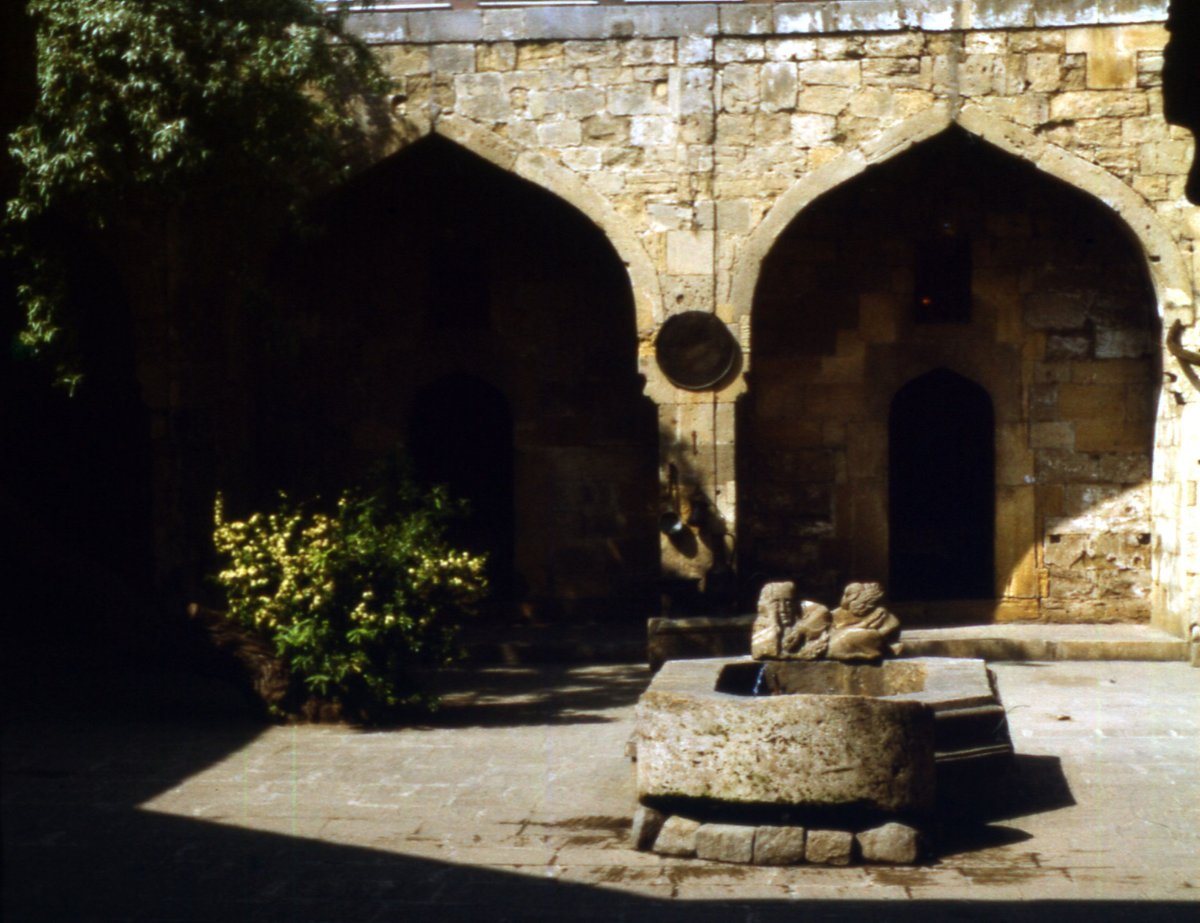
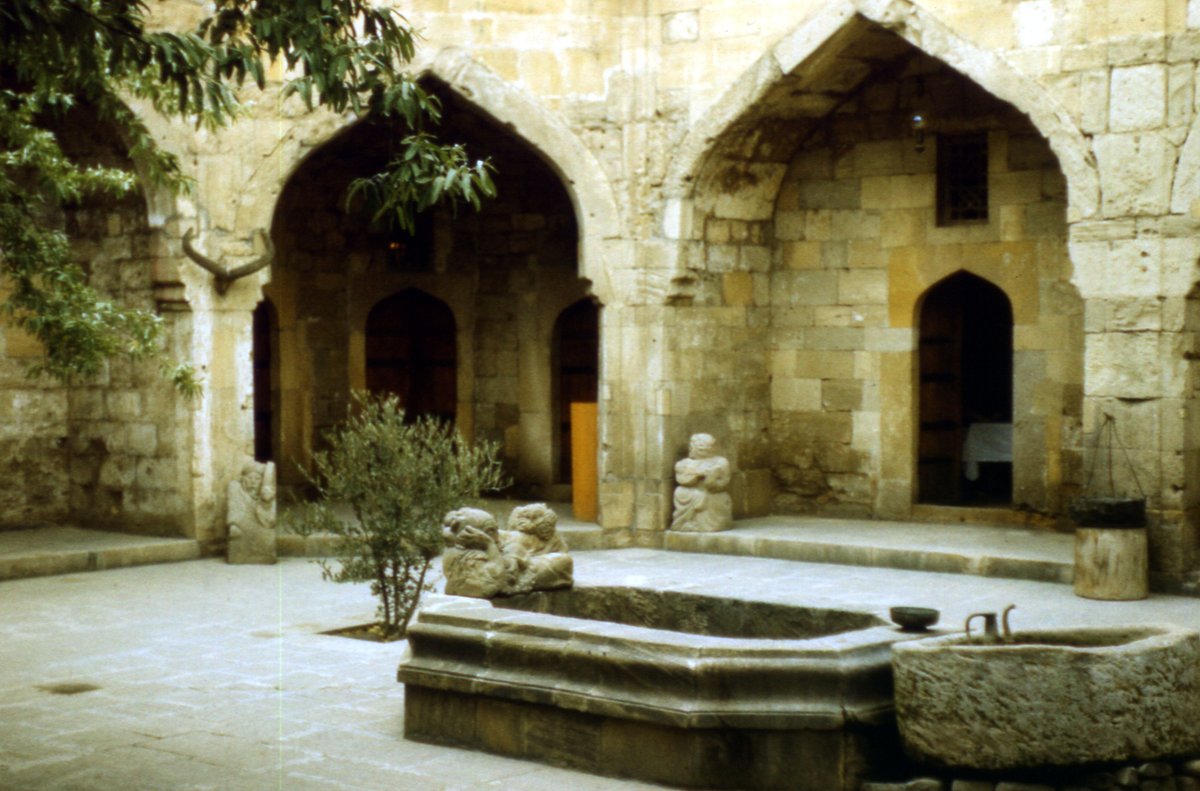
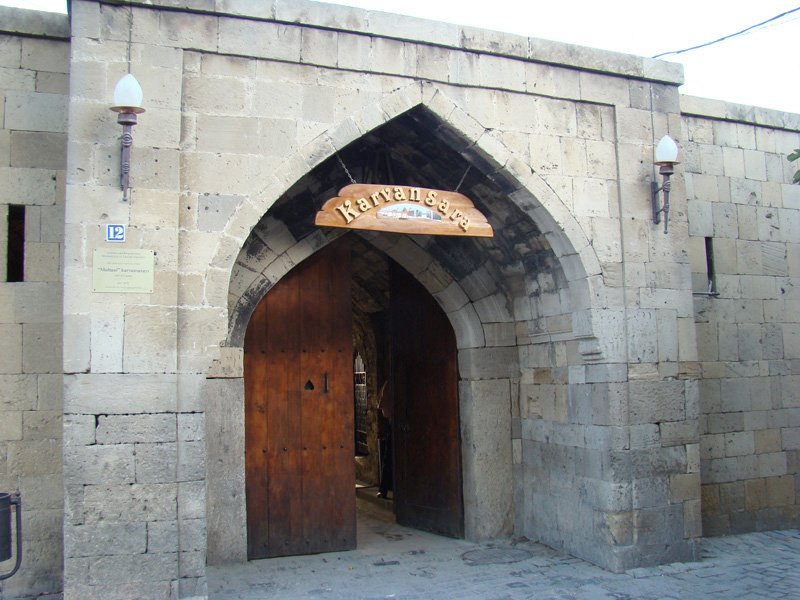
Built in the 14th century to accommodate merchants from Multan, the Multani Caravanserai features a classic square plan centered around a spacious courtyard. The surrounding arched galleries and small rooms (cells) provided lodging and storage for travelers and their goods (modernsilkroadtour.com). Decorative motifs and inscriptions reveal influences from Seljuk and Persianate traditions, while stone balconies overlook the courtyard, serving both communal and practical purposes. The robust stone construction and fortified entrance underscore the structure’s defensive requirements in the context of medieval trade routes (silkroadvirtualmuseum.com).
Role in Silk Road Trade and Cultural Exchange
The Multani Caravanserai was more than a rest stop; it was a vibrant hub of commerce and cross-cultural interaction. Merchants from Multan and Zoroastrian traders from India exchanged textiles, spices, gemstones, and other goods, fostering a cosmopolitan environment (cnn.com). Its strategic location near the Caspian Sea and Shamakhi Gates enabled both land and maritime trade. The site also played a religious and social role, with connections to the nearby Ateshgah Fire Temple, illustrating the enduring spiritual and cultural ties fostered by Silk Road commerce (modernsilkroadtour.com).
Historical Context: Baku’s Golden Age
Between the 12th and 15th centuries, Baku flourished as a Silk Road hub, leveraging its Caspian port to link East and West (cnn.com). The Multani and Bukhara caravanserais formed vital nodes in the city’s network of support for traders and travelers. Although Baku’s prominence shifted with the rise of maritime trade and the 19th-century oil boom, these caravanserais remain as enduring symbols of the city’s cosmopolitan past.
Visiting Information: Hours, Tickets, and Accessibility
- Visiting Hours: The Multani Caravanserai is generally open daily from 9:00 AM to 7:00 PM. Hours may vary during public holidays; check the Icherisheher Reserve official website for current information.
- Tickets: Entry is often included with the Baku Old City ticket (approx. 10–15 AZN), with discounts for students, seniors, and groups. Tickets are available on-site and online.
- Accessibility: The central courtyard and main exhibition spaces are wheelchair accessible, though some upper floors and terraces may have limited access due to the historic structure.
- Guided Tours: Daily tours in multiple languages are available, providing expert commentary on the caravanserai’s history, architecture, and restoration (Guided Azerbaijan).
- Special Events: The caravanserai occasionally hosts cultural exhibitions and performances, especially during local festivals.
Restoration and Modern Use
Significant restoration efforts, supported by the Heydar Aliyev Foundation and managed by the Icherisheher Reserve, have preserved the building’s original features, including stonework, arches, and balconies (Azernews). Completed in 2022 by the Austrian Atelier Erich Pummer, the restoration emphasized authenticity and reversible interventions. Today, the Multani Caravanserai houses the Art Garden, which features an art gallery, artisan workshops, and a restaurant serving Azerbaijani and European cuisine. Each cell is uniquely decorated by local artists, ensuring the site remains a vibrant cultural hub.
Connections to Other Silk Road Sites
Directly opposite the Multani Caravanserai stands the Bukhara Caravanserai, built for Central Asian merchants in the late 15th century (modernsilkroadtour.com). Together, these sites reflect Baku’s historic role as a crossroads of civilizations. Other cities in Azerbaijan, including Sheki and Ganja, also feature notable caravanserais, while the modern "Iron Silk Road" rail link between Istanbul and Baku continues this tradition of Eurasian connectivity (cnn.com).
Architectural Layout and Features
- Site Plan: Square layout with a central courtyard, surrounded by arched galleries and rooms for merchants.
- Courtyard and Balconies: Expansive courtyard with balconies supported by stone columns, maximizing light and ventilation while facilitating social interaction.
- Materials and Techniques: Thick limestone walls and vaulted ceilings ensure durability and climate regulation. Islamic decorative elements embellish the portals (Guided Azerbaijan).
- Defensive Features: Limited exterior openings and controlled access through strategically placed entrances reflect the need for security.
- Artistic Details: Geometric motifs and inscriptions adorn the structure, and modern adaptations include contemporary Azerbaijani art in the interior rooms (Azernews).
Visitor Experience: Dining, Tours, and Facilities
- Dining: The on-site restaurant offers traditional Azerbaijani cuisine such as plov, kebabs, and dolma, providing a unique dining experience in a historic setting (azerbaijanevisa.com).
- Tours: Guided and self-guided tours are available, with informative signage and knowledgeable guides enhancing the educational value (visaforazerbaijan.org.uk).
- Facilities: Amenities such as restrooms and seating are provided. The restaurant accepts cash and card payments, and English-speaking staff are usually present.
- Accessibility: The courtyard and main areas are accessible for wheelchair users, though some uneven surfaces may require caution.
- Photography: Visitors are encouraged to photograph the atmospheric stone architecture, with some restrictions near delicate artworks.
Tips for Visiting and Nearby Attractions
- Best Time to Visit: April–June and September–October offer mild weather and lively streets (azerbaijanevisa.com).
- Dress Code: Modest attire is recommended.
- Language: Azerbaijani is official; English is widely spoken in tourist areas.
- Currency: Azerbaijani manat (AZN); carry some cash for small purchases.
- Connectivity: Free Wi-Fi in many restaurants and public areas.
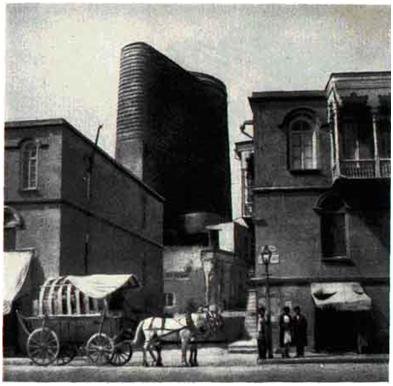
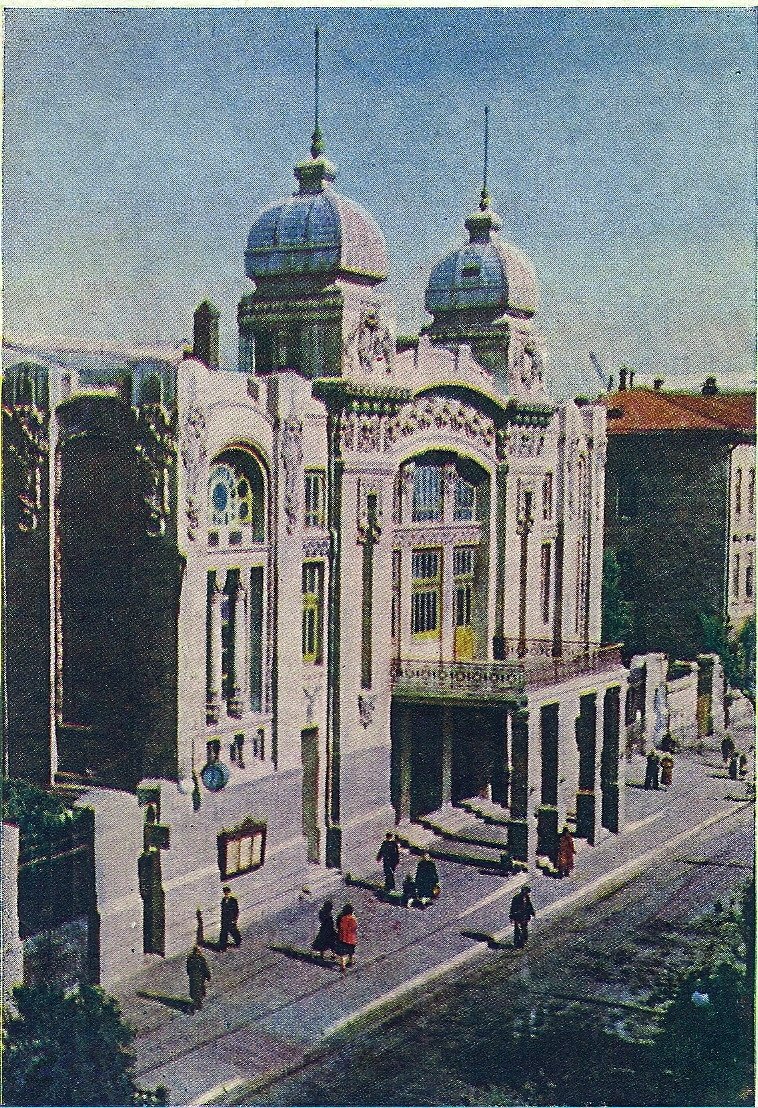
- Nearby Attractions: Maiden Tower (2 minutes), Palace of the Shirvanshahs (3 minutes), Bukhara Caravanserai (opposite), Baku Puppet Theatre, Muhammad Mosque, and Beyler Mosque (trek.zone).
FAQs
Q: What are the visiting hours?
A: Generally open daily from 9:00 AM to 7:00 PM; check the official site for updates.
Q: Is there an entry fee?
A: Entry is often included in the Baku Old City ticket (approx. 10–15 AZN).
Q: Are guided tours available?
A: Yes, through local agencies and the official Icherisheher tour service.
Q: Is the site accessible?
A: The main courtyard and restaurant are accessible; upper levels may have limited access.
Q: What dining options are available?
A: The on-site restaurant serves traditional Azerbaijani cuisine.
Listen to the full story in the app
The whole Multani Caravanserai,
told well.
Audio guides for 1,100+ cities across 96 countries. History, stories, and local insight — offline ready.
Verified, and shown.
Researched and written by the Audiala editorial team from historical records, architectural archives, and local expertise.
Researched from Wikidata, Wikipedia & official sources · fact-checked · How we make our guides →