Plan and listen to Hajji Heybat Mosque with Audiala.
Audio guide in your pocket, itinerary in your browser. Built for the way you actually visit.
Introduction: The Significance of Hajji Heybat Mosque in Baku
Situated within the heart of Baku’s UNESCO-listed Old City (Icherisheher), the Hajji Heybat Mosque is a remarkable testament to Azerbaijan’s enduring Islamic heritage and architectural traditions. Constructed in 1791/1792 CE by Haji Heybat Amir Ali oghlu, this modest yet elegant mosque provides a unique glimpse into the spiritual and cultural life of late 18th-century Baku. Featuring restrained stone craftsmanship, pointed arches, and a harmonious integration with its historic surroundings, the mosque is not only a place of worship but also a poignant historical memorial—its founder’s grave lies within the prayer hall, symbolizing the entwined narratives of faith, family, and architecture.
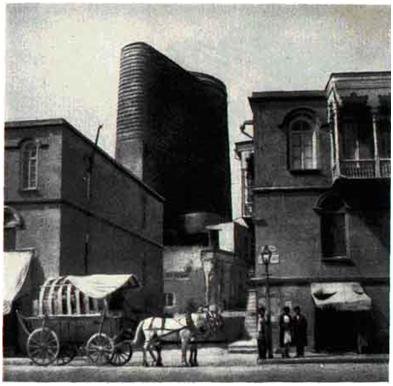
Located on Kichik Gala Street, the mosque is an essential stop for travelers exploring Baku’s Old City. Its proximity to iconic sites such as the Maiden Tower and the Palace of the Shirvanshahs allows visitors to experience a vibrant network of Azerbaijan’s most treasured cultural landmarks (Baku Heritage; Azerbaijan Tourism Board).
This detailed guide covers the mosque’s history, architectural features, visiting hours, accessibility, travel tips, and nearby attractions. It aims to help you plan a respectful, informed, and memorable visit to one of Baku’s historic gems.
Historical Background
Origins and Construction
The Hajji Heybat Mosque (Azerbaijani: Hacı Heybət məscidi) was constructed in 1206 AH (1791/1792 CE), designed and built by Haji Heybat Amir Ali oghlu. His name is immortalized in the mosque’s title and in epigraphic inscriptions on the building itself (Baku Heritage). Built during a period of significant urban and cultural development, the mosque reflects the growing religious and civic architecture of late 18th-century Baku.
Historical Context
This era in Baku was marked by the waning influence of Persian rule and the rise of local khanates, bringing about relative stability and prosperity. The mosque’s location within a dense network of residential quarters along Kichik Gala Street mirrors the close relationship between daily life and religious practice in the Old City (Azerbaijan Tourism Board).
The Architect’s Legacy
A rare feature of the Hajji Heybat Mosque is its preservation of the founder’s identity. Inscriptions and the presence of Haji Heybat Amir Ali oghlu’s grave, alongside his wife’s, within the mosque’s interior distinguish it as both a place of worship and a personal memorial, underscoring the deep familial and spiritual significance of the site.
Architectural Features
Layout and Plan
The mosque’s quadrangular plan maximizes its modest footprint within the Old City. Three main sections comprise the structure:
- Square-shaped Vestibule: Serves as the entrance and a transitional space for worshippers and visitors.
- Service Room: Supports functional needs such as ablutions and storage.
- Prayer Hall: The principal area for worship, distinguished by its niches (mihrabs) indicating the direction of Mecca.
Exterior Design
The understated elegance of the mosque’s exterior reflects Baku’s local architectural vernacular. The entrance is marked by a simple crown and adorned with Quranic and commemorative inscriptions that detail the building’s history and its architect.
Domes and Arches
A defining aspect of the mosque is its stone dome and pointed arches. The modest dome represents the vault of heaven, while the pointed arches lend verticality and grace. These features are crafted from local stone, visually uniting the mosque with neighboring Old City buildings.
Interior Elements
The interior maintains a sense of simplicity and intimacy. The niches (mihrabs) provide focal points for prayer. In a corner of the prayer hall, the graves of the architect and his wife serve as a reminder of the mosque’s personal legacy.
Materials and Craftsmanship
Local stone is the primary building material, offering durability and visual harmony with the Old City’s historic structures. The skilled stonework in the dome and arches highlights the expertise of Baku’s 18th-century artisans.
Epigraphic Inscriptions
Calligraphic inscriptions crown the mosque’s entrance, serving both religious and historical functions. Quranic verses reinforce the sacred purpose, while commemorative inscriptions record the architect’s name and the date of construction.
Integration with the Old City
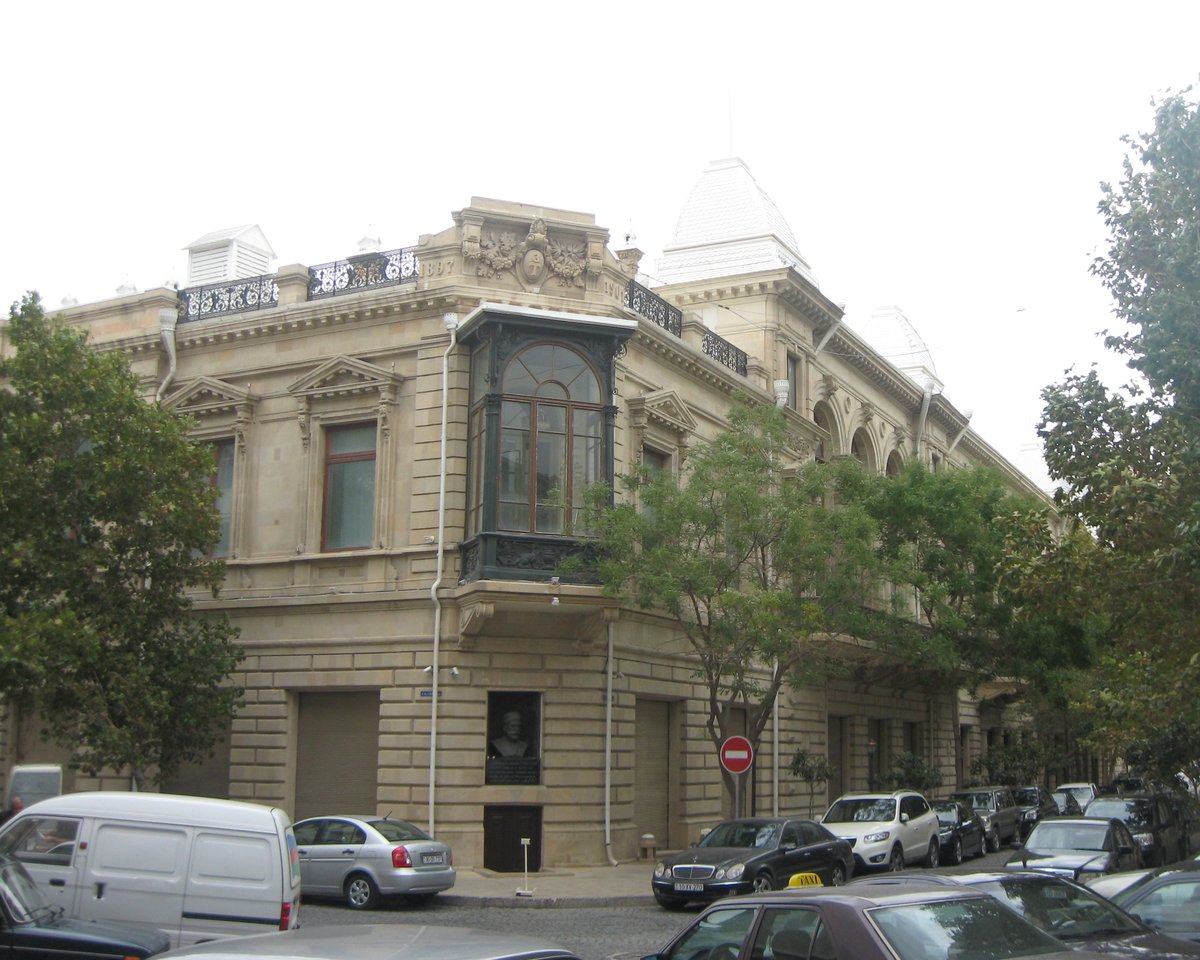
Situated on Kichik Gala Street within Icherisheher, the mosque is seamlessly integrated with the residential and urban landscape of the Old City, reinforcing its sense of community and continuity. Its proximity to other major Baku sites makes it a convenient and rewarding part of any cultural itinerary.
Visitor Information
Visiting Hours and Tickets
- Hours: Open daily from 9:00 AM to 6:00 PM. Note: Hours may vary during religious holidays or special events.
- Tickets: Entry is free; donations are welcome to support preservation.
Accessibility
The mosque is accessible via pedestrian pathways in the Old City. Due to historic preservation and uneven terrain, wheelchair access may be limited. Comfortable footwear is recommended.
Travel Tips
- Arrive early to avoid crowds and enjoy a tranquil atmosphere.
- Dress modestly—shoulders and knees covered; women should cover their hair.
- Photography is permitted outdoors and inside (without flash), unless otherwise posted.
- Be mindful of prayer times and respectful of worshippers.
Cultural Significance and Events
The mosque is not only a site of worship but also a cultural monument reflecting Baku’s Islamic traditions. Occasional religious commemorations and heritage tours are held here, offering insights into local customs and history.
Guided Tours and Photographic Spots
Guided tours often include the mosque as part of broader Old City itineraries, providing detailed historical and cultural context. The mosque’s courtyard and dome are particularly photogenic, especially during golden hour.
Nearby Attractions
- Maiden Tower: Iconic medieval monument within the Old City, offering panoramic city views.
- Palace of the Shirvanshahs: UNESCO World Heritage site, a short walk from the mosque.
- Bibi-Heybat Mosque: A larger, reconstructed mosque with an active community and spiritual significance.
- Caspian Sea Waterfront: Perfect for leisurely strolls and scenic photographs.
- Azerbaijan Carpet Museum: Showcases centuries of local textile craftsmanship.
- Baku Boulevard (Dənizkənarı Milli Park): Lively promenade featuring gardens, entertainment, and cafes.
- Heydar Aliyev Center: Modern architectural landmark with exhibitions and art installations (tuktuktravelmag.com).
Frequently Asked Questions (FAQ)
Q: What are the Hajji Heybat Mosque visiting hours?
A: Open daily from 9:00 AM to 6:00 PM; hours may vary on religious holidays.
Q: Is there an entrance fee?
A: Entry is free, but donations are appreciated.
Q: Is photography allowed inside?
A: Yes, without flash; please be respectful of worshippers.
Q: Is the mosque wheelchair accessible?
A: Accessibility is limited due to historical terrain.
Q: Are guided tours offered?
A: Yes, many local tour operators include the mosque in their itineraries.
Visual Gallery


For additional images, see the Wikimedia Commons gallery for Hajji Heybat Mosque.
Discover More
Plan your visit to the Hajji Heybat Mosque and discover the rich tapestry of Baku's historical sites. Download the Audiala app for interactive tours, up-to-date guides, and notifications about cultural events in Baku. Follow us on social media and explore related posts on Azerbaijan’s Islamic architectural heritage for even more travel inspiration.
Listen to the full story in the app
The whole Hajji Heybat Mosque,
told well.
Audio guides for 1,100+ cities across 96 countries. History, stories, and local insight — offline ready.

Verified, and shown.
Researched and written by the Audiala editorial team from historical records, architectural archives, and local expertise.
Researched from Wikidata, Wikipedia & official sources · fact-checked · How we make our guides →