Plan and listen to Filarmoniya Bağı with Audiala.
Audio guide in your pocket, itinerary in your browser. Built for the way you actually visit.
Introduction
Filarmoniya Bağı, also known as Philharmonia Garden or Governor’s Garden, is one of Baku’s most cherished historical and cultural landmarks. Established in the early 19th century, this lush urban park offers an immersive blend of natural beauty, architectural grandeur, and vibrant cultural heritage. Its unique foundation—where ship captains brought soil from South Azerbaijan—reflects Baku’s role as a crossroads of cultures in the Caspian region. Today, Filarmoniya Bağı and the adjacent Azerbaijan State Philharmonic Hall stand as symbols of the city’s artistic evolution and cosmopolitan spirit, making them essential stops for visitors exploring Baku’s historical sites (ulduztourism.az, azterra.az).

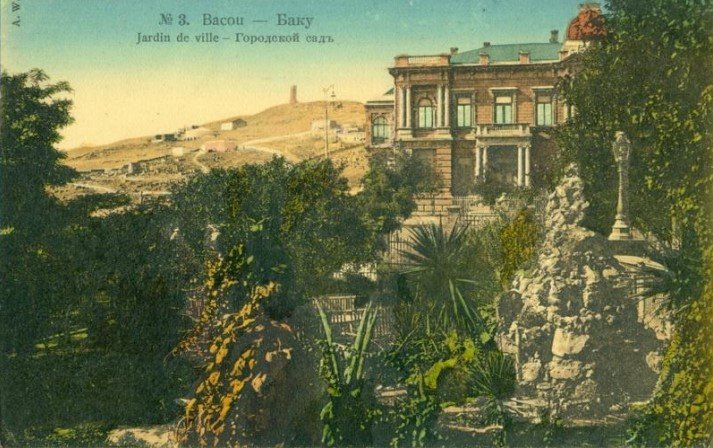
Early Origins and Establishment
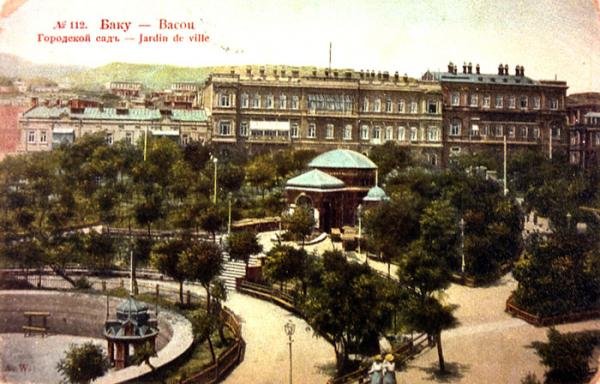
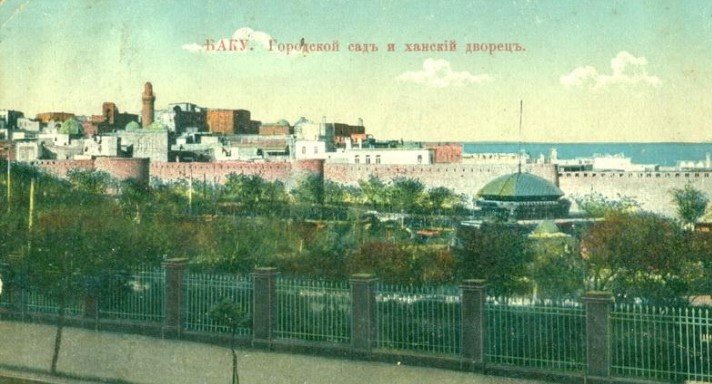
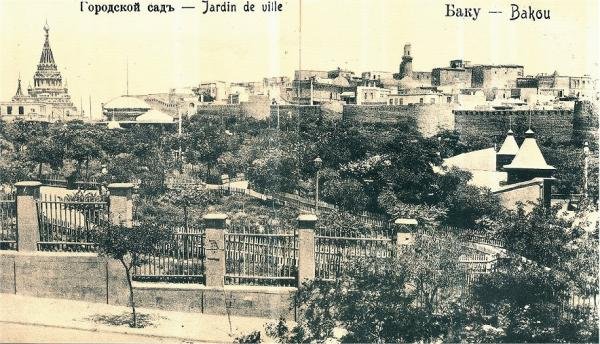
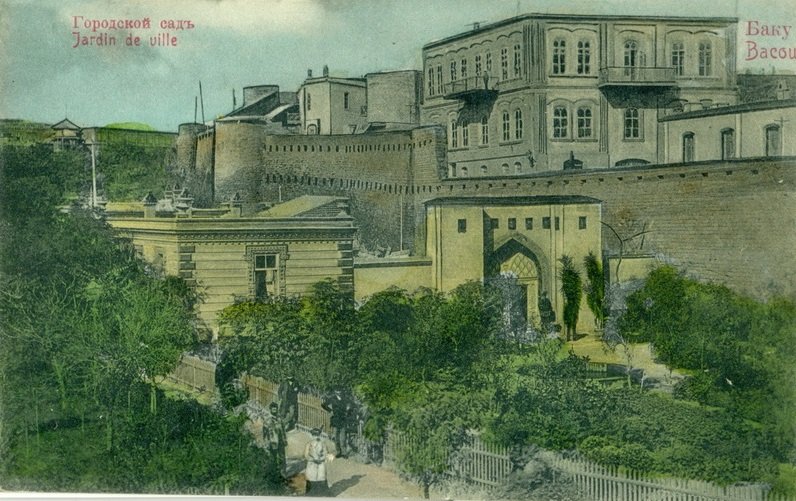
Established around 1830 during the Russian Imperial era, Filarmoniya Bağı’s foundation was marked by the tradition of ship captains bringing fertile soil from South Azerbaijan. Originally named Mixaylov bağı (Mikhaelovsky Garden) in honor of the city’s governor, the park expanded throughout the 19th century to become a prominent green space adjacent to Baku’s fortress walls (ulduztourism.az).
Architectural and Cultural Evolution
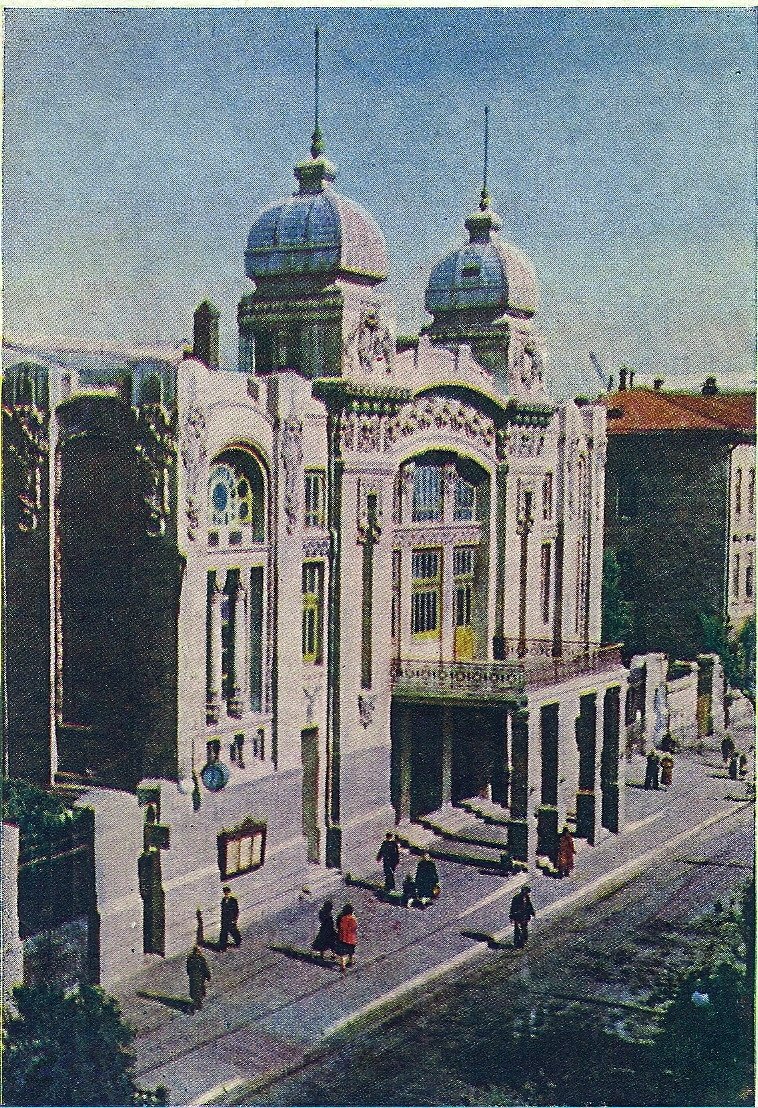
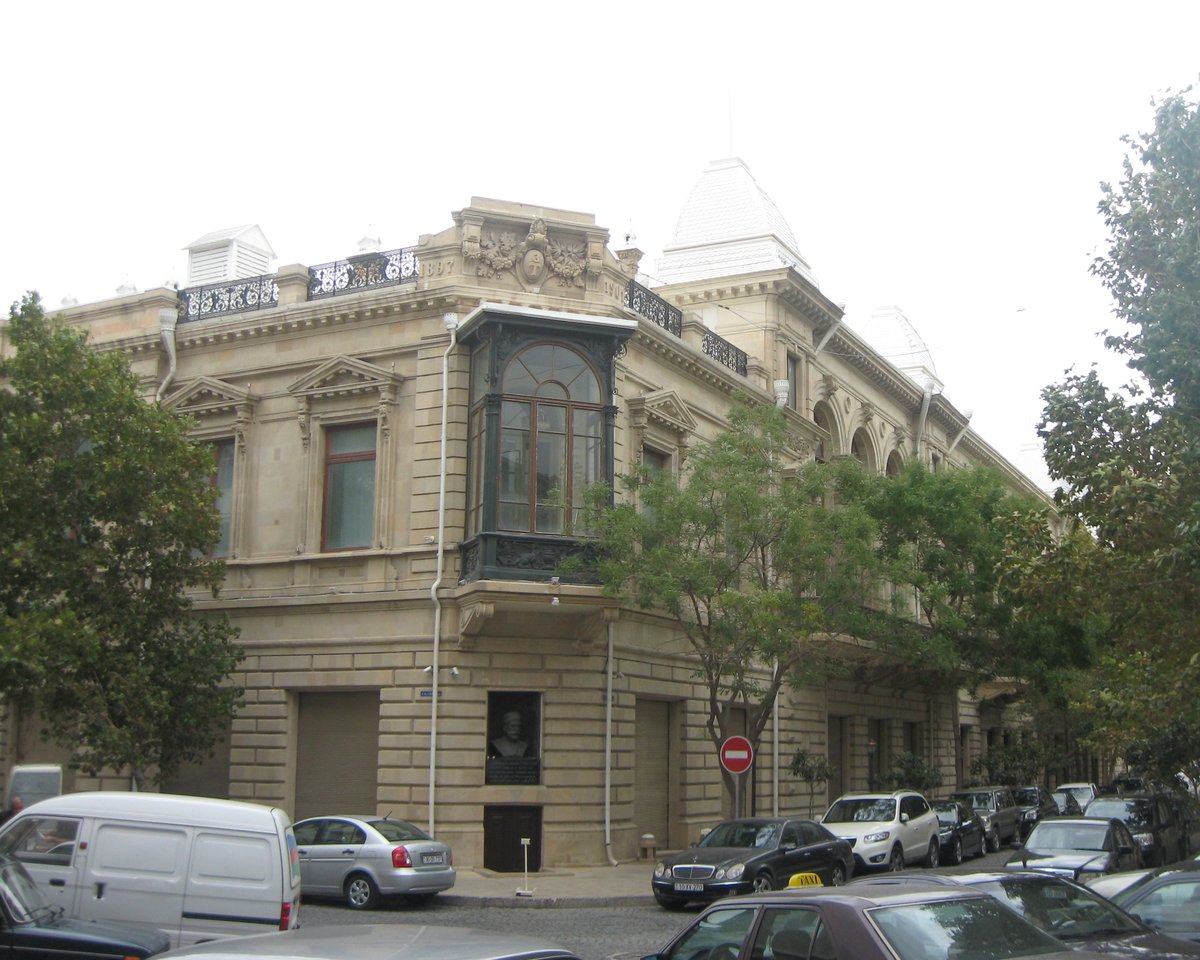
As Baku’s oil boom fueled urban prosperity in the late 19th century, the garden adopted European landscape design influences and became a favorite promenade for the city’s elite (letsgobaku.com). The construction of the Azerbaijan State Philharmonic Hall between 1910 and 1912, inspired by Monte Carlo’s concert venues and designed by Gabriel Ter-Mikelov, introduced Renaissance-style elegance to the park (azterra.az). The hall soon emerged as a cultural epicenter, hosting performances that ranged from Western classical music to traditional Azerbaijani mugham.
Soviet Era and Modern Restoration
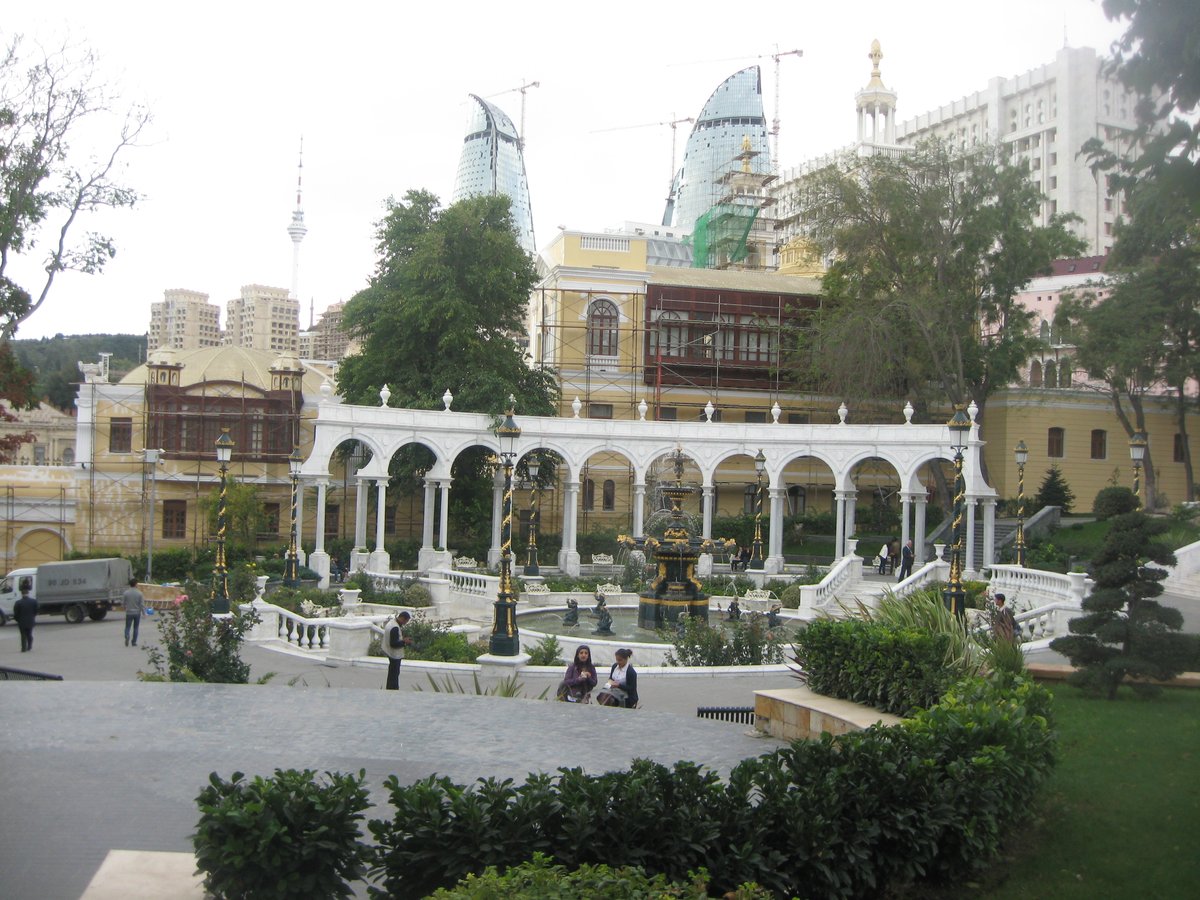
During the Soviet period, the garden was renovated in the 1970s to enhance accessibility and preserve its character. Following Azerbaijan’s independence, a major restoration led by President Ilham Aliyev between 2007 and 2009 revitalized the park with European-style fountains, modern landscaping, and conservation of mature trees (ulduztourism.az).
Architectural and Cultural Synthesis
The Philharmonic Hall, an architectural masterpiece on the park’s northern edge, is modeled after the grand venues of Monte Carlo, featuring Renaissance and Rococo elements. This hall, together with the garden, embodies Baku’s blend of Eastern and Western influences. Originally a social club for Baku’s elite, the hall transitioned in the Soviet era into a hub of musical excellence. Today, it hosts leading ensembles including the Azerbaijan State Symphony Orchestra and State Choir, showcasing both classical and Azerbaijani music traditions (azterra.az).
Musical Heritage and National Identity
Named after composer Muslim Magomayev in 1937, the Philharmonic Hall has played a central role in the preservation and celebration of Azerbaijani musical heritage. Its programming features both Western classical repertoire and indigenous genres like mugham—a traditional form recognized by UNESCO. Works by national composers such as Uzeyir Hajibeyov, Fikret Amirov, and Gara Garayev are regularly performed, fostering cultural pride and continuity (azterra.az).
Literary Resonance and Artistic Inspiration
Filarmoniya Bağı has long inspired Azerbaijani writers, poets, and artists. Its tranquil ambiance and the Philharmonic’s imposing façade evoke Baku’s cosmopolitan character and serve as a bridge between tradition and modernity. The garden’s proximity to Baku’s UNESCO-listed Old City (Icherisheher) further enhances its significance as a locus of artistic and literary creativity (azterra.az).
Role in Contemporary Cultural Life
Today, Filarmoniya Bağı is a dynamic venue for open-air concerts, literary readings, and art exhibitions, drawing both locals and tourists. The Philharmonic Hall’s 2004 reopening after extensive renovations marked a new era, attracting international artists and audiences. Major events such as the Baku International Jazz Festival and Novruz Bayram celebrations often enliven the garden (bakulifetours.com).
Setting, Layout, and Botanical Features
Covering approximately 4.6 hectares and bordered by Niyazi and İstiqlaliyyət Streets, Filarmoniya Bağı features gently curving pathways, manicured lawns, mature trees, and ornamental shrubs. The garden’s design creates a harmonious blend of open and intimate spaces, with subtle elevation changes offering panoramic city views. Seasonal flowerbeds and sustainable horticultural practices ensure the park remains a verdant refuge year-round.
Water Features and Fountains
The centerpiece of the garden is an elegant tiered fountain designed by French company Inter Art during the 2007–2009 renovations. Classical sculptural details and the soothing sound of cascading water create a tranquil atmosphere—especially inviting during the warmer months.
Lighting and Nighttime Ambience
After sunset, subtle lighting highlights the park’s walkways, fountains, and the Philharmonic Hall, creating a magical ambiance ideal for evening strolls and photography.
Visitor Information
Visiting Hours
- Filarmoniya Bağı: Open daily from 8:00 AM to 10:00 PM.
- Philharmonic Hall: Concerts are typically held in the evenings; schedules are available on the official website (philharmonichall.az).
Tickets and Entry
- Park: Free admission; no tickets required.
- Philharmonic Hall: Tickets for concerts and events range from 10 to 50 AZN, depending on the event. Purchase online or at the box office. Early booking is advised for popular events.
Accessibility
- Paths: Paved and wheelchair-friendly.
- Facilities: Accessible restrooms and seating; ramps and accessible areas in the Philharmonic Hall. Confirm specific accommodations in advance if needed.
Guided Tours and Events
Guided tours focusing on the garden’s history and the Philharmonic Hall’s architecture are available through official channels or local tour operators. The park and hall regularly host concerts, festivals, and special events—check local listings or the Philharmonic’s website for up-to-date schedules.
Best Time to Visit and Photography Tips
- Ideal Seasons: Spring and autumn for mild weather and vibrant blooms.
- Photography: Early morning and late afternoon offer the best natural light. The illuminated fountains and hall create captivating evening shots.
Getting There
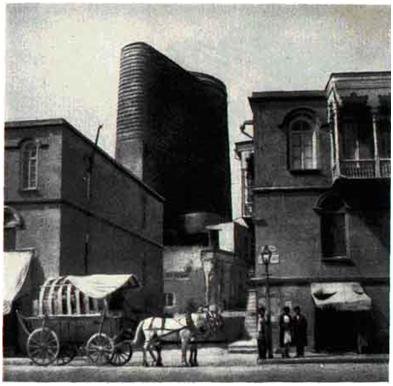
- Location: Centrally located, within walking distance of the Old City (Icherisheher), Maiden Tower, and Baku Boulevard.
- Transport: Near Icherisheher metro station and easily reachable by bus, taxi, or ride-hailing services.
Visitor Activities and Experiences
- Leisure: Stroll along winding paths, relax on benches, enjoy the fountains, or picnic in shaded areas.
- Cultural Events: Attend open-air performances, classical concerts, and community gatherings, especially during festivals.
- Photography: Capture the park’s greenery, architectural details, and panoramic city views.
- Family-Friendly: Ample open spaces, clean amenities, and a safe environment for visitors of all ages.
Nearby Attractions
Filarmoniya Bağı’s central location makes it an ideal starting point for exploring:
- Icherisheher (Old City): UNESCO heritage, Maiden Tower, Shirvanshah’s Palace.
- Baku Boulevard: Seaside promenade, Azerbaijan Carpet Museum, Little Venice.
- Nizami Street & Fountain Square: Shopping, dining, and nightlife.
Practical Tips
- Safety: The park is well-maintained and secure, with regular patrols.
- Amenities: Nearby cafés, restaurants, public restrooms, and free Wi-Fi in some areas.
- Etiquette: Keep the park clean, respect quiet zones, and dress modestly for cultural events.
- Language: English is widely spoken in tourist areas; basic Azerbaijani greetings are appreciated.
Conservation and Modernization
Continuous efforts by city authorities ensure Filarmoniya Bağı’s historical integrity while embracing sustainable landscaping and modern amenities. Visitors are encouraged to support these efforts by respecting park rules and minimizing environmental impact.
Frequently Asked Questions (FAQ)
Q: What are the visiting hours?
A: The park is open daily from 8:00 AM to 10:00 PM.
Q: Is there an entrance fee?
A: Entry to the park is free; tickets are required for Philharmonic Hall events.
Q: Are guided tours available?
A: Yes, tours of the Philharmonic Hall and park can be arranged through official channels and local operators.
Q: Is the park wheelchair accessible?
A: Yes, with paved paths and accessible facilities.
Q: What’s the best time to visit?
A: Spring and autumn for mild weather and vibrant scenery.
Visuals and Media
Explore official images and virtual tours on the Philharmonic Hall’s website and tourism portals. For enhanced trip planning, use interactive maps and up-to-date event listings.
Plan Your Visit
Embrace the harmonious interplay of history, culture, and nature at Filarmoniya Bağı. Whether you’re attending a concert, exploring Baku’s historic core, or simply seeking relaxation, this iconic garden offers a memorable experience for all visitors.
Download the Audiala app for curated travel guides, event updates, and interactive maps. Follow us on social media for the latest news and insider recommendations.
Listen to the full story in the app
The whole Filarmoniya Bağı,
told well.
Audio guides for 1,100+ cities across 96 countries. History, stories, and local insight — offline ready.
Verified, and shown.
Researched and written by the Audiala editorial team from historical records, architectural archives, and local expertise.
Researched from Wikidata, Wikipedia & official sources · fact-checked · How we make our guides →