Plan and listen to Azerbaijan State Philharmonic Hall with Audiala.
Audio guide in your pocket, itinerary in your browser. Built for the way you actually visit.
Introduction
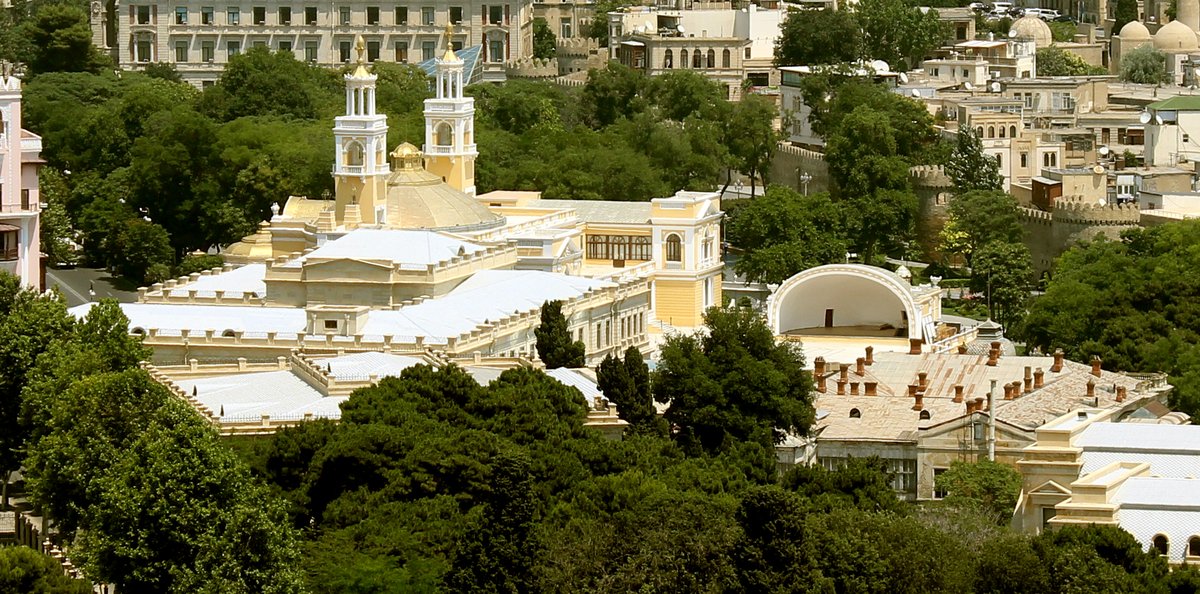
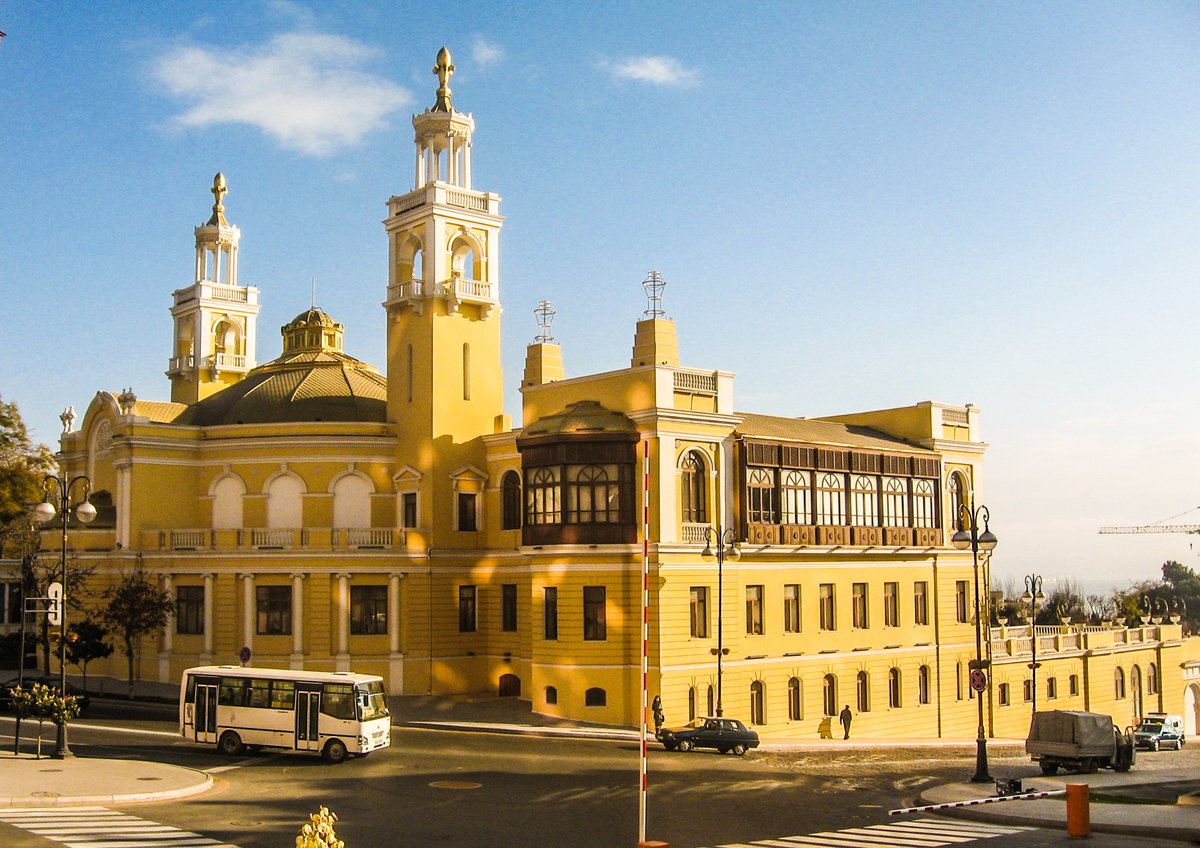
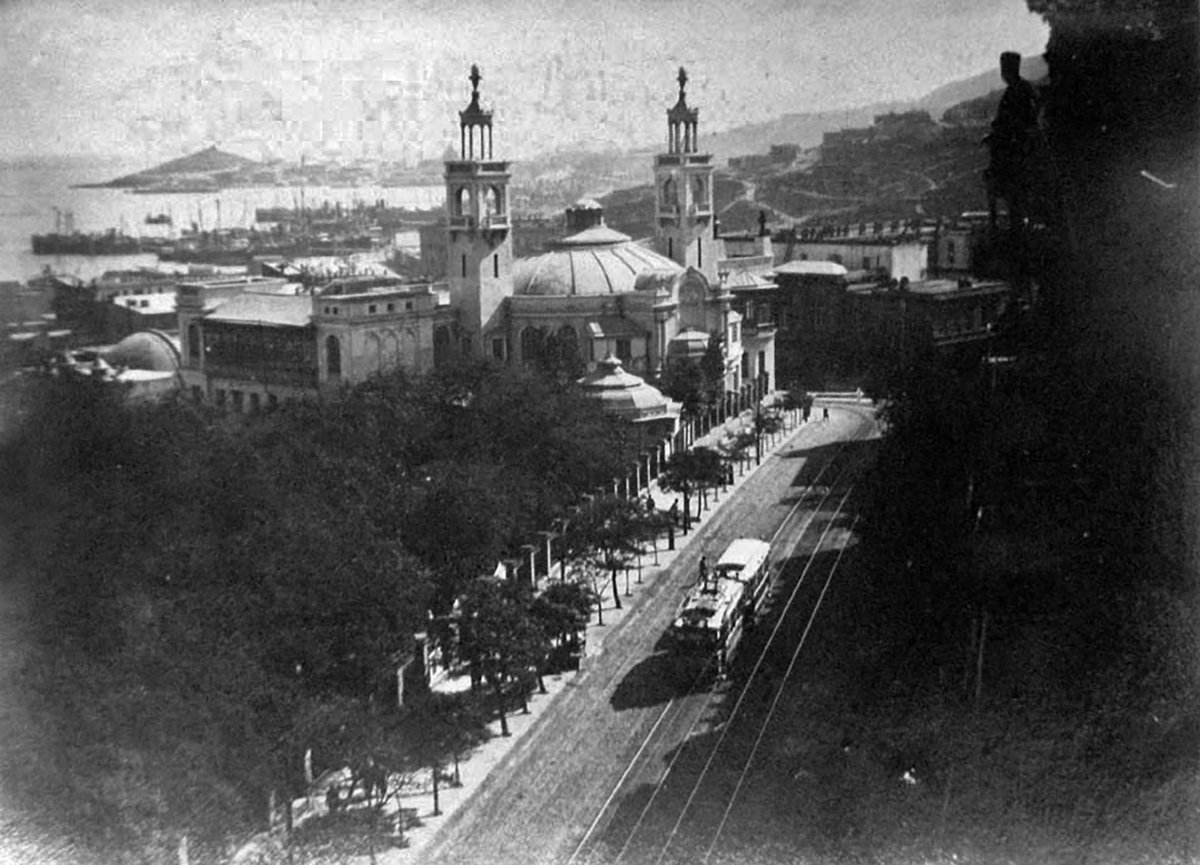
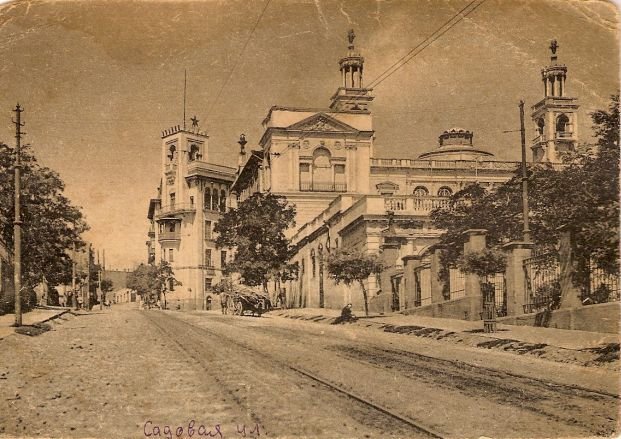
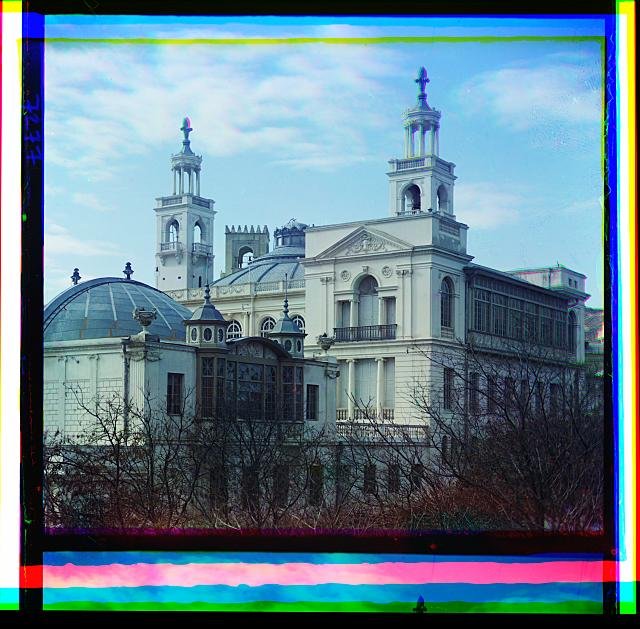
Nestled in the heart of Baku, the Azerbaijan State Philharmonic Hall—officially the Muslim Magomayev Azerbaijan State Academic Philharmonic Hall—is a beacon of the country’s cultural and musical legacy. Since its completion in 1912, this architectural masterpiece has transformed from a gathering place for Baku’s elite into a vibrant venue for classical and folk music, symbolizing Azerbaijan’s artistry and statehood. Designed by Gabriel Ter-Mikelov, the building is a blend of Italian Renaissance grandeur, Monte Carlo opera house influences, and German Rococo opulence. With both the spacious Summer Hall and acoustically refined Winter Hall, the Philharmonic Hall hosts year-round programming, from Azerbaijani compositions to international concerts.
This guide provides everything you need to plan a visit, including the hall’s history, visiting hours, ticketing, accessibility, nearby attractions, and practical tips. Whether you are a music lover, history enthusiast, or traveler exploring Baku’s historical sites, the Azerbaijan State Philharmonic Hall promises a meaningful and memorable experience.
For the latest visitor information, ticketing, and event details, consult the official Azerbaijan State Philharmonic Hall website. Additional insights and travel tips are available via Azerbaijan Travel.

Origins and Early Development (1910–1936)
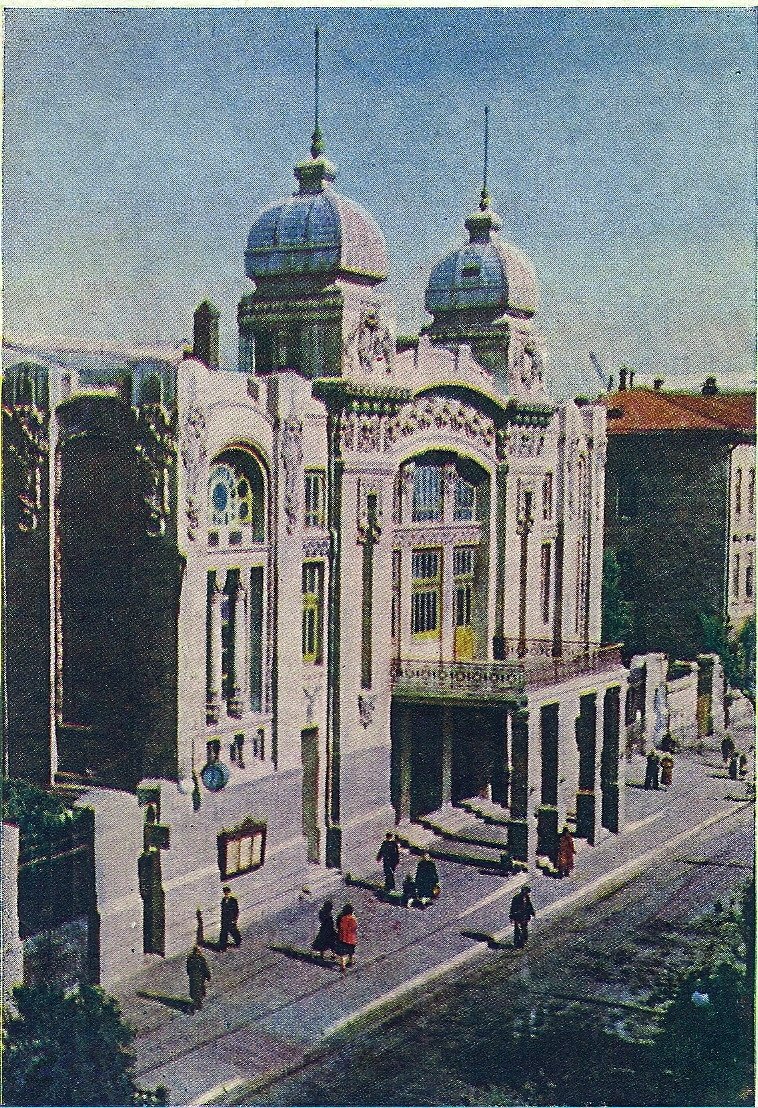
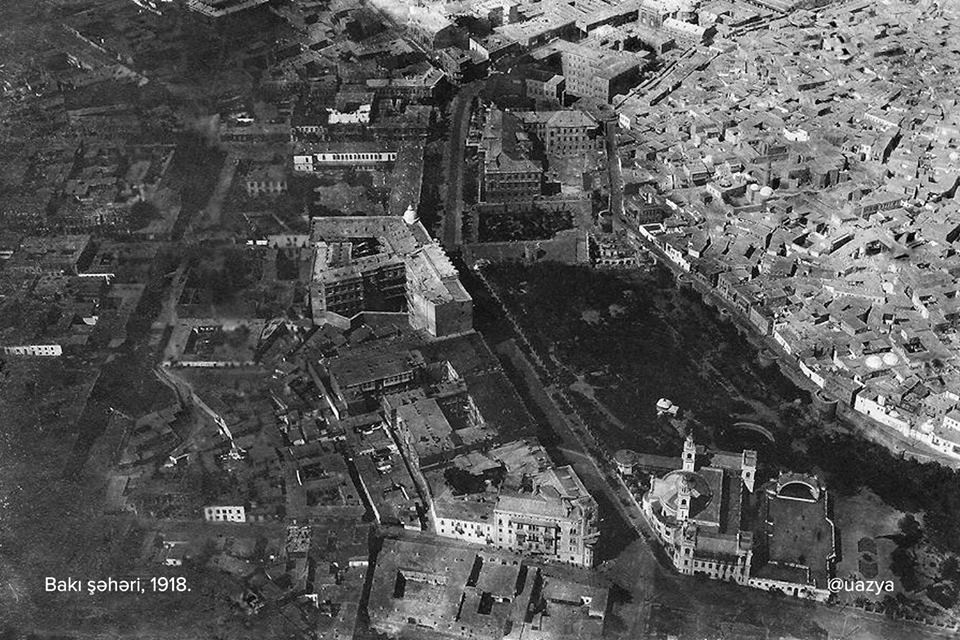
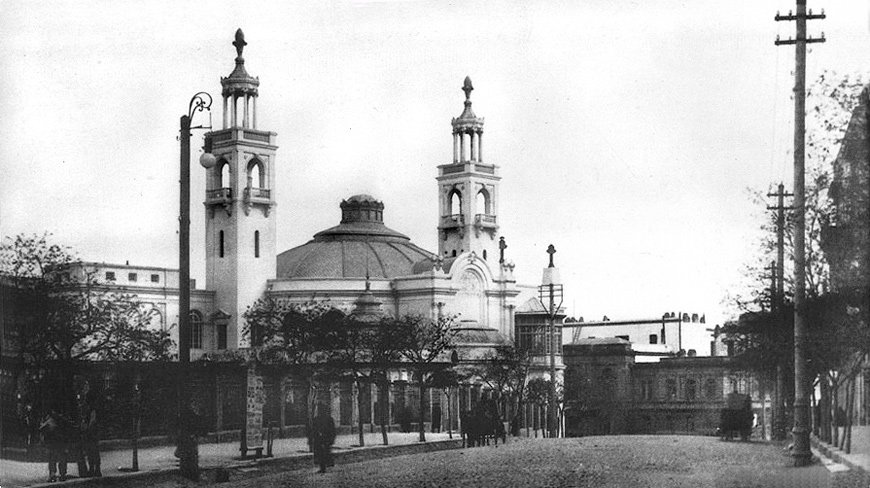
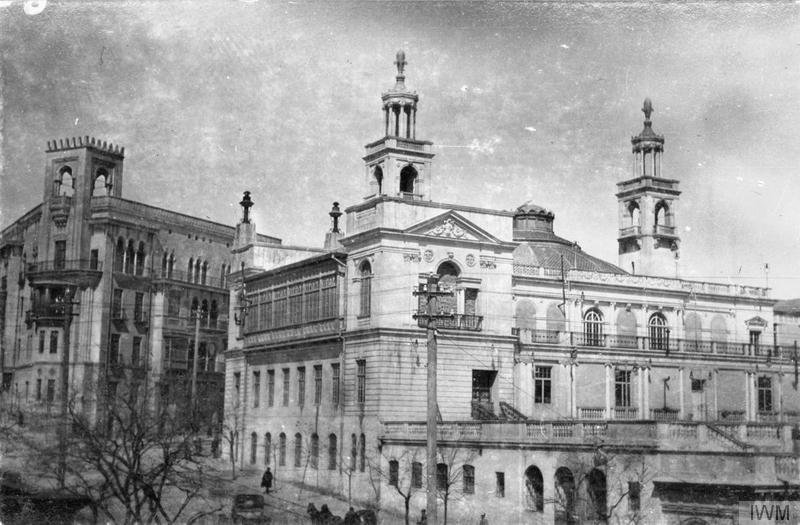
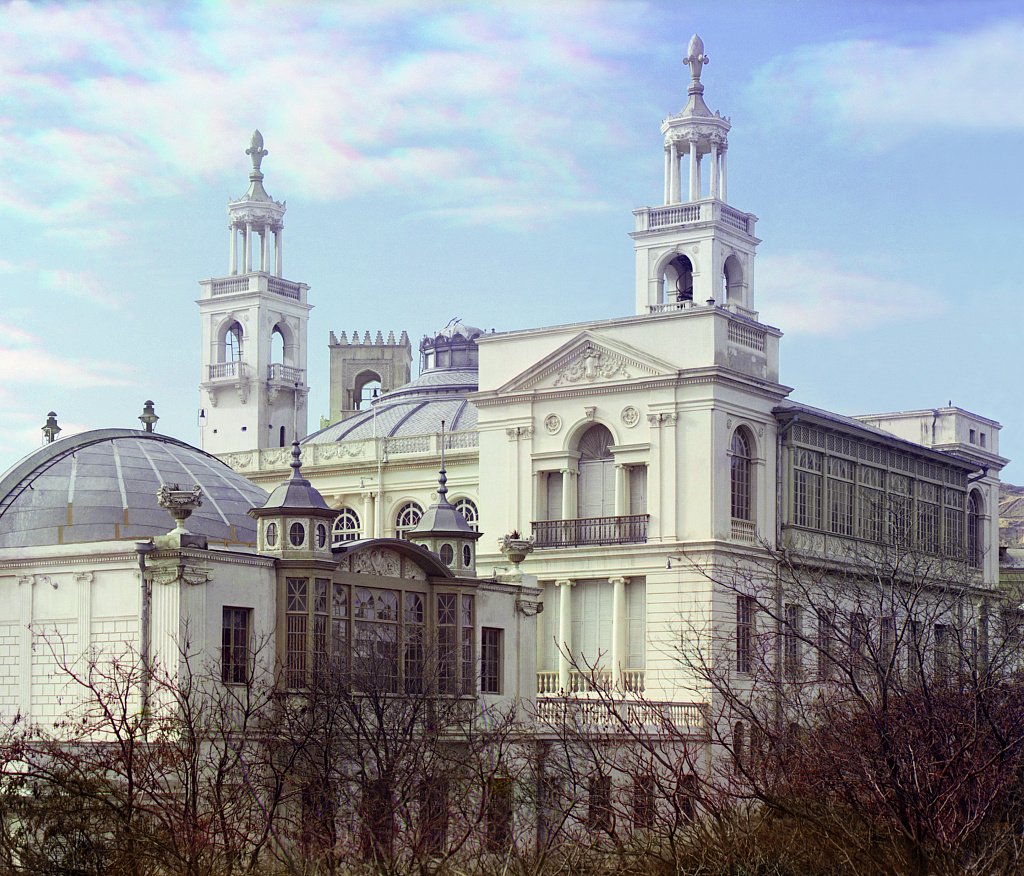
Commissioned during Baku’s oil boom, construction began in 1910 and concluded in 1912. Architect Gabriel Ter-Mikelov’s design features a blend of Italian Renaissance and German Rococo styles, inspired by Monte Carlo’s casino and opera house. Originally called the “Summer Center for Public Gatherings,” it was a social club for the city’s elite, set beside the historic Philharmonic Garden.
Political and Social Transformations (1917–1936)
Amidst the Russian Civil War, the hall became a venue for political rallies and hosted meetings of Azerbaijan’s first parliament (1918–1920), deepening its connection to the nation’s identity.
Transformation into a Musical Institution (1936–1937)
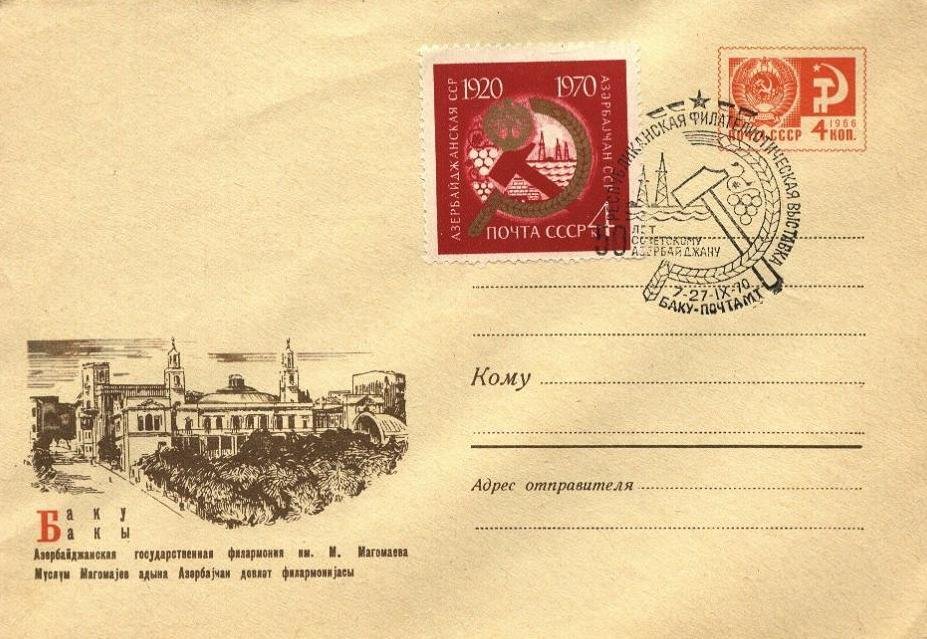
In 1936, the hall was repurposed for the Philharmonic Society and, a year later, renamed for Muslim Magomayev, a renowned Azerbaijani composer and conductor. The addition of the Summer Hall (1,100 seats) and Winter Hall (610 seats) enabled year-round performances.
Soviet Era and Cultural Flourishing (1937–1991)
During the Soviet era, the hall emerged as a major venue for Azerbaijani classical and folk music, hosting concerts, festivals, and international artists. It became a symbol of cultural pride and resilience.
Renovations and Modernization (1995–2004, 2007)
Significant restorations began in 1995, preserving architectural integrity and modernizing facilities. The hall reopened in 2004 after a comprehensive restoration, with further enhancements completed by 2007.
Visiting Hours & Tickets
- Visiting Hours: Generally open Tuesday to Sunday, 10:00 AM to 7:00 PM. Closed on Mondays and major public holidays. Performance and tour times may vary; check the official website for event-specific hours.
- Tickets: Available at the box office or online. Prices typically range from 5 to 50 AZN, depending on the event and seating. Booking in advance is recommended for popular performances.
- Guided Tours: Offered on select days, providing insight into the hall’s history and architecture. Advance reservations are suggested.
Travel Tips & Accessibility
- Location: 54, Istiglaliyyat Street, Baku. Easily accessible by public transport, taxi, or rideshare. The nearest metro station is Nizami Ganjavi (green line), about a 10–15 minute walk away (Visa for Azerbaijan).
- Accessibility: Wheelchair-accessible entrances and designated seating are available. Contact the venue in advance to discuss specific needs.
- Facilities: Includes a staffed cloakroom, modern restrooms, souvenir and program sales, and light refreshments during intermissions.
Architectural Highlights
Exterior: Italian Renaissance & Monte Carlo Influence
The building’s exterior, designed by Gavril Ter-Mikelov, is a showcase of Italian Renaissance style, with a grand portico, colonnades, balustrades, decorative cornices, and a central dome inspired by the Opéra de Monte-Carlo (Azerbaijan State Philharmonic Hall Official Site, World Concert Hall). The pale stonework and intricate moldings are especially striking at dusk.
Interior: German Rococo Opulence
Inside, elaborate stucco, gilded moldings, pastel tones, crystal chandeliers, and frescoes create a luxurious Rococo ambiance. Curved balconies and box seats provide optimal sightlines and an intimate concert experience (Azerbaijan State Philharmonic Hall Official Site).
Dual Performance Spaces
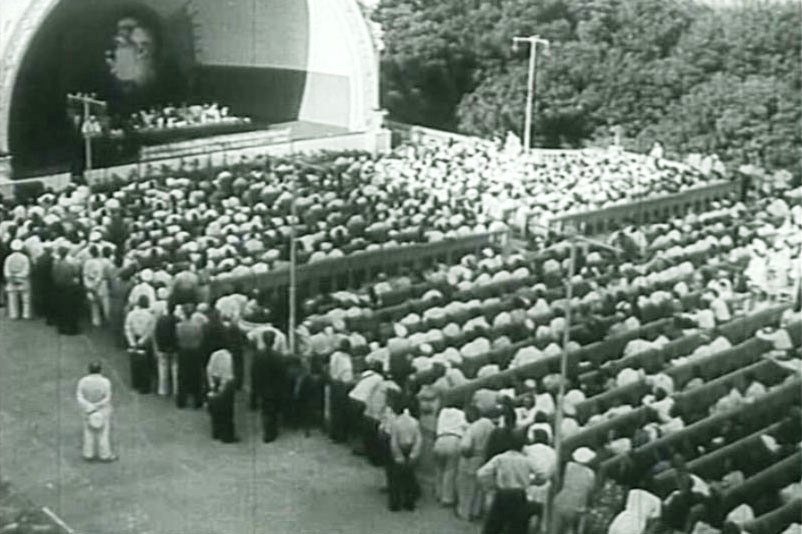
- Summer Hall (1,100 seats): Designed for open-air concerts, offering garden views and natural ventilation.
- Winter Hall (610 seats): Acoustically optimized for chamber and orchestral music during colder months. Both share a single stage for versatile programming.
Gardens & Urban Setting
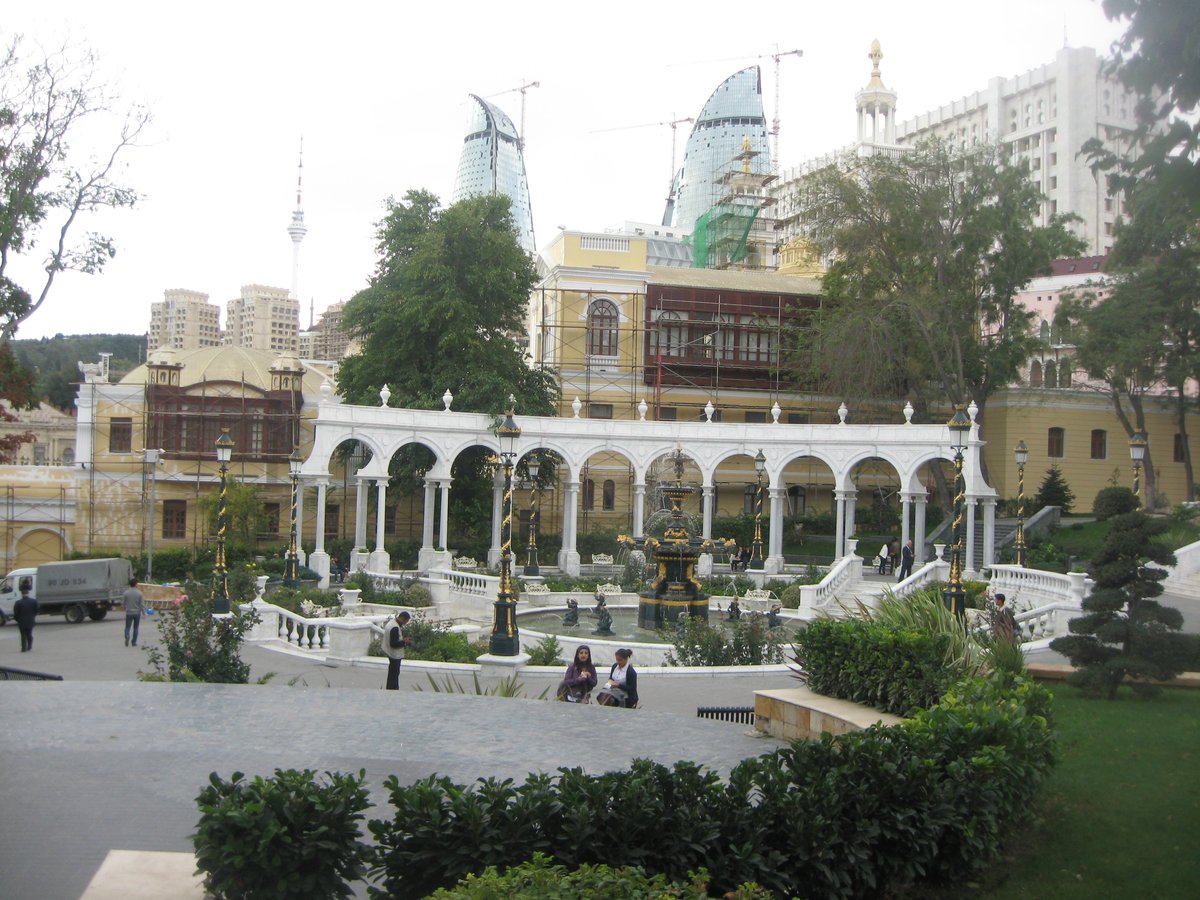
The Philharmonic is surrounded by manicured gardens and fountains, offering a tranquil setting in central Baku (Azerbaijan Travel). The urban landscape blends historic sites and modern amenities, making the hall a visual and cultural focal point.
Cultural Significance & Musical Heritage
Named after Muslim Magomayev since 1937, the hall is home to seven performing ensembles, including the State Symphony Orchestra and State Folk Song and Dance Ensemble. It presents a diverse repertoire, from Azerbaijani classics (e.g., Uzeyir Hajibeyov) to international works, and hosts festivals and competitions fostering national and global artistic exchange.
Nearby Attractions
- Philharmonic Garden: A historic green space for relaxing strolls before or after events.
- Icherisheher (Old City): UNESCO World Heritage site with ancient architecture and the Maiden Tower.
- Fountain Square: A lively area with cafes, shops, and street performances.
- Baku Boulevard & Little Venice: Seaside promenade and charming canal district.
- National Museum of History of Azerbaijan: Insight into the country’s rich past.
Dining options abound nearby, from traditional Azerbaijani cuisine to international fare. Reservations are recommended on concert nights.
Frequently Asked Questions (FAQ)
Q: What are the visiting hours?
A: Tuesday to Sunday, 10:00 AM to 7:00 PM, with performances typically in the evenings. Check the official website for specific schedules.
Q: How do I buy tickets?
A: Online via the official website, at the box office, or through authorized partners.
Q: Is the venue accessible for people with disabilities?
A: Yes. Wheelchair access, ramps, and designated seating are available.
Q: Can I take photos during concerts?
A: Photography during performances is generally not permitted.
Q: Are guided tours available?
A: Guided tours are offered on select days and should be booked in advance.
Practical Tips
- Dress Code: Business casual or formal attire is recommended for evening performances.
- Arrival: Arrive 15–30 minutes before the event to enjoy the architecture and gardens.
- Language: Staff often speak Azerbaijani, English, and Russian; program notes are typically bilingual.
- Seating: Center main floor or first balcony offer the best acoustics.
- Safety: Baku is generally safe; use official transport late at night and keep valuables secure.
Visitor Experiences
Visitors praise the hall’s architecture, acoustics, and diverse programming, highlighting the unique ambiance during evening concerts (Trip.com). Some note occasional language barriers, but the experience remains highly recommended for music and culture lovers.
Listen to the full story in the app
The whole Azerbaijan State Philharmonic Hall,
told well.
Audio guides for 1,100+ cities across 96 countries. History, stories, and local insight — offline ready.
Verified, and shown.
Researched and written by the Audiala editorial team from historical records, architectural archives, and local expertise.
Researched from Wikidata, Wikipedia & official sources · fact-checked · How we make our guides →