Introduction
WUK Vienna (Werkstätten- und Kulturhaus) stands as one of the city’s most dynamic cultural centers, blending Vienna’s rich industrial legacy with a vibrant contemporary arts scene. Located in the lively 9th district (Alsergrund), this unique space occupies a historic red-brick industrial complex, originally built as a locomotive factory in the late 19th century. Since its transformation in 1981 by a collective of artists, activists, and community groups, WUK has become a cornerstone for grassroots creativity, alternative culture, and social engagement in Vienna.
This detailed guide provides essential information for visiting WUK, including opening hours, ticketing options, accessibility, highlights of its cultural and social programming, and tips for exploring nearby historical attractions. Whether you’re drawn by WUK’s historical architecture, diverse events, or community-driven ethos, this resource equips you to make the most of your visit to one of Vienna’s most authentic and innovative venues. For the latest updates and events, refer to reliable sources such as the WUK Official Website, Wien.info, and Live the World.
Historical Background and Architectural Heritage
Origins and Evolution
The WUK complex, spanning roughly 12,000 square meters, was constructed in 1855 as a locomotive and machinery factory—an embodiment of Vienna’s industrial expansion (Live the World). After the 1873 stock market crash, the site shifted to producing stage machinery for the Vienna State Opera and ironwork for the Votivkirche (Secret Vienna). For decades, the building housed the Technologisches Gewerbemuseum (TGM), serving as a technical school and museum.
In 1979, after the TGM relocated, the site faced demolition. Local cultural activists and artists intervened, forming the Verein zur Schaffung offener Kultur- und Werkstättenhäuser (WUK). Their efforts preserved the space, and in 1981, WUK officially became a vibrant cultural and community center (Secret Vienna).
Architectural Features and Adaptive Reuse
WUK’s architecture is a striking example of late 19th-century industrial design, with red-brick façades, large windows, iron columns, and high-ceilinged halls. The building’s original features, such as exposed brickwork and wooden beams, have been carefully preserved and repurposed to host a range of cultural events, exhibitions, and workshops. The spacious courtyards and interconnected rooms encourage community interaction, while contemporary murals and sculptures add to WUK’s creative atmosphere.
WUK Visitor Information
Opening Hours and Ticketing
WUK is generally open to visitors as follows:
- Monday–Friday: 9:00–13:30 and 14:30–22:00
- Saturday, Sunday, and Holidays: 14:00–17:30 and 18:30–22:00
Note: Individual event, gallery, and concert timings may vary. Always check the official WUK website for up-to-date hours and event details.
Ticketing:
- Entry to public spaces, exhibitions, and many community events is free or donation-based.
- Concerts, theater performances, and special workshops require tickets, available online or at the WUK box office.
- Typical ticket prices range from €5 to €30, with discounts for students, seniors, and Vienna Card holders.
- Advance booking is advised for popular events and workshops. (events.at)
Accessibility and Facilities
WUK is committed to inclusivity, offering:
- Wheelchair access via ramps and elevators in most areas
- Accessible restrooms
- Assistance for visitors with cognitive or mobility impairments—contact staff in advance
- Family-friendly programming and children’s facilities
There is an on-site café and bar serving vegetarian, vegan, and Austrian dishes. Outdoor seating is available in warmer months.
Events, Programs, and Guided Tours
WUK hosts over 300 events annually, spanning:
- Music concerts (indie, electronic, jazz, rock, folk, experimental)
- Theater and dance performances
- Visual arts exhibitions and multimedia installations
- Community festivals, flea markets, and themed fairs
- Art, craft, and digital media workshops
- Children’s and youth activities
- Seminars on cultural theory, activism, and practical skills
Some events require prior registration. Guided tours exploring WUK’s history and architecture are occasionally available; check the WUK website for scheduling and booking.
Recommended Spots for Photography
- The ivy-clad red-brick exterior
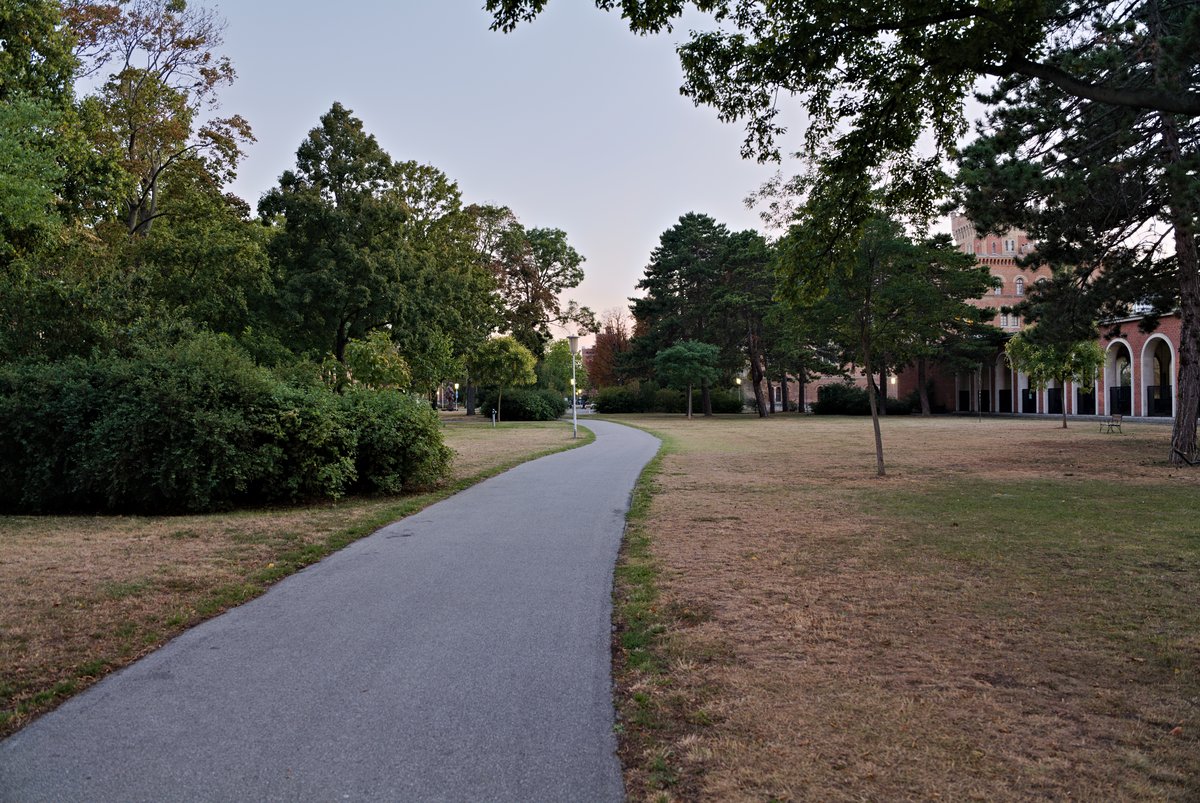
- Leafy inner courtyards, especially lively during summer festivals
- Dramatic industrial windows and ironwork
- Artistic murals and sculptures throughout the complex
WUK’s Cultural and Social Impact
Since 1981, WUK has championed alternative arts, social activism, and community engagement. The center is home to over 130 autonomous groups working across performance, visual arts, music, education, and social projects (World Cities Culture Forum). WUK’s decentralized, participatory structure empowers artists and activists to experiment and collaborate. The venue maintains strong partnerships with Vienna’s LGBTQ and feminist organizations, offering inclusive programming and support.
WUK’s programming is intentionally accessible, with many free or low-cost events, sliding-scale ticketing, and a focus on marginalized communities. Its publications, workshops, and festivals have earned international recognition for fostering creativity and social innovation.
Nearby Historical Sites and Attractions
WUK’s central location in Alsergrund places it near several of Vienna’s top historical and cultural destinations:
- Sigmund Freud Museum: The former home and office of Sigmund Freud, offering insight into the history of psychoanalysis (Insight Cities).
- Volksoper Wien: Renowned for operettas, musicals, and ballet (Vienna Tourist Information).
- Liechtenstein Garden Palace: Baroque palace with gardens and an impressive private art collection.
- Votivkirche: A striking neo-Gothic church, often hosting concerts and special exhibitions.
- Alsergrund District Walks: Explore historic streets, student cafés, and local shops.
- Naschmarkt: Vienna’s bustling market for food, antiques, and lively atmosphere.
- Danube Canal: Popular riverside area for walks, street art, and bars.
- Café Culture: Sample Viennese pastries and coffee at nearby Café Weimar or Café Francais (Travelsewhere).
Public transport connections (U6 subway, tram lines 40, 41, 42) make it easy to combine a WUK visit with other city attractions.
Frequently Asked Questions (FAQ)
Q: What are WUK’s standard opening hours?
A: Monday–Friday 9:00–13:30 and 14:30–22:00; weekends/holidays 14:00–17:30 and 18:30–22:00. Confirm specific event times on the official site.
Q: How do I buy WUK tickets?
A: Tickets for concerts, theater, and workshops can be purchased online or at the WUK box office.
Q: Is WUK accessible for wheelchair users?
A: The venue is largely wheelchair accessible, with staff ready to assist. Contact in advance for specific needs.
Q: Are there family-friendly events at WUK?
A: Yes. WUK offers children’s theater, creative workshops, and festivals.
Q: Can I photograph inside WUK?
A: Non-commercial photography is generally allowed, but always check event-specific policies.
Q: What are some nearby Vienna historical sites to visit with WUK?
A: Sigmund Freud Museum, Volksoper Wien, Liechtenstein Garden Palace, Votivkirche, and Naschmarkt are all nearby.
Visuals and Interactive Elements
Enhance your experience by exploring images and virtual tours of WUK’s historic buildings, event spaces, and nearby attractions. Suggested alt texts: “WUK Vienna cultural center exterior,” “WUK courtyard during festival,” “WUK tickets counter,” “Vienna historical sites near WUK.”
Interactive maps showing WUK’s location and transit links are recommended for trip planning.
Tips for a Memorable Visit
- Check WUK’s visiting hours and ticket availability in advance.
- Arrive early for popular events to secure seating and explore the venue.
- Enjoy the courtyards and café, especially in summer.
- Combine a WUK visit with nearby historical landmarks for a full cultural day.
- Use Vienna’s efficient public transport for easy access.
- For families, look for special children’s programming.
Discover More
WUK Vienna is a must-visit for anyone seeking to immerse themselves in the city’s alternative cultural scene, historic architecture, and vibrant community spirit. Its accessible hours, affordable programming, and central location make it ideal for tourists, families, artists, and locals alike. To ensure a rich and rewarding experience, plan ahead by checking the latest event schedules and ticket information online.
Ready to explore more of Vienna’s creative landscape? Download the Audiala app for personalized cultural guides, event updates, and insider tips. Stay connected with WUK on social media, and discover our related articles for your next Viennese adventure!
Listen to the full story in the app
Your Personal Curator, in Your Pocket.
Audio guides for 1,100+ cities across 96 countries. History, stories, and local insight — offline ready.
Audiala App
Available on iOS & Android
Join 50k+ Curators
Sources
- verified
- verified
- verified
- verified
- verified
- verified
- verified
- verified
Last reviewed: