Introduction to Theater an der Wien and Its Significance in Vienna
Situated in the heart of Vienna, the Theater an der Wien is a landmark of musical innovation, architectural elegance, and cultural importance. Since opening its doors in 1801, this historic opera house has hosted some of the most significant premieres in classical music, including Beethoven's only opera, Fidelio. The venue’s illustrious history and ongoing relevance make it an essential stop for music lovers and cultural explorers alike (Histouring; Wikipedia).
Originally designed by Franz Jäger in the Empire style and brought to life by Emanuel Schikaneder, the famed librettist of Mozart’s The Magic Flute, the theater was at the forefront of stagecraft and aesthetics in early 19th-century Vienna. Over its two-century history, it has continually adapted—championing operetta in the 19th century, embracing musicals in the late 20th century, and returning to its operatic roots in the 21st, all while maintaining its status as a premier destination for the performing arts (Theatre Architecture EU; ViennaTrips; Music Opera; GeschichteWiki).
Conveniently located next to the bustling Naschmarkt and easily accessible via Vienna’s public transportation, the Theater an der Wien offers not only world-class performances but also guided tours and a glimpse into the city’s vibrant artistic legacy (wien.info; Vienna Classic).
Photo Gallery
Explore Theater an Der Wien in Pictures
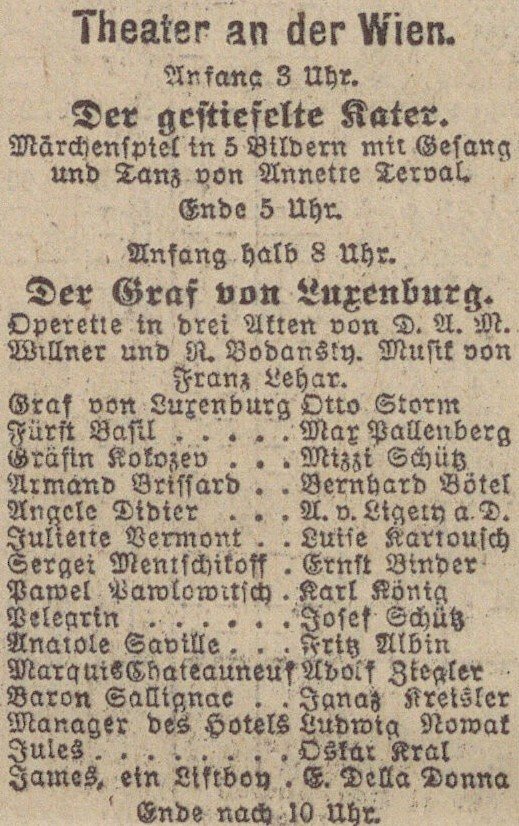
Historical newspaper advertisement announcing the premiere of the operetta Der Graf von Luxemburg
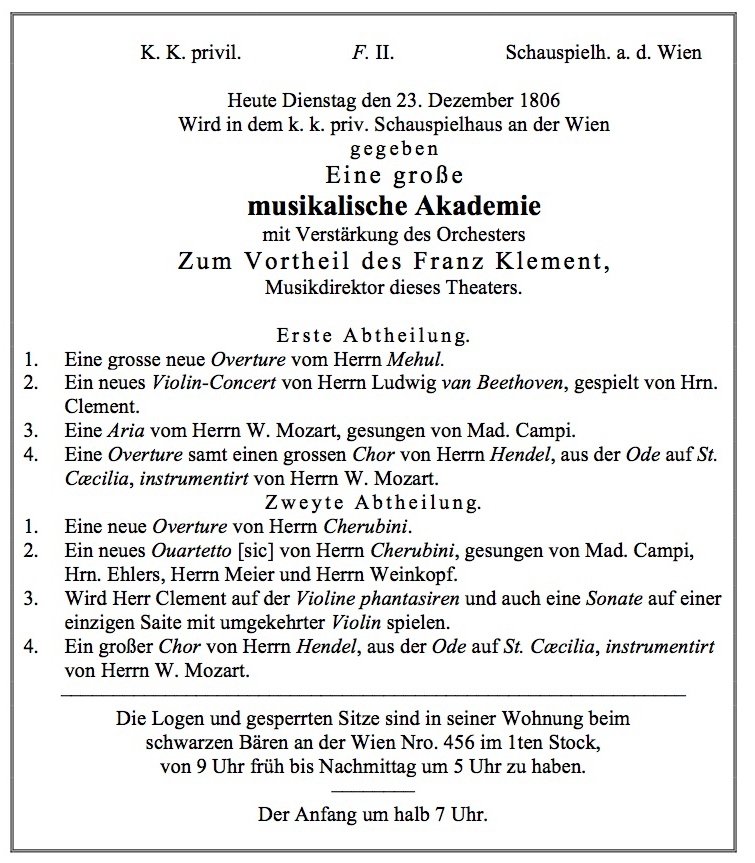
Transcription of the original poster dated December 23, 1806, displayed in Vienna's Theater Museum, showcasing historical artifacts related to classical music history.
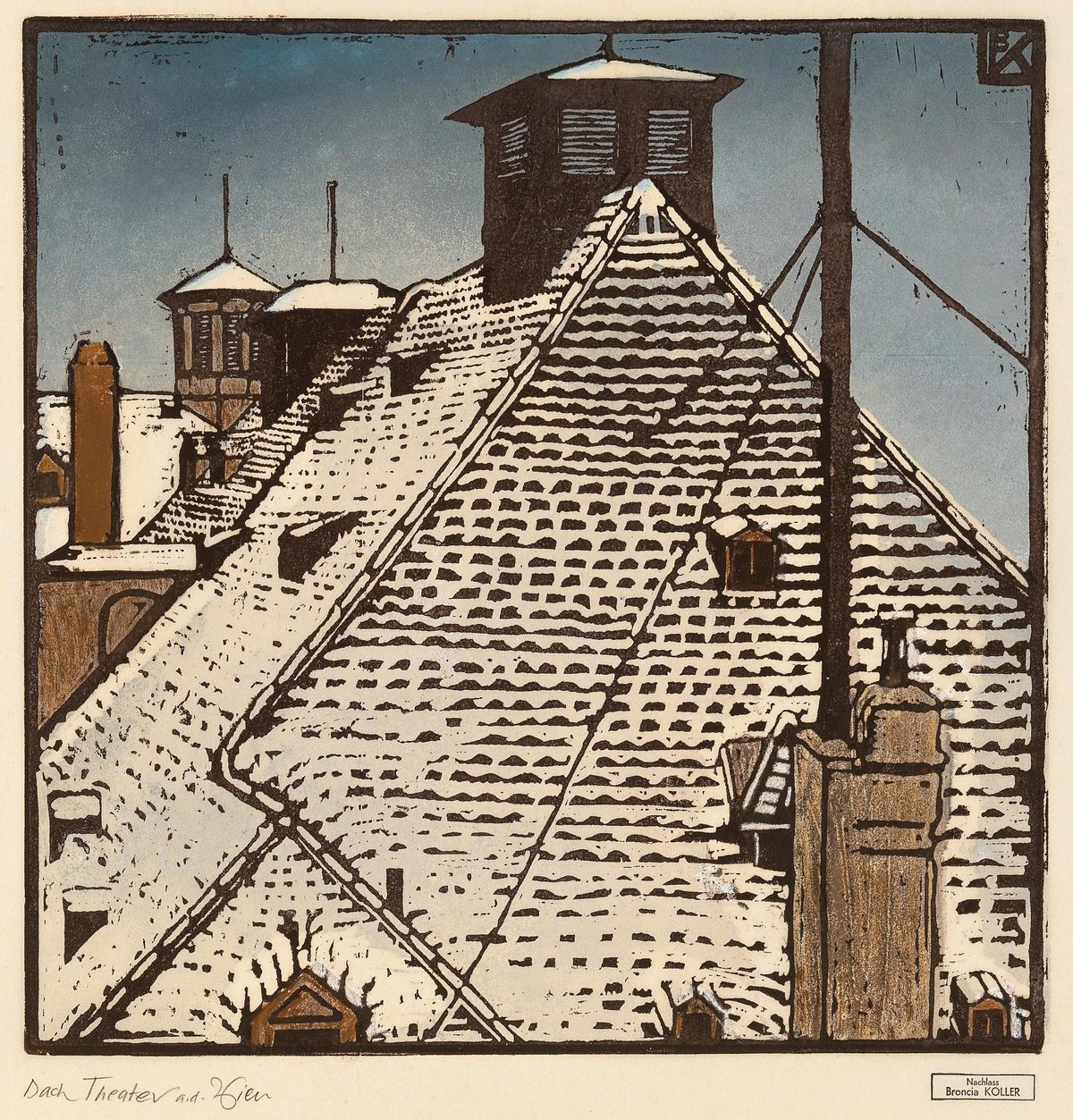
Color woodcut titled Das große Dach depicting the roof of the Theater an der Wien in Vienna, created around 1903 by Broncia Koller-Pinell. Dimensions 40.2 x 39.7 cm for the print, on a 62 x 47.5 cm sheet, with monogram and estate stamp, posthumous edition.
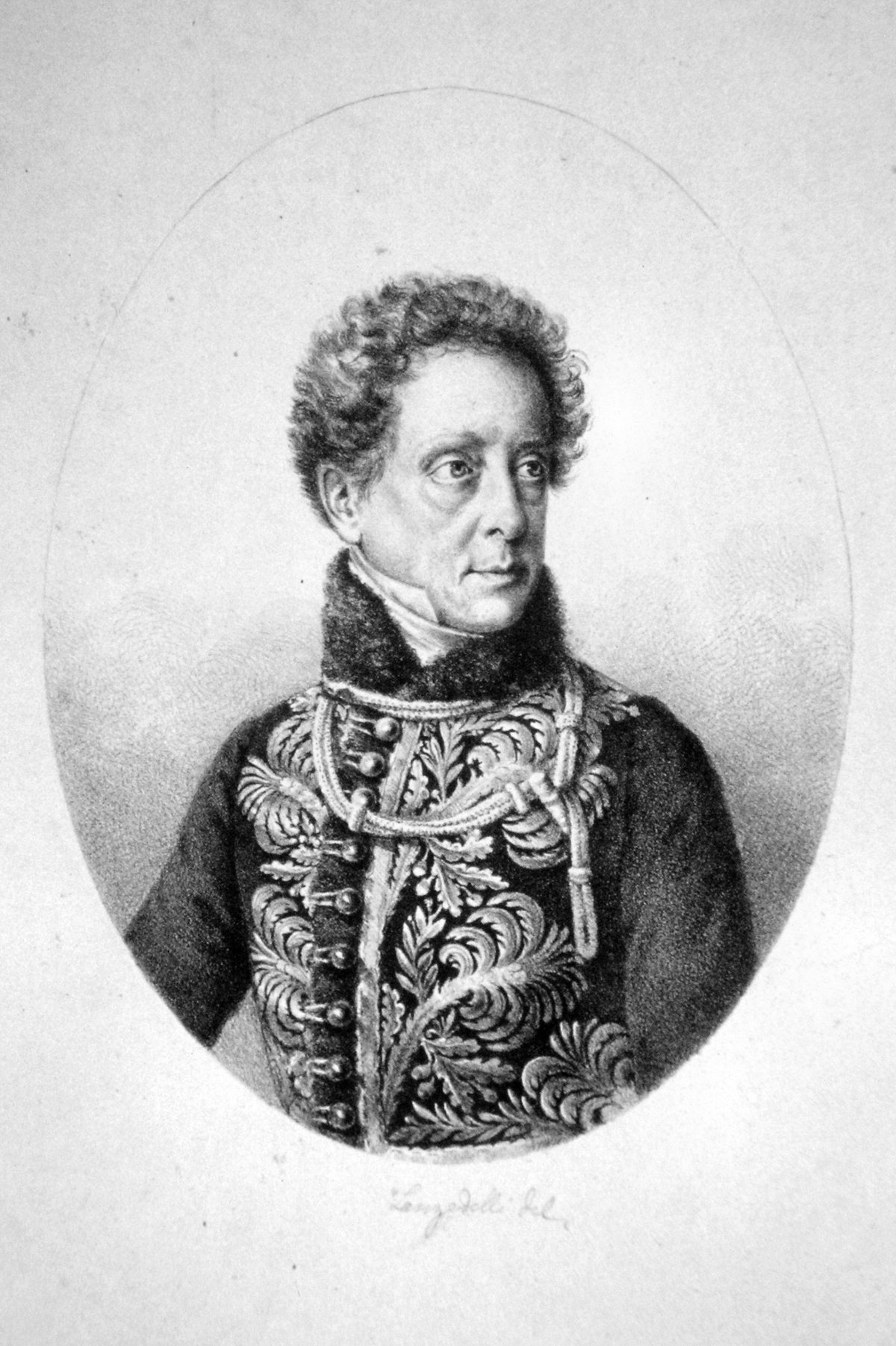
Lithograph of Ferdinand Graf Palffy-Erdöd created by Josef Lanzedelli d. Ä. around 1820. He was notable for buying the Theater an der Wien in 1813, fostering its success, founding a lithographic institute in Vienna, and owning a significant mineral collection.
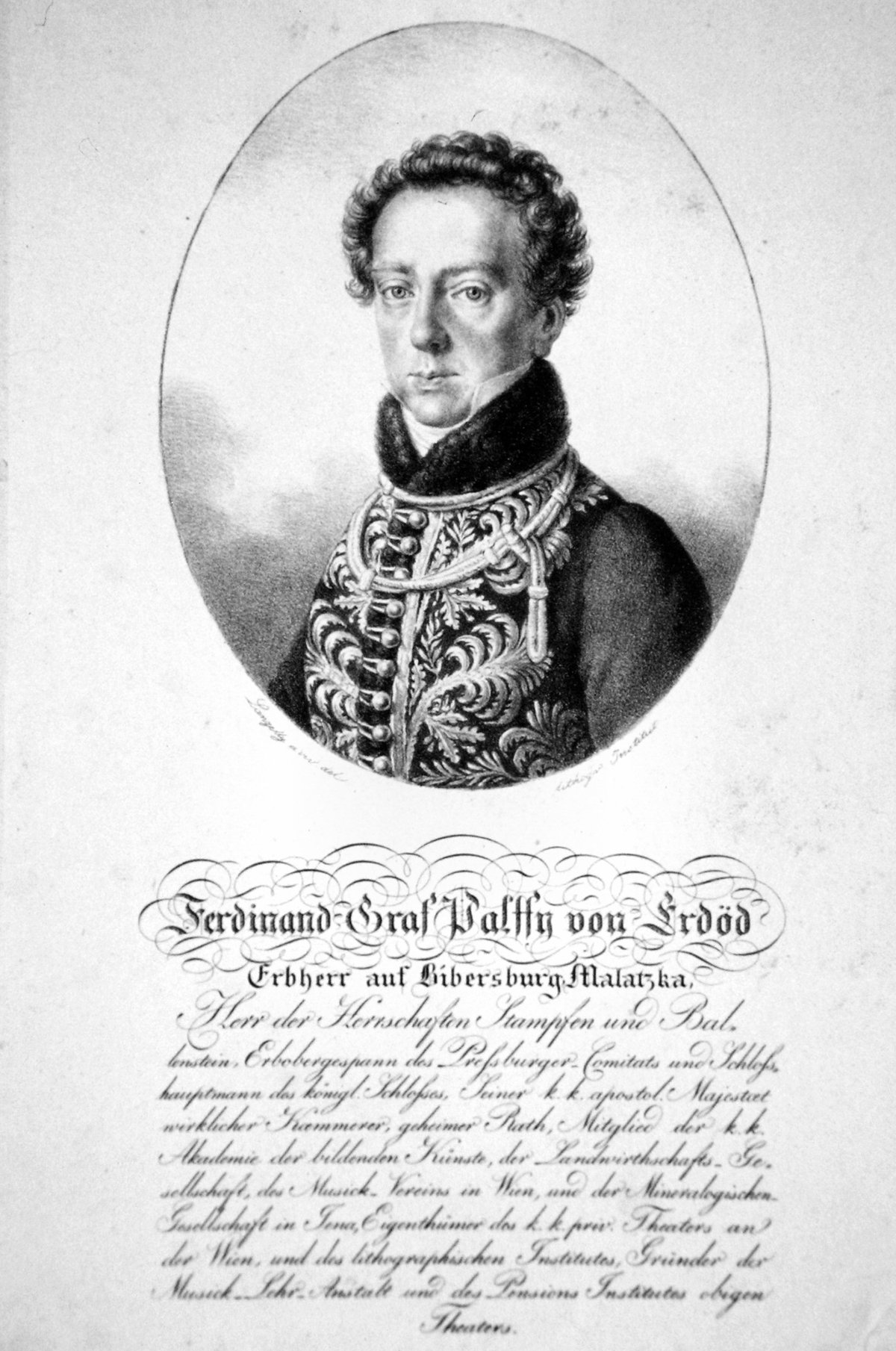
Lithograph of Ferdinand Graf von Palffy-Erdöd (1774-1840), an Austrian mining expert, owner and director of the Theater an der Wien, and entrepreneur. Created by Josef Lanzedelli the Elder around 1820.
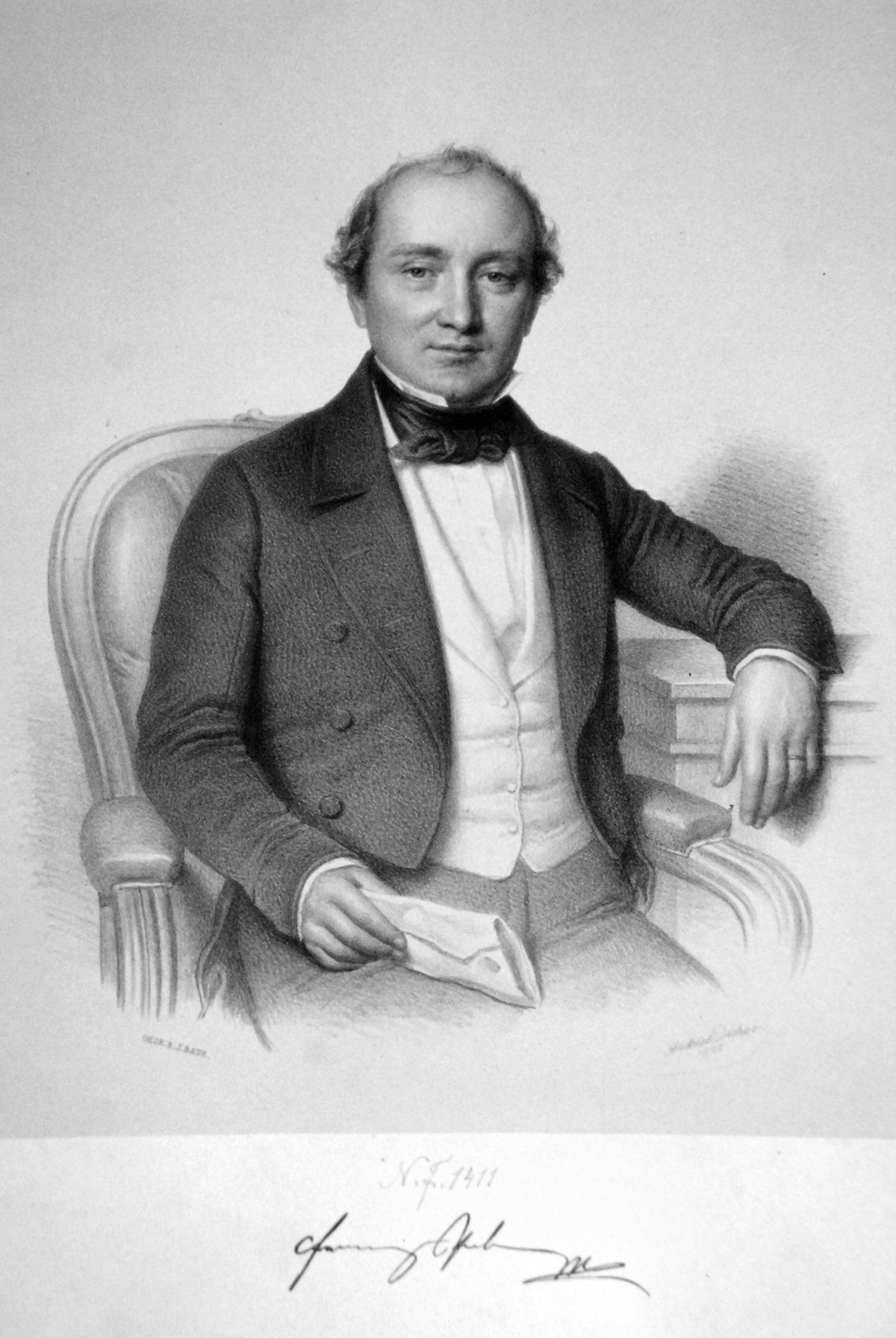
Lithograph of Franz Pokorny (1797-1850), theater director of Theater in der Josefstadt and Theater an der Wien, created by Gabriel Decker in 1850.
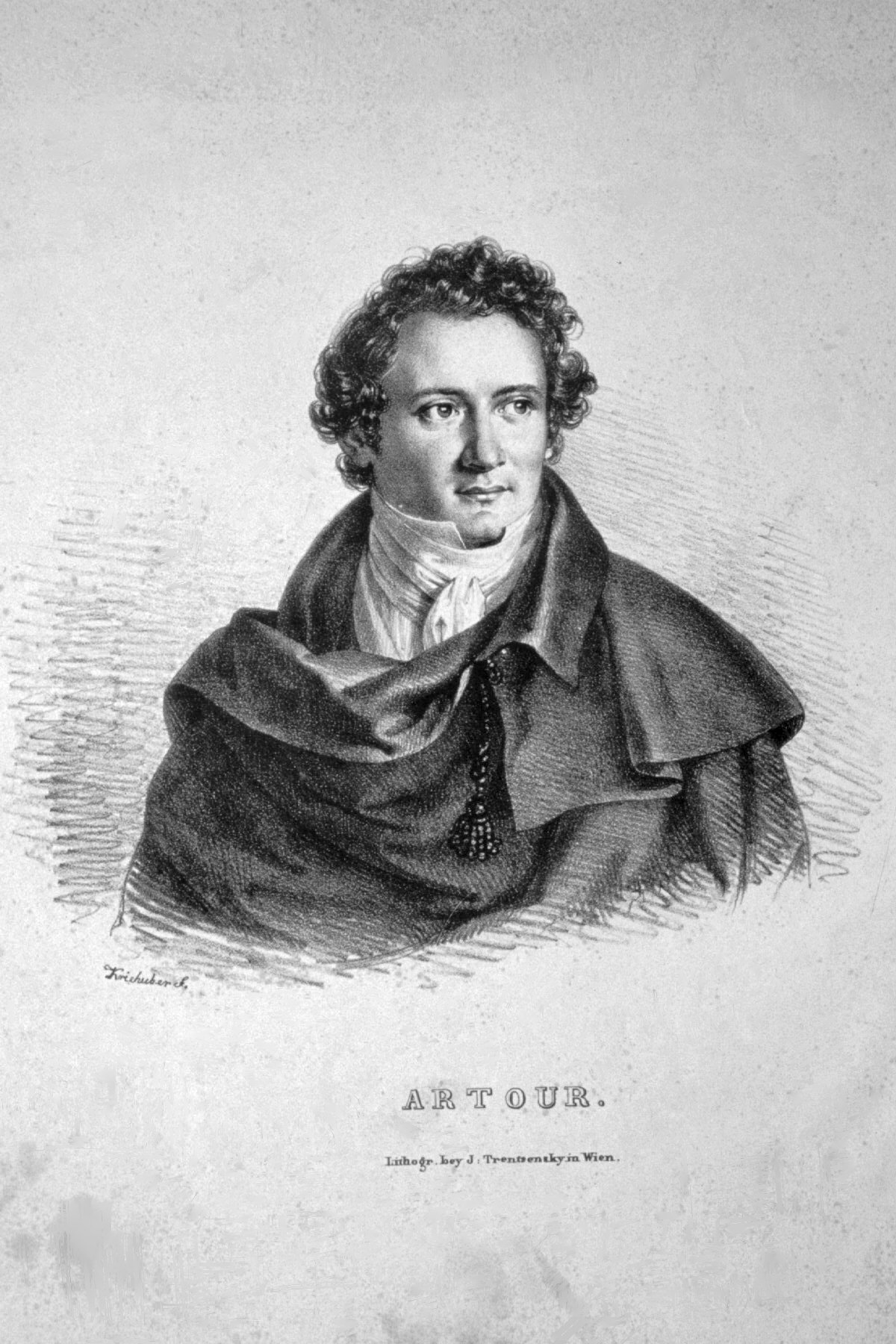
Lithograph of Friedrich Artour Schenkelberg (1800-1831), a notable actor, director, and translator, created by Josef Kriehuber around 1825
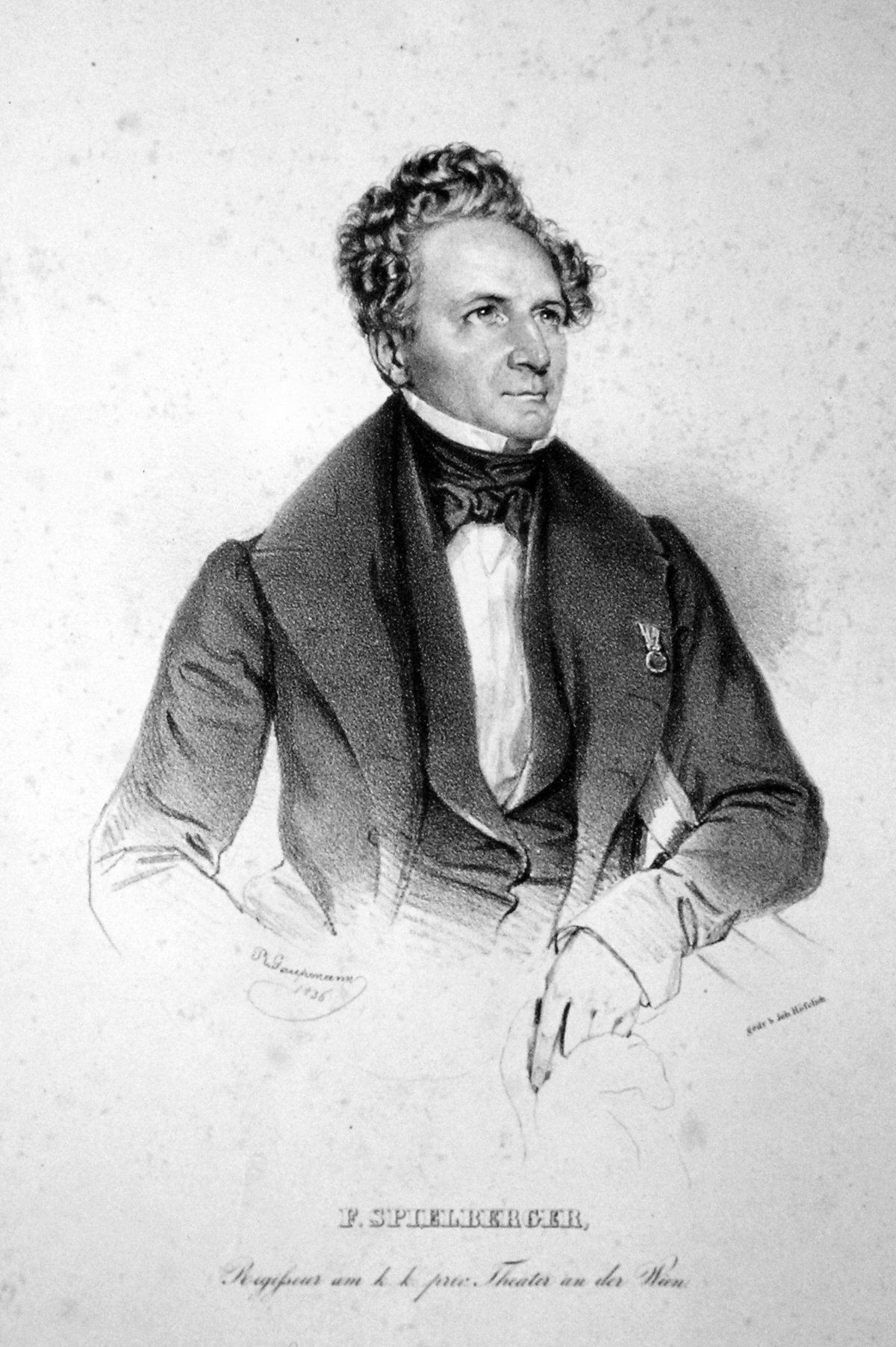
Lithograph of Friedrich Spielberger, renowned theater director at Theater an der Wien, created by Rudolf Gaupmann in 1836
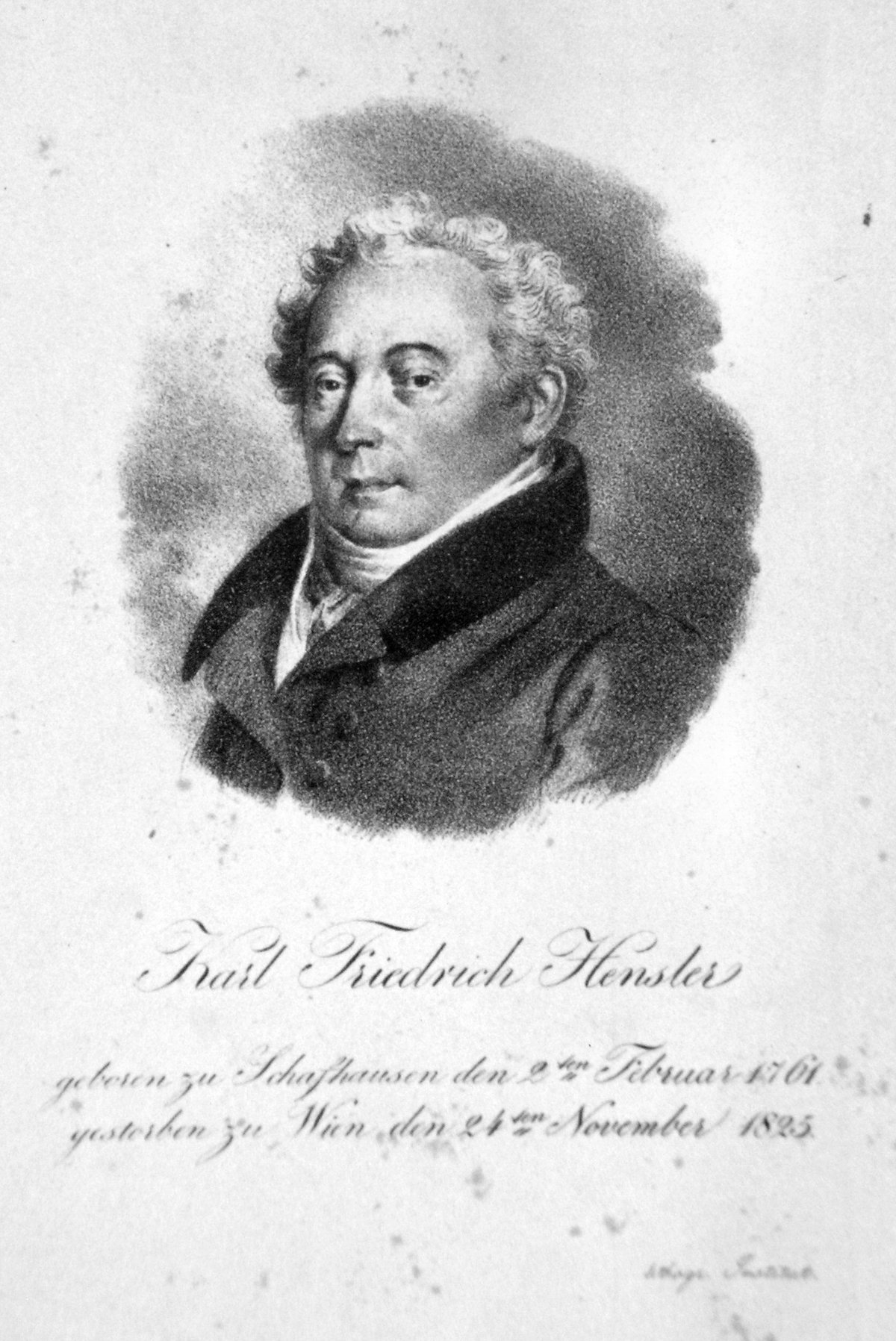
Lithograph of Karl Friedrich Hensler (1759-1825), an Austrian dramatist, actor, and theater director, created by Josef Lanzedelli around 1820.
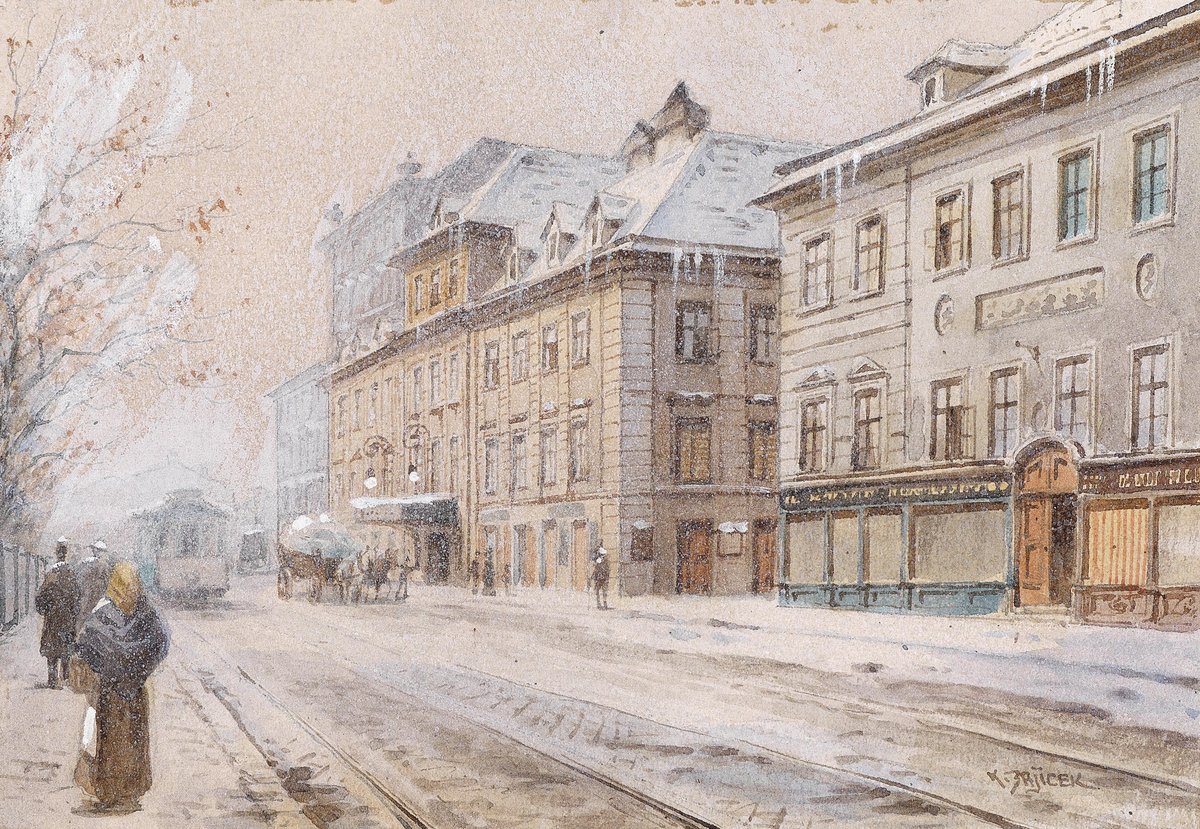
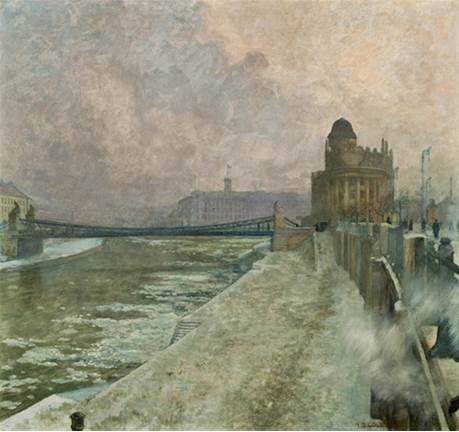
Painting of Theater an der Wien in Vienna covered in snow during winter by Karl Wenzel Zajicek
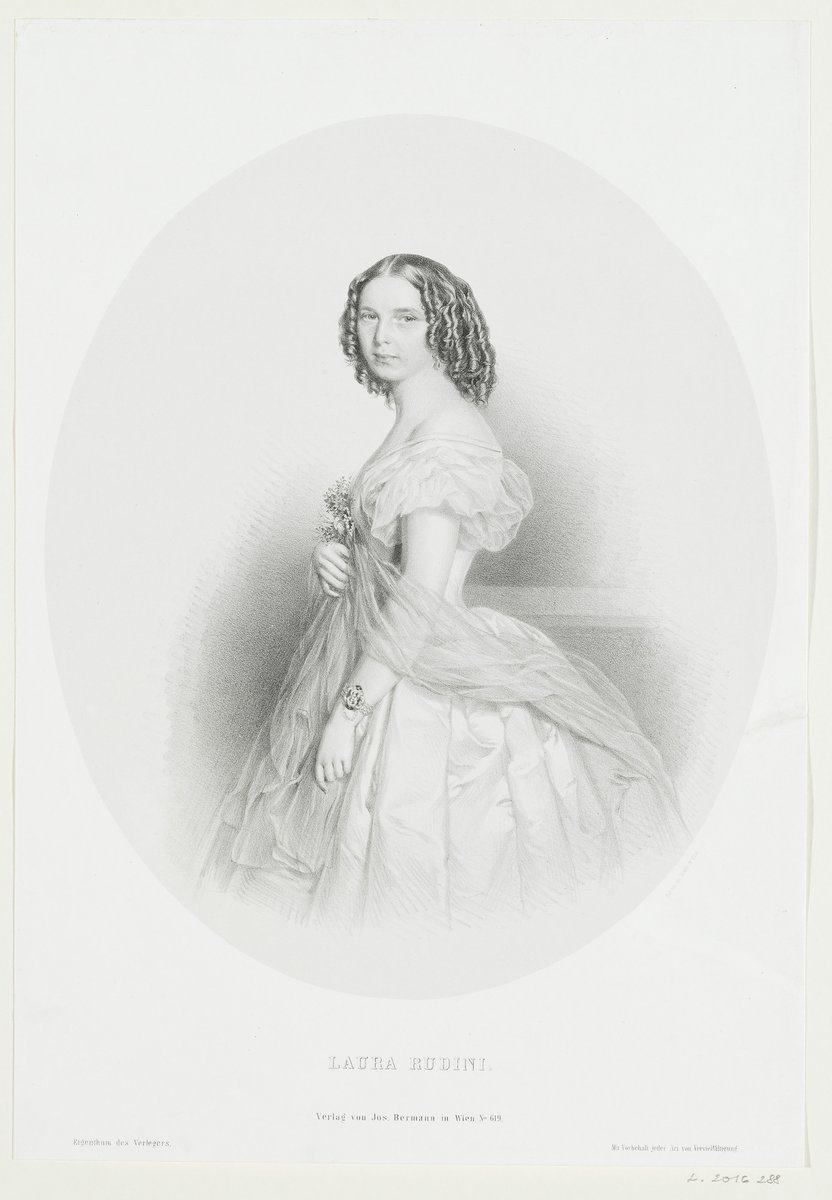
Lithographic portrait of Laura Rudini, a prominent 19th-century actress and singer active in Brno, Bratislava, and Vienna's Theater an der Wien between 1846 and 1862, created by Adolf Dauthage in 1860.
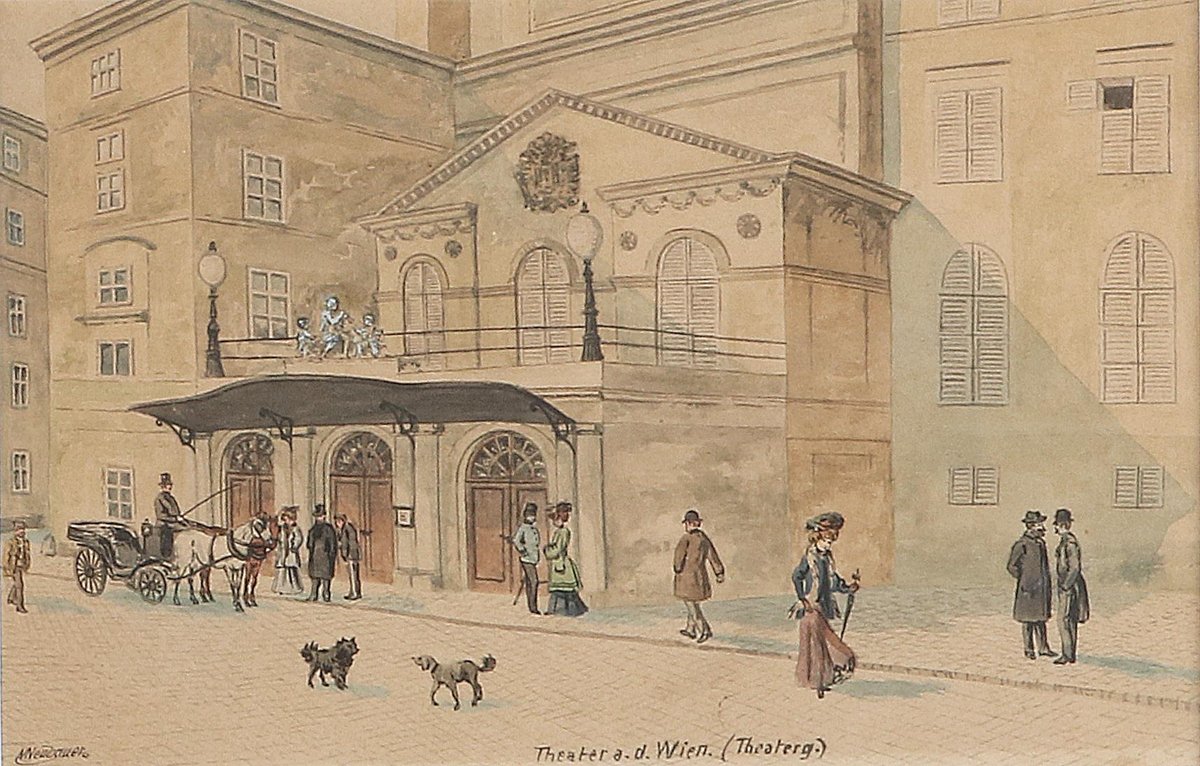
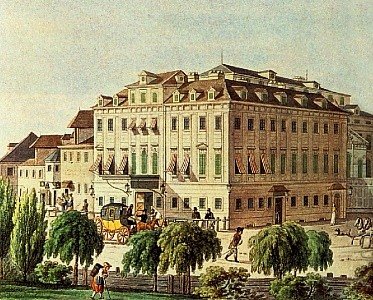
Watercolor painting of the Theater an der Wien entrance at Theatergasse by M. Neubauer, 18 x 28 cm on paper
Founding and Early Years (1786–1826)
The origins of the Theater an der Wien trace back to Emanuel Schikaneder, a celebrated impresario and librettist renowned for his collaboration with Mozart. Although Schikaneder secured imperial approval for a new theater in 1786, construction began only in 1798 under Franz Jäger’s architectural direction. The theater opened on June 13, 1801, with an advanced stage design and comfortable audience seating, setting itself apart from other venues of its era (Histouring; Theatre Architecture EU).
The inaugural performance featured Schikaneder’s prologue and Franz Teyber’s opera Alexander. Despite early acclaim, financial difficulties forced Schikaneder to relinquish ownership, though he remained as artistic director. A significant moment in the theater’s history came with the appointment of Ludwig van Beethoven as director of music. Beethoven premiered several major works here, including Christ on the Mount of Olives, his Second Symphony, and his Piano Concerto in C minor during a famous “academy” concert in 1803. In 1805, Beethoven’s Fidelio premiered, solidifying the theater’s status as a cradle of musical innovation (Theatre Architecture EU; Britannica).
19th-Century Transformations and the Rise of Operetta
Following Schikaneder’s departure, the theater underwent several changes in ownership. Count Ferdinand Palffy acquired the theater and produced grand operas, ballets, and variety shows, but financial overreach led to bankruptcy in 1826 (Histouring).
Throughout the 19th century, the Theater an der Wien was Vienna’s premier stage, famed for its U-shaped auditorium and the iconic Papagenotor, a sculpted tribute to Schikaneder’s role as Papageno (Theatre Architecture EU). By the late 1800s, it became a hub for operetta, hosting premieres by Franz Lehár, Emmerich Kálmán, and Johann Strauss II—including the legendary Die Fledermaus (Music Opera).
Architectural Evolution and Urban Context
Soon after its opening, the theater was expanded to meet growing demand. A major renovation in 1901 by Ferdinand Fellner and Hermann Helmer modernized the building—removing the fourth gallery and adding a striking fin de siècle façade (Theatre Architecture EU). The covering of the River Wien in 1910 saw the emergence of the Naschmarkt next door, enhancing the area’s vibrancy and accessibility (Histouring).
20th Century: War, Reconstruction, and Reinvention
Theater an der Wien faced adversity in the 20th century. Nazi-era persecution led to the ousting of its general manager in 1938, and performances ceased during WWII. After the war, the Vienna State Opera made the theater its temporary home until 1955 (Histouring). Threatened with demolition in the 1960s, the theater was saved by city intervention and underwent significant renovations under Otto Niedermoser, focusing on functionality while preserving historical charm (Theatre Architecture EU). Technological upgrades in 1981 further modernized the venue (GeschichteWiki).
Modern Era: From Musicals to Opera
From the 1960s, the theater diversified, hosting the Wiener Festwochen and staging the German-language premieres of international musicals such as Cats and Elisabeth (GeschichteWiki). In 2003, Theater an der Wien was designated Vienna’s third opera house, returning to its operatic roots and presenting a broad repertoire from baroque to contemporary works (GeschichteWiki; Theatre Architecture EU).
Notable Premieres and Artistic Legacy
The Theater an der Wien’s artistic legacy is defined by its role in premiering landmark works—from Beethoven’s Fidelio to Strauss’s Die Fledermaus and Lehár’s Die Lustige Witwe. The venue remains dedicated to artistic excellence and innovation, attracting leading artists and audiences worldwide (Music Opera).
Visitor Information
Location and Accessibility
Theater an der Wien is located at Linke Wienzeile 6, 1060 Vienna, beside the Naschmarkt. It is easily reached via the U4 subway (Kettenbrückengasse station) and multiple tram and bus lines (wien.info). The venue is wheelchair accessible, though its secondary venue, the Kammeroper, is not (wien.info).
Visiting Hours
Theater an der Wien opens 30–45 minutes prior to performances. The box office operates Monday to Saturday, 10:00 AM–6:00 PM, and extends until showtime on performance days. Always check the official website for current hours and special event details.
Tickets and Booking
Tickets are available online, at the box office, and through authorized vendors. Advance booking is recommended, especially for premieres. Discounts are often available for students, seniors, and Vienna City Card holders. Group and family packages may also be available (theater-wien.at).
Programming and Special Events
The 2024/25 season features twelve new productions, a world premiere, seven concert operas, five concerts, and special events marking the 200th anniversary of Johann Strauss II. The theater regularly collaborates with renowned ensembles and hosts leading international artists (wien.info).
Guided Tours and Educational Programs
Guided tours in German and English offer insights into the theater’s history, architecture, and backstage operations. Family-friendly workshops and masterclasses are available and highly recommended for a deeper experience (theater-wien.at).
Amenities
The theater features modern seating, upgraded acoustics, and amenities such as cafés and cloakrooms. The adjacent Naschmarkt offers diverse dining options (wien.info).
Dress Code and Etiquette
While there is no strict dress code, smart attire is encouraged, especially for premieres. Photography and recording are not permitted during performances. Silence mobile devices before entering (theviennablog.com).
Tips for Visitors
- Book tickets early for popular shows.
- Arrive 30–45 minutes before curtain.
- Familiarize yourself with the opera plot beforehand for a richer experience.
- Respect Viennese customs by maintaining quiet during performances.
Nearby Attractions
The theater’s central location offers easy access to the Naschmarkt, Secession Building, Karlsplatz, and the Vienna State Opera. Walking tours are a great way to explore Vienna’s musical and architectural heritage (theviennablog.com).
Frequently Asked Questions (FAQ)
Q: How can I purchase tickets?
A: Tickets are available online, at the box office, and through authorized vendors. Advance booking is recommended.
Q: What are the visiting hours?
A: The box office is open Monday–Saturday, 10:00 AM–6:00 PM; doors open 30–45 minutes before performances.
Q: Is the theater wheelchair accessible?
A: The main venue is accessible. For specific needs, contact the theater in advance.
Q: Are guided tours available?
A: Yes, in German and English. Book in advance online or at the theater.
Q: Can I take photos during performances?
A: No, photography and recording are not permitted during shows.
Q: What language are operas performed in?
A: Usually in the original language, with German and sometimes English surtitles.
Visuals and Media


Captions: The historic façade of Theater an der Wien, beautifully illuminated at dusk; Interior view showing the blend of historic architecture and state-of-the-art stage technology.
Listen to the full story in the app
Your Personal Curator, in Your Pocket.
Audio guides for 1,100+ cities across 96 countries. History, stories, and local insight — offline ready.
Audiala App
Available on iOS & Android
Join 50k+ Curators
Sources
- verified
- verified
- verified
- verified
- verified
- verified
- verified
- verified
- verified
- verified
- verified
Last reviewed: