Introduction
Nestled in the cultural heart of Vienna, the Thalia-Theater stands as a beacon for those seeking intimate, innovative, and accessible theatrical experiences. While it may not possess the international fame of Vienna’s grand institutions like the Burgtheater or the State Opera, the Thalia-Theater has carved its unique niche through a blend of community focus, artistic experimentation, and a welcoming atmosphere. Named after the Greek Muse of comedy, Thalia, the theater embodies a tradition of humor interwoven with social critique, delighting both locals and visitors alike (worldmythos.com).
The venue emerged during Vienna’s late 19th and early 20th-century cultural expansion, representing a democratization of the performing arts. Its architecture, marked by a modest yet elegant façade and touches of Art Nouveau, fosters a close connection between audience and performers (Vienna’s architectural overview). With a repertoire spanning from classical drama to experimental works and family-friendly performances, the Thalia-Theater plays a vital role in Vienna’s vibrant theater landscape (Viennatouristinformation.com).
Conveniently situated and well-served by public transport, the theater offers affordable tickets, accessibility features, and occasional tours. For current visiting hours, ticketing, and event details, consult the official Thalia-Theater website.
This guide provides a comprehensive look at the Thalia-Theater—from its historical roots and architectural features to practical visitor tips—ensuring you make the most of your Viennese theatrical adventure.
The Thalia-Theater embodies Vienna’s tradition of neighborhood theaters, having emerged during a period when the city sought to broaden access to the performing arts. While its precise founding date is less documented than those of the Burgtheater (1741) or Theater in der Josefstadt (1788), the Thalia-Theater’s origins are rooted in Vienna’s cultural democratization, making theater-going accessible to a wider public (Viennatouristinformation.com).
Named after Thalia, the Greek Muse of comedy, the venue symbolizes joy and artistic inspiration, standing apart from grander state theaters with its intimate scale and focus on both classical and contemporary works (worldmythos.com).
Photo Gallery
Explore Thalia-Theater in Pictures

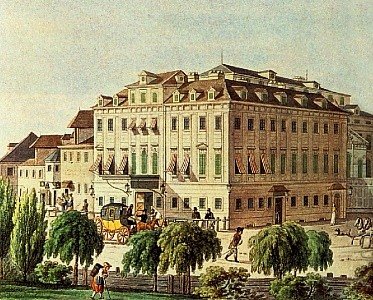
Historic image of Vienna's Thalia Theatre, a wooden construction dating back to 1856, showcasing its architectural style and cultural significance in Vienna.

Colored lithograph depicting the Thalia-Theater in Vienna, circa 1860, measuring 34.6 cm by 45.6 cm.

Uncolored lithograph of the Thalia Theater in Vienna from around 1860, sized 35.2 cm by 51.1 cm, showcasing historic architecture.
Architectural Significance
Unlike the monumental theaters along Vienna’s Ringstraße, the Thalia-Theater features a modest, inviting façade that blends seamlessly into its urban surroundings (offbeatbudapest.com). The exterior is characterized by clean lines, subtle Art Nouveau influences, traditional Viennese stucco, and large windows that brighten the foyer.
Inside, the auditorium’s design prioritizes intimacy and excellent acoustics, seating a few hundred guests and ensuring every audience member enjoys a close connection to the stage. Art Nouveau motifs in the ironwork and lighting pay homage to Vienna’s architectural heritage (Art Nouveau in Vienna), while careful spatial planning and thoughtful amenities foster social interaction and comfort (Vienna’s architectural overview).
Notable Productions and Programming
Thalia-Theater is renowned for its eclectic programming, which includes:
- Classic and Contemporary Drama: Featuring works by Austrian and German playwrights (e.g., Schnitzler, Nestroy, Jelinek) and international figures such as Shakespeare and Chekhov. Modern translations and innovative stagings bring these works to new audiences (Time Out Vienna).
- Experimental and Avant-Garde Performances: The venue has a strong tradition of supporting new writing and emerging artists, especially in the post-World War II era, when it became a platform for productions addressing social and political themes (travelright.com).
- Musical and Multidisciplinary Shows: Occasional musical theater, cabaret, and performances blending dance, music, and visual arts, particularly during festival periods.
- Family and Youth Programming: Interactive children’s plays, fairy tale adaptations, and educational workshops make the theater a welcoming environment for young audiences (All About Vienna).
The theater’s calendar typically runs from September through June, with 8 to 12 main productions annually, supplemented by readings, workshops, and guest performances (Vienna Unwrapped).
Role in Vienna’s Cultural Landscape
Thalia-Theater complements Vienna’s larger institutions, such as the Burgtheater and Volkstheater, by focusing on experimentation, accessibility, and community engagement (CheckVienna). Its programming often explores contemporary social issues, comedic satire, and literary performances, serving as a vital forum for public discourse and artistic innovation (allaboutvienna.com).
Through collaborations, festival participation (e.g., Wiener Festwochen), and outreach programs, the theater strengthens Vienna's reputation as a world city of art and culture (All About Vienna).
Visiting Hours and Ticket Information
- Box Office Hours: Generally Monday to Saturday, 10:00 AM to 6:00 PM; extended on performance days until showtime.
- Performance Times: Most shows start between 7:00 and 8:00 PM; weekend and holiday matinees begin around 3:00 PM. Always check the official schedule for current listings.
- Ticket Pricing: Standard tickets range from €15 to €45, depending on production and seating. Discounts are available for students, seniors, groups, and advance/last-minute purchases (Big Boy Travel).
- How to Buy: Tickets are available online via the official website, at the box office, or through authorized partners.
- Subscription Packages: Regular visitors can benefit from subscriptions and loyalty programs.
Accessibility and Amenities
- Wheelchair Access: The theater is fully accessible, with ramps, elevators, and designated seating (Vienna accessibility info).
- Assistive Devices: Assistive listening systems and accommodations for visitors with disabilities are available. Some performances provide sign language interpretation or audio description.
- Language: Most performances are in German; select shows offer English surtitles or summaries. Check ahead for language options.
- Amenities: Modern restrooms, a stylish on-site restaurant/bar, and a theater shop enhance the visitor experience.
- Photography: Allowed in public areas but prohibited during performances.
Travel Tips and Nearby Attractions
Located centrally, the Thalia-Theater is easily reached by public transport:
- Tram: Lines 1, 2, and D stop nearby.
- Metro: The U3 Schlachthausgasse station is a short walk away.
- Parking: Limited street parking; recommend using nearby parking garages such as Garage Wien Mitte or Parkhaus Erdberg.
Nearby attractions include the University of Vienna, Volksgarten park, Stadtpark, and the Ringstraße boulevard. A variety of cafes and restaurants in the vicinity offer opportunities to enjoy Viennese cuisine before or after a show (Vienna official travel guide).
Special Events and Guided Tours
- Guided Tours: Monthly tours explore the theater’s history, architecture, and backstage areas. Reservations are required.
- Special Events: The theater participates in festivals (e.g., Wiener Festwochen), hosts talkbacks, workshops, and community outreach initiatives. Details are available on the official website and social media.
- Digital Offerings: Select performances are available via live stream or on-demand video (Time Out Vienna).
The Thalia-Theater’s season runs from September through June, featuring a diverse mix of classic and modern plays, experimental works, musicals, and family shows. Each year, 8 to 12 main productions are staged, with additional readings, workshops, and guest performances enriching the calendar (Vienna Unwrapped).
Frequently Asked Questions (FAQ)
What are the Thalia-Theater’s opening hours?
Box office: Monday–Saturday, 10:00 AM–6:00 PM. Performances: evenings (7:00–8:00 PM), weekend matinees (~3:00 PM).
How can I buy tickets?
Online via the official website, at the box office, or through authorized partners.
Is the theater wheelchair accessible?
Yes, with ramps, elevators, and designated seating (Vienna accessibility info).
Are there English-language performances?
Most shows are in German, but some provide English surtitles or summaries. Check the schedule in advance.
Are guided tours available?
Yes, monthly tours are available by reservation.
Can I take photographs inside?
Photography is permitted in public areas (foyer, exterior), not during performances.
Listen to the full story in the app
Your Personal Curator, in Your Pocket.
Audio guides for 1,100+ cities across 96 countries. History, stories, and local insight — offline ready.
Audiala App
Available on iOS & Android
Join 50k+ Curators
Sources
- verified
- verified
- verified
- verified
- verified
- verified
- verified
- verified
- verified
- verified
- verified
- verified
- verified
- verified
- verified
- verified
Last reviewed: