Introduction
Stadtpalais Liechtenstein, located in Vienna’s historic first district, stands as a paragon of Baroque architecture and aristocratic grandeur. Once the urban residence of the Princely Family of Liechtenstein, this meticulously restored palace offers visitors an immersive journey through centuries of European art, culture, and innovation. With its pioneering Baroque features, lavish 19th-century interiors, and exclusive art collections, the palace is an essential destination for anyone seeking to understand Vienna’s imperial heritage and artistic legacy (palaisliechtenstein.com; tourmycountry.com; austria.info).
This guide provides detailed information on visiting hours, ticketing, guided tours, accessibility, and nearby attractions, as well as the history and cultural significance of Stadtpalais Liechtenstein.
Photo Gallery
Explore Stadtpalais Liechtenstein in Pictures
Scenic view of Stadtpalais Liechtenstein, a historic palace located in Vienna, Austria
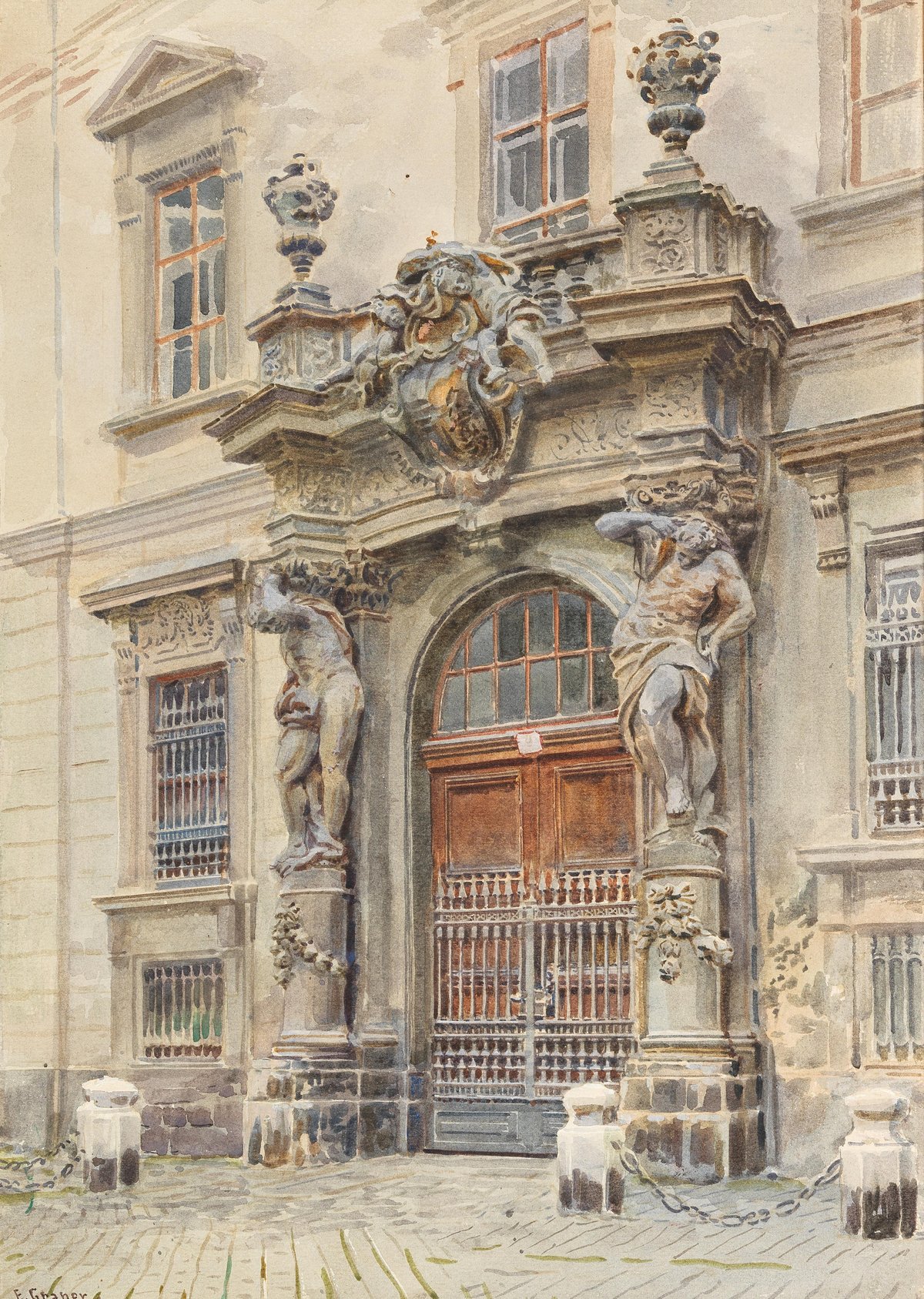
Watercolor painting by E. Graner depicting the entrance portal of Palais Liechtenstein located in Vienna's 1st district. Artwork on paper measuring 45 by 31 cm.
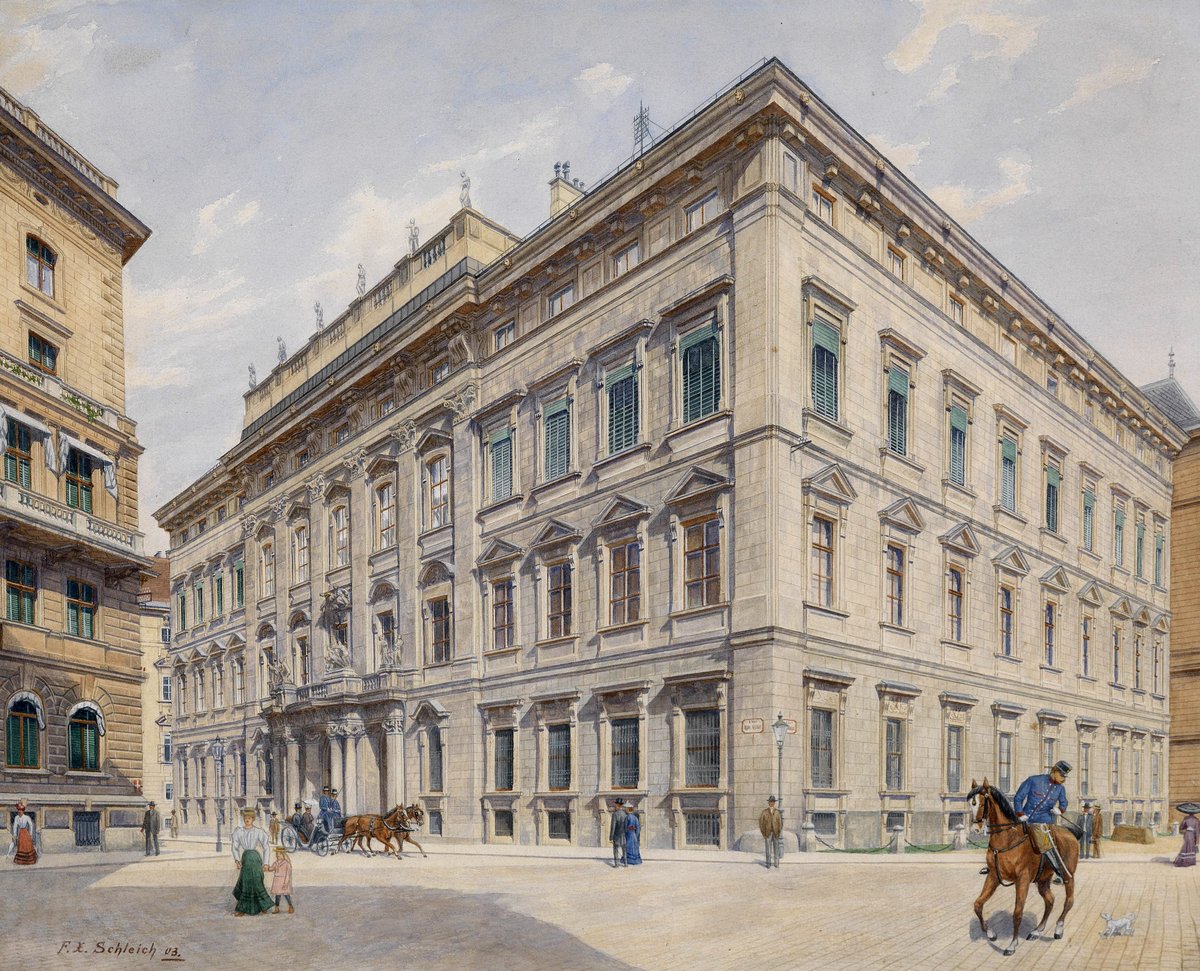
Watercolor painting of Stadtpalais Liechtenstein in Bankgasse by Franz Xaver Schleich, created in 1903, size 38 x 48 cm
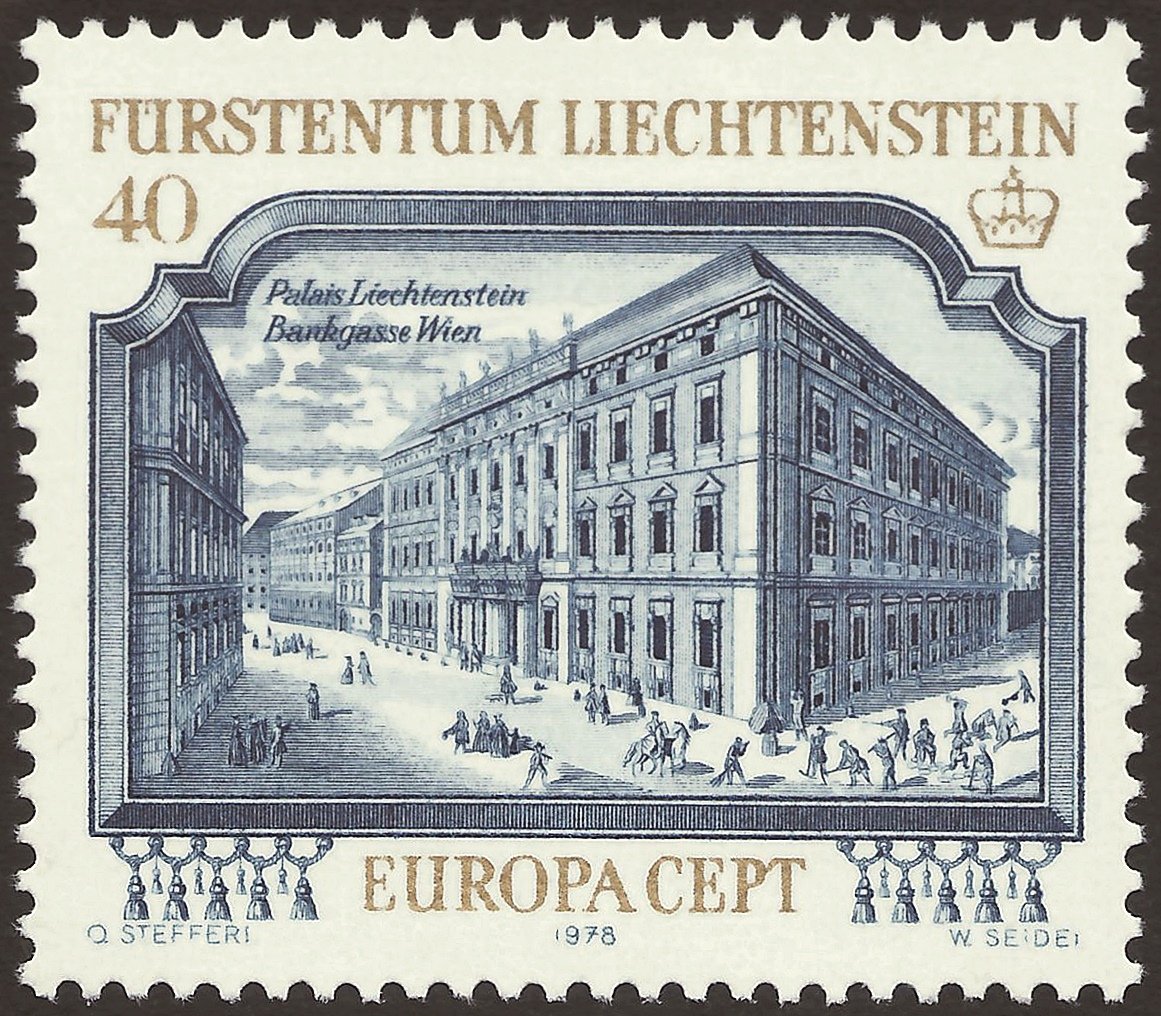
Commemorative postage stamp issued by the Principality of Liechtenstein in 1978, featuring an architectural view of the Baroque Stadtpalais Liechtenstein in Vienna's 1st District, Bankgasse 9. The stamp belongs to the EUROPA C.E.P.T. monumental buildings series, with dark greyish ultramarine and gol
A scenic photograph of Vaduz Castle perched on a hill, overlooking the town of Vaduz, the capital of Liechtenstein, showcasing the castle's medieval architecture and surrounding alpine landscape.
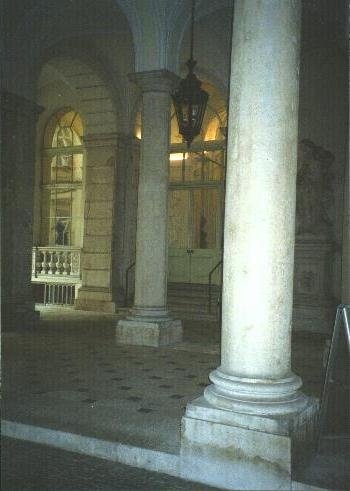
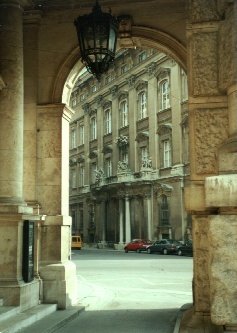
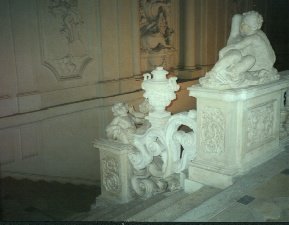
Photograph showcasing the detailed and ornate vestibule interior of Palais Liechtenstein, located on Bankgasse, with its grand columns and classic architectural elements
Beautiful scenic landscape of Liechtenstein featuring lush green hills and distant mountain ranges under a clear sky
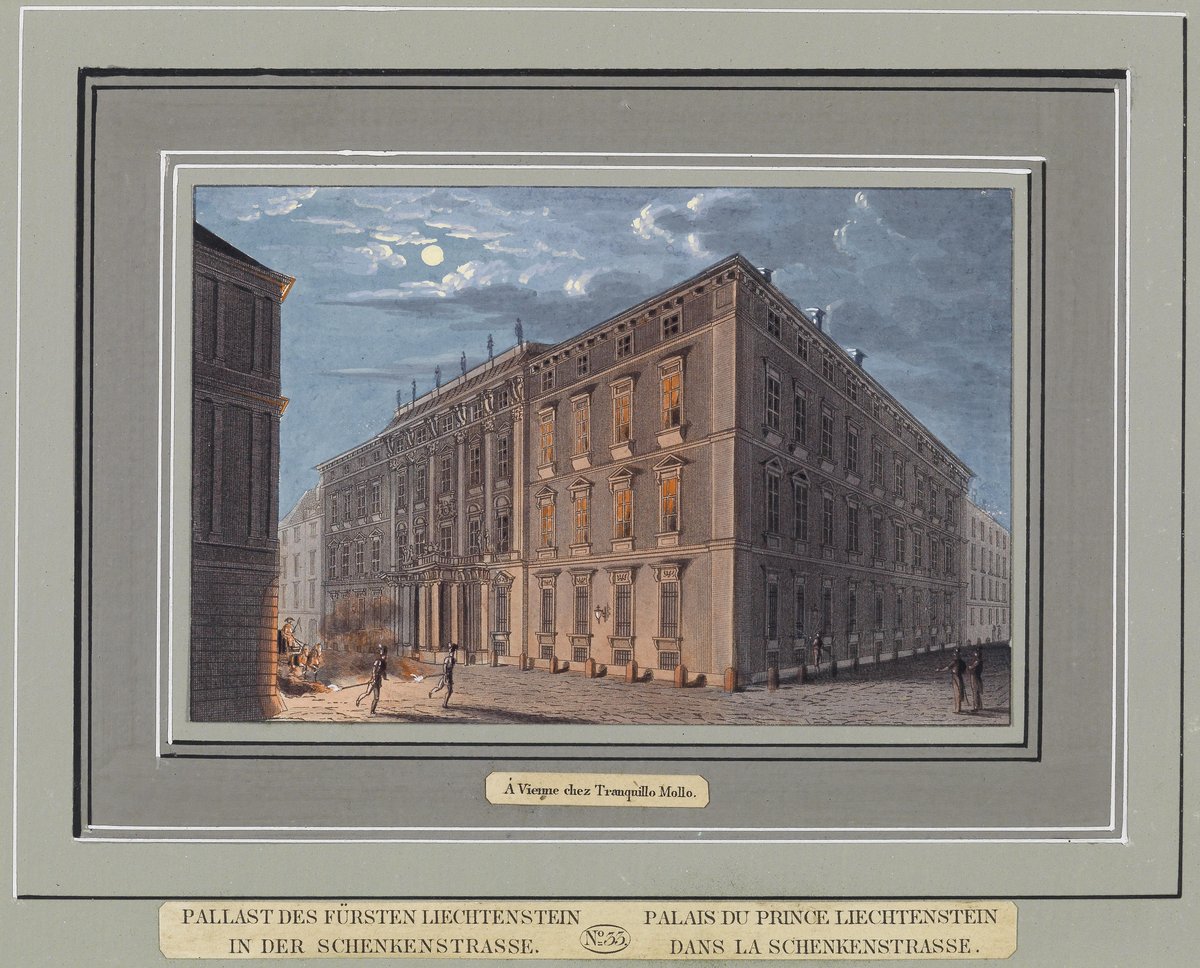
Colored copper engraving of the Liechtenstein Palace on Schenkenstrasse, Vienna, from T. Mollo's 'Wiens vorzüglichste Gebäude' luxury edition published in 1823. Approximate size 9 x 14 cm, sheet size 25.5 x 33.5 cm.
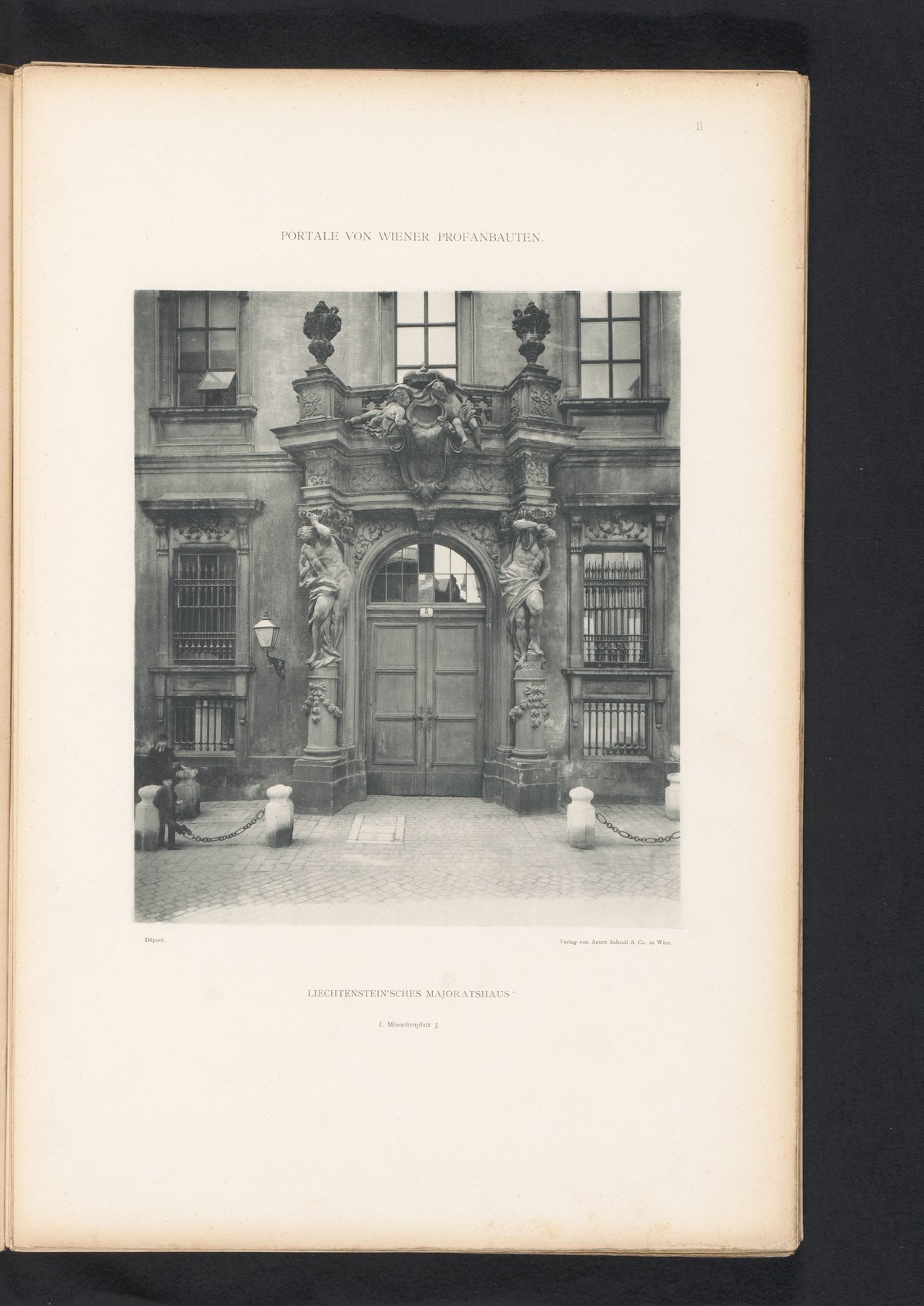
Lightprint image of the entrance gate facade of Stadtpalais Liechtenstein in Vienna, Austria, created around 1884-1894. Photomechanical print on paper showing detailed architecture of the historic Liechtenstein majoratshaus gate.
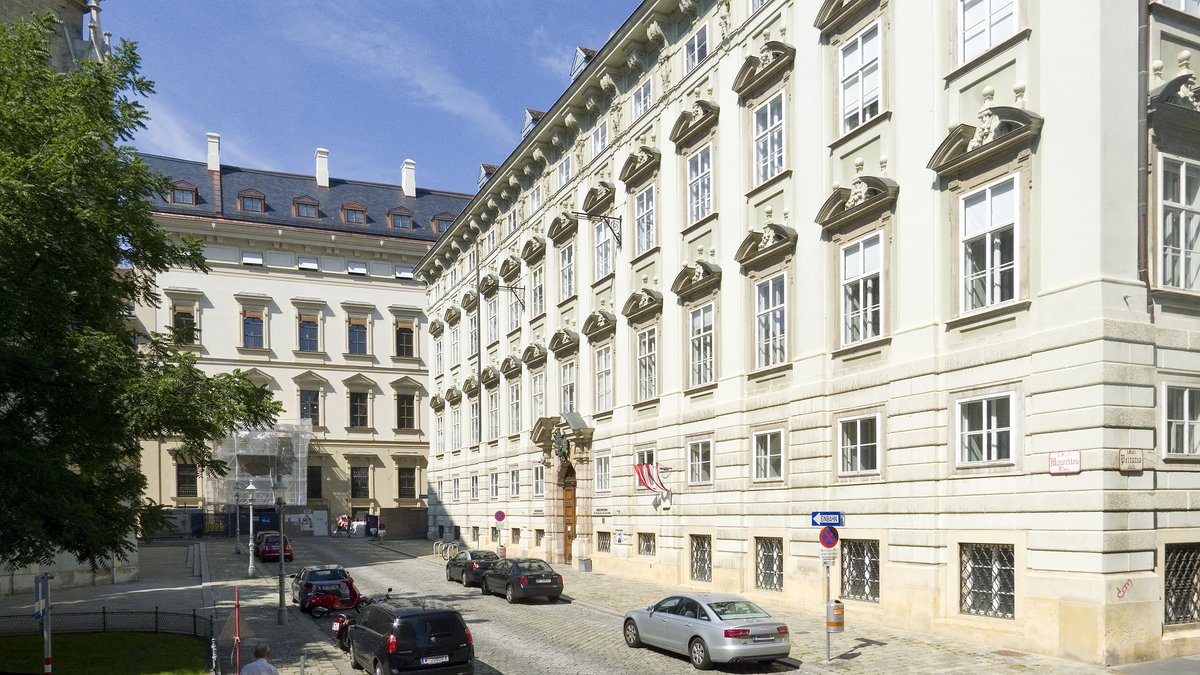
View of Minoritenplatz in Vienna's 1st district featuring the historic Palais Starhemberg near Petrarcagasse facing west
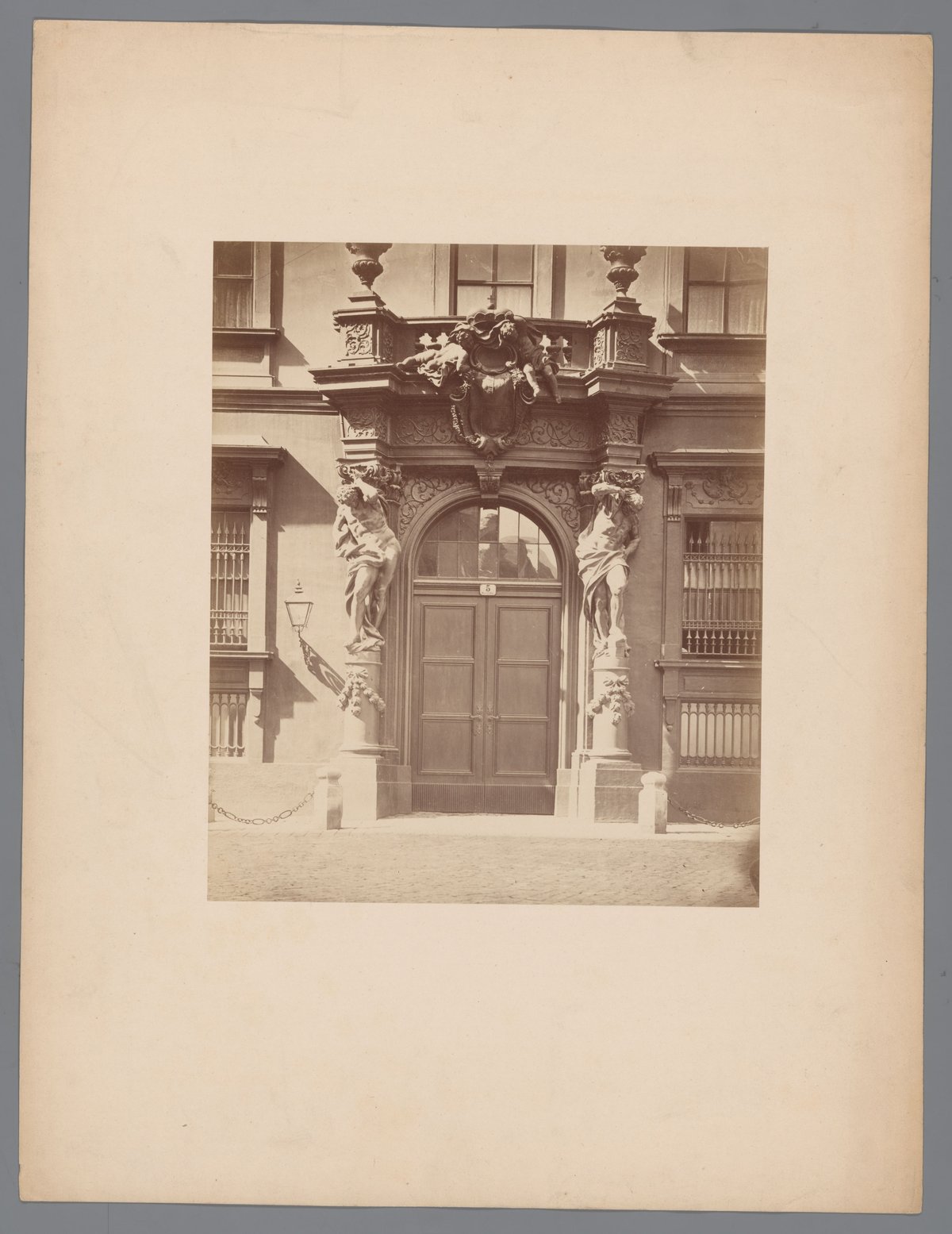
Albumen print photo circa 1875-1900 depicting the side portal entrance gate of Fürstlich Liechtenstein'sches Palais in Vienna, showcasing architectural details and coat of arms sculpture. Photographed anonymously, published by Ludwig Niernberger.
Origins and Early Construction
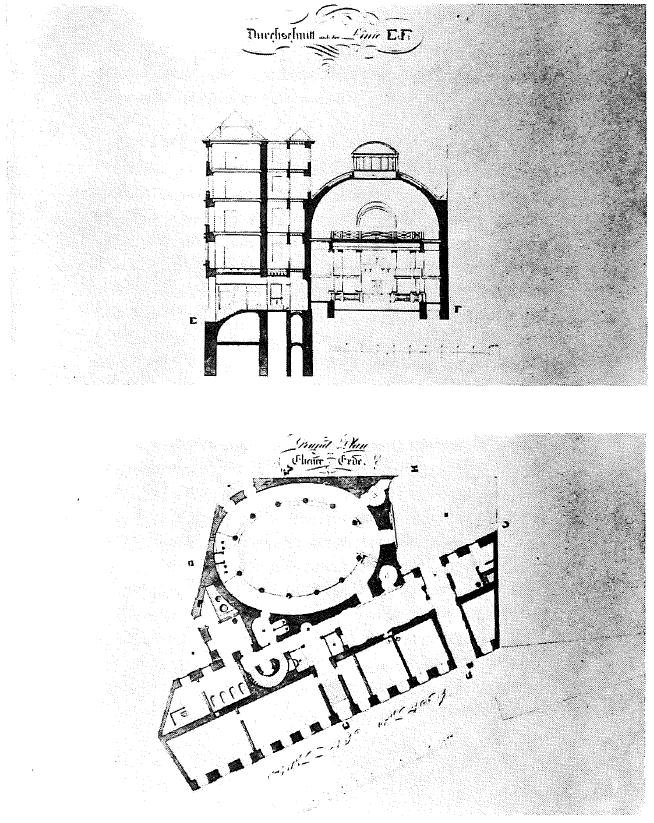
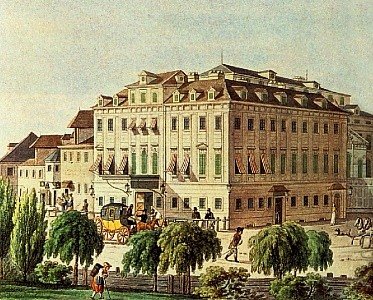
Construction of the Stadtpalais Liechtenstein began in 1692, commissioned by Prince Johann Adam Andreas I von und zu Liechtenstein. Designed by Italian architect Domenico Martinelli and completed with contributions from Gabriele di Gabrieli, the palace set new standards for aristocratic residences in Vienna. Its monumental Baroque portal was the first of its kind in the city, and the interiors featured ground-breaking innovations such as movable rooms and theatrical settings (core.ac.uk; palaisliechtenstein.com).
Transformation and Preservation
In the 19th century, English architect Peter Hubert Desvignes led a major Neo-Rococo renovation (1836–1847), introducing opulent interiors and further blending Baroque and Rococo elements. The palace’s role as the family’s main residence shifted over time, and by the late 18th century, the portrait gallery and many art treasures were relocated to the Gartenpalais Liechtenstein.
Despite periods of neglect during the World Wars, the Liechtenstein family preserved the palace’s original features. A comprehensive restoration completed in 2013 revitalized the building, earning international recognition for its sensitive conservation and modern adaptation (core.ac.uk).
Architectural and Artistic Highlights
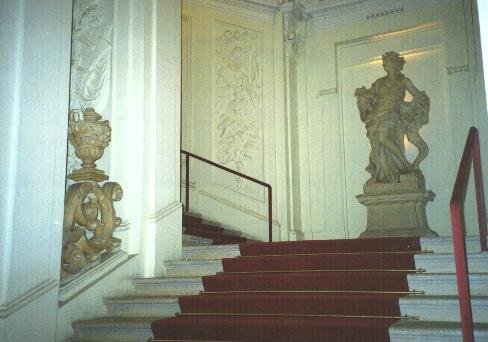
Stadtpalais Liechtenstein is recognized as Vienna’s first major High Baroque palace, with a façade characterized by classical symmetry, monumental portals, and decorative stonework. The Neo-Rococo interiors—especially prominent on the first and second floors—feature gilded stucco, silk wall hangings, and original period furnishings. Noteworthy are the parquet floors crafted by Viennese innovator Michael Thonet and the three unique Corner Salons, each displaying original family portraits and decorative arts (impacts.at).
The palace’s ballroom is a focal point of aristocratic history, once the site of grand balls and gatherings. Technical innovations such as movable walls and stage-like settings reflect the family’s taste for theatricality and entertainment (tourmycountry.com).
The Princely Collections
Stadtpalais Liechtenstein is closely associated with the Princely Collections, one of the world’s most significant private art collections. While the majority of the collection is housed in Vaduz and the Gartenpalais in Vienna, the Stadtpalais showcases select masterpieces—particularly from the Neoclassical and Biedermeier periods—by artists such as Rubens, van Dyck, Friedrich von Amerling, and Waldmüller (liechtensteincollections.at). The harmonious integration of paintings, sculpture, porcelain, and period furniture within the palace’s historic rooms creates a unique artistic environment (palaisliechtenstein.com).
Visiting Stadtpalais Liechtenstein: Practical Information
Opening Hours
- Guided tours: Tuesday to Sunday, generally in the afternoon
- Closed: Mondays and certain public holidays
- Note: Specific hours and English-language tours vary seasonally—always check the official website or Vienna tourism events page for the latest schedule.
Ticket Information
- Standard guided tour: €29
- Combined ticket (Stadtpalais + Gartenpalais): €45
- Discounts: Available for students and seniors
- Booking: Advance reservation required via email ([email protected]) or phone (+43 1 319 57 67-0). Walk-in visits are not permitted.
Guided Tours and Audio Guides
- Tour duration: Approximately 90 minutes
- Group size: Kept moderate for an intimate experience
- Languages: Public tours primarily in German; English-language tours offered on select dates in July and August. Free English audio guide available via the Hearonymus app.
- Tour content: Includes highlights of the palace’s architecture, art collection, and history.
Accessibility
- Mobility: The palace is equipped with a mobile stair lift at the main entrance; further accessibility varies by area.
- Facilities: Minimal on-site amenities due to the palace’s private status. Contact the palace in advance for specific accessibility needs (wien.info).
Location and Getting There
- Address: Bankgasse 9, 1010 Vienna, Austria
- Public transport: Near U1, U3, and U4 subway lines (Stephansplatz station)
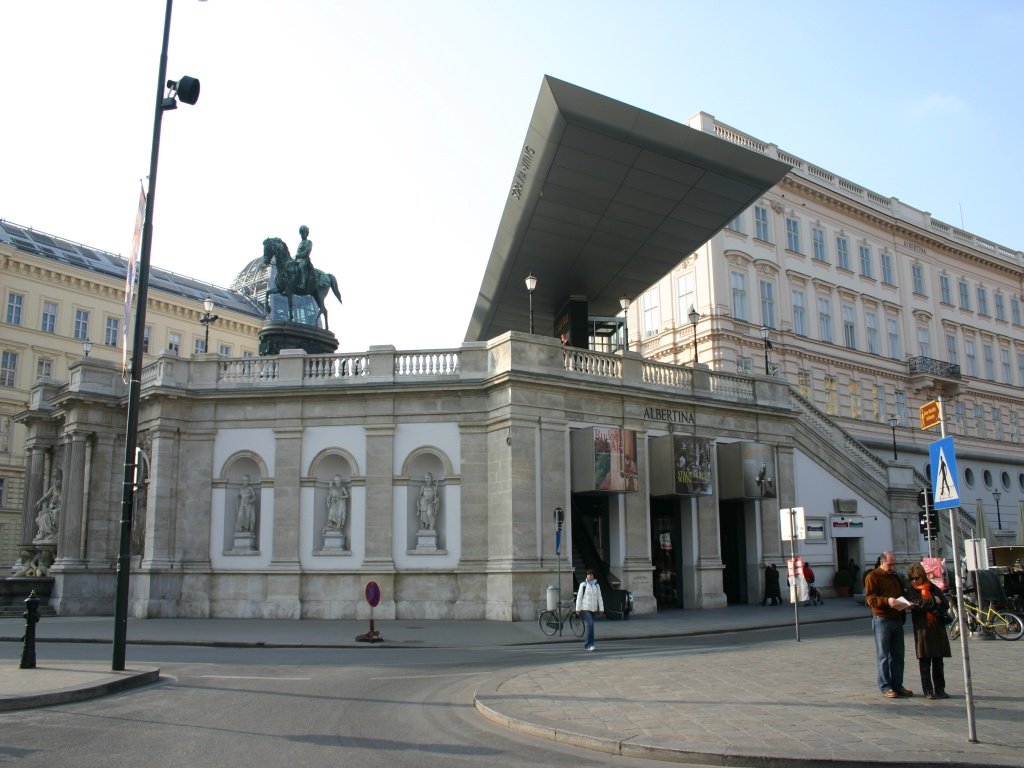
- Nearby sites: Hofburg Palace, St. Stephen’s Cathedral, Albertina Museum, Burgtheater, and Volksgarten—all within walking distance.
Visitor Experience and Tips
- Photography: Strictly prohibited inside the palace.
- Booking: Reserve well in advance, especially for English tours or during peak season.
- Arrival: Arrive at least 15 minutes before your scheduled tour.
- Dress code: No formal requirement, but respectful attire is recommended.
- Language support: Download the Hearonymus app ahead of time for English commentary.
- Atmosphere: Expect a quieter, more exclusive visit compared to Vienna’s larger palaces.
Frequently Asked Questions (FAQ)
Q: What are the current visiting hours for Stadtpalais Liechtenstein?
A: Guided tours generally run Tuesday to Sunday in the afternoon; specific times vary—check the official website.
Q: Are English-language tours available year-round?
A: Public English tours are limited to select dates in July and August; otherwise, use the English audio guide.
Q: Is photography allowed inside?
A: No, photography is not permitted.
Q: How accessible is the palace for visitors with mobility impairments?
A: Accessibility has improved, but some areas remain challenging. Contact the palace for tailored assistance.
Q: Can I buy tickets at the door?
A: No, advance booking via email or phone is mandatory.
Q: Are there cafes or restaurants on-site?
A: No, but Vienna’s city center offers many nearby dining options.
Explore More of Vienna’s Historical Sites
Combine your visit with other nearby landmarks such as the Hofburg Palace, Schönbrunn Palace, and the Albertina Museum to experience Vienna’s imperial and cultural heritage in full.
Discover More
For real-time updates on visiting hours, tickets, and English-language tours, download the Audiala app and follow us on social media. Explore our related articles for more insights into Vienna’s top historical sites and practical travel tips.
Summary of Key Points
- First major High Baroque palace in Vienna, completed in the early 18th century.
- Architectural innovations: monumental Baroque portal, Neo-Rococo interiors, and technical ingenuity.
- Exclusive access via guided tours; advance booking required.
- Highlights from the Princely Collections: masterpieces by Rubens, van Dyck, and Biedermeier artists.
- Central location: easy access to major Vienna landmarks.
- Strict no-photography policy inside.
- Limited English-language tours: use the Hearonymus audio guide for year-round support.
- Restoration has preserved original features while updating facilities for modern visitors.
For further details and the most current information, consult:
- Palais Liechtenstein Official Website
- TourMyCountry Guide
- Austria.info Highlights
- Impacts Events Venue Overview
- Liechtenstein Collections Portal
- Guided Tours Booking
- Wien.info Visitor Information
Listen to the full story in the app
Your Personal Curator, in Your Pocket.
Audio guides for 1,100+ cities across 96 countries. History, stories, and local insight — offline ready.
Audiala App
Available on iOS & Android
Join 50k+ Curators
Sources
- verified
- verified
- verified
- verified
- verified
- verified
- verified
- verified
Last reviewed: