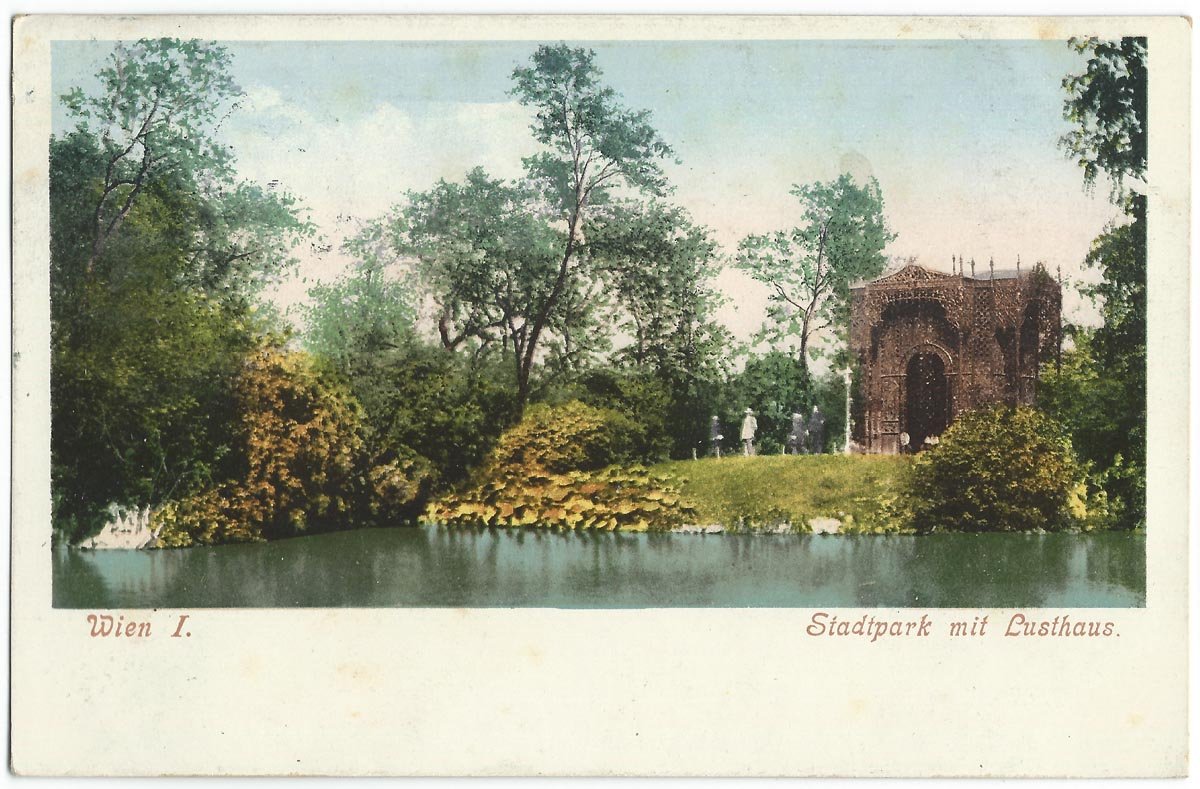
Introduction to the Sigmund Freud Museum
The Sigmund Freud Museum in Vienna offers a captivating journey into the mind of one of the most influential thinkers of the 20th century, Sigmund Freud. Located at Berggasse 19, this historic apartment was not just Freud’s home but also the birthplace of psychoanalysis. For almost 50 years, Freud lived and worked in this apartment, where he developed groundbreaking theories that continue to shape modern psychology. The museum provides visitors with a unique opportunity to explore Freud's life, work, and legacy through meticulously preserved rooms, personal artifacts, and an extensive collection of antiquities (Freud Museum).
Founded in 1971 by Anna Freud, Sigmund Freud’s youngest daughter, the museum was established to preserve and promote Freud’s intellectual legacy. Today, it stands as a dynamic institution offering rich exhibitions, temporary displays, and a comprehensive library and archive for researchers and enthusiasts (Freud Museum History). Whether you are a psychology aficionado or simply interested in cultural history, the Sigmund Freud Museum is a must-visit destination that promises an enriching experience.
Photo Gallery
Explore Sigmund Freud Museum in Pictures
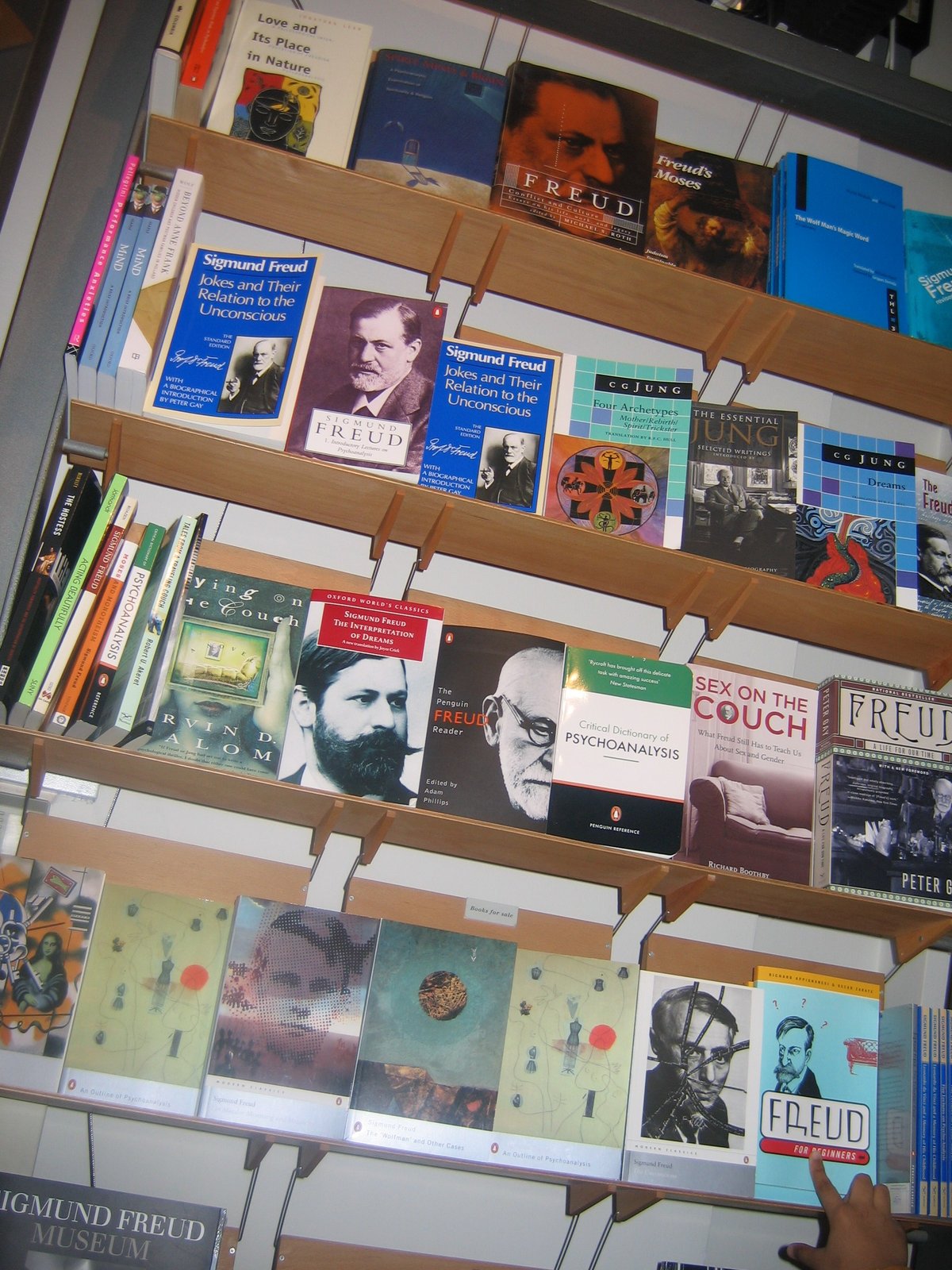
A collection of books focused on Sigmund Freud's theories, psychoanalysis, and psychology studies, arranged neatly on a surface.
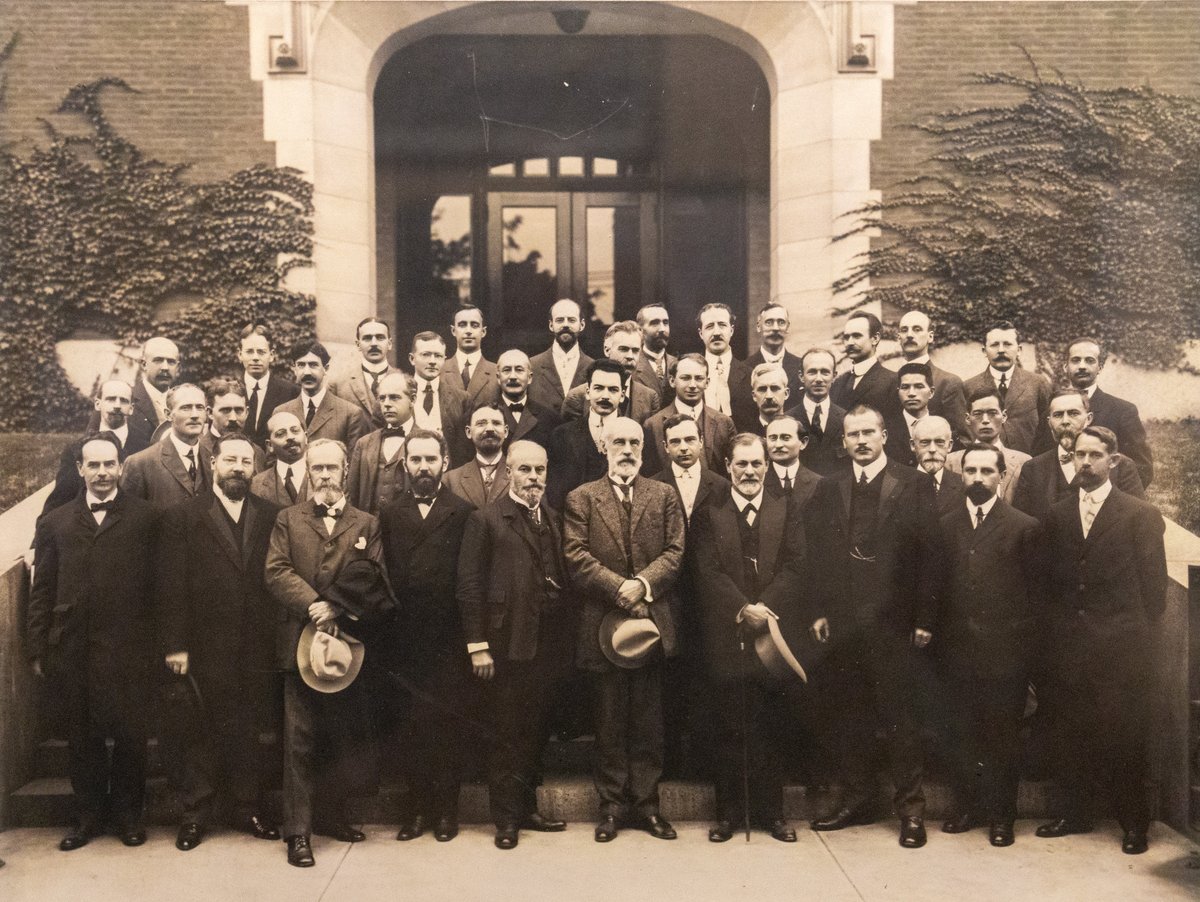
Historic group photo of Psychology, Pedagogy and School Hygiene Conference at Clark University in Worcester, Massachusetts, 1909. Includes prominent figures such as Sigmund Freud, Carl Gustav Jung, William James, and Edward Bradford Titchener among multiple distinguished psychologists.
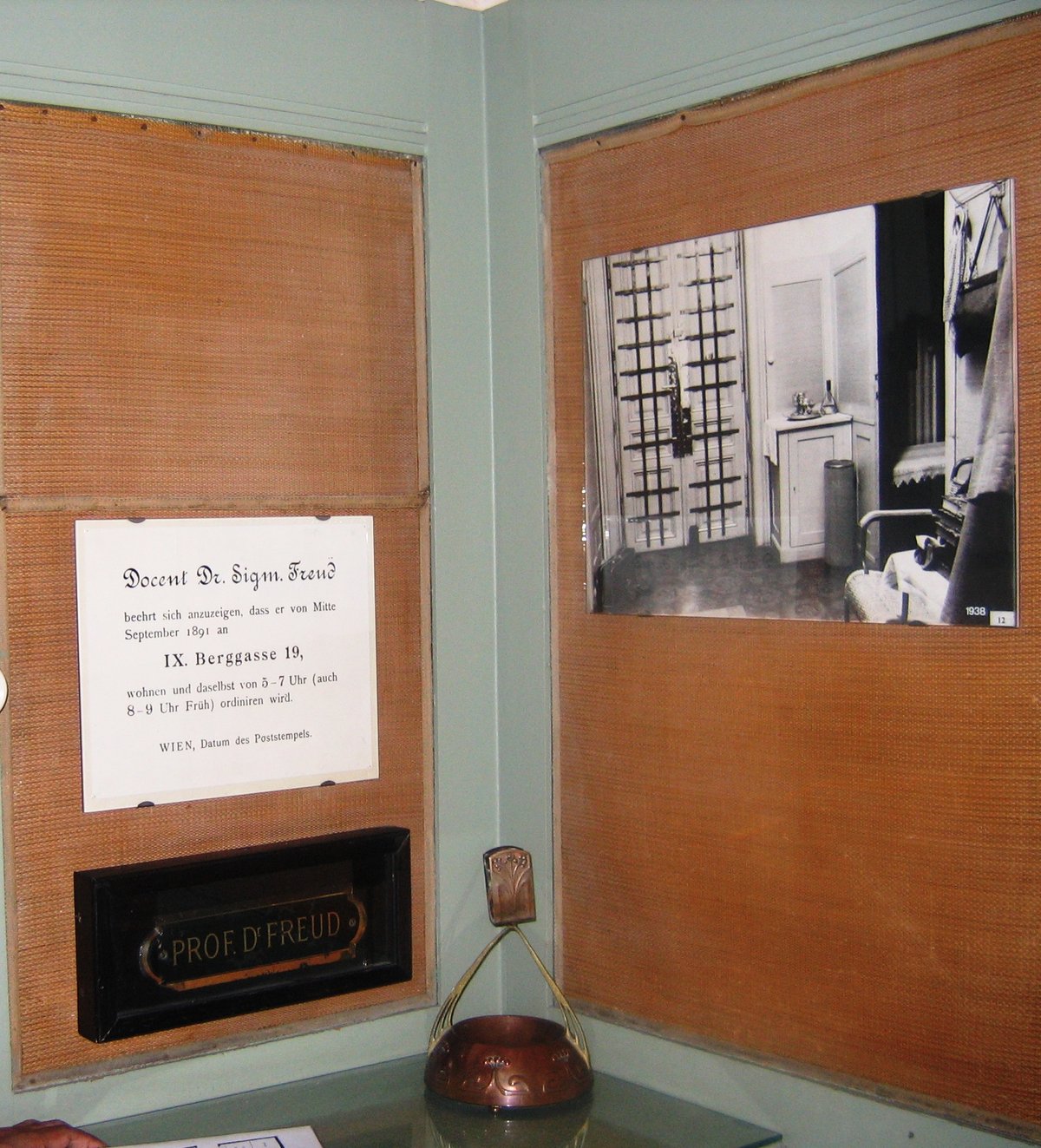
A detailed interior photograph of the Freud Museum showcasing historic furniture, cultural artifacts, and cozy ambiance related to Sigmund Freud's life and legacy
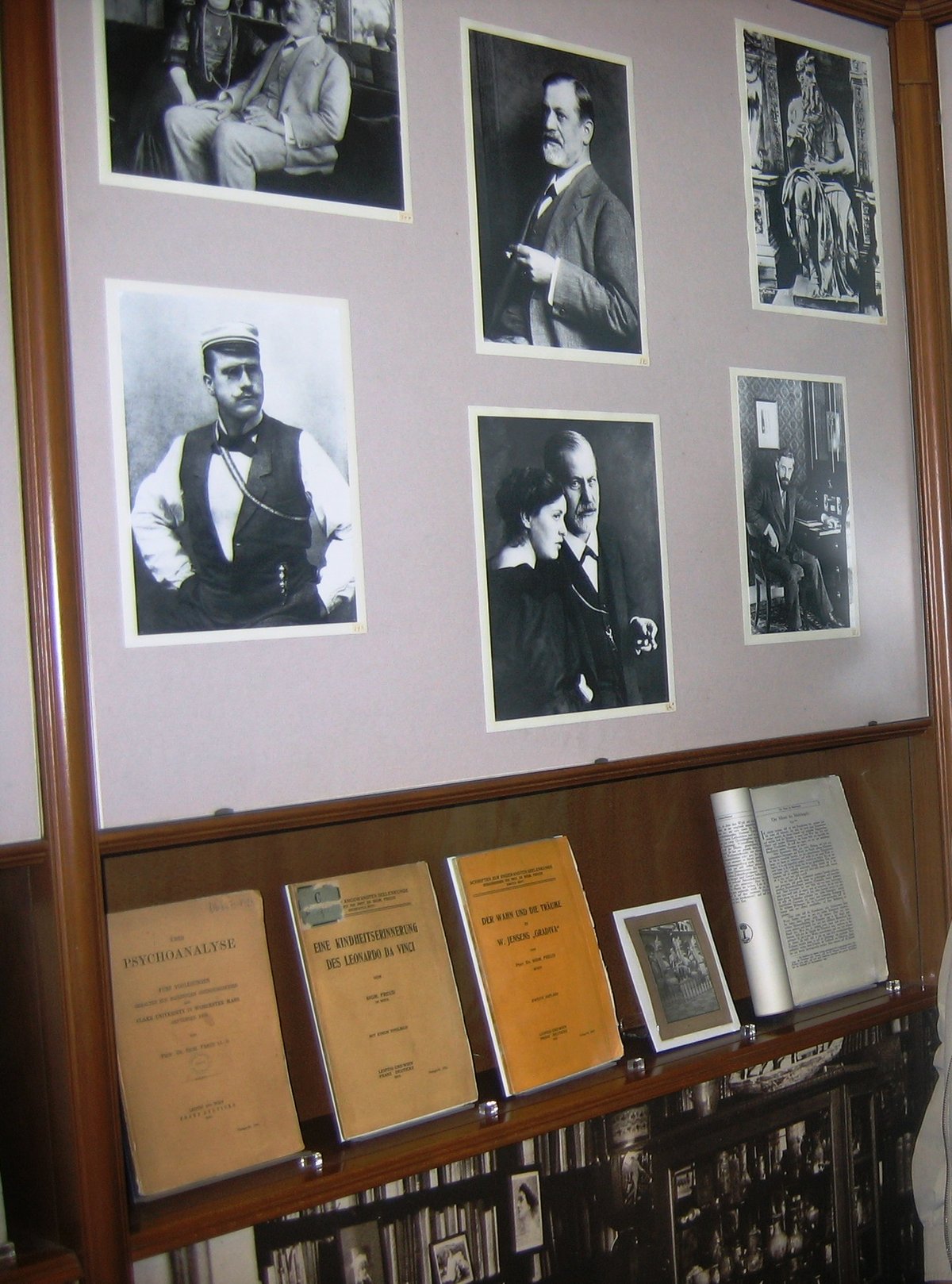
Photographs showcasing various exhibit items displayed at the Freud Museum
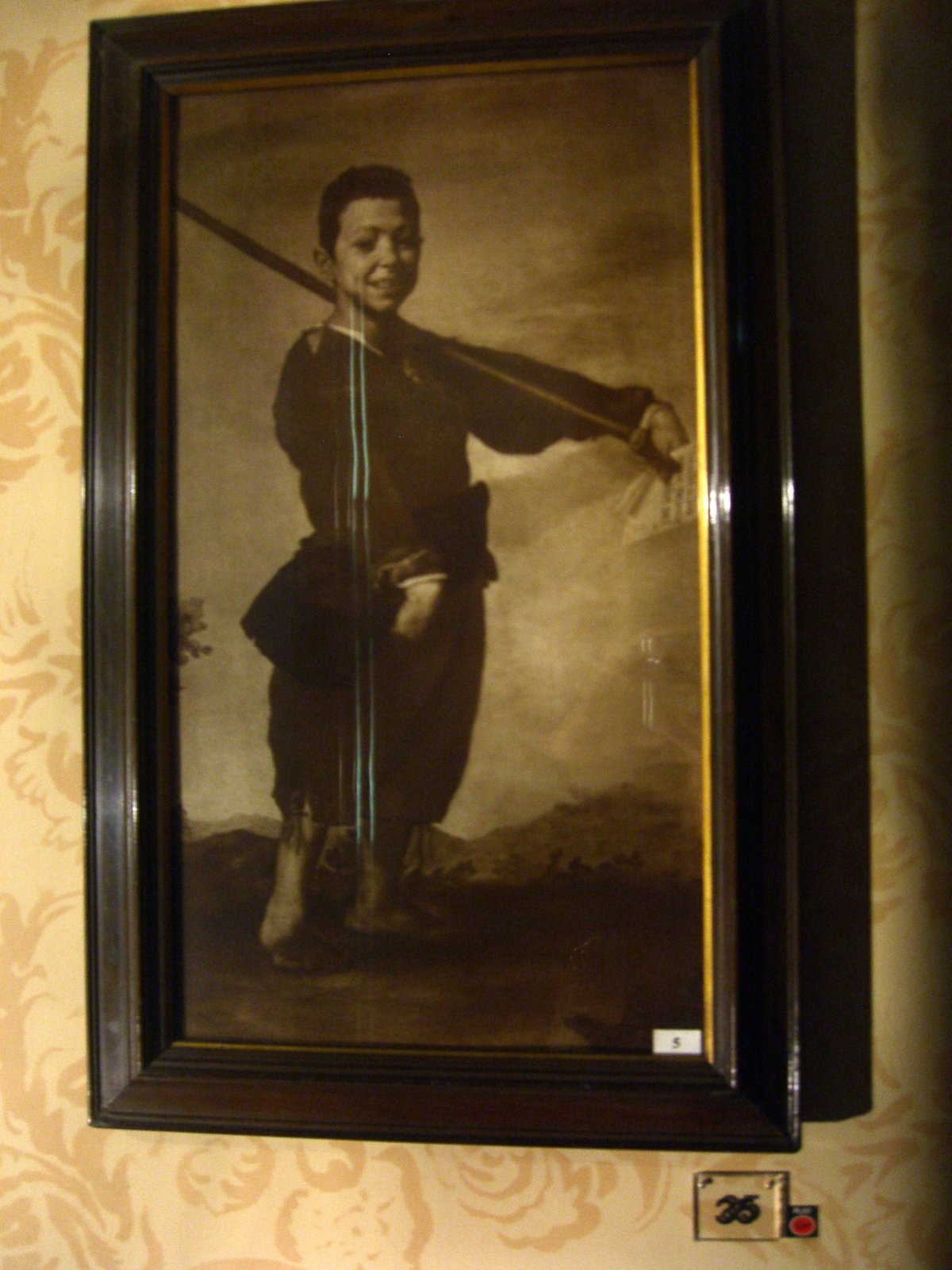
Reproduction of a painting showing Sigmund Freud, located in the waiting room of his consulting practice at Berggasse 19 in Vienna IX.
Visiting the Sigmund Freud Museum - History, Tickets, and Travel Tips
The Sigmund Freud Museum in Vienna is not just a museum; it's a journey into the mind of one of the most influential thinkers of the 20th century. Housed in the very apartment where Sigmund Freud, the father of psychoanalysis, lived and worked for almost half a century, the museum offers an intimate glimpse into his life, work, and legacy.
Freud's Vienna Apartment - A Home and a Workspace
In 1891, Sigmund Freud, a rising star in the world of neurology, moved into the apartment at Berggasse 19 in Vienna's Alsergrund district. This apartment, with its high ceilings and spacious rooms, became more than just a home for Freud, his wife Martha, and their six children; it was also the birthplace of psychoanalysis.
For 47 years, until his forced exile to London in 1938, Freud lived and worked in this apartment. Here, he developed his groundbreaking theories, saw patients on the iconic couch, and gathered with his colleagues in the Wednesday Psychological Society meetings, shaping the landscape of modern psychology.
The Birth of the Sigmund Freud Museum
After Freud's departure from Vienna, the apartment at Berggasse 19 remained under the care of his family. In 1971, Anna Freud, his youngest daughter and a prominent psychoanalyst herself, spearheaded the establishment of the Sigmund Freud Museum.
The museum's primary aim was to preserve Freud's legacy and make his life and work accessible to the public. It opened its doors in 1971, offering visitors a unique opportunity to step back in time and experience the world of Sigmund Freud.
A Journey Through Freud's Life and Work
The museum is spread across two floors of the building. The first floor houses the former living quarters of the Freud family, meticulously preserved to reflect their life in the early 20th century. Visitors can explore the family dining room, Anna Freud's former rooms, and a poignant collection of photographs and personal belongings that offer a glimpse into their daily lives.
The heart of the museum lies on the second floor, where Freud's professional life unfolded. The centerpiece is undoubtedly Freud's study and treatment room, dominated by the iconic psychoanalytic couch. This room, preserved almost exactly as it was during Freud's time, exudes an aura of history and intellectual intensity.
Beyond the Couch - Exploring Freud's Collection
The museum also houses an extensive collection of objects that fascinated Freud and played a role in his thinking. His impressive collection of antiquities from ancient Egypt, Greece, Rome, and the Near East, displayed throughout the museum, reflects his deep interest in history, mythology, and the human psyche.
The Sigmund Freud Museum - A Place of Learning and Reflection
The Sigmund Freud Museum is not just a static exhibition; it's a dynamic institution dedicated to promoting Freud's intellectual legacy. The museum regularly hosts temporary exhibitions that explore various aspects of psychoanalysis, its history, and its impact on contemporary thought.
The museum also houses a comprehensive library and archive, offering researchers and enthusiasts access to a vast collection of Freud's writings, correspondence, and other valuable materials.
Visiting the Sigmund Freud Museum - Visitor Information
Ticket Prices
- Adults - €14
- Students and Seniors - €10
- Children (under 12) - Free
- Family Ticket - €28
Opening Hours
- Monday to Sunday - 10 AM - 6 PM
- Closed on Public Holidays
Guided Tours
- Standard Tour - €5 (in addition to admission)
- Group Tour - Available upon request
Frequently Asked Questions (FAQ)
Q: Can I buy tickets online?
A: Yes, you can purchase tickets through the official Sigmund Freud Museum website to avoid long queues.
Q: Are there any special events?
A: The museum hosts temporary exhibitions and special events throughout the year. Check the museum's website for the latest updates.
Q: Is the museum accessible?
A: Yes, the museum is wheelchair accessible, and there are facilities for visitors with disabilities.
Travel Tips for a Memorable Experience
- Book your tickets in advance - The museum is a popular destination, and booking your tickets online can help you avoid long queues, especially during peak season.
- Opt for a guided tour - While exploring the museum independently is rewarding, a guided tour can provide valuable context and insights into Freud's life, work, and the significance of the objects on display.
- Allow ample time - To fully appreciate the museum's richness, allocate at least two hours for your visit. Take your time to absorb the atmosphere, examine the exhibits, and reflect on Freud's enduring impact.
- Visit the museum shop - The museum shop offers a curated selection of books, prints, and souvenirs related to Freud and psychoanalysis. It's a great place to find unique gifts or mementos of your visit.
- Explore the surrounding area - The museum is located in a charming neighborhood with cafes and restaurants. After your visit, take some time to stroll around the area and soak up the Viennese ambiance.
Nearby Attractions
- Votivkirche - A stunning neo-Gothic church located a short walk from the museum.
- Vienna University - One of the oldest universities in the German-speaking world, offering beautiful architecture and a rich history.
- Servitenviertel - A picturesque neighborhood known for its quaint streets and local cafes.
Listen to the full story in the app
Your Personal Curator, in Your Pocket.
Audio guides for 1,100+ cities across 96 countries. History, stories, and local insight — offline ready.
Audiala App
Available on iOS & Android
Join 50k+ Curators
Sources
- verified
- verified
- verified
- verified
Last reviewed: