Introduction to Schwarzenbergplatz
Schwarzenbergplatz, nestled in the vibrant heart of Vienna, stands as a living testament to the city’s layered history, architectural splendor, and cultural dynamism. This expansive square, stretching from the Ringstraße’s Kärntner Ring to Rennweg near the Belvedere Gardens, encapsulates Vienna’s transition from imperial stronghold to a modern metropolis. It is a place where history, politics, art, and daily life converge—making it an essential stop for any visitor seeking to understand the city’s unique character (Vienna Tourist).
This comprehensive guide provides an in-depth look at Schwarzenbergplatz’s history, key monuments, visitor information, accessibility, travel tips, and nearby attractions. Whether you’re a history buff, architecture lover, or casual traveler, Schwarzenbergplatz offers a memorable journey through Vienna’s living heritage (Awesome Vienna, Planet Vienna, The Vienna Blog).
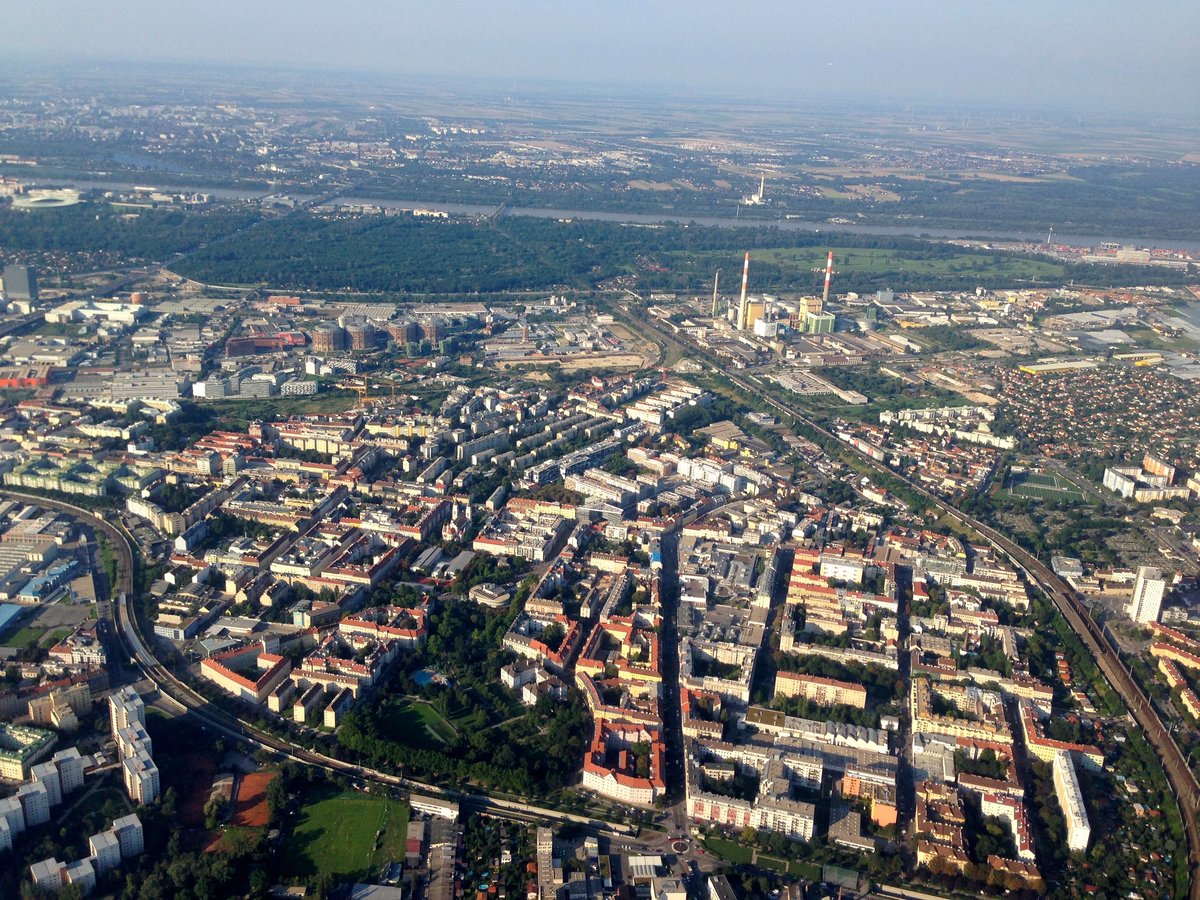
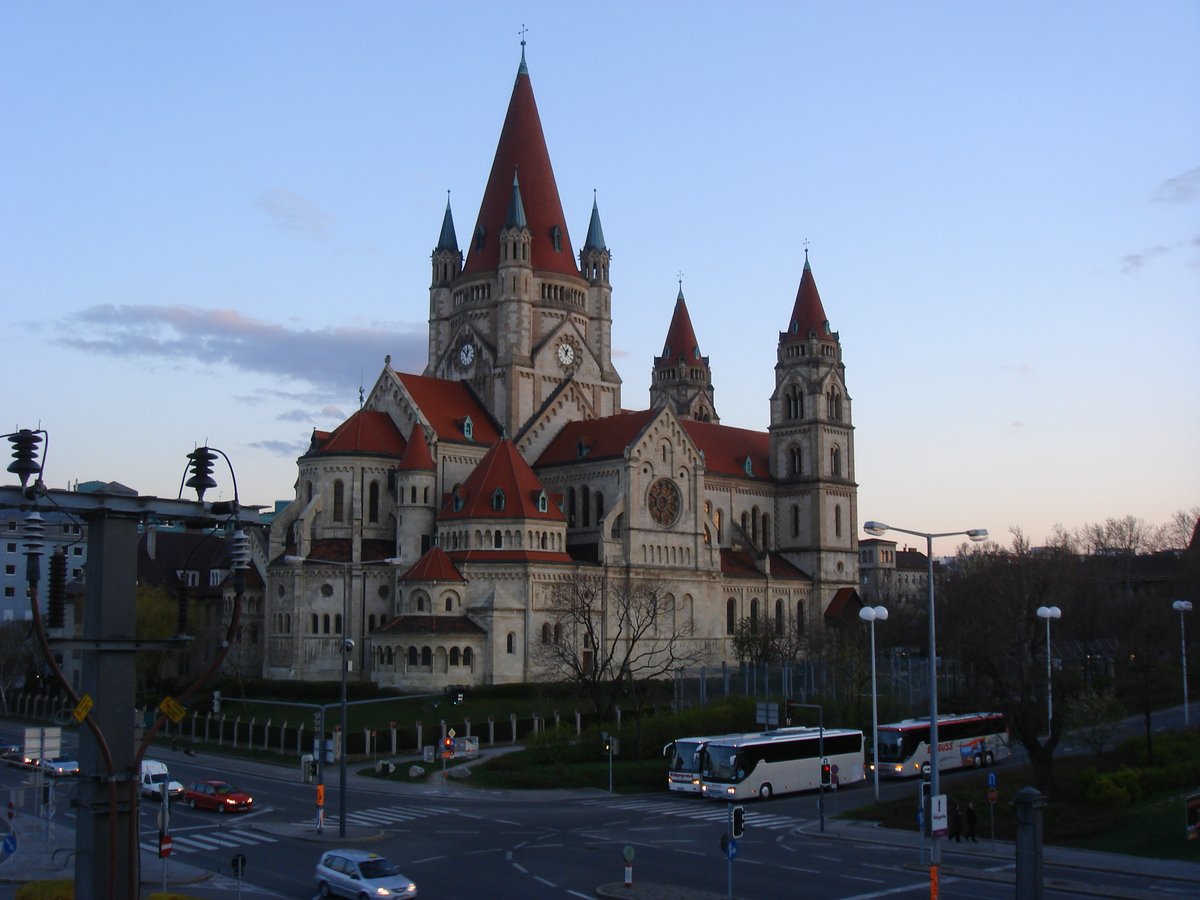
Photo Gallery
Explore Schwarzenbergplatz in Pictures
Early Development and Urban Transformation
Schwarzenbergplatz occupies land once fortified by Vienna’s city walls, which were demolished in the mid-19th century as part of Emperor Franz Joseph I’s modernization efforts. This transformation gave rise to the Ringstraße and allowed for the creation of prestigious addresses like Schwarzenbergplatz. By the late 19th century, the square flourished as an elegant urban space, attracting aristocracy and the bourgeoisie with its grand buildings and ceremonial layout (Vienna Tourist).
Key Monuments and Their Stories
Schwarzenberg Monument
Dominating the northern section, the equestrian statue of Karl Philipp, Prince of Schwarzenberg, honors the celebrated leader who played a pivotal role in the defeat of Napoleon at the Battle of Leipzig in 1813. Designed by Ernst Hähnel and unveiled in 1867, this imposing bronze monument stands as a symbol of Austria’s imperial military heritage (Planet Vienna).
Hochstrahlbrunnen Fountain
At the square’s southern end, the Hochstrahlbrunnen fountain was inaugurated in 1873 to celebrate Vienna’s first Alpine water pipeline. The fountain’s high central jet and illuminated night displays make it a striking landmark and a symbol of Vienna’s commitment to public health and engineering progress (Lonely Planet).
Soviet War Memorial (Heldendenkmal der Roten Armee)
Erected in 1945, the Soviet War Memorial honors the Red Army soldiers who fell during the liberation of Vienna in World War II. Its semicircular colonnade and 12-meter-high statue of a Soviet soldier reflect the monumentality of Soviet commemorative art and serve as a poignant reminder of Vienna’s complex postwar history (Planet Vienna).
Urban Design and Architectural Highlights
Schwarzenbergplatz’s generous proportions and axial layout create a sense of grandeur, with the Ringstraße framing the square and ceremonial monuments anchoring its vistas. Notable buildings include:
- Palais Schwarzenberg: An early 18th-century baroque palace by Hildebrandt and Fischer von Erlach, with elegant stucco work and gardens connecting to the Belvedere (Planet Vienna).
- Historicist Palaces and Embassies: The square is lined with opulent buildings from the Ringstraße era, such as Palais Ludwig Viktor, Palais Wertheim, and the Art Nouveau French Embassy, all showcasing Vienna’s cosmopolitan heritage.
- Artistic Features: Fountains, sculptural reliefs, and nighttime lighting—especially the illuminated Hochstrahlbrunnen—enhance the square's visual appeal (Lonely Planet).
Practical Visitor Information
Visiting Hours and Tickets
- Hours: Schwarzenbergplatz is an open public space accessible 24/7, year-round.
- Tickets: There are no entrance fees for the square or its outdoor monuments. Tickets are required only for nearby attractions like the Belvedere Palace and Vienna State Opera.
Transportation and Accessibility
- Public Transport: Served by U-Bahn (U1, U2, U4 at Karlsplatz), tram lines D, 2, and 71, and local buses (Awesome Vienna).
- Walking/Biking: The square is highly walkable, with Vienna’s city bike system and dedicated lanes for cyclists.
- Accessibility: Wide, smooth pavements and curb ramps ensure access for wheelchairs and strollers. Public transport stations nearby are equipped for accessibility.
- Driving: Parking is limited; using public transport is recommended (Insight Cities).
Nearby Attractions
- Belvedere Palace: World-class art collections and baroque gardens, 10 minutes’ walk southeast.
- Vienna State Opera: Iconic opera house, 10 minutes’ walk northwest.
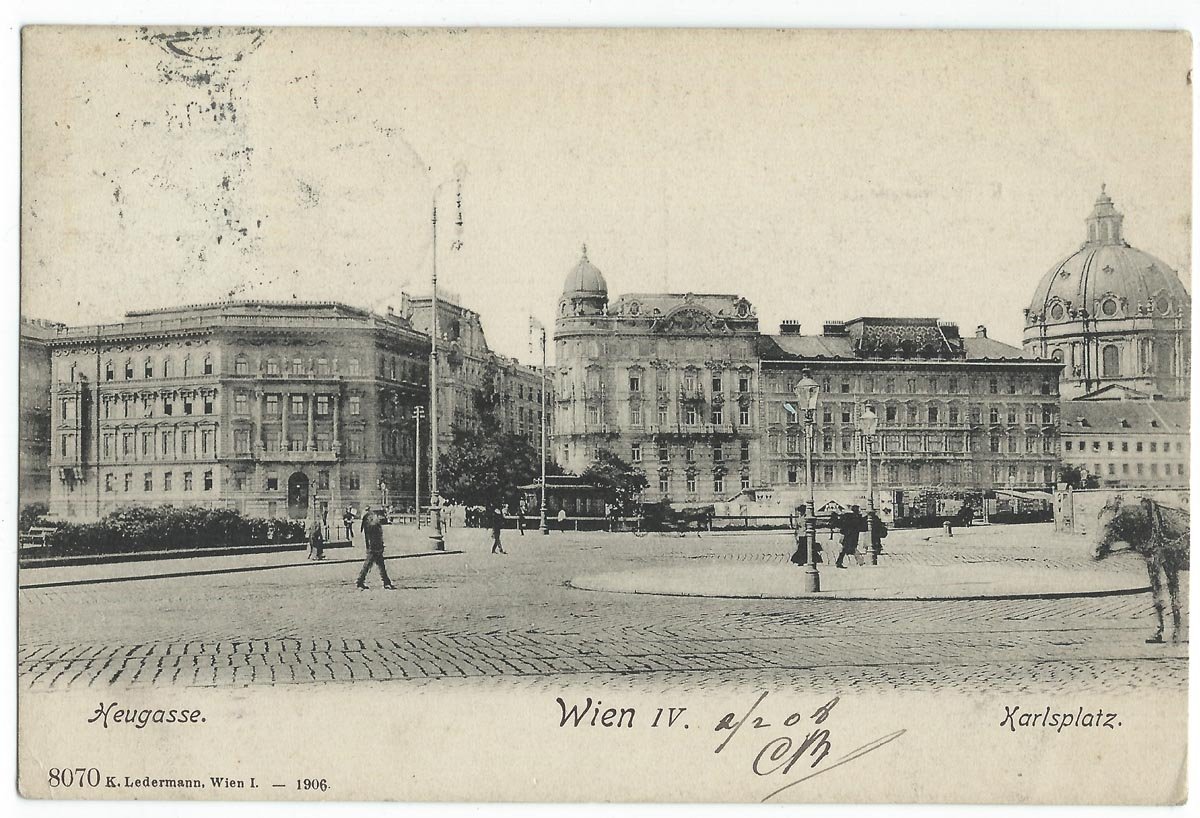
- Karlskirche: Baroque masterpiece, 7 minutes’ walk west.
- Stadtpark: Green oasis with famous sculptures, a short stroll away (Time Out Vienna).
Visitor Experience and Tips
- Atmosphere: The square balances lively daytime activity with tranquil evenings. The illuminated fountain and monuments create a magical nighttime scene.
- Best Times to Visit: Early morning or evening for photography and fewer crowds. The Hochstrahlbrunnen is particularly beautiful after dark.
- Dining: Nearby, find historic cafés such as Café Schwarzenberg, and a variety of restaurants and bars. Street food stands set up during events.
- Facilities: Public restrooms at U-Bahn stations, benches, and free Wi-Fi in many areas.
- Etiquette: Respectful behavior is expected, especially at memorials. English is widely spoken, but basic German greetings are appreciated (The Vienna Blog, Insight Cities).
Seasonal Considerations
- Summer: Warm, lively, with open-air seating and events (Visiting Vienna).
- Winter: Cold, sometimes snowy, but the illuminated square is enchanting.
- Spring/Autumn: Mild, with fewer tourists—a great time for a relaxed visit.
Frequently Asked Questions (FAQ)
Q: Are there entrance fees or tickets for Schwarzenbergplatz?
A: No, the square is open to the public and free to visit at any time.
Q: What are the visiting hours?
A: Schwarzenbergplatz is accessible 24 hours a day.
Q: How do I get there by public transport?
A: Use the U-Bahn (U1, U2, U4 at Karlsplatz) or tram lines D, 2, and 71.
Q: Is Schwarzenbergplatz wheelchair accessible?
A: Yes, with smooth pavements and accessible public transport nearby.
Q: Are guided tours available?
A: Yes, many Vienna walking and architectural tours include Schwarzenbergplatz; check with local operators.
Q: Where can I find restrooms or Wi-Fi?
A: Public restrooms are at U-Bahn stations; Wi-Fi is available in many central areas.
Listen to the full story in the app
Your Personal Curator, in Your Pocket.
Audio guides for 1,100+ cities across 96 countries. History, stories, and local insight — offline ready.
Audiala App
Available on iOS & Android
Join 50k+ Curators
Sources
- verified
- verified
- verified
- verified
- verified
- verified
- verified
- verified
- verified
- verified
- verified
Last reviewed: