Introduction
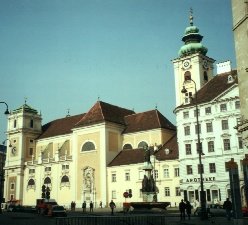
Situated in Vienna’s historic Innere Stadt, Schottenkirche (Scots Church) is a testament to centuries of religious, cultural, and architectural evolution. Established in the 12th century by Irish Benedictine monks—invited by Duke Heinrich II Jasomirgott—the church and its adjoining Schottenstift Abbey reflect Vienna’s enduring spiritual traditions and artistic heritage (Schottenstift official website). Over time, its architecture has transitioned from Romanesque to Gothic, Baroque, and Neo-Renaissance, encapsulating the city’s layered history (Vienna Unwrapped; Wikipedia).
Schottenkirche remains a living center of worship, education, and culture. Visitors enjoy its frescoed ceilings, gilded altars, stained glass, and a vibrant calendar of concerts and events, all set within the lively Freyung square and near other major Viennese landmarks (Christianedirectory; Delve Into Europe; Visiting Vienna). This guide offers everything you need for a meaningful visit, including up-to-date information on hours, ticketing, accessibility, and travel tips.
Photo Gallery
Explore Schottenkirche in Pictures
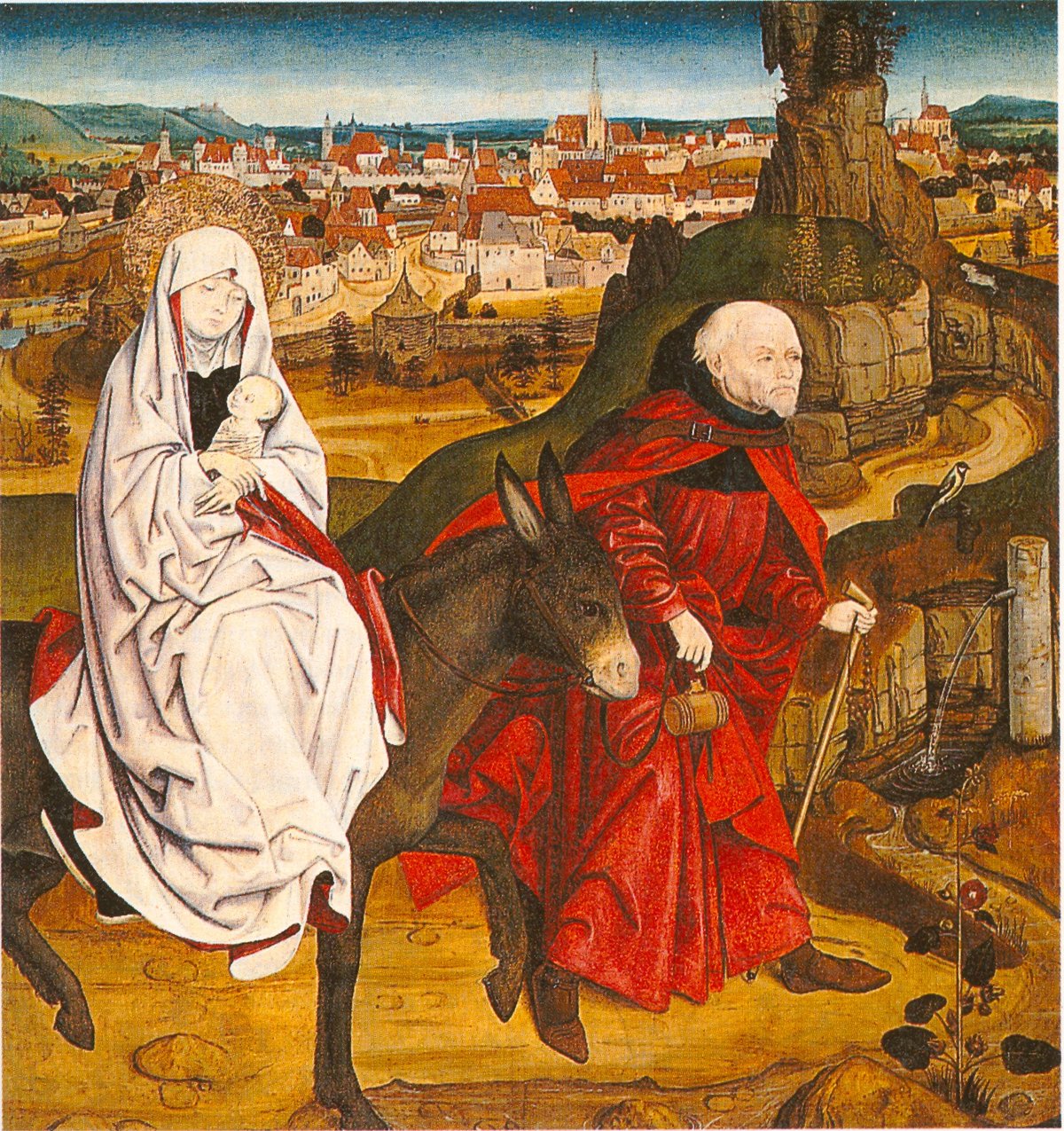
Historical painting showing the Holy Family's escape to Egypt with the cityscape of Vienna in the background, located in Schottenstift, Vienna.
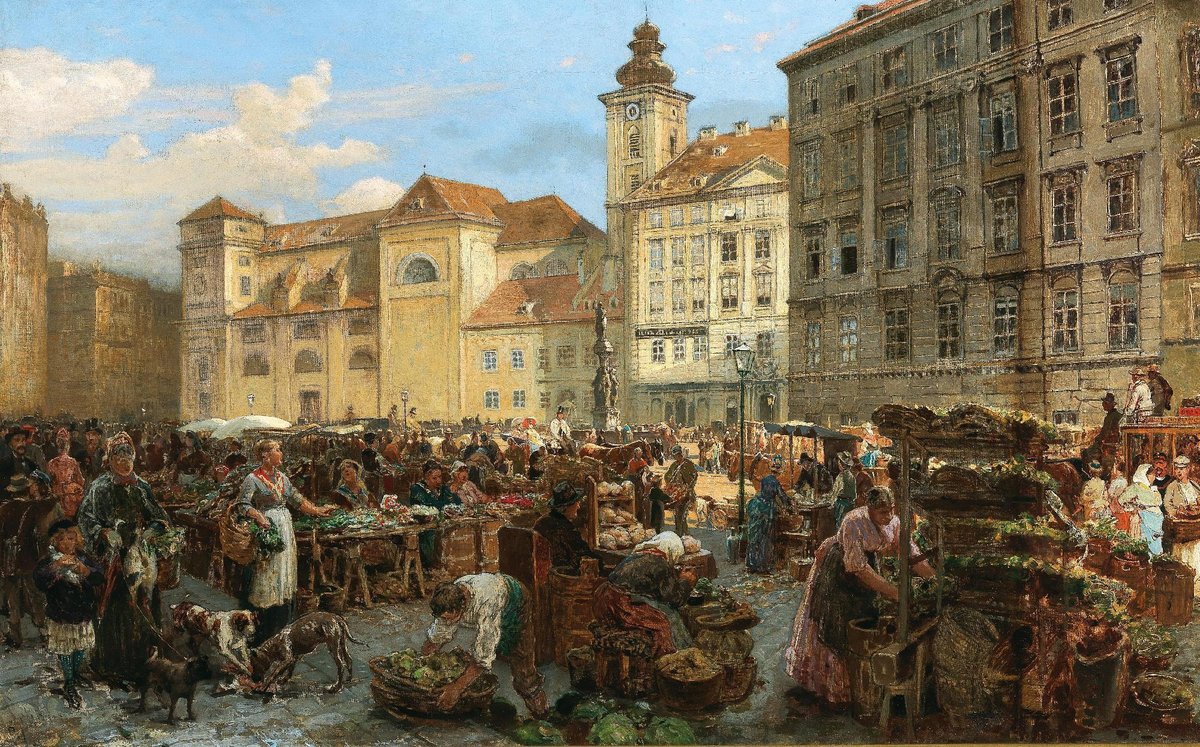
Scenic view of the market on Freyung square in Vienna, painted by Alois Schönn, showcasing historic architecture and lively street market.
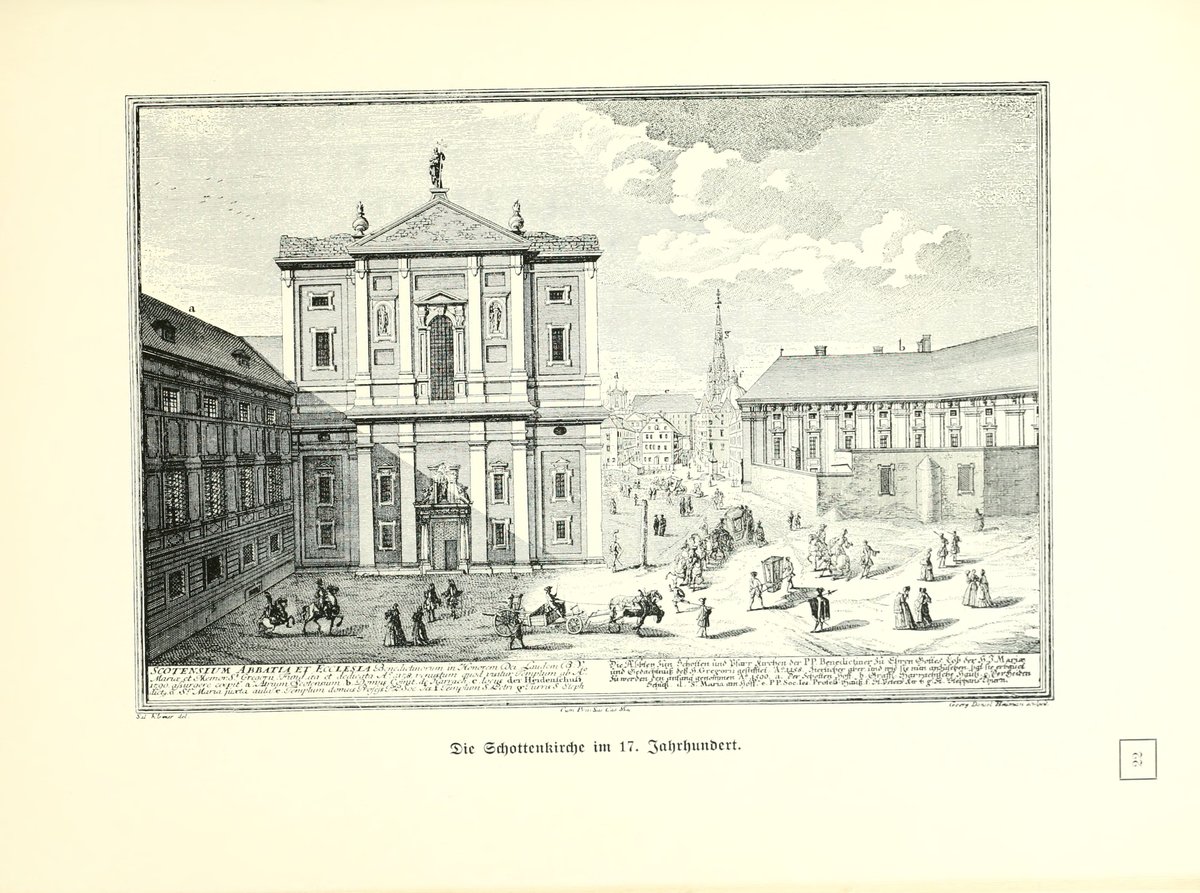
Altwiener Bilderbuch vintage book featuring seventy-two historical views of Vienna based on old engravings, introduced by Christine Touaillon
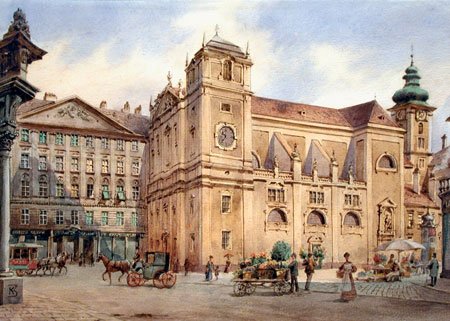
Watercolor painting depicting flower stalls at the Freyung square with a view of the Schottenstift and Schottenkirche. Signed monogram, size 17.5 by 24.5 cm.
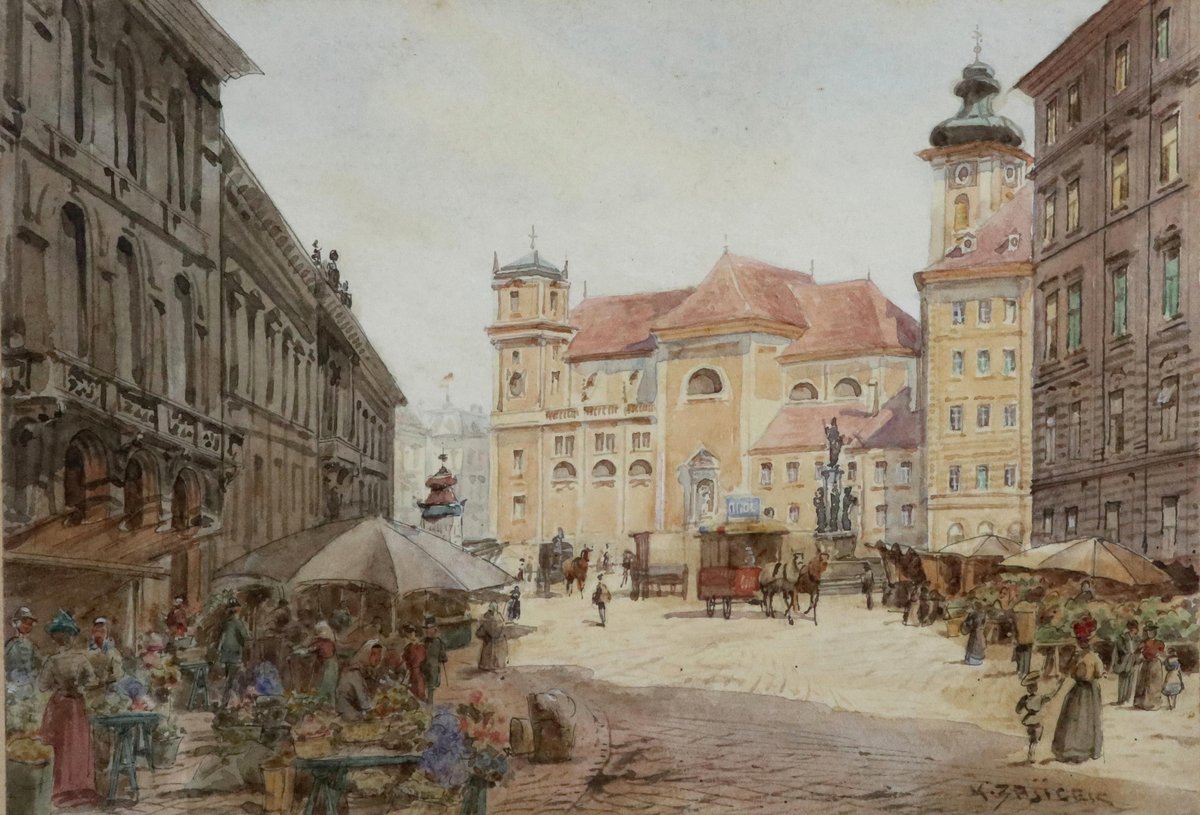
Watercolor painting of Schottenkirche viewed from Freyung in Vienna by Carl Wenzel Zajicek, signed bottom right, approximately 11 x 16 cm
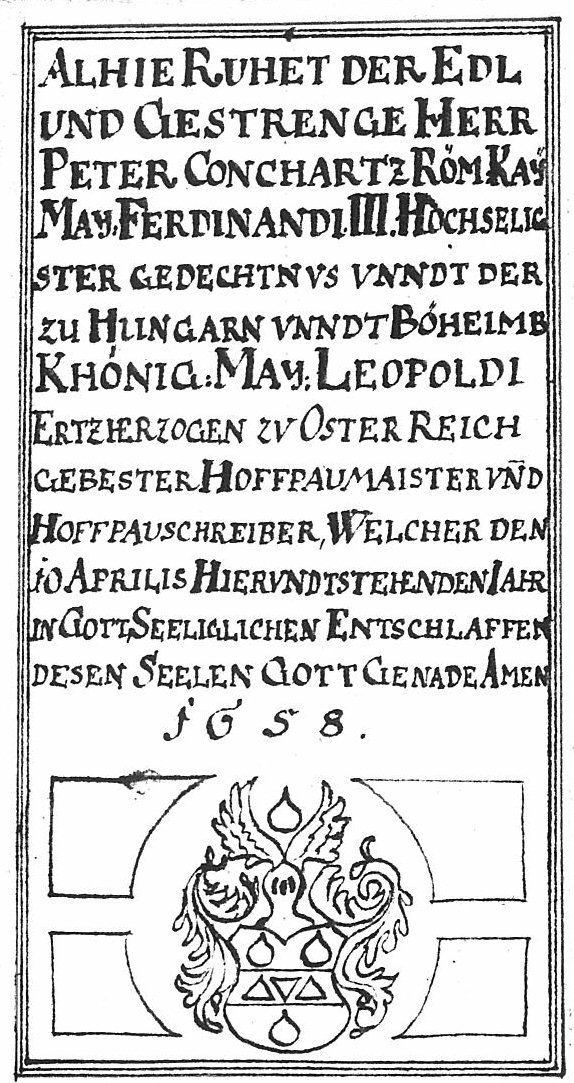
Detailed drawing of the no longer preserved epitaph of Peter Concorz located in the Schottenkirche church in Vienna.
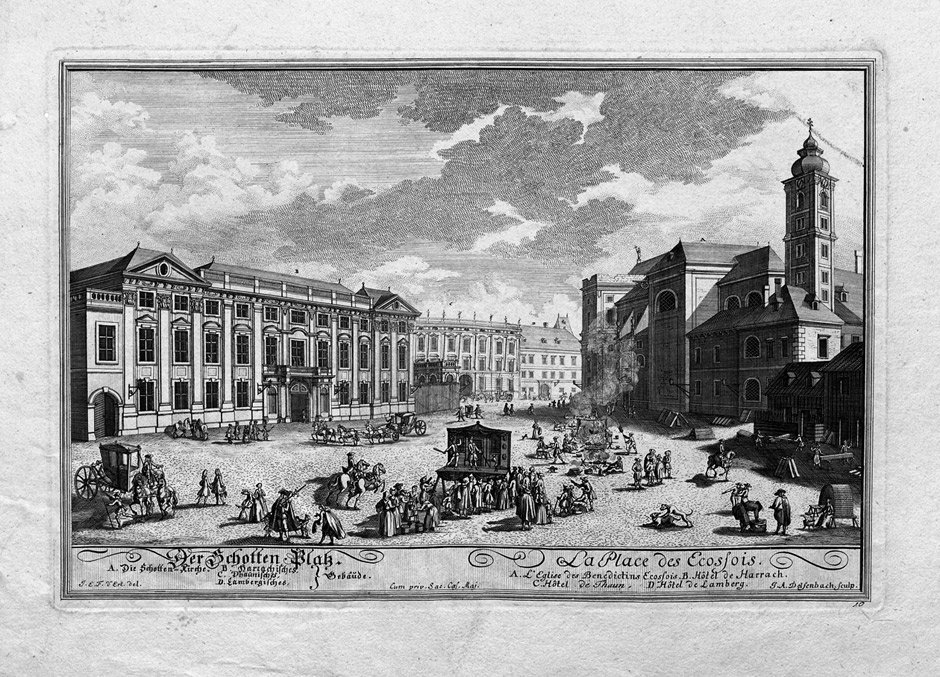
Engraving depicting various buildings in Vienna at Schottenplatz based on designs by Johann Bernhard Fischer von Erlach, engraved by Johann Adam Delsenbach around 1740.

A snowy winter depiction of Freyung square featuring the south side of Schottenkirche, signed by Erwin Pendl, 21 x 30 cm.
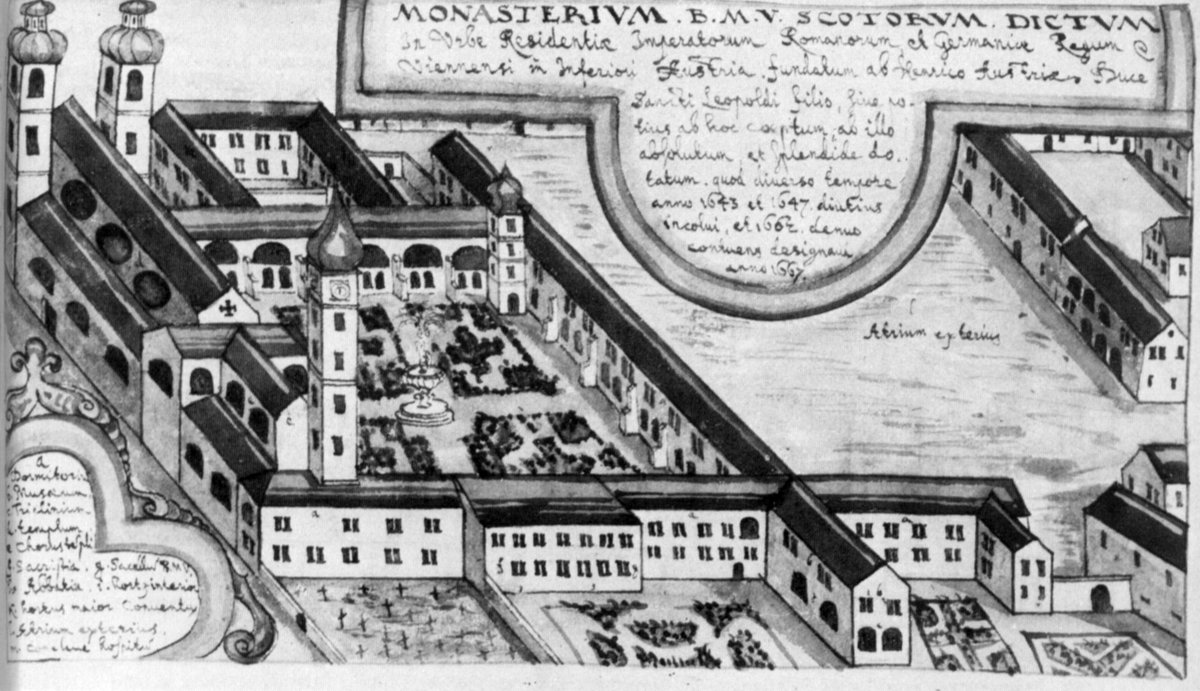
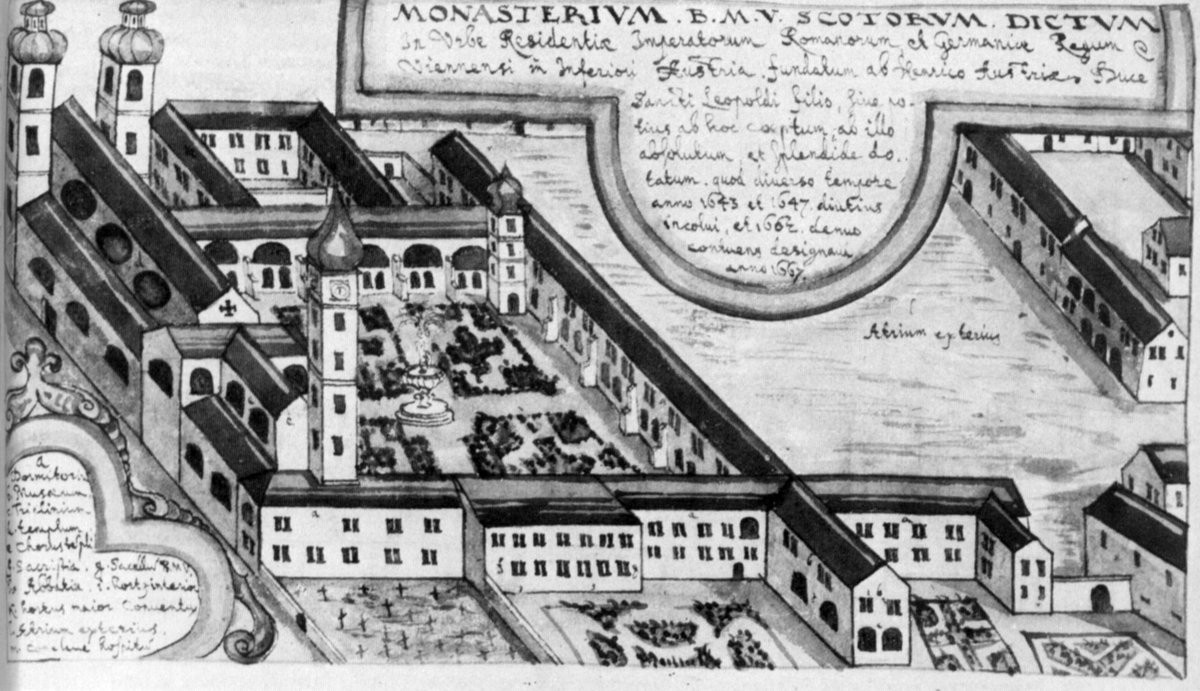
Historical illustration of Wien Schottenabtei (Schottenstift) from the year 1667, sourced from Württembergische Landesbibliothek manuscript HB V 15a fol 316v.
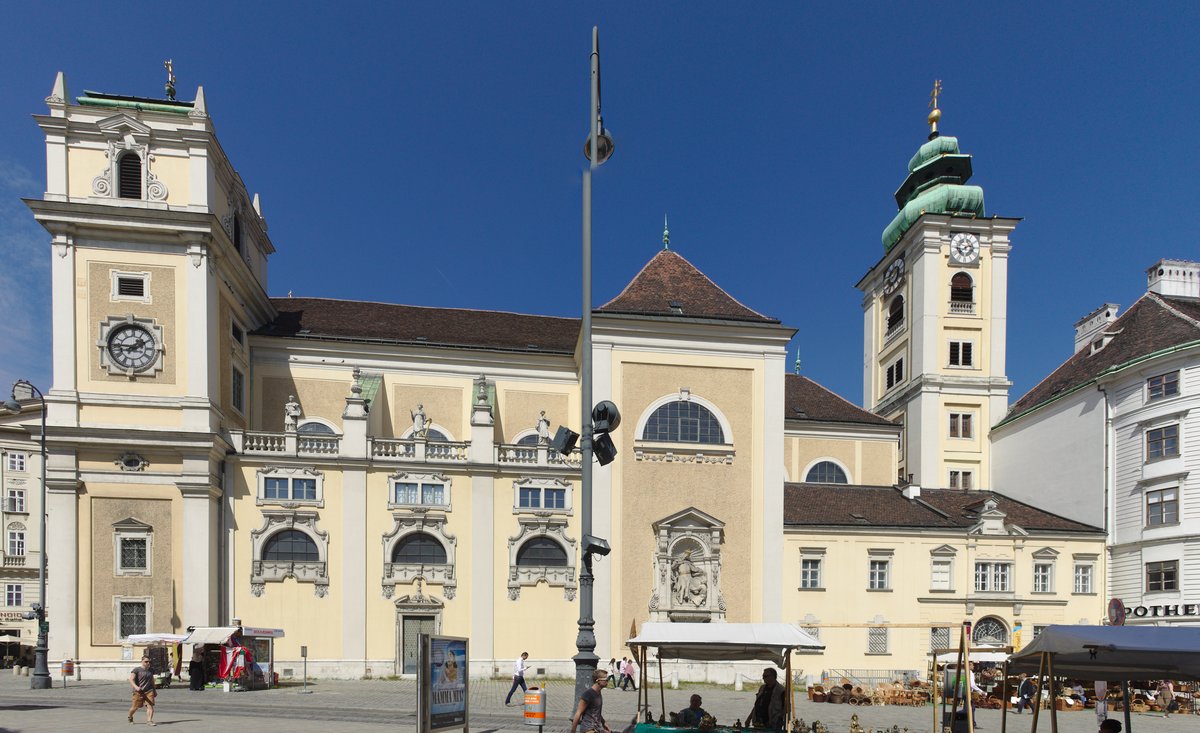
Panoramic aerial image showing the entire Schottenstift complex along with the parish and monastery church in Vienna, highlighting the historical architecture and surrounding buildings.
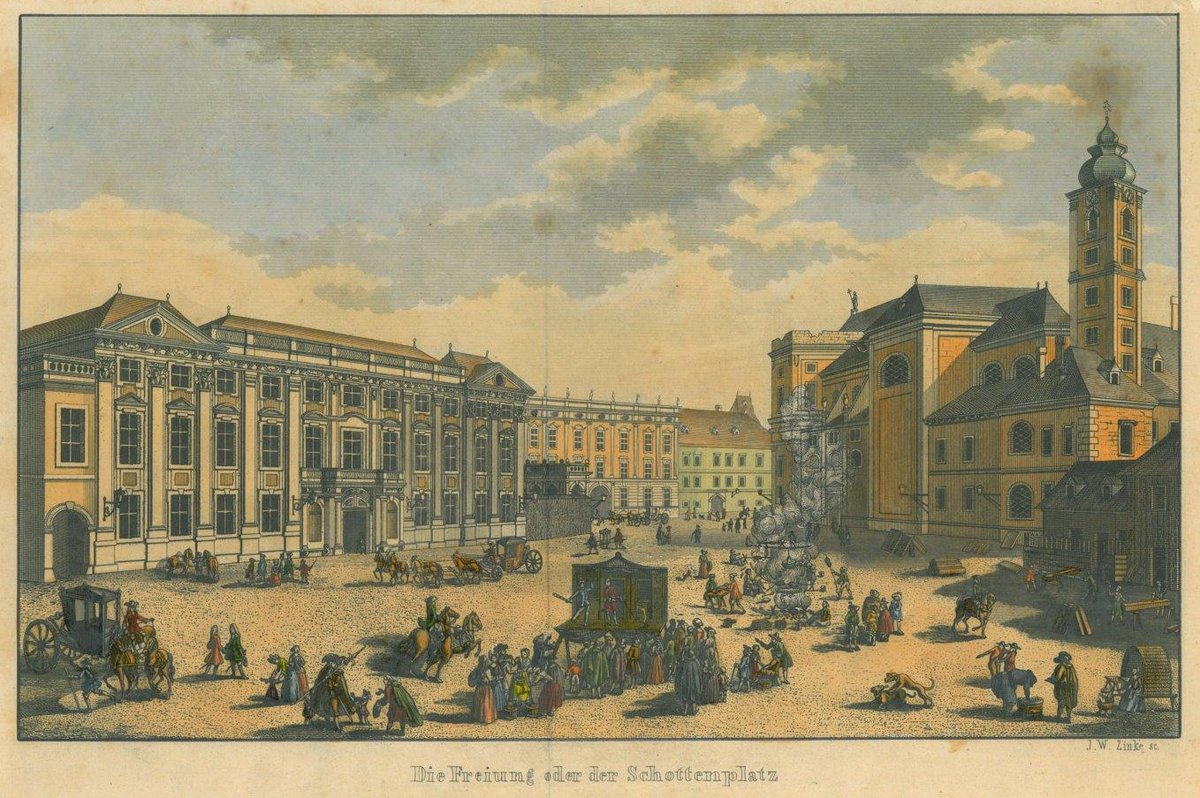
Colorized copper engraving depicting the Die Freyung or Schottenplatz area in Vienna, created by J.W. Zinke in 1854 based on a 1740 original by Johann Adam Delsenbach.
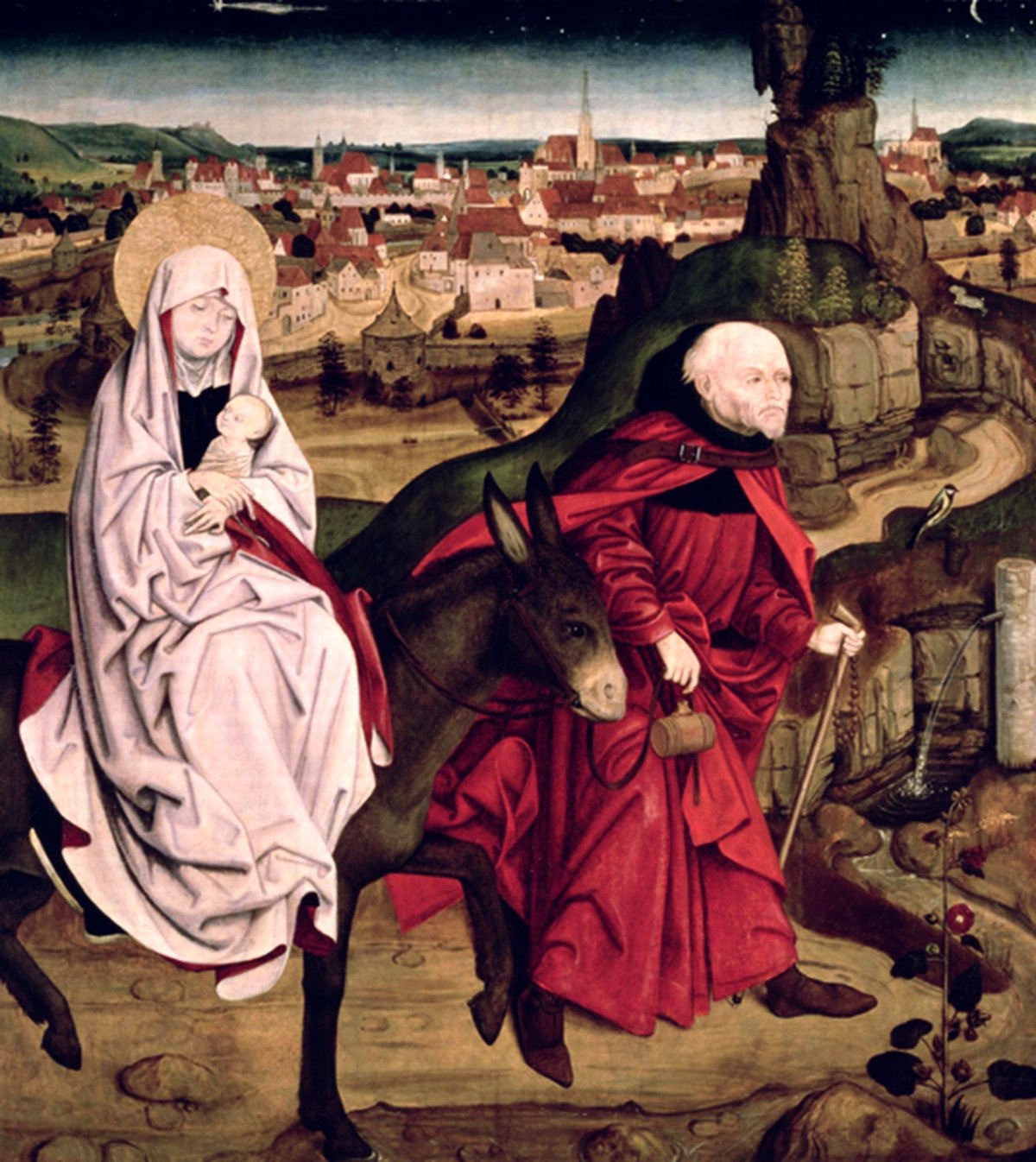
The Flight into Egypt scene from the Schotten Altarpiece, illustrating the biblical event with Mary, Joseph, and baby Jesus escaping to Egypt.
Foundation and Early History
Founded in the 12th century, Schottenkirche was established as part of the Schottenstift by Irish Benedictine monks—“Schotten” or “scoti”—to bolster Christianity in Central Europe (Schottenstift official website; Christianedirectory). Duke Heinrich II Jasomirgott’s patronage led to the creation of a monastic hub that produced religious manuscripts and educated future leaders (Visiting Vienna).
Architectural Evolution
Initially built as a Romanesque basilica, Schottenkirche underwent significant transformations:
- Gothic Rebuilding after a 1276 fire and the 1443 earthquake, introducing pointed arches and a new choir.
- Baroque Renovation in the 17th century (after a lightning-induced tower collapse), led by Andrea Allio the Elder & Younger and Silvestro Carlone, adding ornate interior decoration and a distinctive pink side façade (Vienna Unwrapped).
- Neo-Renaissance Restoration (1883–1887), led by Abbot Ernest Hauswirth, unified earlier styles and restored the church’s grandeur (de.wikipedia.org).
Cultural and Religious Significance
Schottenkirche has served as a center for monastic education, art, and worship for centuries. It continues to be a vibrant spiritual hub, hosting daily masses, religious festivals, and classical concerts (Christianedirectory).
Architectural Features
Exterior Architecture
- Facade and Towers: The church’s Baroque facade dominates Freyung square, with intricate sculptures and restrained towers—a result of repeated reconstruction after disasters. Unrealized proposals aimed to heighten the towers, but their modest height remains a signature feature (wanderineurope.com).
- Urban Context: Surrounded by 18th-century urban design and featured in old city paintings, Schottenkirche is an architectural anchor for Freyung and nearby landmarks (wanderineurope.com).
Interior Design and Artistic Elements
- Nave and Vaulting: The church’s barrel-vaulted ceiling and harmonious blend of Neo-Baroque and Neo-Renaissance elements create a sense of verticality and grandeur (de.wikipedia.org).
- Altars and Mosaics: The high altar, designed by Heinrich Ferstel with a Virgin Mary mosaic by Michael Rieser, stands out. While most Baroque altars were replaced in the 19th century, the Benediktus and Gregorius altars preserve earlier styles (wanderineurope.com).
- Frescoes and Stucco: Julius Schmid’s 19th-century ceiling frescoes and elaborate stucco work enhance the interior’s visual richness (wanderineurope.com).
- Romanesque and Gothic Remnants: The Finstere Sakristei (Dark Sacristy) and Romanesque Chapel retain elements from the original church, including Vienna’s oldest Marian statue (ca. 1250). The choir’s Gothic features remain from post-fire and earthquake reconstructions (de.wikipedia.org).
Crypt and Funerary Art
The crypt contains the Neo-Romanesque sarcophagus of Heinrich II Jasomirgott (1901) and the epitaph of Ernst Rüdiger von Starhemberg, a hero of Vienna’s defense against the Turks (de.wikipedia.org).
Lighting and Acoustics
Abundant natural light, stained glass, and excellent acoustics make Schottenkirche a premier venue for concerts and spiritual reflection (delveintoeurope.com).
Visitor Information
Visiting Hours
- Monday–Saturday: 9:00 AM–6:00 PM
- Sunday & Public Holidays: 9:00 AM–7:00 PM
- Note: Hours may vary on religious holidays and during special events; always check the official website before your visit.
Tickets and Admission
- Church Entry: Free (donations appreciated)
- Guided Tours: Available for a fee; book onsite or online via the Schottenstift website.
- Schottenstift Museum: €8 for adults; free with Vienna Pass (Visiting Vienna).
Accessibility
- Wheelchair Access: Ramps at the main entrance; accessible restrooms available.
- Mobility Assistance: Contact in advance for specific needs.
How to Reach Schottenkirche
- Subway: U3 (Herrengasse), U2 (Schottentor)
- Tram: Lines stopping at Schottentor
- Bus: 13A to Schottentor
- Walking: Easily accessible from Graben, Herrengasse, and other central locations (Evendo).
Travel Tips
- Visit early morning or late afternoon for fewer crowds.
- Photography is allowed (no flash/tripods); refrain during services.
- Combine your visit with Freyung market, Hofburg Palace, or Vienna City Hall.
Artistic and Musical Heritage
Schottenkirche hosts regular classical concerts, including performances by the Wiener Franz Liszt Society. The acoustics and Baroque organ make it a venue of choice for music lovers (Vienna Unwrapped).
The Schottenstift Museum
Located adjacent to the church, the Schottenstift Museum features religious art, manuscripts, and monastic artifacts. Entry is €8 for adults (free with Vienna Pass). The museum deepens understanding of the abbey’s historical and cultural role (Visiting Vienna).
Visitor Amenities and Surroundings
Freyung square is surrounded by cafés, restaurants, and boutique shops, creating a charming setting for relaxation before or after your visit (Evendo). Public restrooms are available nearby.
Etiquette and Local Customs
- Maintain silence inside, especially during services
- Dress modestly (shoulders/knees covered)
- Use polite German greetings (“Guten Tag”, “Danke”) (The Invisible Tourist)
- Observe signage regarding photography (The Vienna Blog)
Practical Tips for a Smooth Visit
- Double-check opening hours before arrival
- Plan your itinerary to include nearby attractions
- Keep an eye on personal belongings in busy areas (The Vienna Blog)
- Guided tours provide deeper historical insights
FAQ
Q: What are the visiting hours of Schottenkirche?
A: Monday–Saturday 9:00 AM–6:00 PM; Sunday/Public Holidays 9:00 AM–7:00 PM. Check for changes on holidays.
Q: Is admission free?
A: Yes, entry is free; donations are welcome. Museum and guided tours have a fee.
Q: Is the church wheelchair accessible?
A: Yes, with ramps and accessible restrooms.
Q: Are guided tours available?
A: Yes, book via the official site or onsite.
Q: Can I take photographs inside?
A: Yes, without flash and outside of services.
Visuals and Media
- [Insert high-quality images of the Schottenkirche’s facade, interior frescoes, high altar, and crypt with descriptive alt tags]
- [Embed an interactive map pinpointing the church’s location]
- [Link to virtual tour or official video if available]
Internal and External Links
- Top Historical Sites to Visit in Vienna
- Guide to Vienna’s Baroque Architecture
- Official Schottenstift Website
- Vienna Tourism Board
Discover More
For the latest updates on Schottenkirche’s hours, events, and tours, download the Audiala app. Follow us on social media for exclusive tips and insights, and explore our related articles to make your Vienna journey unforgettable.
Listen to the full story in the app
Your Personal Curator, in Your Pocket.
Audio guides for 1,100+ cities across 96 countries. History, stories, and local insight — offline ready.
Audiala App
Available on iOS & Android
Join 50k+ Curators
Sources
- verified
- verified
- verified
- verified
- verified
- verified
- verified
- verified
- verified
- verified
Last reviewed: