Introduction to Schloss Neuwaldegg
Schloss Neuwaldegg is an elegant Baroque palace located at the edge of the Vienna Woods in the 17th district (Hernals) of Vienna. Designed in the late 17th century by Johann Bernhard Fischer von Erlach, the palace and its surrounding English landscape gardens offer a harmonious retreat from the city’s bustle, steeped in centuries of aristocratic history, architectural refinement, and natural beauty. Today, visitors are drawn not only by its historical significance but also by its tranquil parklands, panoramic views, and seasonal cultural events. This guide provides detailed information about Schloss Neuwaldegg’s history, architecture, how to visit, ticket details, accessibility, and recommended activities for an enriching experience (Planet Vienna, PR-Arch, The Vienna Review).
Photo Gallery
Explore Schloss Neuwaldegg in Pictures

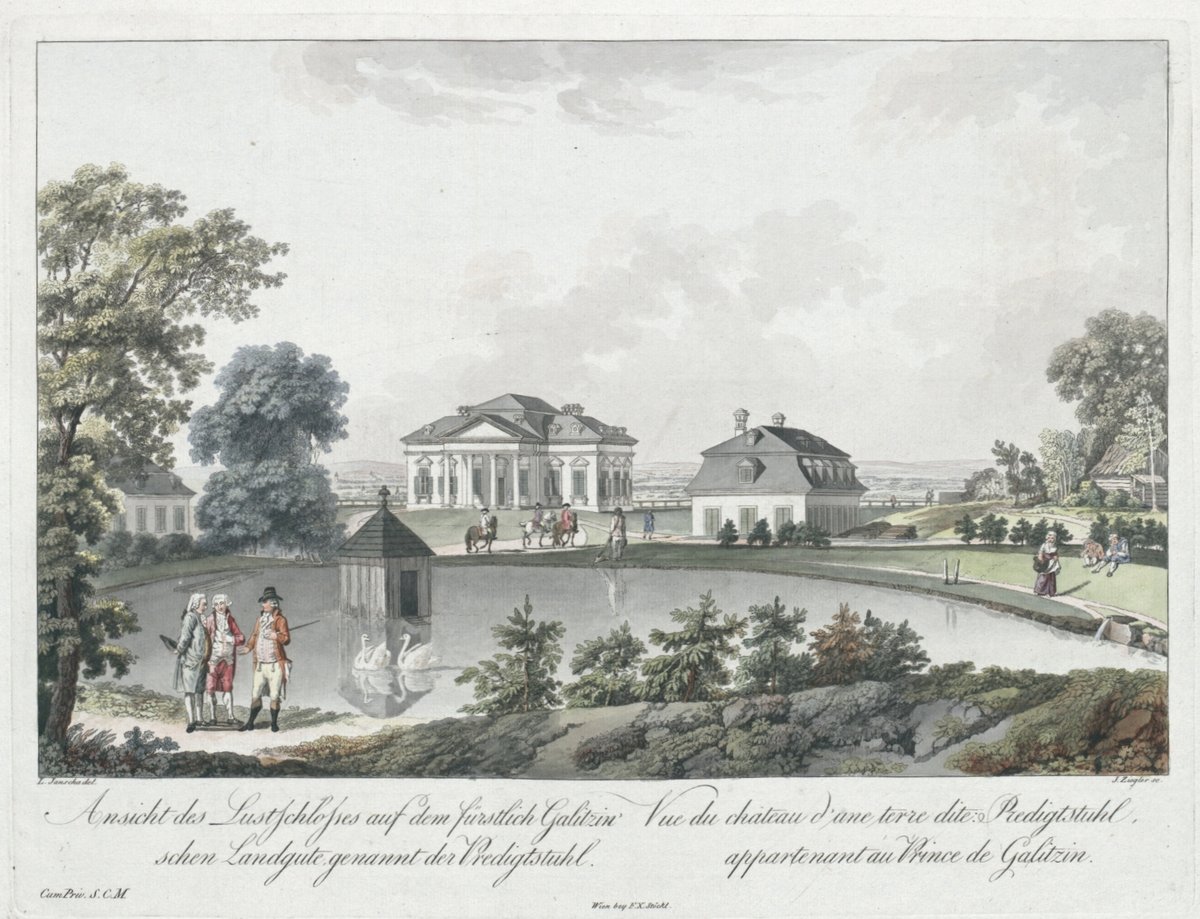
Print showing the third view of Neu-Waldeck Park taken from the Chinese Pavilion towards the West, part of the Views of the Park and Gardens of Marshal Count de Lacy at Neu-waldegg, by Jakob Matthias Schmutzer and others, from the MET collection.

View of Schloss Neuwaldegg, a baroque palace and historic site located in Vienna, Austria, surrounded by lush greenery.

An 18th century allegorical statue symbolizing Africa, located in the Neuwaldegg castle park, originally from Cítoliby, Bohemia.

Allegory of Africa statue from the 18th century displayed in the castle park of Neuwaldegg, originally from the castle park in Cítoliby, Bohemia, showcasing historical art and cultural heritage.

Allegory of America statue from the 18th century located in the castle park of Neuwaldegg, originally from the castle park in Cítoliby, Bohemia

Allegory of Asia statue from the 18th century located in the castle park in Neuwaldegg, originally from the castle park in Cítoliby, Bohemia, showcasing historic European garden sculpture art.

Allegory of Asia statue from the 18th century located in the Neuwaldegg castle park, originally from the Cítoliby castle park in Bohemia

The 18th century allegory of Europe statue located in the Neuwaldegg castle park, originally from the castle park in Cítoliby, Bohemia, showcasing historical European art.

Two 18th century Putti statues located in the castle park of Neuwaldegg, originally from the castle park in Cítoliby in Bohemia

Putti statue from the 18th century located in the castle park in Neuwaldegg, originally from the castle park in Cítoliby, Bohemia.

Dwarf statue from the 18th century located in the castle park in Neuwaldegg, originally from the castle park in Cítoliby, Bohemia.

Panoramic view of Neuwaldegg Castle featuring historic statues originally located in the castle garden in Cítolib.
Origins and Early Ownership
Schloss Neuwaldegg, originally called Gartenpalais Strattmann, was constructed in 1697 for Theodor Graf Strattmann on land inherited by his wife, Maria Margareta Gräfin von Abensberg-Traun. The palace’s Baroque design, characterized by its cross-oval axis and flat roof, was the work of Fischer von Erlach, one of Austria’s leading architects (Planet Vienna).
18th Century Transformations
Ownership passed to Johann Karl Bartolotti in 1708, who updated the palace’s roof, giving it the ornate silhouette seen today. In 1765, Field Marshal Franz Moritz Graf von Lacy transformed the formal Baroque gardens into one of Austria’s earliest English-style landscape parks, a celebrated innovation in the Habsburg Empire (Planet Vienna).
19th Century: Schwarzenberg Family Stewardship
After von Lacy’s death in 1801, the Schwarzenberg family inherited the estate and reinforced its role as a social and cultural hub for Vienna’s aristocracy. The palace was renowned for hosting intellectual and artistic gatherings during this period (Planet Vienna).
20th & 21st Centuries: Institutional Use and Modern Restoration
In 1952, the Archdiocese of Vienna acquired Schloss Neuwaldegg, and it was later purchased by the Educational Initiative for Central and Eastern Europe (EICEE) in 2002. The new owners undertook comprehensive renovations, preserving historic features and adapting the estate for conferences, cultural events, and educational retreats (Planet Vienna, eicee.org).
Architectural and Artistic Highlights
The palace’s stately Baroque façade, designed by Fischer von Erlach, features refined symmetry and sculpted stucco work. Inside, the grand ballroom and the Fresco Room (formerly the Mirror Room) have been restored to their 18th-century splendor, with crystal chandeliers, star parquet floors, and vibrant frescos. Ancillary buildings—including the Badhaus, Porter House, and stables—reflect the cosmopolitan influences of past owners (PR-Arch, eicee.org).
The Gardens and Parklands
Schloss Neuwaldegg is surrounded by an English landscape garden, established under Graf von Lacy’s direction. The park’s 80 hectares combine geometric paths, sculpted hedges, ornamental ponds, and statues with natural woodland, blending seamlessly into the Vienna Woods. Schwarzenbergpark, once part of the palace grounds, is now a public park and a favorite destination for walkers, cyclists, and families (PR-Arch, The Vienna Review).
Notable features:
- Schwarzenbergallee: A majestic 2.2 km tree-lined avenue.
- Lacy’s Tomb: The mausoleum of Field Marshal von Lacy, nestled in beech woods.
- Remnants of the Hameau: Thatched chalets built for palace guests.
- Classical statues and water features: Scattered throughout the park, echoing its aristocratic past.
Visiting Schloss Neuwaldegg: Practical Information
Location & Getting There
- Address: Waldegghofgasse 3, 1170 Vienna, Austria
- Public Transport: Tram line 43 from Schottentor (city center) to "Neuwaldegg" terminus; a short walk to the palace. Local buses and Wiener Linien offer additional options.
- By Car: Limited street parking—use public transport or Park & Ride facilities where possible (The Vienna Review).
Visiting Hours & Access
- Palace Interiors: Not open for daily sightseeing; accessible only during special public events, private functions, or by arrangement. Check the official website for event schedules.
- Schwarzenbergpark: Open year-round; accessible daily during daylight hours.
Tickets & Entry
- Schwarzenbergpark: Free entry; no tickets required.
- Palace Events: Tickets required for public events; prices vary depending on the event and must be booked via organizers or the palace management.
- Guided Tours: Offered occasionally during public open days or by special arrangement (Kultur.net).
Facilities
- Restrooms/Cafés: None on-site. Nearby Hernals district offers restaurants and cafés.
- Accessibility: Main park avenues are flat and accessible for wheelchairs and strollers; woodland trails may be uneven.
- Parking: Limited; use public transport when possible.
Recommended Activities
- Walking & Hiking: Extensive trails through the Vienna Woods begin at Schloss Neuwaldegg.
- Picnicking: Open lawns and shaded glades provide perfect picnic spots—bring your own supplies.
- Photography: Baroque architecture and garden vistas are especially photogenic in spring and autumn.
- Birdwatching & Nature: The park’s diverse habitats attract many bird species and wildlife.
- Attend Events: Experience the palace interior and cultural life during concerts, art exhibitions, or festivals (check Kultur.net for upcoming listings).
Seasonal Tips
- Spring: Blossoming trees and wildflowers.
- Summer: Cool shaded walks and lively park atmosphere.
- Autumn: Spectacular fall colors in the woods.
- Winter: Snow transforms the park into a serene landscape; sledding is popular.
Visitor Etiquette & Safety
- Stay on marked paths to protect natural habitats.
- Respect private property and restricted areas of the palace.
- Dogs are welcome but must be leashed where required.
- Take litter home and use bicycles considerately.
Nearby Attractions
- Vienna Woods (Wienerwald): Hiking and nature exploration.
- Heurigen Wine Taverns: Local wine and Austrian cuisine in Neustift am Walde and Salmannsdorf.
- Schloß Pötzleinsdorf: Another historic palace and park within walking distance.
- Kirche am Steinhof: Iconic Art Nouveau church accessible via longer hikes.
Frequently Asked Questions (FAQ)
Q: Are there regular public visiting hours for Schloss Neuwaldegg?
A: No, the palace is open only during special events or private bookings.
Q: Is there an entrance fee for the park?
A: No, Schwarzenbergpark is free and open to the public year-round.
Q: Can I visit the palace interior?
A: Only during public events or by special arrangement.
Q: Are there restrooms or a café on site?
A: No; use facilities in nearby Hernals or local parks.
Q: What’s the best way to get there?
A: Tram line 43 from Schottentor to Neuwaldegg terminus.
Summary Table: Schloss Neuwaldegg Quick Facts
| Aspect | Details |
|---|---|
| Location | Waldegghofgasse 3, 1170 Vienna (Hernals) |
| Access | Tram 43, bus, or car (limited parking) |
| Visiting Hours | Park: open daily (daylight hours); Palace: during events only |
| Tickets | Park: free; Palace: event-specific |
| Facilities | No café/restrooms on site |
| Best Time | Late spring to early autumn |
| Nearby Attractions | Vienna Woods, Heurigen taverns, Schloß Pötzleinsdorf, Kirche am Steinhof |
Listen to the full story in the app
Your Personal Curator, in Your Pocket.
Audio guides for 1,100+ cities across 96 countries. History, stories, and local insight — offline ready.
Audiala App
Available on iOS & Android
Join 50k+ Curators
Sources
- verified
- verified
- verified
- verified
- verified
- verified
- verified
Last reviewed: