Introduction: The Ronacher Theatre at the Heart of Vienna
The Ronacher Theatre, located in Vienna’s historic first district, is a beacon of the city’s cultural and architectural grandeur. Established in 1872 as the Wiener Stadttheater, the Ronacher was designed to make theatre accessible to Vienna's burgeoning middle class, breaking away from the exclusivity of the imperial Burgtheater. After a catastrophic fire in 1884, the venue was rebuilt and reopened in 1888 under Anton Ronacher’s patronage, quickly evolving into a vibrant Varietétheater that captured the cosmopolitan spirit of late 19th-century Vienna (Kurby Blog; Vienna Ticket Office).
Over the subsequent decades, the Ronacher has been meticulously modernized while safeguarding its Neo-Baroque and neo-Renaissance features. Today, it stands at the forefront of Vienna’s musical theatre scene, hosting acclaimed productions and offering modern amenities such as accessible seating and assistive listening services. Its ideal location, just steps from iconic sites like St. Stephen’s Cathedral and the Vienna State Opera, makes it a must-see for anyone immersing themselves in Vienna’s cultural landscape (musicalvienna.at; visitingvienna.com).
This guide explores the Ronacher’s rich history, architectural highlights, visitor information (including ticketing and accessibility), nearby attractions, and practical travel tips.
Photo Gallery
Explore Ronacher in Pictures
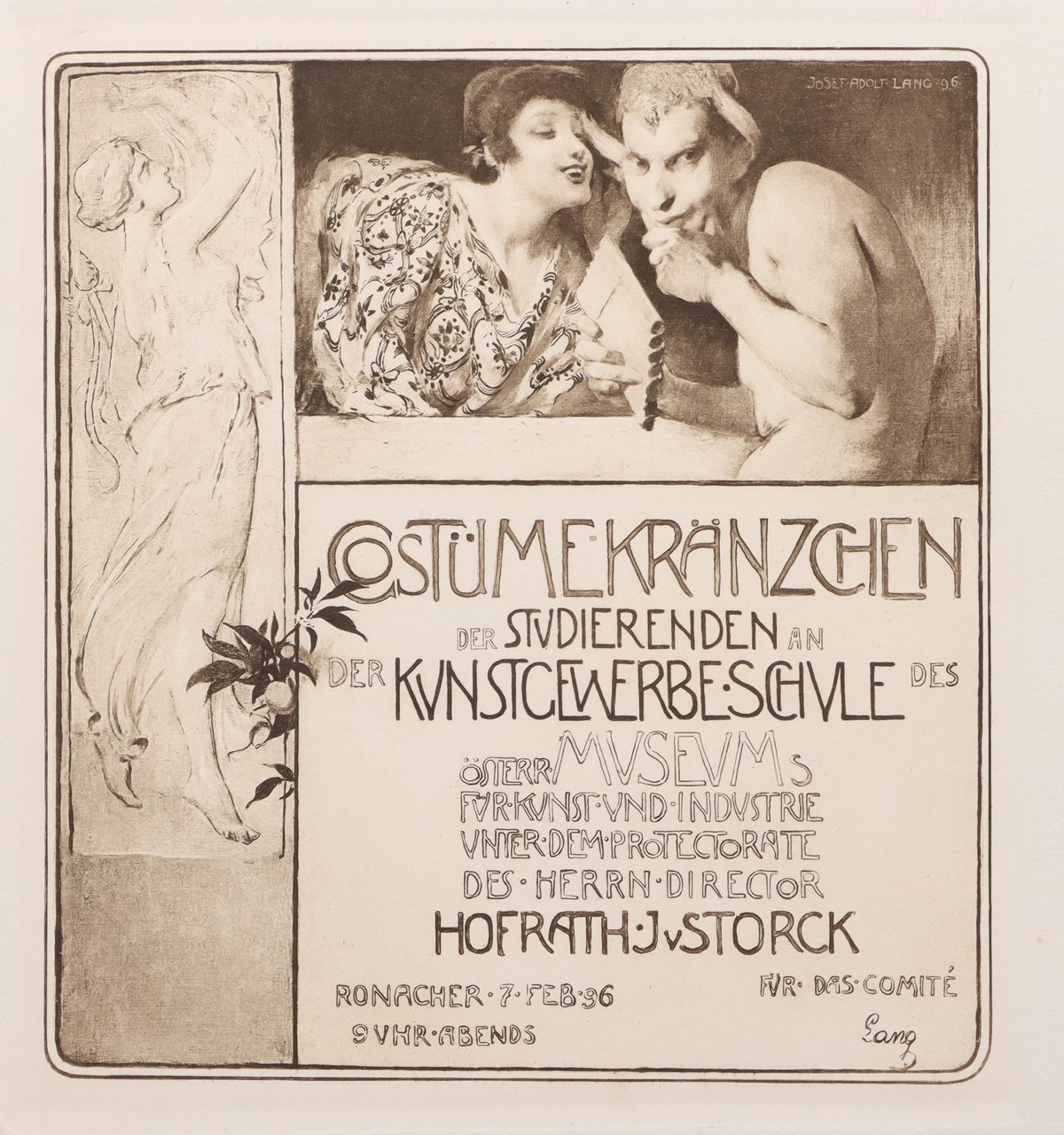
Heliogravure poster for Costümekränzchen der Studierenden at Austrian Museum of Art and Industry's Applied Arts School held on February 7, 1896 at Theatre Ronacher, Vienna. Size 29x24.5 cm.
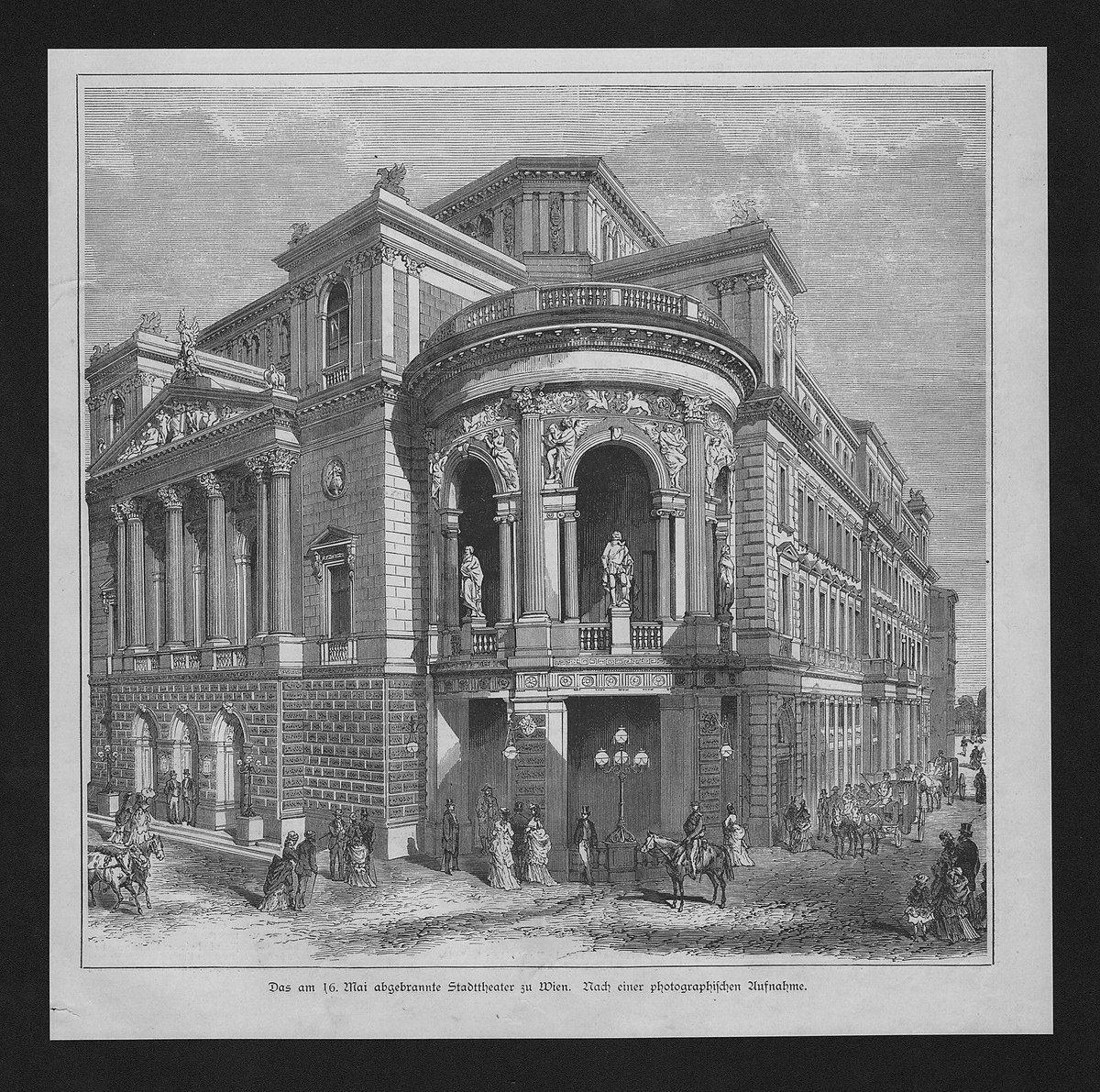
Detailed historical wood engraving depicting Vienna's Stadttheater as it appeared in 1886, showcasing ornate architectural features of the theater building.
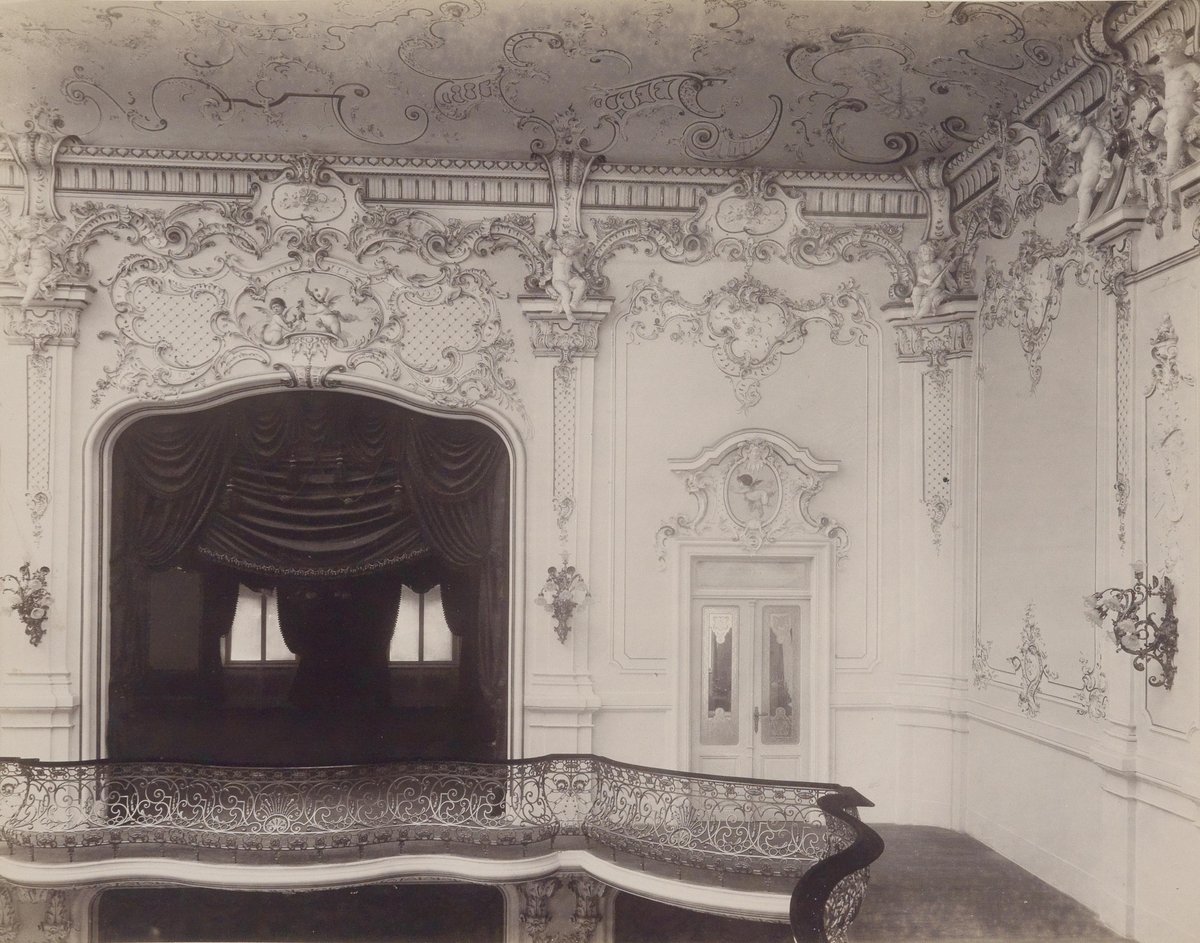
Historic image from Die Plafonds- und Wanddecorationen im Etablissement Ronacher, created by W. Buchta in Vienna, 1888. Original photographic print mounted on atelier cardboard with photographer's embossed stamp, published by Adolf Holzhausen.
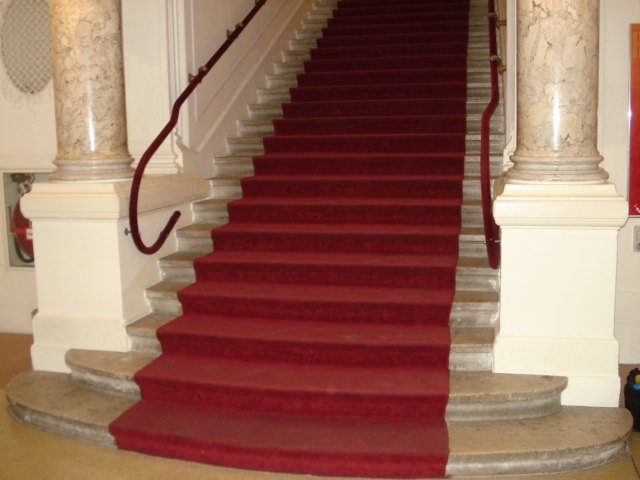
Elegant Feststiege featuring distinctive Kaiserstein steps at the historic Theater Ronacher
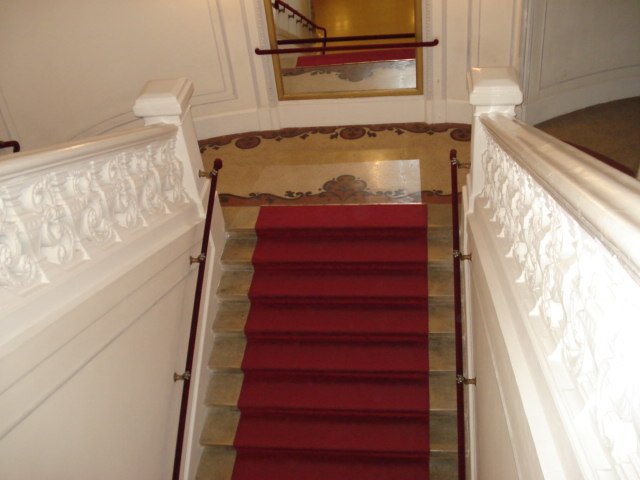
Aerial perspective of the Feststiege stairway inside the Ronacher theatre, showcasing the architectural design and ornate details from above.
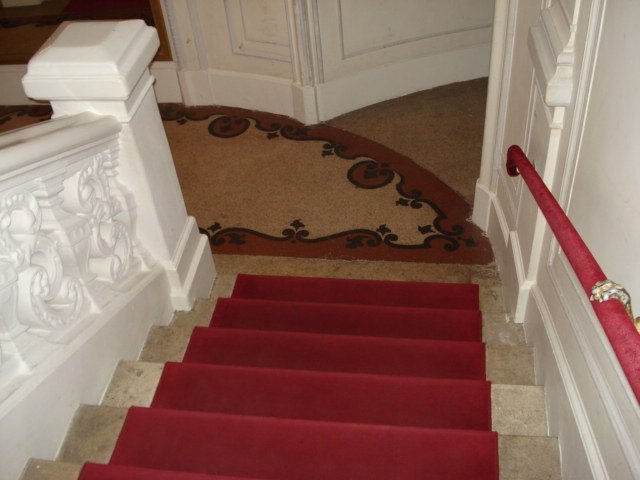
Photograph of the Ronacher theatre interior featuring the Kaiserstairs descending prominently in the scene.

The logo of Ronacher, showcasing its typographic design for branding.
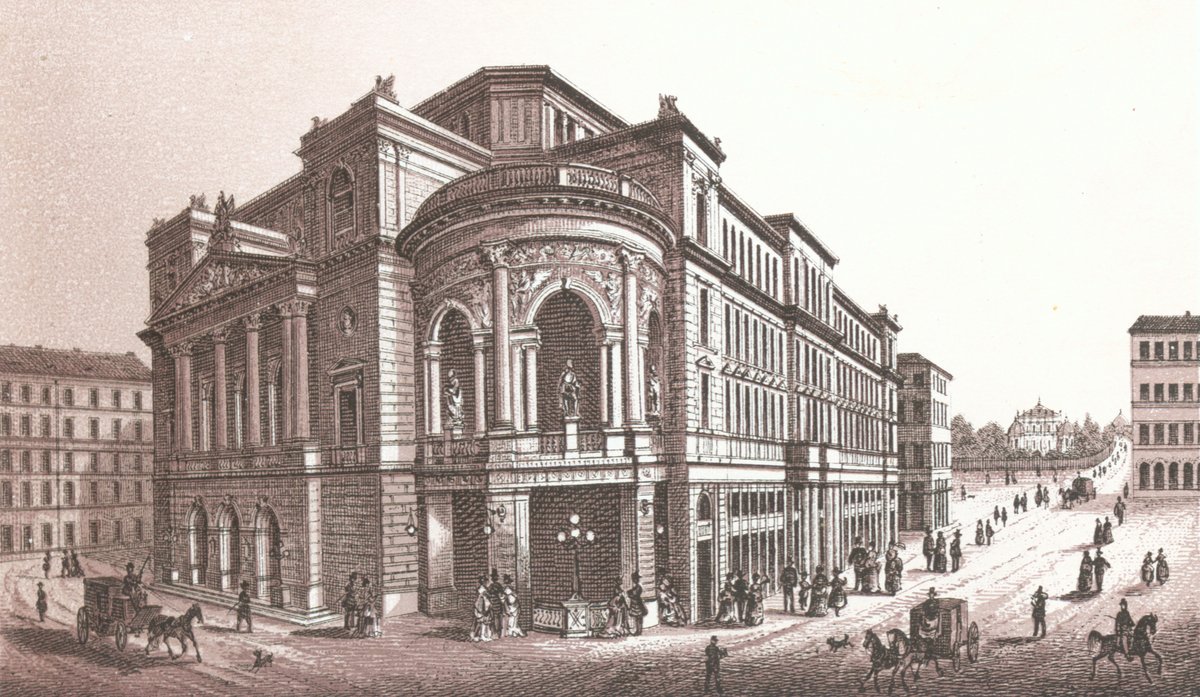
Black and white historical photo of the Wien Stadttheater in Vienna's 1st district, constructed by Ferdinand Fellner the Elder and Younger in 1871-1872, opened with Schiller's Demetrius, destroyed by fire in 1884, and later restored by Ferdinand Fellner the Younger as Ronacher.
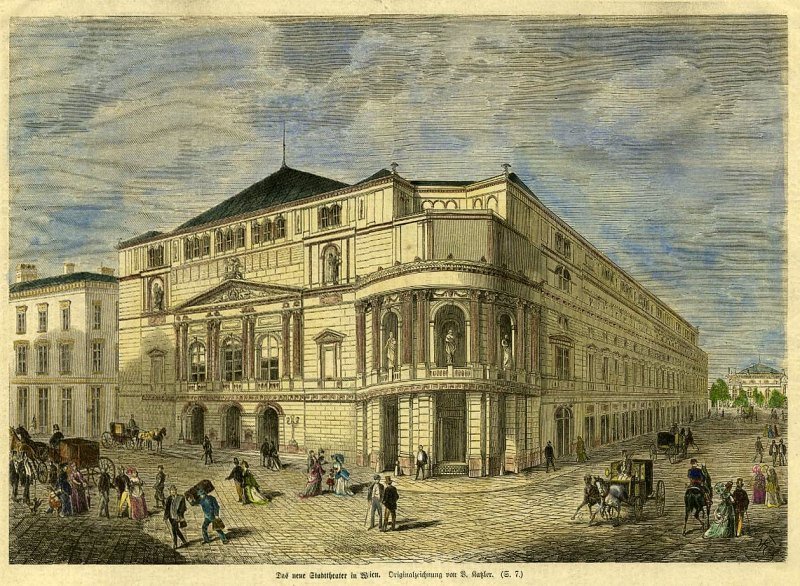
Black and white photograph of Stadttheater in Vienna taken around 1880, originally built between 1872 and 1884, later rebuilt as Etablissement Ronacher.
Historical Timeline: From Stadttheater to Modern Musical Landmark
1872–1884: Wiener Stadttheater Era
Opened as the Wiener Stadttheater, the Ronacher's original building was a product of Vienna’s cultural blossoming during the Ringstrasse era. Designed by Ferdinand Fellner the Elder, it championed accessible theatre for the middle class. Unfortunately, a fire in 1884 destroyed the original structure (Kurby Blog).
1888–1918: Rebirth as the Ronacher
Anton Ronacher rebuilt the theatre in 1888, transforming it into a Varietétheater. The new building, designed by Fellner & Helmer, incorporated electric lighting and advanced stage technology, while its grand Neo-Baroque interiors became a symbol of fin-de-siècle Vienna. The Ronacher became a hub for operettas, vaudeville, and musical revues, democratizing the city’s cultural offerings (Vienna Ticket Office).
1918–1945: Adaptation Through Turbulence
Between the world wars and during WWII, the Ronacher adapted its repertoire, hosting cabaret, dance, and cinema. Despite the challenges of war and economic hardship, it remained a vital part of Vienna’s cultural identity (Kurby Blog).
1945–2000: Postwar Renewal and Musical Theatre Ascendancy
Post-1945, the Ronacher was restored and eventually became synonymous with musical theatre. Major investments in technology and acoustics allowed it to host international hits like “Cats,” “Mary Poppins,” and “Dance of the Vampires,” securing its reputation as a top venue for musical entertainment (Vienna Ticket Office).
21st Century: Modernization and Cultural Renaissance
A major renovation in the early 2000s preserved historic features while updating the theatre for 21st-century audiences. Now operated by Vereinigte Bühnen Wien (VBW), the Ronacher continues to stage world-class productions, remaining a pillar of Vienna’s performing arts scene (Vienna Ticket Office).
Architectural Evolution & Key Features
The Ronacher’s architecture is a blend of Neo-Baroque and neo-Renaissance styles, with a richly ornamented façade, elegant horseshoe-shaped auditorium, and a grand staircase adorned with marble and gilded balustrades. Key features include:
- Façade: Characterized by sculptural reliefs, arched windows, and a stately entrance.
- Auditorium: Designed for optimal acoustics and sightlines, highlighted by intricate plasterwork and a central chandelier.
- Historical Restoration: Preservation of original architectural details during modernization, including ceiling frescoes and marble columns.
- Backstage & Technology: Modern stage machinery and acoustics, allowing for complex, large-scale productions (Vienna Concert).
Cultural Significance & Notable Productions
The Ronacher’s mission has always been to democratize culture in Vienna, making high-quality theatre accessible to all. After WWII, it briefly hosted the Burgtheater ensemble and later became a studio for Austrian television before returning to live musical theatre in the 1980s (en.wikipedia.org). Today, it is renowned for hosting international hits and world premieres such as:
- “Cats”
- “Mary Poppins”
- “The Bodyguard”
- “Dance of the Vampires”
- “Rock Me Amadeus – Das Falco Musical” (2023–2025)
- “Maria Theresia – The Musical” (premiering October 2025)
These productions underscore the Ronacher’s pivotal role in Vienna’s performing arts, attracting both locals and visitors (musicalvienna.at; viennaticketoffice.com).
Visitor Information: Hours, Tickets, Accessibility
Opening & Box Office Hours
- Box Office: Typically open Monday–Saturday, 10:00 AM–6:00 PM, and 2 hours before showtime.
- Performances: Evenings, with occasional matinees on weekends and holidays.
- Guided Tours: Offered occasionally; check the official website for availability (musicalvienna.at).
Ticketing
- Purchase: Online via Musical Vienna, at the theatre box office, or through authorized vendors.
- Pricing: Generally €25–€100, depending on the production and seat; discounts for students, seniors, and people with disabilities.
- E-Tickets: Accepted via mobile devices.
Accessibility
- Wheelchair Access: Step-free entrances, lifts, designated seating, accessible restrooms.
- Hearing/Visual Support: Induction loops, assistive listening devices, guide dogs permitted; some shows offer English surtitles and audio description.
- Companion Policy: Free or discounted tickets for carers (confirm when booking).
- Relaxed Performances: Offered for neurodiverse audiences—check ahead for specific dates (Visiting Vienna).
Getting There & Nearby Attractions
Location
- Address: Seilerstätte 9, 1010 Vienna
Public Transport
- U-Bahn: Stephansplatz (U1, U3); Karlsplatz (U1, U2, U4)
- Tram: Lines 1, 2, D, 71 (Schwarzenbergplatz)
- Bus: Multiple city lines serve nearby stops
- Taxi/Rideshare: Readily available
Parking
- Recommendation: Use public transport; parking in the area is limited.
Nearby Attractions
- St. Stephen’s Cathedral: Iconic Gothic cathedral
- Vienna State Opera: Renowned opera house
- Hofburg Palace: Former imperial residence
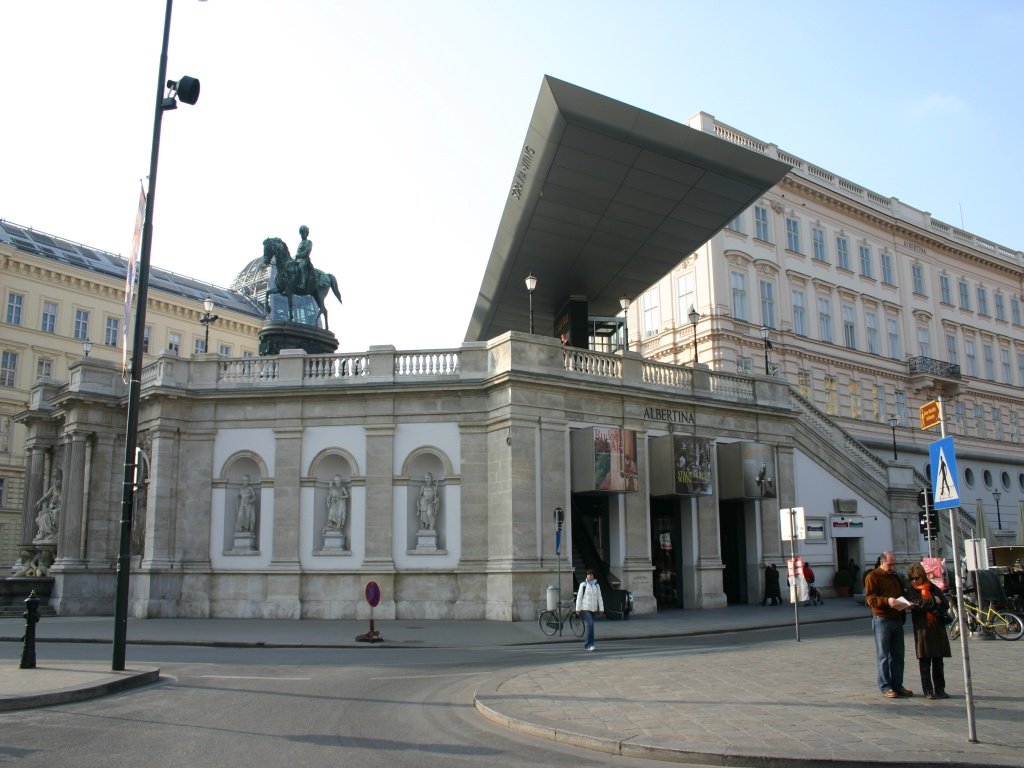
- Albertina Museum: Leading art collections
Travel Tips & FAQs
Visitor Tips
- Arrive Early: 30–45 minutes before showtime
- Dress Code: Smart casual; formal for galas
- Photography: Not allowed during shows; permitted in public areas like the foyer
- Language: Most shows in German, often with English surtitles
- Family-Friendly: Some productions suitable for children; check age guidance
Frequently Asked Questions
Q: Can I buy tickets on the day?
A: Yes, if available, but advance booking is advised for popular shows.
Q: Is the theatre accessible for wheelchair users?
A: Yes, with step-free entrances, lifts, reserved seating, and accessible restrooms.
Q: Are English surtitles available?
A: Many musicals offer surtitles to accommodate non-German speakers.
Q: Are guide dogs allowed?
A: Yes.
Q: Are there discounts?
A: Students, seniors, and people with disabilities receive concessions; check online for current promotions.
Summary: Key Points & Visitor Essentials
The Ronacher Theatre is a living symbol of Vienna’s dedication to cultural innovation, accessibility, and artistic excellence. Its seamless blend of historic architecture and modern amenities delivers a unique experience, whether you’re attending a musical, joining a guided tour, or simply admiring its Neo-Baroque splendor. Centrally located and fully accessible, the Ronacher integrates perfectly into any Vienna itinerary, especially with nearby UNESCO-listed attractions (Kurby Blog; musicalvienna.at; visitingvienna.com).
Plan ahead: Book tickets early, check for English surtitles, and use the Audiala mobile app for the latest updates and insider tips.
Listen to the full story in the app
Your Personal Curator, in Your Pocket.
Audio guides for 1,100+ cities across 96 countries. History, stories, and local insight — offline ready.
Audiala App
Available on iOS & Android
Join 50k+ Curators
Sources
- verified
- verified
- verified
- verified
- verified
Last reviewed: