Introduction
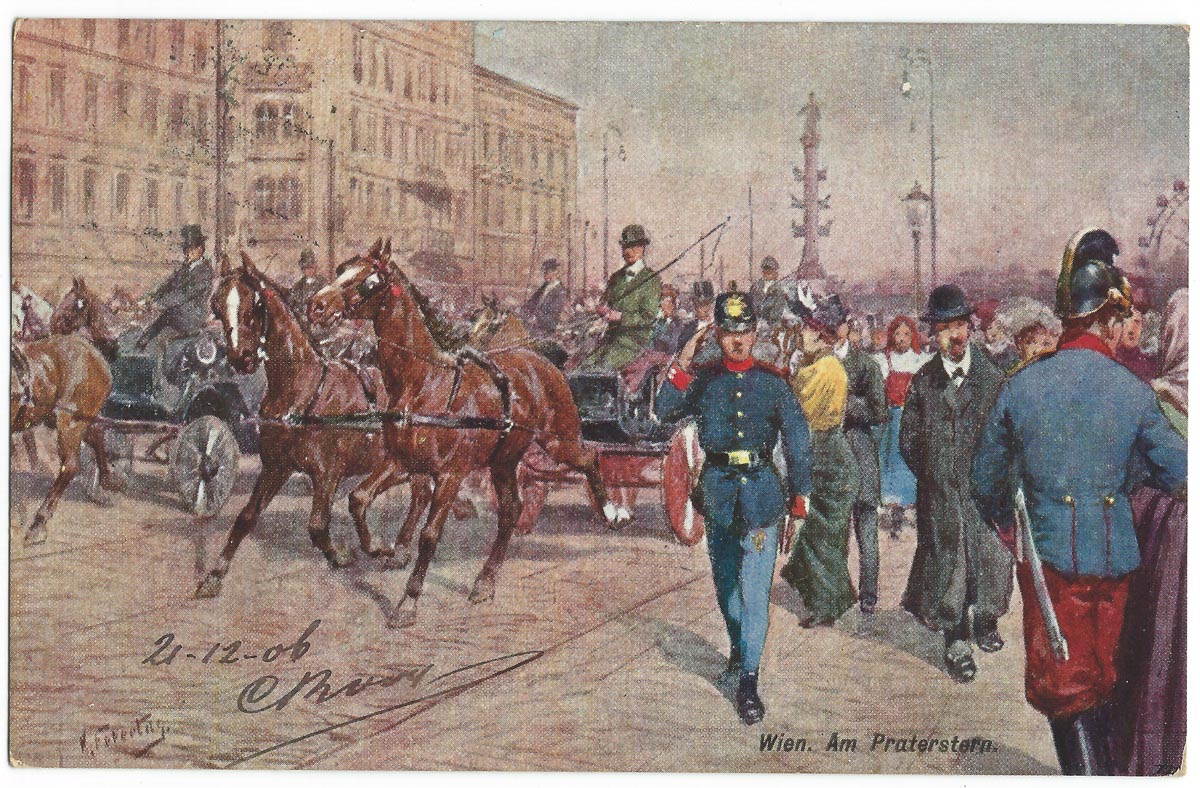
The Wurstelprater, often simply known as the Prater, is a landmark amusement park located in Vienna, Austria. With a rich history dating back to the 18th century, the park has evolved from an imperial hunting ground into a popular public space brimming with entertainment, cultural significance, and historical charm. Opened to the public by Emperor Joseph II in 1766, the Prater has since become synonymous with Vienna's vibrant social and cultural life. The park is renowned for its diverse array of attractions, from the iconic Giant Ferris Wheel (Wiener Riesenrad) to thrilling modern rides and traditional eateries. This guide offers an in-depth look into Wurstelprater's storied past, its myriad attractions, and essential visitor information, making it an indispensable resource for anyone planning to explore this historic gem. (Wiener Riesenrad) (Prater Museum) (The Third Man)
History of Wurstelprater
Early Beginnings
The Wurstelprater's history dates back to the 18th century when Emperor Joseph II opened the Prater to the public in 1766. Originally a hunting ground for the aristocracy, the emperor's decision transformed it into a public space, allowing commoners to enjoy its natural beauty and recreational opportunities. The name "Wurstelprater" derives from the German word "Wurstel," meaning "sausage," reflecting the numerous sausage stands that became a staple of the park.
19th Century Developments
The 19th century saw significant developments in the Prater. The park began to host various entertainment forms, including carousels, shooting galleries, and puppet theaters. One of the most notable additions was the introduction of the "Venetian Carousel" in 1827, which became a major attraction. The Prater's popularity continued to grow, attracting visitors from all over Europe.
The Birth of the Giant Ferris Wheel
A pivotal moment in the history of the Wurstelprater was the construction of the Wiener Riesenrad, or the Giant Ferris Wheel, in 1897. Designed by British engineer Walter Basset, the Ferris wheel was built to celebrate the Golden Jubilee of Emperor Franz Joseph I. Standing at 64.75 meters (212 feet) tall, it was one of the tallest Ferris wheels in the world at the time and quickly became a symbol of Vienna. The Wiener Riesenrad remains one of the most enduring attractions of the Prater, offering panoramic views of the city. (Wiener Riesenrad)
The Interwar Period and World War II
The interwar period was a time of both prosperity and challenge for the Wurstelprater. The park continued to be a popular destination, but the economic difficulties of the 1920s and 1930s affected its operations. During World War II, the Prater suffered significant damage. In 1944, a large portion of the park, including the Giant Ferris Wheel, was destroyed by bombing raids. The post-war reconstruction efforts were extensive, and the Ferris wheel was rebuilt in 1945, albeit with fewer cabins than the original design.
Post-War Revival
The post-war era marked a period of revival and modernization for the Wurstelprater. The 1950s and 1960s saw the introduction of new rides and attractions, catering to the growing demand for family entertainment. The park's management focused on restoring its pre-war charm while incorporating modern amusement park technologies. This period also saw the establishment of the Prater Museum, which chronicles the history of the park and its significance to Vienna. (Prater Museum)
Modern Era and Cultural Significance
In recent decades, the Wurstelprater has continued to evolve, blending traditional attractions with contemporary entertainment options. The park now features a mix of classic rides, such as the Ghost Train and the Prater Turm, alongside modern thrill rides like the Ejection Seat and the Black Mamba. The Prater's cultural significance extends beyond its rides; it hosts various events and festivals throughout the year, including the annual Praterfest, which celebrates the park's rich history and vibrant atmosphere.
Preservation and Future Prospects
Efforts to preserve the historical elements of the Wurstelprater have been ongoing. The park's management works closely with heritage organizations to maintain its historical structures and attractions. The Giant Ferris Wheel, in particular, is a protected monument and undergoes regular maintenance to ensure its longevity. Looking to the future, the Wurstelprater aims to balance its historical legacy with modern innovations, ensuring it remains a beloved destination for both locals and tourists.
Notable Historical Figures and Events
Several notable figures have been associated with the Wurstelprater throughout its history. For instance, Johann Strauss II, the famous Austrian composer, was known to frequent the park and drew inspiration from its lively atmosphere for his compositions. Additionally, the Prater has been featured in various films and literature, further cementing its place in popular culture. One of the most famous cinematic appearances of the Prater is in the 1949 film "The Third Man," where the Giant Ferris Wheel plays a pivotal role in the storyline. (The Third Man)
Visitor Information
Ticket Prices and Visiting Hours
The Wurstelprater is open year-round, with varying hours depending on the season. Typically, the park opens at 10:00 AM and closes around midnight. However, individual attractions may have different operating hours. Ticket prices for rides vary, with the Giant Ferris Wheel costing around €12 for adults and €5 for children. It's advisable to check the official website for the most up-to-date information on visiting hours and ticket prices.
Travel Tips
Visitors can reach the Wurstelprater easily via public transportation. The closest subway station is Praterstern, served by U1 and U2 lines. Parking is also available for those traveling by car. Comfortable walking shoes are recommended, as the park is extensive and offers numerous attractions to explore.
Nearby Attractions
The Wurstelprater is located in the Leopoldstadt district, which is home to several other notable attractions. The nearby Danube River offers scenic views and boat tours, while the Hundertwasser House and the KunstHausWien museum are just a short distance away. Additionally, the Vienna International Centre and the Donaupark are accessible via public transport.
Accessibility
The Wurstelprater is committed to being accessible to all visitors. Many attractions are wheelchair accessible, and there are facilities for disabled guests, including restrooms and parking spaces. It's recommended to check the accessibility information on the official website before visiting.
Special Events and Guided Tours
The Wurstelprater hosts numerous special events throughout the year, including the popular Praterfest, which features live music, food stalls, and family-friendly activities. Guided tours are available for those interested in learning more about the park's history and attractions. These tours can be booked in advance through the official website.
Photographic Spots
The Wurstelprater offers many picturesque spots for photography enthusiasts. The Giant Ferris Wheel provides stunning panoramic views of Vienna, while the historic carousels and vibrant midway games make for colorful and nostalgic photos. Don’t forget to capture the lively atmosphere of the Praterfest if you visit during the event.
FAQ
What are the visiting hours for Wurstelprater?
- The Wurstelprater is generally open from 10:00 AM to midnight, but individual attractions may have different hours.
How much are the tickets for the Giant Ferris Wheel?
- Tickets for the Giant Ferris Wheel are approximately €12 for adults and €5 for children.
Are there any guided tours available at Wurstelprater?
- Yes, guided tours are available and can be booked through the official website.
What are some nearby attractions to Wurstelprater?
- Nearby attractions include the Danube River, Hundertwasser House, KunstHausWien museum, Vienna International Centre, and Donaupark.
Listen to the full story in the app
Your Personal Curator, in Your Pocket.
Audio guides for 1,100+ cities across 96 countries. History, stories, and local insight — offline ready.
Audiala App
Available on iOS & Android
Join 50k+ Curators
Sources
- verified
- verified
- verified
- verified
- verified
- verified
- verified
Last reviewed: