Plan and listen to Pestsäule with Audiala.
Audio guide in your pocket, itinerary in your browser. Built for the way you actually visit.
Introduction to Pestsäule
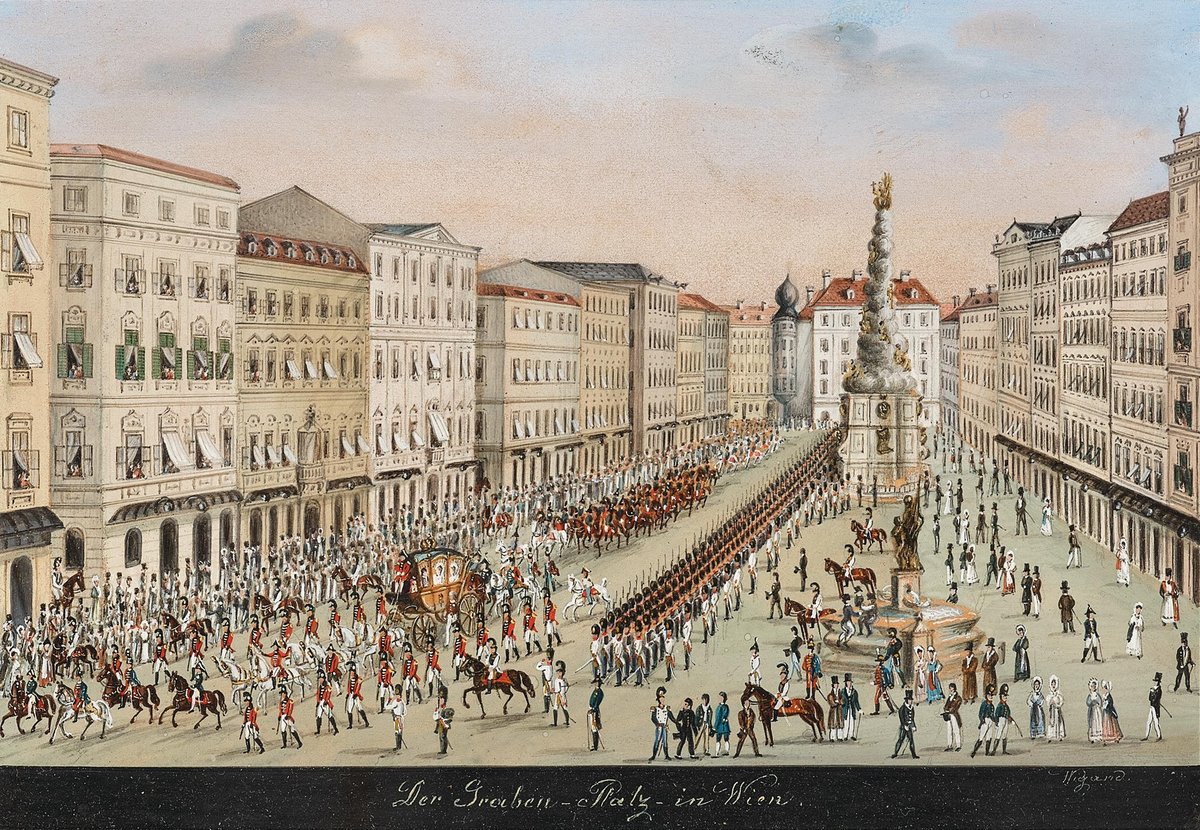
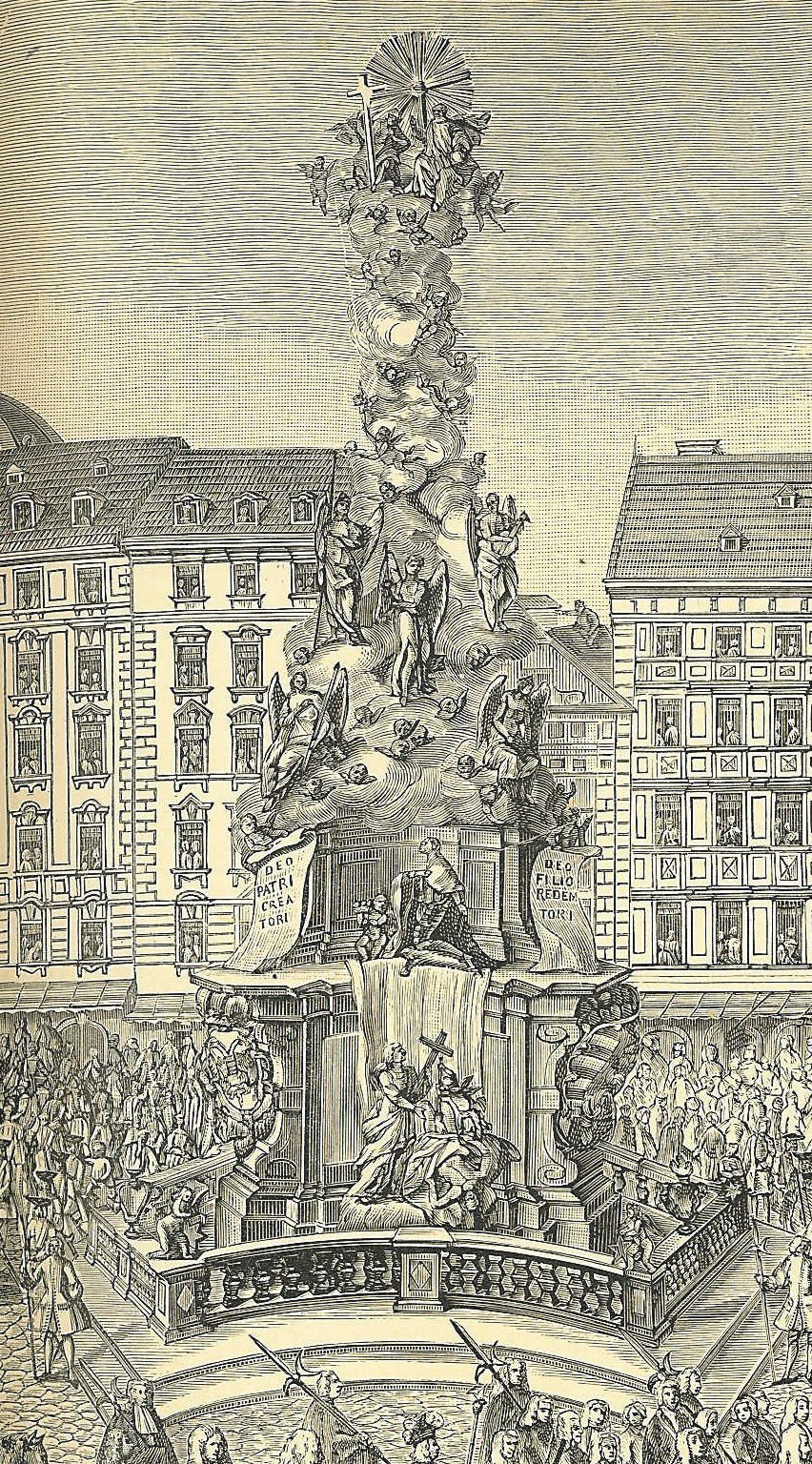
The Pestsäule, or Plague Column, stands as one of Vienna's most iconic landmarks, embodying the city's rich history, resilience, and artistic heritage. Erected in response to the devastating bubonic plague outbreak of 1679, this Baroque masterpiece not only commemorates a dark chapter in Vienna's past but also celebrates the city's recovery and enduring faith. Commissioned by Emperor Leopold I, the monument was completed in 1693, following a design that brought together the talents of several renowned artists and architects (Vienna Unwrapped). Located on the Graben, one of Vienna's most famous streets, the Pestsäule is not just a historical relic but a vibrant part of the city's cultural and urban landscape. This guide offers a comprehensive look into the Pestsäule's history, architectural significance, cultural context, and practical information for visitors, ensuring an enriching experience for all who come to marvel at this testament to Vienna's storied past and artistic grandeur.

History of Pestsäule
Origins and Construction
The Pestsäule, also known as the Plague Column, is a significant historical monument located in the heart of Vienna, Austria. Its origins date back to the late 17th century, specifically to the year 1679, when Vienna was ravaged by a devastating outbreak of the bubonic plague. Emperor Leopold I vowed to erect a mercy column if the plague would end, a common practice in Europe during times of pestilence (Vienna Unwrapped).
The initial structure was a simple wooden column, hastily erected as a temporary measure. However, as the plague subsided, plans for a more permanent and grandiose monument were set in motion. The final design was a collaborative effort involving several prominent artists and architects of the time, including Johann Frühwirth, Matthias Rauchmiller, and Paul Strudel. The project was completed in 1693, taking nearly 15 years from conception to completion (Vienna History).
Artistic and Architectural Significance
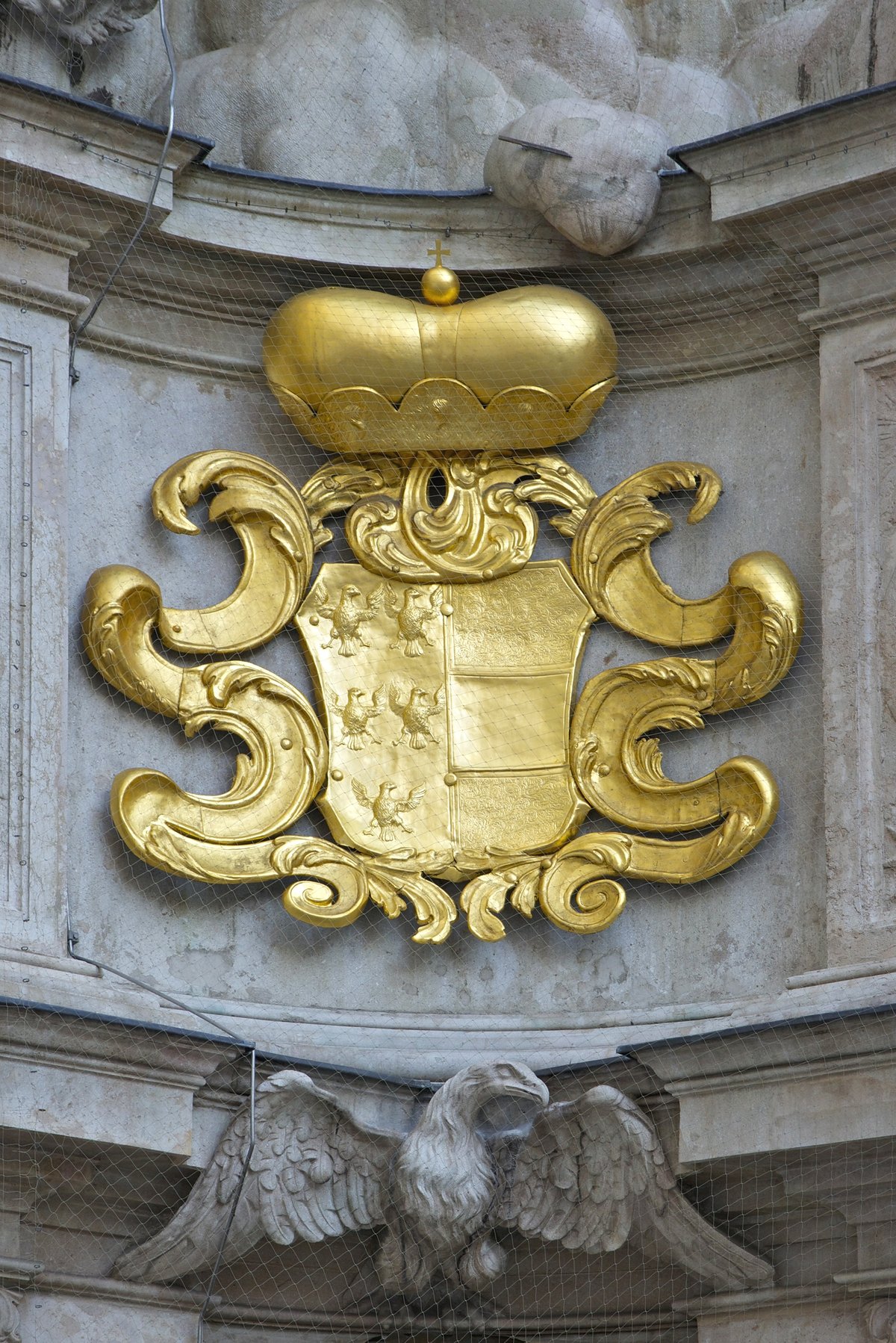
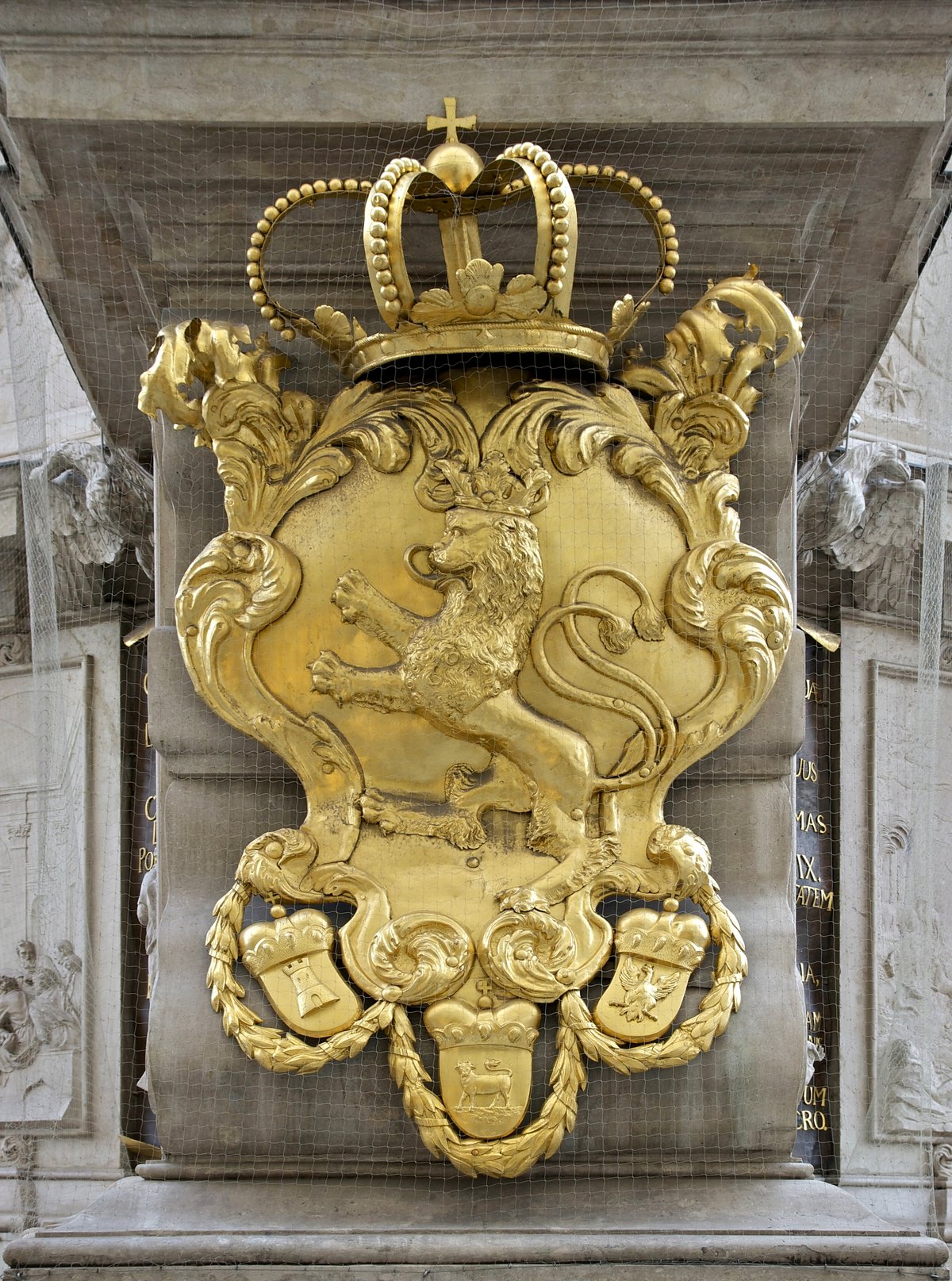
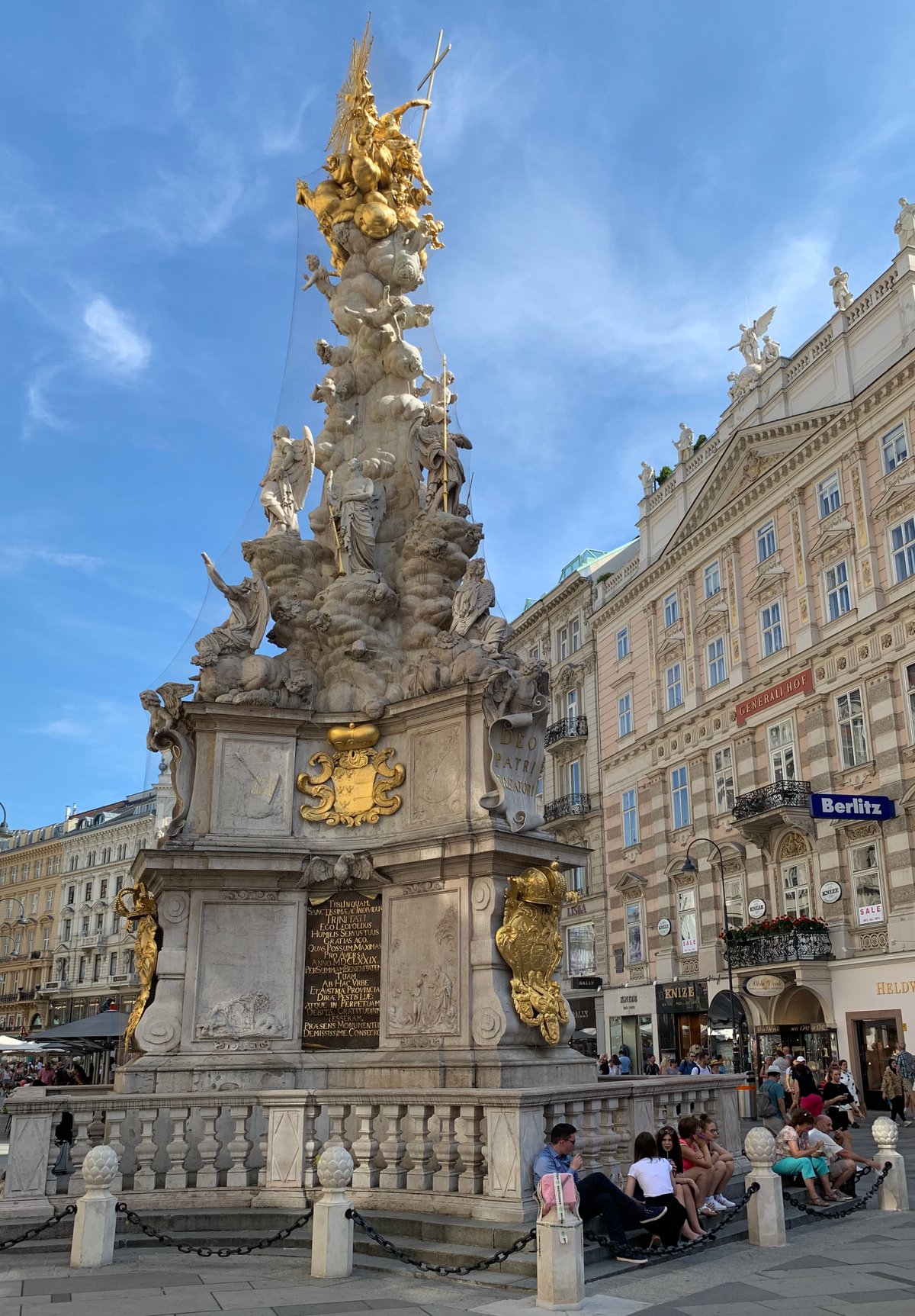
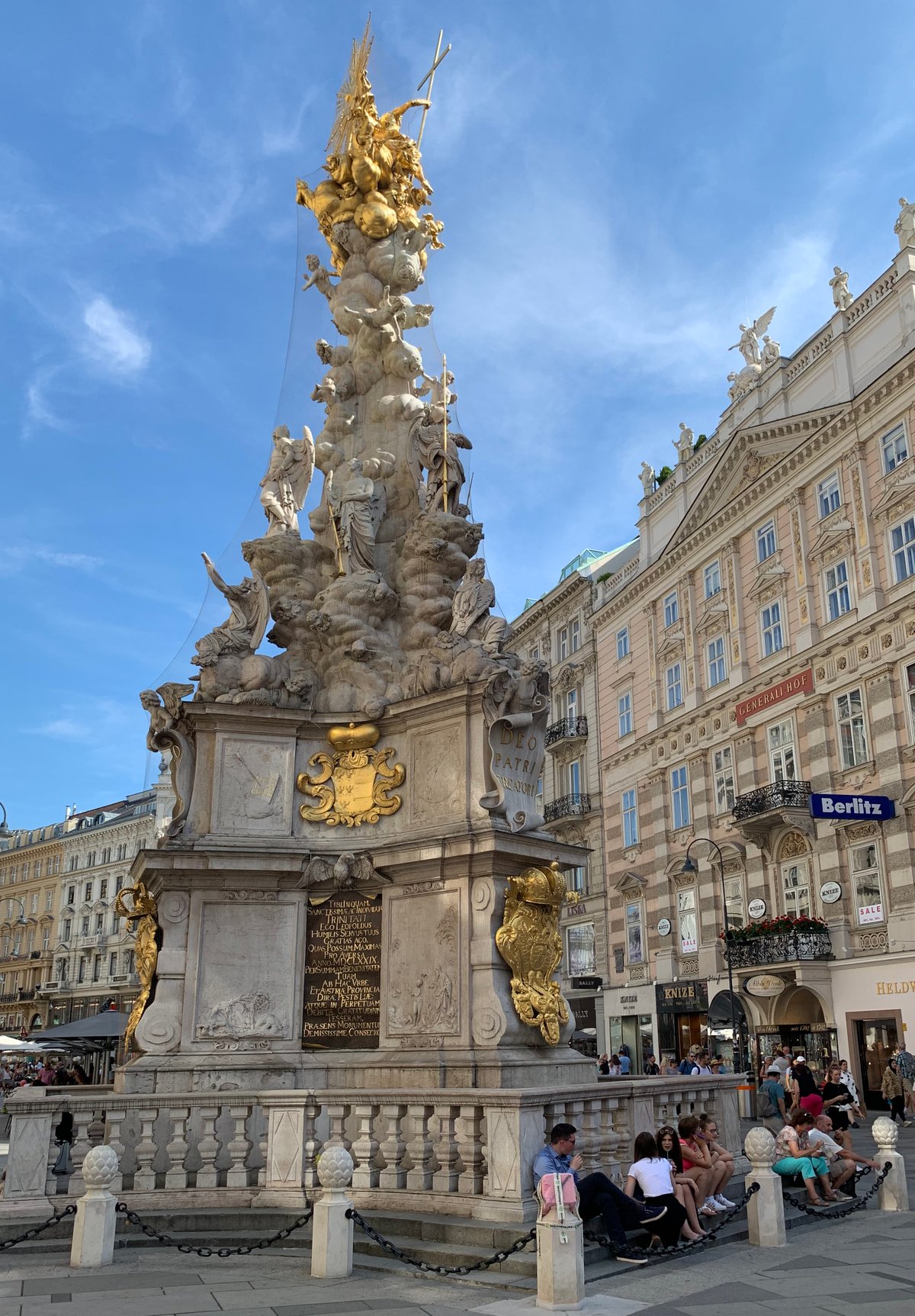
The Pestsäule is a masterpiece of Baroque art and architecture, characterized by its intricate details and dramatic expressions. The column stands approximately 21 meters tall and is composed of white marble and limestone. The base of the column features a series of reliefs depicting scenes from the plague, including the suffering of the afflicted and the intercession of saints (Baroque Art).
At the center of the monument is a triangular pedestal, symbolizing the Holy Trinity, which was a common theme in Baroque religious art. The pedestal supports a cloud-like structure adorned with numerous angelic figures and cherubs. At the pinnacle of the column stands a gilded statue of the Holy Trinity, with God the Father, Jesus Christ, and the Holy Spirit represented as a dove. This triumphant representation signifies the divine intervention that was believed to have ended the plague (Sacred Destinations).
Cultural and Religious Context
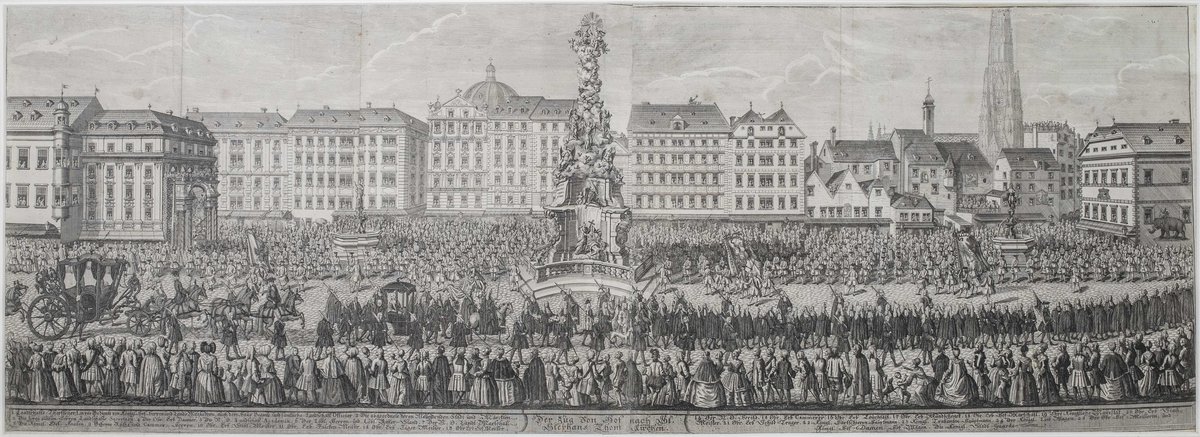
The Pestsäule is not only a historical monument but also a significant religious symbol. It reflects the deep religiosity of the Habsburg Empire and the Catholic Church's influence during the Baroque period. The column was intended to serve as a public testament to the power of faith and divine mercy. It also functioned as a form of public penance, with the Emperor and the citizens of Vienna participating in religious processions and prayers at the site (Catholic Encyclopedia).
The monument's iconography is rich with religious symbolism. For instance, the figure of Emperor Leopold I is depicted in a kneeling position, praying to the Holy Trinity, which underscores the notion of the Emperor as a humble servant of God. Additionally, the presence of various saints, such as Saint Charles Borromeo and Saint Roch, who were invoked during times of plague, highlights the intercessory role of saints in Catholic theology (Religious Art).
Restoration and Preservation
Over the centuries, the Pestsäule has undergone several restorations to preserve its structural integrity and artistic splendor. The first major restoration took place in the 18th century, followed by subsequent efforts in the 19th and 20th centuries. The most recent restoration was completed in 2009, which involved meticulous cleaning, structural repairs, and the application of protective coatings to safeguard the monument from environmental damage (Vienna Tourism).
The restoration efforts have been crucial in maintaining the Pestsäule as a cultural and historical landmark. These projects are often funded by a combination of public and private sources, reflecting the monument's importance to both the local community and international visitors. The careful preservation of the Pestsäule ensures that future generations can continue to appreciate its historical and artistic significance (Cultural Heritage).
Visitor Information
Visiting Hours and Tickets
The Pestsäule is accessible to the public 24/7 as it is an outdoor monument located on the Graben. There are no tickets required to visit the Pestsäule, making it a must-see free attraction in Vienna. However, it is advisable to visit during daylight hours to fully appreciate its intricate details and stunning architecture.
Nearby Attractions
The Pestsäule is situated in a prime location in Vienna, surrounded by numerous other historical sites and attractions. Nearby, visitors can explore St. Stephen's Cathedral, the Hofburg Palace, and the Albertina Museum. The Graben itself is a bustling area filled with shops, cafes, and restaurants, providing plenty of opportunities for dining and leisure.
Accessibility
The Pestsäule is located in a pedestrian zone, making it easily accessible by foot. The nearest public transportation options include the Stephansplatz U-Bahn station and various tram stops. The area is wheelchair accessible, ensuring that all visitors can enjoy this historic site.
Impact on Vienna's Urban Landscape
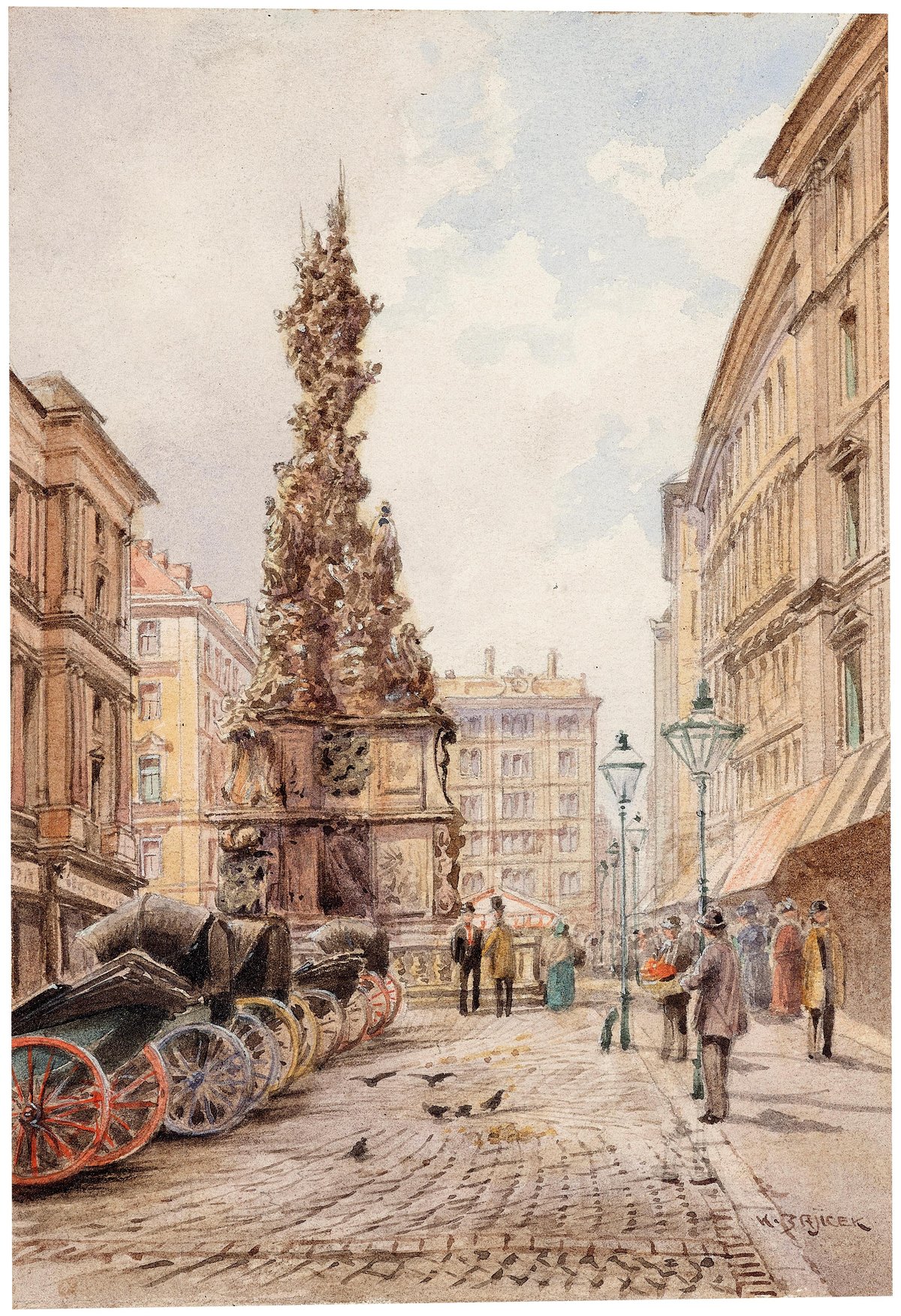
The Pestsäule occupies a prominent position in Vienna's urban landscape, located on the Graben, one of the city's most famous streets. Its presence has influenced the development of the surrounding area, contributing to the Graben's status as a bustling commercial and social hub. The column serves as a focal point for various public events and celebrations, including religious processions, cultural festivals, and historical reenactments (Vienna City Guide).
The Pestsäule's impact extends beyond its immediate vicinity, as it has become an iconic symbol of Vienna itself. It is featured in numerous guidebooks, postcards, and promotional materials, attracting tourists from around the world. The monument's historical and cultural significance makes it a must-visit destination for anyone interested in Vienna's rich heritage (Travel Vienna).
Special Events and Guided Tours
Visitors to the Pestsäule can often find guided tours that include the monument as part of a broader exploration of Vienna's historical sites. Additionally, special events and religious ceremonies are occasionally held at the Pestsäule, offering a deeper insight into its cultural and spiritual significance. Consider joining a guided tour for a more in-depth understanding (Vienna Walking Tours, Good Vienna Tours).
FAQ
What are the visiting hours for the Pestsäule?
The Pestsäule is accessible to the public 24/7 as it is an outdoor monument.
How much do tickets to the Pestsäule cost?
There are no tickets required to visit the Pestsäule. It is a free attraction.
What are some nearby attractions?
Nearby attractions include St. Stephen's Cathedral, the Hofburg Palace, and the Albertina Museum.
Is the Pestsäule accessible?
Yes, the Pestsäule is located in a pedestrian zone and is wheelchair accessible.
Tickets & tours.
These are guided options from our partners — same price as booking direct.
Prices are indicative — final pricing and availability are confirmed at checkout. Audiala may earn a commission from bookings made through these links.
Listen to the full story in the app
The whole Pestsäule,
told well.
Audio guides for 1,100+ cities across 96 countries. History, stories, and local insight — offline ready.
Verified, and shown.
Researched and written by the Audiala editorial team from historical records, architectural archives, and local expertise.
Researched from Wikidata, Wikipedia & official sources · fact-checked · How we make our guides →