Introduction
Palais Erzherzog Carl Ludwig, gracefully situated in Vienna’s historic 4th district, stands as a testament to imperial splendor and the Habsburg dynasty’s enduring legacy. This guide offers a detailed overview of the palace’s architectural evolution, historical significance, and up-to-date visitor information—including practical details on visiting hours, ticketing, accessibility, and nearby attractions. Whether you are an architecture enthusiast, a history buff, or a traveler eager to experience Vienna’s aristocratic past, this article presents everything you need to plan a memorable visit.
Photo Gallery
Explore Palais Erzherzog Carl Ludwig in Pictures

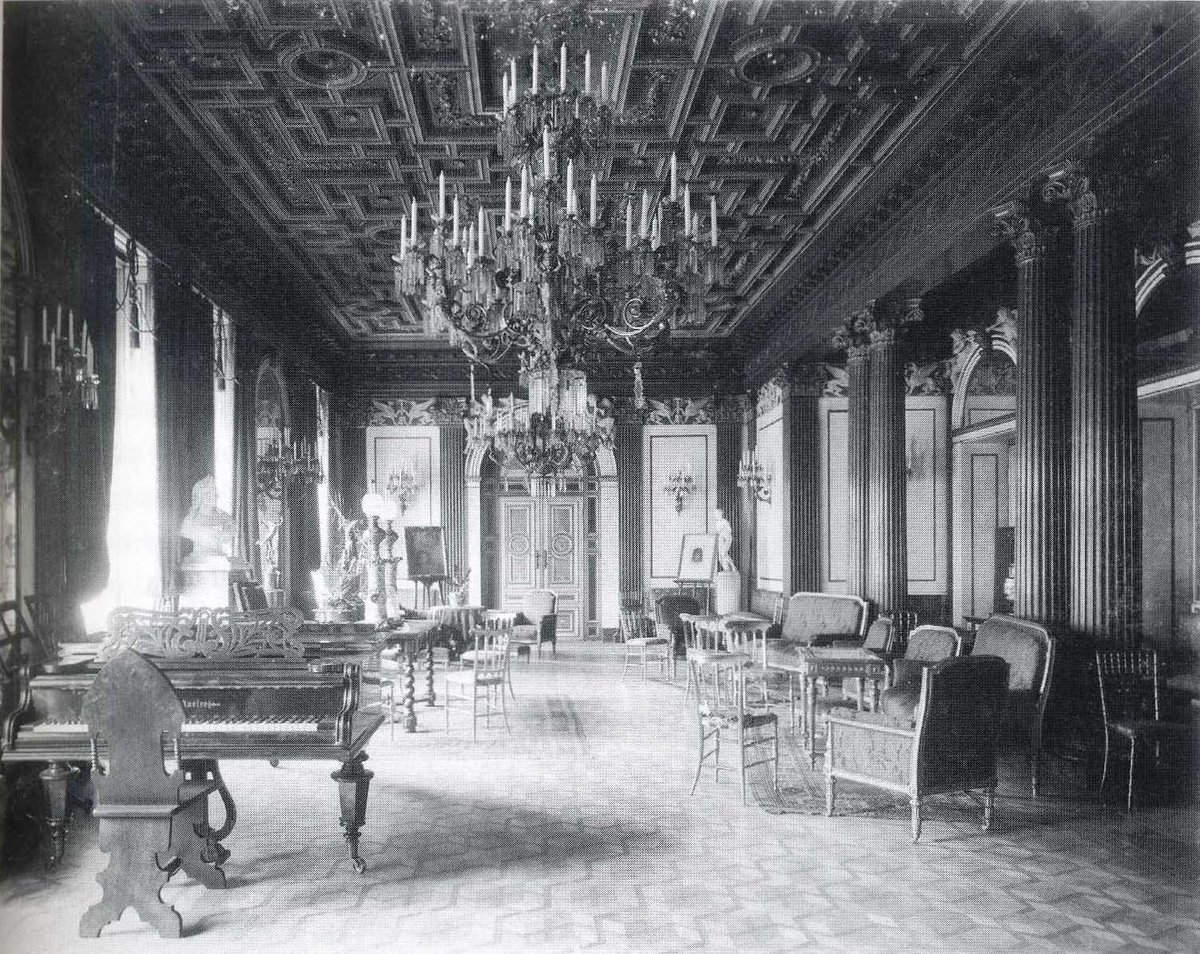
Detailed view of the interior of the palace of the Archduke Ludwig in Vienna showcasing classical architecture and ornate decoration

Historical portrait of Maria Ana, who was the Grand Duchess consort and Regent of Luxembourg, originally Infanta of Portugal

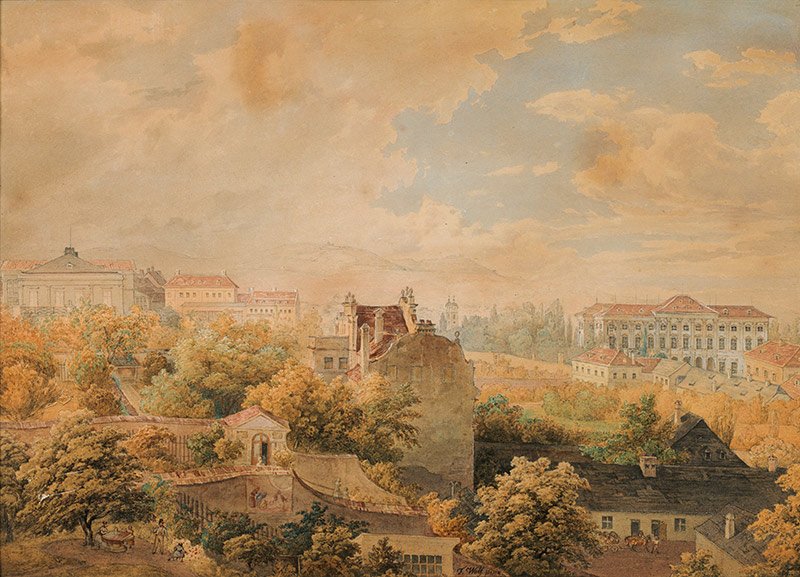
Detailed historical map showing the Wieden district of Vienna as it appeared around the year 1830
Origins and Construction
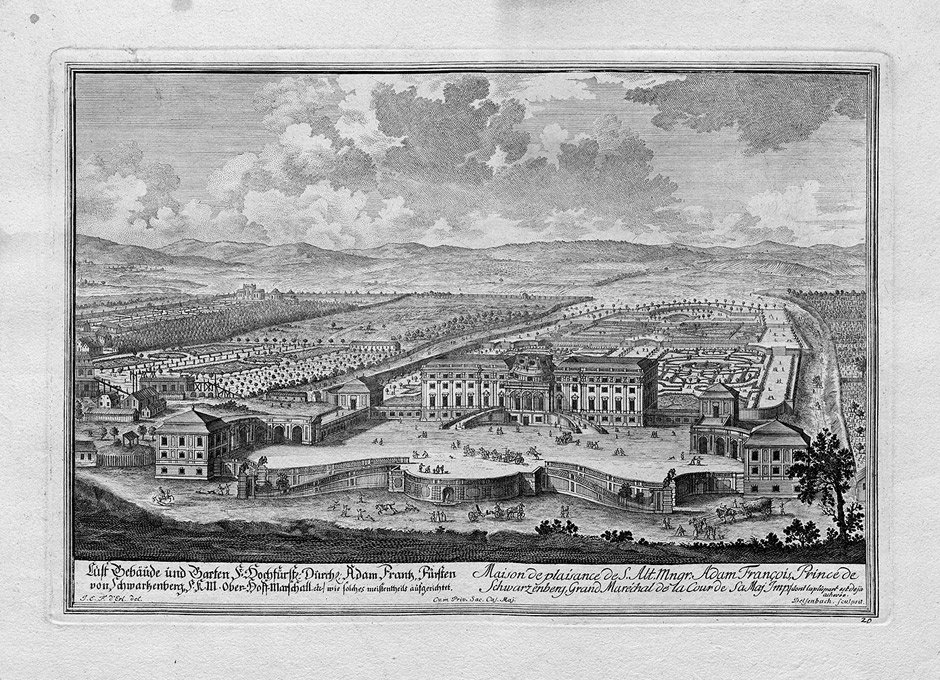
Constructed in 1780 as a classical garden palace by Franz Freiherr von Prandau, Palais Erzherzog Carl Ludwig reflects the late Baroque style that characterized Vienna’s noble residences at the end of the 18th century (kapo.at). Around 1800, architect Franz Wipplinger expanded the palace by adding two lateral wings and a ceremonial courtyard (Ehrenhof), cementing its status as a prominent aristocratic residence (Vienna Tourist Guide).
Ownership transitioned to the influential Sachsen-Coburg-Koháry family in the early 19th century, further embedding the palace in Vienna’s aristocratic fabric. In 1865, Archduke Carl Ludwig of Austria—third son of Archduke Franz Karl and Sophie of Bavaria—acquired the palace, commissioning significant redesigns that introduced Neo-Renaissance and Historicist elements (kapo.at).
Architectural Features
Exterior Design
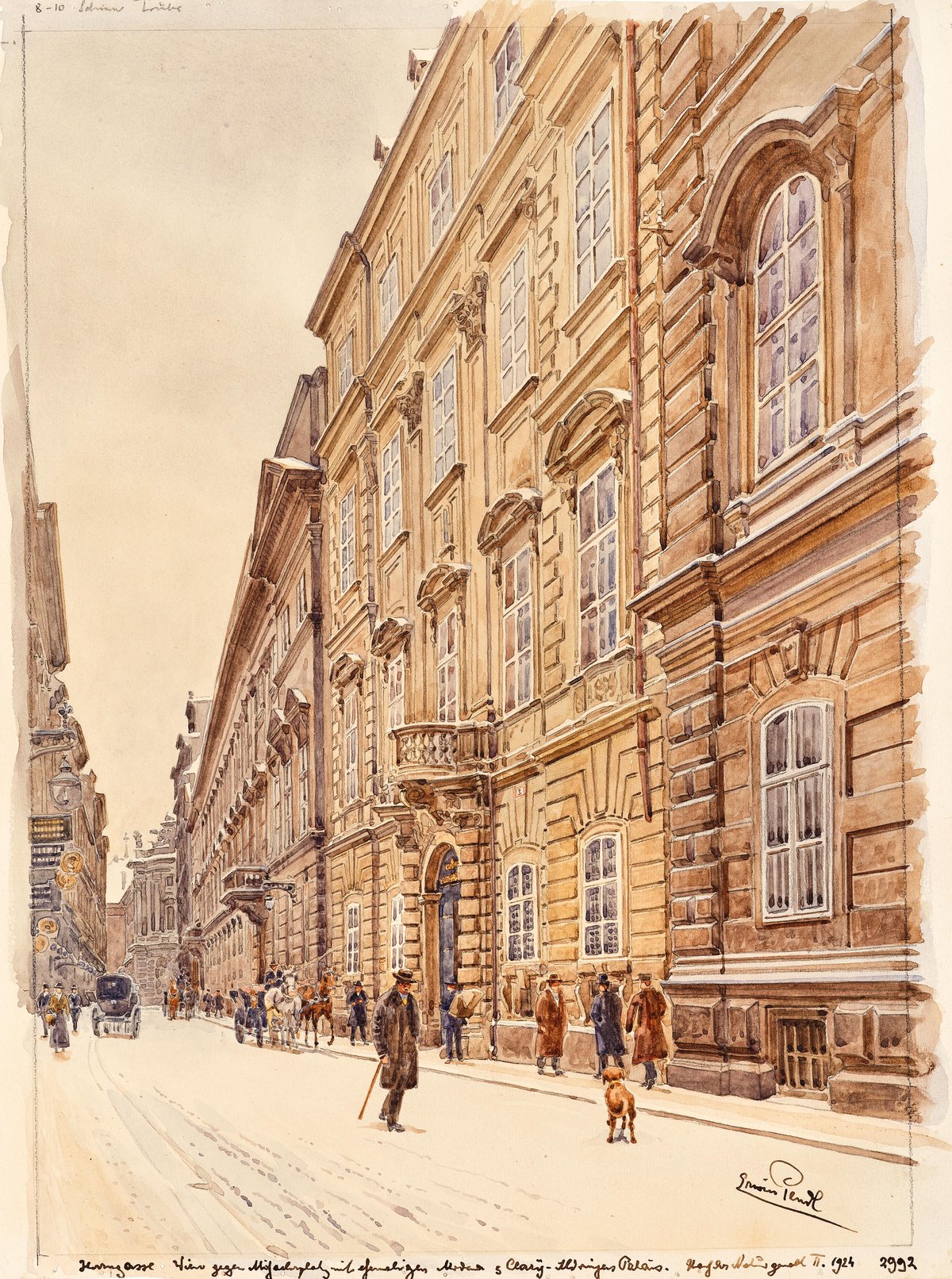
The palace’s preserved garden wing displays two stories and a three-axial portico, originally designed for carriages and topped by a balustraded terrace. Above the entrance, a heraldic cartouche with two griffins bearing the Habsburg-Lorraine coat of arms emphasizes the imperial connection. The facade combines Baroque and Neoclassical elements, while 19th-century renovations added Historicist and Neo-Renaissance flourishes (Burgen Austria; Geschichtewiki Wien).
Interior Highlights
While interior access is generally restricted, historical documentation describes a vestibule leading to a staircase adorned with wrought-iron balustrades and Ionic pilasters. Reception rooms are richly decorated; the Balkonzimmer features a Neo-Renaissance coffered wooden ceiling, while the Großer Saal (Grand Hall) boasts sand-colored Stuccolustro walls, a mirror ceiling with ornate stucco, and allegories of the four elements (Burgen Austria).
Gardens and Landscaping
The palace was once complemented by a 100-meter-long park, reflecting the 18th- and 19th-century ideal of integrating nature and architecture. Today, the garden tract and courtyard retain a sense of aristocratic serenity within Vienna’s urban landscape (Burgen Austria).
Historical Significance and the Habsburg Connection
Palais Erzherzog Carl Ludwig is closely linked to pivotal figures in European history. Archduke Carl Ludwig (1833–1896), a member of the Habsburg dynasty and father of Archduke Franz Ferdinand, elevated the palace as a hub of imperial representation during the late 19th century. The building’s legacy is intertwined with the broader narrative of Habsburg resilience and dynastic continuity, especially after the direct line of Emperor Franz Joseph ended (habsburger.net).
The palace also served as a venue for cultural events and diplomatic gatherings, reflecting the Habsburgs’ role in shaping Vienna’s social and artistic life (habsburger.net).
Notable Residents and Events
Beyond Archduke Carl Ludwig, the palace was associated with his brother, Archduke Ludwig Viktor, and the influential Sachsen-Coburg-Koháry family. The palace witnessed key moments in Vienna’s history, including the upheavals of the 1848 revolution and the social transformations of the late 19th century (Geschichtewiki Wien).
Restoration and Preservation
Over the centuries, Palais Erzherzog Carl Ludwig has undergone several renovations to preserve its historical integrity. The most recent restoration focused on maintaining the palace’s original character while incorporating modern amenities, such as high-quality wooden windows that align with the building’s historic aesthetic (kapo.at). Wartime damage to the street-facing tract resulted in the addition of a modern office building, creating a juxtaposition between old and new.
Visitor Information
Visiting Hours and Tickets
- Palace Interior: Generally not open to the public due to private ownership and modern adaptations.
- Courtyard and Carl Ludwig Café: Open to visitors; no tickets required for entry to these areas.
- Café Opening Hours:
- Monday–Friday: 07:30–19:00
- Saturday: 09:00–17:00
- Sunday: Closed
(gastro.news)
- Café Opening Hours:
- Special Events and Tours: Occasional special events or private tours may be available; check with the café or local tourism offices for updates.
Accessibility
The courtyard and café are step-free and accessible to visitors with mobility needs. Sensor-operated doors and ramped entrances ensure comfort for all guests (wien.info).
Photography Policy
Photography is permitted in the courtyard and café. Interior photography is generally not possible due to restricted access.
Nearby Attractions and Travel Tips
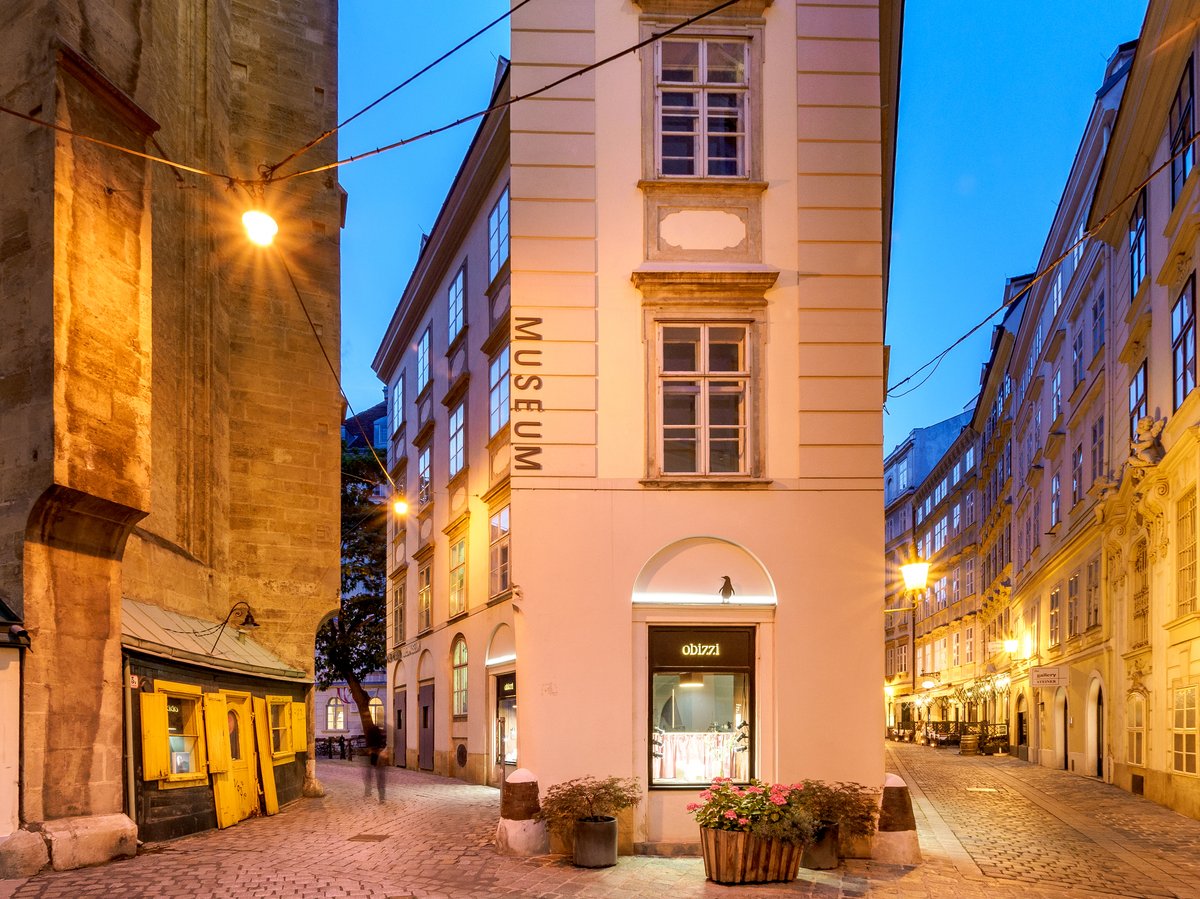
Located at Favoritenstraße 7, Palais Erzherzog Carl Ludwig is a short walk from Karlsplatz and the Wien Museum. The area is well-served by public transport, with the Karlsplatz U-Bahn station (U1, U2, U4) nearby. Public parking is limited; use of public transport is recommended.
Nearby attractions include:
- Wien Museum Karlsplatz: Vienna’s city history museum
- Karlskirche: Baroque church with a distinctive dome
- Naschmarkt: Popular city market
- Belvedere Palace: Baroque complex with art collections
Combine your visit with a stroll through the Gusshausviertel and sample local cafés, or explore hiking routes extending into the Wienerwald (komoot.com).
Visitor Experience and Facilities
The courtyard offers a tranquil escape amid the city bustle, while the Carl Ludwig Café provides specialty coffee blends, pastries, and light meals. Free Wi-Fi, multilingual staff, and accessible facilities ensure a comfortable visit.
Reservations are not required but are recommended for groups or peak times. The café accepts major credit cards and cash.
Frequently Asked Questions (FAQ)
Is the palace open for interior tours?
No, regular interior tours are not available due to private ownership.
Are tickets required?
No tickets are needed for the courtyard or café; special events may require advance booking.
Is the palace accessible?
Yes, the courtyard and café are accessible to visitors with mobility needs.
Can I take photographs?
Photography is allowed in the courtyard and café, but not in the palace interior.
Are pets allowed?
Pets are generally not permitted inside the café; check with staff for courtyard policies.
Visual Highlights and Media
For a visual preview, visit the Wikimedia Commons Palais Erzherzog Carl Ludwig collection. The café’s Facebook and Instagram pages feature up-to-date photos and event announcements.
Listen to the full story in the app
Your Personal Curator, in Your Pocket.
Audio guides for 1,100+ cities across 96 countries. History, stories, and local insight — offline ready.
Audiala App
Available on iOS & Android
Join 50k+ Curators
Sources
- verified
- verified
- verified
- verified
- verified
- verified
Last reviewed: