Introduction
Palais Erzherzog Albrecht—better known today as the Albertina Museum—stands as one of Vienna’s most celebrated icons, blending imperial grandeur with a world-class art collection. Situated at Albertinaplatz 1, adjacent to the Hofburg Palace and Vienna State Opera, this palace traces its roots to the 16th century and showcases layers of Renaissance, Baroque, and Neoclassical architecture. Named after Duke Albert of Saxe-Teschen, it evolved from a noble residence into a premier museum, now home to over a million works of graphic art, as well as masterpieces by Dürer, Klimt, Picasso, and many more.
This guide provides everything you need to plan your visit: from historical insights and architectural highlights to current ticketing information, accessibility, and expert tips for making the most of your experience. For official updates and further details, consult the Albertina Museum website, Timeout Vienna, and Austria-Forum.
Origins and Early History
The roots of Palais Erzherzog Albrecht stretch to the early 16th century, originally built as a Renaissance palace for Count Gabriel von Salamanca, treasurer to Emperor Ferdinand I. Over the years, the estate passed through the hands of various aristocratic families, reflecting the political tides of the Habsburg court.
Its pivotal transformation came in 1745, when Duke Albert of Saxe-Teschen—son-in-law to Empress Maria Theresa—acquired the property. Duke Albert was a passionate art collector, and his legacy would shape the palace’s future as a cornerstone of Viennese cultural life.
Architectural Evolution
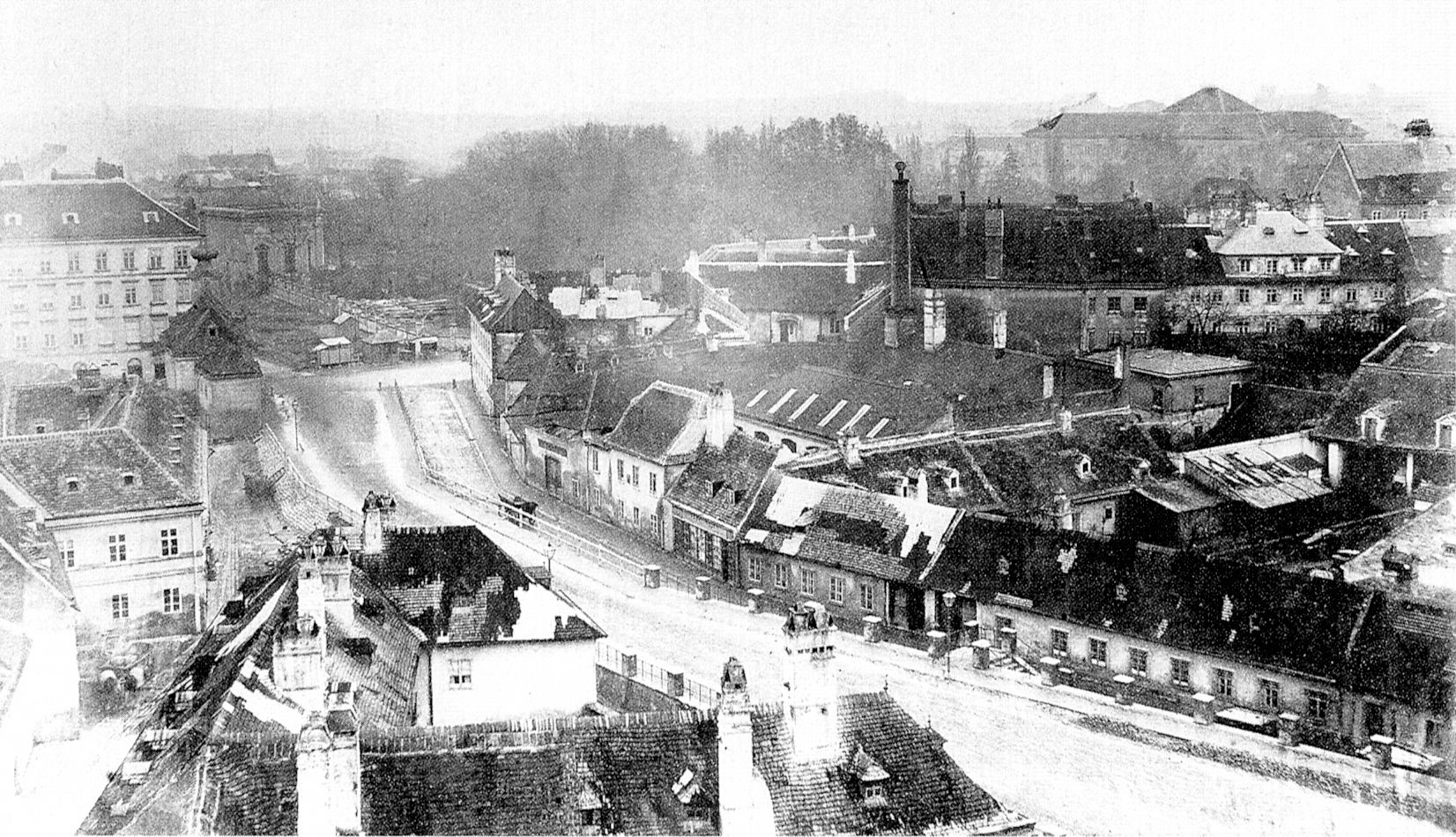
The palace’s architecture is a microcosm of Vienna’s stylistic evolution. Initially Renaissance, the building saw Baroque enhancements in the 18th century. After a devastating fire in 1849, the structure underwent an extensive Neoclassical reconstruction under architect Carl Rossi, completed in 1867. Features such as its harmonious façade, stately entrance, and grand interior staircases are emblematic of Vienna’s Ringstrasse era (Timeout Vienna).
Inside, the Albertina blends lavish State Rooms (Prunkräume) with galleries designed for both private and public display, underscoring its dual role as residence and museum.
Historical Events and Milestones
Throughout its history, Palais Erzherzog Albrecht has hosted imperial balls, diplomatic receptions, and gatherings of the Habsburg elite. In 1776, Duke Albert began amassing a major graphic art collection—today’s heart of the Albertina. The palace survived the 1848 revolutions, WWII bombings, and subsequent fires, each time restored as a testament to Vienna’s resilience (Albertina Museum Official Site, Triphobo).
Visiting the Albertina: Hours, Tickets & Access
Opening Hours
- Tuesday to Sunday: 10:00 AM – 6:00 PM
- Extended hours on Wednesdays and Fridays until 9:00 PM
- Closed Mondays
Ticket Prices
- General Admission: €17–18 (varies by exhibition)
- Reduced: €14 (students, seniors)
- Free: Children/teens under 19
- Family and combination tickets with other museums are available
- Purchase online at the Albertina Museum website or at the entrance
Accessibility
- Wheelchair accessible: elevators, ramps, and accessible restrooms
- Assistance services and service animal access
Getting There
- Address: Albertinaplatz 1, 1010 Vienna
- Subway: U1/U3 to Stephansplatz or U1/U2/U4 to Karlsplatz
- Trams: 1, 2, D, 71 (Oper/Karlsplatz stop)
- Walking distance from major city landmarks
Guided Tours & Special Events
- Daily guided tours in multiple languages (advance booking recommended)
- Audio guides available
- Special exhibitions, concerts, and lectures—see the events calendar
Photography
- Permitted in most areas without flash or tripod; check for restrictions in special exhibitions or State Rooms
Cultural and Historical Significance
Formerly the residence of Duke Albert and the birthplace of the Albertina’s vast art collection, the palace remains intertwined with the city’s cultural identity. Its transition from private residence to public museum is symbolic of Vienna’s democratization of art and ongoing commitment to cultural excellence (Timeout Vienna).
Restoration and Modern Use
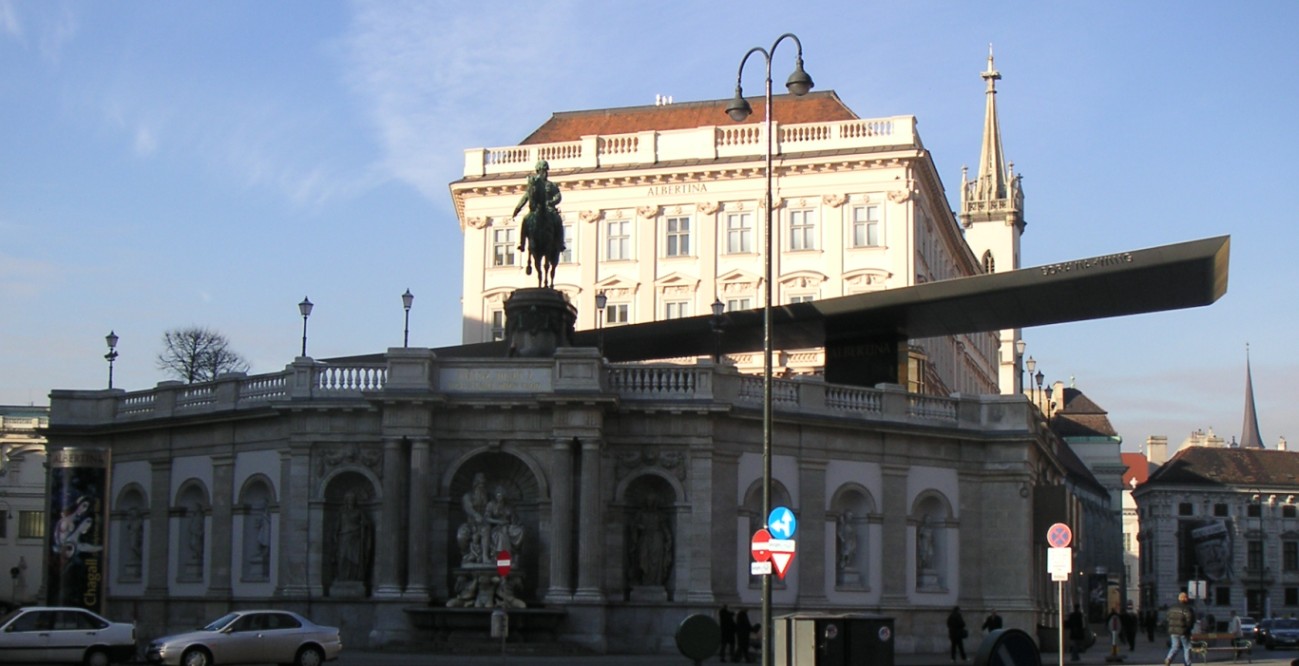
Between 1998 and 2003, the palace underwent major restoration, restoring the State Rooms and updating museum infrastructure. The addition of Hans Hollein’s striking Soravia Wing reflects the dialogue between tradition and innovation. Today, the Albertina hosts hundreds of thousands of visitors annually, with regular exhibitions, educational programs, and cultural events (Visiting Vienna).
Legacy and Influence
The Albertina’s impact extends beyond Vienna, as its collections and exhibitions attract international acclaim. Its architectural evolution—spanning Renaissance, Baroque, Neoclassical, and modern interventions—mirrors the city’s stylistic development. The museum’s perseverance through wars and upheaval stands as a testament to Vienna’s cultural resilience (Austria-Forum).
Frequently Asked Questions (FAQ)
What are the Albertina’s opening hours?
Tuesday–Sunday, 10:00–18:00; Wednesdays and Fridays until 21:00.
How much are tickets?
General admission: €17–18; discounts for students, seniors; free for under 19.
Is the Albertina wheelchair accessible?
Yes, with elevators, ramps, accessible restrooms, and staff assistance.
Are guided tours available?
Yes, in German and English, plus audio guides in multiple languages.
Can I take photos inside?
Yes, except with flash/tripods or in some special exhibitions.
How do I get there?
Albertinaplatz 1, accessible by U-Bahn (Stephansplatz/Karlsplatz), trams, or on foot from major central sites.
Albertina: Collections, Highlights, and Visitor Tips
Graphic Art Collection
Home to over 1 million prints and 60,000 drawings, the Albertina is a global leader in graphic arts. Highlights include Albrecht Dürer’s “Young Hare” and works by Michelangelo, Rubens, Klimt, and more (Pertschny).
Modern & Contemporary Art
Permanent and rotating exhibitions feature Monet, Picasso, Baselitz, and a dedicated post-1945 art space, Albertina Modern (Albertina).
Architectural Features
- Prunkräume (State Rooms): 20 restored rooms with lavish décor and period furnishings (Vienna Tourist Information)
- Soravia Wing: Modern entrance canopy by Hans Hollein
- Sphinx Staircase: Iconic 19th-century marble staircase (Sundernauten)
Visitor Tips
- Visit mornings or late afternoons for fewer crowds
- Allow 2–3 hours for a full experience
- Combine your visit with the Hofburg Palace and Vienna State Opera
Practical Information and Nearby Attractions
- Café & Shop: Enjoy Viennese treats and browse art books or souvenirs
- Family-Friendly: Free entry for under 19s; special kids’ programs during holidays
- Wi-Fi: Available throughout the museum
- Nearby: Hofburg Palace, Vienna State Opera, St. Stephen’s Cathedral, MuseumsQuartier, and Volksgarten
Visual Highlights


Summary & Recommendations
The Albertina Museum is a living testament to Vienna’s imperial history and vibrant cultural life. Visitors can explore its architectural splendor, delve into vast art collections, and enjoy modern amenities in a single, centrally located venue. Plan ahead using the official Albertina website, take advantage of guided tours and digital resources, and enrich your trip by visiting nearby landmarks like the Hofburg Palace and Vienna State Opera. The Albertina’s blend of historical preservation and innovation ensures a memorable, enriching experience for every visitor (Visiting Vienna, Austria-Forum).
Listen to the full story in the app
Your Personal Curator, in Your Pocket.
Audio guides for 1,100+ cities across 96 countries. History, stories, and local insight — offline ready.
Audiala App
Available on iOS & Android
Join 50k+ Curators
Sources
- verified
- verified
- verified
- verified
- verified
- verified
- verified
Last reviewed: