Introduction
Rising majestically on Heldenplatz in central Vienna, the Neue Burg is an architectural and cultural icon that encapsulates the grandeur and ambition of the Austro-Hungarian Empire. As the most recent addition to the historic Hofburg Palace complex, the Neue Burg features striking Neo-Baroque and Neo-Renaissance design, serving both as a symbol of imperial power and as a vibrant hub for some of Austria’s most significant museums and collections. For visitors, the Neue Burg offers a multifaceted experience—blending history, art, and cultural engagement—making it a must-see destination for anyone exploring Vienna’s rich heritage.
Whether you are a history enthusiast, a lover of grand architecture, or a curious traveler, this guide provides comprehensive, up-to-date information on the Neue Burg’s visiting hours, ticketing, accessibility, major museums, highlights, and practical travel tips to ensure a rewarding and seamless visit.
For the latest updates, visit Vienna Info, Neue Hofburg Wien, and Audiala.
- Historical Overview and Architectural Evolution
- Museums and Collections
- Educational and Public Programs
- Visitor Information
- Nearby Attractions
- Frequently Asked Questions (FAQ)
- Conclusion and Planning Resources
- Sources and Official Links
Photo Gallery
Explore Neue Burg in Pictures
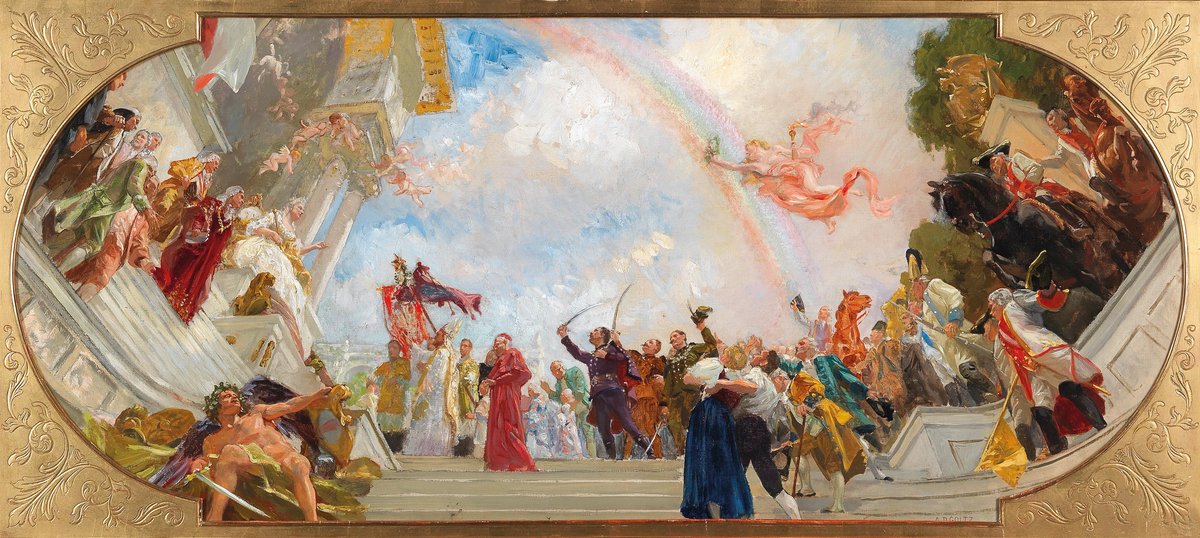
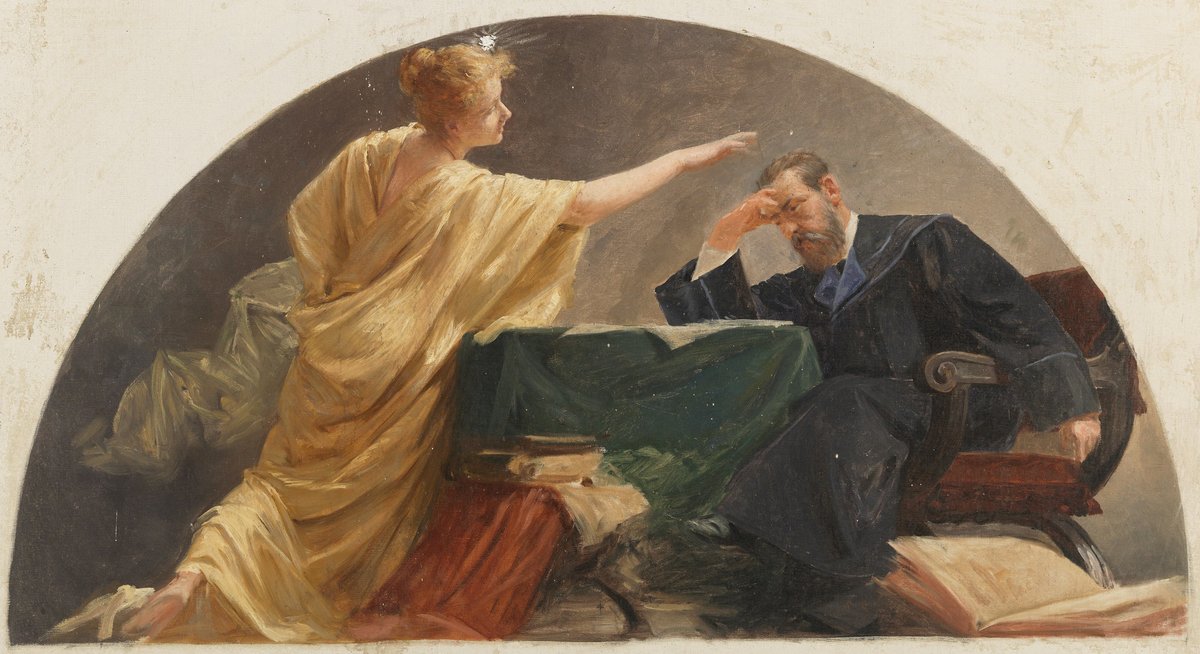
Tribute to Empress Maria Theresa in the midst of her advisers, a design for a ceiling painting in the New Hofburg, oil on canvas by Alexander Demetrius Goltz, 56 by 125 cm.
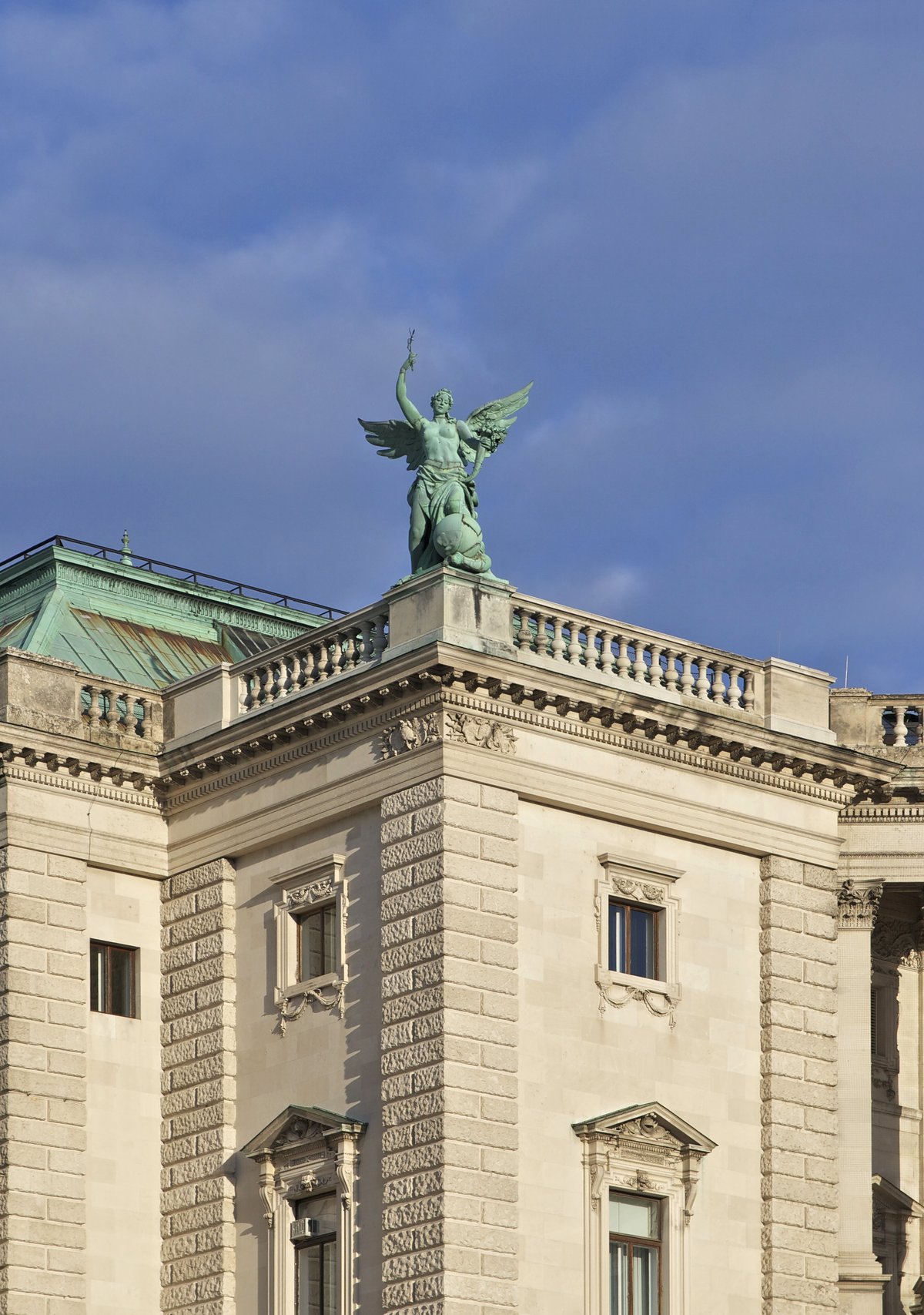
Statue of Fortuna by Johannes Benk located at a corner of the Neue Burg section of the Hofburg palace in Vienna, Austria
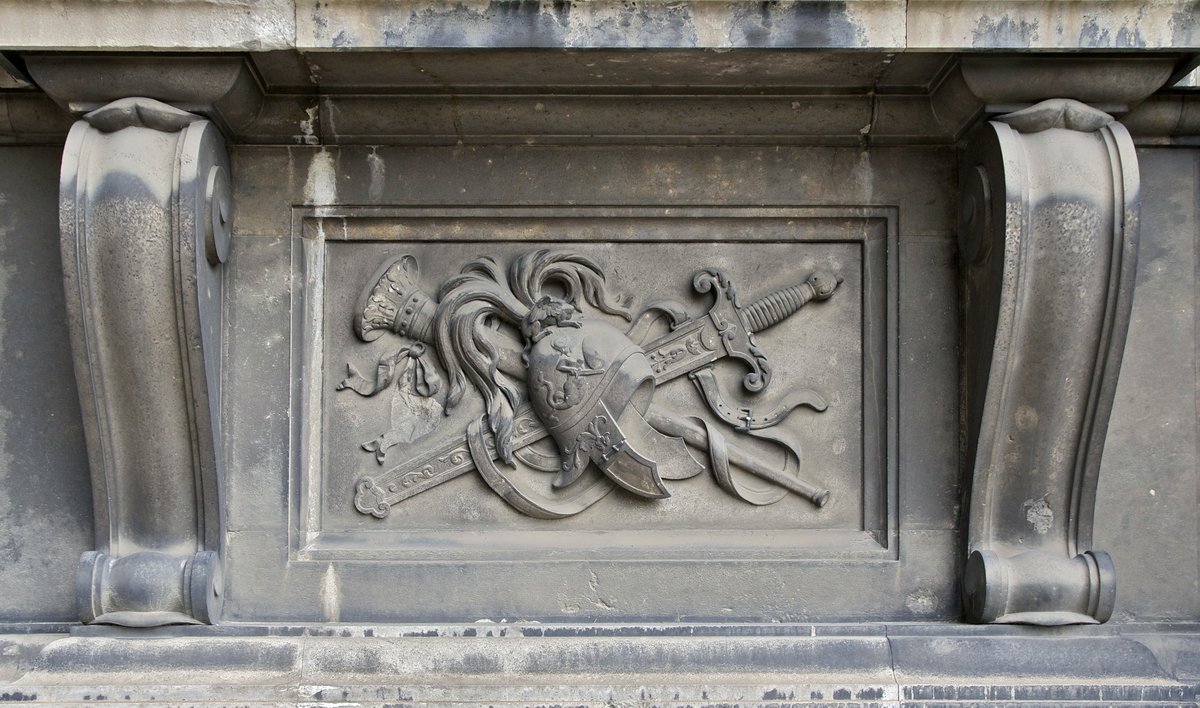
Detailed bas relief artwork on the exterior of the Neue Burg section of Hofburg Palace in Vienna, Austria, showcasing classical architectural and sculptural elements
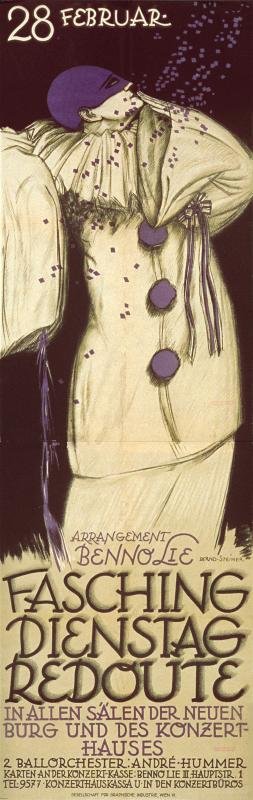
Lithograph depicting Fasching Dienstag Redoute festivities in all halls of Neuen Burg, Vienna, 1922. Created for Gesellschaft für graphische Industrie in Wien, measuring 170 cm by 53.5 cm. An archival piece from ÖNB Bildarchiv und Grafiksammlung.
From Imperial Vision to Modern Landmark
The Neue Burg’s story is deeply intertwined with Vienna’s transformation in the 19th and early 20th centuries. Conceived as part of the ambitious Kaiserforum project by Emperor Franz Joseph I, the Neue Burg was designed to manifest the Habsburgs’ imperial grandeur through an ensemble of ceremonial halls and monumental architecture. The vision, developed by architects like Carl Hasenauer and Gottfried Semper, integrated the Hofburg with new museums and public squares, reflecting Vienna’s emergence as a European capital of culture and power.
Construction on the Neue Burg began in 1881 but was marked by delays and, ultimately, incompletion. The collapse of the monarchy in 1918 left the planned imperial forum unfinished; the Neue Burg itself was completed in 1913, standing as both a symbol of imperial ambition and a reminder of historical change. The semicircular façade, grand staircases, and sculptural adornments remain among Vienna’s architectural highlights (wien.info).
The site also holds poignant historical significance: from its balcony, Adolf Hitler announced the Anschluss—the annexation of Austria by Nazi Germany—in 1938 (visitingvienna.com).
Museums and Collections
The Neue Burg is home to several world-renowned museums and collections, each offering a unique perspective on art, history, and culture.
1. Weltmuseum Wien
The Weltmuseum Wien is one of the world’s foremost ethnographic museums, with over 250,000 objects and a mission to foster cross-cultural understanding. Permanent and temporary exhibitions explore topics from world religions and indigenous cultures to the impact of colonialism. Highlights include the Aztec feathered headdress and collections from Asia, Africa, and the Americas.
2. Ephesos Museum
The Ephesos Museum showcases exceptional archaeological treasures from the ancient city of Ephesus, including monumental sculptures, friezes, and artifacts that illuminate the daily life and religious practices of a major classical metropolis.
3. Imperial Armoury (Hofjagd- und Rüstkammer)
The Imperial Armoury houses one of the world’s richest collections of ceremonial arms and armor, including intricate parade armor, richly decorated swords, and full tournament horse and knight models. These objects offer insight into the martial traditions and ceremonial splendor of the Habsburg court (aviewoncities.com).
4. Collection of Historic Musical Instruments
This collection features rare and historic instruments, such as a fortepiano played by Mozart and a unique wax bust of Joseph Haydn. It is a highlight for music lovers and scholars alike.
5. Austrian National Library (State Hall & Special Collections)
The Austrian National Library is Austria’s largest library, with millions of books, manuscripts, and unique objects like the Papyrus Collection and the Globe Museum. Scholars and the public alike benefit from its resources and exhibitions.
Educational and Public Programs
Guided Tours and Audio Guides
The Neue Burg offers guided tours and audio guides in multiple languages, providing in-depth context on imperial history, the building’s architecture, and museum collections. Family-friendly activities and school programs are available, making the site accessible to a broad audience.
Special Exhibitions and Events
A dynamic calendar of exhibitions, lectures, panel discussions, and cultural events ensures that the Neue Burg remains a vital part of Vienna’s contemporary cultural life. Check the official events calendar for current offerings.
Academic Access
The collections and archives are invaluable for scholarly research in history, art history, ethnography, and related fields, supporting academic partnerships and conferences (audiala.com).
Visitor Information
Getting There and Accessibility
- Public Transport: U-Bahn lines U2 (Volkstheater) and U3 (Herrengasse), tram lines 1, 2, D, and 71 (Burgring stop) all serve the area.
- Walking: Easily accessible on foot from Vienna’s historic city center.
- Parking: Limited and expensive; MuseumsQuartier garage is the closest option.
- Accessibility: Wheelchair-accessible entrances, elevators, and ramps are available. Wheelchairs can be borrowed on request.
Visiting Hours and Tickets
- Opening Hours:
- Tuesday–Sunday: 10:00–18:00
- Closed Mondays (some museums offer extended hours on select evenings—check official sites)
- Tickets:
- Adult: €10–€16 per museum
- Reduced (students, seniors): discounts available
- Children under 19: free in many cases
- Combination tickets and Vienna Pass available for cost savings and skip-the-line entry
- Audio-guided tours: approximately €23
Tickets can be purchased on-site or online (neuehofburg.at), and advance booking is recommended during peak seasons.
Guided Tours and Special Events
Guided tours and special event tickets should be booked in advance. Audio guides are available in several languages.
Photography and Visitor Tips
- Photography without flash and tripods is generally allowed in most areas.
- Plan for 2–3 hours to explore multiple museums.
- Wear comfortable footwear for extensive walking.
- Restrooms and cloakrooms are available.
- The Palmenhaus café in the nearby Burggarten offers a scenic spot for refreshments.
Nearby Attractions
Enhance your visit by exploring adjacent Vienna landmarks:
- Hofburg Palace (Imperial Apartments, Sisi Museum, Treasury)
- Spanish Riding School (Lipizzaner stallions)
- Volksgarten and Burggarten parks
- MuseumsQuartier and Vienna State Opera
- Austrian National Library State Hall
Frequently Asked Questions (FAQ)
What are the Neue Burg’s opening hours?
Tuesday–Sunday, 10:00–18:00. Closed Mondays; check official sites for updates.
How much do tickets cost?
Individual museum tickets are €10–€16, with discounts and combination tickets available.
Is Neue Burg wheelchair accessible?
Yes; elevators, ramps, and wheelchairs on request.
Are guided tours available?
Yes; audio-guided and group tours can be booked online or at the visitor center.
Can I use the Vienna Pass?
Yes; it provides skip-the-line access and cost savings for Neue Burg and other attractions.
Are children and families welcome?
Absolutely; many museums feature family-friendly activities.
Where is the main entrance?
Through the Weltmuseum Wien at Heldenplatz.
Is photography allowed?
Yes, except with flash or tripods; always check signage.
Listen to the full story in the app
Your Personal Curator, in Your Pocket.
Audio guides for 1,100+ cities across 96 countries. History, stories, and local insight — offline ready.
Audiala App
Available on iOS & Android
Join 50k+ Curators
Sources
- verified
- verified
- verified
- verified
Last reviewed: