Introduction to Neptune Fountain
The Neptune Fountain, or Neptunbrunnen, is a mesmerizing historical landmark nestled within the opulent Schönbrunn Palace Gardens in Vienna, Austria. As one of the most significant Baroque masterpieces in Europe, this fountain captures the essence of the Habsburg monarchy's grandeur and cultural sophistication. Constructed in the late 18th century, the fountain not only exemplifies the artistic prowess of its era but also serves as a testament to the rich historical and cultural heritage of Vienna. Visitors to the Neptune Fountain can expect to be enthralled by its intricate design, mythological symbolism, and the serene beauty of its surroundings. This guide aims to provide comprehensive information on the fountain’s history, visiting logistics, travel tips, and nearby attractions, ensuring an unforgettable experience for all who visit this iconic Viennese treasure (Schönbrunn Palace, Vienna Itineraries).
Photo Gallery
Explore Neptunbrunnen in Pictures
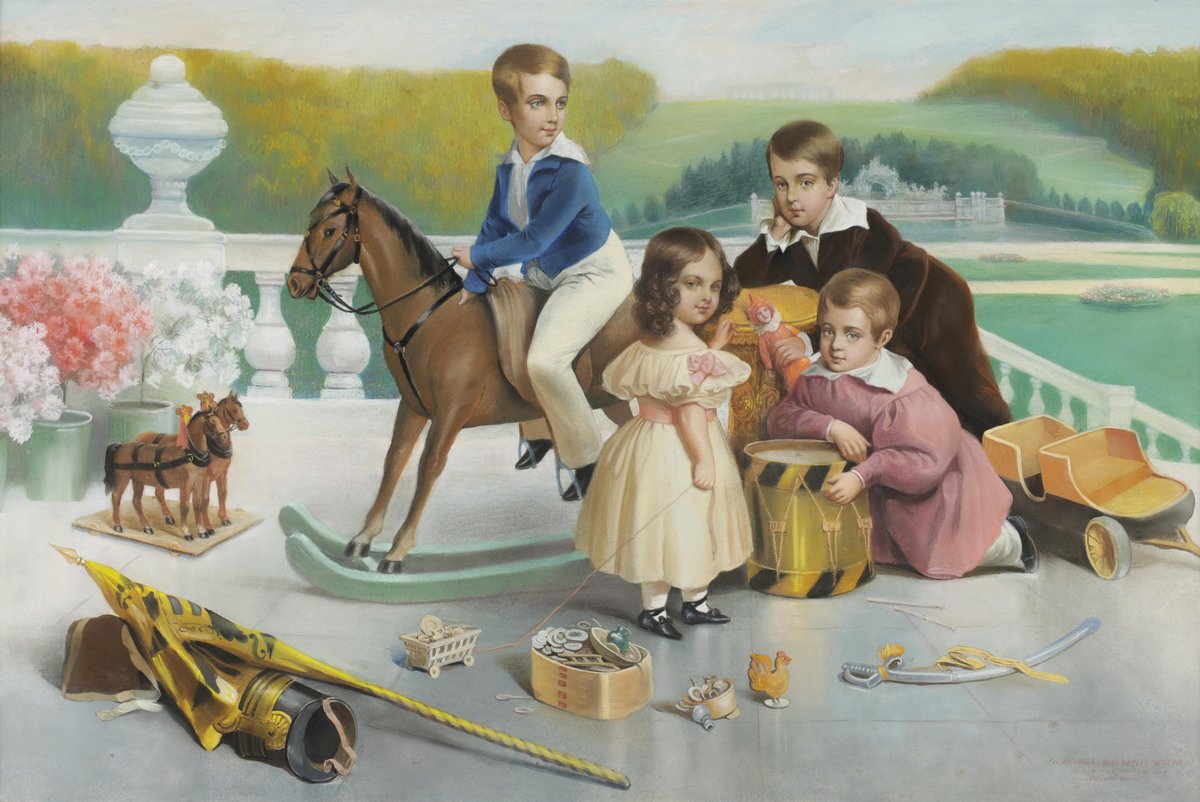
Pastel chalk on paper by Charles Scolik depicting young Emperor Franz Joseph I and his siblings playing at Schönbrunn Palace, signed by the artist.

Scenic view of The Great Parterre and the Gloriette at Schönbrunn Palace, a historic imperial summer residence in Vienna, Austria
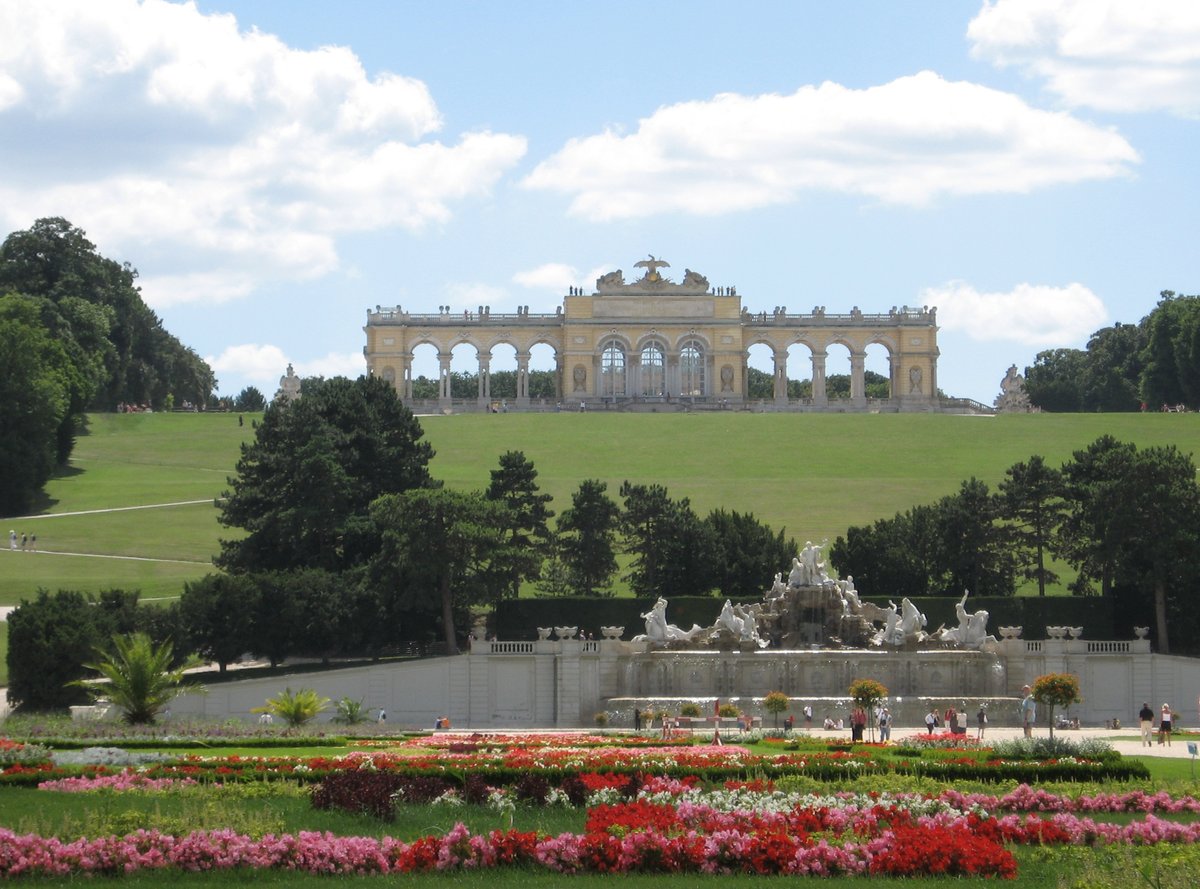
The Gloriette, a historic architectural structure located at Schloss Schönbrunn in Vienna, Austria, captured in July 2006.
History of Neptune Fountain
Origins and Construction
Commissioned by Empress Maria Theresa in the late 18th century as part of an extensive garden redesign, the construction of the Neptune Fountain began in 1776 and was completed in 1780. Designed by renowned architect Johann Ferdinand Hetzendorf von Hohenberg, the fountain stands as a testament to Baroque art and architecture.
Artistic and Architectural Significance
The Neptune Fountain features a grandiose central figure of Neptune, the Roman god of the sea, holding a trident and surrounded by mythological figures. The design, influenced by classical mythology and Renaissance art, reflects the cultural aspirations of the Habsburg monarchy during the Enlightenment period.
Historical Context
The construction of the fountain was part of Empress Maria Theresa's efforts to transform the Schönbrunn Palace into a symbol of Habsburg power and cultural sophistication. Its completion in 1780 coincided with significant political and social changes in Europe, reflecting broader cultural currents of the Enlightenment.
Restoration and Preservation
The Neptune Fountain has undergone several restorations, with major efforts in the mid-19th century under Emperor Franz Joseph I and more recently in the early 21st century. These restorations aimed to preserve the fountain's artistic and historical integrity, involving expert art conservation teams and funding from public and private sources.
Neptune Fountain Visiting Hours and Tickets
The Schönbrunn Palace Gardens, where the Neptune Fountain is located, are open to the public year-round. Specific visiting hours can vary, so it's advisable to check the official Schönbrunn Palace website for the most up-to-date information.
Ticket Prices
While entry to the gardens is generally free, certain areas within the Schönbrunn Palace complex may require tickets. Prices can vary based on the type of tour and access level. Detailed ticket pricing is available on the official website.
Travel Tips and Nearby Attractions
The gardens are easily accessible by public transportation, with several tram and bus lines stopping nearby. Guided tours are available and provide additional historical context and insights into the fountain's significance. Nearby attractions include the Schönbrunn Palace, the Gloriette, and the Schönbrunn Zoo.
Special Events and Photography Tips
The Neptune Fountain has been the site of numerous public events, including royal weddings and cultural festivals. For photography enthusiasts, the best time to capture the fountain is during the spring and summer months, particularly in the early morning or late afternoon when the lighting is most dramatic.
FAQs
What are the opening hours of the Neptune Fountain?
- The Schönbrunn Palace Gardens are open year-round; specific hours can be found on the official website.
How much does it cost to visit the Neptune Fountain?
- Entry to the gardens is generally free, but certain areas may require tickets. Check the official website for detailed pricing.
Listen to the full story in the app
Your Personal Curator, in Your Pocket.
Audio guides for 1,100+ cities across 96 countries. History, stories, and local insight — offline ready.
Audiala App
Available on iOS & Android
Join 50k+ Curators
Sources
- verified
- verified
- verified
- verified
- verified
Last reviewed: