Introduction
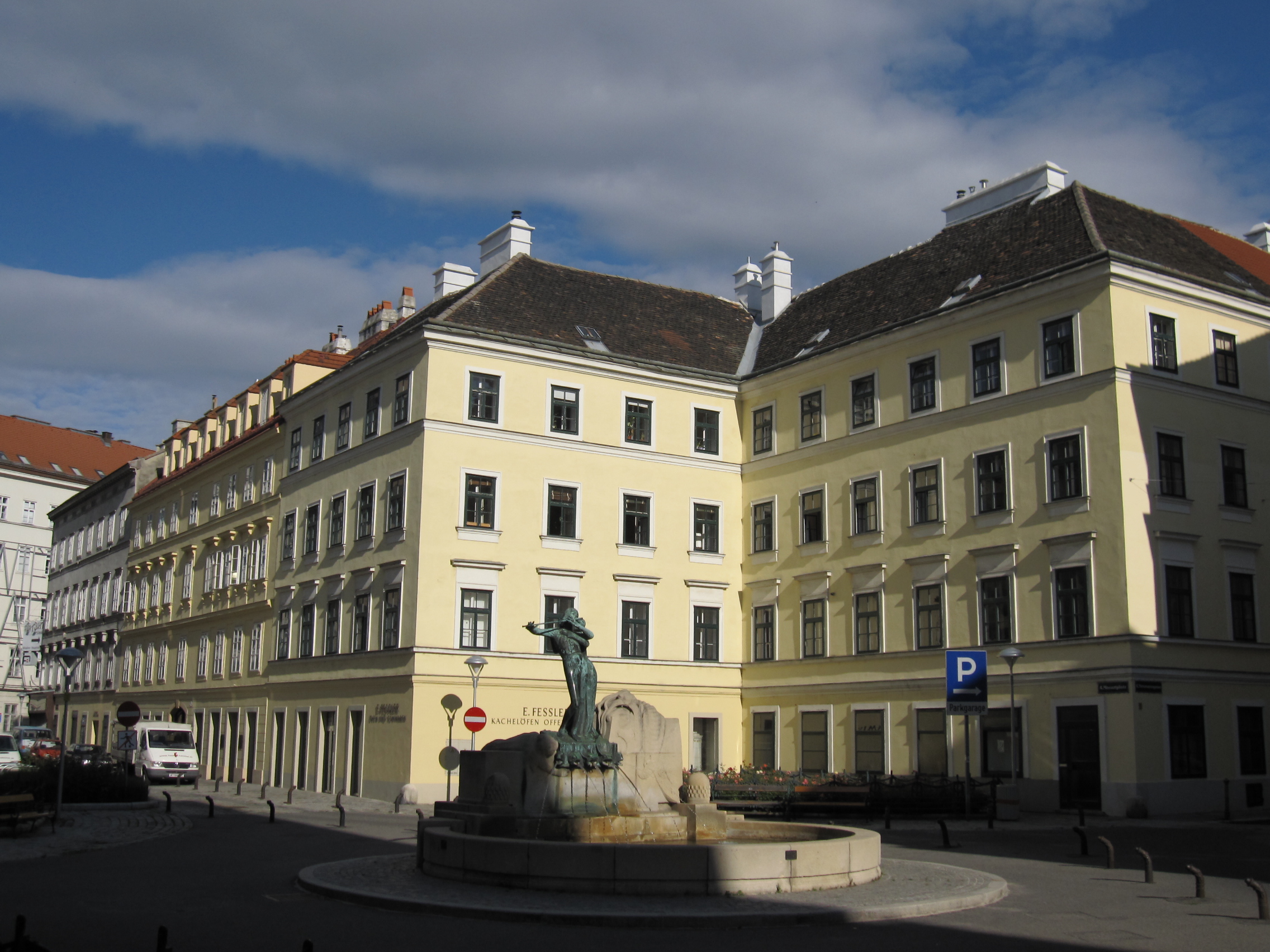
Nestled in Vienna’s Innere Stadt, Minoritenplatz is one of the city’s oldest and most evocative squares. Renowned for its Gothic Minoritenkirche (Minorite Church), grand government palaces, and tranquil ambiance, the square embodies Vienna’s layered history—from medieval religious roots and imperial grandeur to vibrant civic and cultural life. Whether you’re an architecture enthusiast, a history buff, or a traveler seeking Vienna’s hidden gems, this guide provides comprehensive details on Minoritenplatz’s visiting hours, ticketing, accessibility, key attractions, nearby sights, and practical travel tips.
For further background and inspiration, see Vienna Würstelstand: Historical Spots in Vienna and the official Minoritenkirche website.
Medieval Origins and Religious Foundations
Minoritenplatz’s roots date to the early 13th century, when Duke Leopold VI invited the Franciscan Friars Minor to Vienna. The Minoritenkirche was founded in 1224 and rapidly became a spiritual and communal center, surviving centuries of religious reform and imperial events.
Aristocratic and Political Influence
Minoritenplatz’s proximity to the Hofburg Palace made it a prestigious address for aristocratic families from the 16th to 18th centuries. Palatial residences and government buildings rose around the square, reflecting its growing political importance. Today, it houses key Austrian ministries such as the Federal Chancellery, Ministry of Foreign Affairs, Ministry of the Interior, and Ministry of Education (Let's Roam).
Artistic and Architectural Heritage
The Minoritenkirche is a prime example of French-influenced Gothic architecture. Its fortress-like exterior, pointed arches, and restrained ornamentation set it apart from other Viennese churches. Inside, the church features a monumental mosaic copy of Leonardo da Vinci’s “The Last Supper”—created by Giacomo Raffaelli in the early 19th century and originally commissioned by Napoleon (Classictic). The square also features the ornate Lapis Lazuli Fountain and commemorative plaques narrating the journeys of aristocratic residents and the artistic treasures housed within.
Visiting Minoritenplatz: Essential Information
Visiting Hours
- Minoritenplatz (Square): Open to the public 24/7, year-round.
- Minoritenkirche: Generally open daily from 9:00 AM to 6:00 PM. Visiting hours may vary during special events and religious services; always consult the official Minoritenkirche website or on-site signage for up-to-date information.
- Government Buildings: Not open for public tours except during special events.
Ticket Information
- Minoritenplatz: Free public access; no ticket required.
- Minoritenkirche: Free entry; donations are appreciated. Special exhibitions or guided tours may require tickets.
- Concerts and Events: Classical concerts and select cultural events in the church require advance ticket purchase (Classictic).
Accessibility
- The square and church are wheelchair accessible, with smooth cobblestone surfaces and ramps at main entrances.
- Assistance is available upon request; visitors with mobility concerns are encouraged to contact venues in advance.
Getting There
- On Foot: Minoritenplatz is a short walk from central sites like Stephansplatz, the Hofburg, and Graben.
- By Public Transport: Closest U-Bahn stations are Herrengasse (U3) and Stephansplatz (U1, U3). Multiple tram and bus lines also serve the area (Timeout Vienna).
Best Times to Visit
- Early morning or late afternoon for ideal lighting and fewer crowds.
- Spring and autumn offer mild weather and pleasant atmospheres.
- The square is especially festive during the winter holiday season, when it hosts a charming Christmas market (Explorial).
Guided Tours and Events
- Many walking tours of Vienna’s historic center include Minoritenplatz as a highlight (Explorial).
- The Minoritenkirche hosts regular classical concerts, particularly during summer festivals. Advance booking is recommended for popular events (Classictic).
Photographic Highlights
- The Gothic façade and flying buttresses of Minoritenkirche.
- The Lapis Lazuli Fountain, especially in morning or evening light.
- Ornate government buildings and the tranquil square, ideal for both wide shots and architectural details.
Key Attractions at Minoritenplatz
Minoritenkirche (Minorite Church)
A Gothic masterpiece, the Minoritenkirche is one of Vienna’s oldest churches, originally constructed in the 13th and 14th centuries. Its interior features slender columns, minimal ornamentation, and the remarkable mosaic of Leonardo’s “The Last Supper.”
- Opening Hours: Generally 9:00 AM–6:00 PM (check for variations).
- Admission: Free (donations welcome); tickets required for concerts.
- Highlights: Gothic architecture, mosaic art, stained glass, Baroque high altar.
Lapis Lazuli Fountain
Crafted from the largest known lapis lazuli stone discovered in the Chilean Andes, this unique fountain adds a contemporary touch to the square. Plaques recount the stone’s journey and transformation into public art (Vienna Itineraries).
Government Buildings
The Federal Chancellery, Ministry of Foreign Affairs, Ministry of the Interior, and Ministry of Education all border the square. While their interiors are not generally open to visitors, their grand exteriors offer excellent photo opportunities and a glimpse into Austrian civic life.
Historical Residences
Minoritenplatz was once home to Vienna’s aristocracy. The nearby Pasqualati House, where Beethoven composed parts of his Fifth Symphony and “Fidelio,” underscores the area’s deep cultural roots (Explorial).
Practical Visitor Tips
Dress Code and Etiquette
- Modest attire is recommended when entering churches, especially during services.
- Maintain respectful silence inside religious spaces; avoid flash photography unless permitted.
Safety and Security
- Minoritenplatz is in a government district and is considered very safe.
- Standard precautions apply for personal belongings during busy events or markets.
Restrooms and Facilities
- Public restrooms are available nearby in cafés, museums, and U-Bahn stations.
Food and Refreshments
- While the square itself is not a dining hub, nearby streets offer traditional Viennese cafés and restaurants.
- For an authentic treat, enjoy a melange and Sacher Torte at a local coffee house (The Vienna Blog).
Language
- German is the official language, but English is widely spoken in tourist areas and at major attractions.
Budget
- Visiting Minoritenplatz and the Minoritenkirche is free; expect moderate prices for food and tours in the city center (All About Vienna).
Nearby Sights
Minoritenplatz’s central location makes it ideal for combining with other top Vienna attractions:
- Hofburg Imperial Palace: Museums, Spanish Riding School, and imperial apartments.
- St. Stephen’s Cathedral: Iconic Gothic church with panoramic city views.
- MuseumsQuartier: Modern and contemporary art museums.
- Ringstrasse: Grand boulevard lined with architectural landmarks (Timeout Vienna).
Frequently Asked Questions (FAQ)
Q: What are Minoritenplatz’s visiting hours?
A: The square is open 24/7. Minoritenkirche is generally open 9:00 AM–6:00 PM; check the official website for current hours.
Q: Are tickets required for the Minoritenkirche?
A: General admission is free; donations are appreciated. Tickets are required for concerts and special events.
Q: Is Minoritenplatz accessible for visitors with mobility challenges?
A: Yes, the square and church have ramps and even pavements; some historic interiors may have limited accessibility.
Q: When is the best time to visit Minoritenplatz?
A: Early mornings, late afternoons, spring, and autumn are ideal. The Christmas market in winter is a highlight.
Q: Are guided tours available?
A: Yes, many Vienna walking tours include Minoritenplatz. The church also occasionally offers guided visits (Explorial).
Summary: Travel and Ticket Advice
Minoritenplatz is a serene and vibrant enclave in Vienna’s historic center that blends medieval heritage, imperial legacy, and contemporary civic life. Free to access and centrally located, it’s an ideal destination for history lovers, architecture aficionados, and culture seekers. Highlights include the Gothic Minoritenkirche with its renowned mosaic, stately government palaces, and unique features like the Lapis Lazuli Fountain. The dynamic calendar of cultural events—including world-class concerts and seasonal markets—adds to its appeal.
For a rewarding visit:
- Check current opening hours and event schedules.
- Consider guided tours for deeper insights.
- Use the Audiala app for maps, audio guides, and insider tips.
For authoritative visitor information, see:
Discover More
Ready to explore Minoritenplatz and Vienna’s historic treasures? Download the Audiala app for guided audio tours, up-to-date visiting information, and expert travel tips. For more insights, follow us on social media and explore our Vienna travel guides online.
Audiala2024
Listen to the full story in the app
Your Personal Curator, in Your Pocket.
Audio guides for 1,100+ cities across 96 countries. History, stories, and local insight — offline ready.
Audiala App
Available on iOS & Android
Join 50k+ Curators
Sources
- verified
- verified
- verified
- verified
- verified
Last reviewed: